Deburred and Scuffed Aileron Stiffener Holes

August 29, 2011

Prev | Next

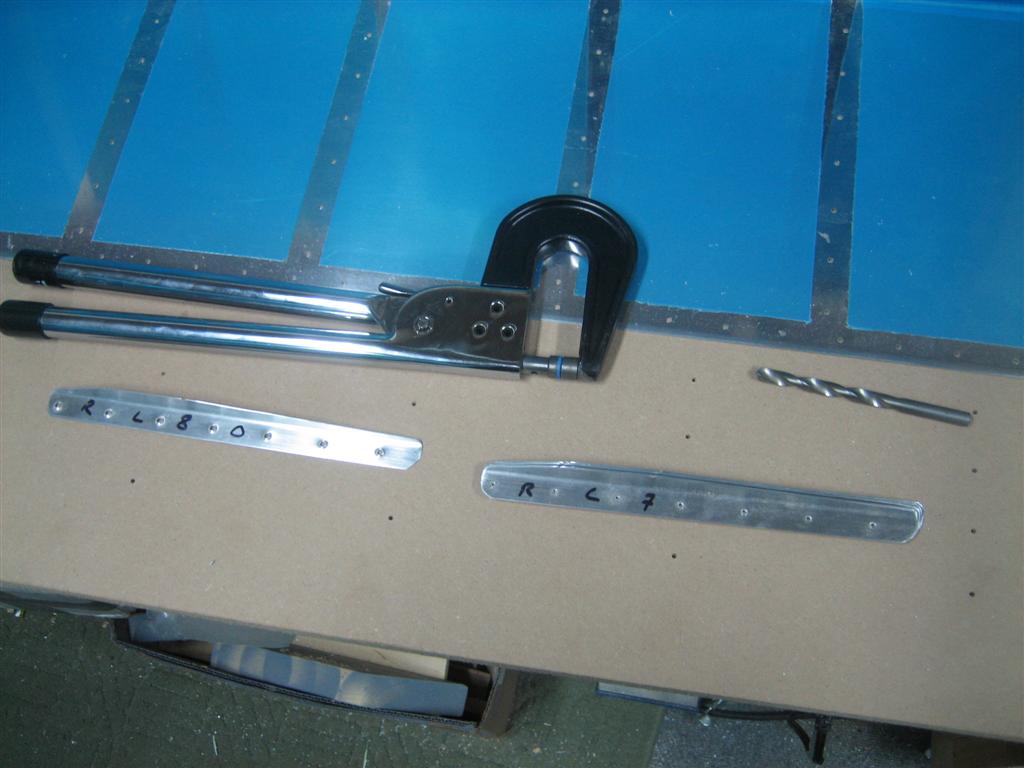
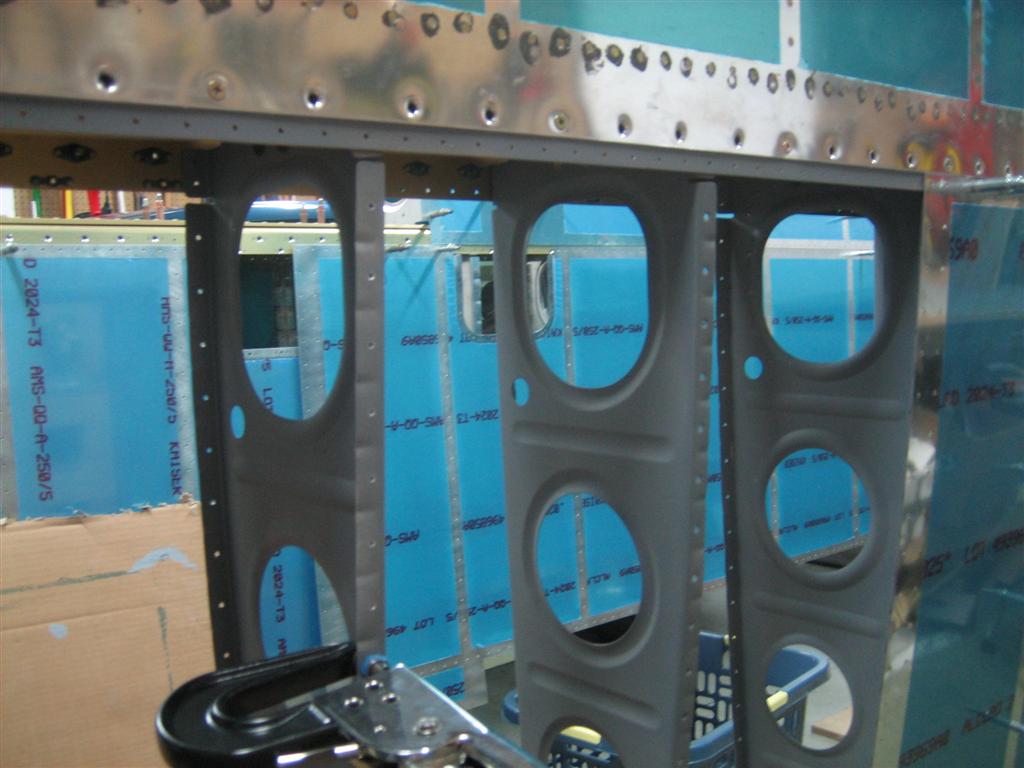
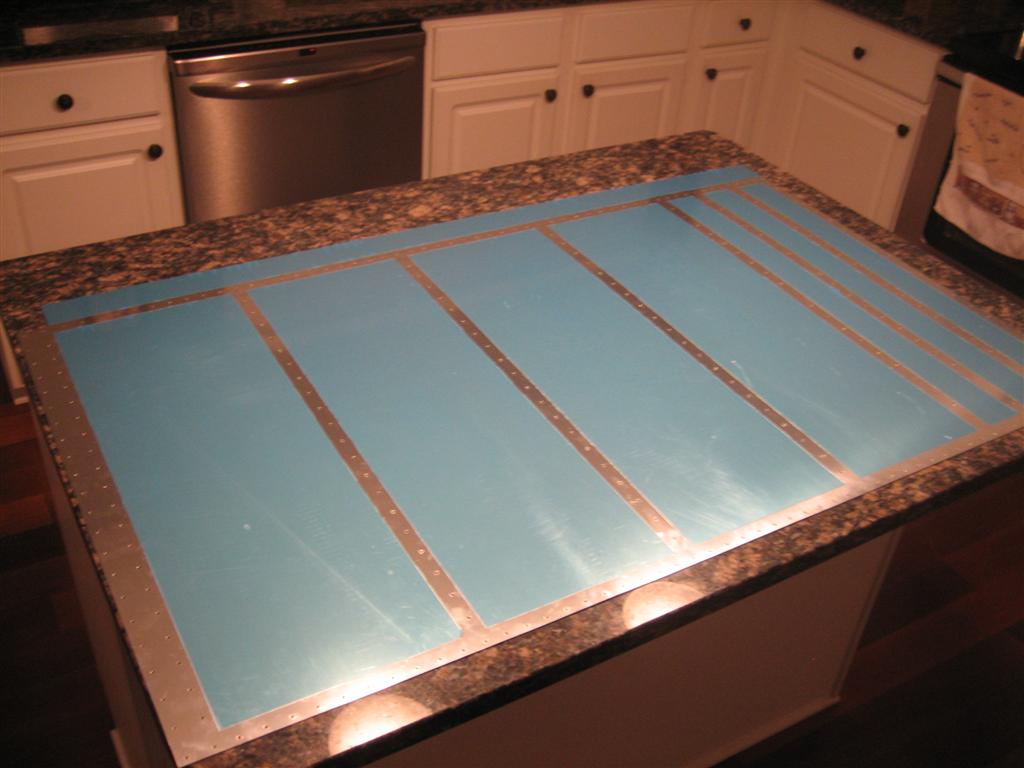
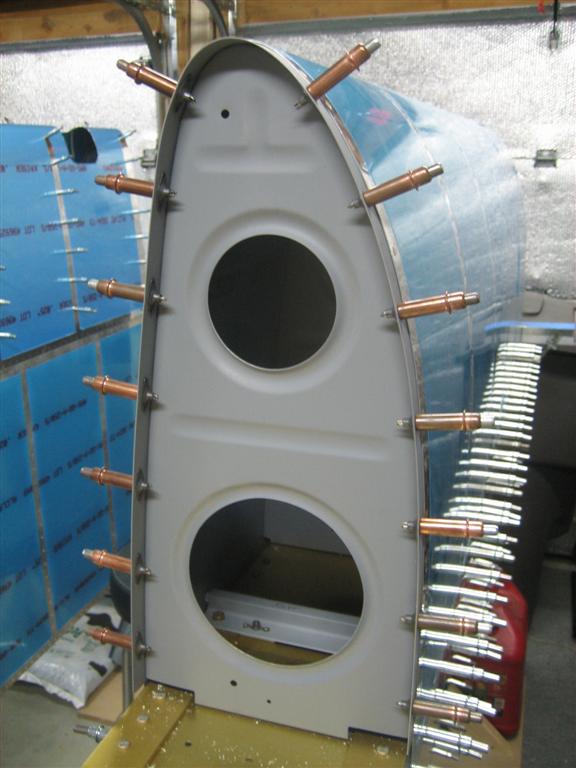
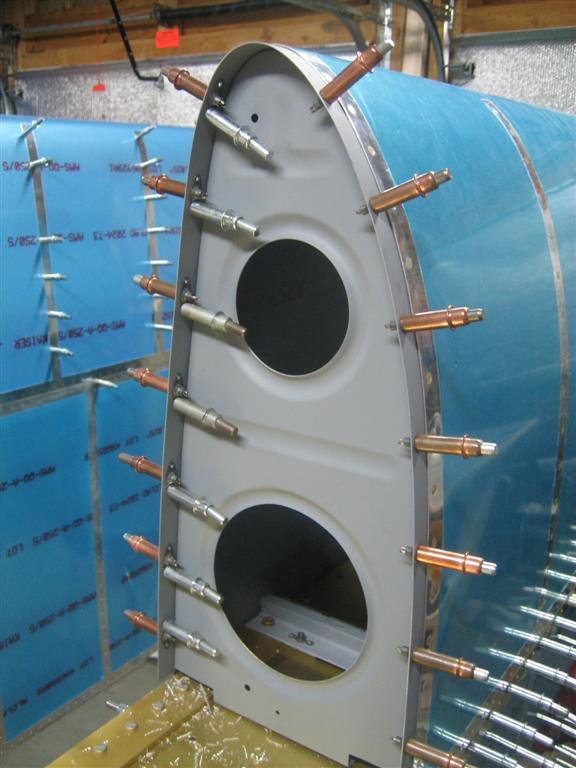
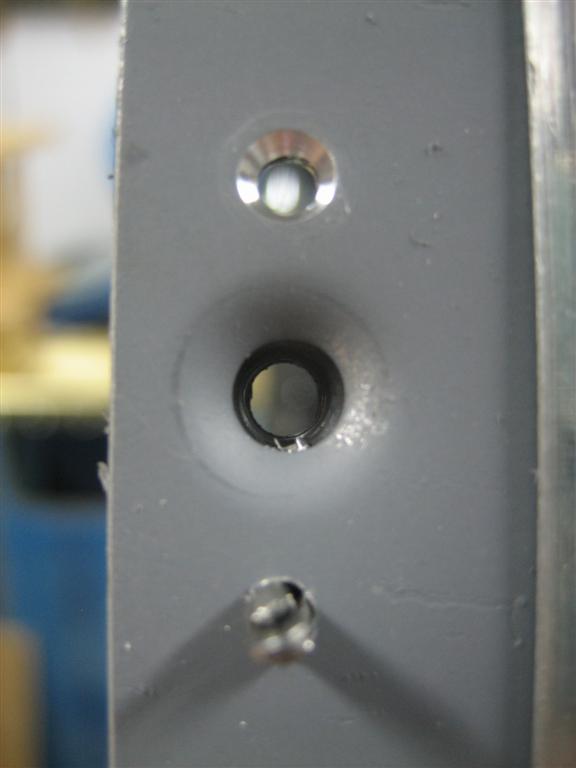
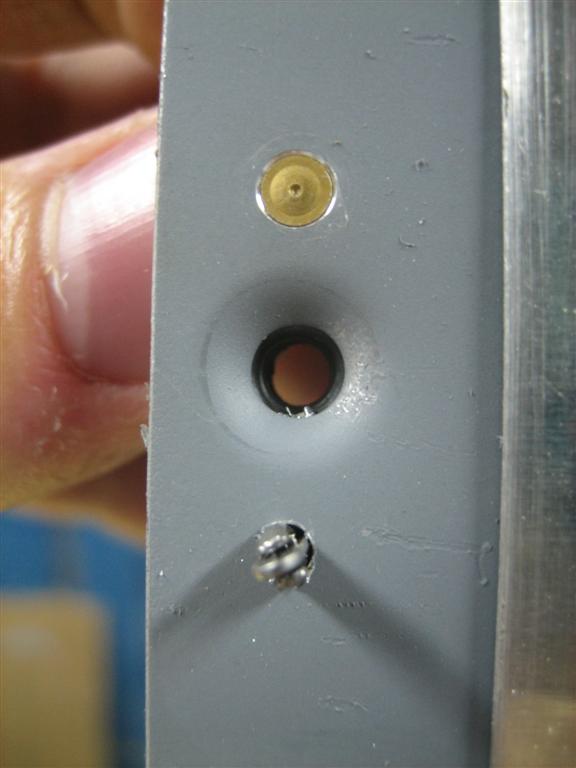
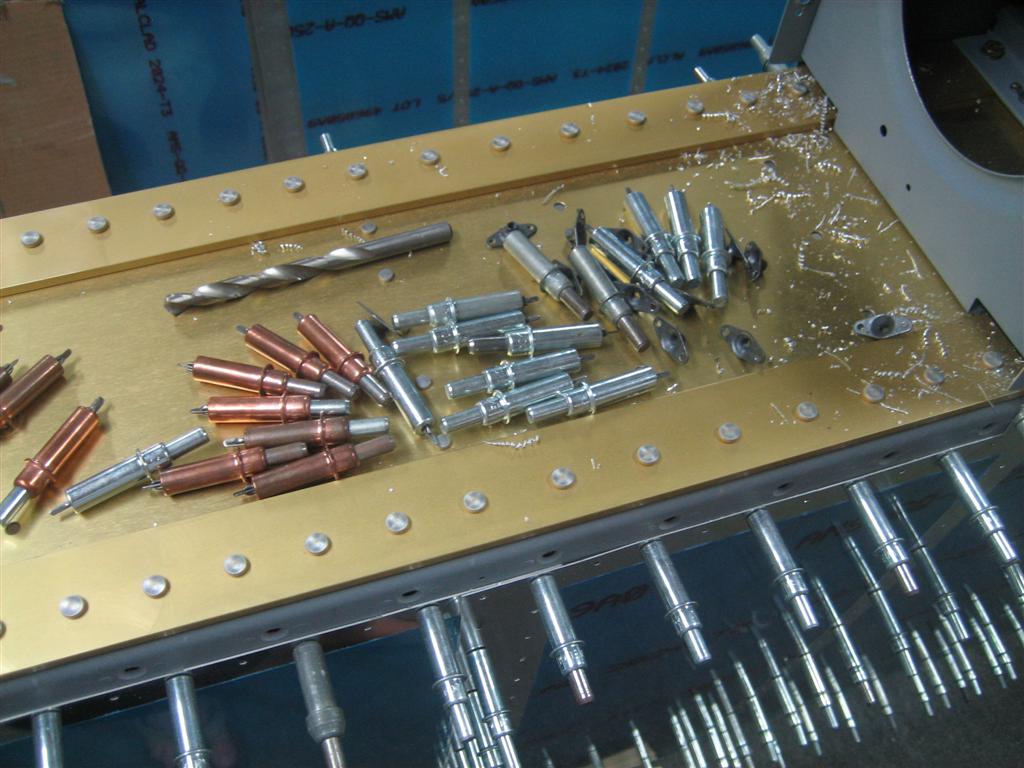
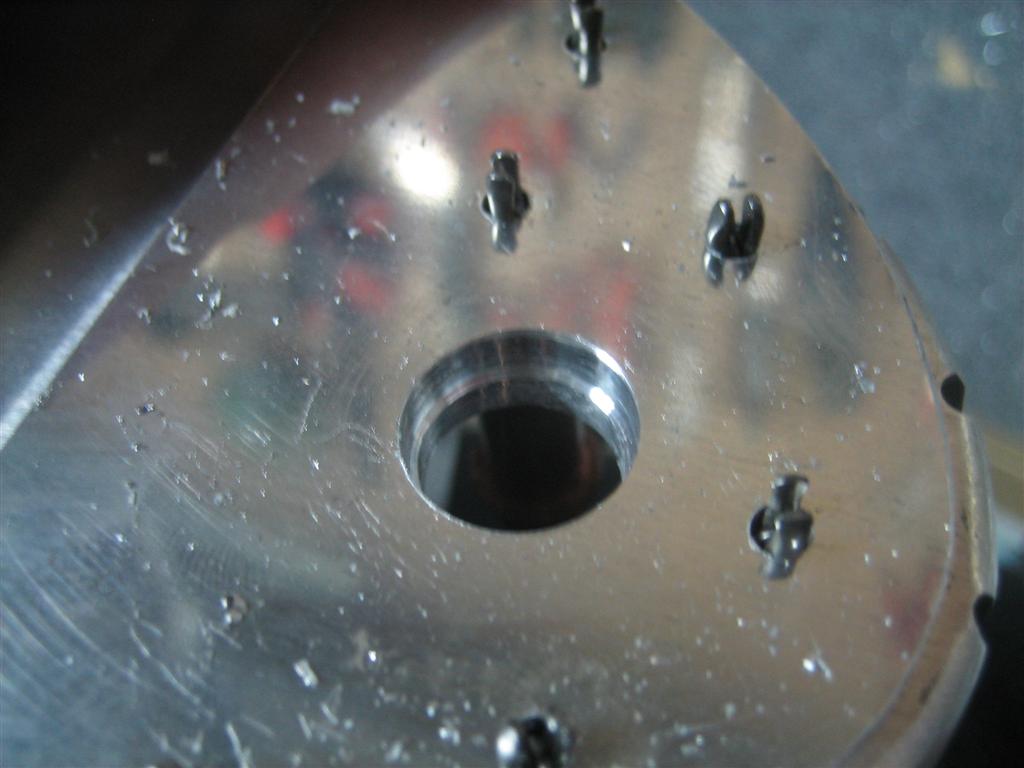
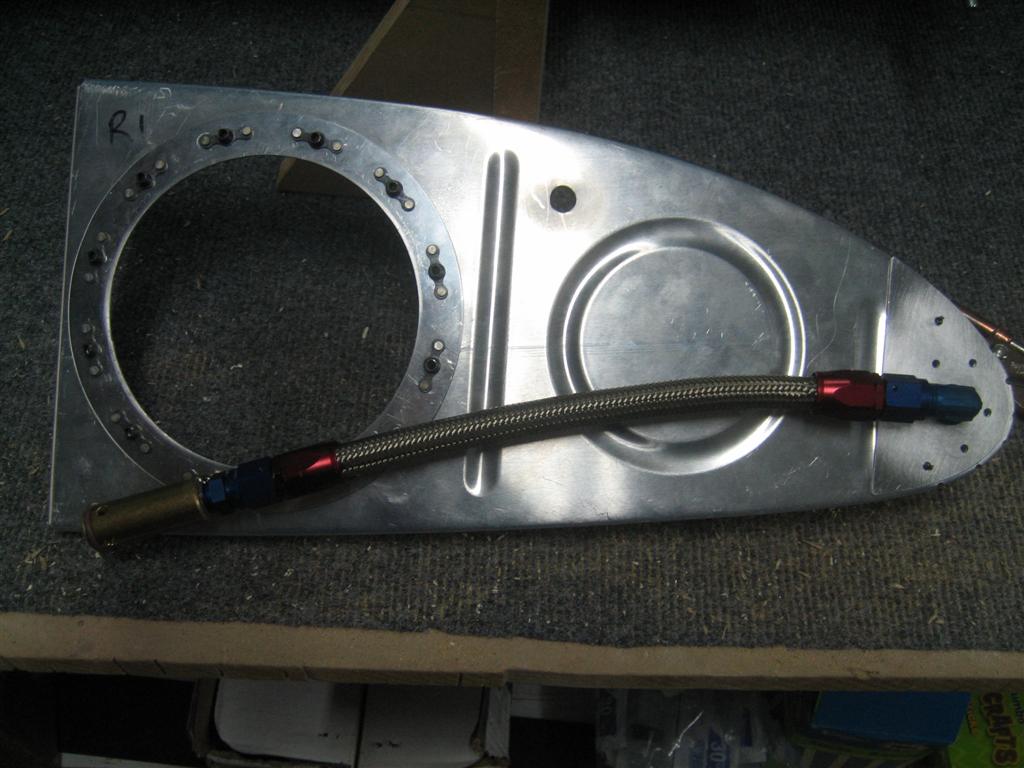
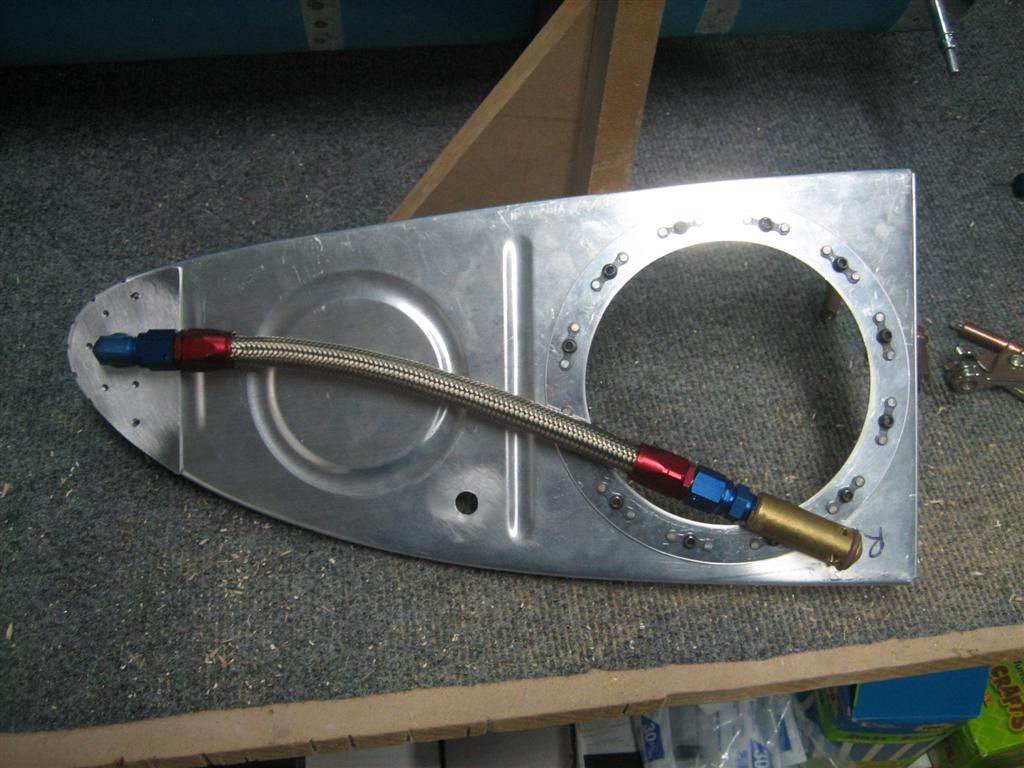
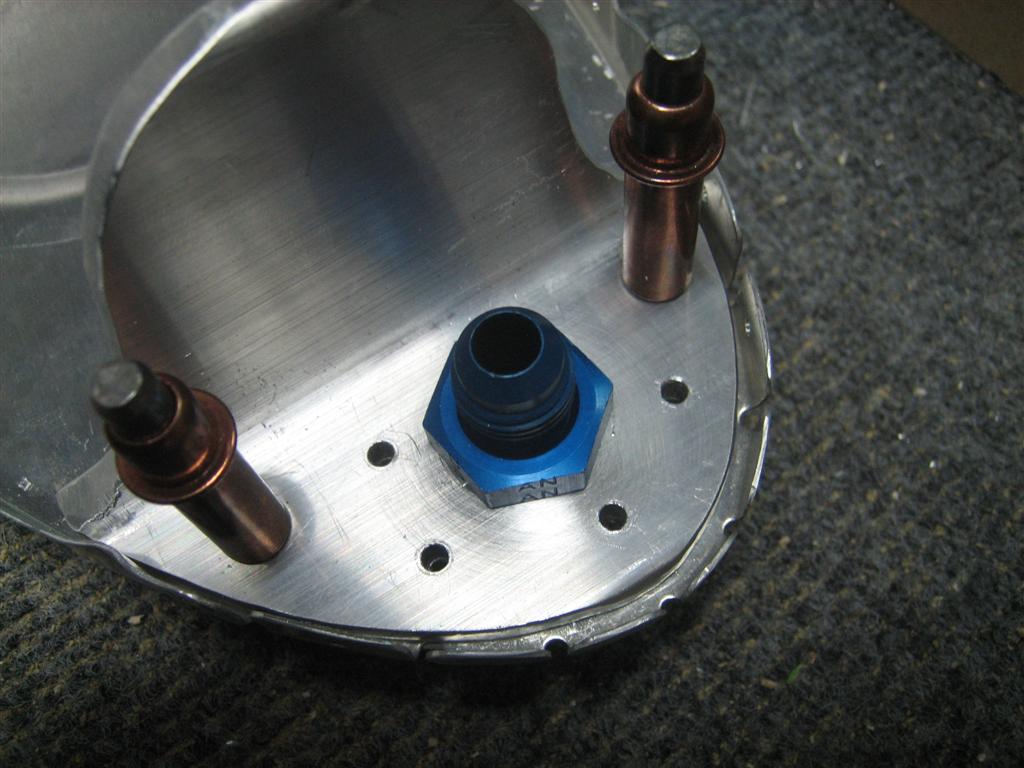
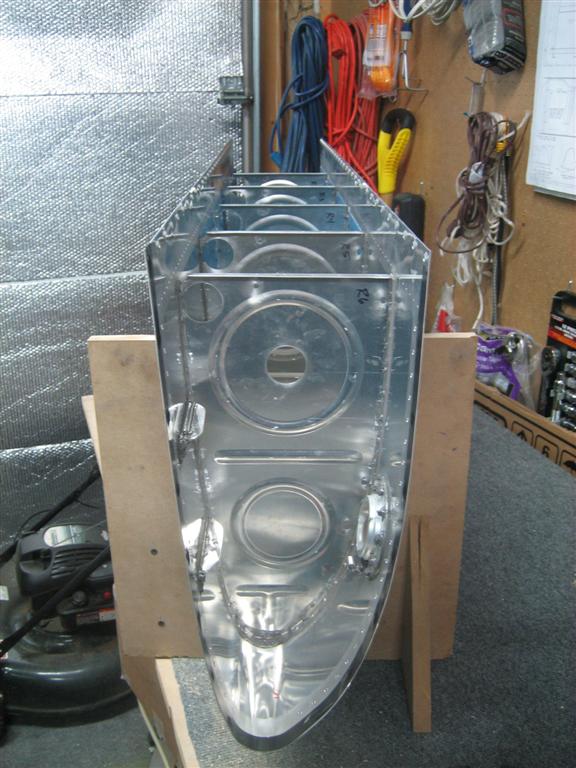
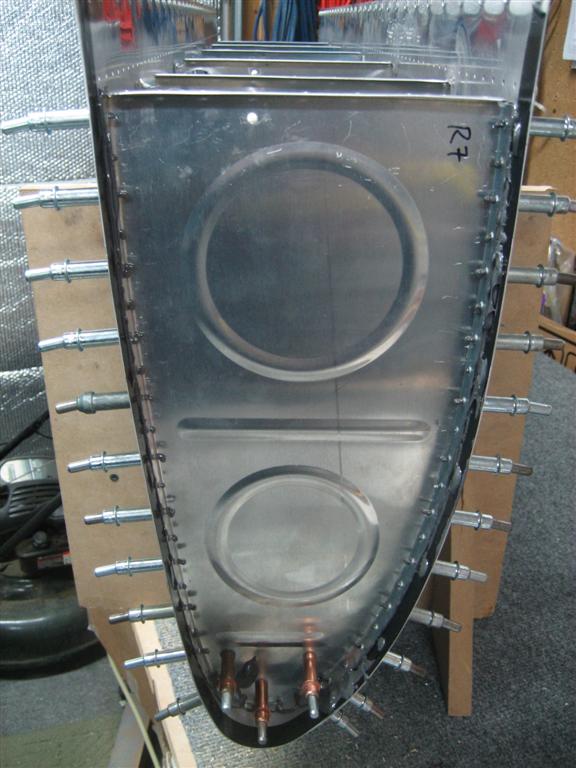
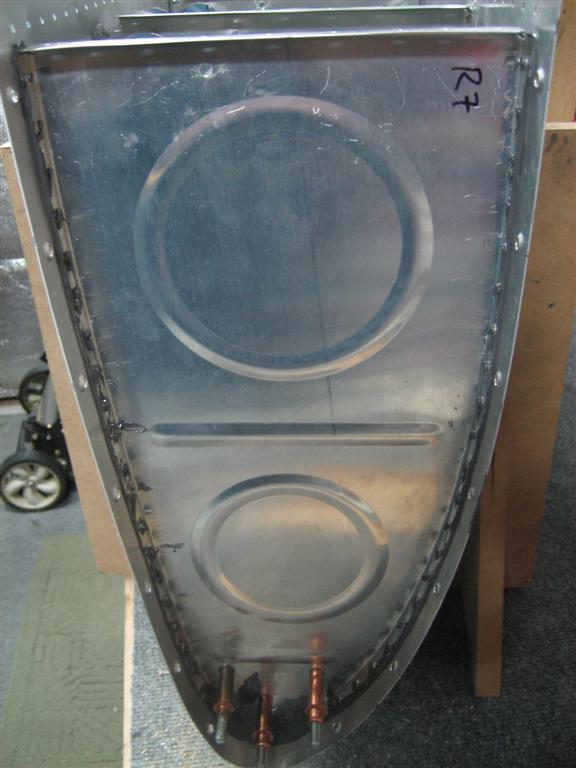
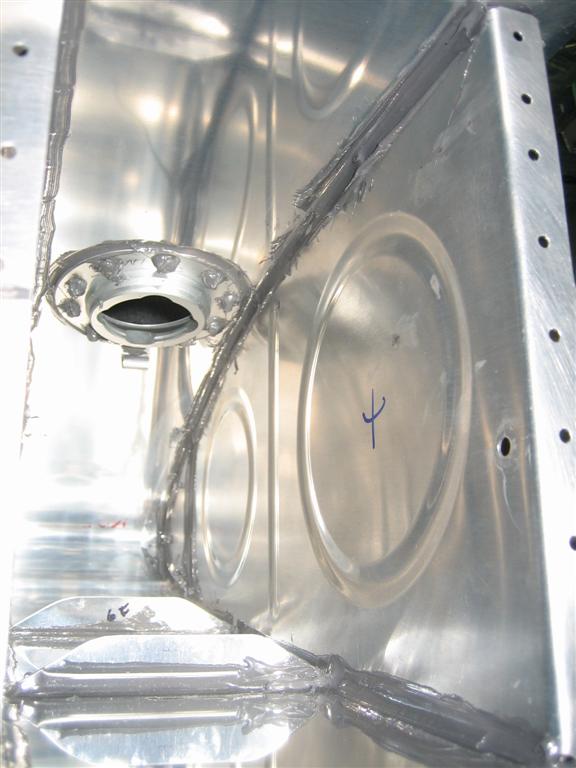
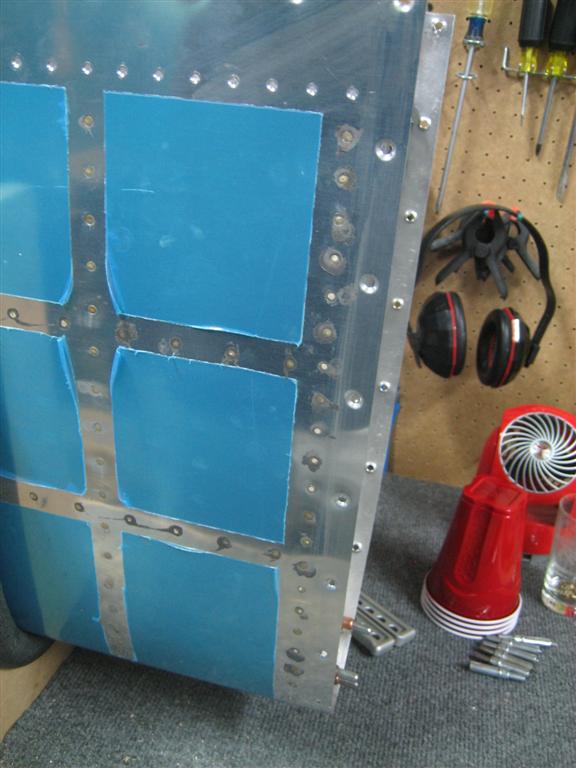
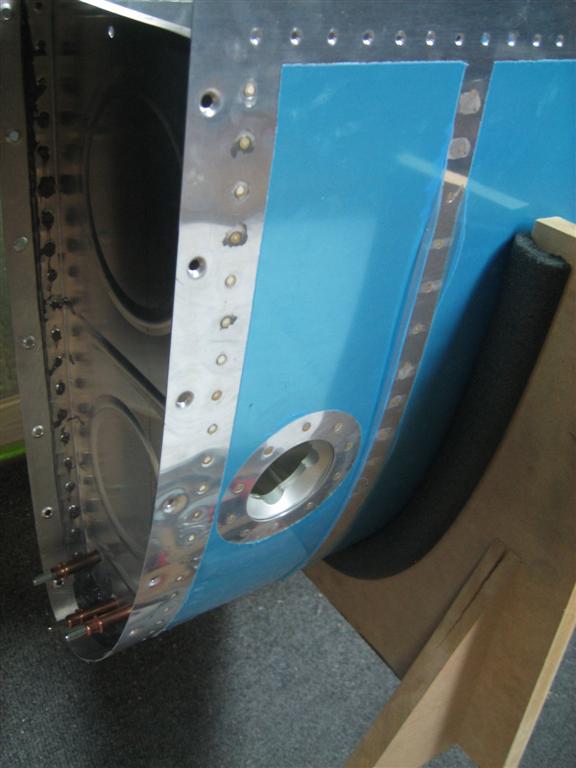
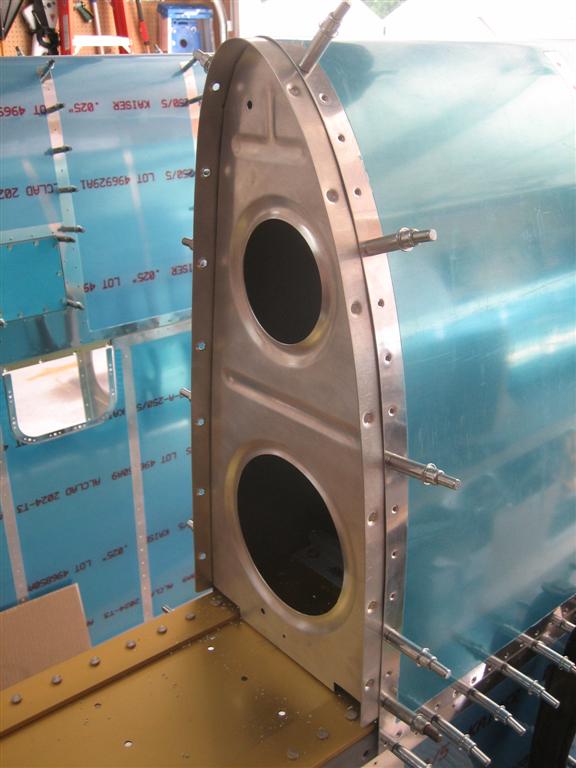
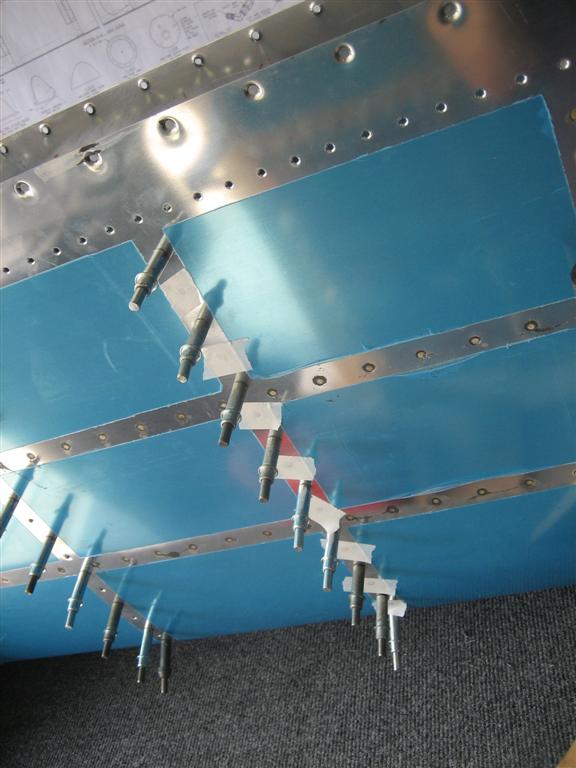
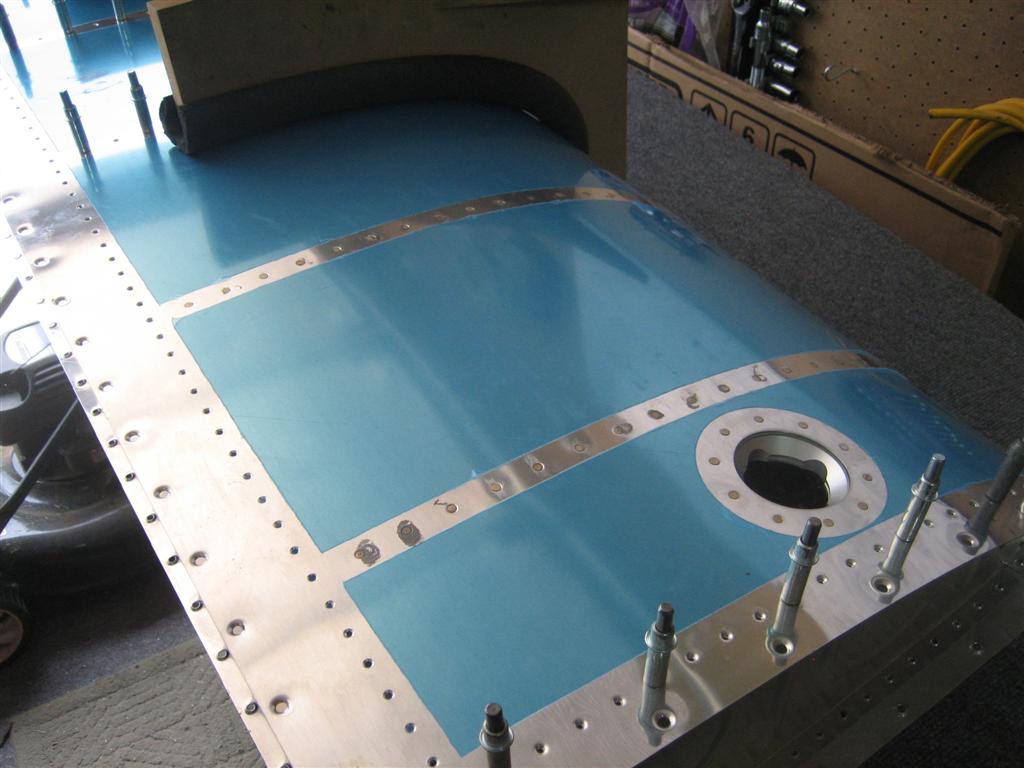
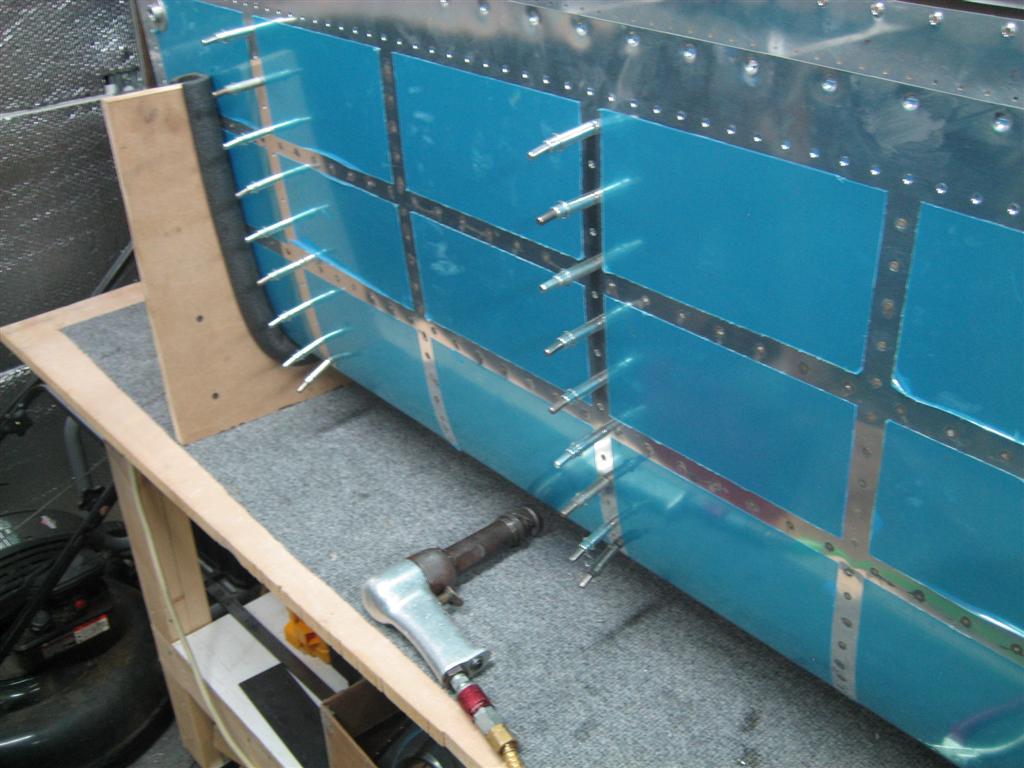
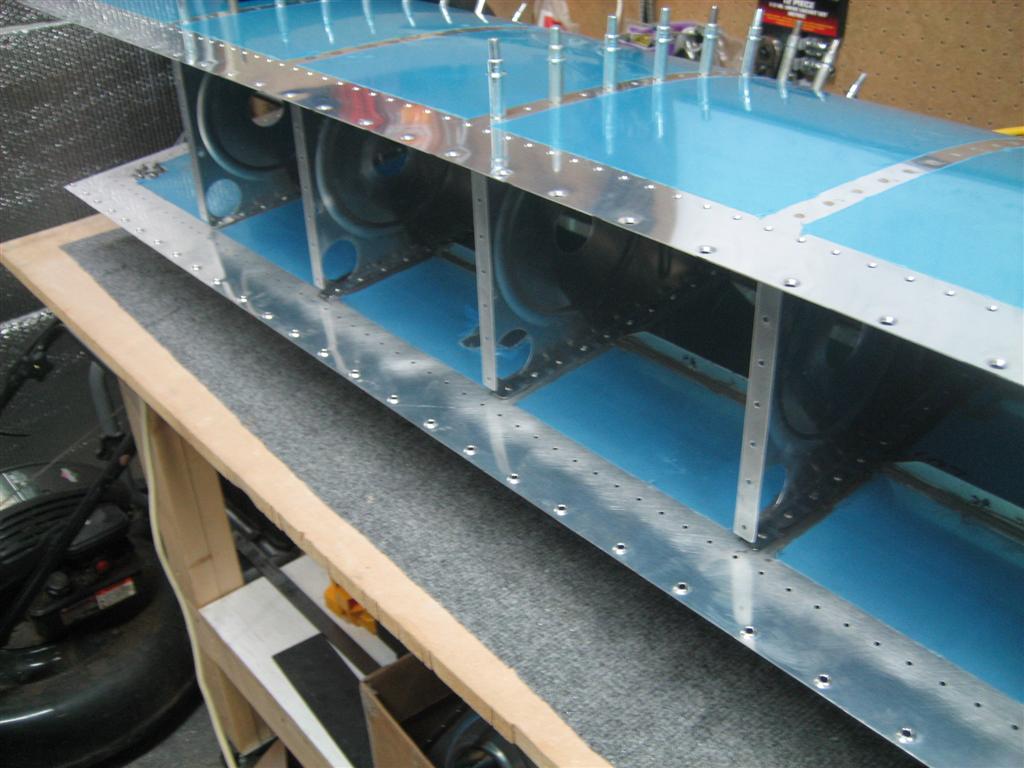
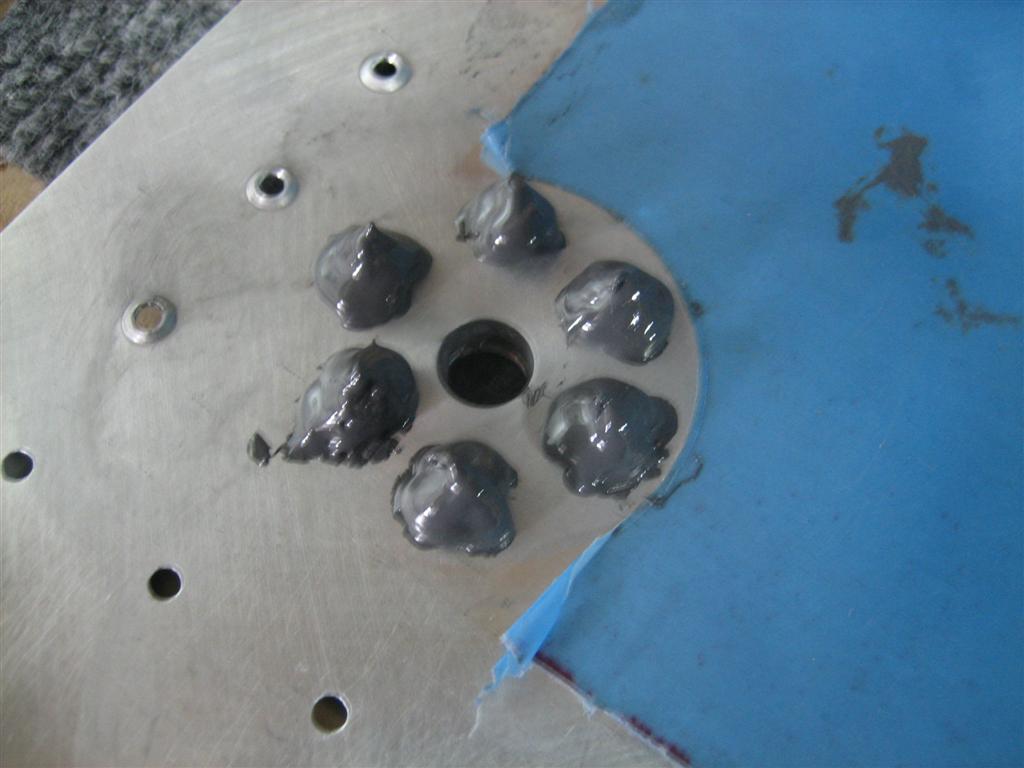
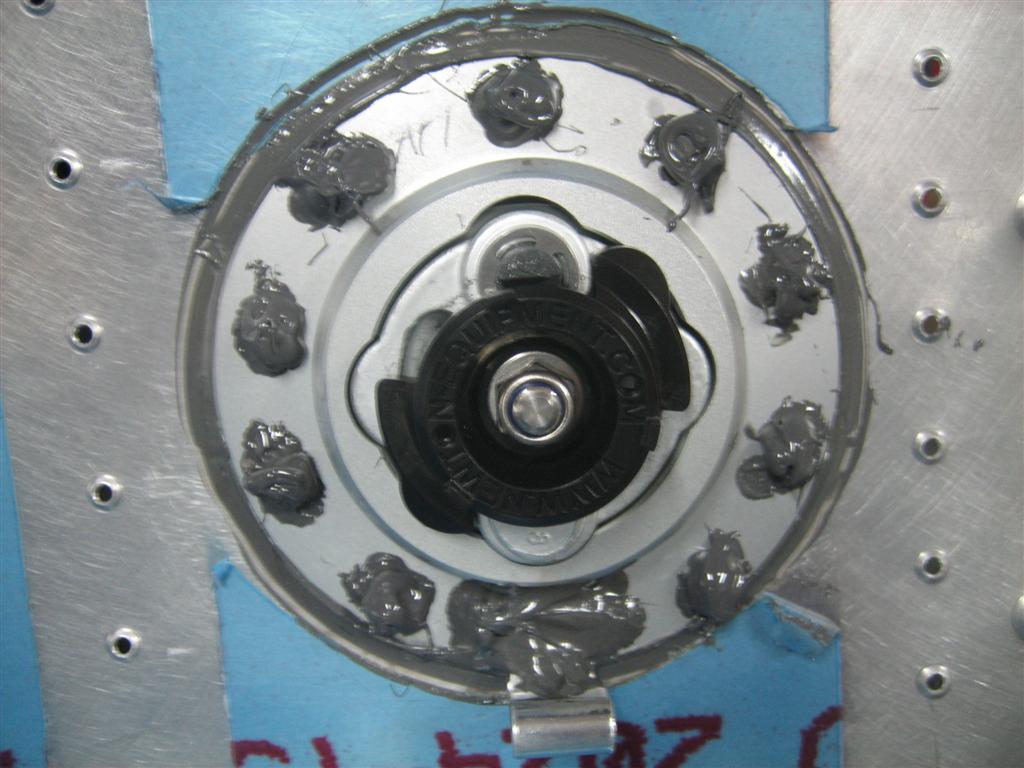
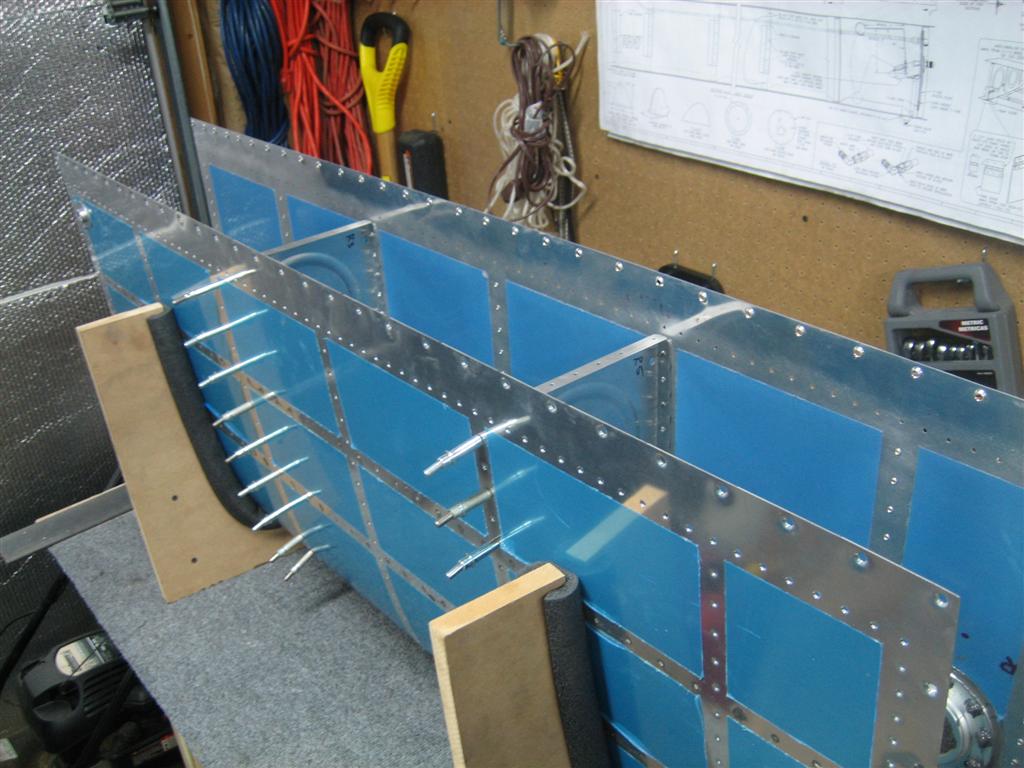
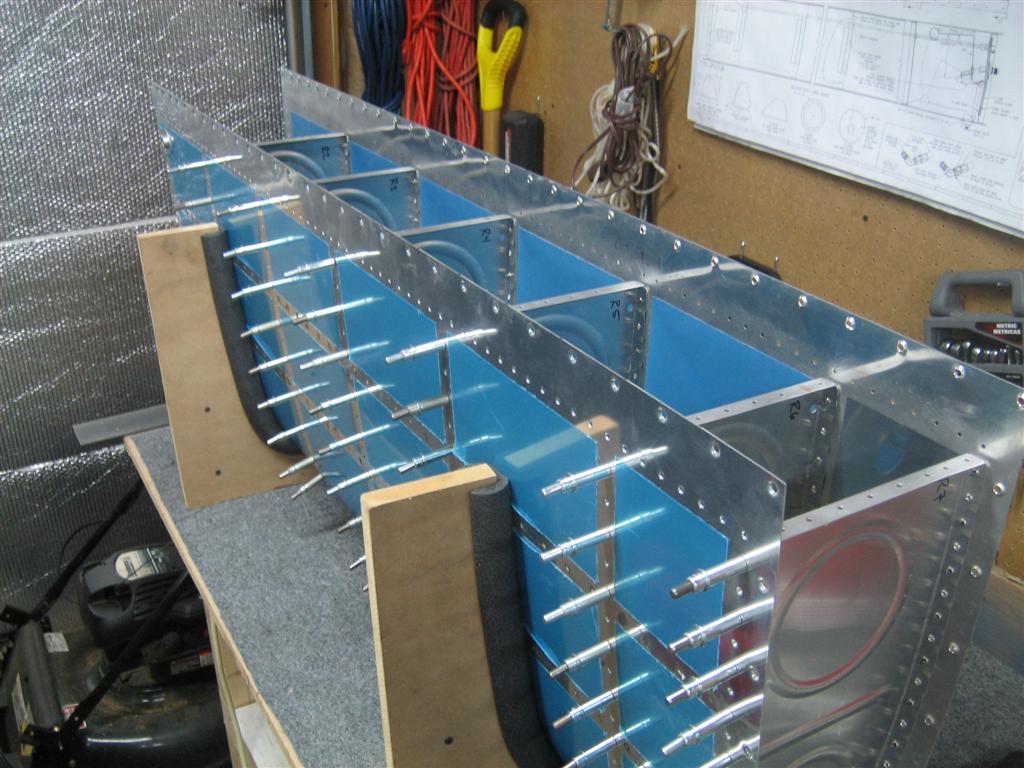
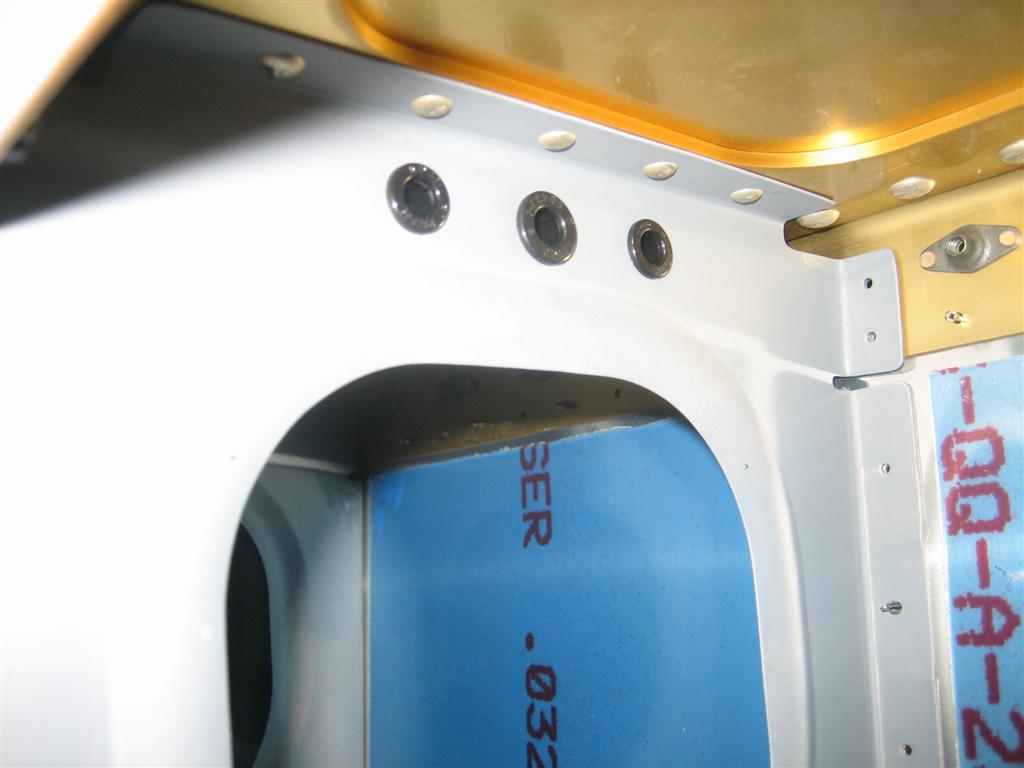
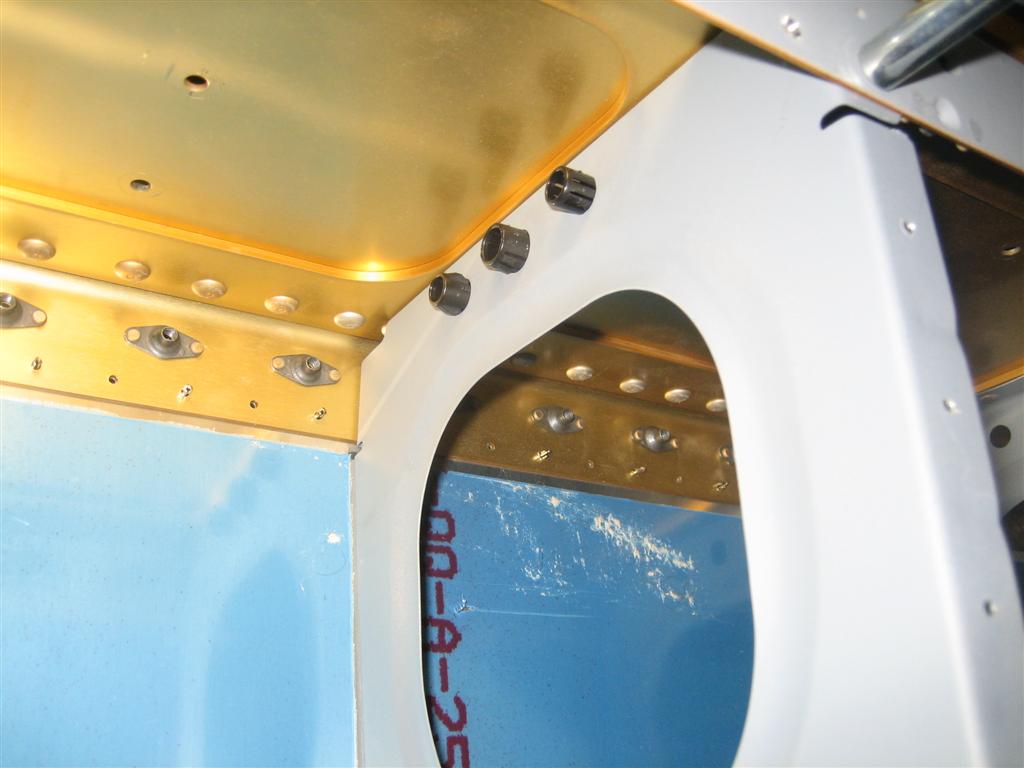
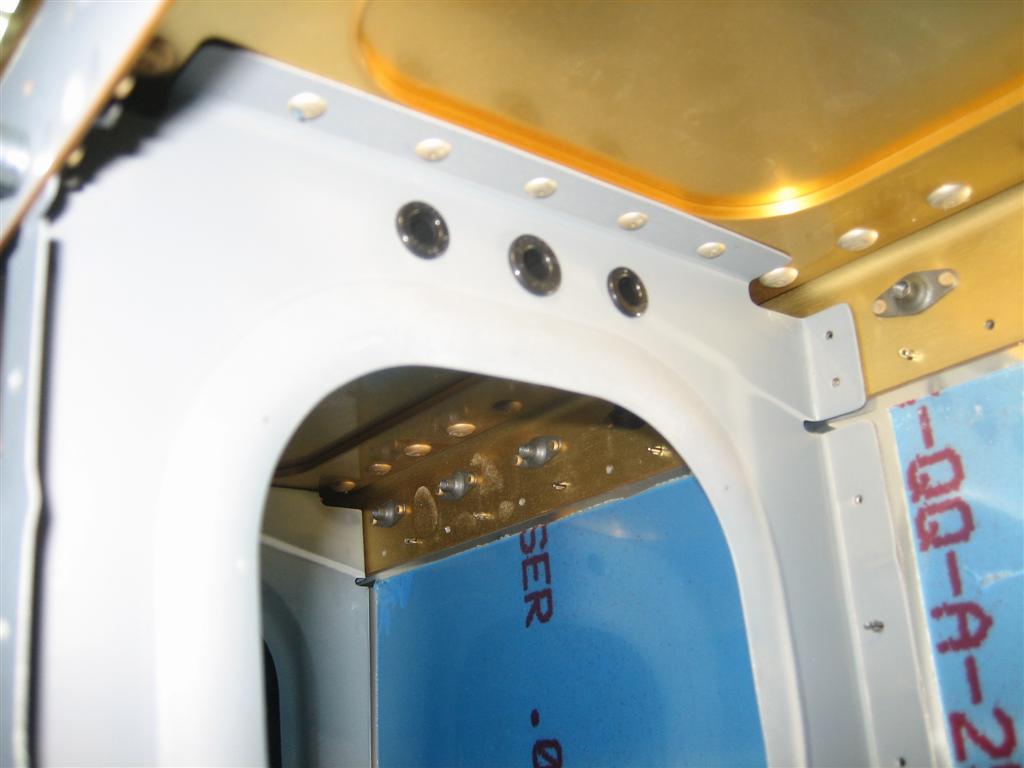
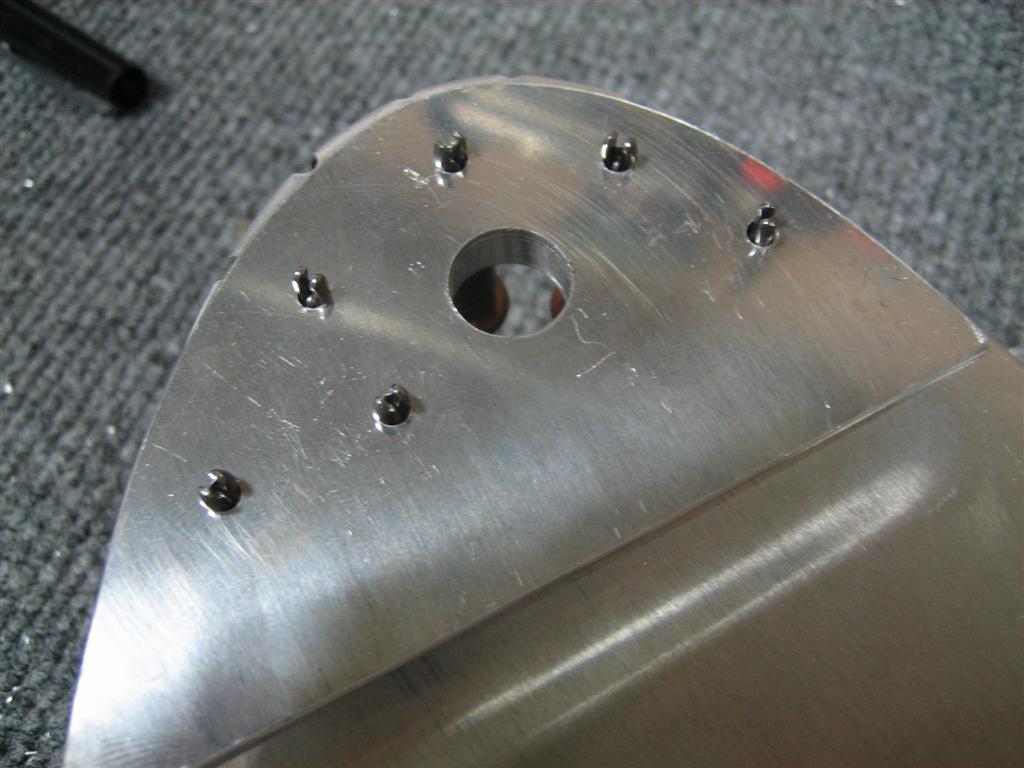
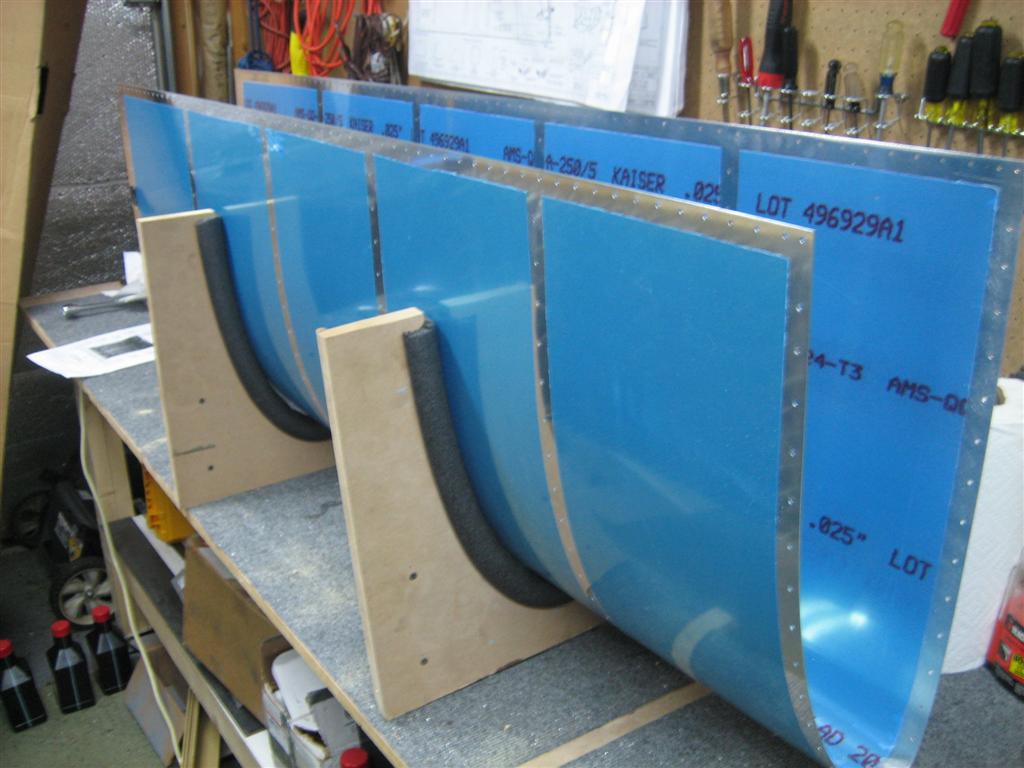
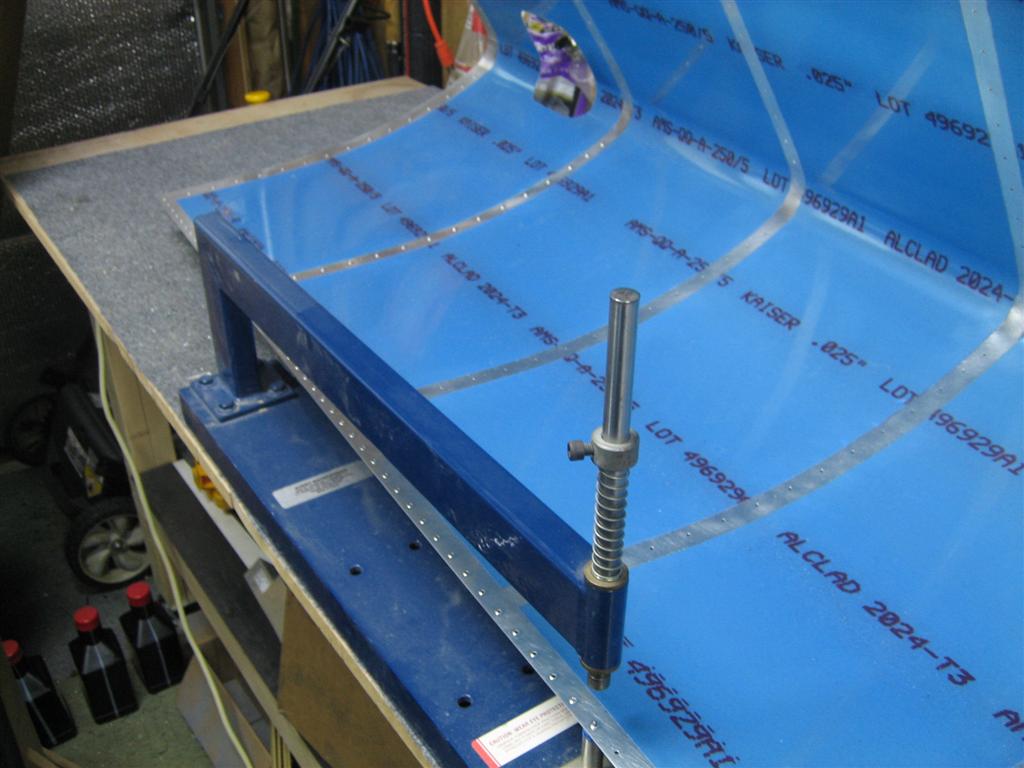
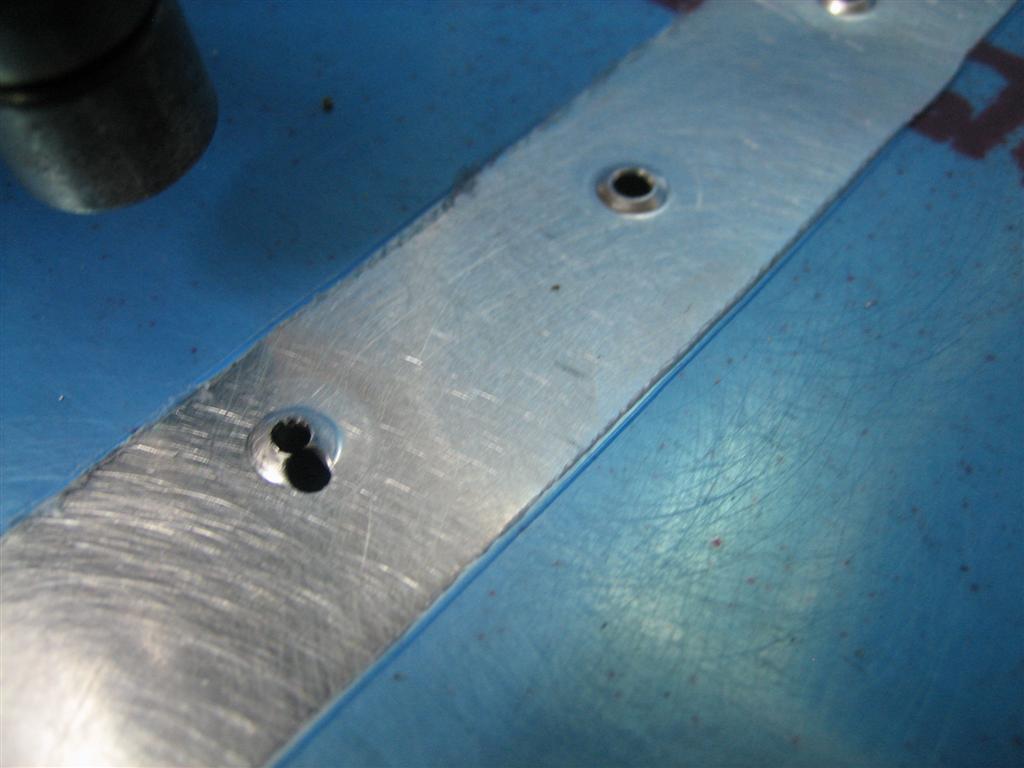
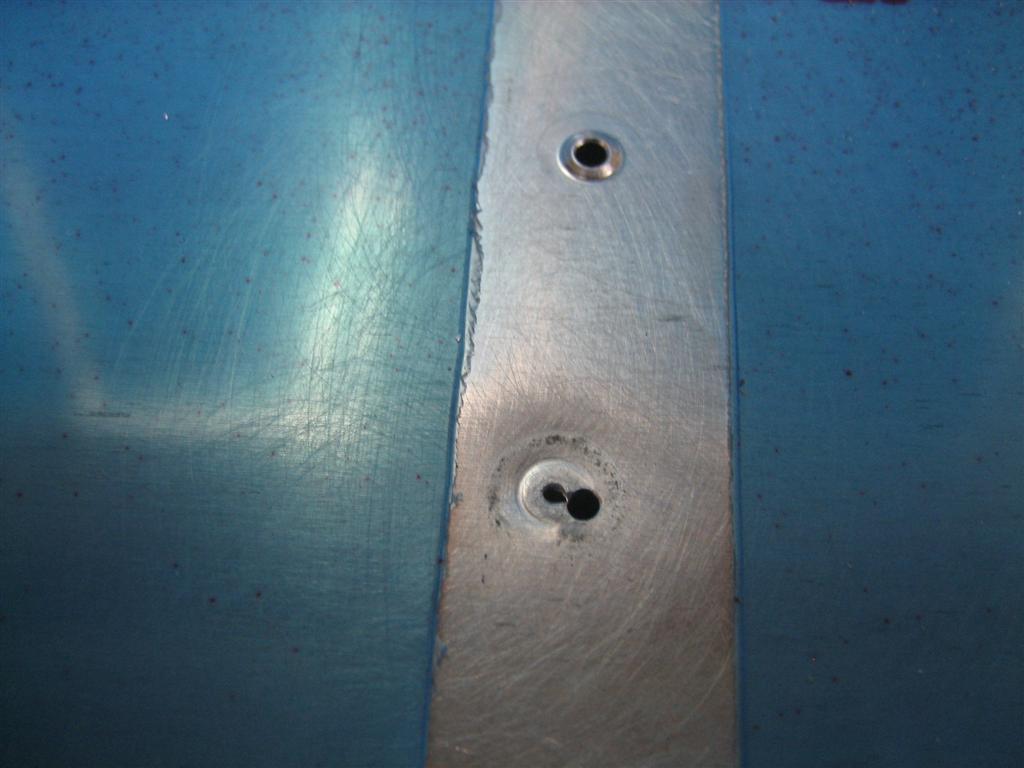
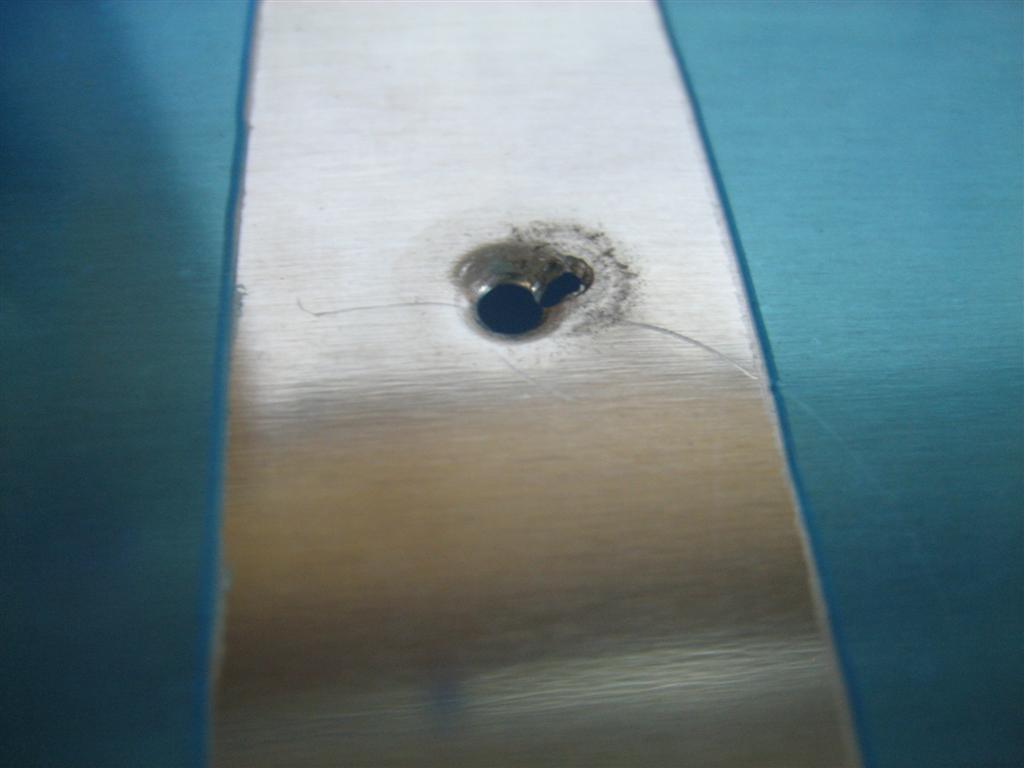
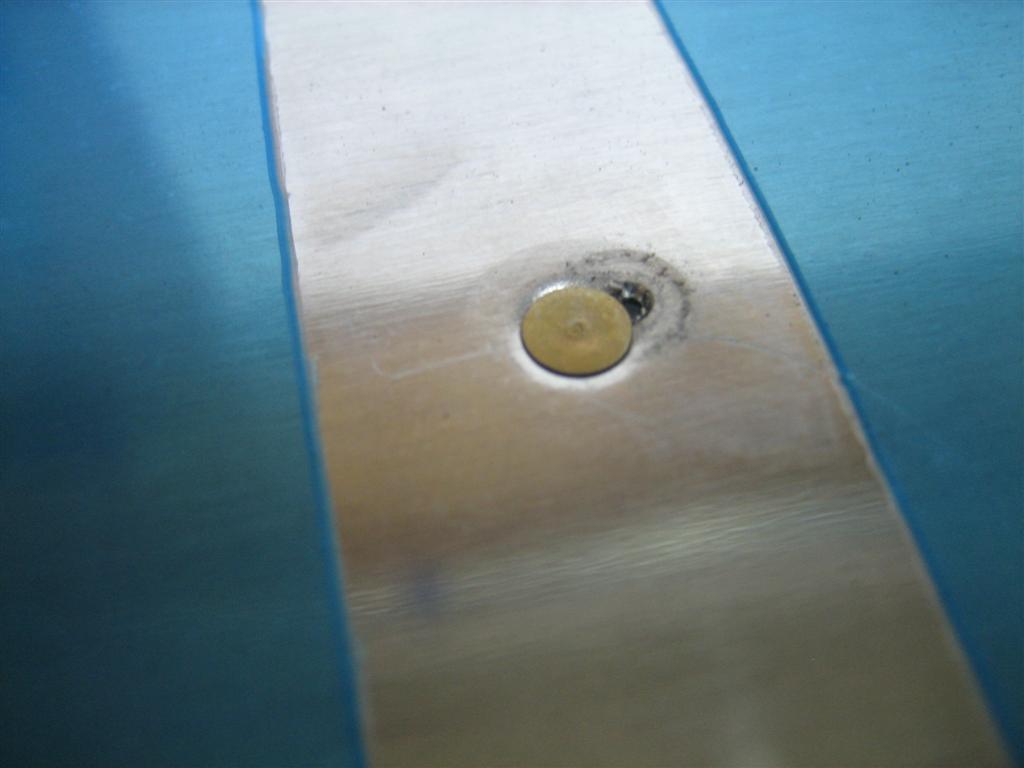
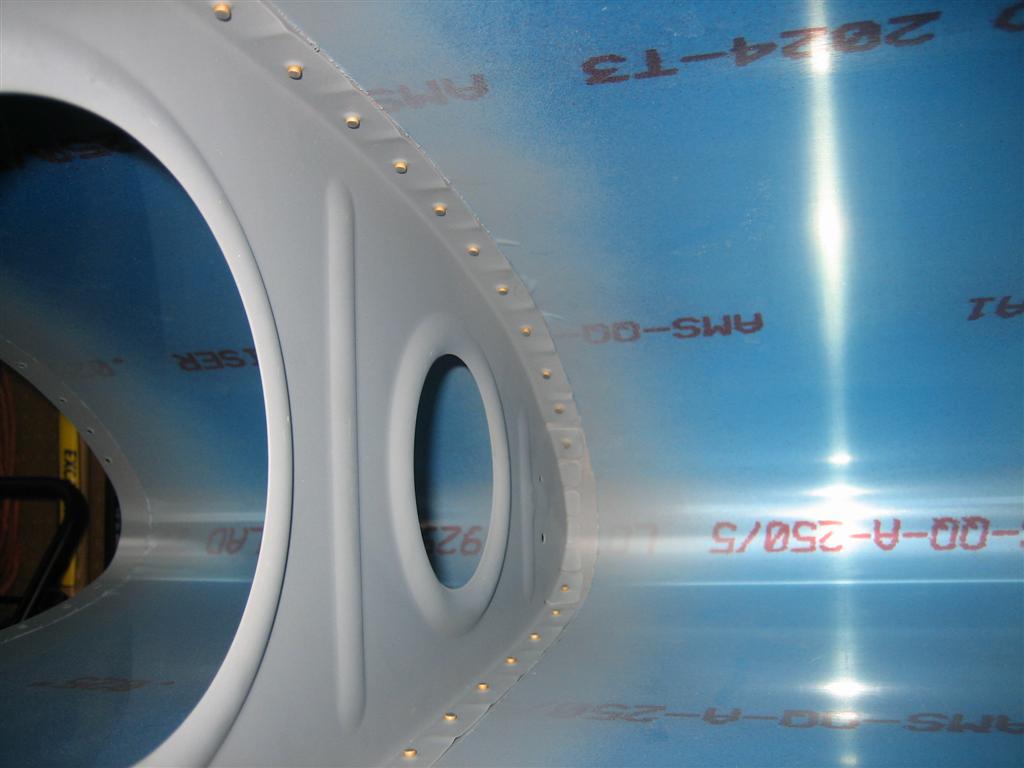
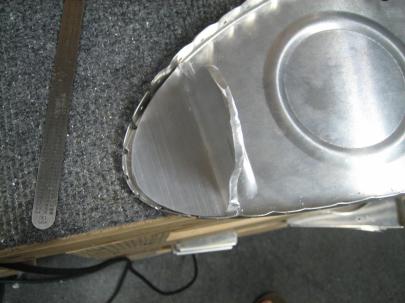
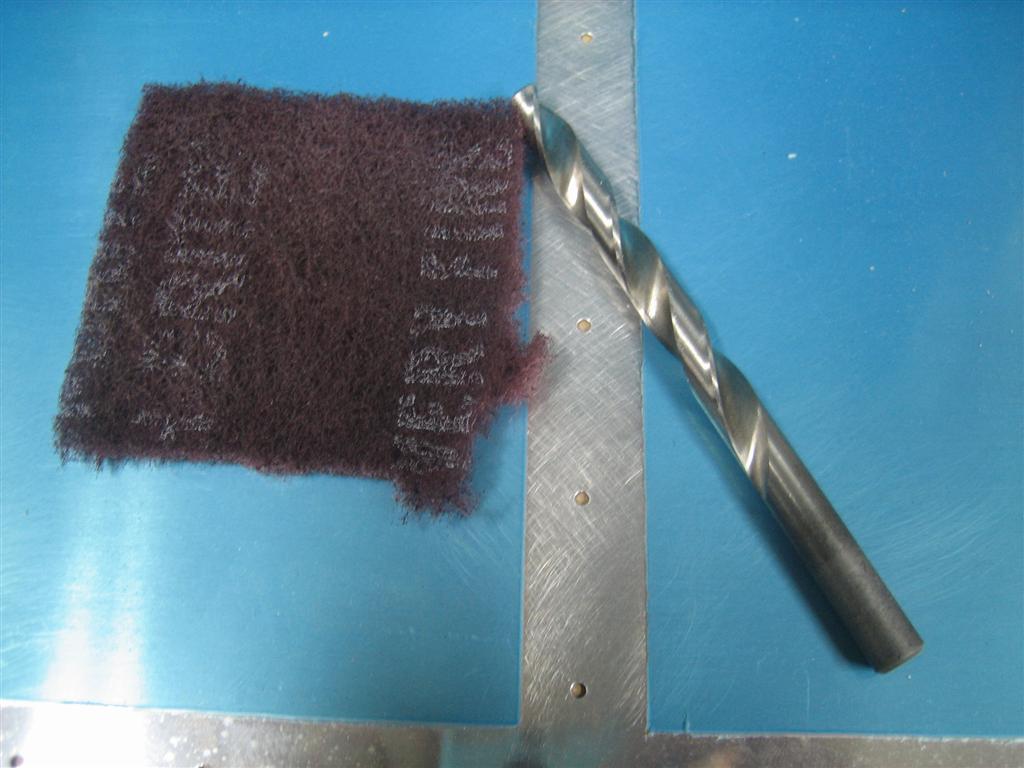
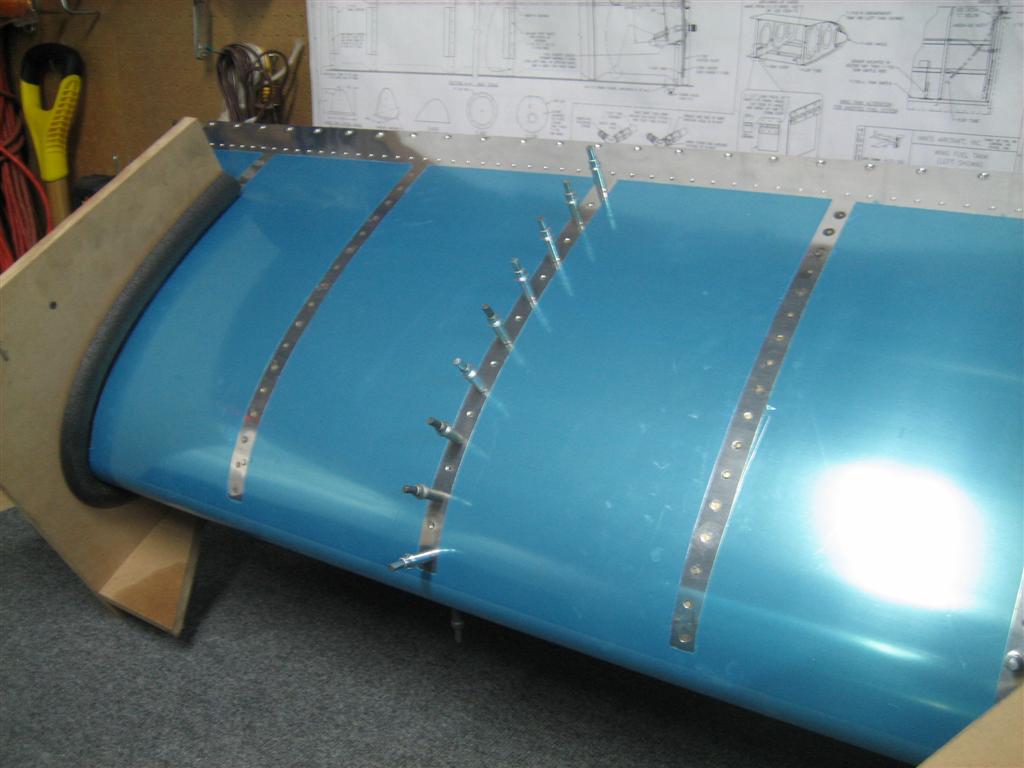
Umm, this is a pretty boring update, but I had to do something outside tonight. I grabbed an oversize drill bit and a scotchbrite square and did some duburring and scuffing of the stiffener holes in both aileron skins.

Tools of the trade.

I told you it was boring. 0.5 hour.

Prev | Next


I Hate Dimpling Stiffeners

August 24, 2011

Prev | Next

Well, can you guess what the airplane-building activity was? Maybe from the title?

Yup, you guessed right. Deburring and Dimpling stiffeners.

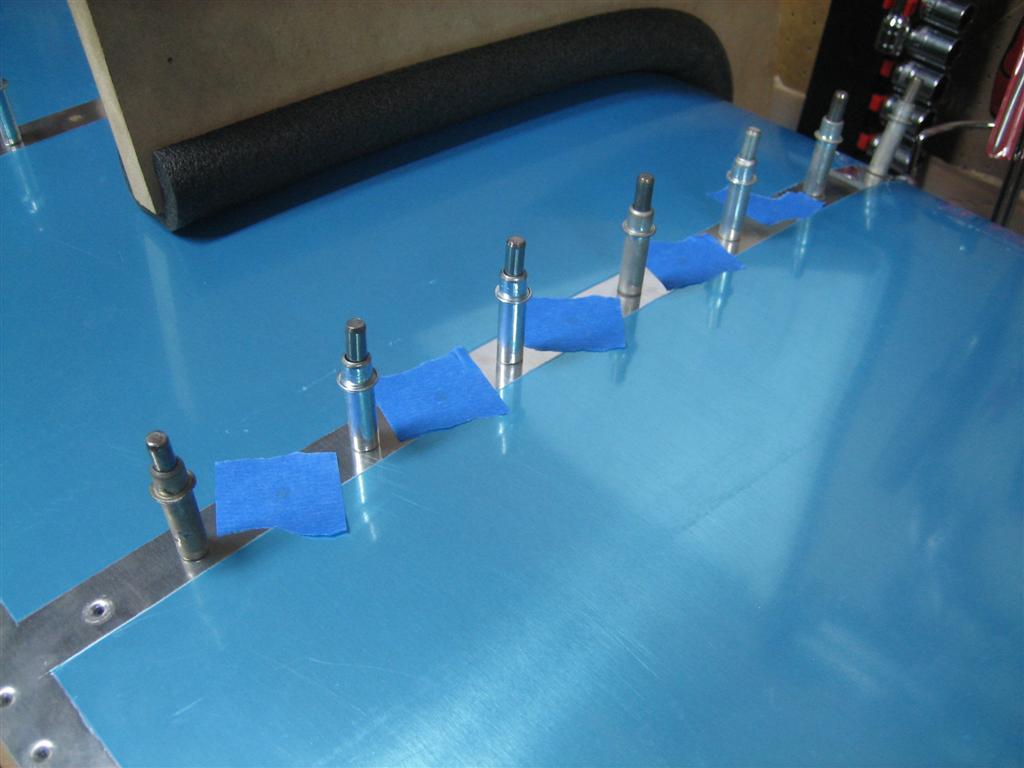
Here are the tools of the trade. An oversize drill bit, spun in the fingers to deburr. And, my normal dimple dies in my economy squeezer.

After one stiffener...

After 32 stiffeners.

For some excitment tonight (since otherwise, it would be a little lacking), let’s break out the calculator.

2 ailerons, 2 sides per aileron = 4 aileron sides.

4 aileron sides, 8 stiffeners per side = 32 stiffeners.

32 stiffeners, 7 holes per stiffener = 224 holes dimpled.

224 holes dimpled, 2 sides per hole = 448 deburred hole sides

448 deburred hole sides, 2 spins per hole = 896 spins of the drill bit.

My thumb and fore-finger hurt.

0.5 hour.

Prev | Next


Started Deburring and Dimpling Right Wing Ribs

July 28, 2011

Prev | Next

Well, not much tonight, except a complete lack of motivation. I move the right upper inboard wing skin over to the left wing (just to hang there) while I started deburring and dimpling the right wing ribs.

I decided to only deburr and dimple the upper side of the ribs. I’m going to leave the lower side as-is so I can 50% cleco the lower skin (when able) to the skeleton while riveting the upper skin in place.

Action shot of me dimpling the ribs.

I was planning to be out in the garage for an hour and a half, but my boredom got the best of me and I quit after a (hot) half hour.

I told you it wasn’t exciting.

Prev | Next


Finished Drilling Right Top Skins, Started Deburring

July 25, 2011

Prev | Next

So, while today is probably kind of boring for you…it’s exciting for me.

Why is it exciting for me? you ask…

Because I’m starting on the wing skins, and that means that coming up is some wing skin riveting, and that means that pretty soon, I’m going to have WINGS in my garage.

(Oh, also, I tricked the girlfriend into putting in some manual labor on the airplane. Ha. I’m so sneaky.)

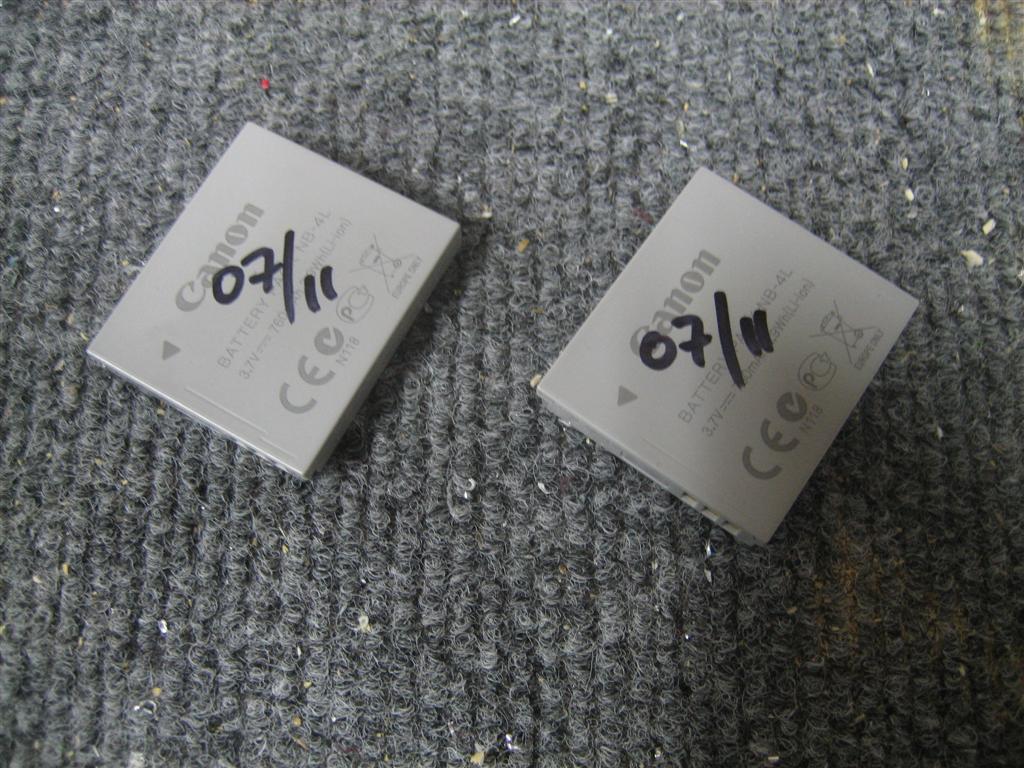
First thing’s first. I ordered two new camera batteries. The one in the camera taking the picture says “12/09.” (Thanks, sister! Still one of the most used Christmas presents of all time! The one that replaced was the original from my Aunt Jan way back in 2002. Whoa.)

Now I'll never be out of camera go-juice.

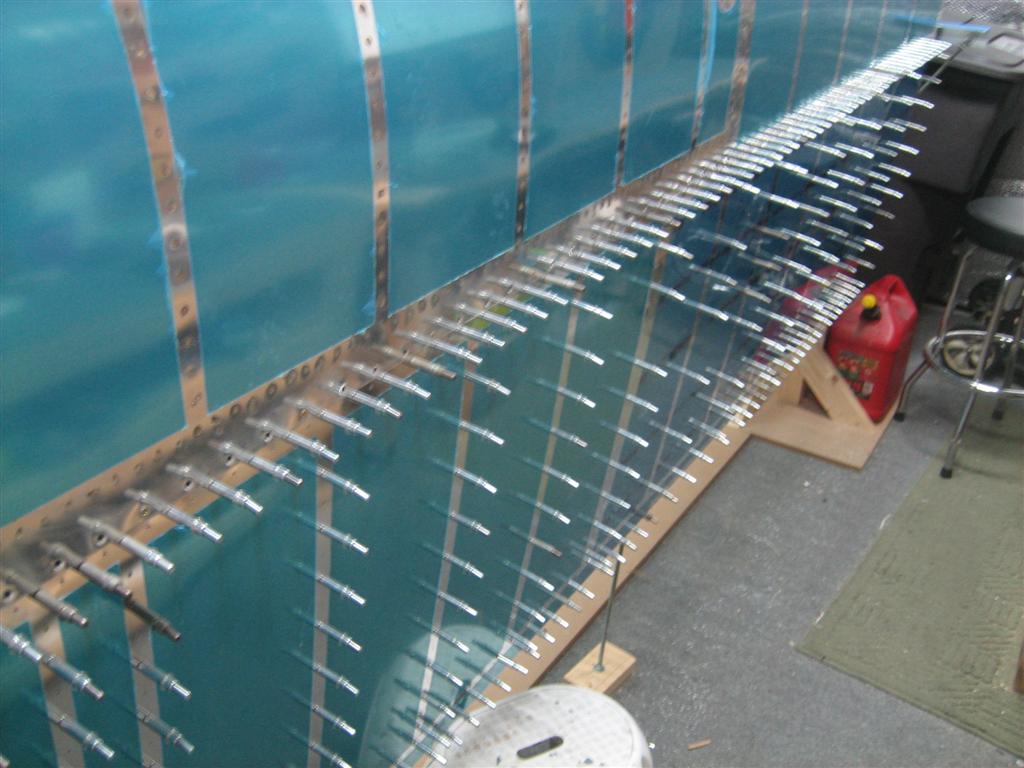
Okay, let’s get on with it. A few days ago, I was clecoing on the top skins and realized that I hadn’t finished matchdrilling them. I think I only got half of them done. (I’ll go check my entries from then…)

So, back to 50% clecoed, and out came the air drill.

Okay, let's get to drilling.

After a loud 30 minutes of match drilling (“making loud noises”), I brought the wingwalk doubler and inboard top skin into the kitchen for some deburring and scuffing.

In the middle of deburring and scuffing the right wingwalk doubler.

After mucho mucho more cramping fingers minutes, I had some deburred and scuffed inboard wing skins.

Interior side...

...and exterior side.

Next up for these will be to dimple, then prime, then rivet to the wing (after prepping the corresponding ribs).

Before that, though, let’s get the outboard top skin done.

1.0 hour.

Prev | Next


Right Leading Edge Joint Plate Nutplates

July 13, 2011

Prev | Next

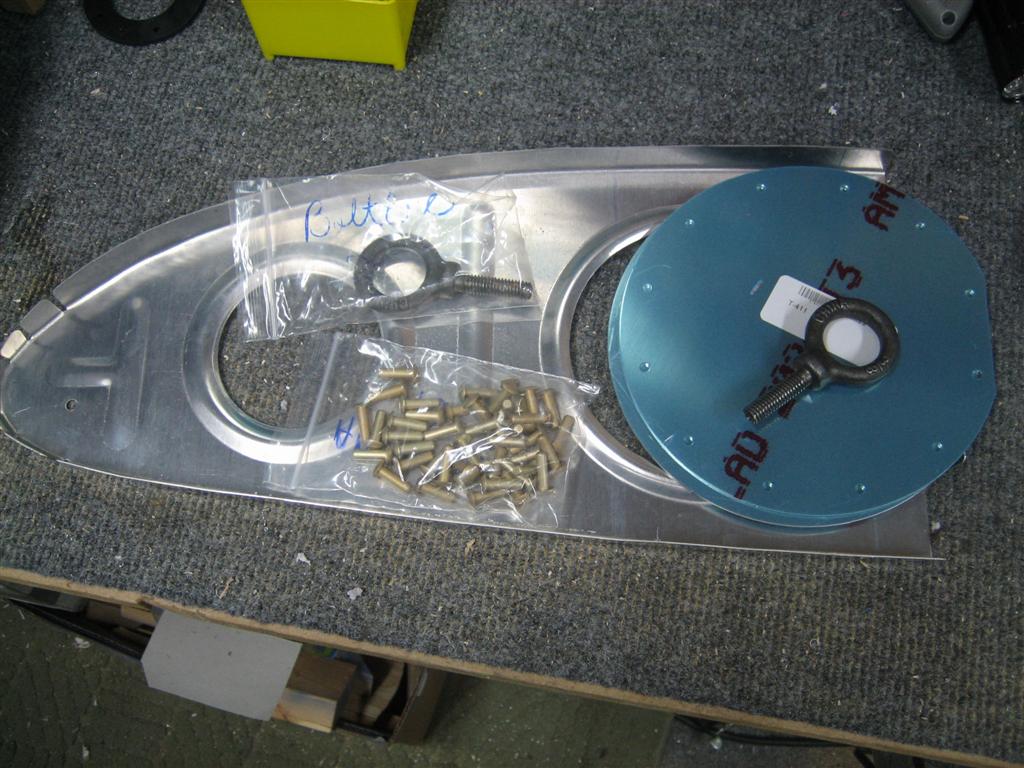
Wuhoo! Got my latest Van’s order. Below, you can see my two T-411 tank access plates, two tiedown rings, a tenth of a pound of AN470AD6-10 rivets, and the left inboard leading edge rib.

I love getting orders in.

First thing, I ran over and screwed in the tiedown ring.

Uh Oh.

It was way loose. Hmm. I know I did the 1/2 turn in, 1/4 turn out with the tap.

After some thought (and a trip to work), some of the guys were convinced that 1) I didn’t ruin the part, especially since I had only tapped the 1″ shown on the plans (and the rings are like 1 1/2″ long), and 2) it must be the tap quality.

They lent me a really nice tap (as opposed to the $7.99 tap and die set from Harbor Freight.)

I screwed in the nice new tap, and once I got past the first inch, I immediately felt a difference. When I turned 1/2″ in, the tap felt like it was cutting, instead of just pushing material out of the way. There was significant resistance at the end of the 1/2″ turn. Once you start the 1/4″ back out, there is some more resistance, then a “release.” I could tell immediately that the release was the cutting of little chips from the material.

It was like I heard angels. This is what tapping is supposed to feel like.

(The old one was just steady increase in resistance in, then decreasing resistance out.)

Just one more reason why I should have bought the $80 tap and die set, instead of the $8 tap and die set.

Lesson learned.

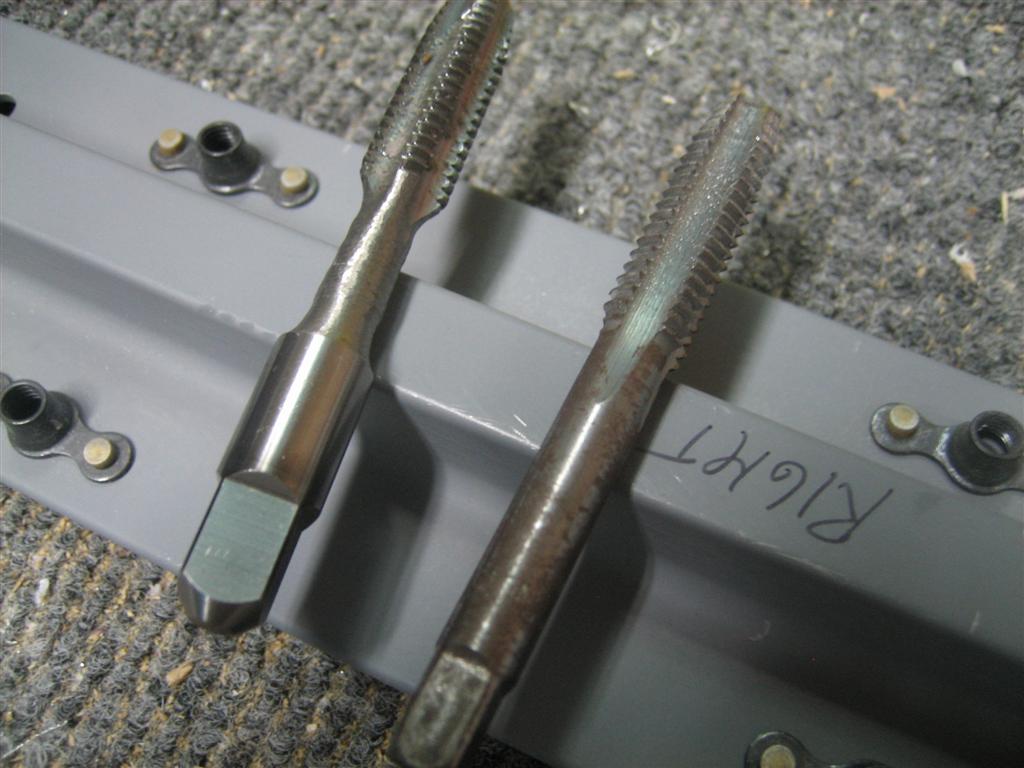
From the following picture, you should be able to tell that the thread cutters on the left are nice and sharp, and the apex of each blade comes to a point. The one on the right is not sharp, and the apex is kind of rounded.

The nice tap on the left, the crappy one on the right.

So now, I have about 1″ of loose threads, and 1/2″ of perfect threads. I am okay with at least four threads perfectly engaged, and 16 threads mostly engaged. If I’m worried about 10,000 lbs of holding power versus 5,000 lbs of holding power, I have more to worry about than my tiedowns pulling out.

Let’s build on.

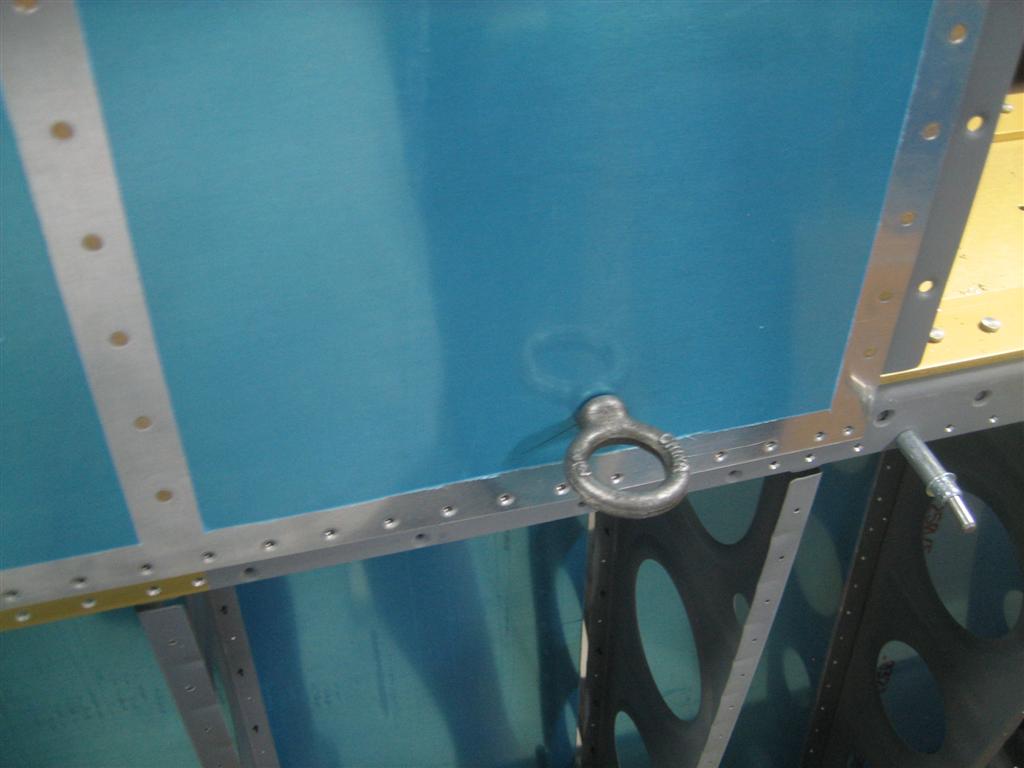
Here's the tiedown installed.

It was subsequently removed, and will be stored in my storage box until, I don’t know, a few years from now.

Next up, I needed a nice little project.

How does the leading edge joint plate nutplates sound. Good?

Good. I’ll work on those.  A quick check on the plans showed some hardware needs.

Some #8 screws and nutplates.

First, let’s cleco some nutplates to the previously dimpled holes. This worked great, and perfectly centered the dimpled nutplates over the dimples.

#30 clecoes worked great.

I drilled one ear of each nutplate, then clecoed.

After drilling both ears, I deburred, then started countersinking for NAS flush rivets.

Nice.

Here’s one of the oops rivets, just holding it in place.

This will work.

Oh man, I'm making a mess.

Then, some riveting.

All done.

1 hour,  including the tiedown re-tapping, and 28 rivets in the leading edge joint plate.

Not much more in the way of sealing up that right tank.

Prev | Next


Outboard Right Tank Rib Sealed

June 21, 2011

Prev | Next

Me: “Alright, baby. I’m going to go try to build us a good airplane.”

(a few minutes pass…the the girlfriend peeks her head out the door.)

GF: “What do you mean you’re going to TRY to build us a good airplane. You’re going to take me thousands of feet in the air…”

Me: “MILES into the air!” (I interjected, just being a smartass.)

GF: “…and you’re going to TRY!?”

Me: “Okay, okay. I’ll build you a good airplane.”

Well, I guess I better concentrate then, shouldn’t I. First thing tonight, I wanted to work a little on the inboard rib assembly.

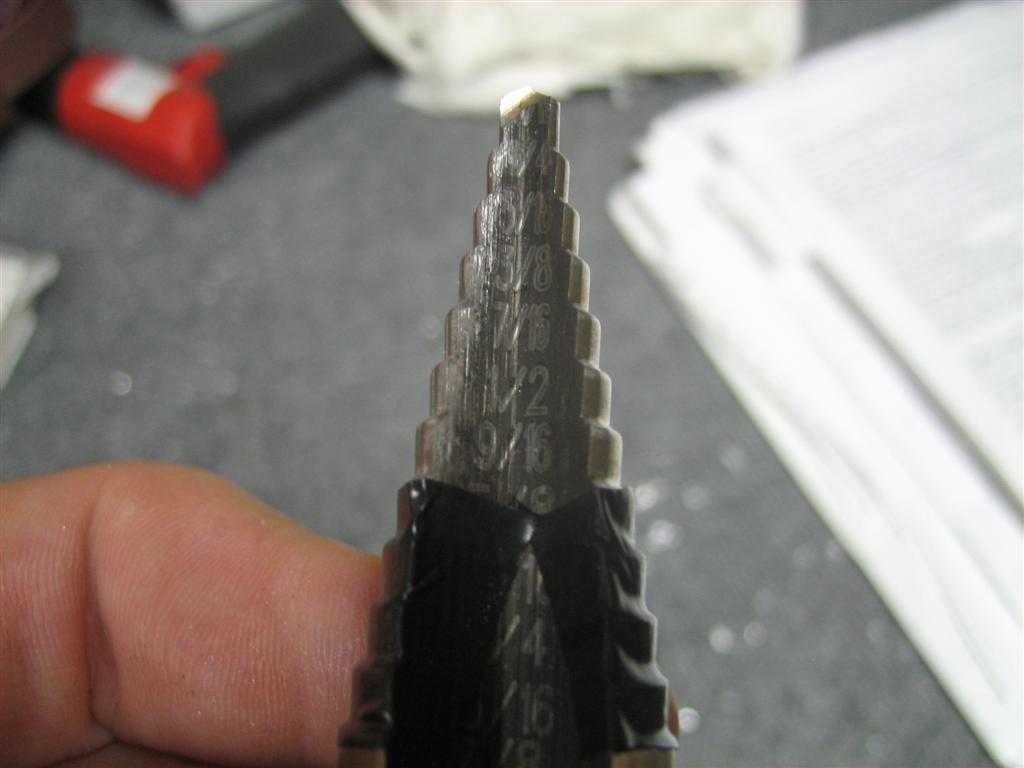
Because I don’t have a 9/16″ drill bit (and neither does Northern Tool and Equipment, Lowe’s, or Home Depot), I broke out the Unibit and taped off the 9/16″ level.

I know I can’t punch all the way through the three pieces near the nose of the inboard rib, but if I at least start the three, I can disassemble, then get the last layer by itself.

I love this unibit. I need to use it more.

After chucking it into the drill press and working a little magic, I ended up with this.

This hole was 1/2", and you can see that I was able to get through the first two layers and start into the third with the 9/16."

Apparently I didn’t take a picture of the finished product, so this will have to do.

I quickly mocked up the flop tube just to see where I stand.

This is upright.

This is inverted. Looks like I'll have good fuel flow while upside down.

$10 says my mom reads this and adds a comment: “INVERTED!?”

Here's the other side, and my amazing edge distances. Booyeah.

Okay, I was planning on sealing rib #4 tonight, but I think I heard snoring from upstairs, so I better stick with something less noisy.

How about the end rib? Well. Van’s says to do all the interior ribs, then the inboard rib, then…well, they don’t really say when to do the outboard rib. The only reason I wouldn’t be able to do this now would be something about the vent line, but I can feed that in from the inboard side and then bend the tip up while it’s in place.

Let’s get to it!

First thing, since the outboard side screws into the joint plate on the leading edge, I carefully applied electrical tape where I didn’t want any sealant.

Hard to see here, I know.

Then, I buttered up the rib and 50% clecoed it in place. There are far more holes in the inboard and outboard ribs than the interior ribs.

Also, I drilled, deburred, cleaned, and sealed the T-410(?) reinforcement plate to the outboard rib. You can see the three #30 clecos here.

After some squeezing (no rivets drilled out, but one sitting a little proud…not going to mess with it), I pulled off the electrical tape and snapped this pic.

Uh oh.

I didn’t realize that I’d have to shoot and buck the three #30 rivets for the reinforcement plate. I’ll have to do that tomorrow.

Anyway, here is a gratuitous fillet shot of the interior side of the outboard rib.

I’m not happy with the fillet at the very front, but instead of mixing another batch of sealant tonight, I’ll redo it when I shoot those three remaining rivets tomorrow.

Other that the fillet up front, I am happy with the rest of it.

The lower skin. (I really hope this “no-MEK” thing pays off with no leaks.)

No leaks! (I think the not-100%-perfect rivet is like the tenth one down.) No one will ever notice.

And the upper skin. NO LEAKS!

NO LEAKS, PLEASE!

43 squeezed rivets.

I think tonight was about 30 minutes on the inboard rib, then 1 hour to seal the outboard rib.

I thought I was getting faster at these ribs. I guess not.

Prev | Next


Two More Right Tank Ribs Sealed

June 18, 2011

Prev | Next

Today was a busy day! Even though I’m logging all the time today as on the fuel tanks, I did spend just a couple minutes on the leading edge.

First thing, I deburred and dimpled the inboard leading edge rib, then fit it back in place on the leading edge, this time WITH the joint plate.

Looking good.

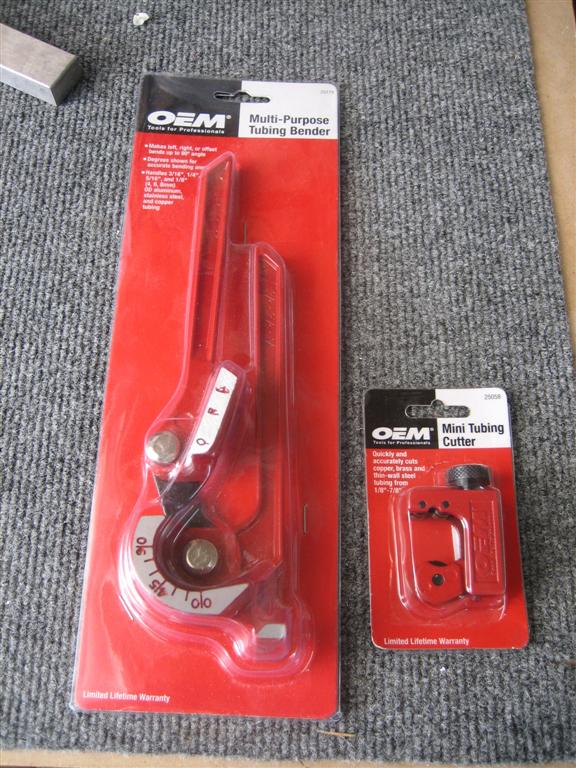
Oh, while I was in autozone today, I grabbed a tubing bender and mini tubing cutter.

These should work.

After much reading, deliberating, gnashing of teeth, and hand wringing, I decided to bite the bullet and add a fuel return line.

Not very many fuel injection systems require it, and if I got with the ECI injection (which is supposedly very nice), they say you can just add a bulkhead fitting to the inboard bay, but I think I’m going to run a -6 line to the second bay.

As of a week ago, I had decided I was not going to add any injection system that required return lines, so we’ll see how I feel in another week.

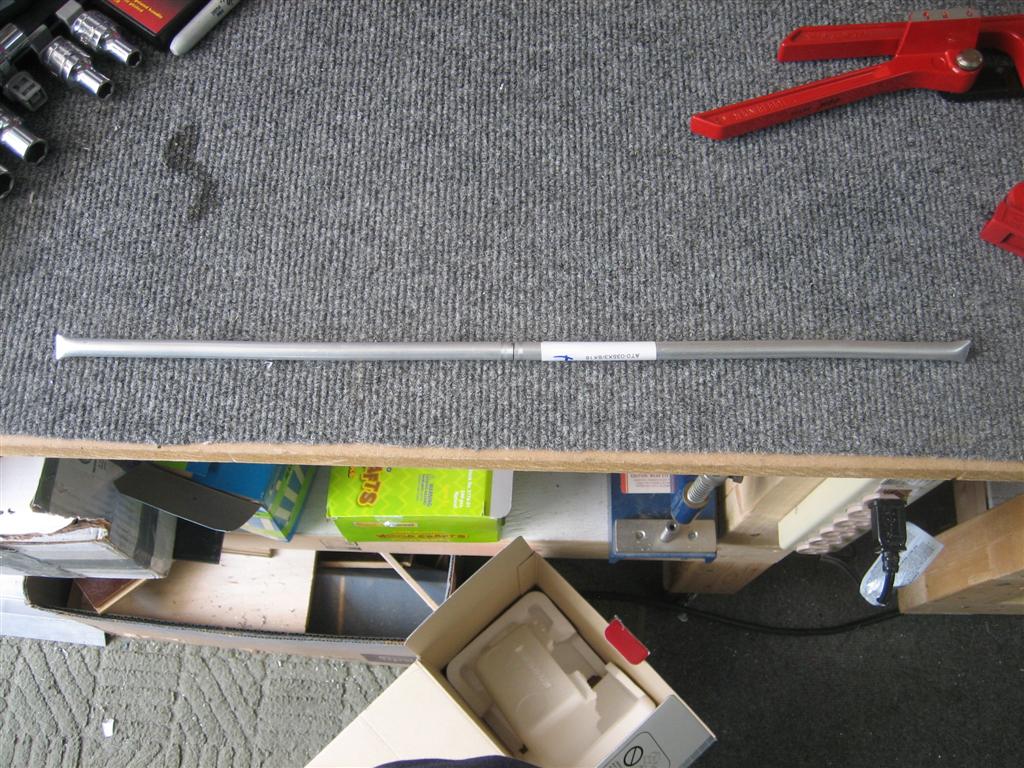
Anyway, I was milling about the parts under my workbench when I came accross the standard rigid pickup tube that Van’s provides. Since I’m using flop tubes, this is scrap, so I held it up against the tank, and figured out it would just make it over to the second bay. Wuhoo!

I guess with the normal pickup, they crimp the end and you make saw cuts in the side of the tube as the actual pickup.

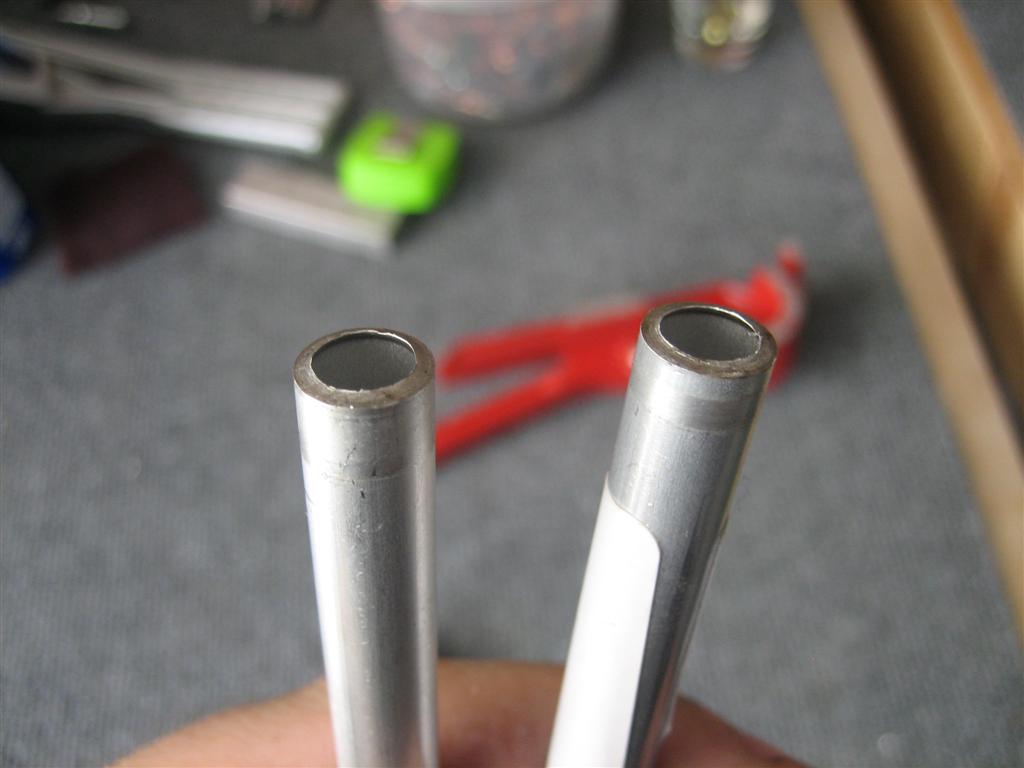
First, let’s get this thing cut in half.

Not bad. Needs deburring, though.

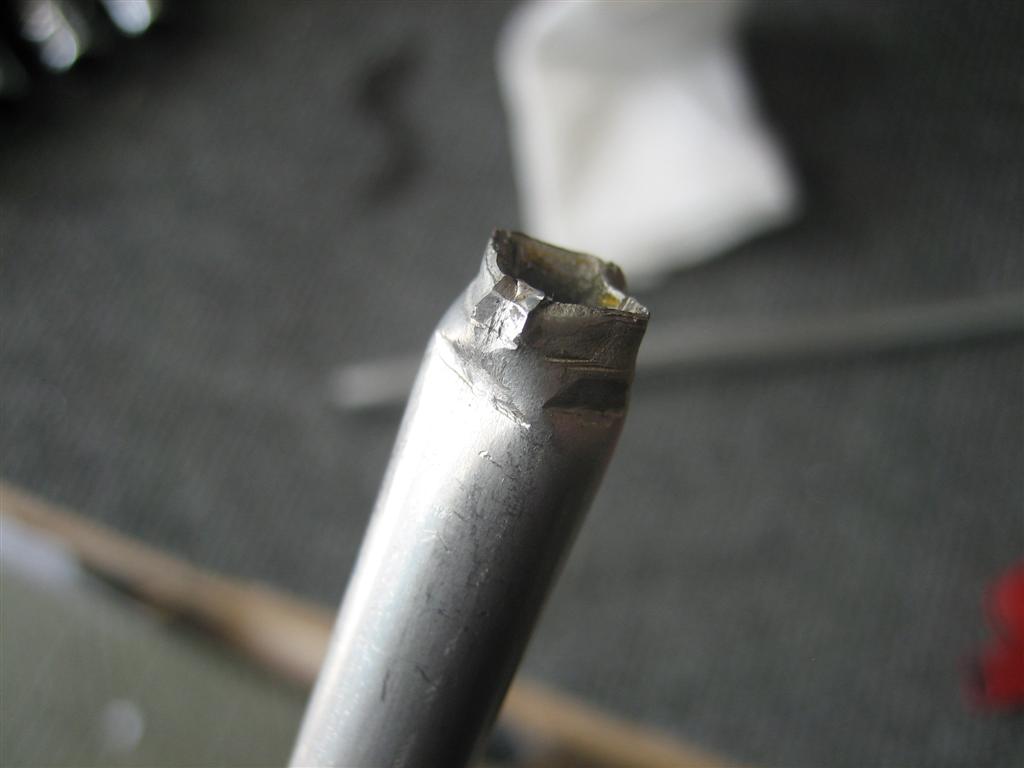
Then, let’s uncrimp the other side so the thing will fit into the cutter (I want a fresh cut on both ends).

Yikes.

Of course, I made a fresh cut on this end too, then deburred both sides, and promptly put the tubes away before taking any more pictures. Sorry.

On to some tank ribs.

After the usual cleaning and preparations, I buttered up rib #5 and clecoed it in place. Here are some undriven rivets with tape on the heads, ready to be set.

Ready for riveting.

I went light on the pictures today, sorry. Here’s rib #5 and #6.

I still don't like the proseal on the outside of the skins, but I'm trying not to have any leaks. I hope the razor blade trick works.

Then, I repeated the whole process for rib #3.

...and my trusty rivet gun.

A picture of the top side.

Nice, except for the very last rivet I shot, which is on the lower right corner. Ding city.

Starting from the (invisible) rib all the way to the left, I did ribs 2 and 5 today.

Still need some rivet encapsulation, but overall, a really good day. 34 rivets times 2, none drilled out.

Oh, and 3 hours. (It really only took me one hour per rib, but I was messing around with the leading edge and the fuel tube stuff.

Prev | Next


Right Tank Rib Prep

June 14, 2011

Prev | Next

Not much today, but here goes anyway.

I had approximately half a syringe full of proseal in the freezer from Saturday (I think), and it was going to go past its 4 days of freezer goodness, so I pulled it out and made my rivet encapsulation dollops (umm, spelling?) a little bigger.

I still have good pathways for water, but just wanted to be sure I sealed those puppies well.

Same thing on the cap flange, except these don't look as pretty.

Then, I spent some time deburring and dimpling tank ribs.

Two done.

Dinner time!!!

For extra credit, this picture has Jack and Ginger, too!

After some more rib prep, I have 6 of the 7 ribs clecoed in place.

(Still working on the inboard rib.)

My gameplan from here onwards will be to finish up the first rib, then work on the outboard rib (there’s a reinforcement plate I have to drill), then pull one (or two) ribs out at a time, clean judiciously, put sealant on the flanges, 100% cleco in place, then rivet.

Then, make fillets, do some rivet encapsulation, and celebrate with beer.

I’m planning on one rib per night, but might get in two. Just a few more nights of miscellaneous work, then I can get started.

1.0 hour.

Prev | Next


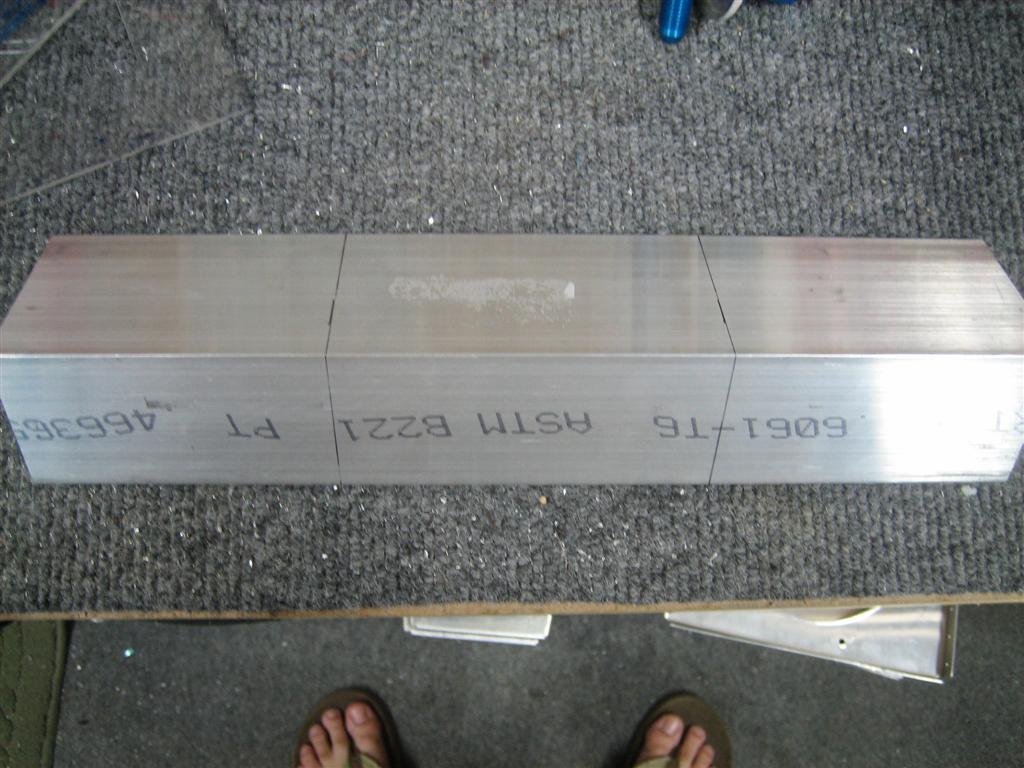
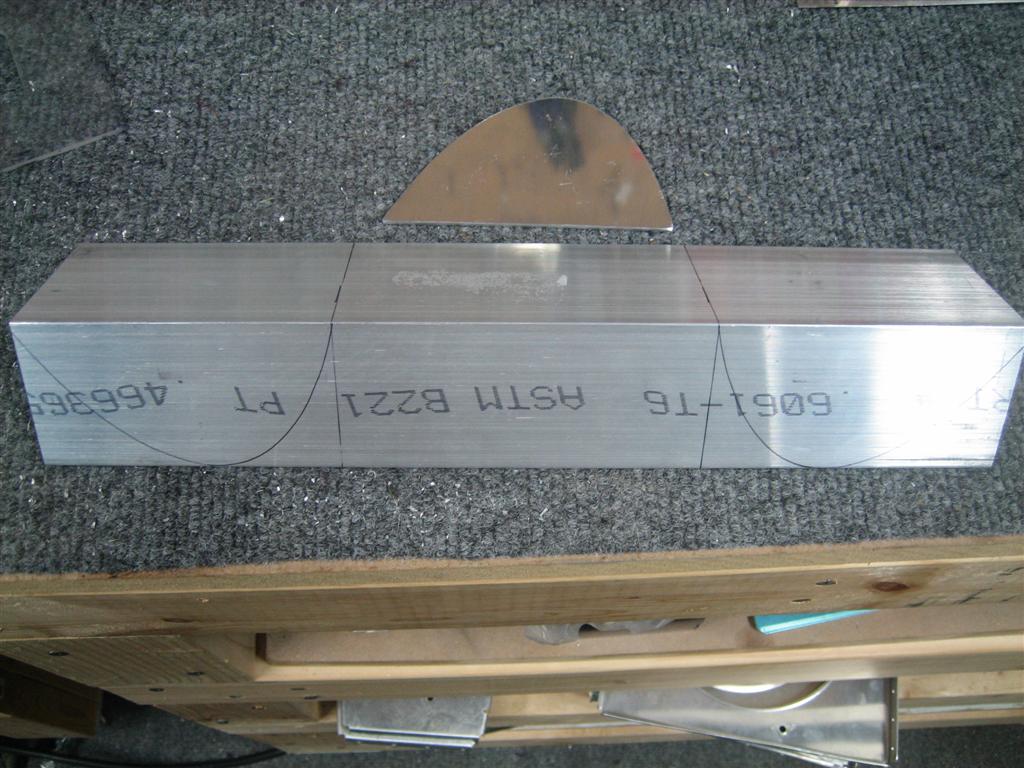
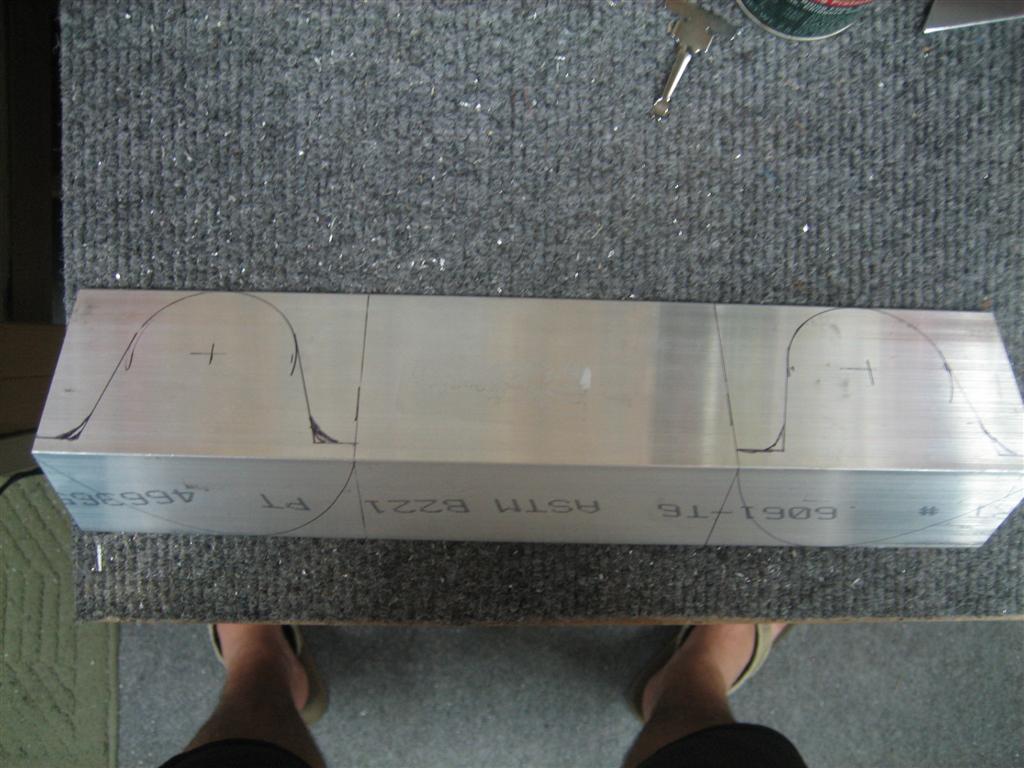
Inboard Tank Attach Bracket

June 6, 2011

Prev | Next

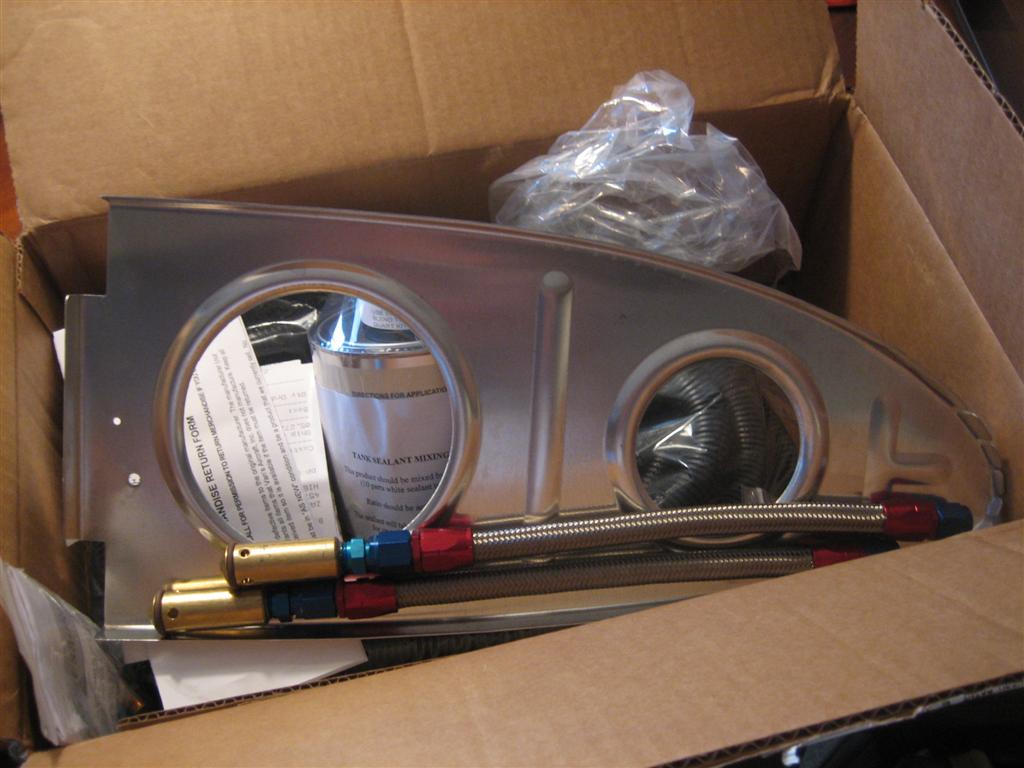
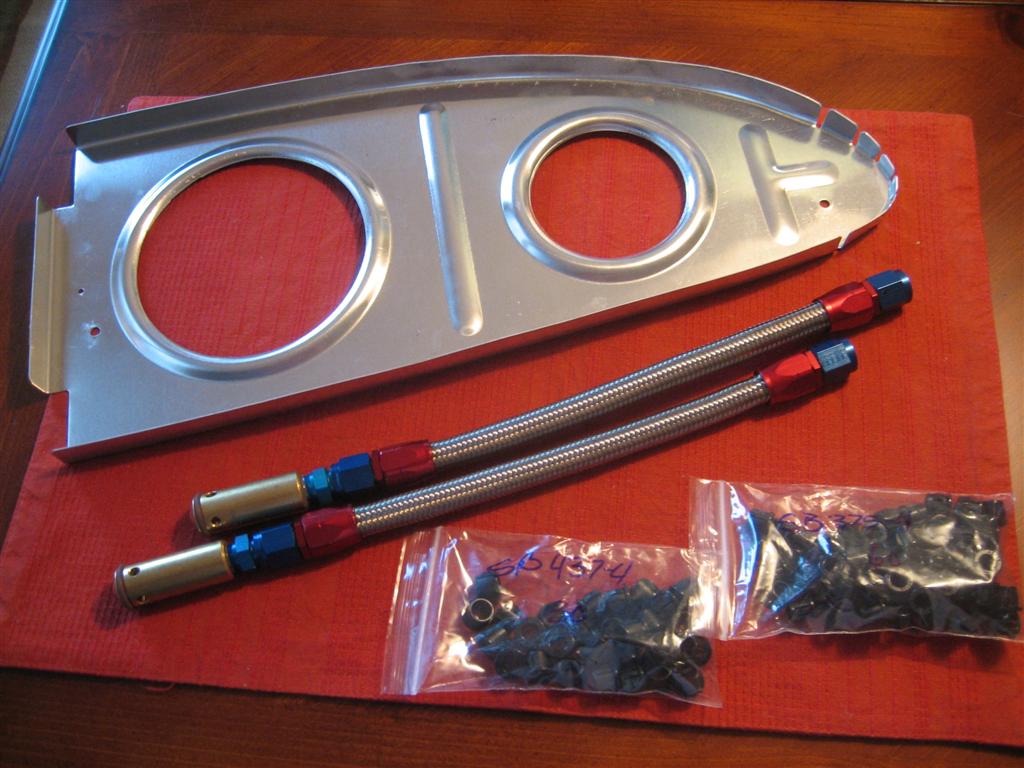
Well, my order came in from Van’s today. Here are the goods.
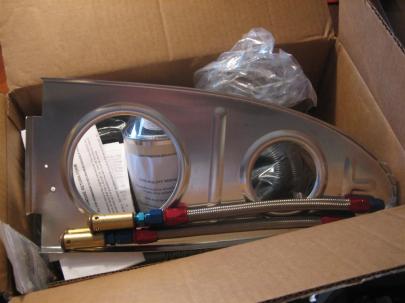
It's like Christmas, but in June.

First up, a W-408-1R, NOTCHED NOSE RIB. Turns out, I ruined the other one by not making sure it was all lined up prior to drilling. I have a good idea on how to make this one work out, so stay tuned.

Also included in this order, my flop tubes, and some snap bushings, which I needed to order due to all of the holes I drilled in the wing ribs. (Oh man, now I want a steak.)
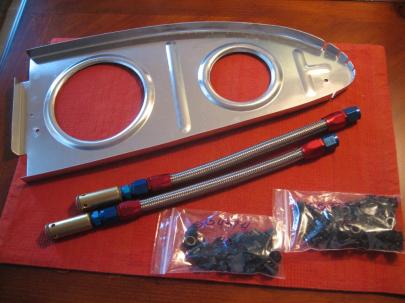
Leading edge rib, flop tubes, and snap bushings.

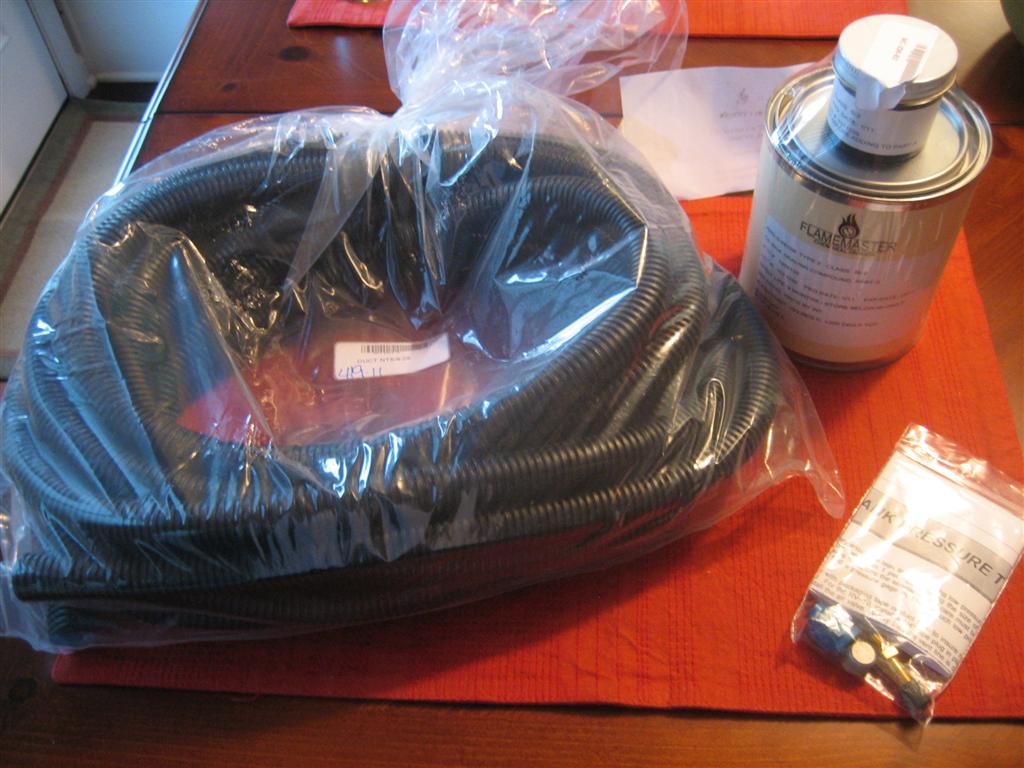
Then, the proseal (black death!), fuel tank leak test kit, and 25′ of black corrugated tubing that should fit nicely in the holes I drilled in the ribs (see steaky link above).
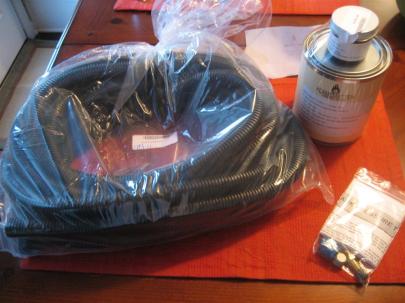
Black tubing, proseal, and test kit.

Even though I REALLY WANTED to break out the proseal and start slathering it all over my workbench, airplane, hands, clothes, and face, I decided to wait until my popsicle sticks and syringes come in from amazon.

So tonight, I decided to work on the right inboard attach bracket.

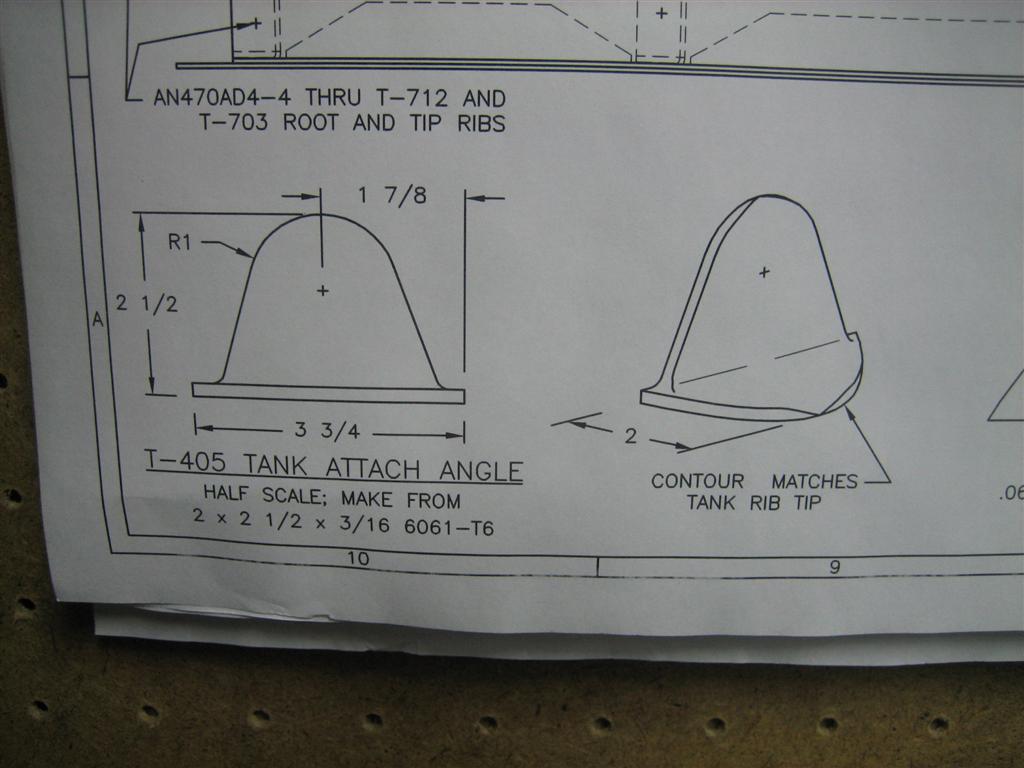
After studying the plans, I grabbed the AA6…I’m not going to type out the part number. See the picture below.
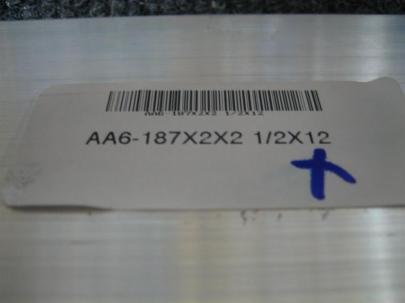
Yup. That's it.
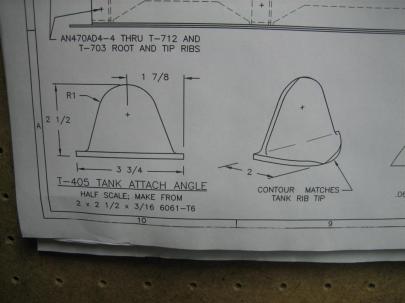
(Insert silence here where I tried for 10 minutes to figure out what R1 is.)

I’m really sorry to admit this, but I started scouring the internet. Googled “VAF R1 TANK ATTACH BRACKET” and “R1 NOTE DWG 16A VANS RV-7.”

To no avail.

Then, someone’s build site (can’t remember who), admitted that they spent 10 minutes and some google searches trying to find out what the R1 stood for before they realized that it wasn’t a note, it was RADIUS=1 inch.

Duh.

Okay, I’ve got some lines drawn.
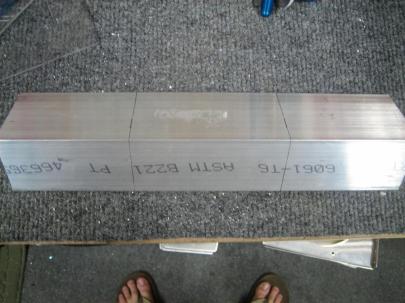
Whose cute toes are those?
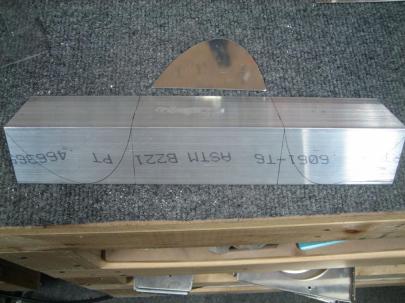
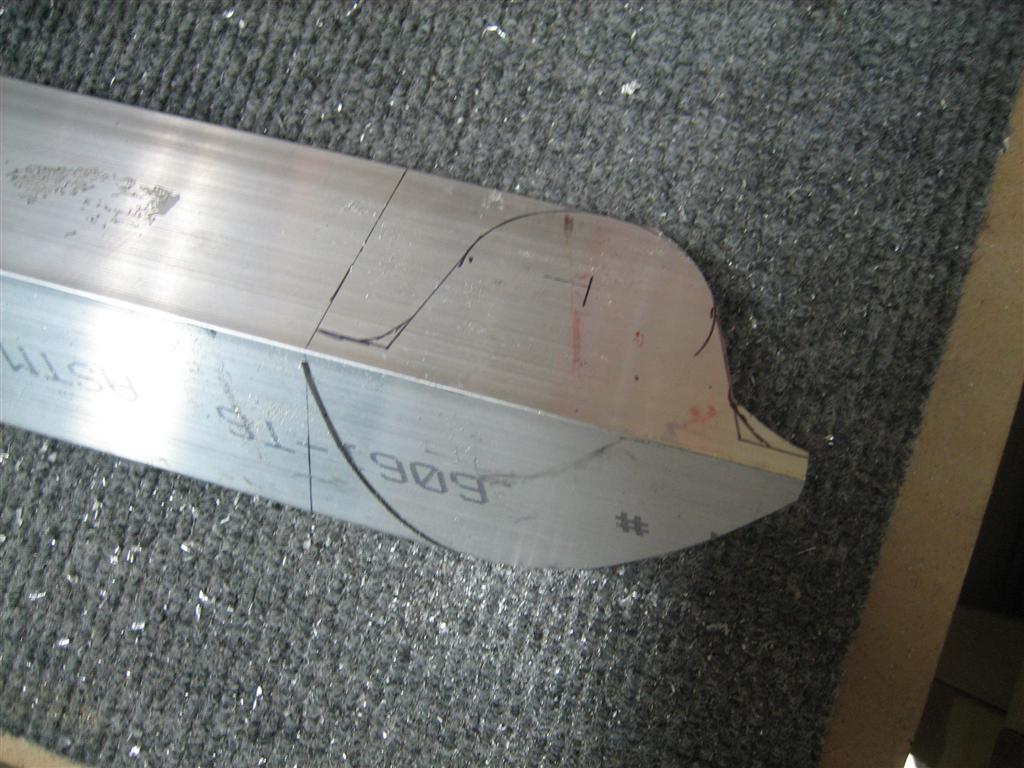
I think that is T-410 on the top of the picture. I used that to trace mirror images on the 2" side.
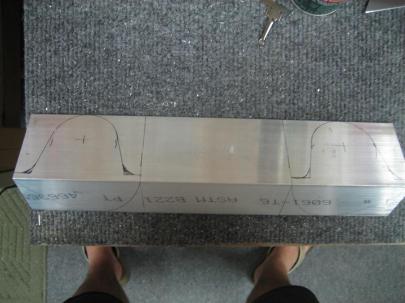
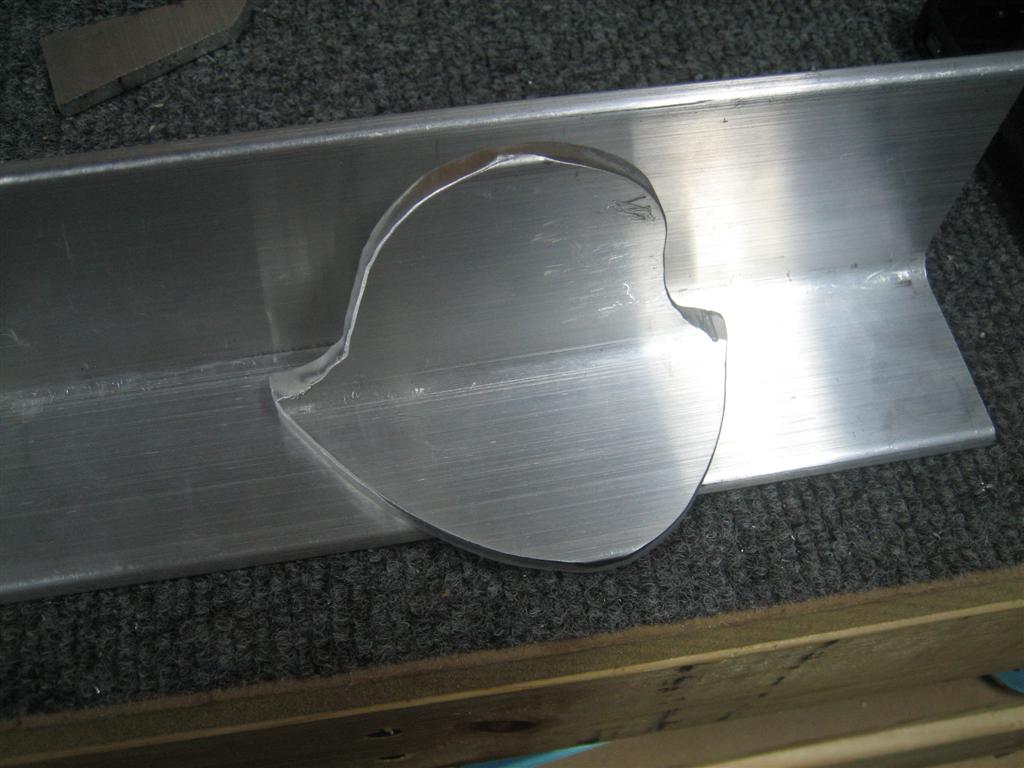
Then, I pulled a can of OFF from the shelf and used it to make a 1" radius circle. Then, connected the tangents after drawing a 1/2" line along each side of the bottom. (The drawing is half scale, and it was 1.4" on the drawing.)

After some sawing, I for some reason lost interest and broke out some of the snap bushings.

Two of the smaller size (SB375-4), and one of the bigger size (SB437-4).
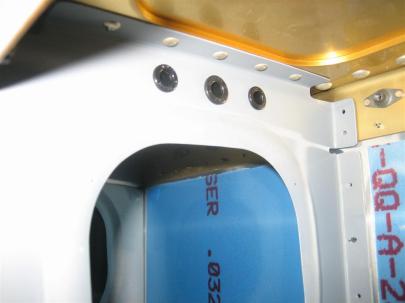
Sweet. These will work perfectly.
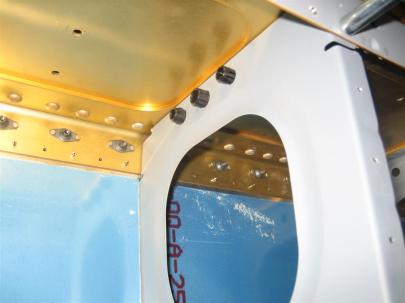
Nice.
Umm, who took this redundant picture?

Okay, back to sawing.
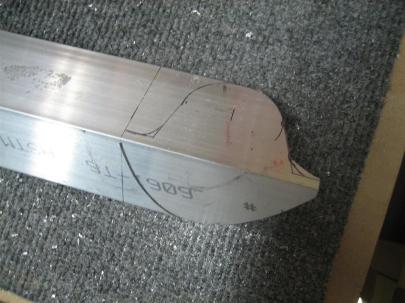
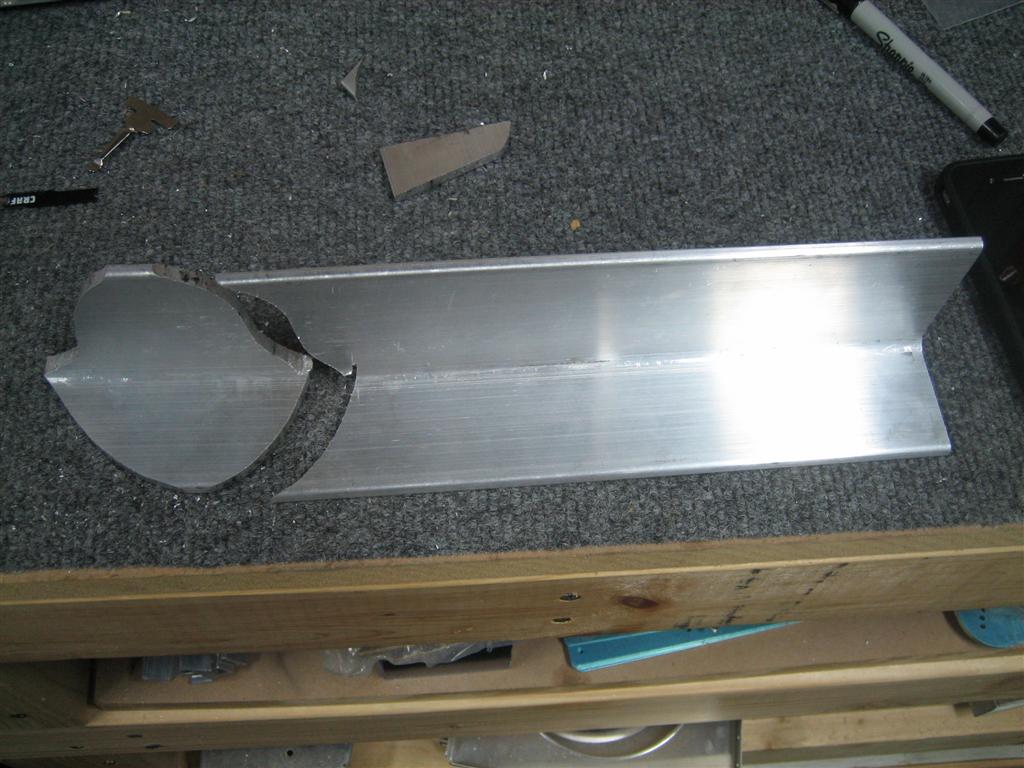
Hmm. This turned out to be annoying with the jigsaw. Maybe I need a bandsaw.
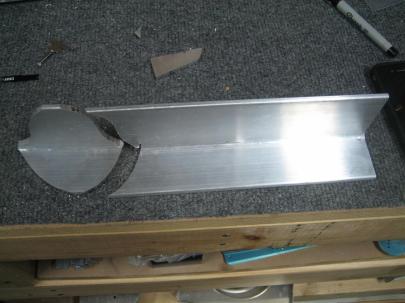
Done.

Insert about 30 minutes of deburring on the scotchbrite wheel….
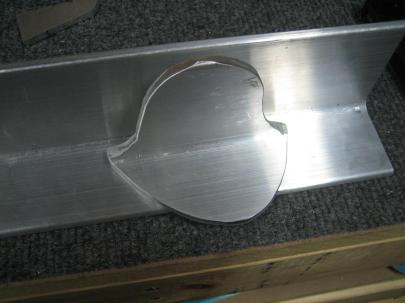
Deburred.

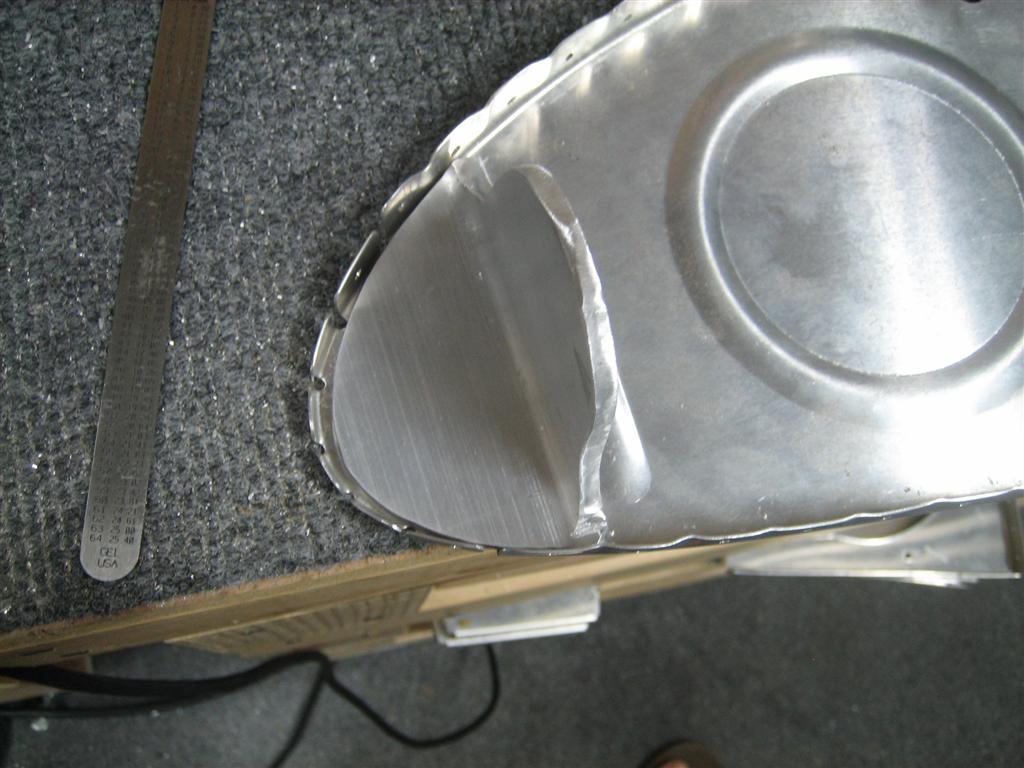
So, then I put it in the nose of the inboard rib, and admired how nicely it fit. (Actually, it still needs a little trimming around the edges.)
Looks good.

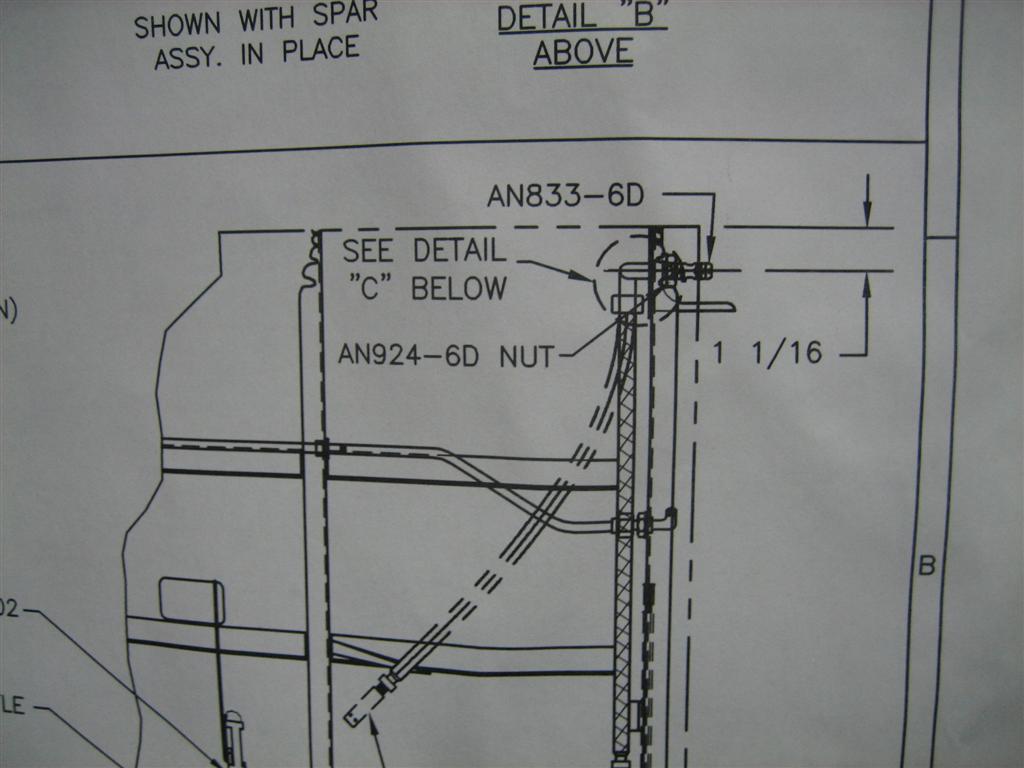
Okay, I didn’t do a good job of taking pictures here, but basically, I drew a line 1 and 1/16″ back from the tip of the rib, and then drew a line parallel to the front edge, but 2 diameters of the final rivet size (1/8″) away.
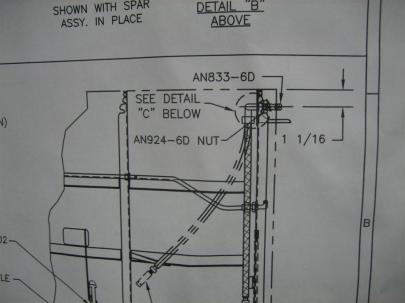
Here's where I got the 1 and 1/16" from.

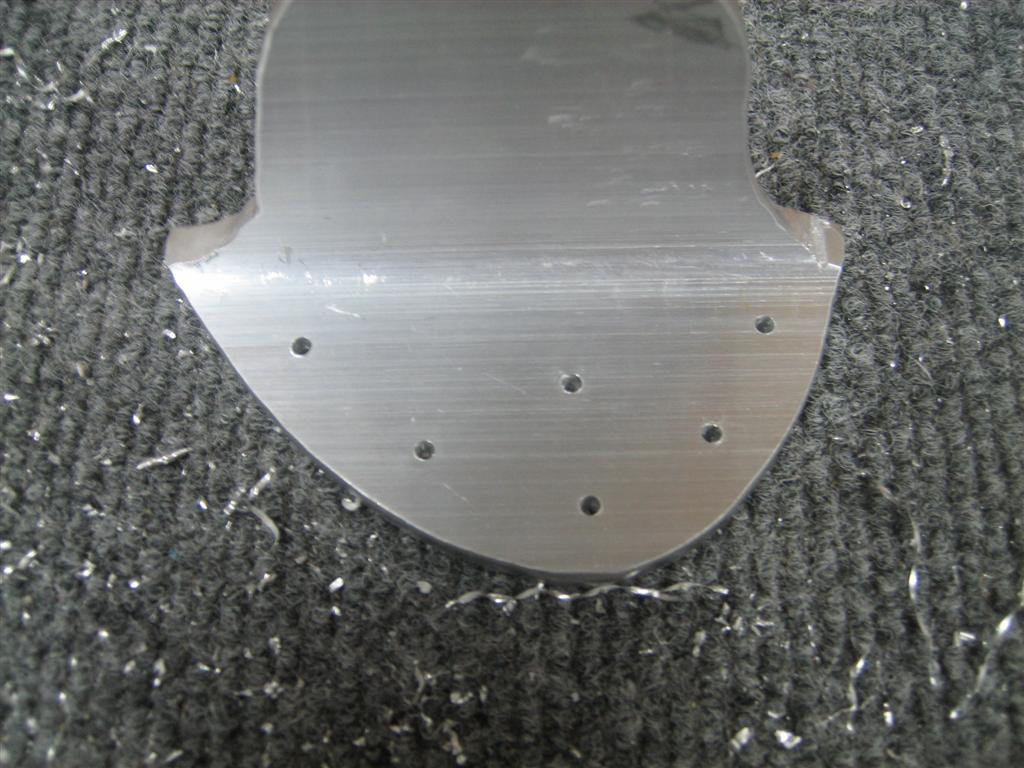
Then, I marked and drilled 5 of the 6 rivet holes, along with the center hole, which is the pilot hole for the 9/16″ hole that the flop tube fitting will fit through.
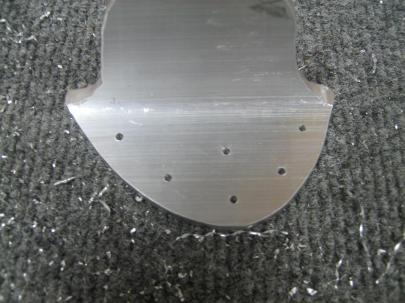
confused?
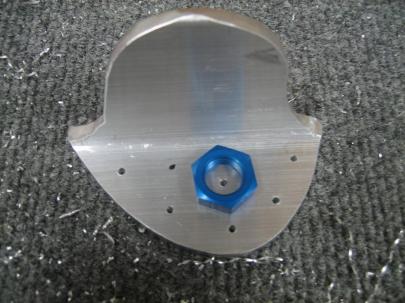
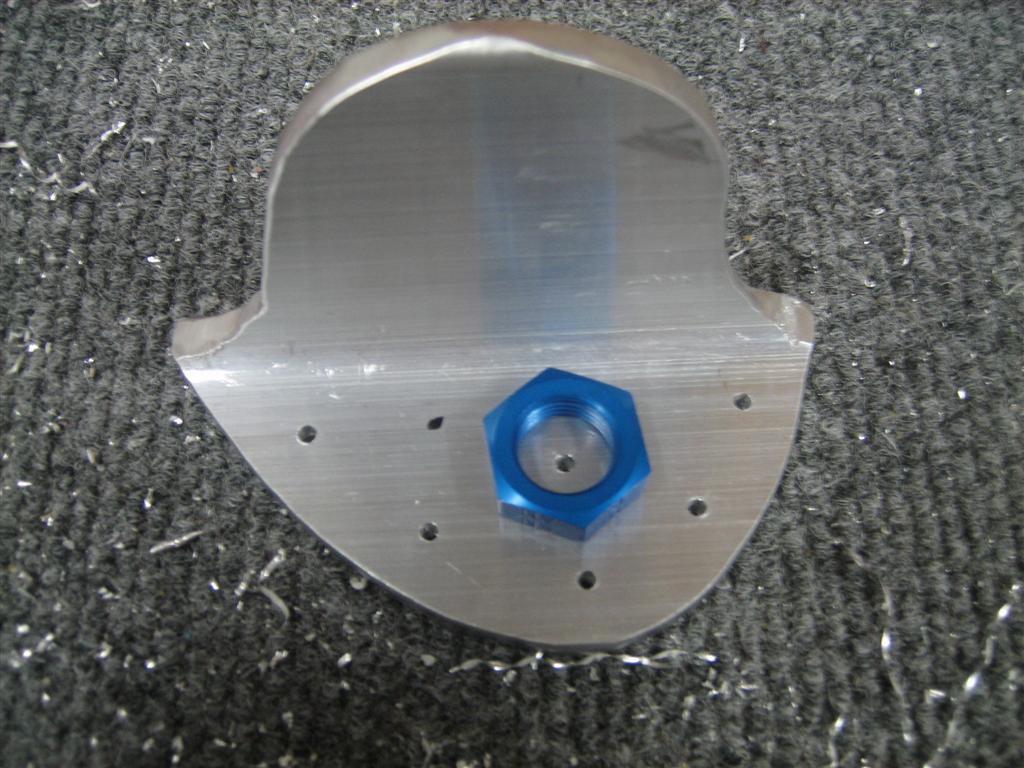
Here's a better picture. 5 plus the pilot drilled, and I've laid in the AN nut to see where I can put the sixth (marked) without rivet head interference.

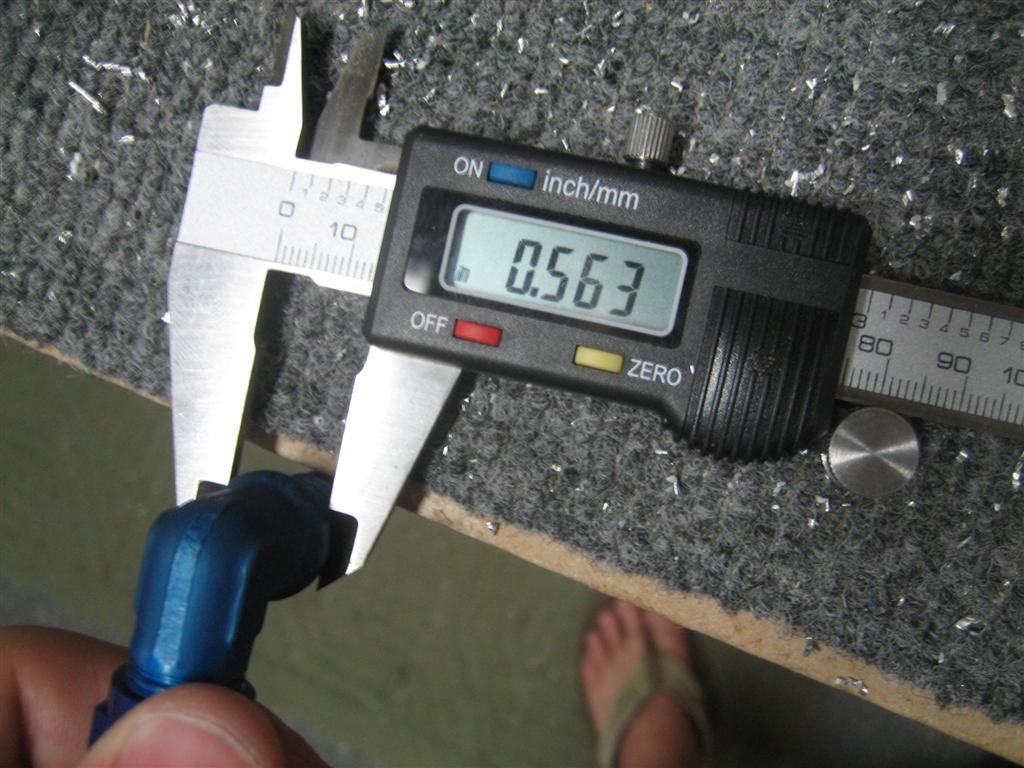
This is me trying to figure out what size hole I’ll need for the fitting.
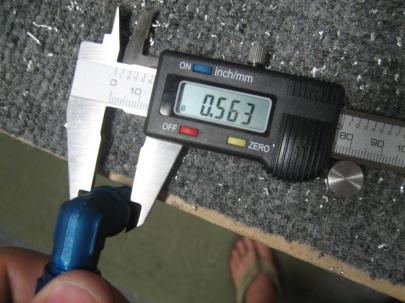
0.563? What fraction gives me 0.563?

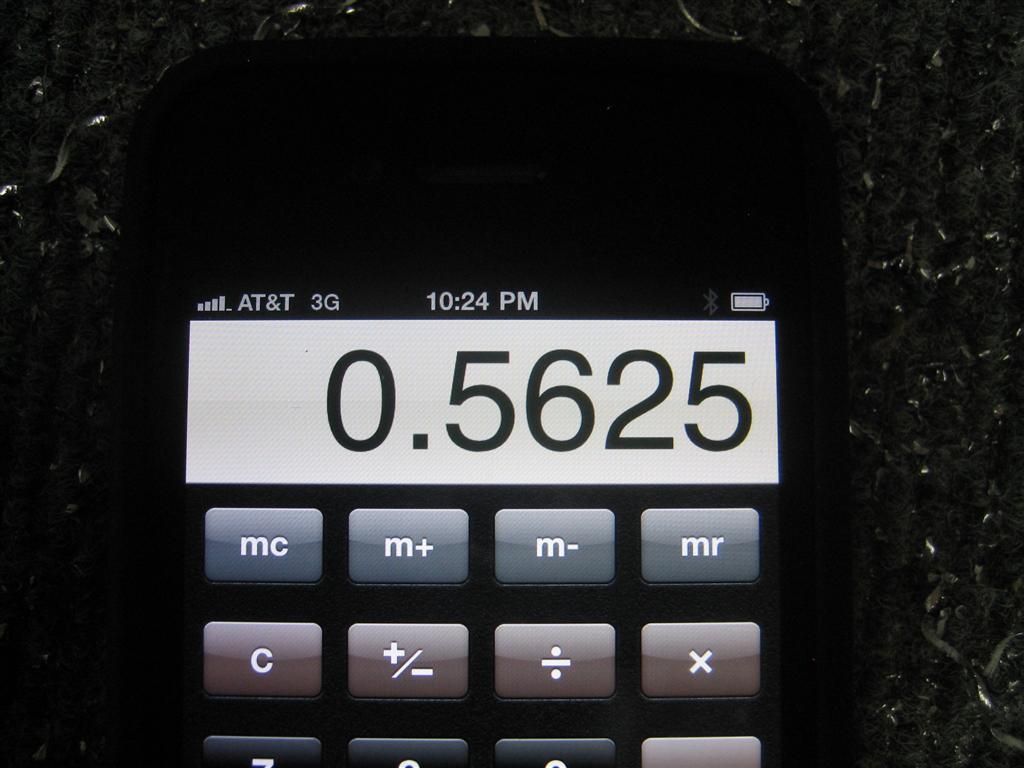
Obviously 8/16″ is 0.5 and 5/8″ is 0.625. Let’s try 9 divided by 16.
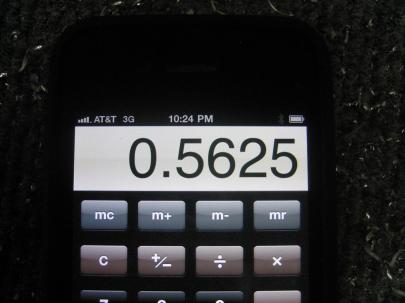
Wuhoo!

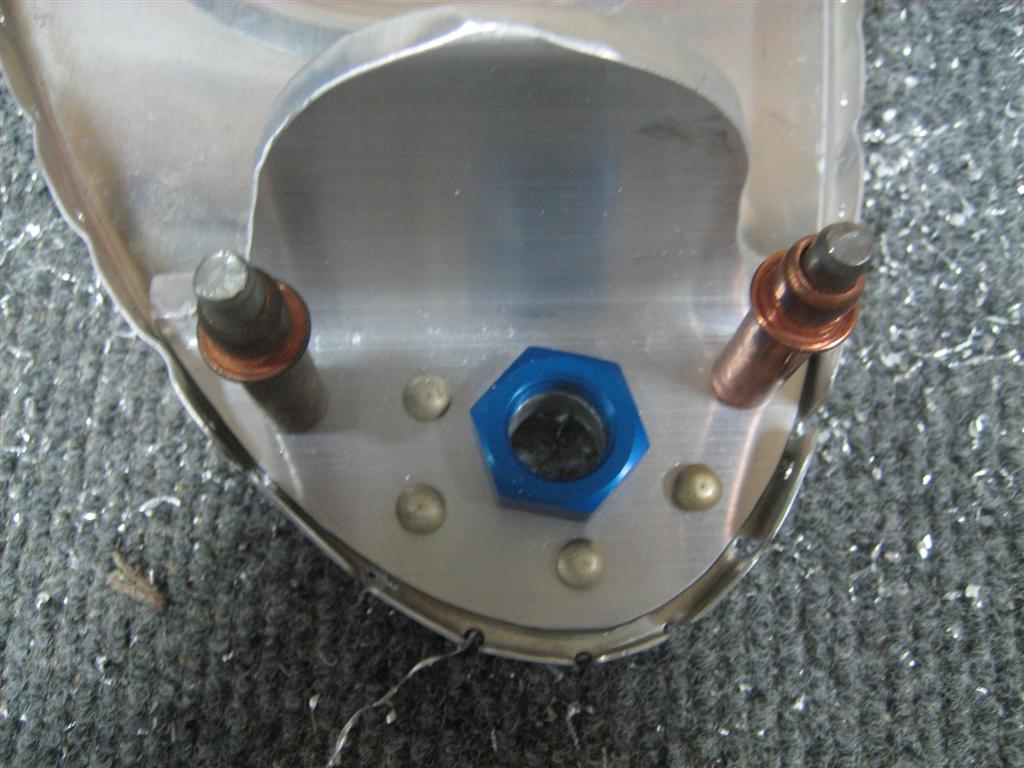
Apparently I don’t have a 9/16″ bit, but I did work my way up to 1/2″ and then lay in some AN470AD4-7 rivets so I could show you my good spacing.
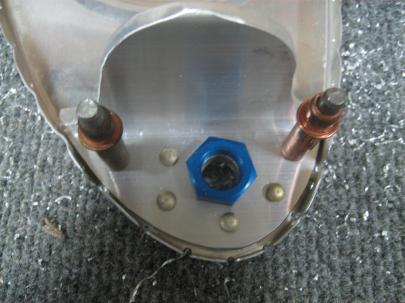
How's it look?
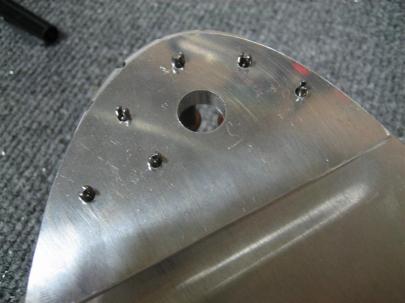
Here's the other side.

1.5 hours. Still need a 9/16″ bit, but that won’t stop me from getting into the tank stiffeners, drain flange, and filler cap soon.

I’m actually looking forward to it. Maybe this week.

Prev | Next

Started Banging Rivets on the Right Leading Edge

April 22, 2011

Prev | Next

OH MY GOSH!

ANDREW’S

BUILDING AGAIN!

Well, even though my last post said I was getting back into the mood of airplane building, it’s been almost a MONTH since I spent time on the project.

Yikes.

Anyway, I had a day off today, and I managed to spend a couple hours in the airplane factory.

Let’s see if I remember how to take and post picture.

After a little garage cleanup, I got the right leading edge out and got back to deburring all of the holes. I think deburring took about 30 minutes.

My hand hurt after deburring all of these. I need to deburr more often.

Once done, I took the cradles off the skin and opened her up to do some scuffing.

I haven't totally finished the leading edge light installation, but I can do that after the ribs are installed.

Then, I broke out the c-frame and started dimpling. This actually takes awhile, because you have to be careful not to punch any extra holes in the skin.

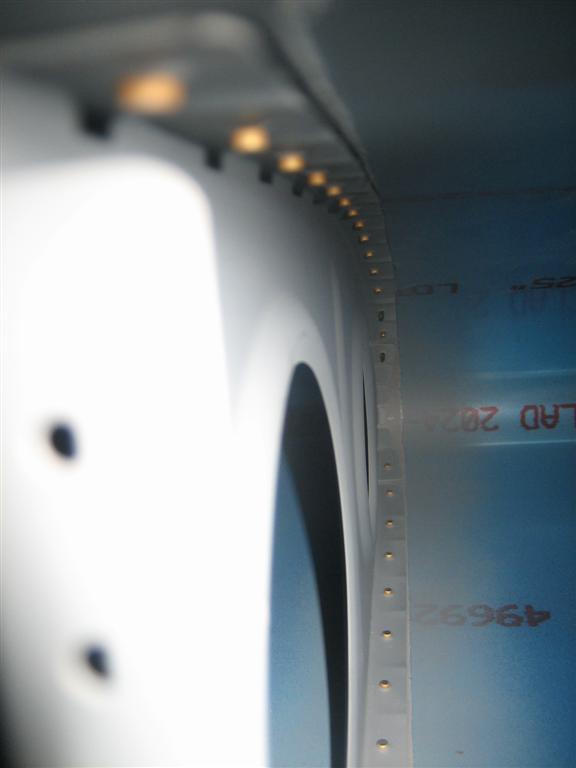
Even though I can reach these dimples with my squeezer, I think you get better, crisper dimples from the c-frame.

Here's me doing the forward-most hole in the top of the leading edge skin.

AHHHHHHHH!

THE DREADED

FIGURE-8!

Well, after 242 hours, and thousands of dimpled holes, I finally joined the club.

To tell you the truth, it’s really not that noticeable, except for the fact that it is on the top of the wing (AND YOU’LL ALL NOTICE IT)!

Anyway, I used some flat sets and pounded it flat, then filed it down a little, and dimpled the primary hole.

Here's the extra dimple pounded flat.

And the orginal hole dimpled. still needs a little filing here.

I could throw a fit and order a new leading edge from Van’s, or I could just build on, and cover this with filler and paint.
(I don’t think I can polish the wings anymore.)

Well, in the interest of building on, I decided to do a little riveting today. I had a couple ribs prepped (my legend: R2 and R3), so I got them prepped, primed, and clecoed in place. (Making sure to cleco one rib on either side of those so the leading edge was perfectly straight.

Here are the ribs clecoed in place.

Of course, I use my normal tape-over-each-rivet-head trick to minimize scratches, dings, and marring.

I shot and bucked every other one (no mistakes) and then replaced the clecoes with rivets, moved the tape over, and finished the row.

(Needless to say, I started with the bottom of the leading edge, so any mistakes due to out-of-practice riveting wouldn’t be so obvious.)

Gratuitous shop head shot on the lower surface of the first rib.

Gratuitous shop head shot on the lower surface of the second rib.

Wash. Rinse. Repeat. (Crap, I meant flip, cleco, rivet, repeat.)

Gratuitous shop head shot on the upper surface of the first rib.

Gratuitous shop head shot on the upper surface of the second rib.

Umm, did we not have enough shop head shots today?

Andrew, STOP TAKING PICTURE OF SHOP HEADS.

Here’s the “club” rivet. I think I’m going to leave it like this, and just watch it for cracks, but someone will probably tell me I need to drill this out and replace it with some other solution. We’ll see.

(big. depressed. sigh.)

Seriously, I need to control myself with this camera.

Oh, and I was having trouble counting rivets today, which was weird.

So I just started writing them down. Can you guys check my math?

3 hours, 58 rivets, 1 figure-8. Boo.

Prev | Next