Preparing the Right Top Skins

August 1, 2011

Prev | Next

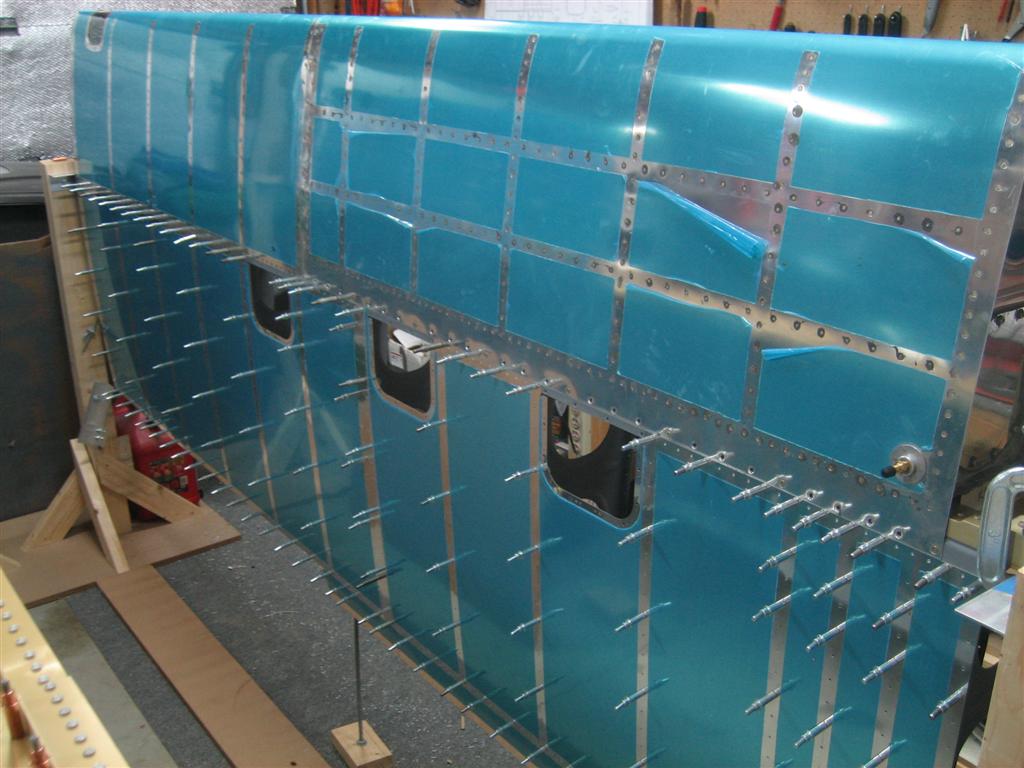
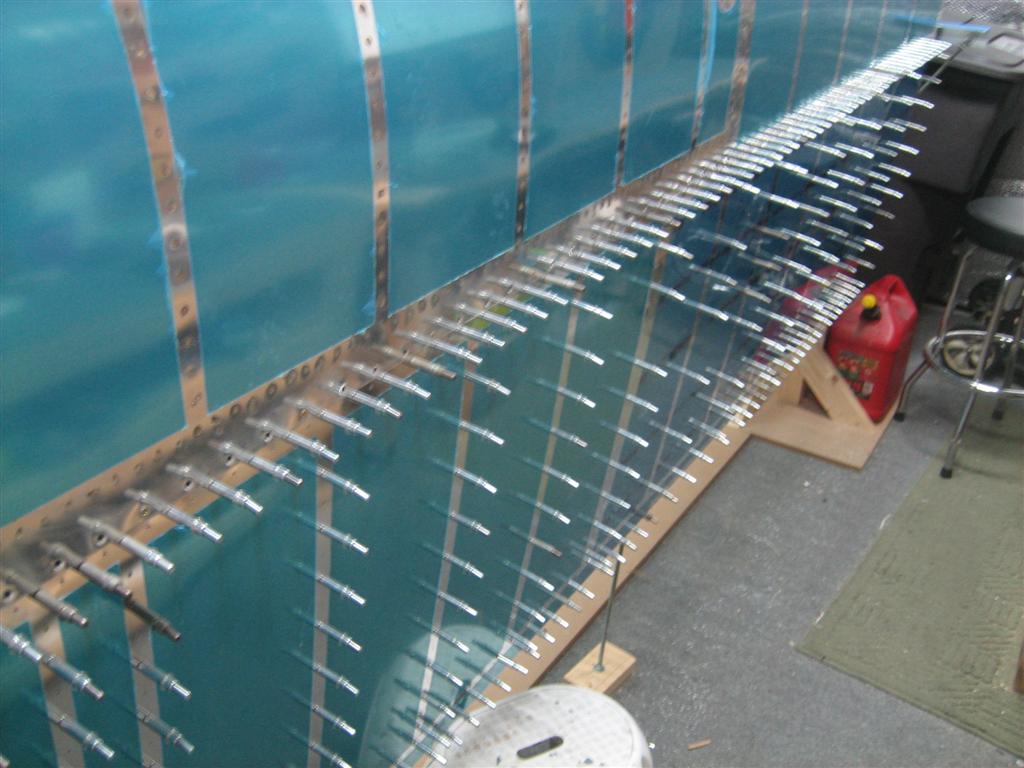
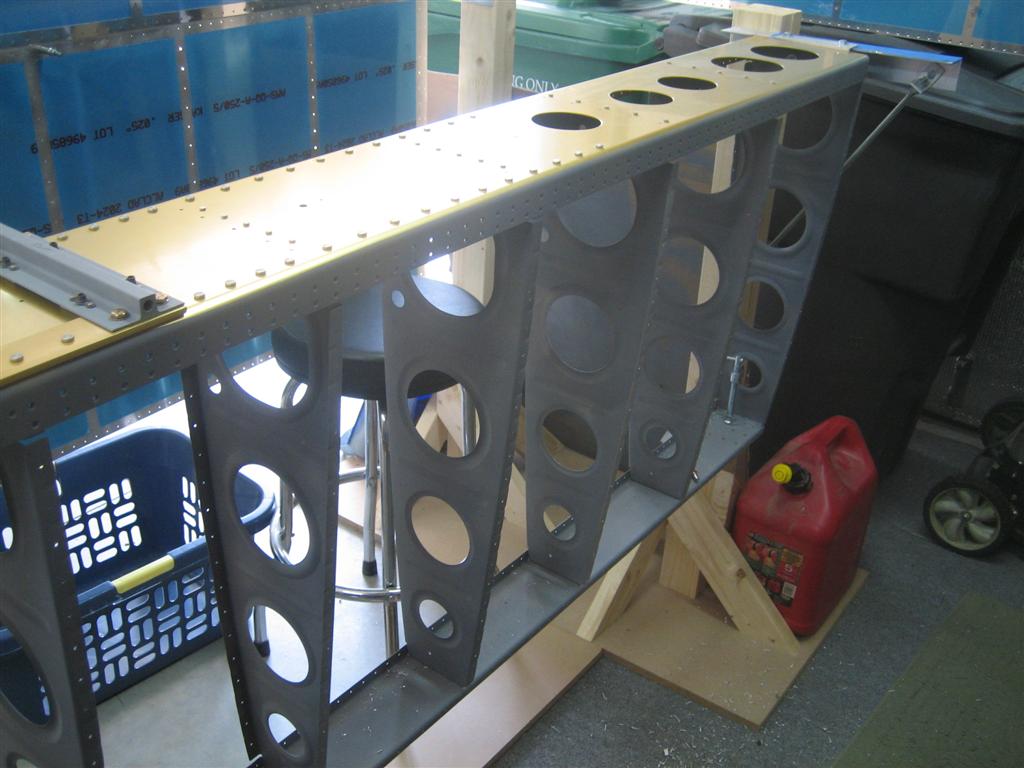
Well, what was supposed to be a few minutes in the garage clecoing the skins to the skeleton turned into 2.5 hours. I hate it when that happens. /sarcasm off.

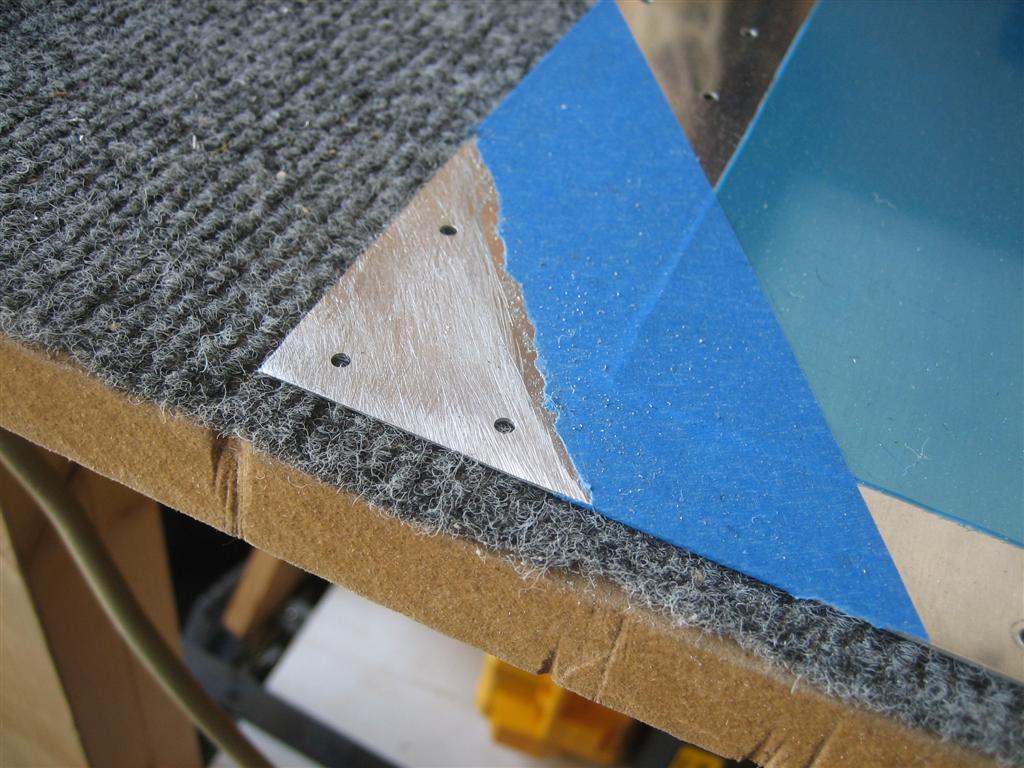
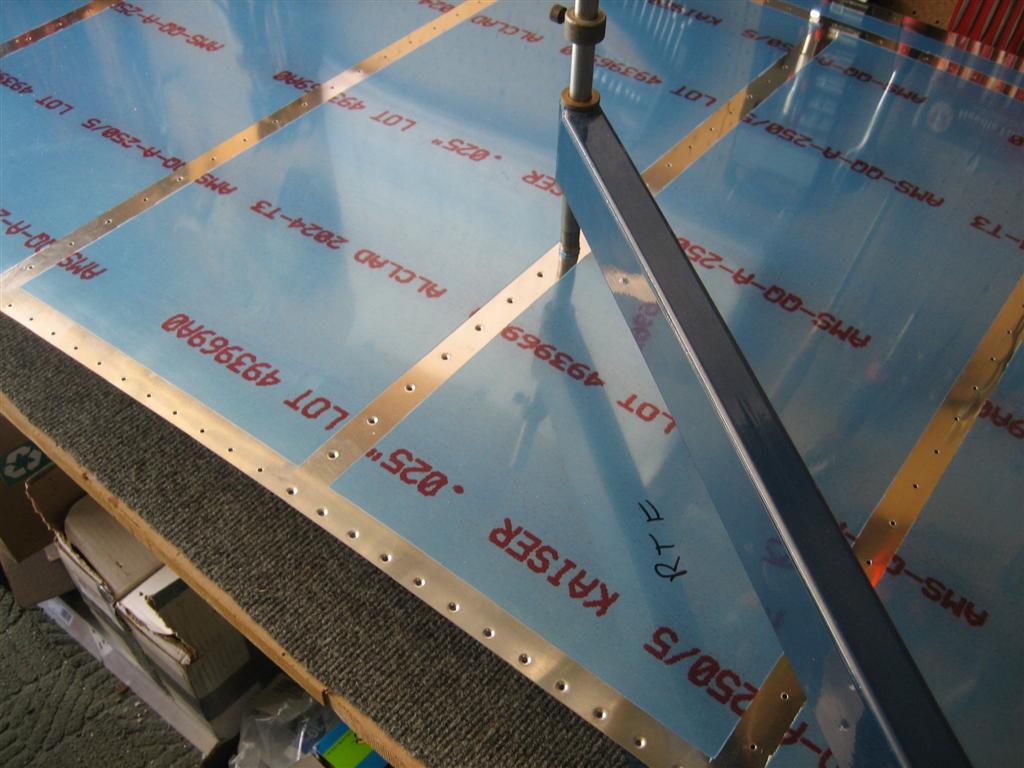
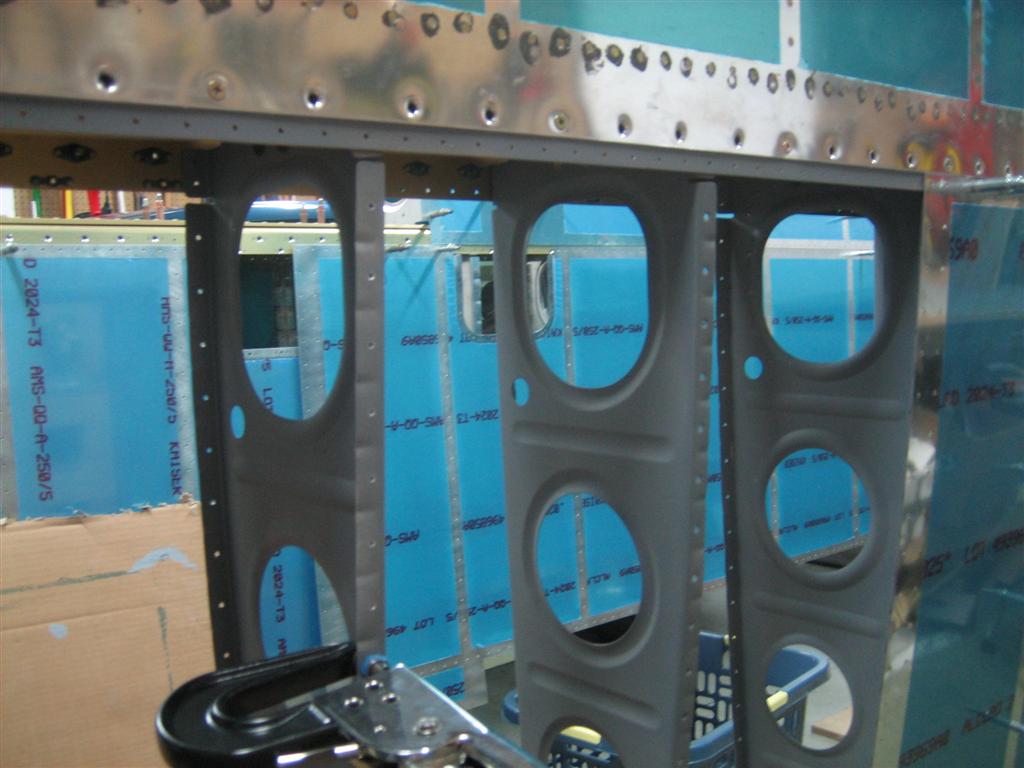
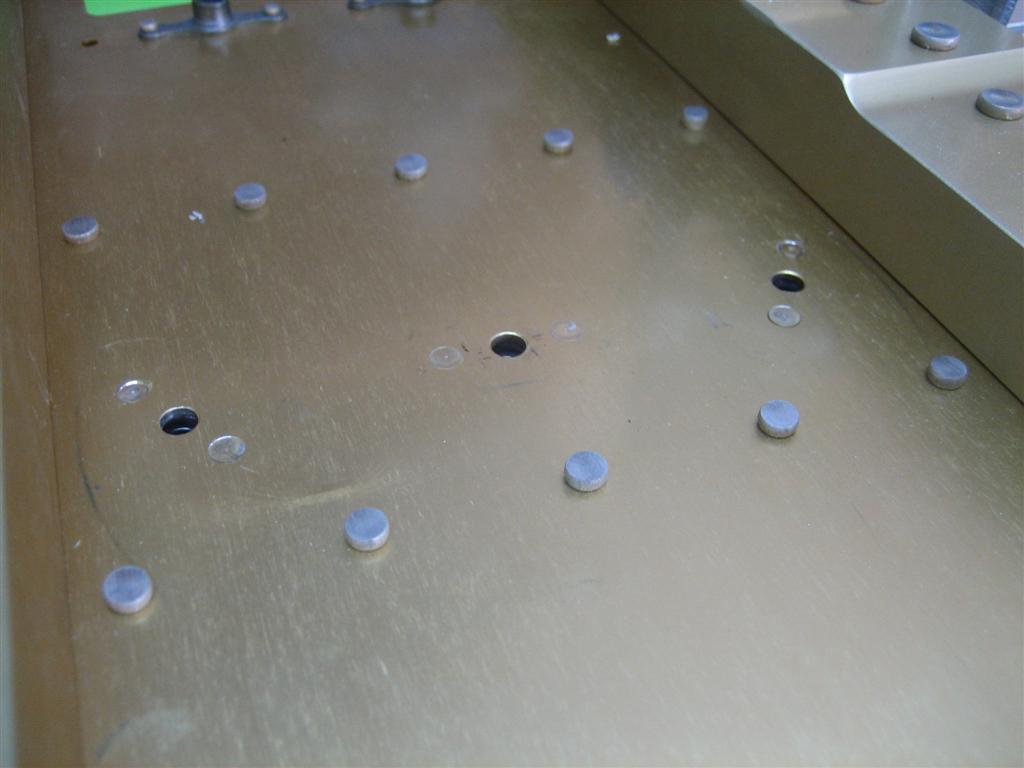
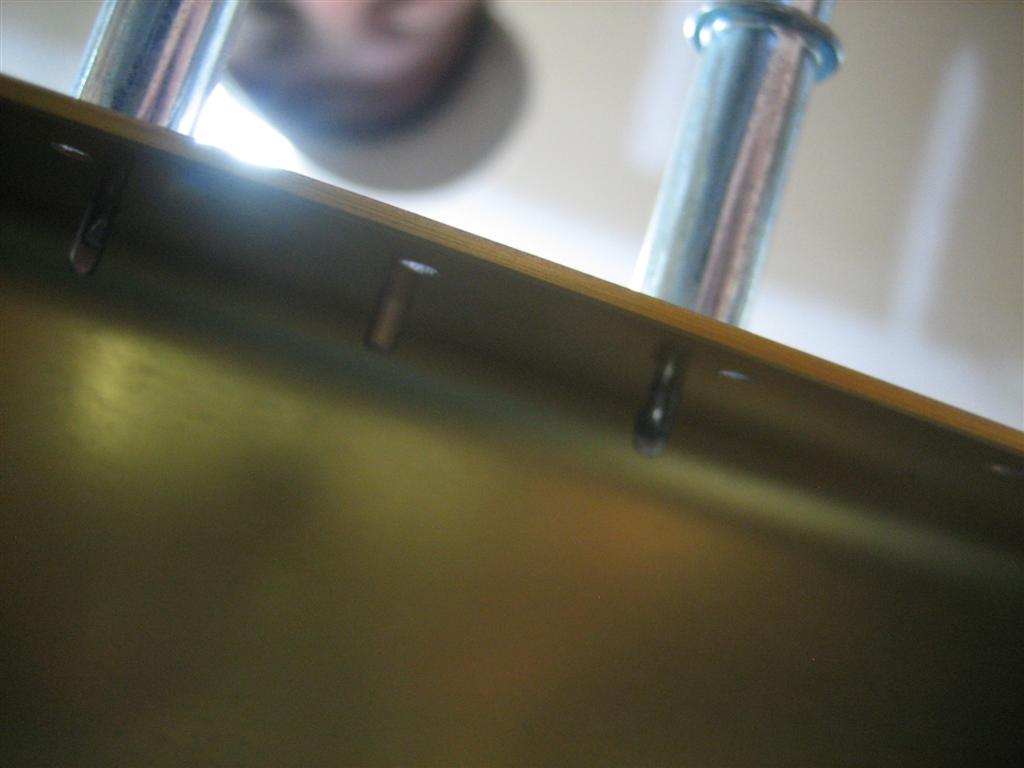
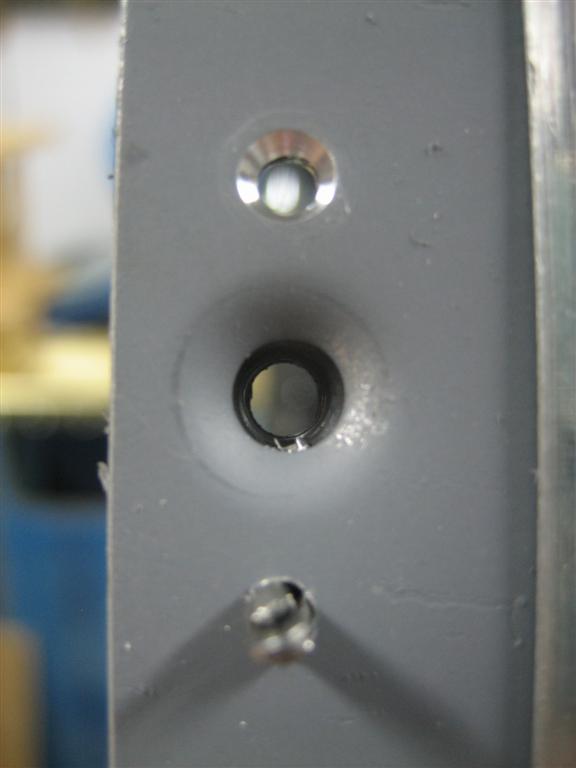
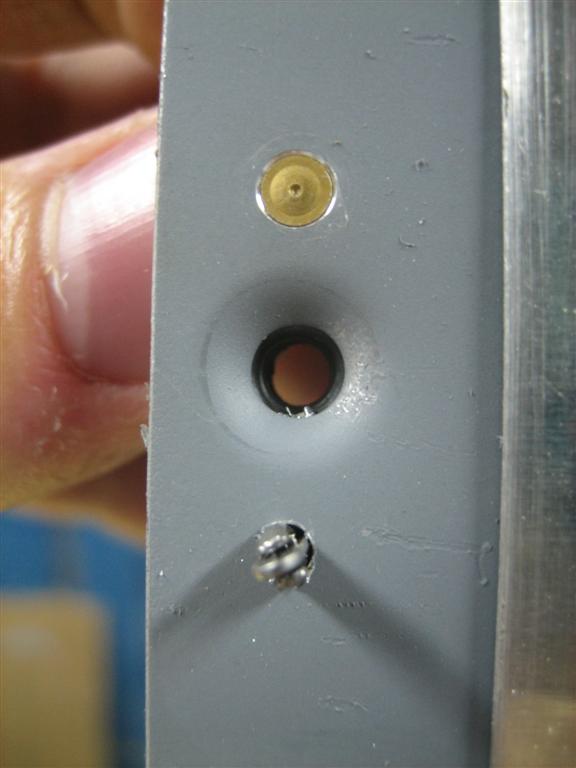
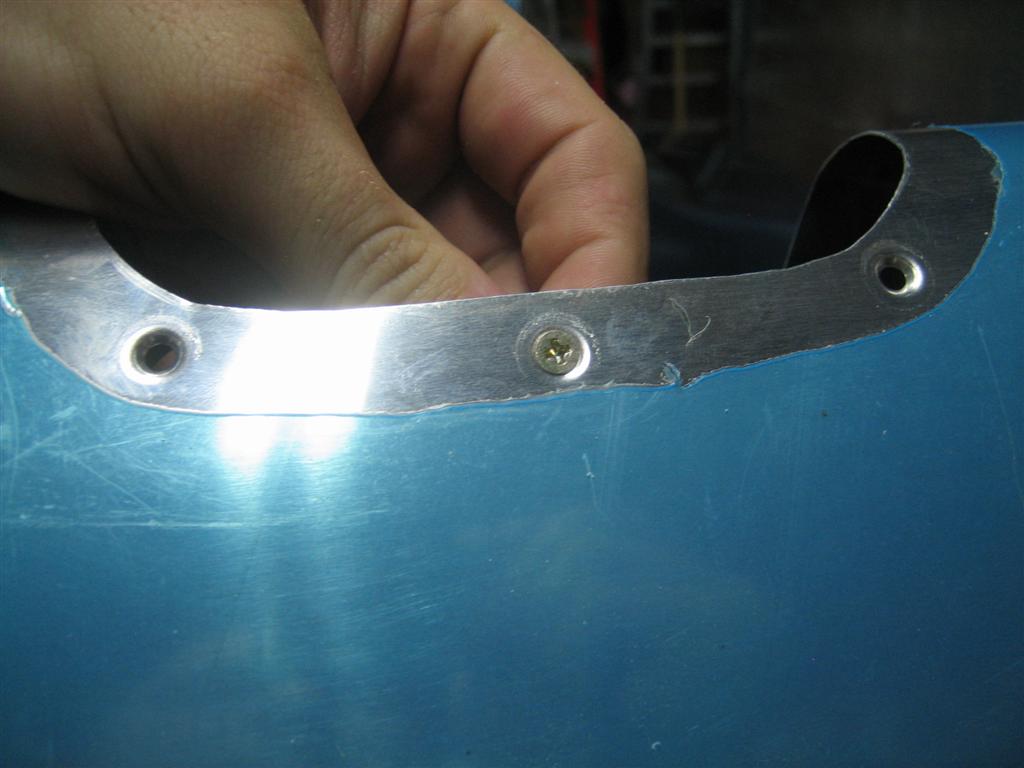
First up, I need to “clean up” the dimples in the rear spar. I used my countersink for this, and just let it spin a few times in the hole.

Easier than it sounds, I promise.

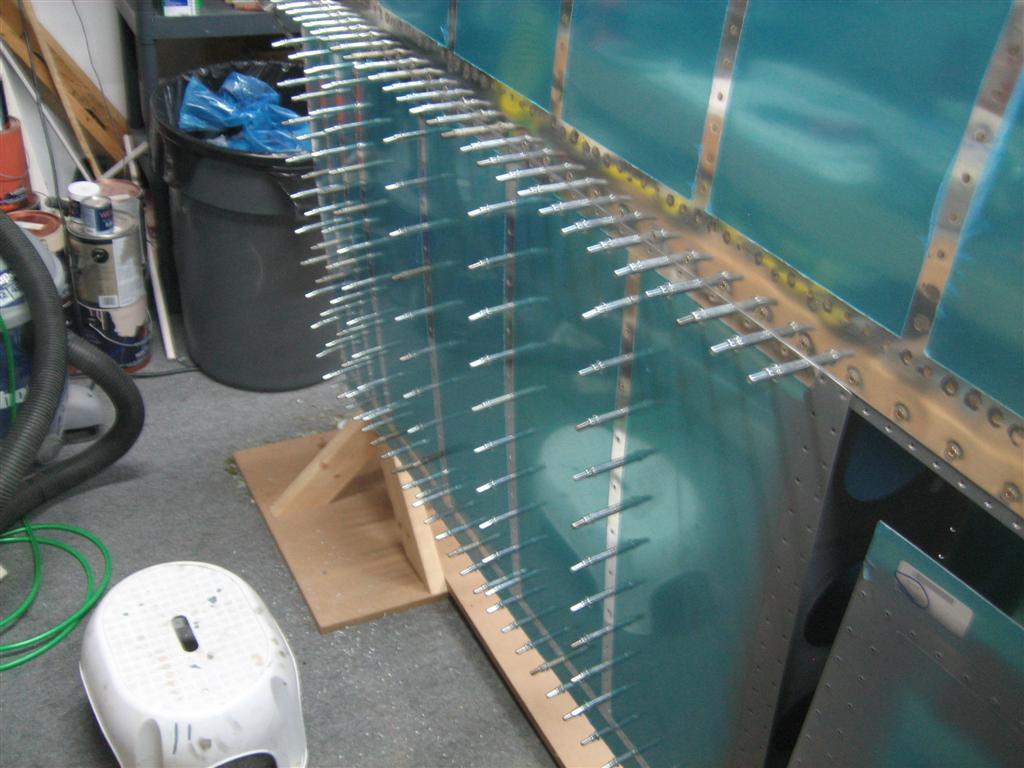
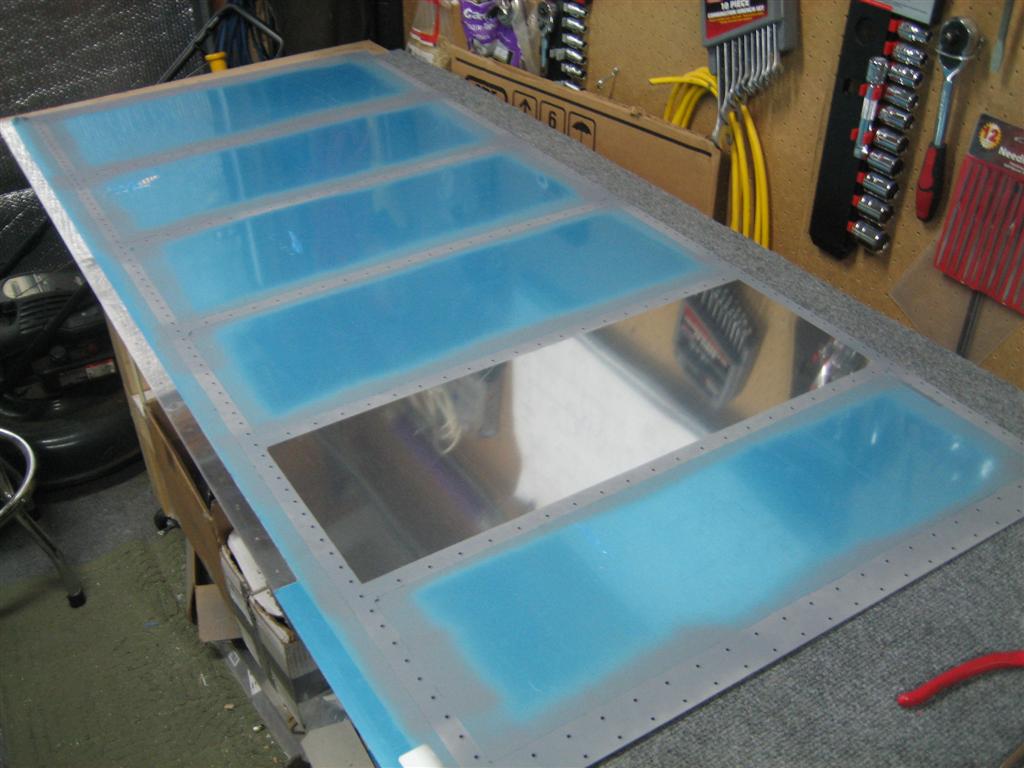
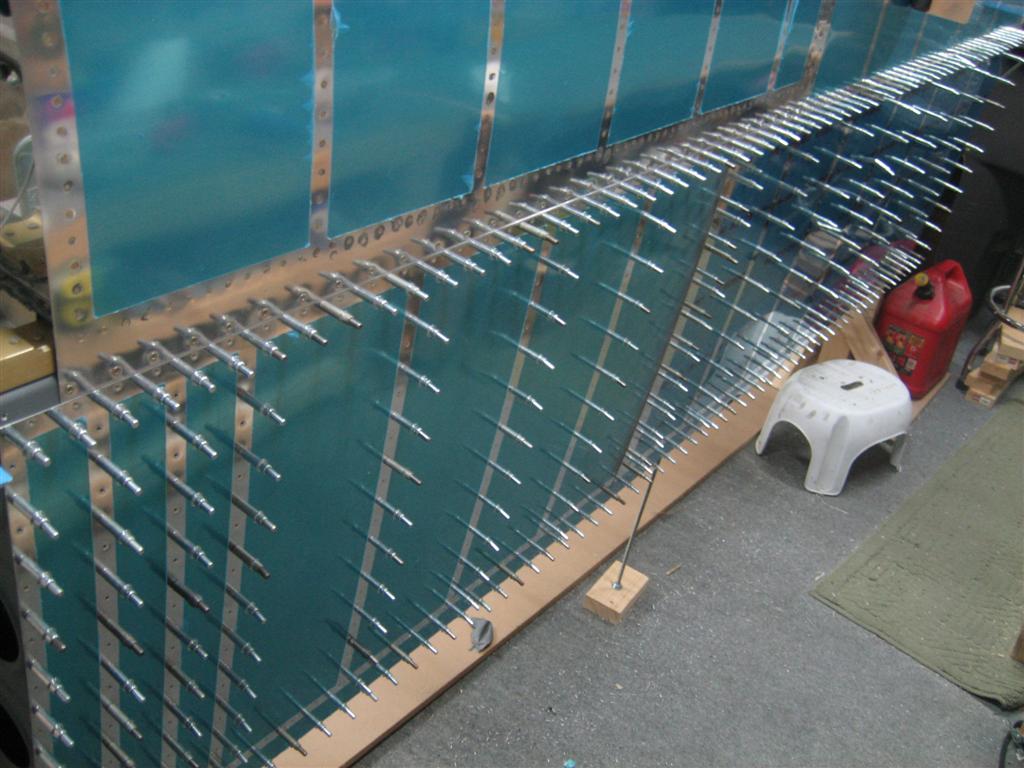
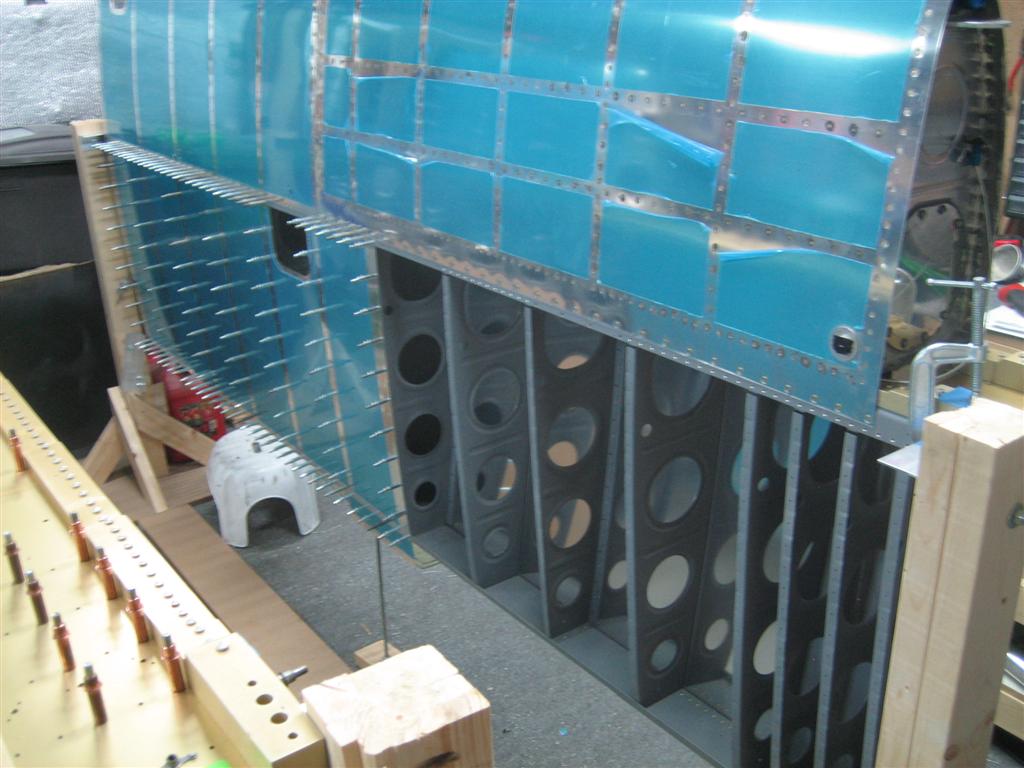
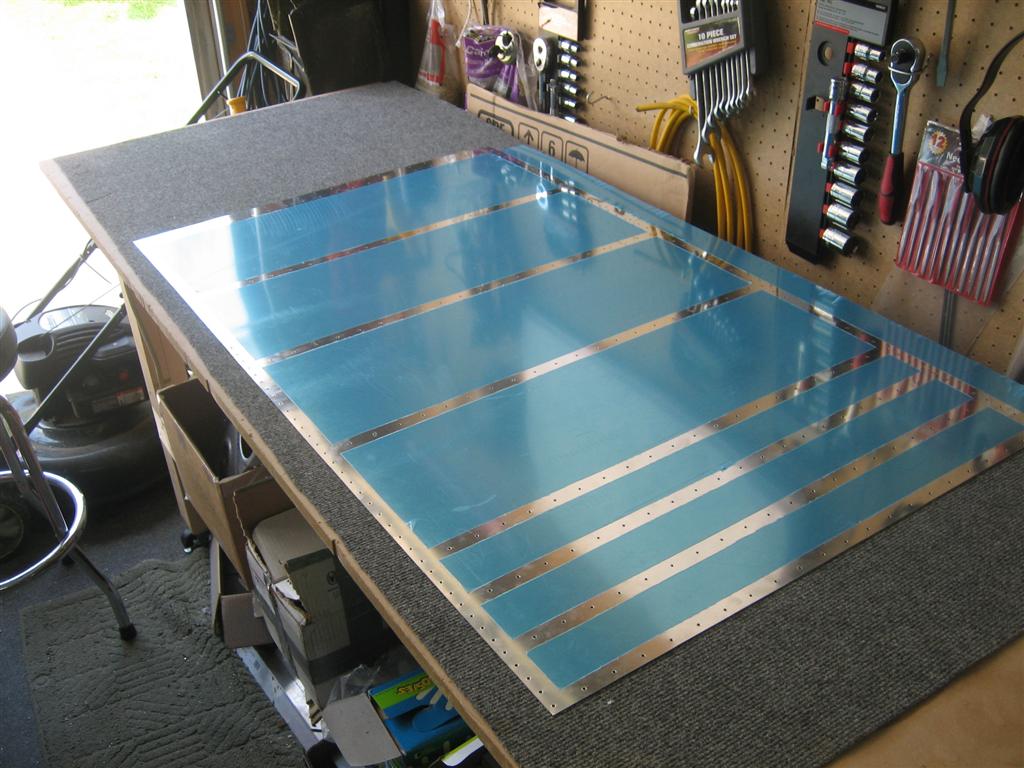
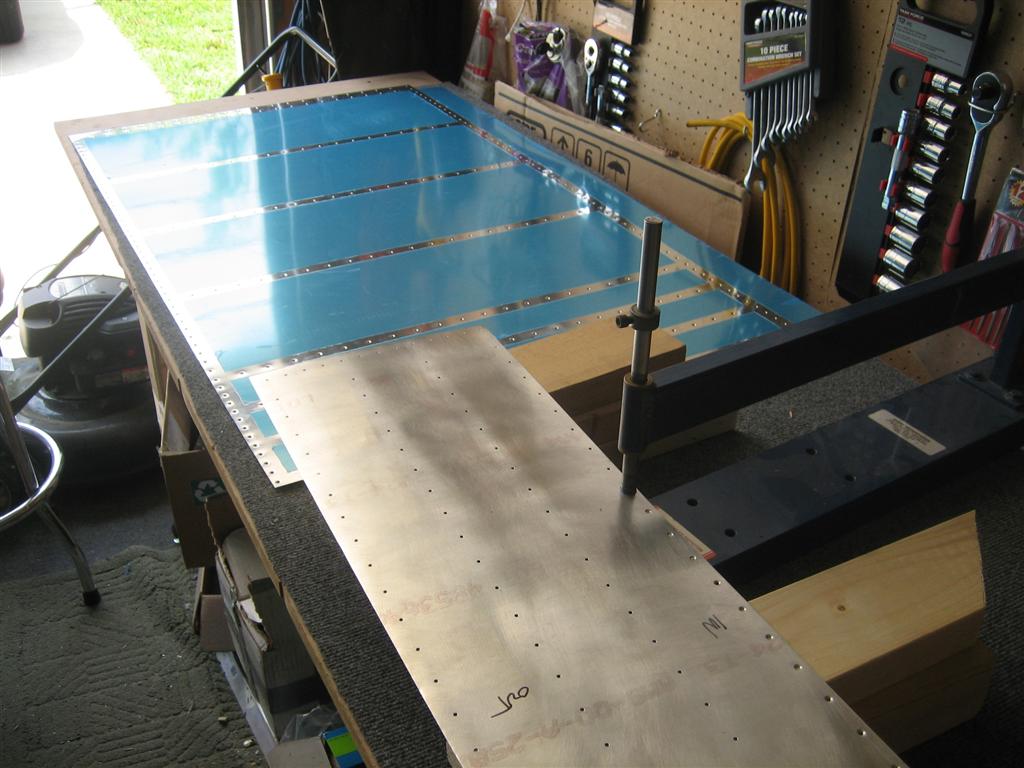
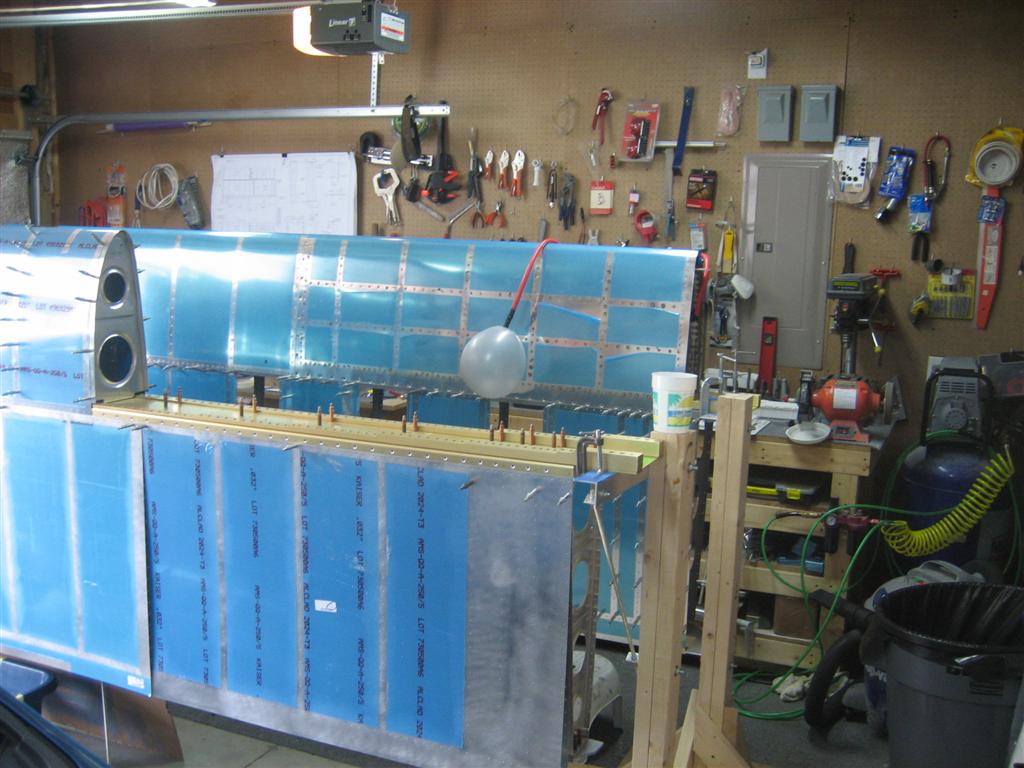
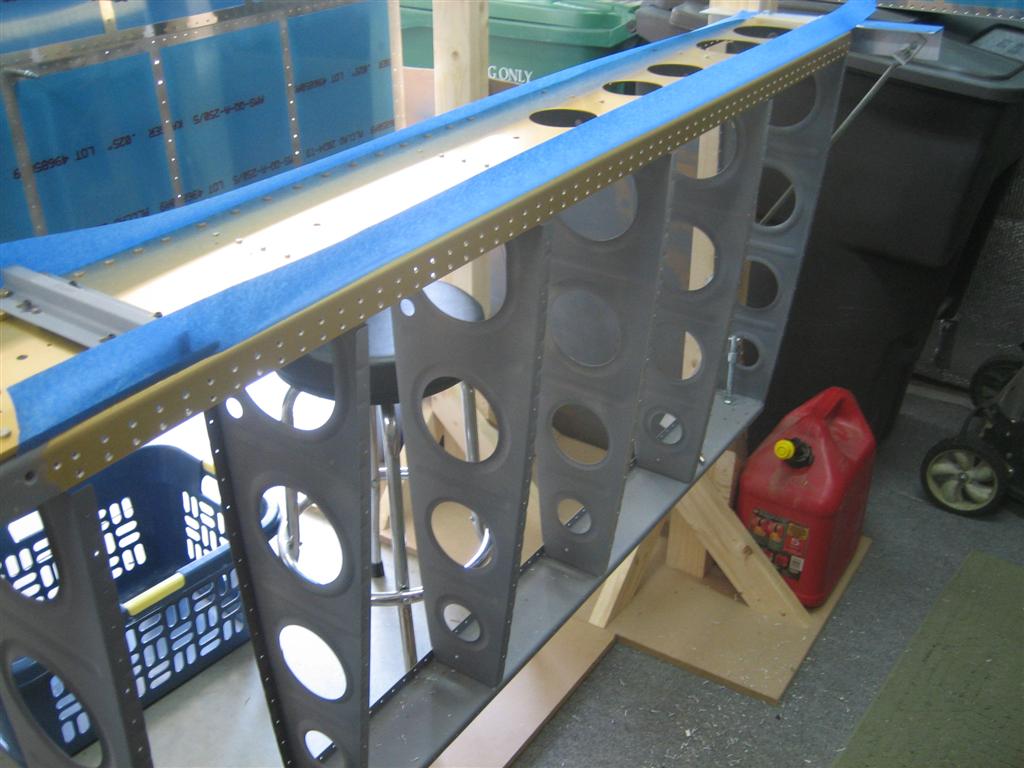
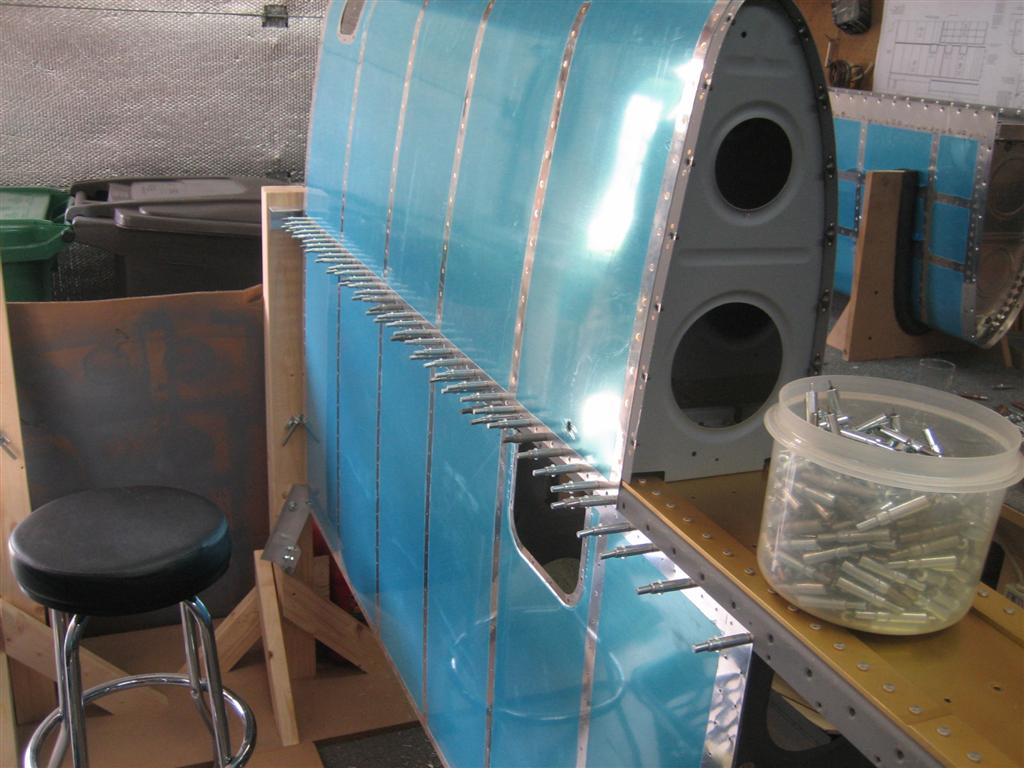
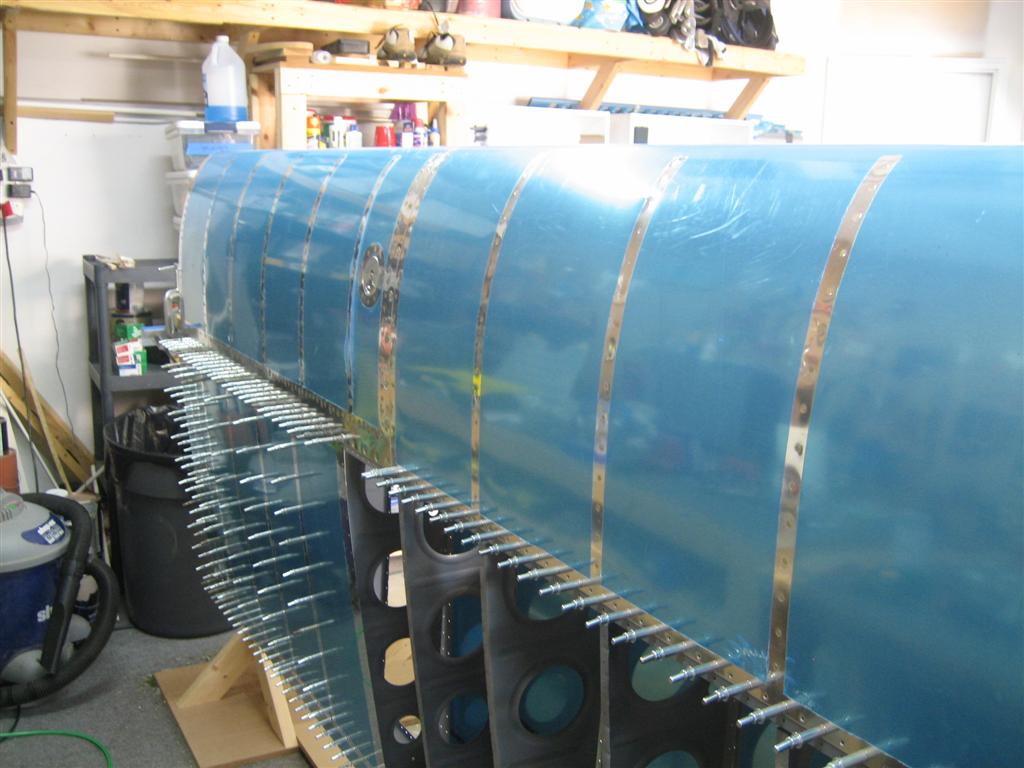
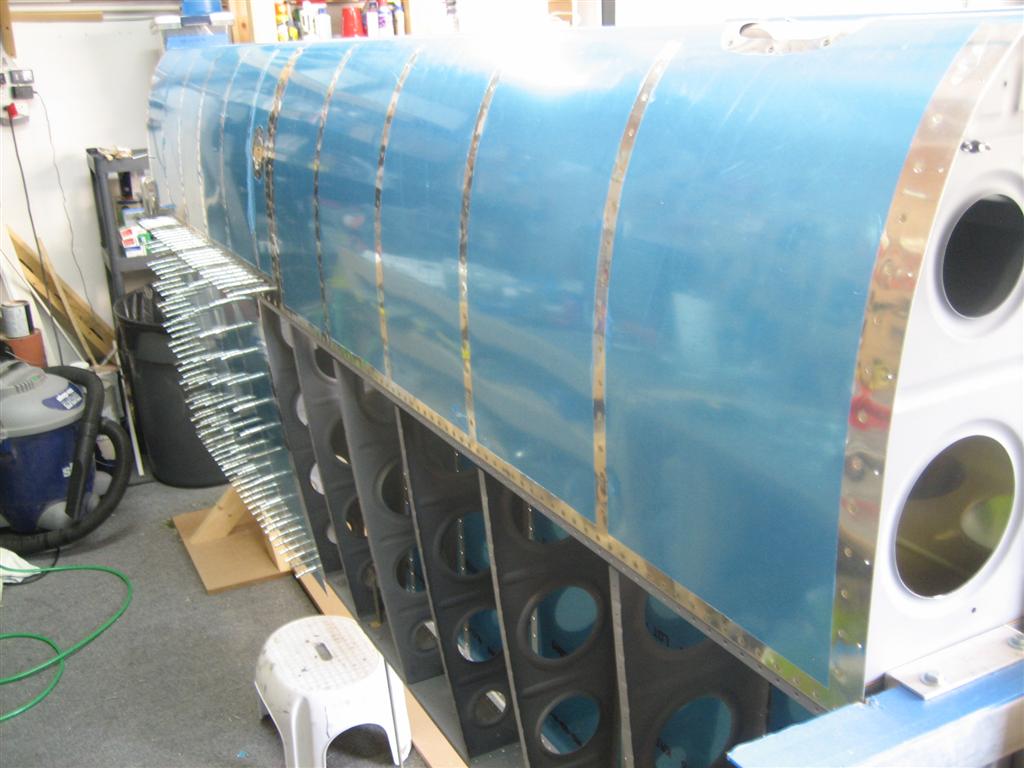
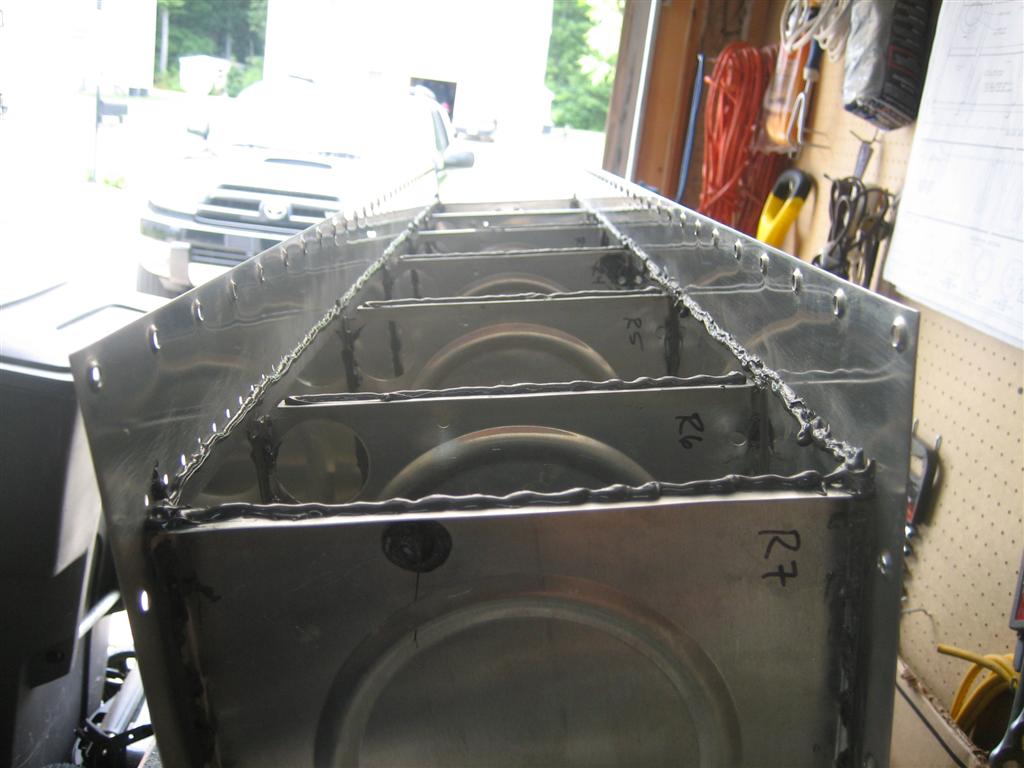
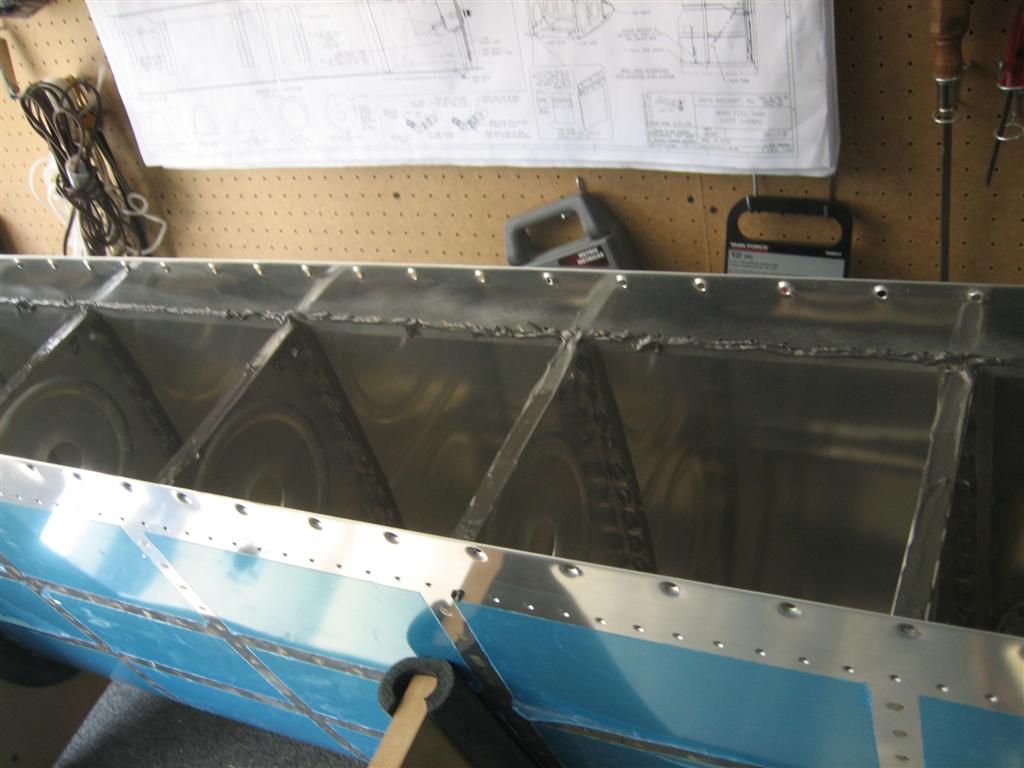
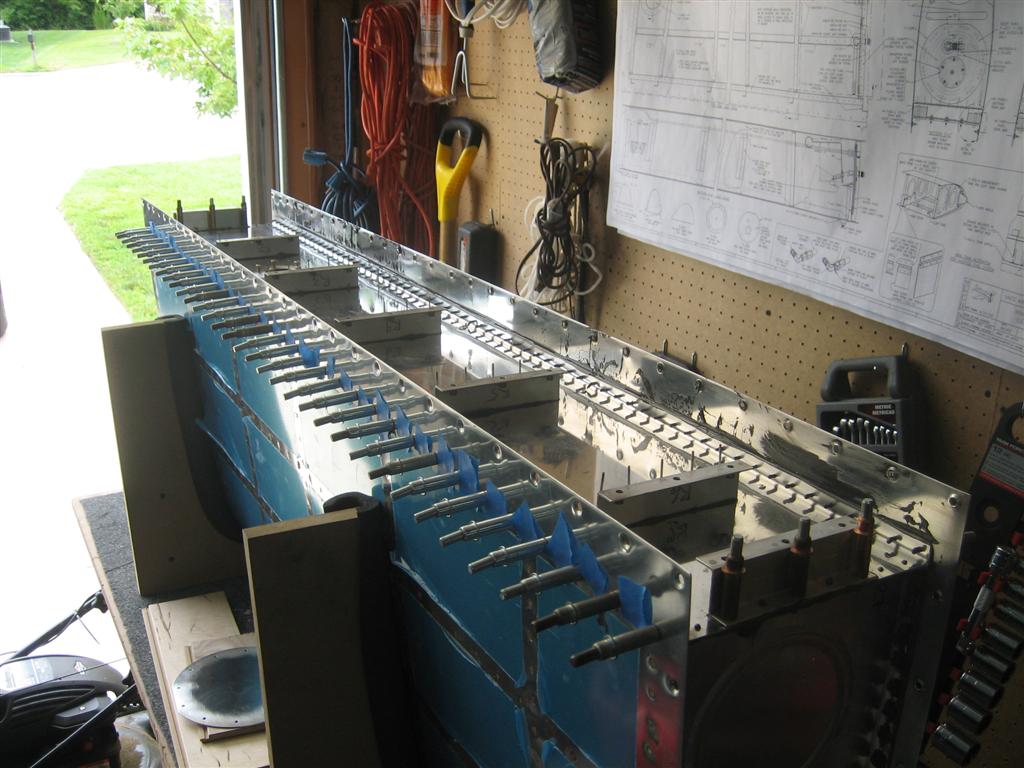
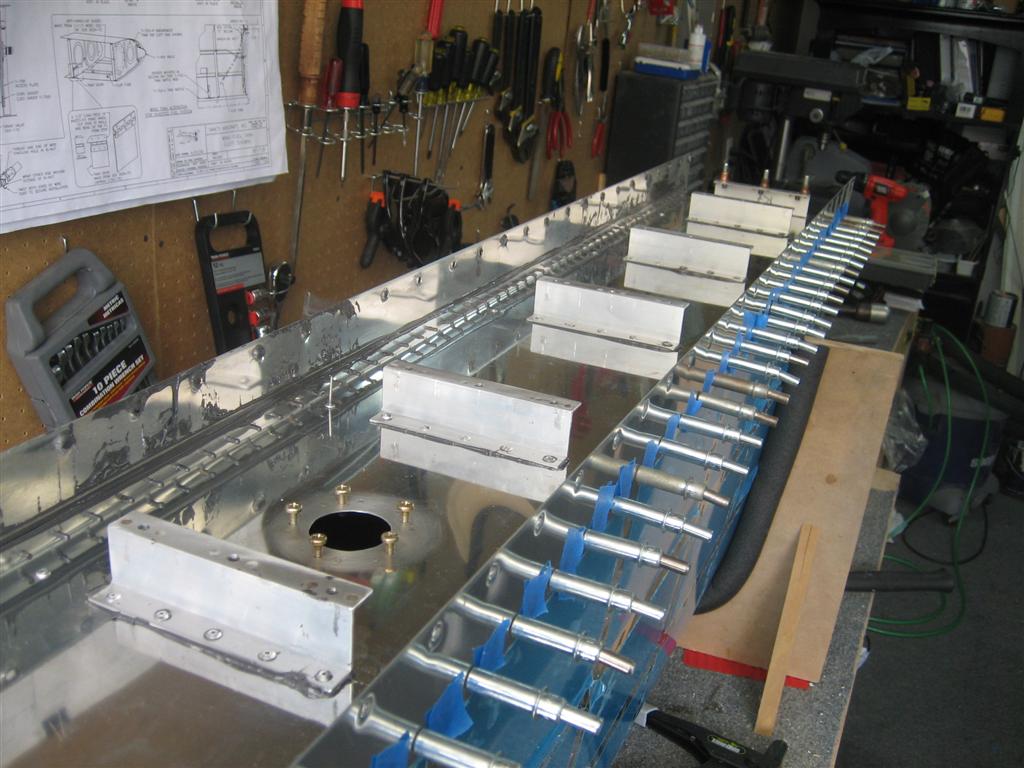
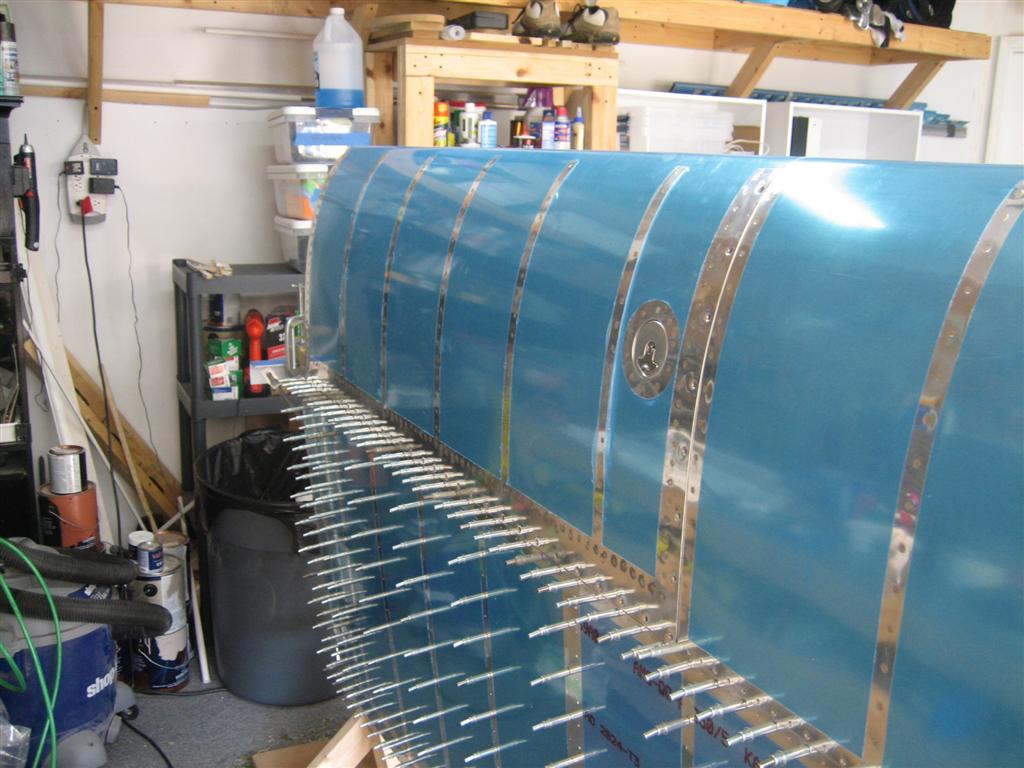
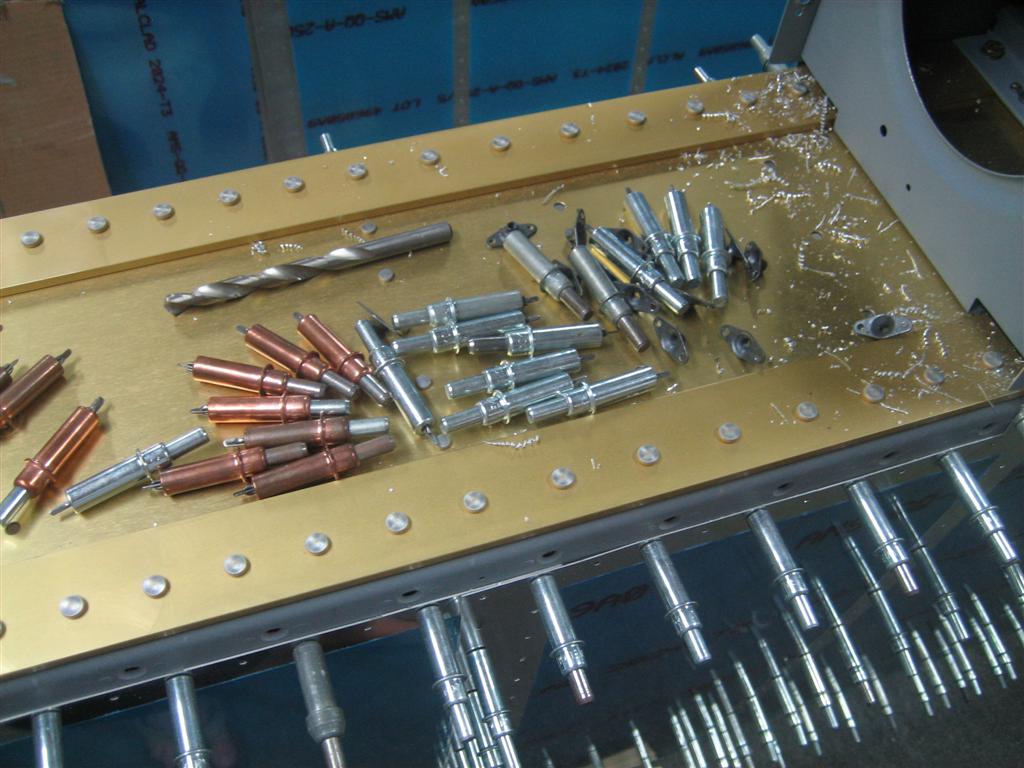
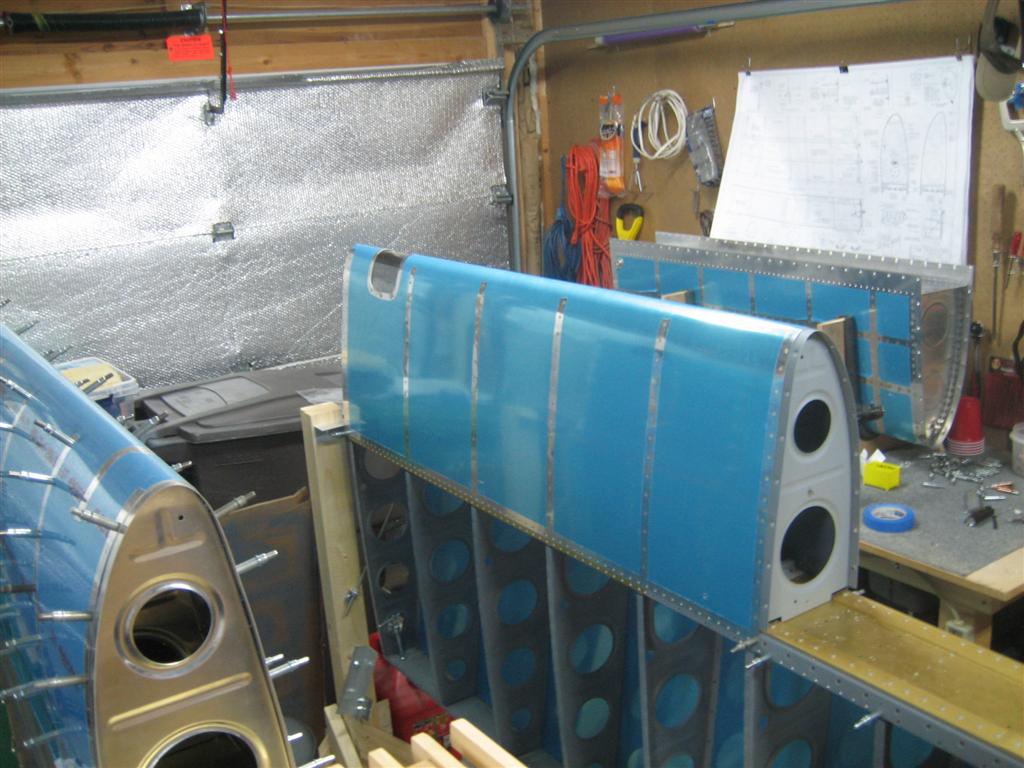
Then, I started 50% clecoing some top skins on.

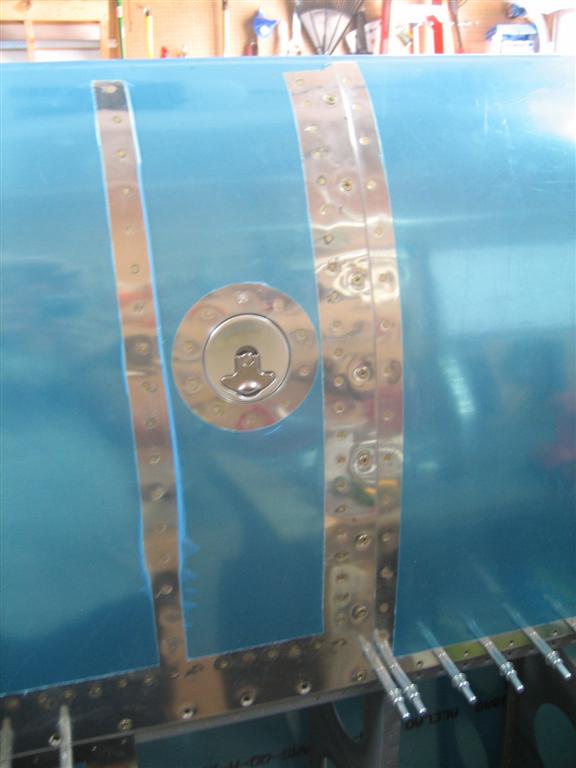
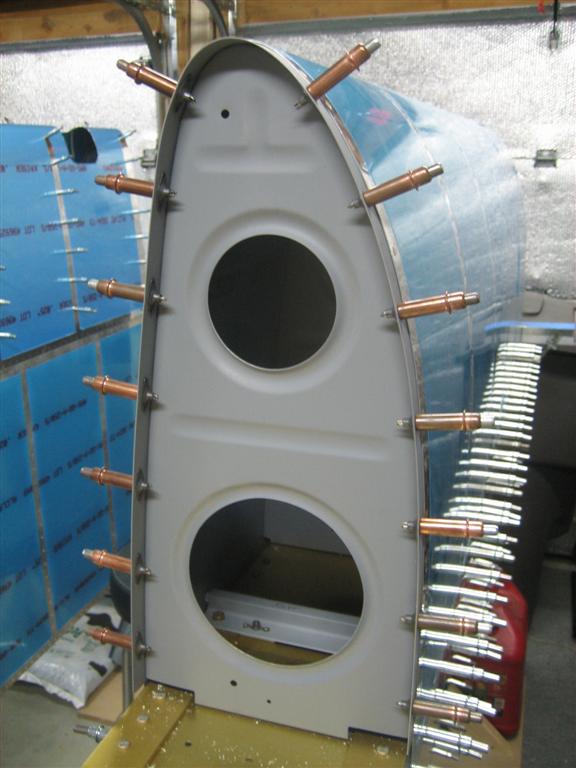
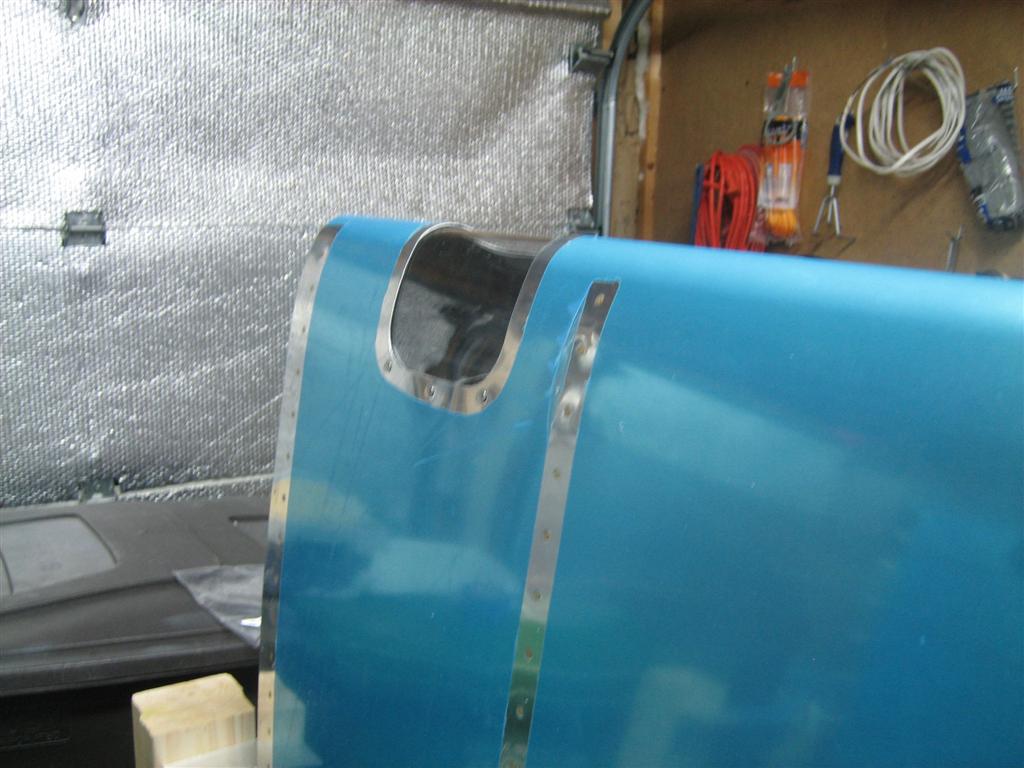
First the inboard skin...

(I didn't HAVE to removed the blue vinyl at this point, but I did.)

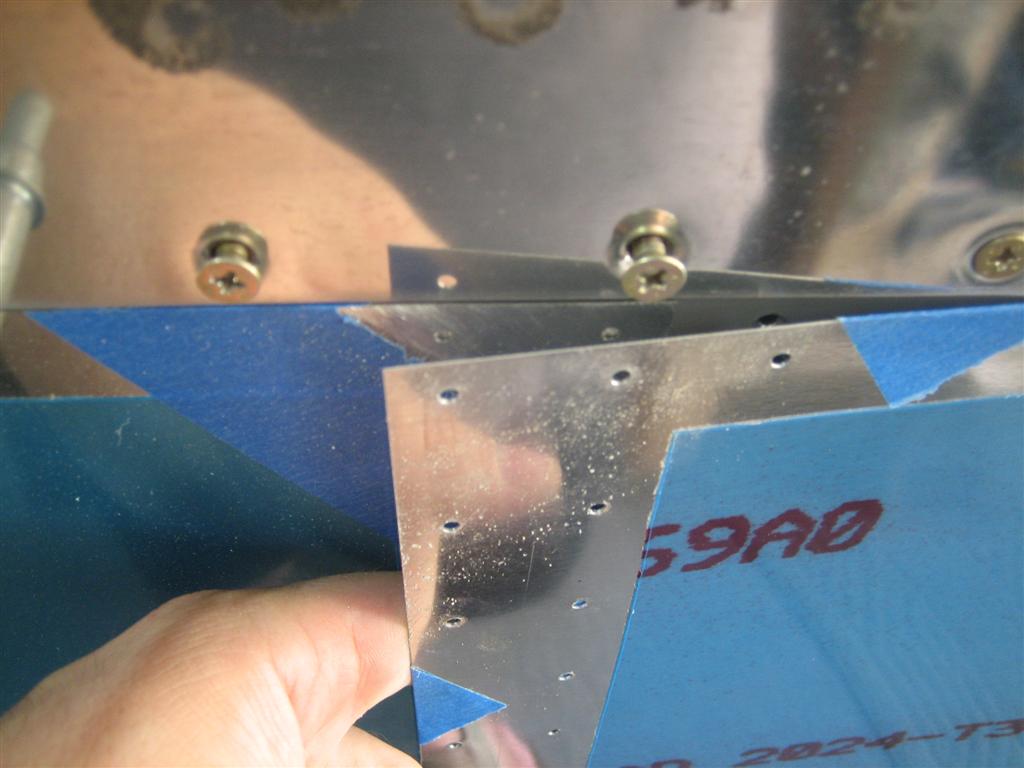
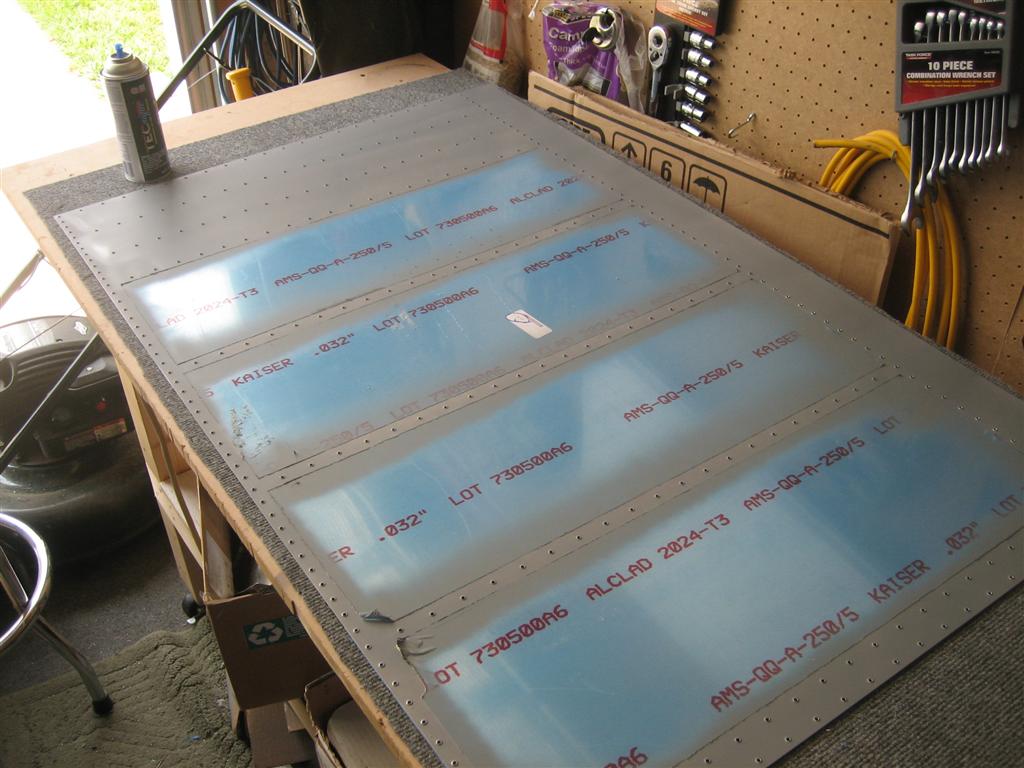
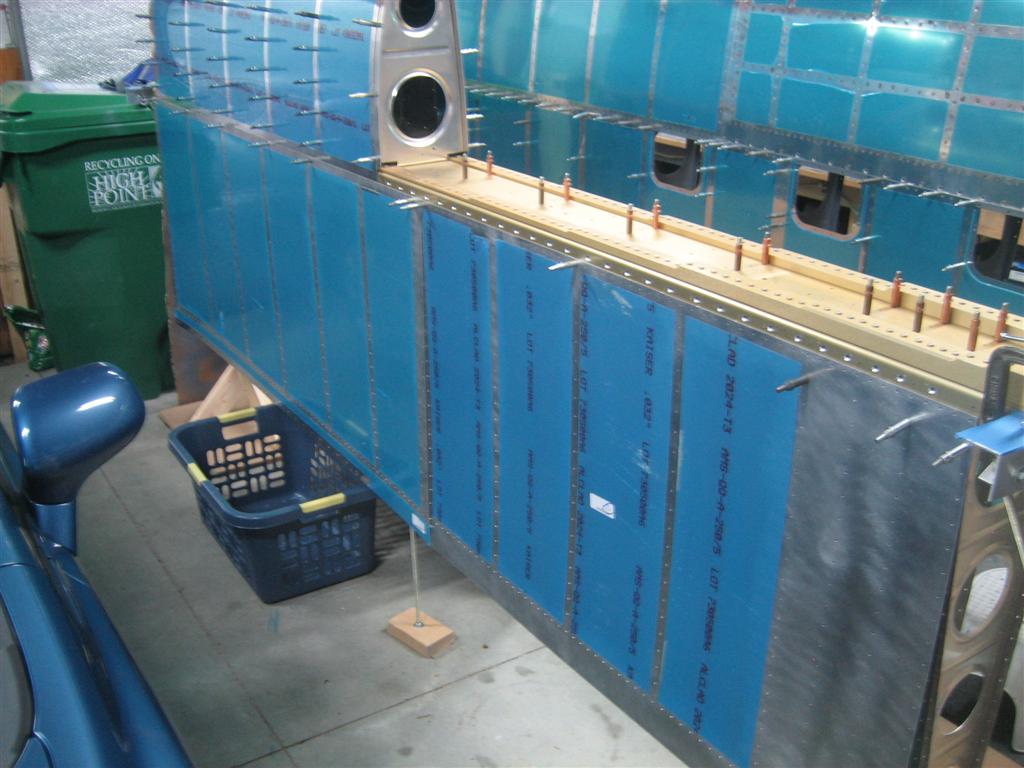
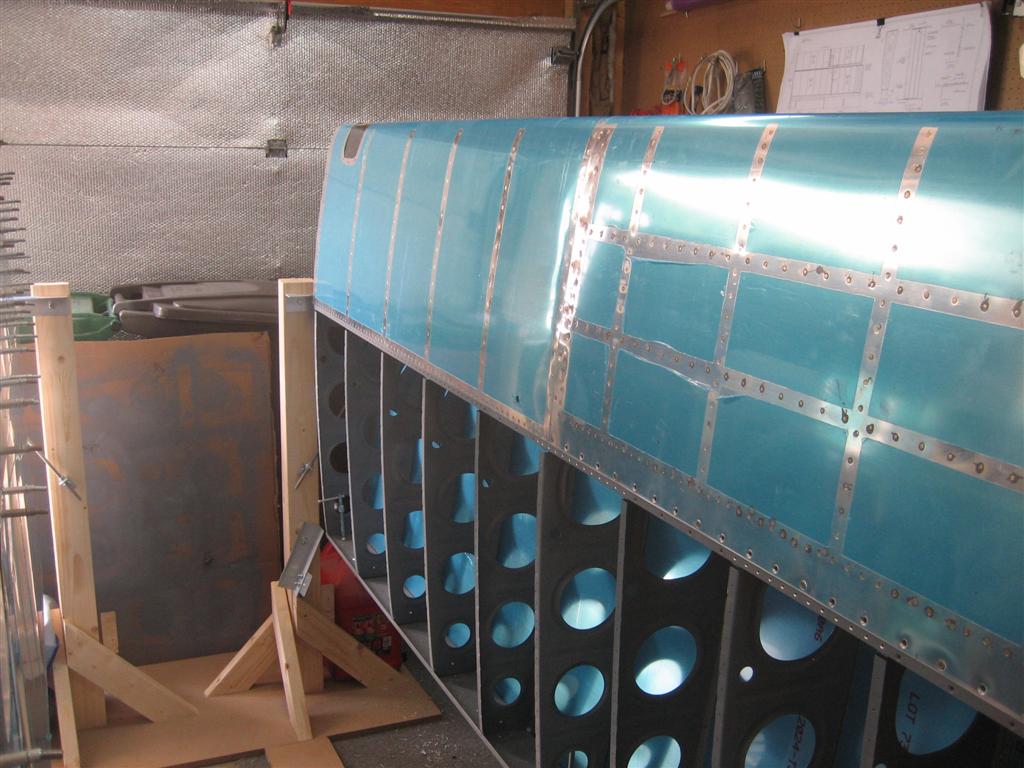
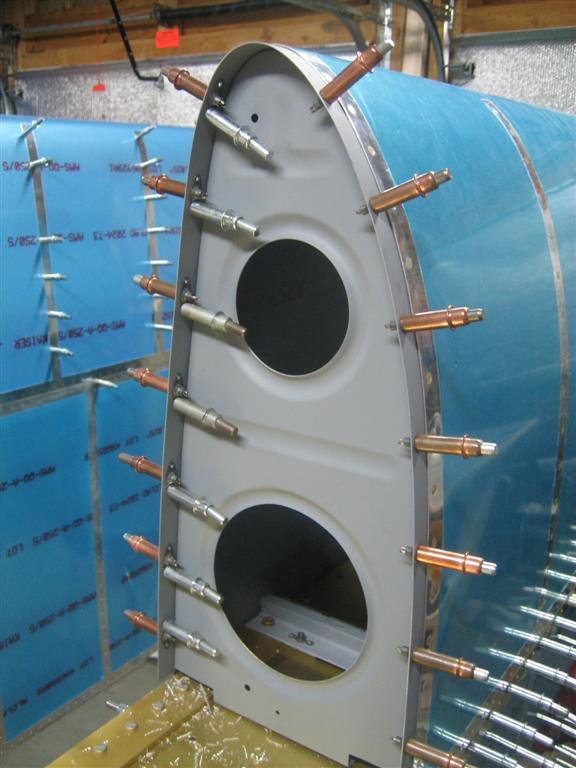
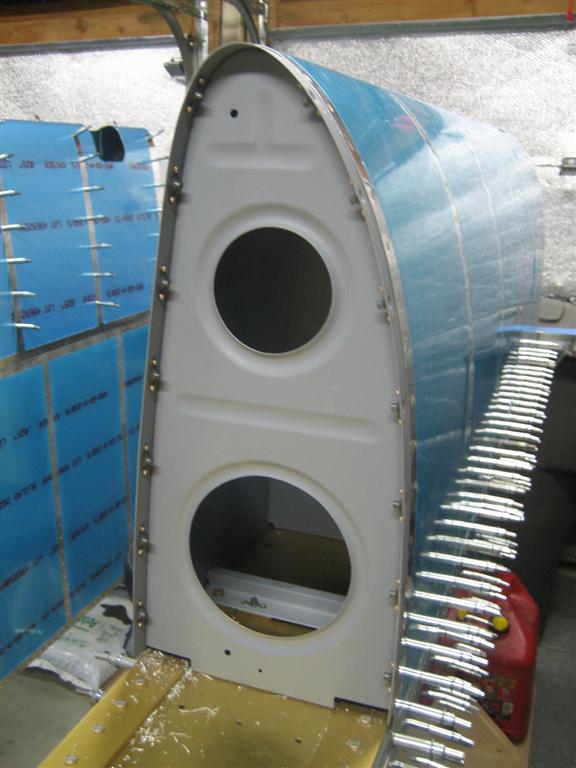
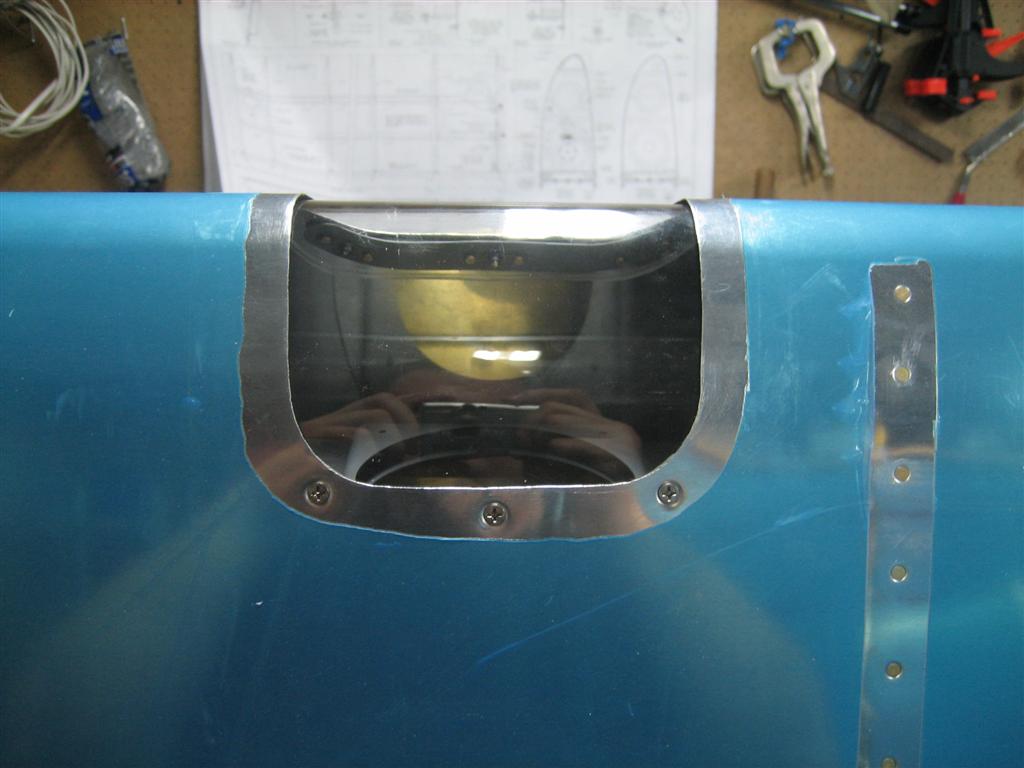
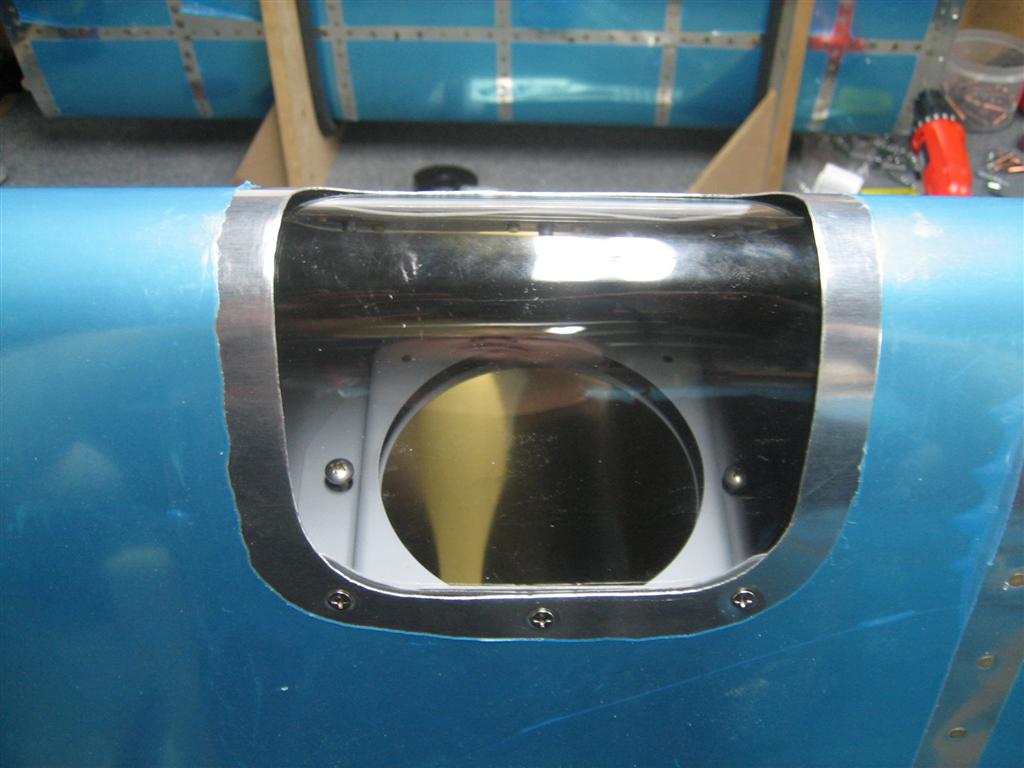
Then the outboard skin.

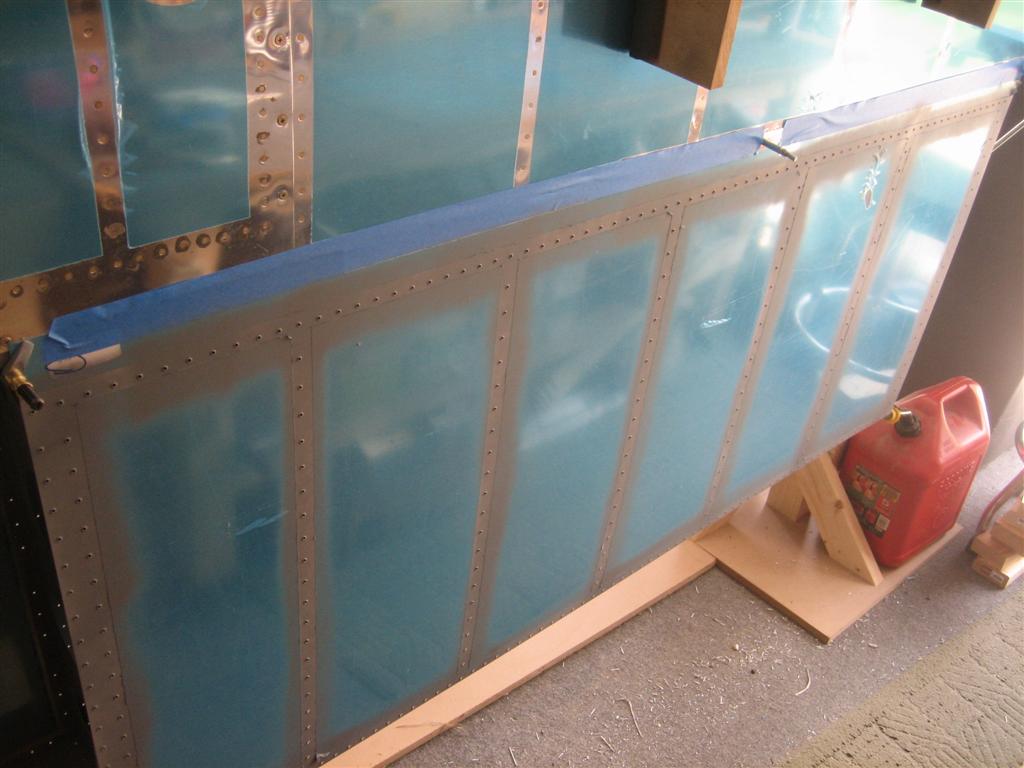
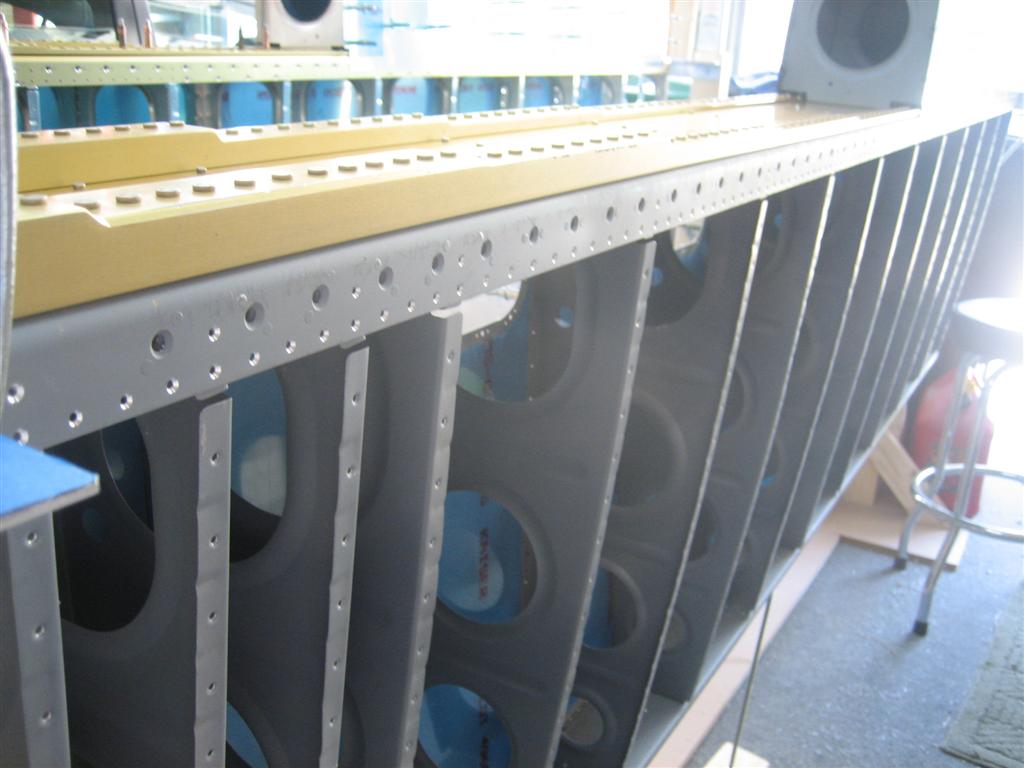
A view from the outboard side.

At this point, I had spent about 30 minutes getting the skins on. Nice easy day….uh oh.

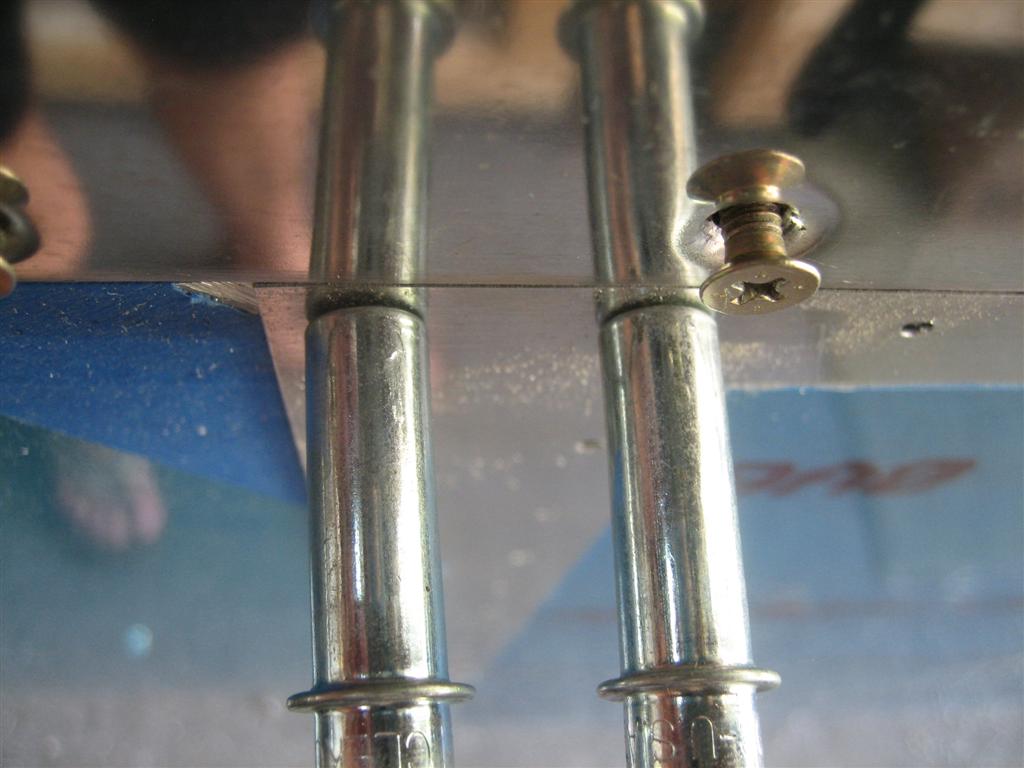
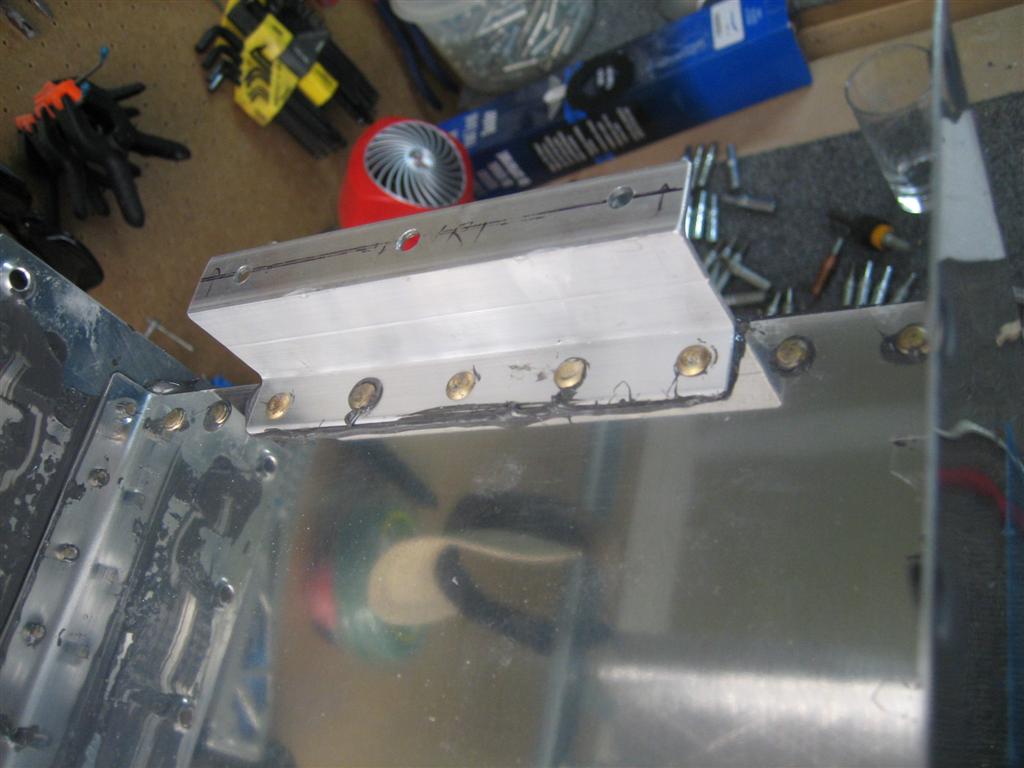
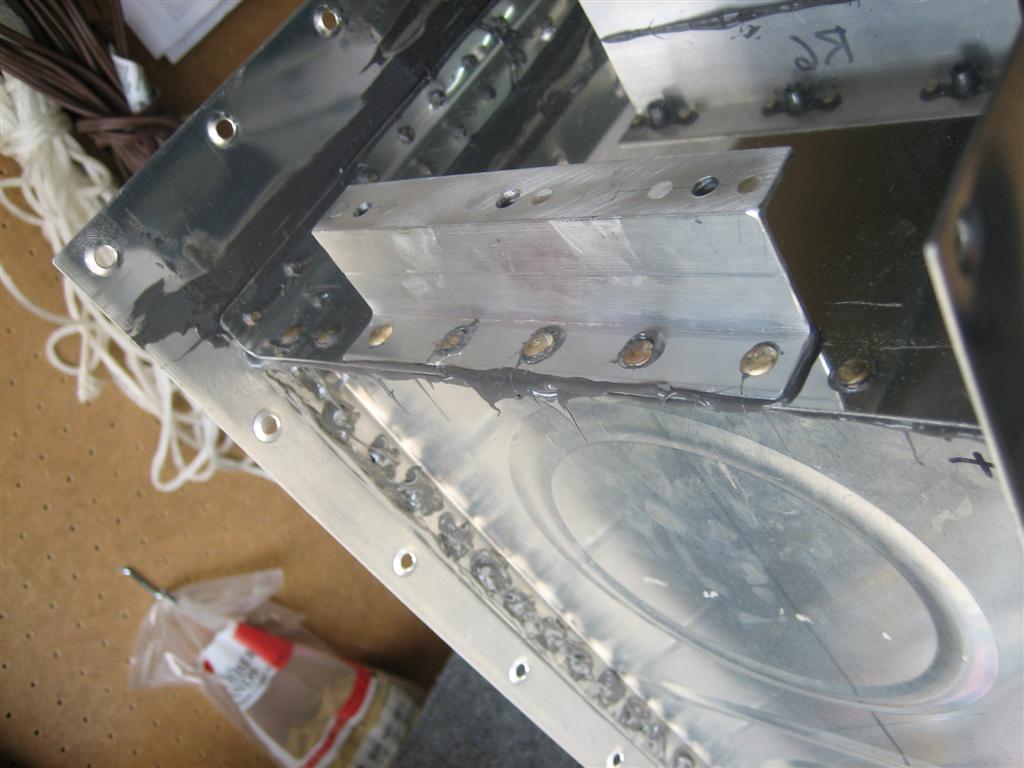
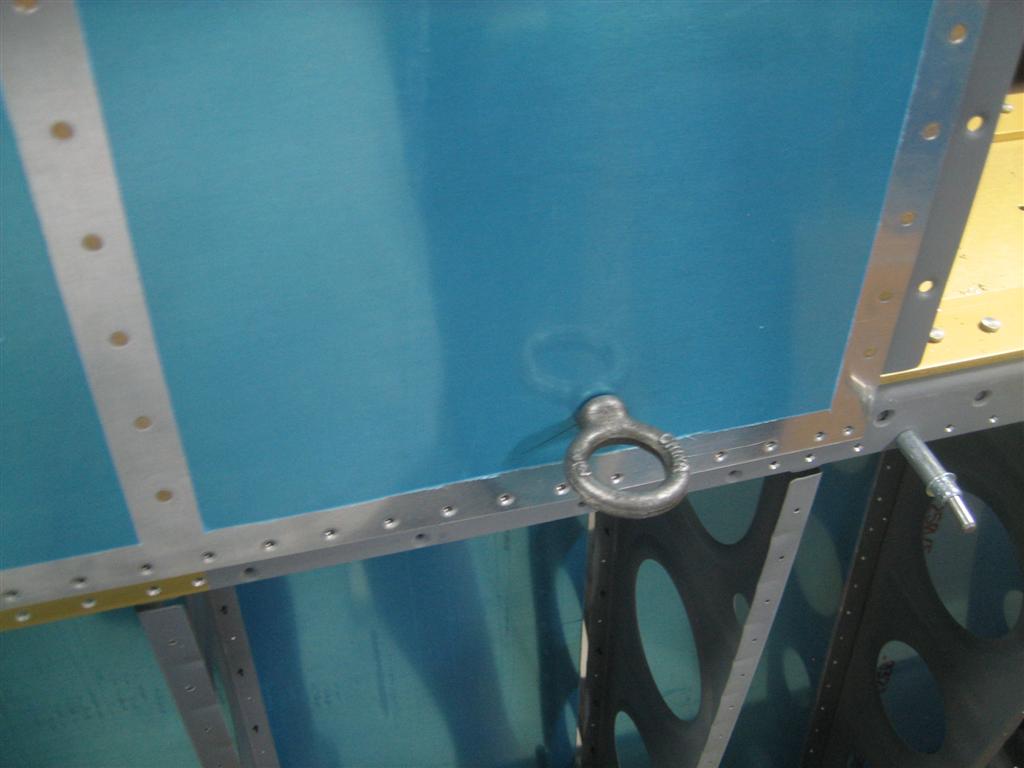
I forgot about torquing on the tiedown brackets.

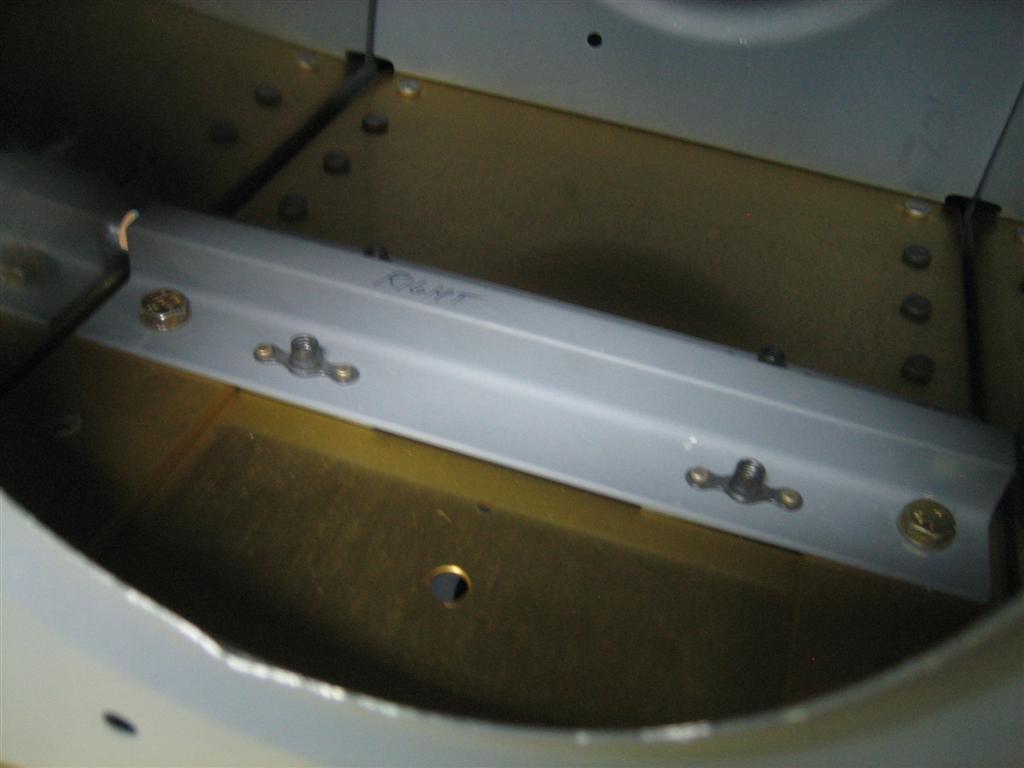
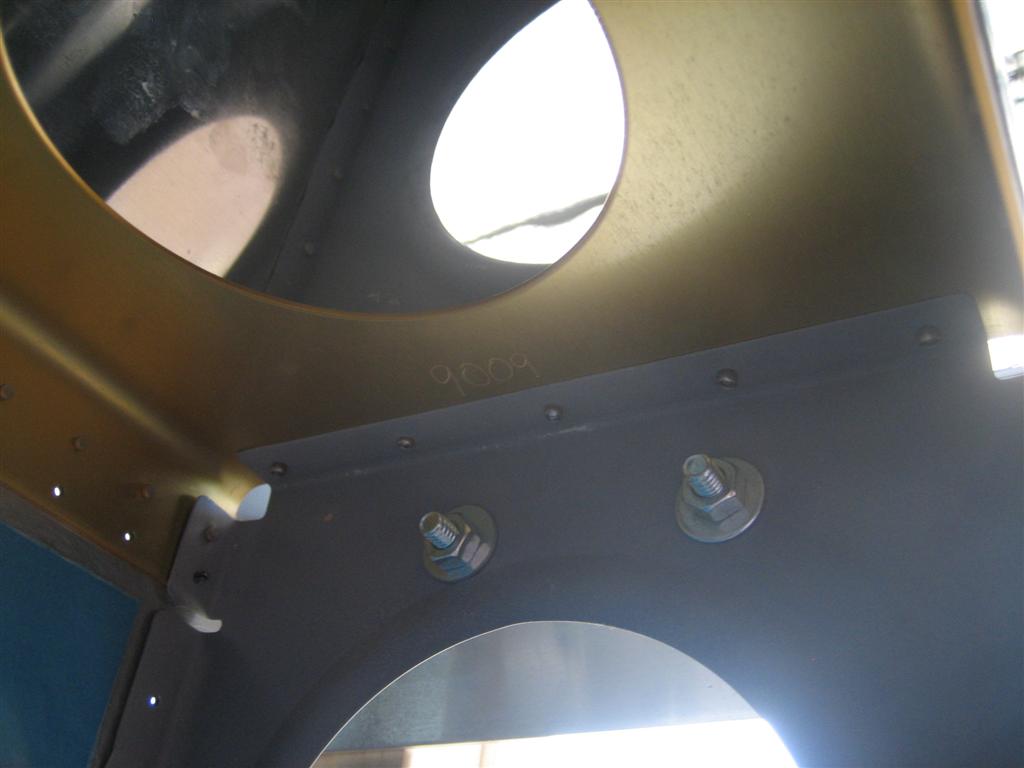
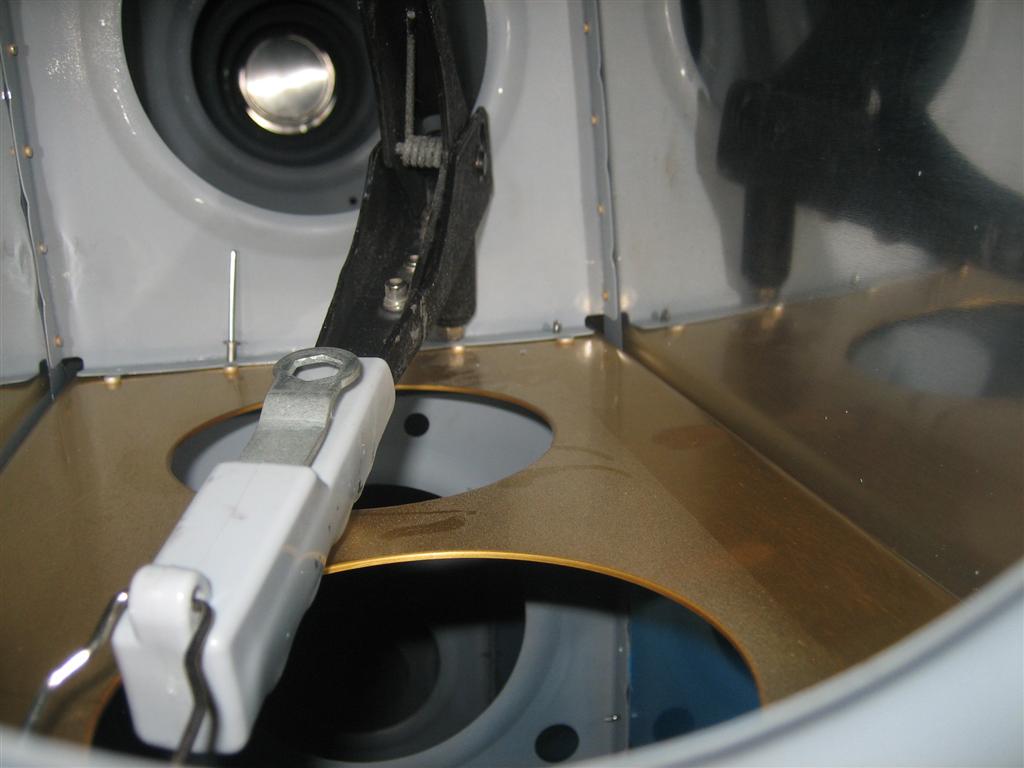
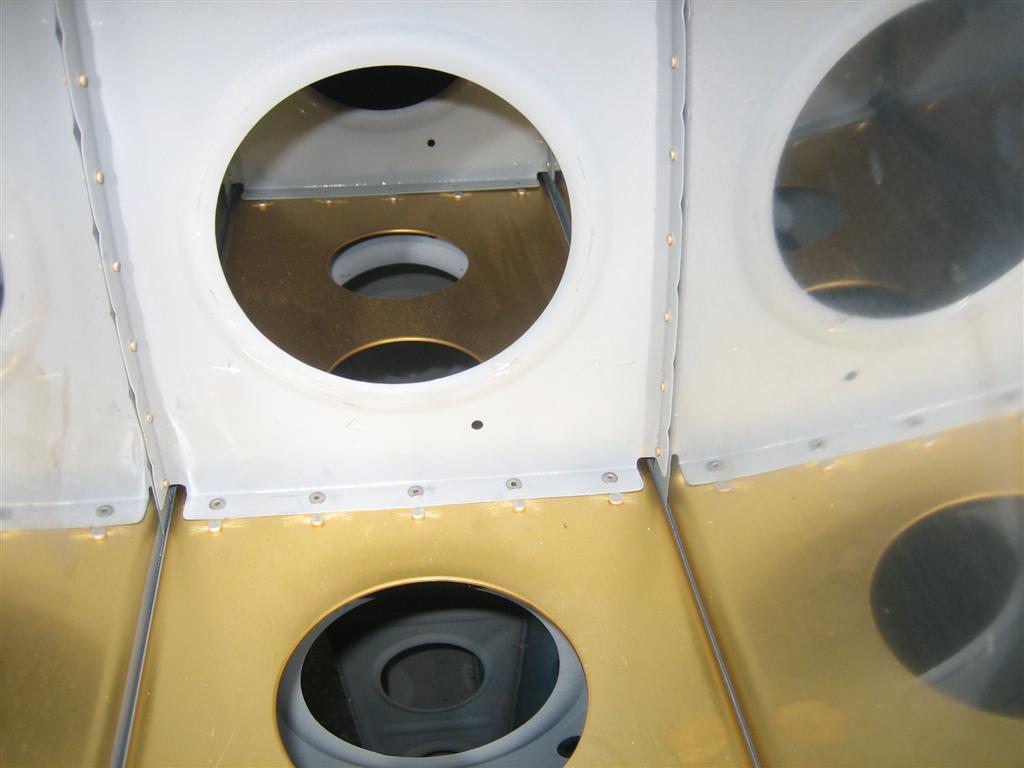
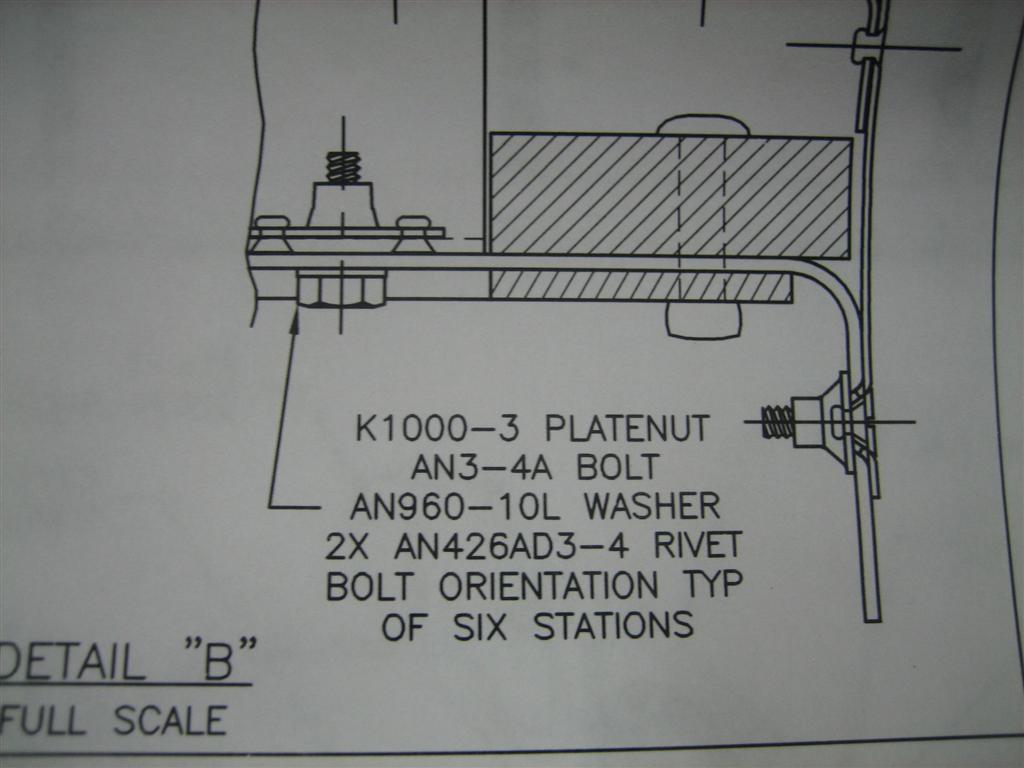
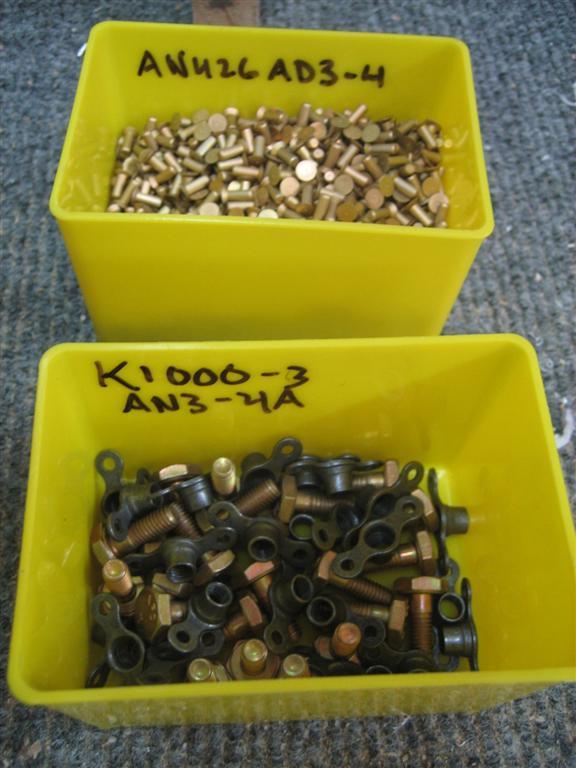
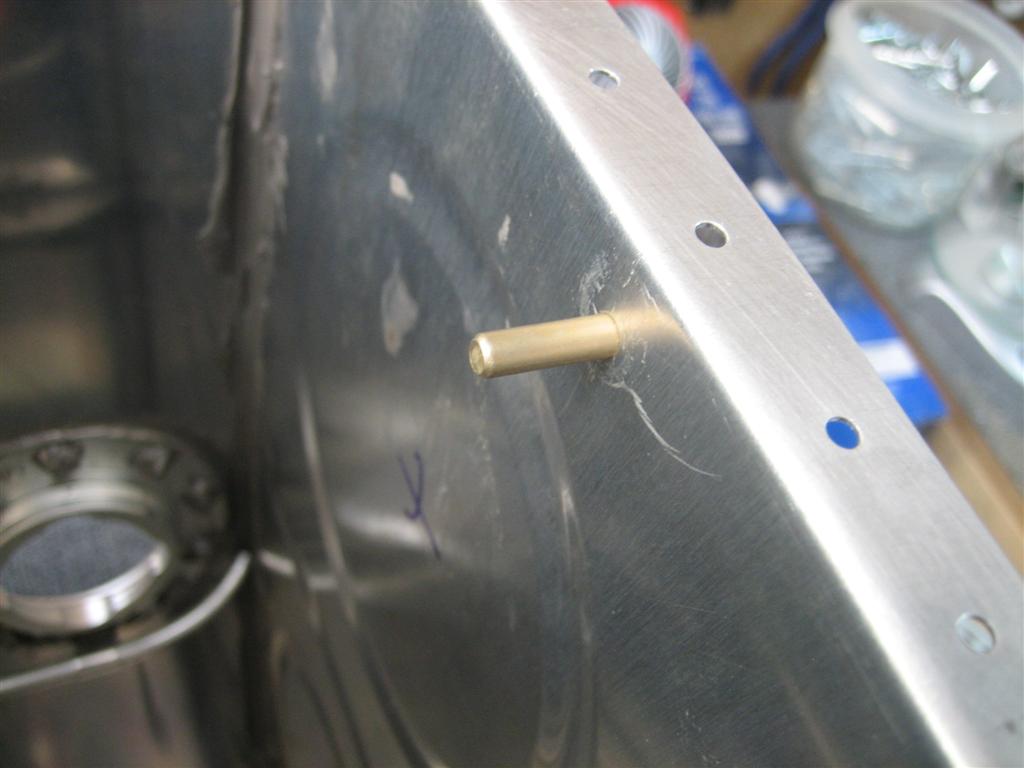
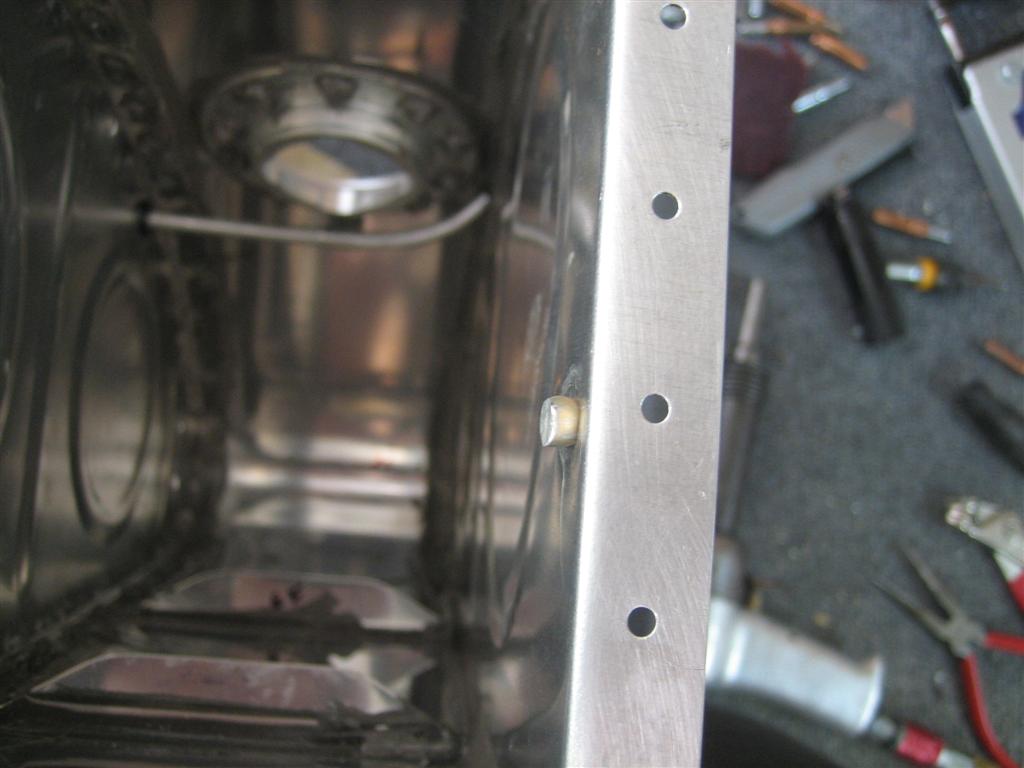
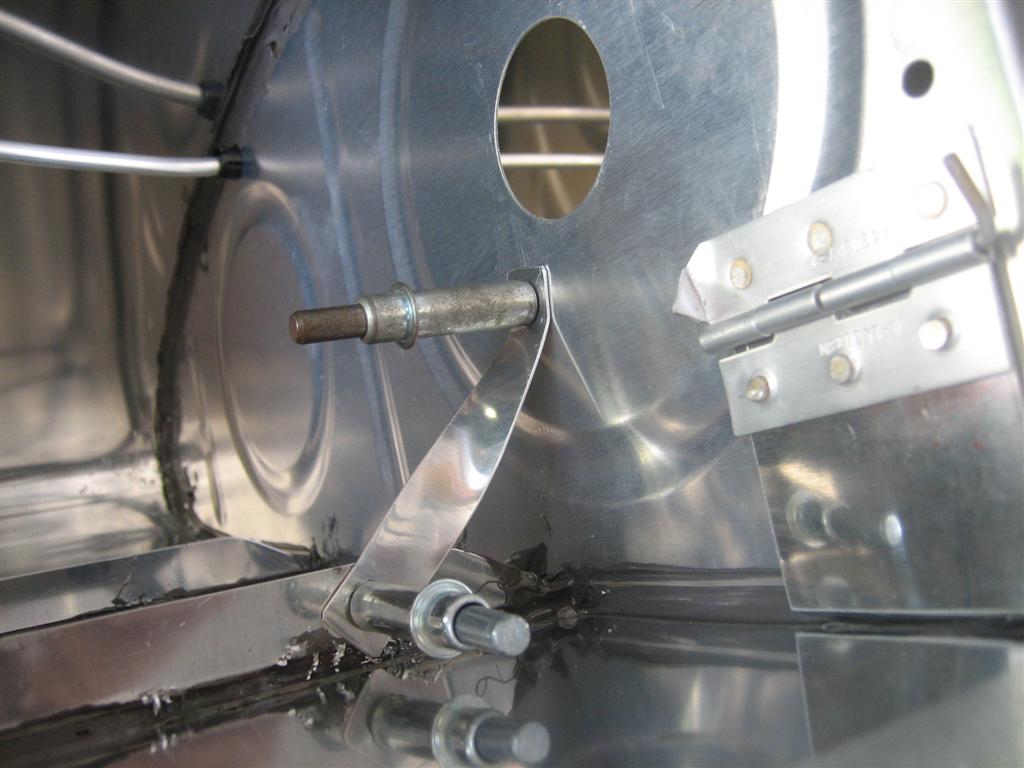
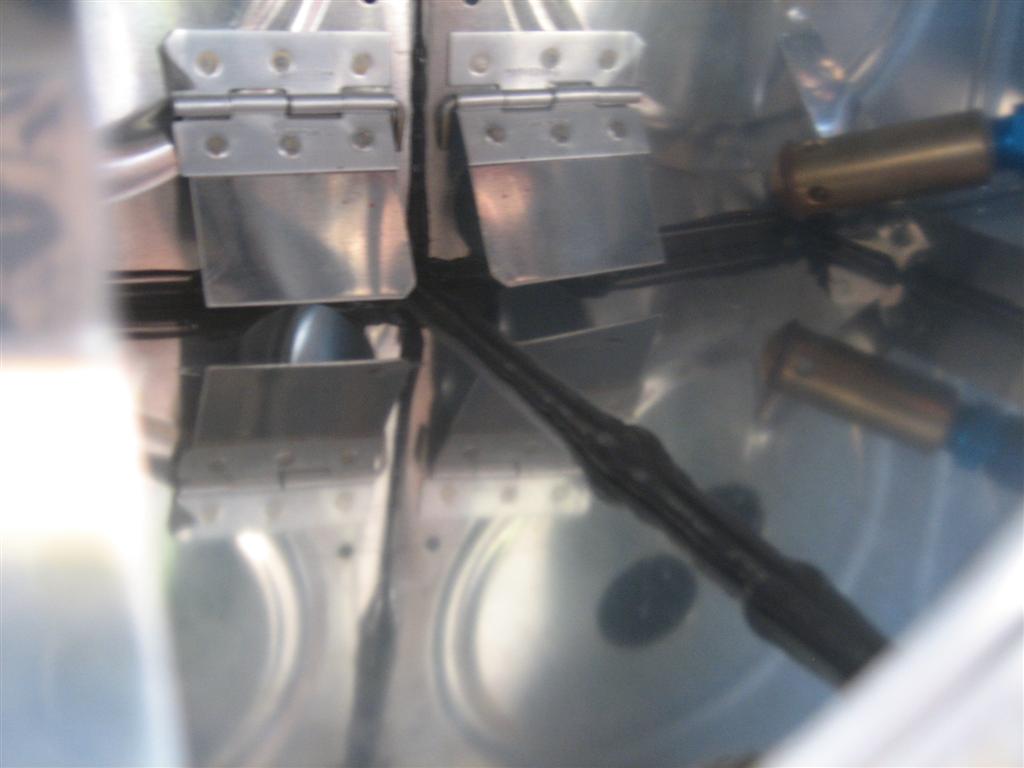
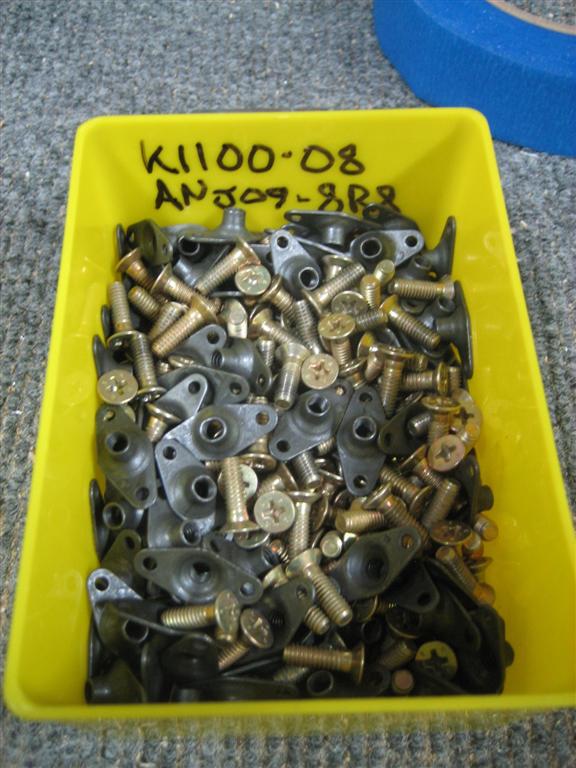
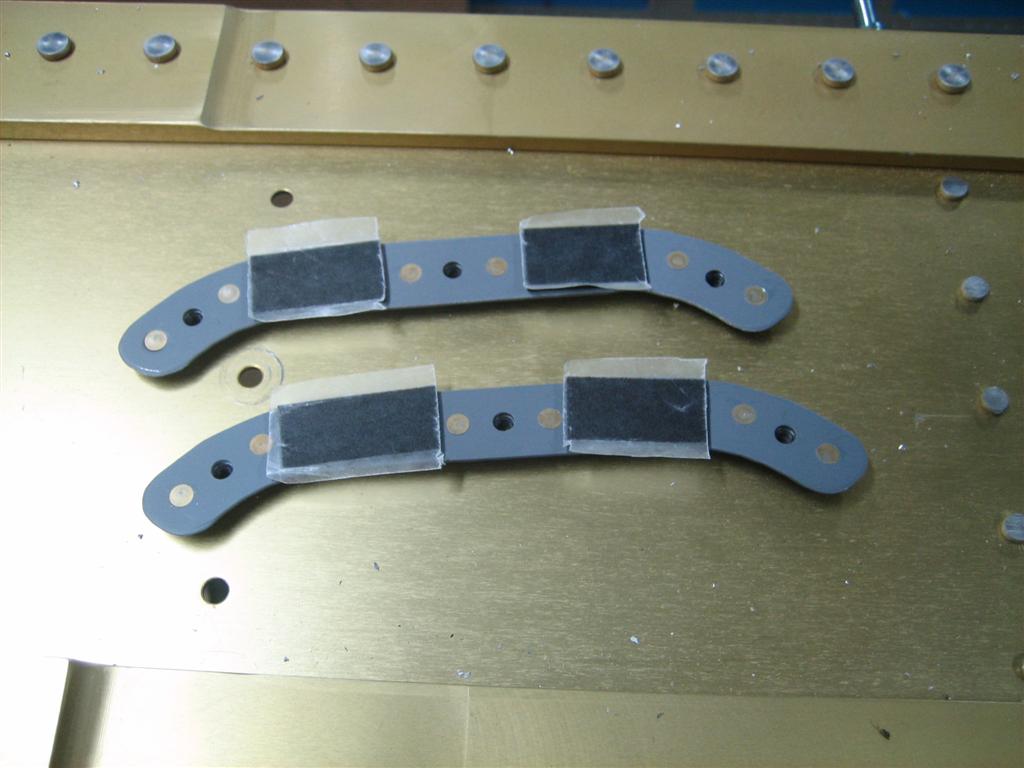
I have to admit. Early on, I waiting on installing these permanently because I thought I heard someone say that you have to take it back off to get the aileron bellcrank bushing in place. Well, that’s true, but you just have to take the bellcrank brackets off, which are the four bolts that screw into the nutplates (shown below) from the accessible side of the spar. You DON’T have to remove the whole tiedown bracket.

Jeesh.

So, guess what I got to do AGAIN!?

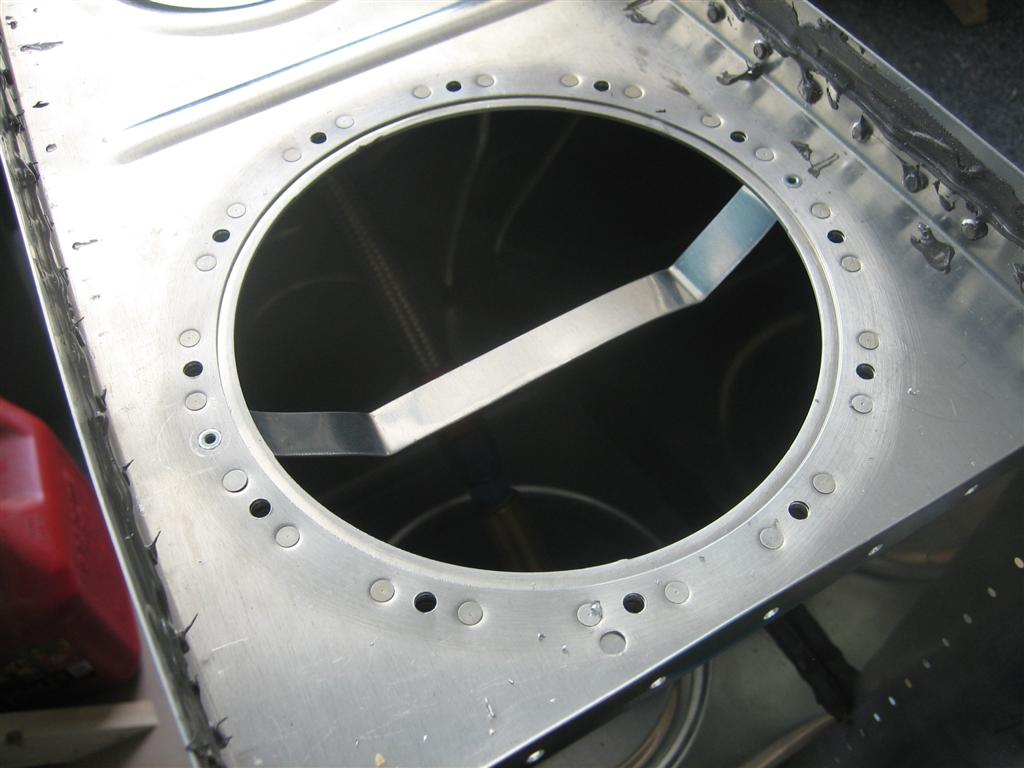
Yup. Take off the tank so I could reach the tiedown bracket bolts with a torque wrench.

Tank off. Torqued. (I don't have any torque seal yet, so I'll have to do it from the bottom, which is the right way anyway, so the torque seal is visible.)

I think I wasted another hour getting the tank off and back on, especially since I put the z-bracket bolts in first on the way back on, and one edge of the tank skin wasn’t sitting perfectly, so I had to take all the skin screws back out, loosen the z-bracket bolts, then put the skin screws back in, and then tighten the z-bracket bolts.

God, I hope that’s the last time I have to remove the right tank.

Later that night, we opened some wine, and the puppies decided to be extra cute.

First, here’s Jack.

Awww. (Yes, she's holding TWO glasses of wine. But I know what you are thinking, and sadly, one of them is mine.)

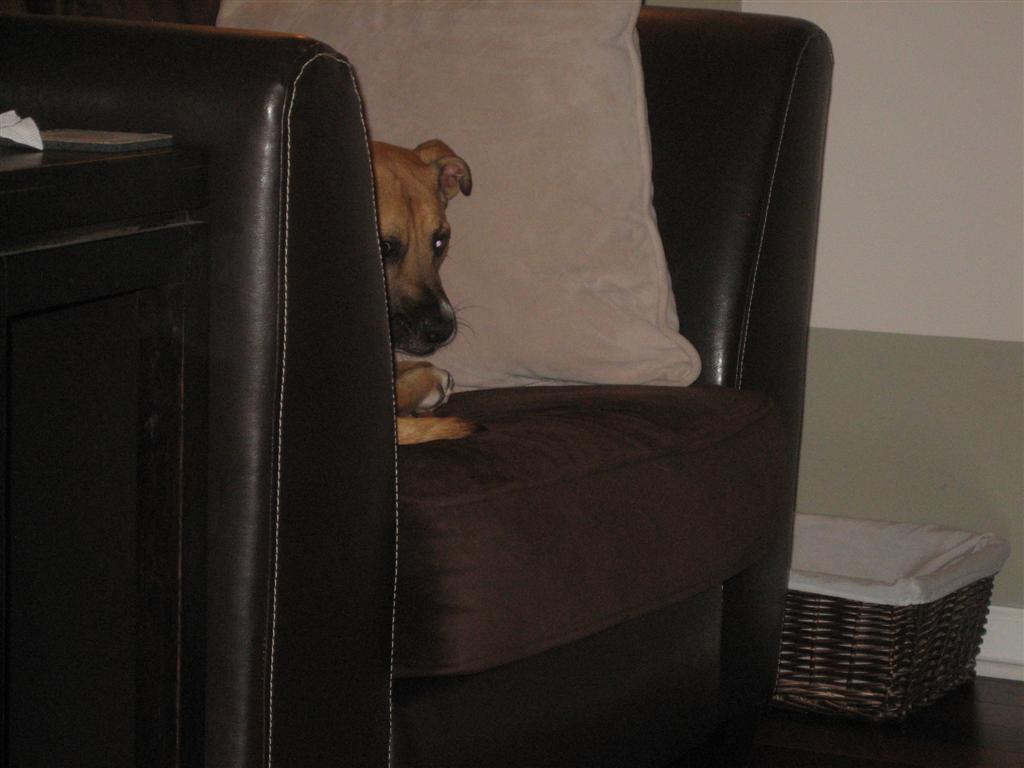
Ginger was being the shy one tonight. (Hiding in the man-chair.)

Double Awww.

2.5 frustrating hours. Skin riveting next, though.

Prev | Next


Dimpled Right Upper Wing Skins

July 31, 2011

Prev | Next

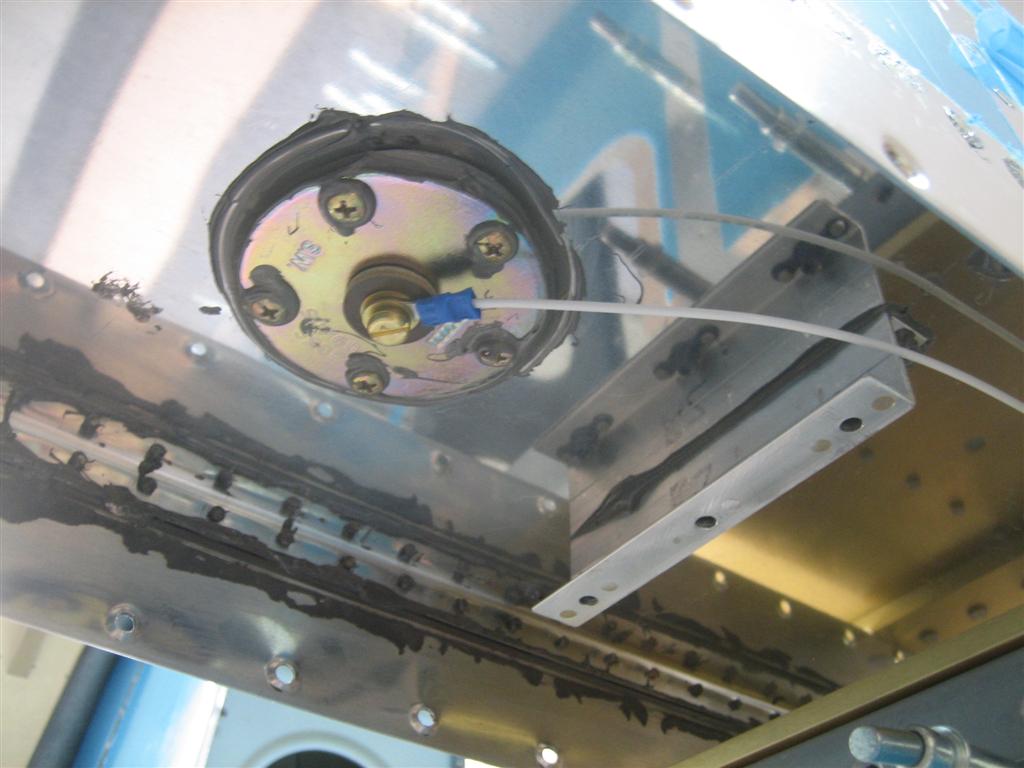
Holy crap I got a lot done today. If you remember from yesterday, I forgot to attach a wire for the float fuel sender. Instead of ordering an appropriate sized wire, I used some of the only aircraft grade wire I had laying around, which was some 16 AWG. I know that is way too big (we’re just measuring a resistance), but it’ll work so I can install these tanks for the last time today.

Some people run two wires, but I checked the resistance through the tank, and I’m getting a nice solid reading from the tank itself, so here’s my one wire to the center conductor.

First official aircraft wiring. Done.

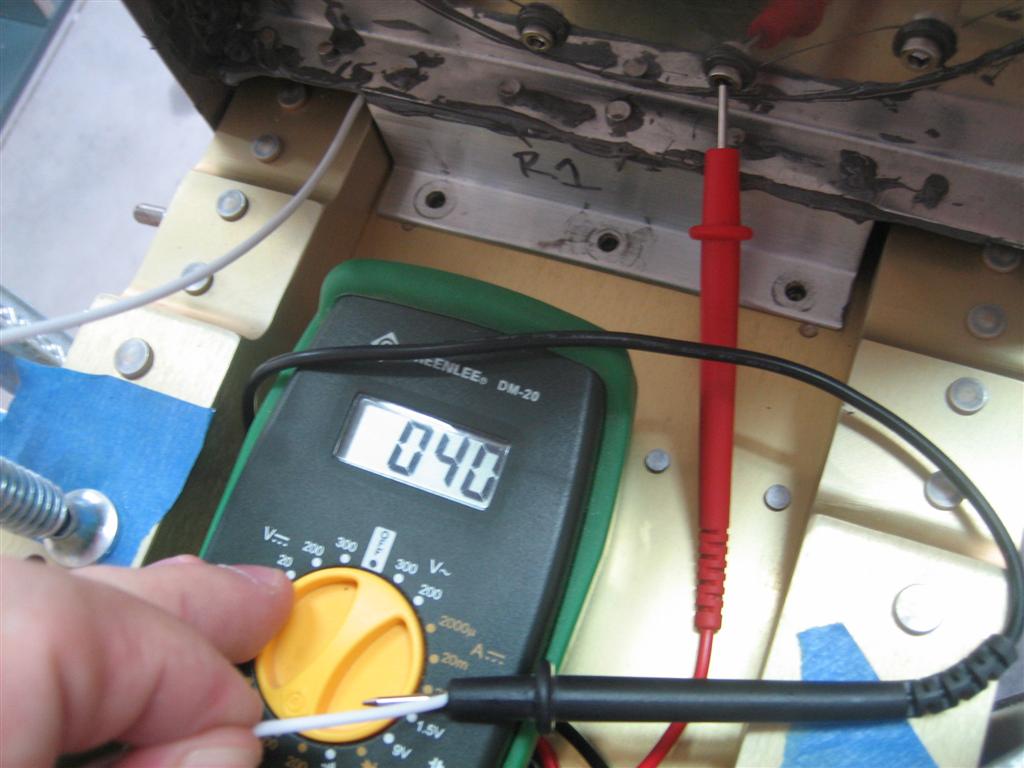
After reinstalling the tank, I held the wire to the negative lead and held the positive lead against a few different points on the tank.

All read between 38Ω and 240Ω or so, so I’m good.

Sweet. I don't have to unseal the tank to attach another wire to the sender body.

I’m flying through these skins right now. Pretty soon, I’ll have nothing left to do other than install the upper wing skins.

On tap for today is some dimpling and priming.

Here’s the inboard skin, ready for dimpling.

...on the nice vacuumed workbench.

Oh yeah, don’t forget your scarf joint. (A nice transition from the inboard skin to the outboard skin by the tank so there isn’t a big step.)

Looks good from this angle.

I also filed down the inboard side of the outer skin (the one I’m holding below).

Okay, this looks like it will work.

For some reason, you can see a little of the edge on the left side of the picture, but I didn’t notice this with my naked eye.

I’m very happy with it. It is a great transition from tank to skin.

I'm very happy with this.

After the scarf joint, I spent about 2.5 hours dimpling.

I've been using the male die on top with great success.

More dimpling.

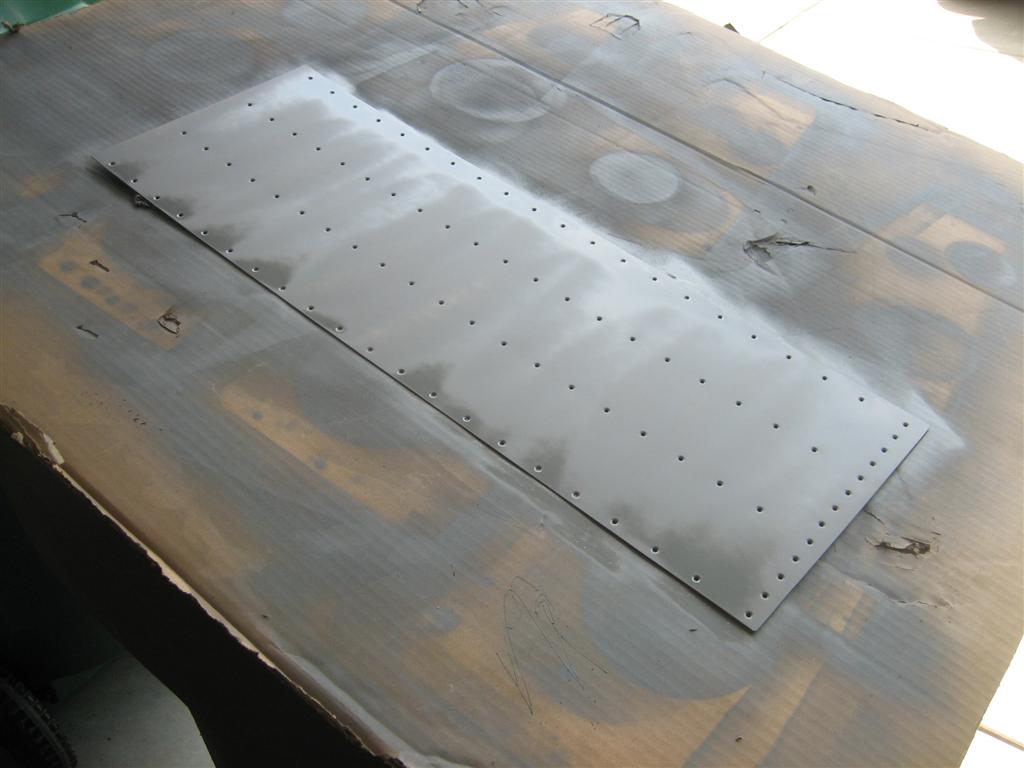
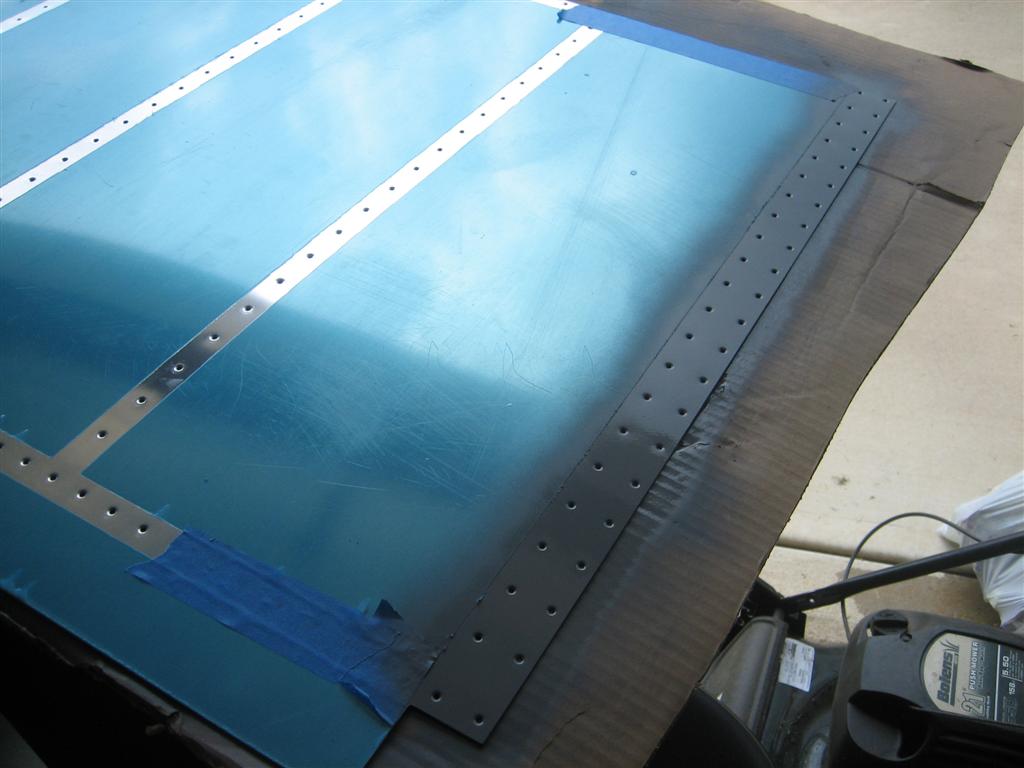
After a little prep, I shot these with self-etching primer.

I sprayed them outside, then moved it back inside to dry.

For the outboard skin, I actually hung it inside-out on the wing.

More priming glory.

The wingwalk reinforcement skin.

And finally, the exterior side of the inboard skin where it will underlap the outboard skin.

3.0 hours of dimpling fun. All I have to do now is deburr and dimple the skeleton. Then, skin riveting!

Prev | Next


LEAK FREE RIGHT TANK, Right Leading Edge Rivets Part Deux

July 30, 2011

Prev | Next

Whoa. Awesome day today. Read on…

So in order to start actually skinning the wing, I need to make sure all the skeleton finishing items are completed (deburr and dimple (or countersink) the main spar, ribs, and rear spar).

To get the countersinking on the main spar, I needed to pull the right tank back off, which was fine, because I’d like to have it in the driveway for the leak check, so I can put soapy water on it and then spray it down with the hose.

So, here’s the tank off. (It’s a beautiful day out, today…98°F, heat index of 102°F…and it’s NOT a dry heat.)

Right tank back in the cradle for hopefully the last time.

While it’s off, let’s get the main spar countersunk.

My countersink cage was already dialed in, so I banged this out in no time.

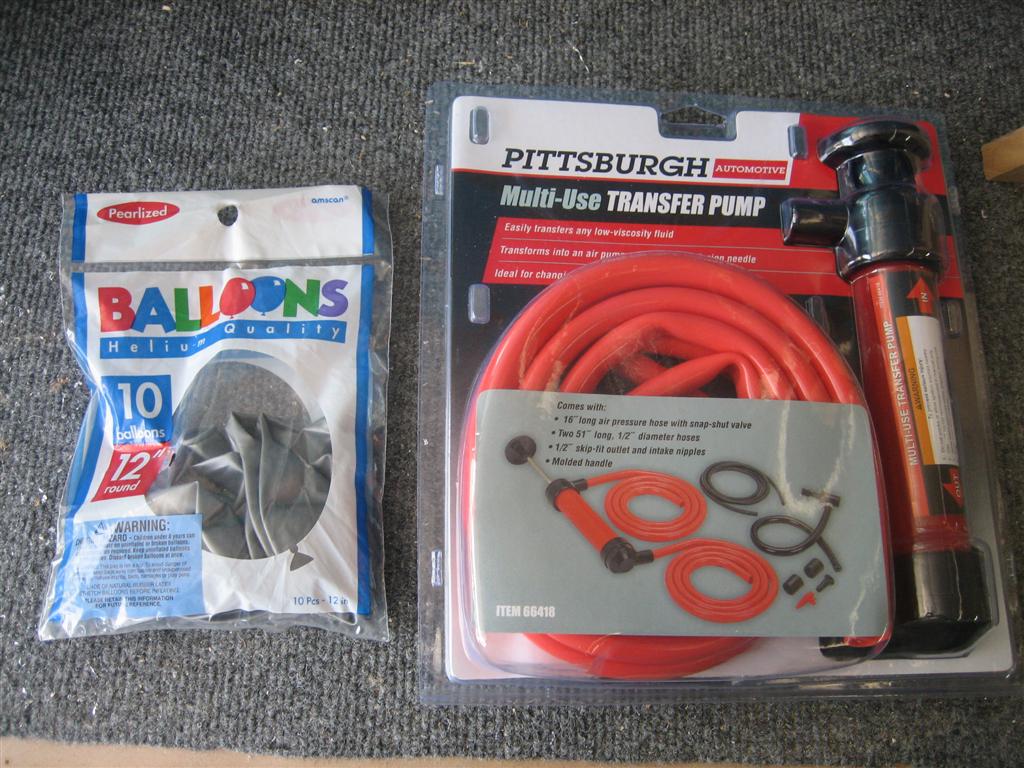
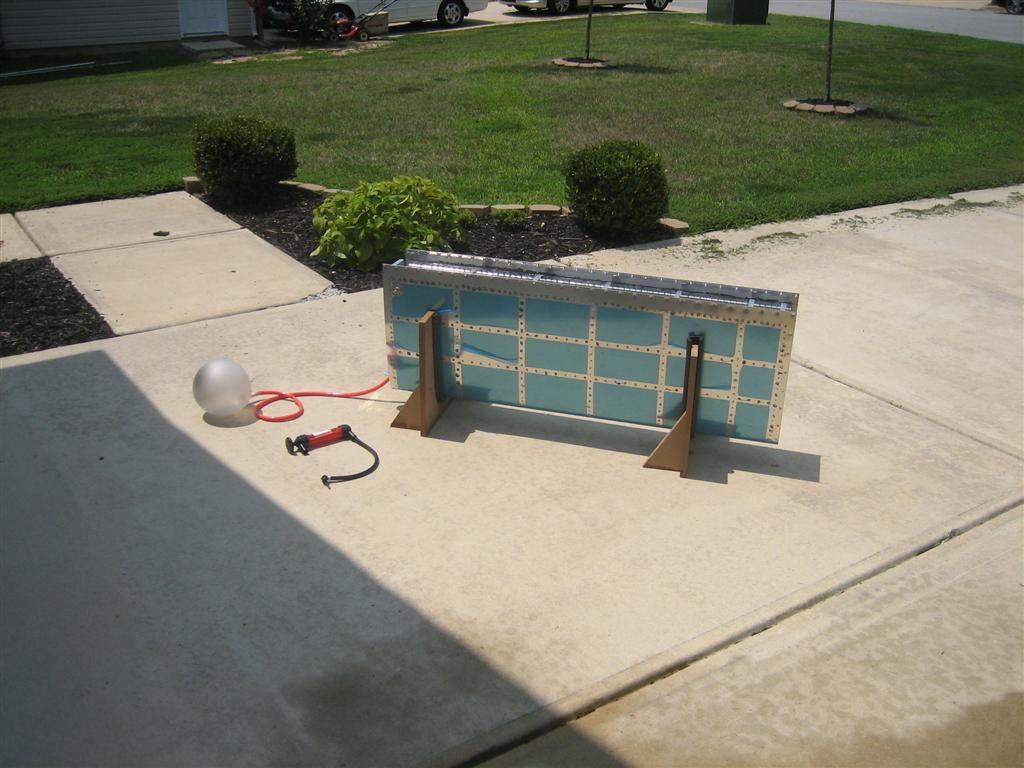
Almost forgot. Some balloons and a transfer pump from Harbor Freight. (Why not a bicycle pump? Because I don’t have a bicycle, and I figured I could use a transfer pump for other tasks later.)

Don't worry, it's got a Schroeder valve fitting.

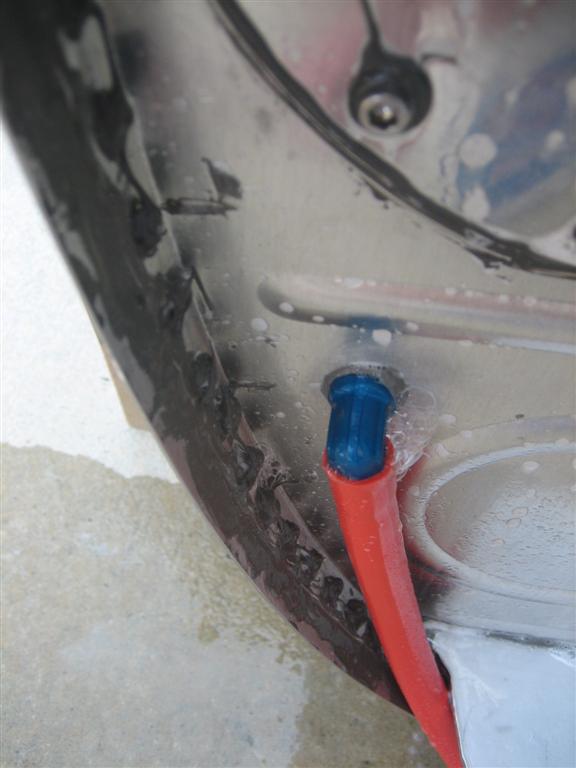
Just for kicks, I hooked up a red tube to the vent fitting and hooked the pump up.

WE HAVE INFLATION!

And then fairly subsequent deflation. Boo. Back to this in a minute.

Moving on, I needed to get the rest of the leading edge rivets in. I grapped some more MSP-4X blind rivets and got to work on the outboard two ribs.

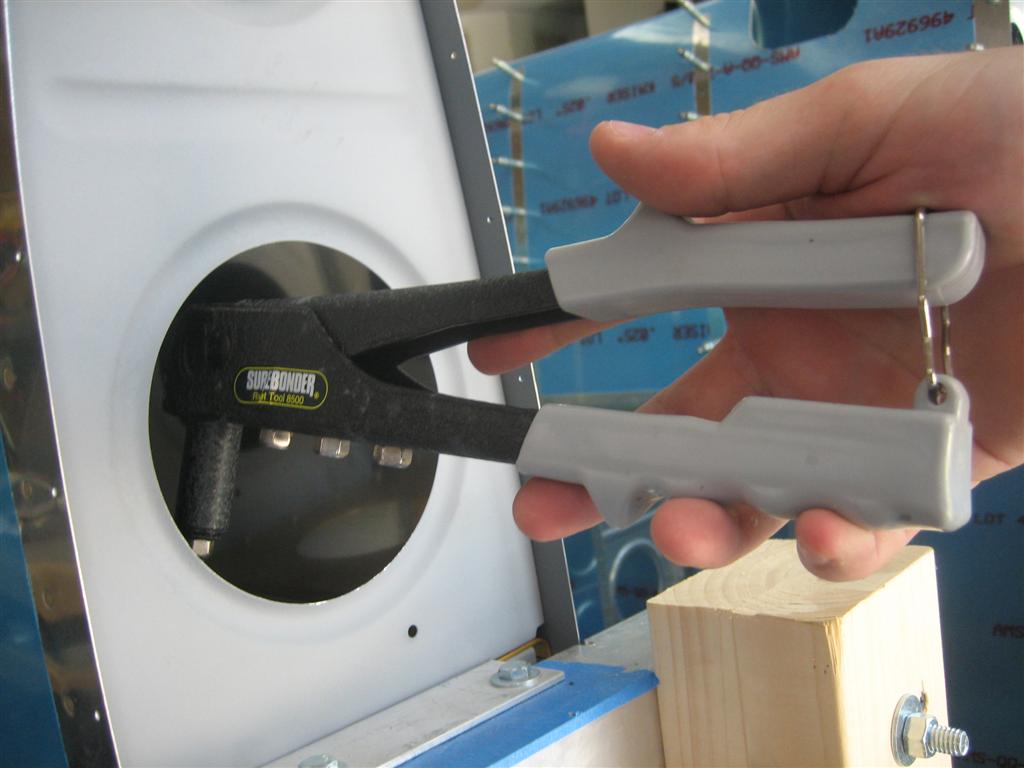
If you don’t insert the rivet all the way, you can close the rivet puller and put the lock on it, then it’s easy to feed through the rib holes and find the holes for the rivets.

If you look closely, you can see the rivet in the end of the puller.

Now I can stick the whole thing in there and place the rivet, undo the lock, and slide the puller down the shank of the rivet and start squeezing.

After an hour or so, I had the ribs I could reach from the outboard edge of the wing, and the two ribs I could reach from the inboard side (the tank’s off, remember?).

I had a hell of a time getting the middle rib, though, but it ended up working out okay from the aft side of the spar.

Here are the outer two ribs.

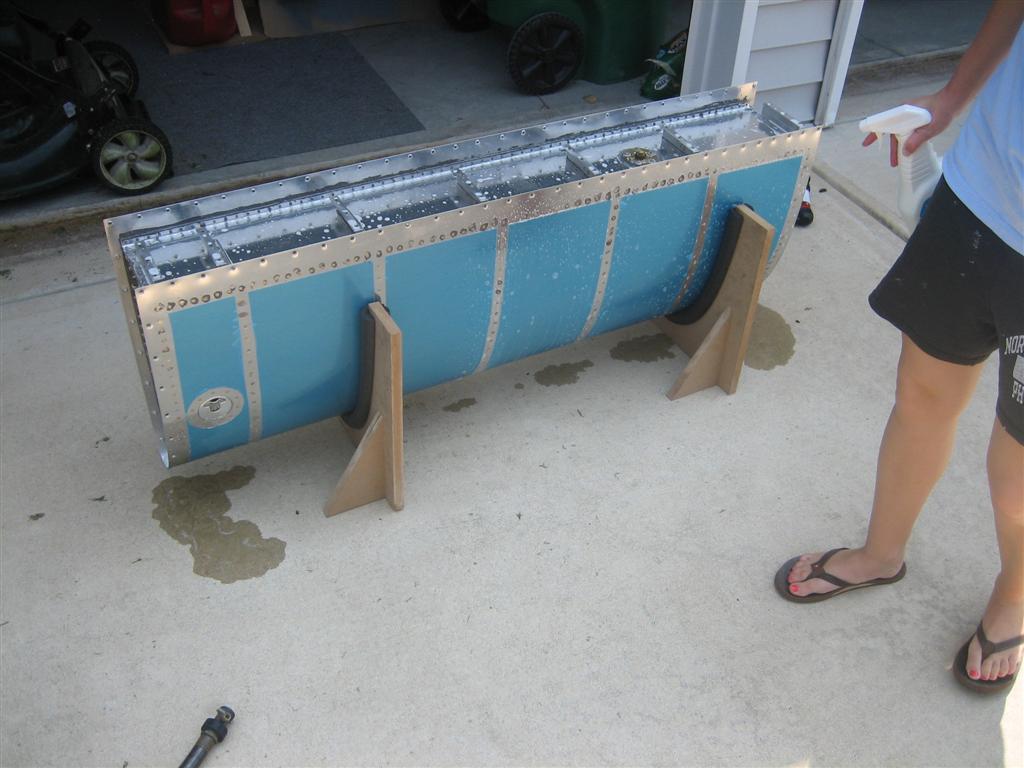
Okay, since we had a little deflation, the girlfriend came out with a bottle of soapy water, I filled up the tank, and she sprayed for leaks.

For once, those aren't my toes. (Look how trigger-happy she is! Ready to spray!)

We found TWO leaks.

(OMG OMG OMG OMG NOOOOOOOOOOOOOOOOOOOOOOOOOOOOOOOOOOOOOOOOOOOO!)

Gotcha. They were at my weak-ass vent to balloon line attachment and on the feed line cap supplied with the test kit. (Oh, and many people have leaks around the fuel cap. I didn’t. I guess the deluxe caps seal pretty well.)

You can see the bubbles you're looking for on the right side of the blue AN4- fitting.

For kicks, we blew up the balloon again and checked again.

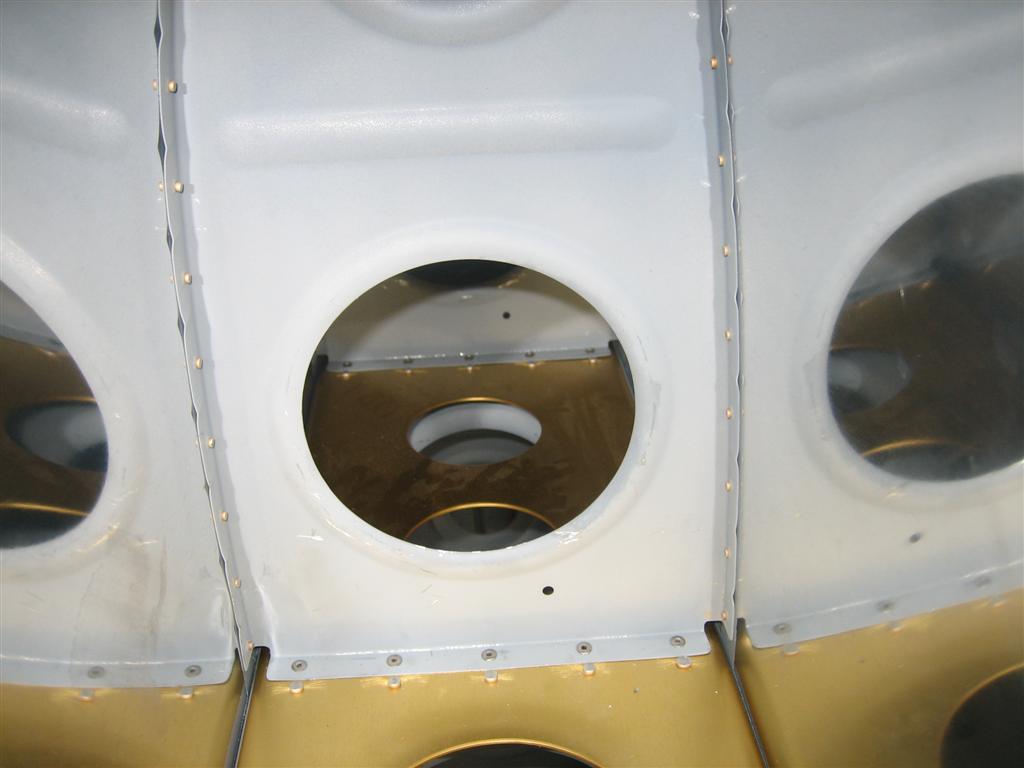
Then, for some reason, here are some more leading edge pictures…. this is the outboard-most ribs.

Sweet. (Although I need to check the spar flange rivet where it meets the rib flange. That doesn't look flush.

Okay, back to my two pseudo-leaks. I redid my balloon line with electrical tape and tightened the feed line cap.

Blew up the balloon…

Checked back in four hours…

LEAK FREE RIGHT TANK!!!!!!

Wuhoo!

Of course, I threw the tank up and put in all the screws and z-bracket bolts, just to figure out that I forgot to attach wires for the float fuel sender (out of reach once the tank’s on the spar.)

So, I wasted an hour putting those in and taking them back out. Bummer.

3.0 hours today, although it didn’t feel that long. 1.5 on the leading edge and spar, 1.5 on the tanks.

Prev | Next


Deburred Right Upper Outboard Wing Skin, Right Leading Edge Rivets

July 29, 2011

Prev | Next

Tonight was only mildly more exciting than last night!

After taking the right upper outboard skin inside to deburr and scuff (AND VACUUM THE LITTLE ALUMINUM SHAVINGS OFF THE COUNTER, SORRY GIRLFRIEND!!!), I brought it back outside, and stored it (like the inboard skin), upside down (or inside out) on the left wing.

The two upper right wing skins, stored on the left wing for now.

For some reason I am paranoid about alignment, so I clecoed the right lower skins in place, although only 25%. I’ll come back with more clecos when I start riveting to make sure things are perfect.

The lower side of the right wing.

After looking at the clock, I figured I had about 30 more minutes.

Time to look at getting the right leading edge riveted to the spar (I had done the skin rivets, albeit out of order, a few days ago.)

From Brad Oliver’s site:

Oh boy, what a night. I riveted the left leading edge to the spar tonight. I used blind rivets to do this job, MSP-42, -43 and -44 rivets from Aircraft Spruce to be exact, but that isn’t the end of the controversy. I riveted (pulled) these rivets from inside the leading edge. Why use blind rivets? Why from the inside? Well, first of all, in my opinion certain blind rivets blind rivets are completely acceptable here. Van’s has said to many builders that the use of LP4-x rivets is acceptable here, and the LP4s are pretty soft as rivets go. I decided to step it up a bit and use MSP rivets here. They have a Monel (M) head, with a steel shaft (S), and a protruding head (P), and by my calculations are very similar in strength to solid rivets. I am likely to catch flack for that statement, but do your own calculations and see for yourself. Don’t take my word for it, and I am not recommending this method, only documenting what I did.

Why use blind rivets here in the first place? Because riveting the LE ribs to the spar involves grinding down a rivet set and you need two people for the job. These certainly aren’t big issues, but I wanted a easy method I could do myself.

Why from the inside? That one is easy, I wanted the factory head of the rivet to be on the thinner material (aft flange of rib). This was slightly painful, but I am proof that it can done. I also did this because even with the face of my cheap-o rivet puller ground down, I was having a hard time getting the puller on the shaft of the rivets due to their close proximity to the aft rib webs.

From Mike Bullock’s site:

No way to squeeze them. You could buck and shoot them, but you have basically no room to get a rivet set onto these rivets with the rib interference. The only purpose for these rivets are to keep the spar from bluckling. The way I see it, the chance of that is NIL, and there is a main rib set right next to each leading edge rib with the proper rivets in it. It doesn’t say it in the instructions, but builders have been told by Van’s to use LP4-3 blind rivets here. I did one better and used Cherry MSP-4? rivets. I bought a bunch of them from Spruce in the MSP-42, 43 and 44 sizes. They are very comperable to solid rivets.

I had some MSP-42 rivets in stock, so I grabbed 5 of them to try it out.

Once I got the ribs pulled into alignment, it worked great.

See? Great.

And any day you weren’t planning on contributing to your rivet total but you do…it’s a good day.

1.0 hour. 5 rivets. I’ll do the rest of the leading edge tomorrow. Also, someone PLEASE remind me to buy a balloon and a bicycle tire pump to test this darn right tank. It’s been two weeks, so the pro-seal better be dry.

Prev | Next


Started Deburring and Dimpling Right Wing Ribs

July 28, 2011

Prev | Next

Well, not much tonight, except a complete lack of motivation. I move the right upper inboard wing skin over to the left wing (just to hang there) while I started deburring and dimpling the right wing ribs.

I decided to only deburr and dimple the upper side of the ribs. I’m going to leave the lower side as-is so I can 50% cleco the lower skin (when able) to the skeleton while riveting the upper skin in place.

Action shot of me dimpling the ribs.

I was planning to be out in the garage for an hour and a half, but my boredom got the best of me and I quit after a (hot) half hour.

I told you it wasn’t exciting.

Prev | Next


Finished Drilling Right Top Skins, Started Deburring

July 25, 2011

Prev | Next

So, while today is probably kind of boring for you…it’s exciting for me.

Why is it exciting for me? you ask…

Because I’m starting on the wing skins, and that means that coming up is some wing skin riveting, and that means that pretty soon, I’m going to have WINGS in my garage.

(Oh, also, I tricked the girlfriend into putting in some manual labor on the airplane. Ha. I’m so sneaky.)

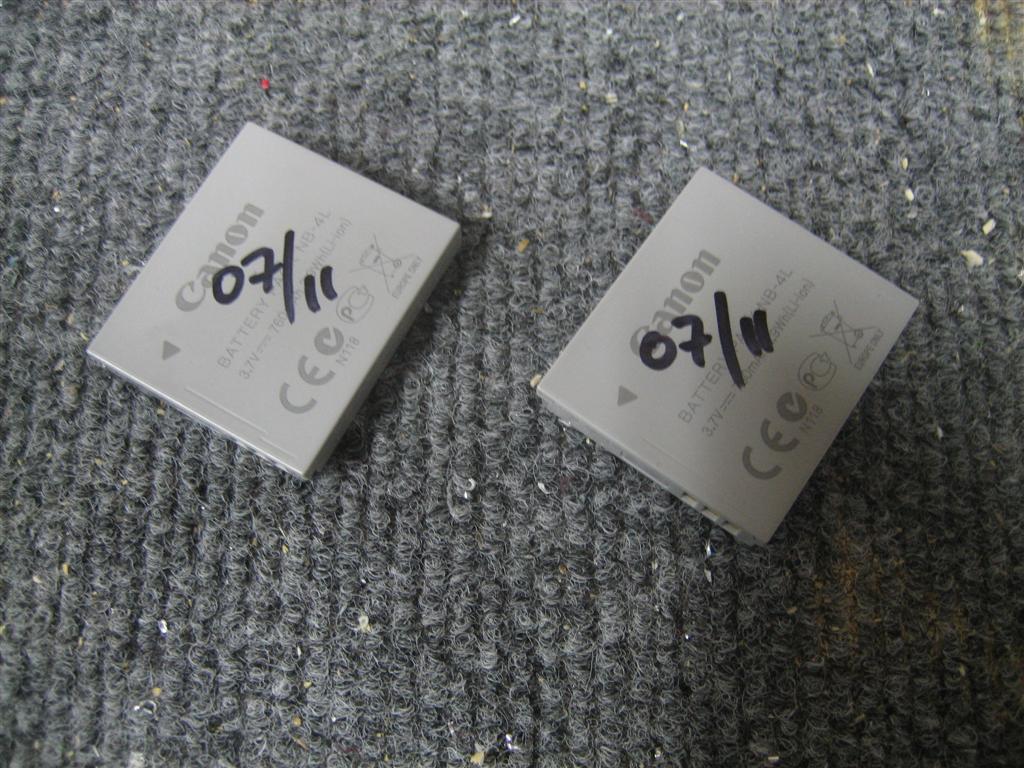
First thing’s first. I ordered two new camera batteries. The one in the camera taking the picture says “12/09.” (Thanks, sister! Still one of the most used Christmas presents of all time! The one that replaced was the original from my Aunt Jan way back in 2002. Whoa.)

Now I'll never be out of camera go-juice.

Okay, let’s get on with it. A few days ago, I was clecoing on the top skins and realized that I hadn’t finished matchdrilling them. I think I only got half of them done. (I’ll go check my entries from then…)

So, back to 50% clecoed, and out came the air drill.

Okay, let's get to drilling.

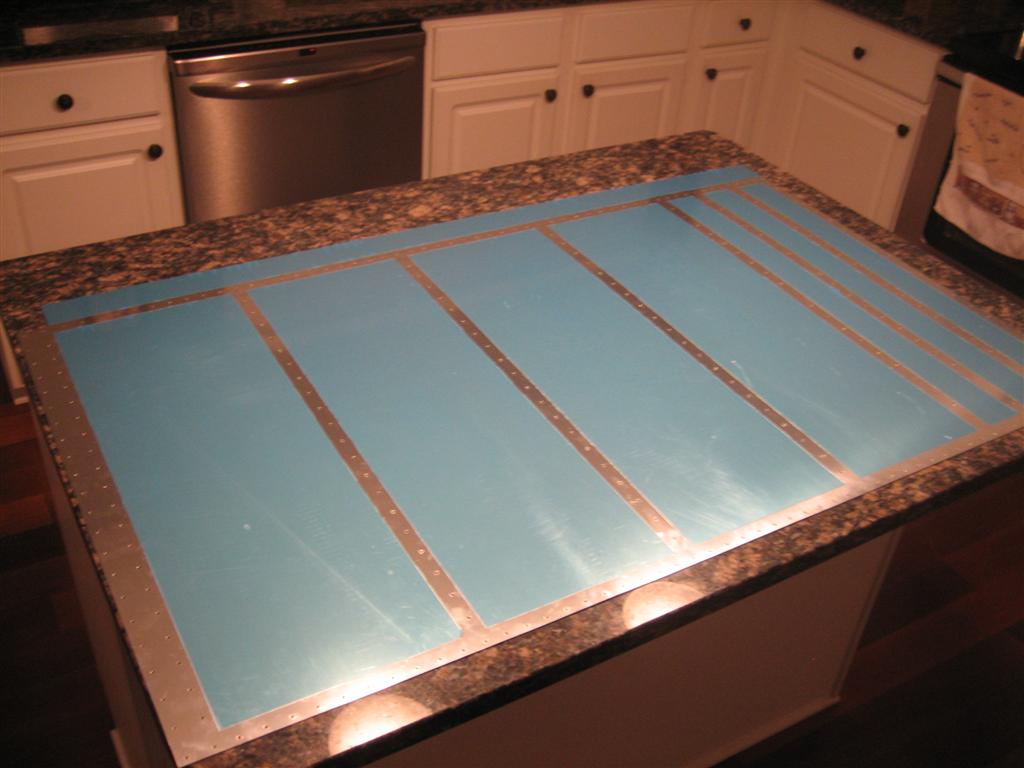
After a loud 30 minutes of match drilling (“making loud noises”), I brought the wingwalk doubler and inboard top skin into the kitchen for some deburring and scuffing.

In the middle of deburring and scuffing the right wingwalk doubler.

After mucho mucho more cramping fingers minutes, I had some deburred and scuffed inboard wing skins.

Interior side...

...and exterior side.

Next up for these will be to dimple, then prime, then rivet to the wing (after prepping the corresponding ribs).

Before that, though, let’s get the outboard top skin done.

1.0 hour.

Prev | Next


Right Float Sender, Riveted Leading Edge to Spar

July 23, 2011

Prev | Next

Guess what? I worked on the airplane today, so the observant of you should realize that I am NOT on my way to OSH. Boo.

No use worrying about the spilled milk, though. More time for me to work on the airplane.

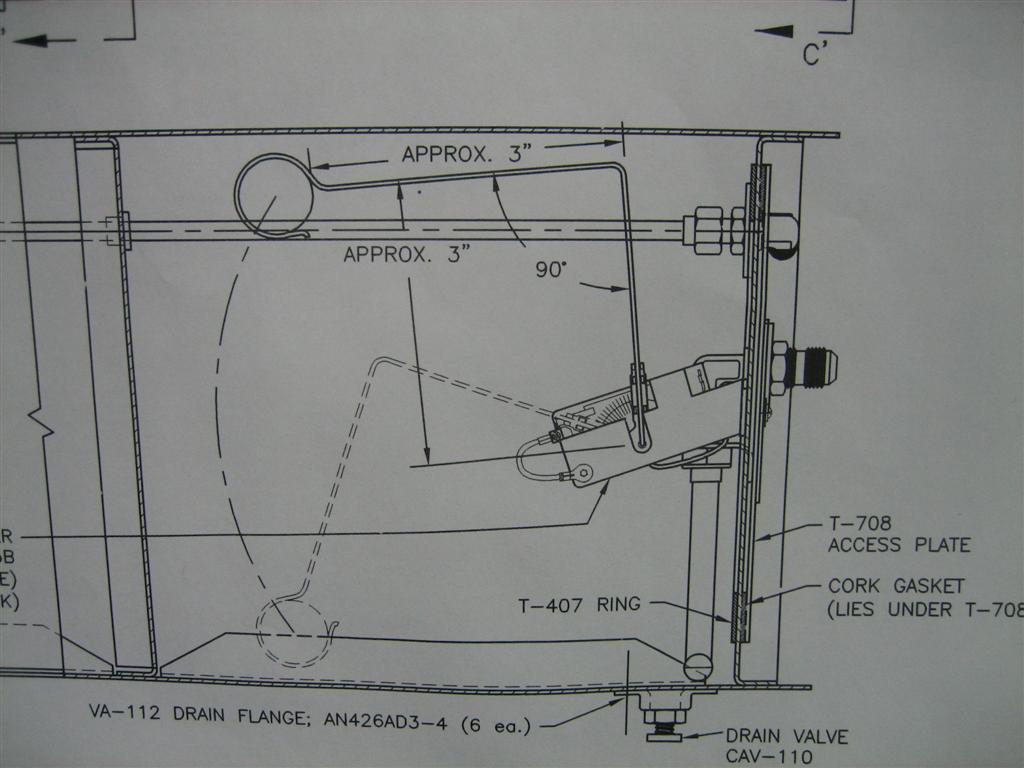
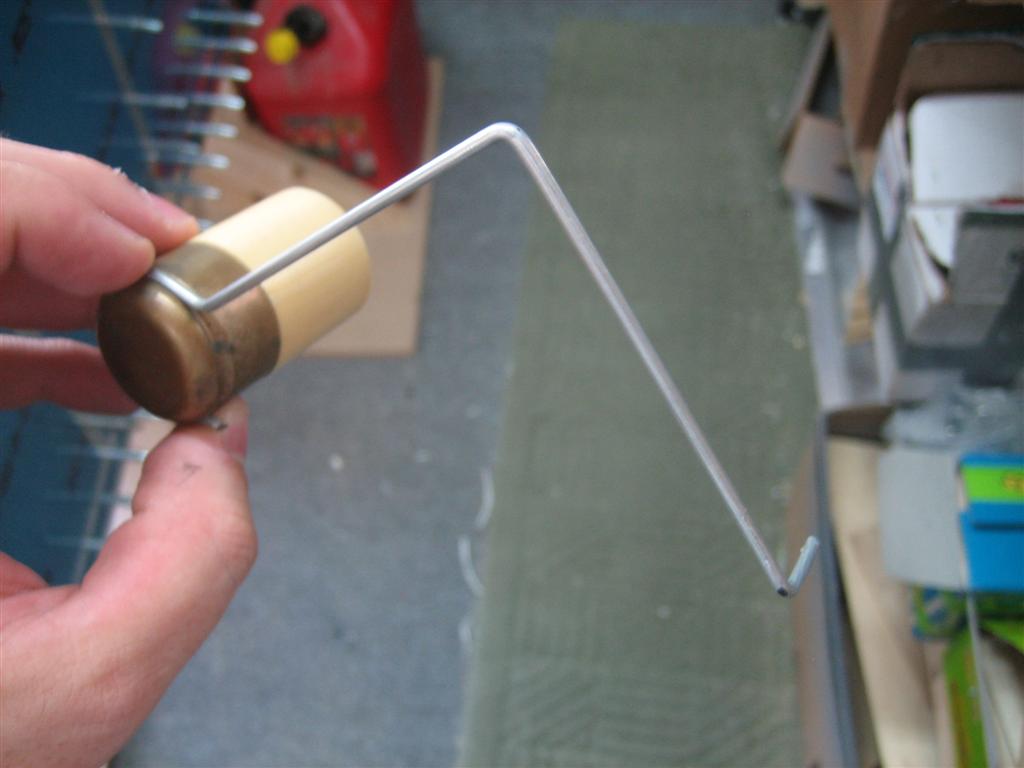
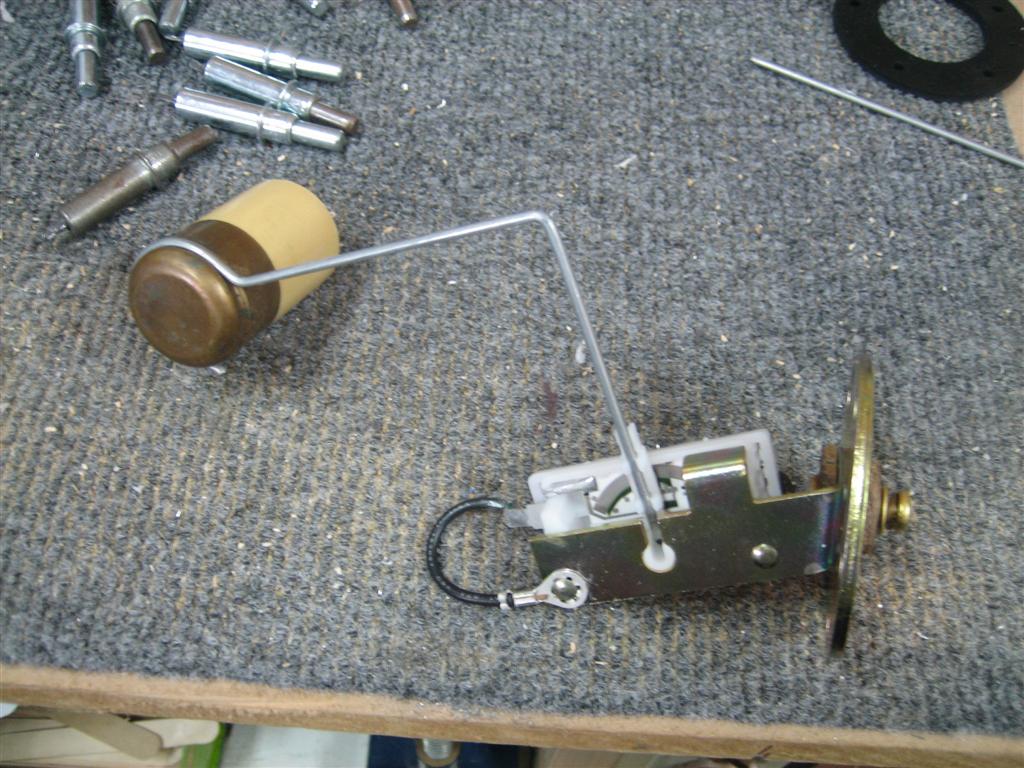
I need to leak test the right tank, but first, I have to finish sealing it up completely. Last post, I got everything sealed except for the float sender. Here’s the plans shot showing the sender, but it’s showing it mounted to the access plate. Mine will be the same dimensions, but entering from the rear of the tank in the second bay.

A couple 90° bends, and I'll be cooking with gas.

That was easy.

To install in the sender, you line up the plastic piece with the slot in the metal housing, and slide the float wire in.

Can't get any easier than that.

Now, let’s clean up and get this thing sealed in there.

Five #8 screws after swishing in some MEK.

After cleaning up a whole bunch, I put the rubber gasket in place with some sealant (couldn’t decide if I needed some or not), then put the float in, then more sealant around the edges, and some sealant for the screws.

Looks good to me.

I retested the sender and noticed 240 Ohms to 80 Ohms (I think I saw something lower before). That’s okay, my EFIS (Electronic Flight Information System) will calibrate the range of fuel levels based on resistance later.

Okay, that was about a half hour, and there are plenty of hours left in the day, so let’s move on. I think the next thing on the docket is to get the leading edge on the spar permanently. I have the leading edge landing light installed, and the tiendown bracket is good to go.

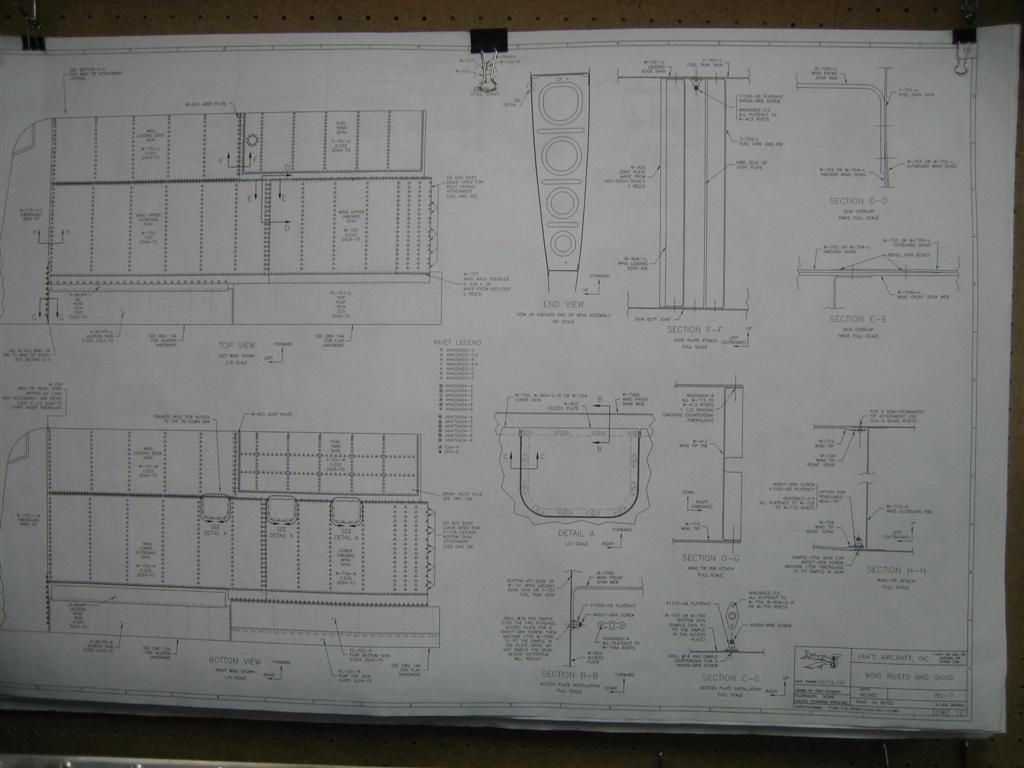
A changing of the plans picture…to the wing rivets and skins page.

Always fun to change plans.

After a few long minutes of getting the spar holes countersunk, I rubbed the scotchbrite pad over the length of the flange, cleaned up with MEK, then taped off to get some primer on there.

Ready for primer.

Sorry the light kind of precludes the primer from showing.

Okay, before I just start riveting the leading edge to the spar, I want to make sure everything lines up again. So, I want to put the tank on the spar, and the opposite skin from where I’m working.

Before I can get the tank on, I need to grab some nutplate for the inboard tank z-brackets.

Looks like AD3-4 and K1000-3 nutplates.

Here they are.

Done. I couldn't countersink very well along the spar bars, so I went a little light and used oops rivets on the very top and bottom (right and left here) holes.

Then I grabbed the outboard lower skin, and got it clecoed on.

Here's just the leading edge clecoed.

Then, I grabbed the tank and put screws in every 5th hole.

And a screw in every hole along the tank/leading edge joint. Everything lines up great and looks awesome.

I told you it looks awesome.

With the leading edge 50% clecoed, I decided it was finally time to show the FAA I’m really building this airplane. Sorry this awesome picture of a pre-squeezed rivet blocked the shot.

My visor says "Foxy's" on it. Anyone? Oh, and that rivet size looks appropriate, let's get to squeezing.

After 65 rivet squeezings, I had the upper leading edge skin riveted to the spar.

The leading edge looks so cool with no clecos in it.

After 65 more rivet squeezings, I had the lower leading edge skin riveted to the spar.

Oh man, I'm so excited.

GOOD DAY IN THE SHOP, high fives all around.

So….0.5 hours toward the tank. 2.5 hours toward the wings.

6 rivets for the spar nutplates, and 65 rivets each on the top and bottom of the leading edge. That makes 136.

Wuhoo!

Prev | Next


Totally (Almost) Sealed Up Right Tank

July 17, 2011

Prev | Next

Oh man. Today was a big day. The other day I finally got my AN470AD6-10 rivets from van’s (along with some hole-less tank access plates, you’ll see those in a minute), so it’s time to start sealing up these tanks.

Here’s a AD6-10 rivet in the outboard rib’s aft tooling hole.
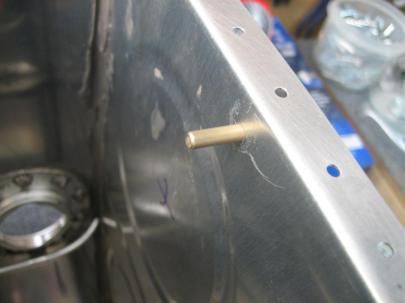
A little long, eh?

After cutting it to a more reasonable (1.5 times diameter) length, I went ahead and shot this rivet in. I think I used 70 psi. Worked well.
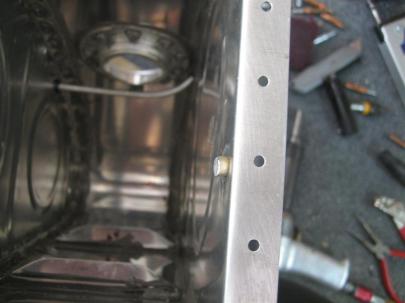
Not terribly exciting, but I better not forget to cover this one with proseal before closing up.

Only two things left before I can close up. The two anti-hangup brackets. Here’s one, made out of some 0.025.”
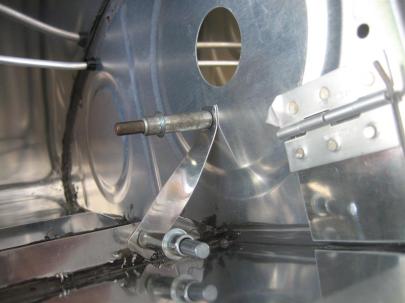
With clecos...
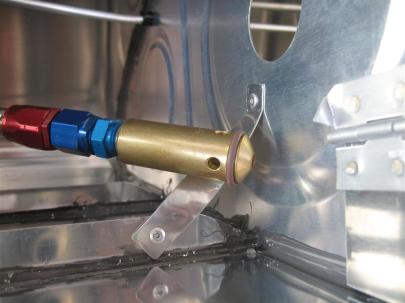
With some blind rivets.

This one is the access plate anti-hangup bracket. I had originally thought about making these removeable with screws and nutplates, but I don’t think I’ll ever take this out, so blind rivets it is!
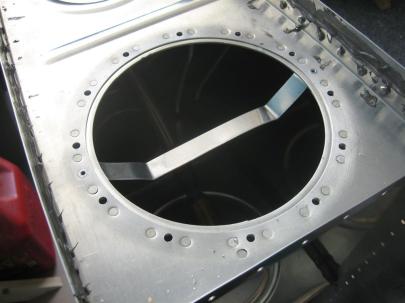
Nice, right?

When I couldn’t think of anything else to do before closing, I took a final picture (then stared for a few minutes just to be positive).
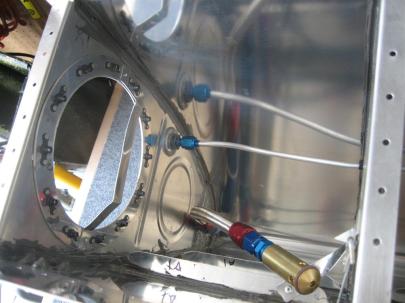
Almost forgot, I wiped the whole inside of the tank down as well as I could and then vacuumed everything out.

Here goes nothing…

I cleaned every mating surface I could find with MEK then mixed up some proseal and filled a few of my 30cc syringes. I put a glob of proseal over the manufactured and shop heads of the AD6- rivet I just set, then put a bead just forward of the baffle rivet holes, and on each of the flanges of the ribs. I also left 4 big globs in each of the corners.
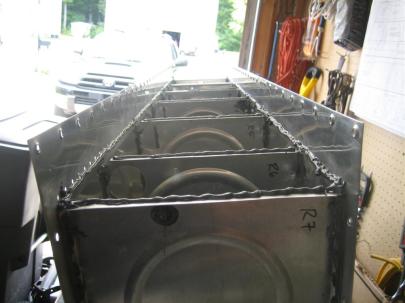
No turning back now.
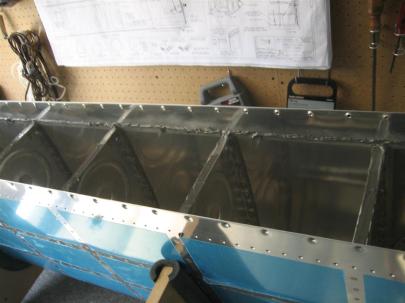
Before dropping the baffle in, I smoothed some of the beads to a single layer.

Then, instead of letting my single bead on the skin act as my baffle seal, I also smeared some onto the baffle flange, and dropped that bad boy in place.
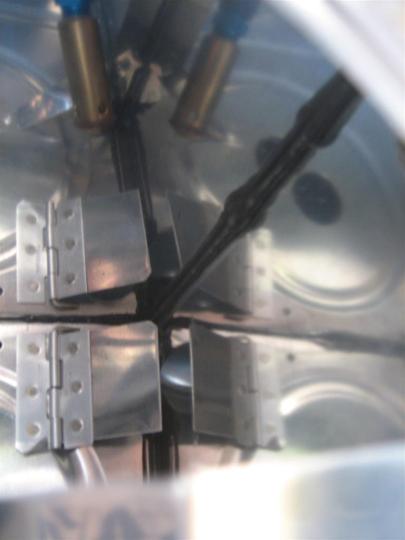
Pretty good bead just forward of the baffle.

Now, having read about all the trouble with proud rivets on some other build sites, I decided that instead of 100% clecoing, I’d 50% cleco, but only after I’d gotten some unset rivets into some of the holes. (The rivets fill the holes better than the clecos do, if it’s jut clecos, things can get a little misaligned).

This shot is after getting everything 50% clecoed with rivets in every other hole.
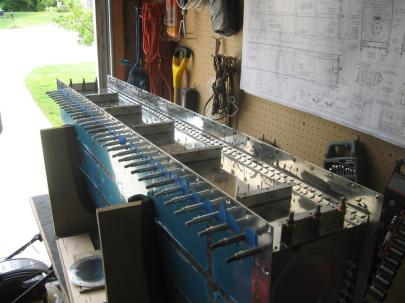
Whew. I

Before getting to the skin rivets, I threw the z-brackets in place with a layer of sealant and got them blind riveted in place. (This single sentence represents about 30 minutes of checking, rechecking, aligning, etc. with the z-brackets to ABSOLUTELY be sure they are in the right orientation. My final check was that the inner and outer brackets have their aft flange pointing inboard, all others point outboard.)
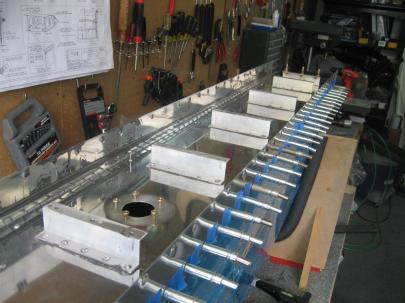
After getting the AD-41H and -42H blind rivets in place.
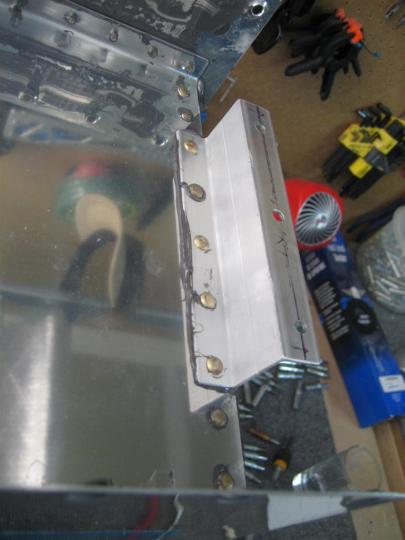
Solid rivets on the inboard and outboard brackets/ribs.
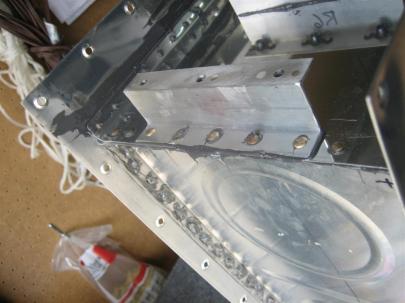
More solid rivets.

At this point, I set all 132 rivets on the skin to baffle joint. No pictures, though. Sorry. I have one rivet that is slightly proud, but there is NO WAY IN HECK that I am going to drill it out right now. I challenge you to come find it when my airplane is flying. (Ha. All of you reading this will have forgotten by the time I’m flying.)

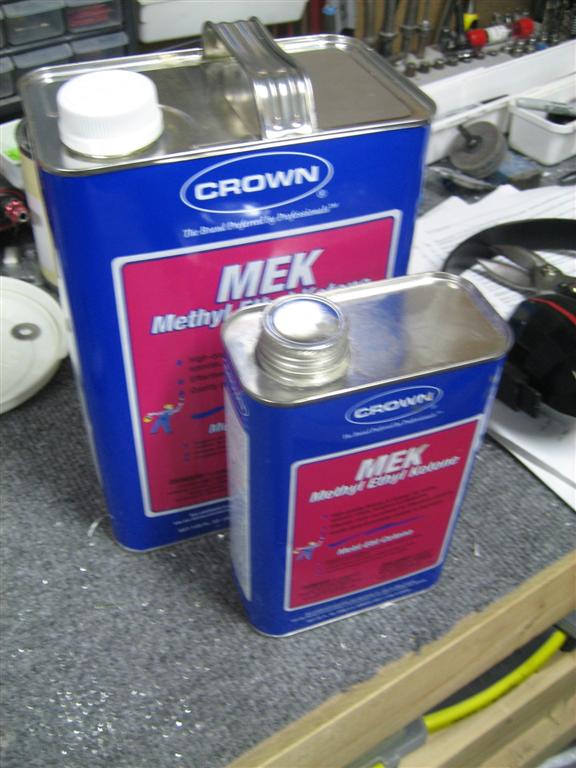
Okay, time for a little clean…OMG! I’m out of MEK.

Pause for an hour…run out to Home Depot….NO MEK!?…run out to Lowe’s…stop by Target…
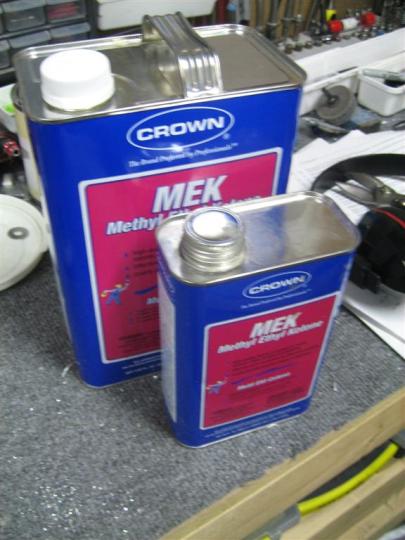
Little MEK, meet big MEK.

Oh. Don’t try to pour some MEK from a big can into a little can even with a funnel. It will go all over your garage floor, because it slurps out of the can and you’ve been working out in the garage for HOURS and you are a little tired, your hands are a little shaky, and even though you are wearing a respirator, you are pretty sure the proseal and MEK fumes are getting to your head.

Oh, also, don’t set a full MEK can with the cap off next to your fuel tank, then move the fuel tank so the MEK can knocks over, and spills MEK on the workbench, then drips off onto the floor where you just spilled (and cleaned up) the MEK from your earlier boo boo.

ASK ME HOW I KNOW.

Okay, back to work, you slacker!
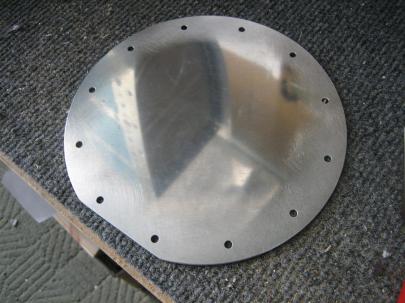
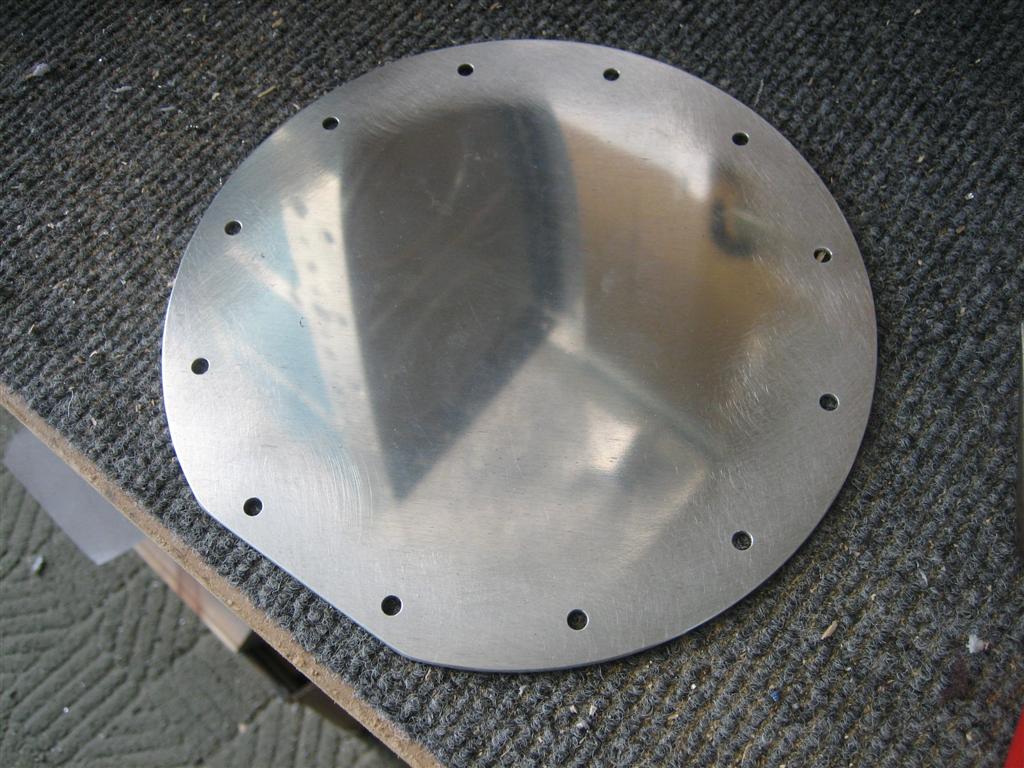
Nice shiny new tank access plate.
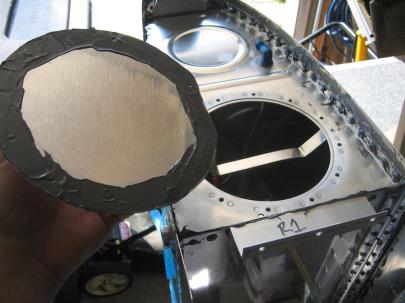
More proseal here.

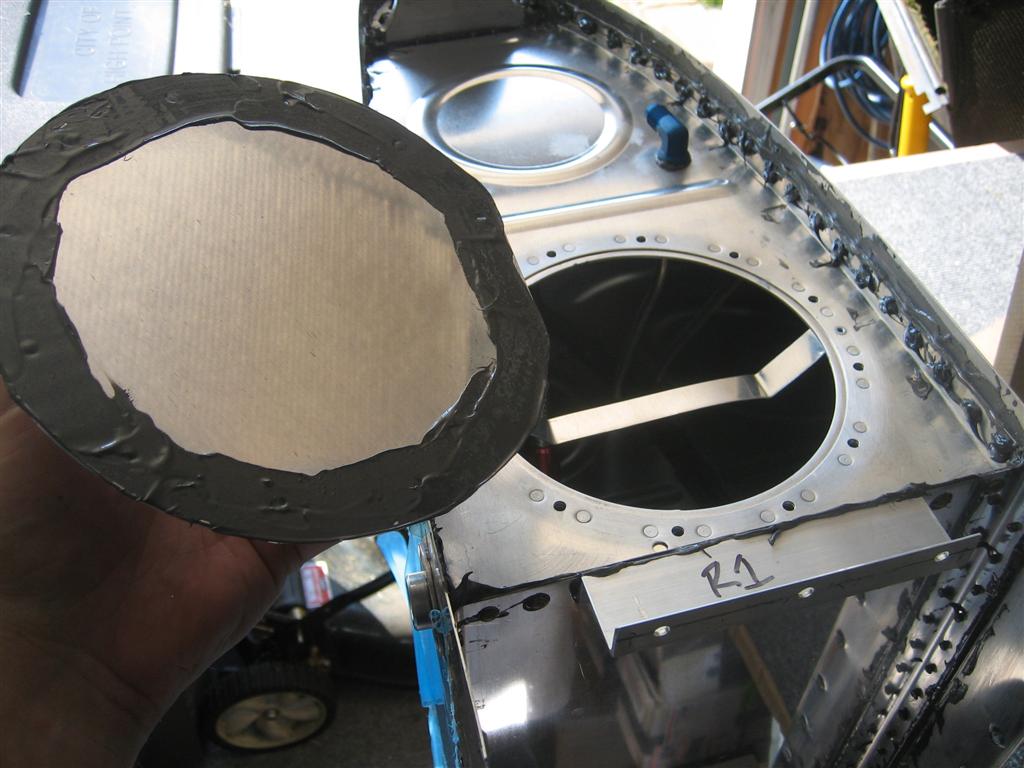
Then after putting the access plate in place…

(Don’t accidentally drop the access plate a hole-width or so away from your target, because then you have to kind of move the plate around with proseal everywhere while you try to find one hole to line up, then stick a screw in, and find another one…ask me how I know.)

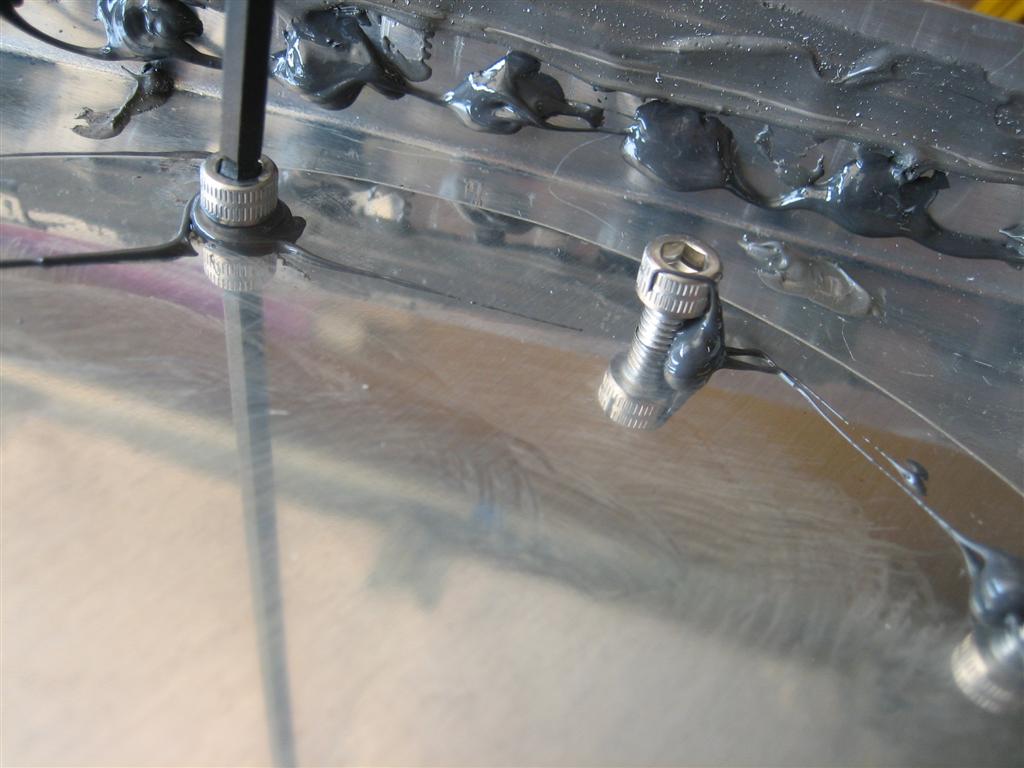
Anyway, I twirled the very bottom of the screws in some proseal, then threaded them partway in. Once partway in, I took my syringe of proseal and put a glob on one side of the screw (see the right side of the following picture). As you tighten the screw, it drags around the screw head and makes a nice little bead (see left side of the picture.)
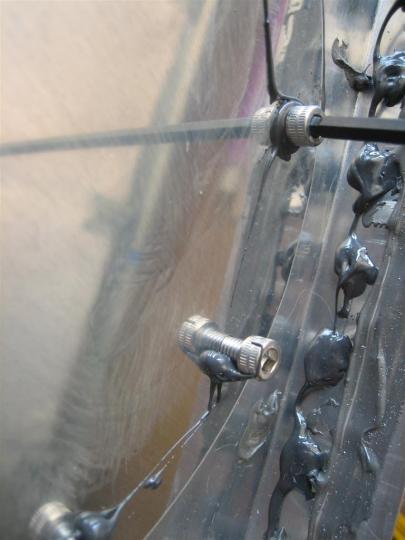
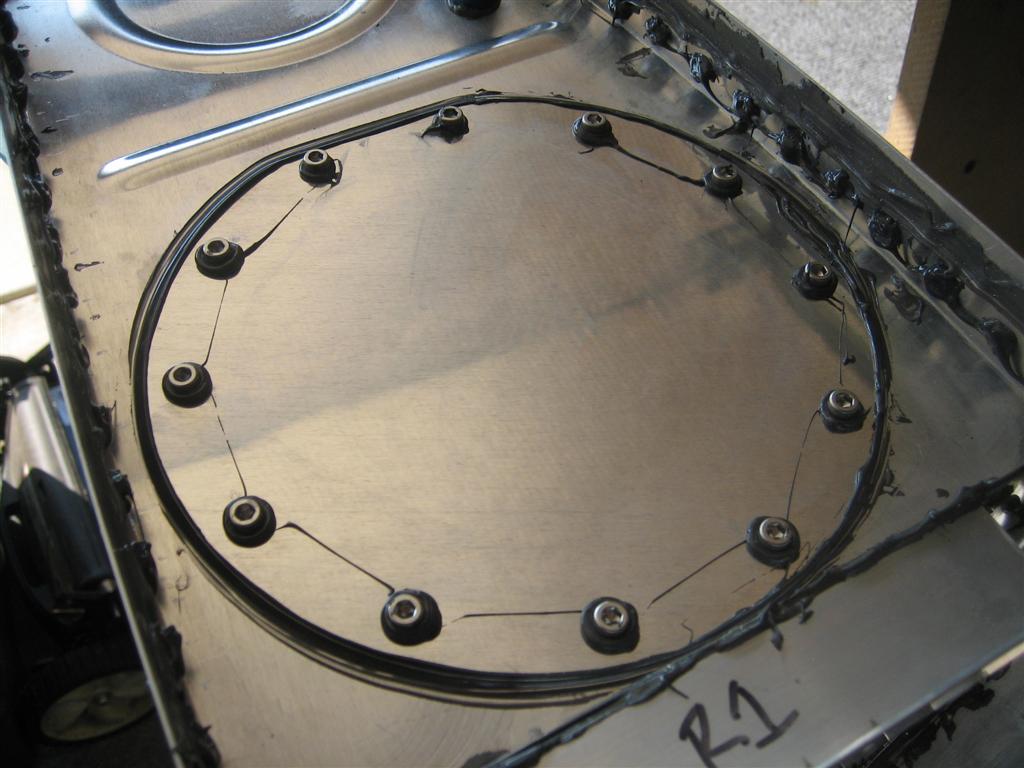
Perfect little bead.
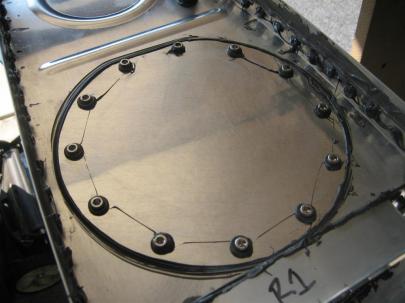
I

Finally, I stuck the filler cap in place and stuck that bad boy on the wing.
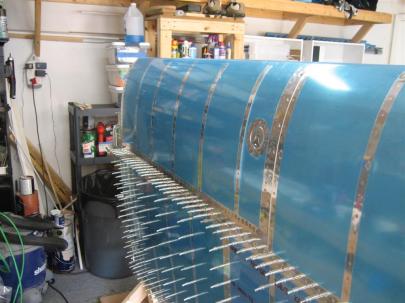
WUHOO! It looks like an airplane.

“So,” you ask. “Why is this ‘almost’ closed up.”

Well, I’m not sure if you saw, but I didn’t install the float sender yet. Once I get that in, I’ll head to OSH, then come back in 10 days or so and leak test. (Although why should I leak test. I already KNOW that I have NO LEAKS.) It always helps to stay positive.

11:45am to 3:45pm, then another hour between 5pm and 6pm (after the Lowe’s run). What is that? 5 hours? Oh, and 185 rivets.

SWEET. Did everyone see my new charts? How come I’m not getting any emails with inflammatory engineer jokes in them?

I need a much-deserved adult beverage.

Prev | Next
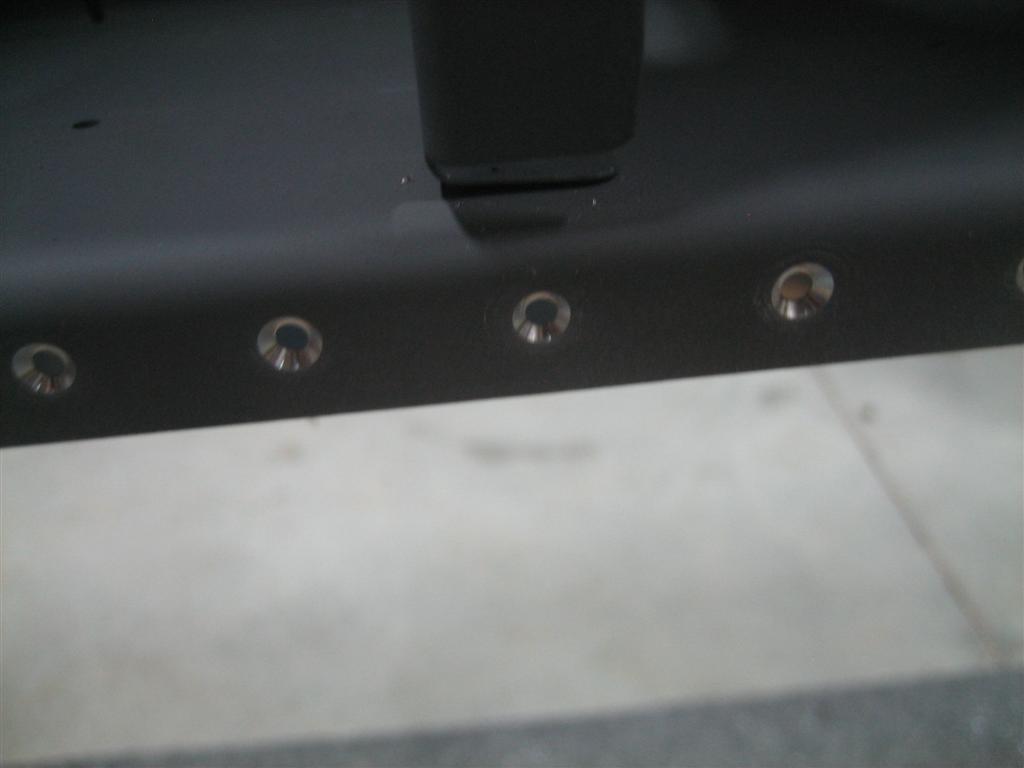

Right Leading Edge Joint Plate Nutplates

July 13, 2011

Prev | Next

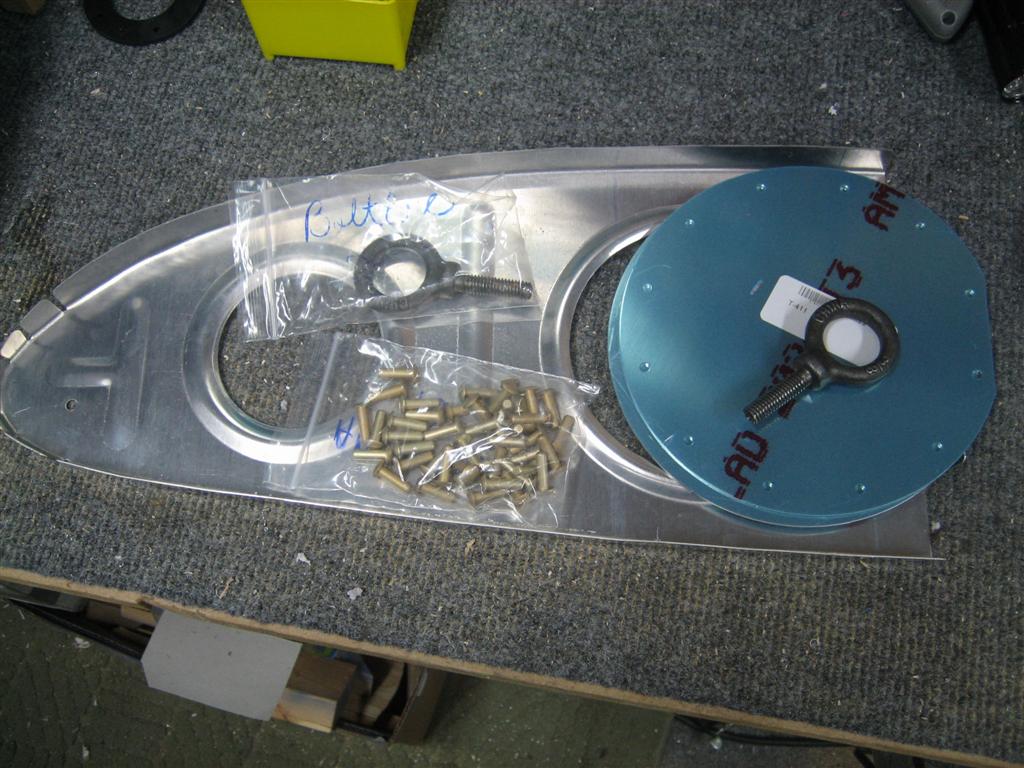
Wuhoo! Got my latest Van’s order. Below, you can see my two T-411 tank access plates, two tiedown rings, a tenth of a pound of AN470AD6-10 rivets, and the left inboard leading edge rib.

I love getting orders in.

First thing, I ran over and screwed in the tiedown ring.

Uh Oh.

It was way loose. Hmm. I know I did the 1/2 turn in, 1/4 turn out with the tap.

After some thought (and a trip to work), some of the guys were convinced that 1) I didn’t ruin the part, especially since I had only tapped the 1″ shown on the plans (and the rings are like 1 1/2″ long), and 2) it must be the tap quality.

They lent me a really nice tap (as opposed to the $7.99 tap and die set from Harbor Freight.)

I screwed in the nice new tap, and once I got past the first inch, I immediately felt a difference. When I turned 1/2″ in, the tap felt like it was cutting, instead of just pushing material out of the way. There was significant resistance at the end of the 1/2″ turn. Once you start the 1/4″ back out, there is some more resistance, then a “release.” I could tell immediately that the release was the cutting of little chips from the material.
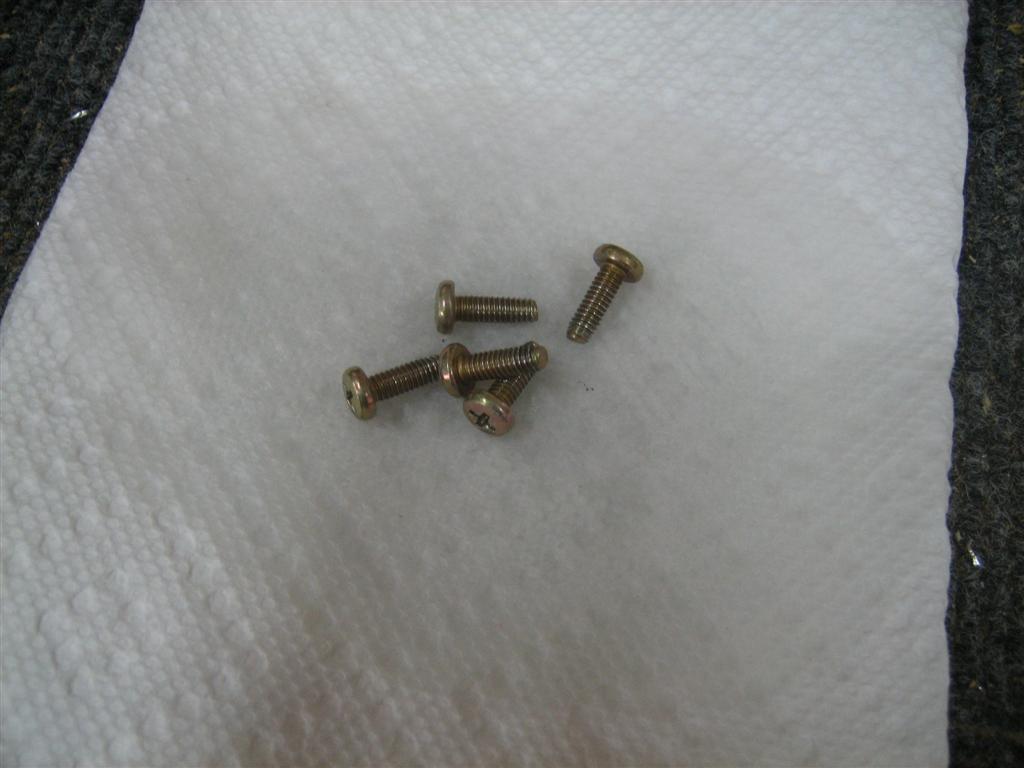
It was like I heard angels. This is what tapping is supposed to feel like.

(The old one was just steady increase in resistance in, then decreasing resistance out.)

Just one more reason why I should have bought the $80 tap and die set, instead of the $8 tap and die set.

Lesson learned.

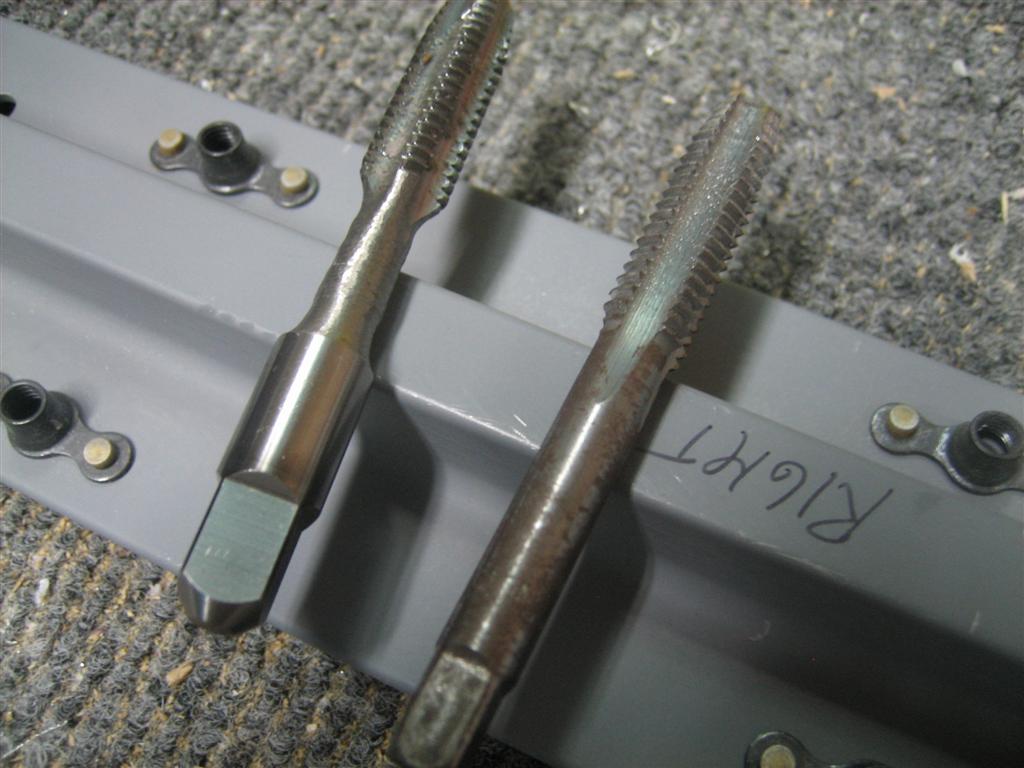
From the following picture, you should be able to tell that the thread cutters on the left are nice and sharp, and the apex of each blade comes to a point. The one on the right is not sharp, and the apex is kind of rounded.

The nice tap on the left, the crappy one on the right.

So now, I have about 1″ of loose threads, and 1/2″ of perfect threads. I am okay with at least four threads perfectly engaged, and 16 threads mostly engaged. If I’m worried about 10,000 lbs of holding power versus 5,000 lbs of holding power, I have more to worry about than my tiedowns pulling out.

Let’s build on.

Here's the tiedown installed.

It was subsequently removed, and will be stored in my storage box until, I don’t know, a few years from now.
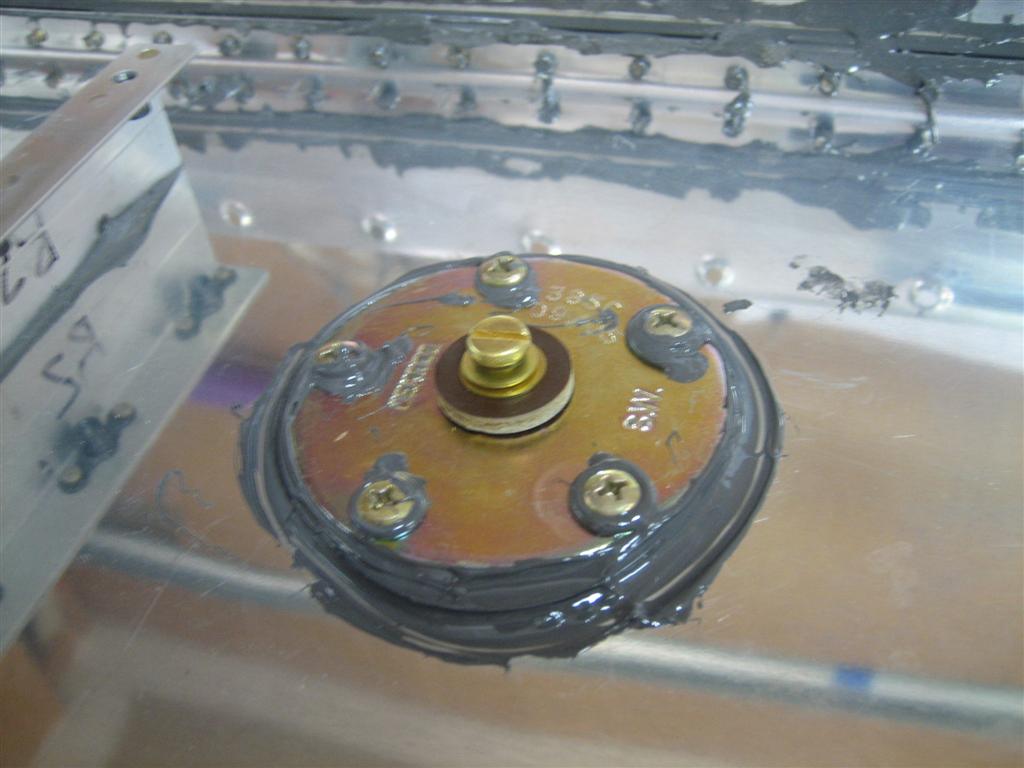
Next up, I needed a nice little project.

How does the leading edge joint plate nutplates sound. Good?

Good. I’ll work on those.  A quick check on the plans showed some hardware needs.

Some #8 screws and nutplates.

First, let’s cleco some nutplates to the previously dimpled holes. This worked great, and perfectly centered the dimpled nutplates over the dimples.

#30 clecoes worked great.

I drilled one ear of each nutplate, then clecoed.

After drilling both ears, I deburred, then started countersinking for NAS flush rivets.

Nice.

Here’s one of the oops rivets, just holding it in place.

This will work.

Oh man, I'm making a mess.

Then, some riveting.

All done.

1 hour,  including the tiedown re-tapping, and 28 rivets in the leading edge joint plate.

Not much more in the way of sealing up that right tank.

Prev | Next


Right Leading Edge Landing Light

July 10, 2011

Prev | Next

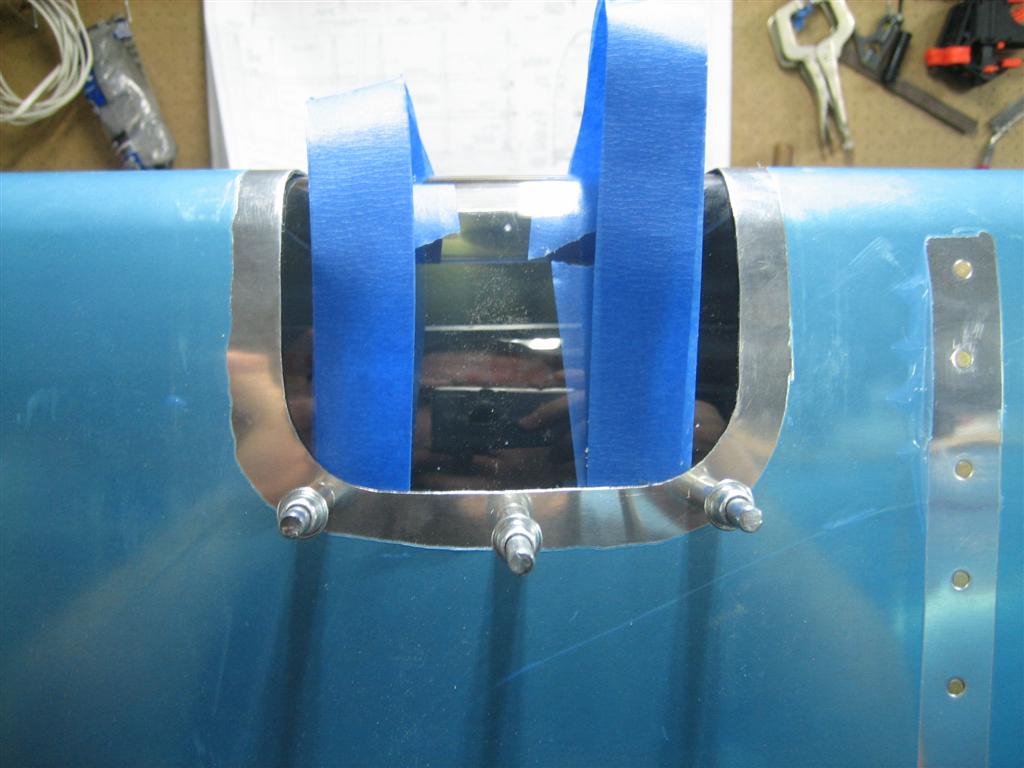
Whew. Tonight was a good night. While I’m waiting for a Van’s shipment to show up, I decided to knock something out that I had been sitting on for a little. The next step on the wing (once the right tank is finished) is to get the leading edge riveted to the wing.

It turns out that I would have been fine to do the leading edge landing light stuff later, but I decided to tackle it now.

Previously, I had gotten a lot of the prep work done, so tonight, I wanted to focus on getting the lens in there.

Repeat after me.

“When seeing ‘bandsaw’ in the instructions. Do not think that means ‘jigsaw.'”

I got about two inches around my first lens’ trace line and .

Nice big crack, all the way through the lens. I broke out the dremel on the next one, and pretty much held my breath all the way through it.

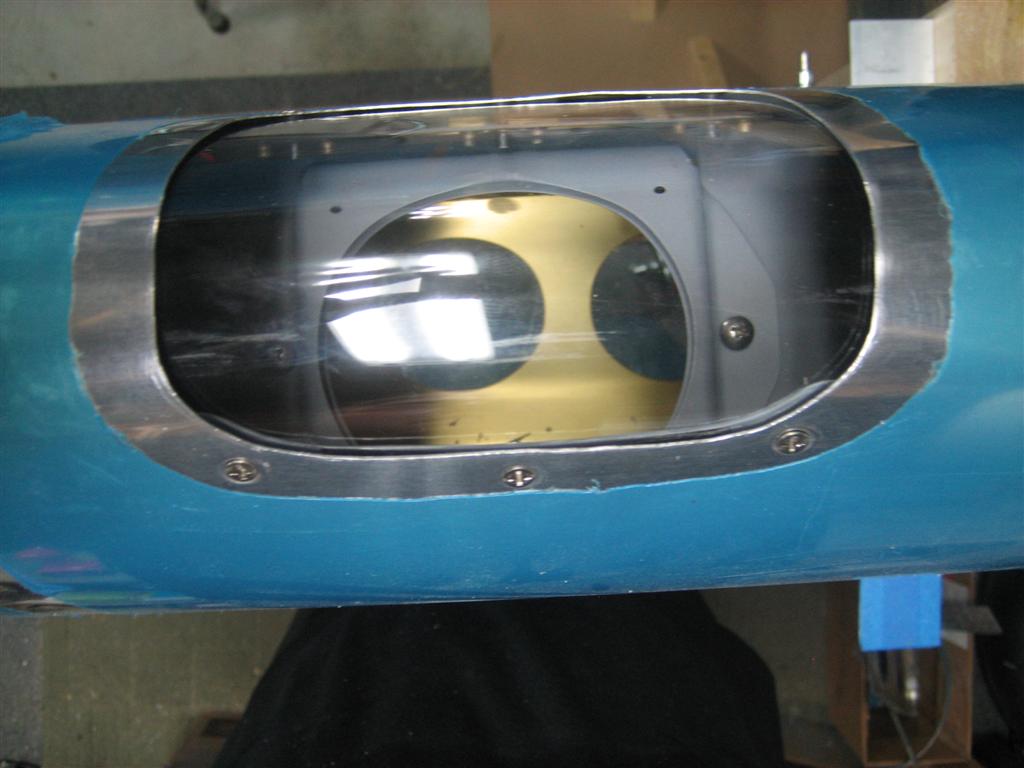
Here’s a picture after getting the second lens cut out, then smoothed on the scotchbrite wheel (which worked suprisingly well).

I set it on the other lens so you can see what I had to remove.

Since I didn’t take any pictures before, here’s the finished cut. I basically traced between 5/8″ and 3/4″ all the way around the hole, then used the dremel.

I'm glad that part is done.

Now, for the infamous “tape handle.” It’s funny, the instructions make very clear that this is the BEST way to drill the holes. Some people get cute and try to push the lens in from behind, and they end up getting the lens too tight in the leading edge, then the resulting holes are spaced such that they can never get the screws in.

A little finesse goes a long way.

Here, I've drilled the bottom three holes.

After drilling the top three (now all six are drilled to #40), I enlarged them all to #30. Then, I removed the lens, drilled the skin to 9/32″ (I think that was it. It was whatever the #6 die fits into), and tested with a #6 screw.

Looking good.

Then, I used a #30 countersink bit to countersink the lens to accept a #6 dimple, and put the lens up next to the dimple so you could compare.

The countersink in the lens should accept the dimple on the skin.

Finally, I fished out the two nutplate strips and put some of the provided double sided tape on them.

Double Double sided tape.

Fast forward a few minutes, and I had it screwed in.

This picture is actually upside down.

Nice.

I'm very happy with how this turned out.

My only issue is that there is a little gap right at the leading edge. The lens is not quite the same contour of the leading edge, but after looking at some old pictures I have of some other leading edge landing light installations, this is pretty much how everyone’s looks.

Now I need to clean that lens.

Big picture view.

Again, I’m very happy with how this turned out, and now when the tank is finished, I can move forward with getting the leading edge riveted on and start on those wing skins.

1.5 hours today. Glad this is behind me.

Prev | Next