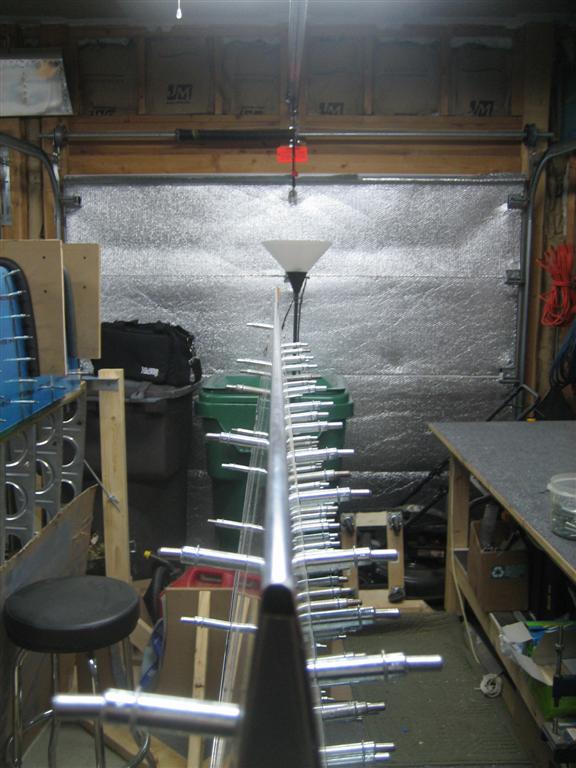
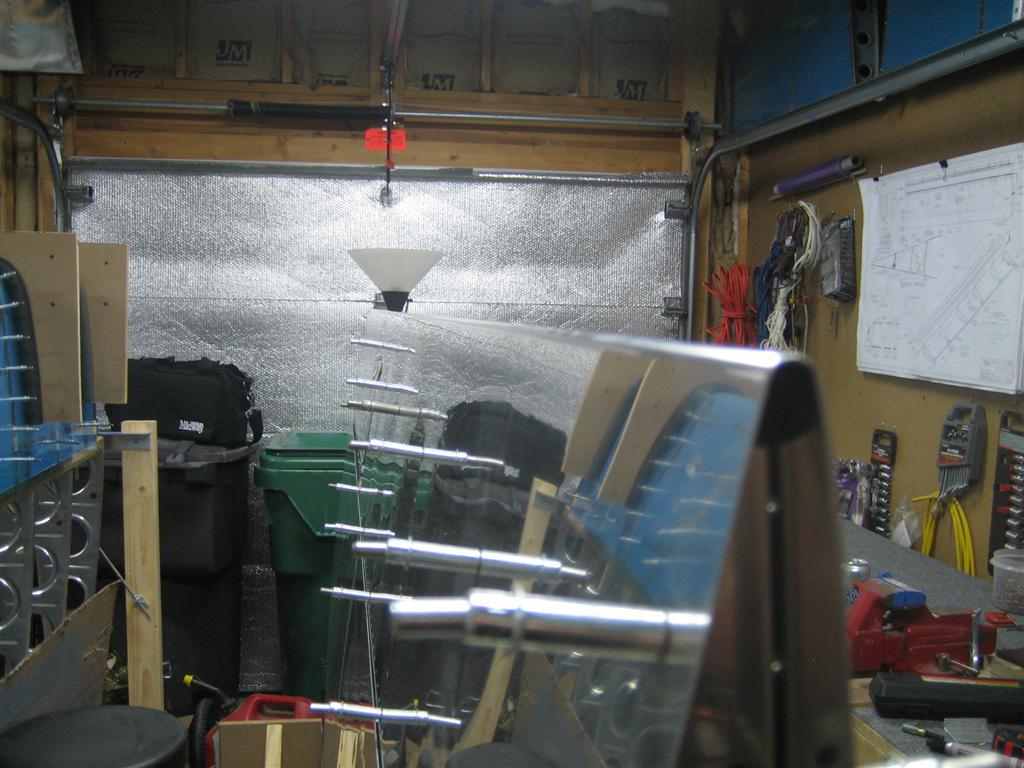
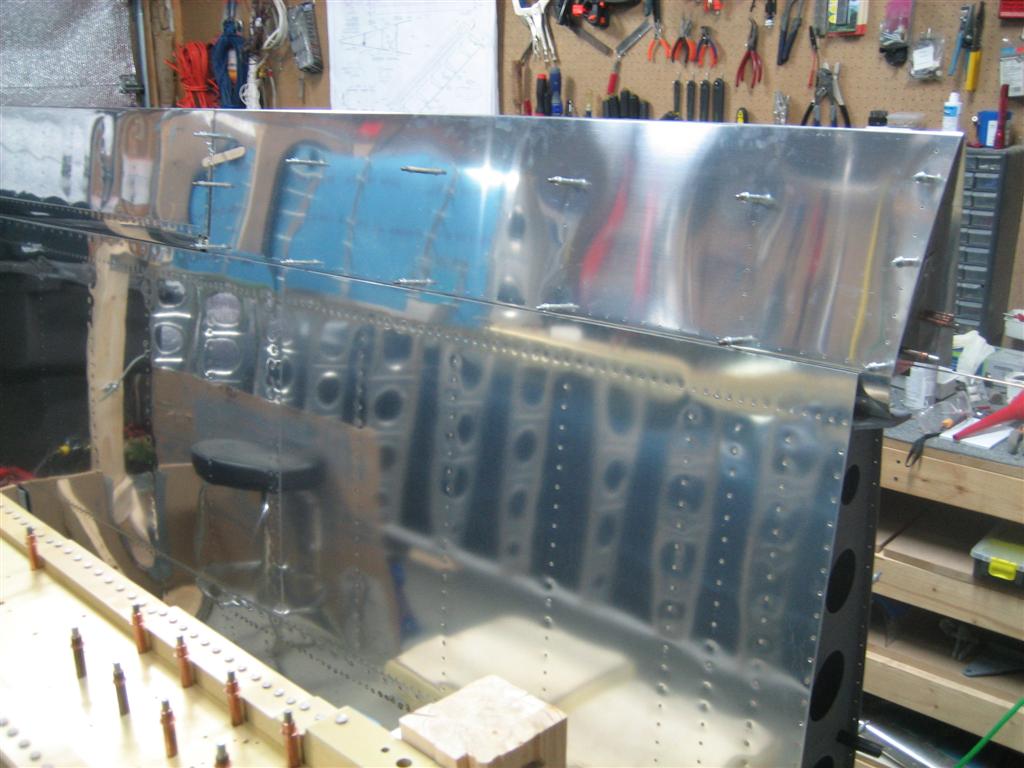
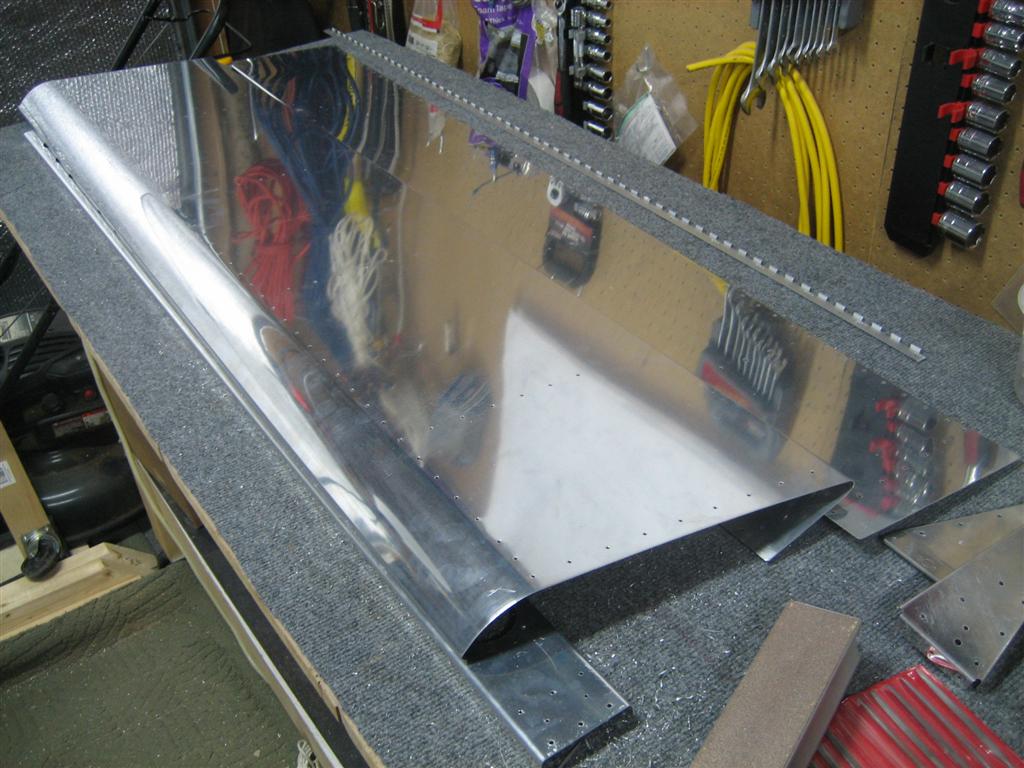
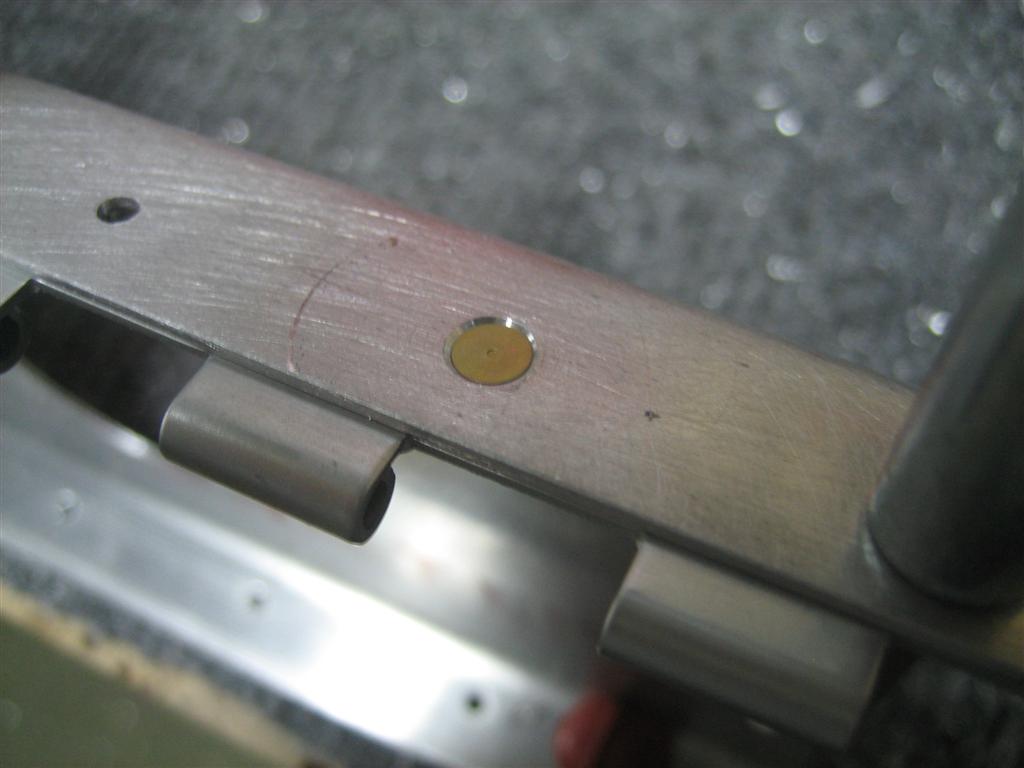
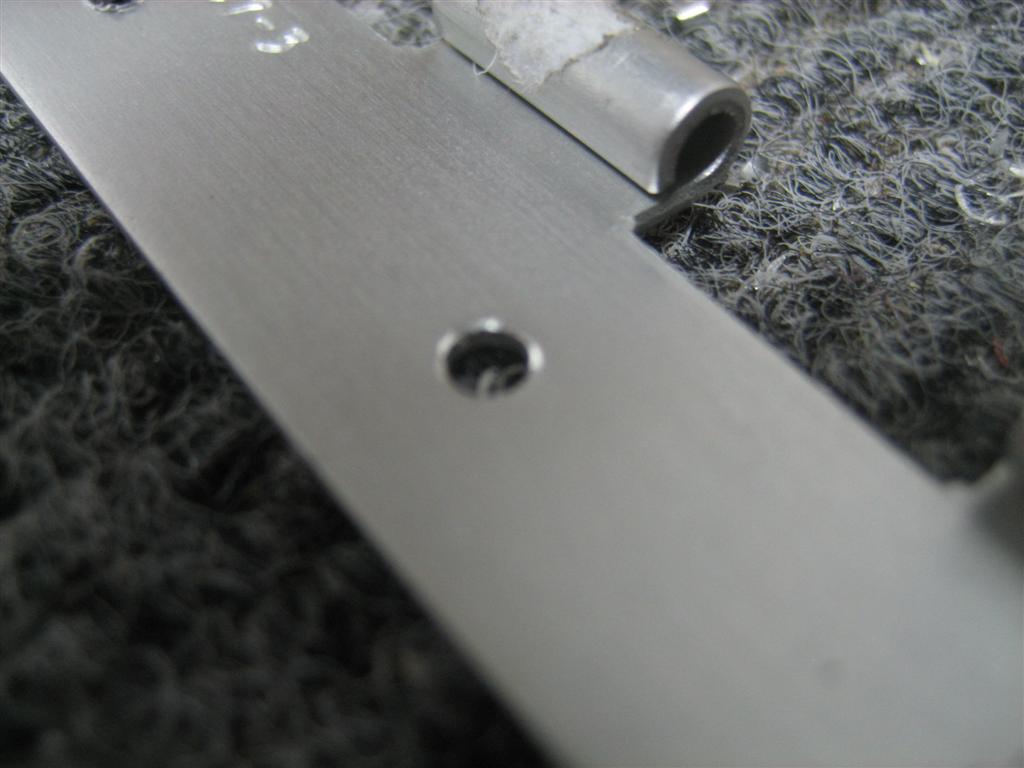
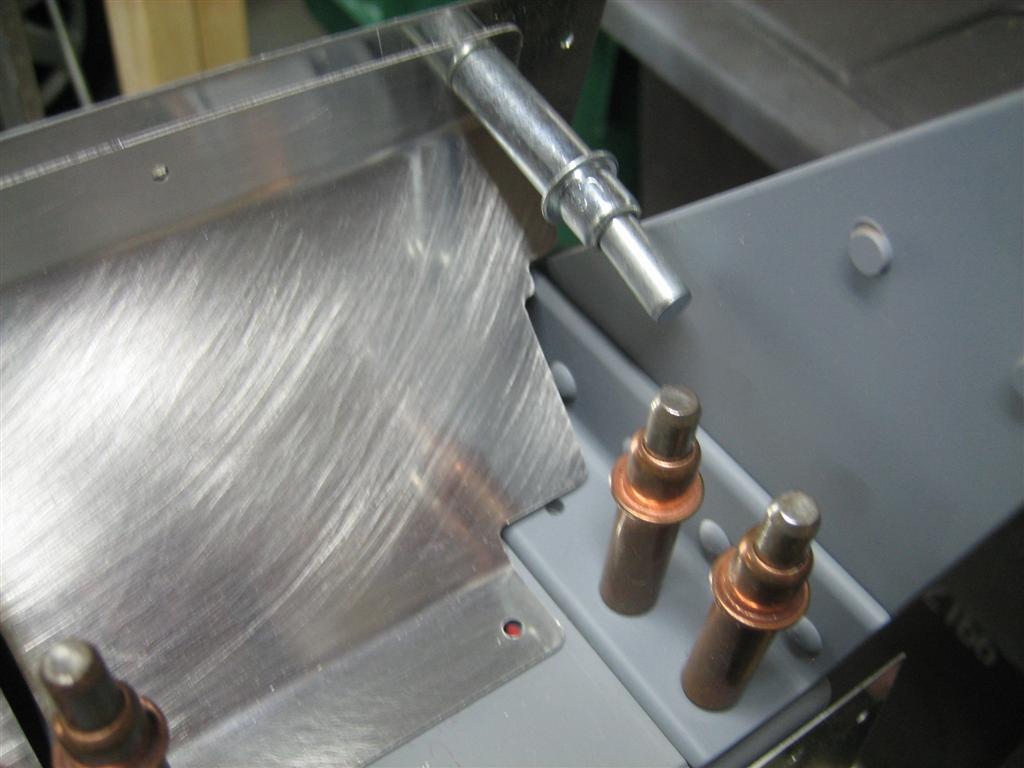
He’s Alive (Right Flap Rib Work)

July 20, 2012

Prev | Next

Hello everyone! I’m back! (But seriously, let’s not call it a streak or anything.)

I’m still here, I promise.

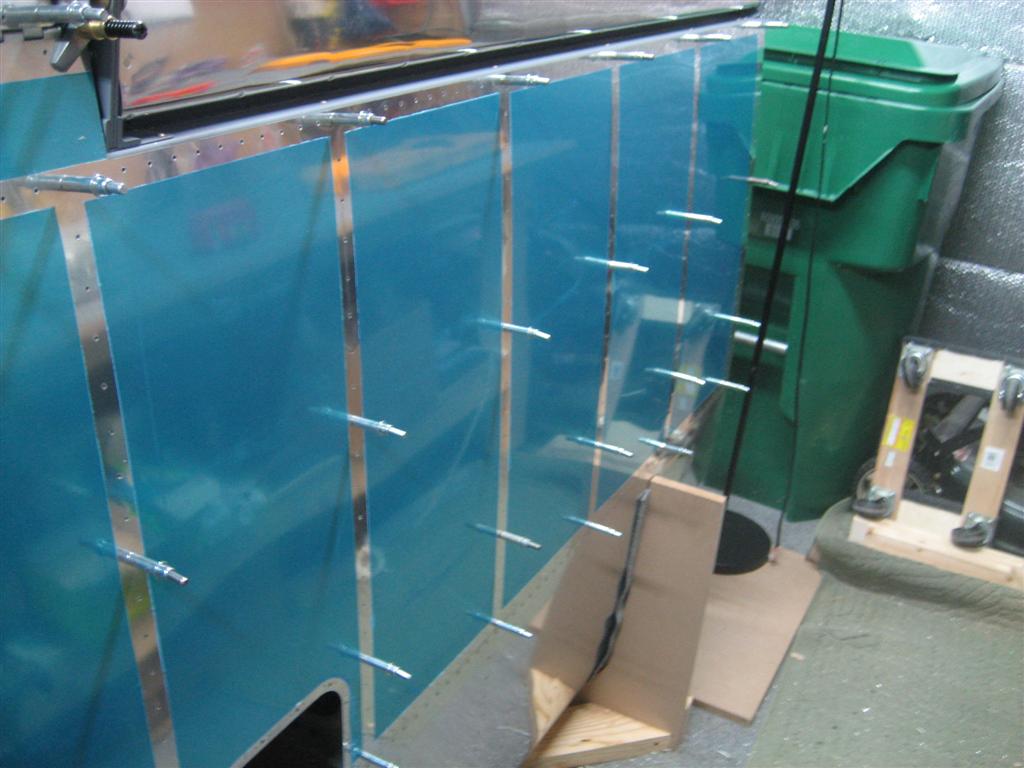
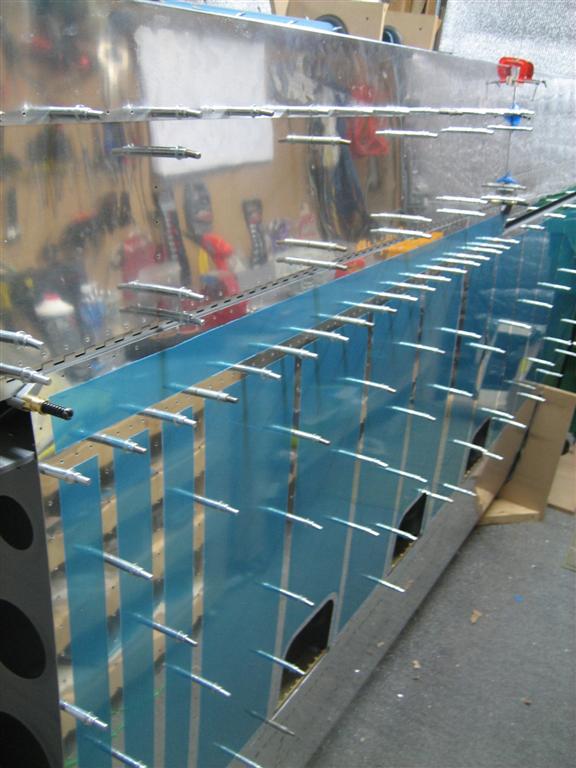
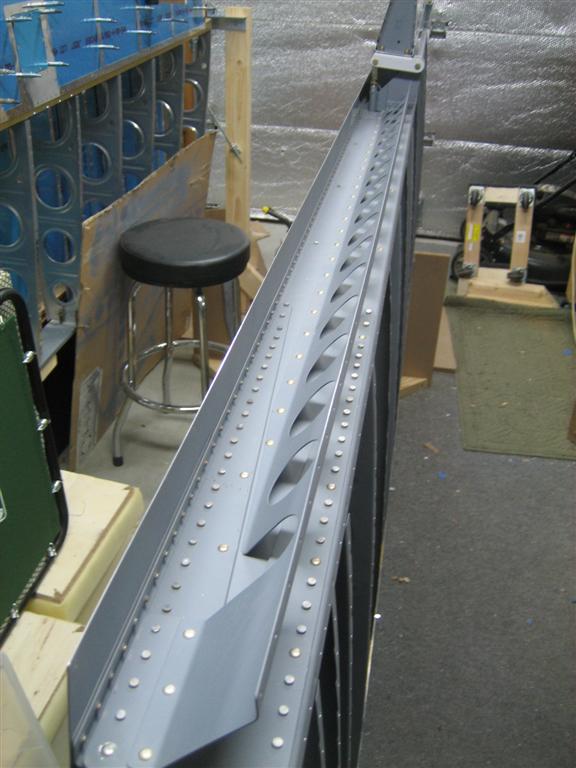
I’ve had a lot of crazy things happen in my life (all of them positive…I’ll mention them eventually) that have been keeping me away from the garage, but today after a nice dinner with the fiancée, I decided a little garage time was in order. The other day, I spent a few hours cleaning off my workbench, so really, the next step was to take the clecoed flap apart, and start prepping it for final assembly.

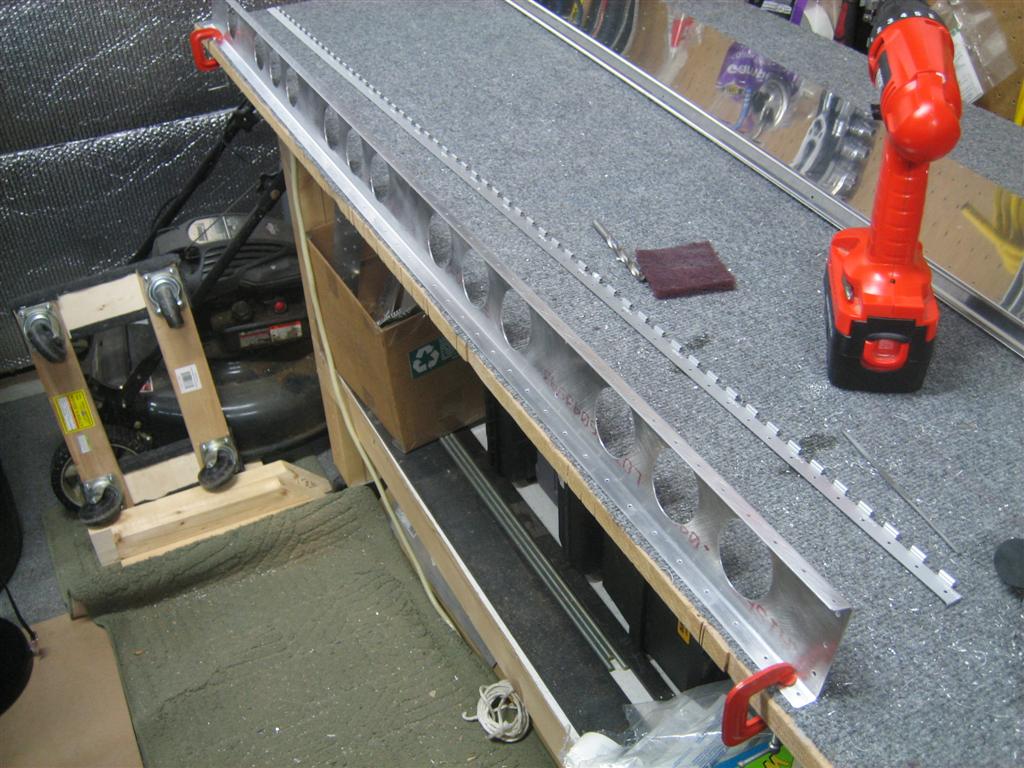
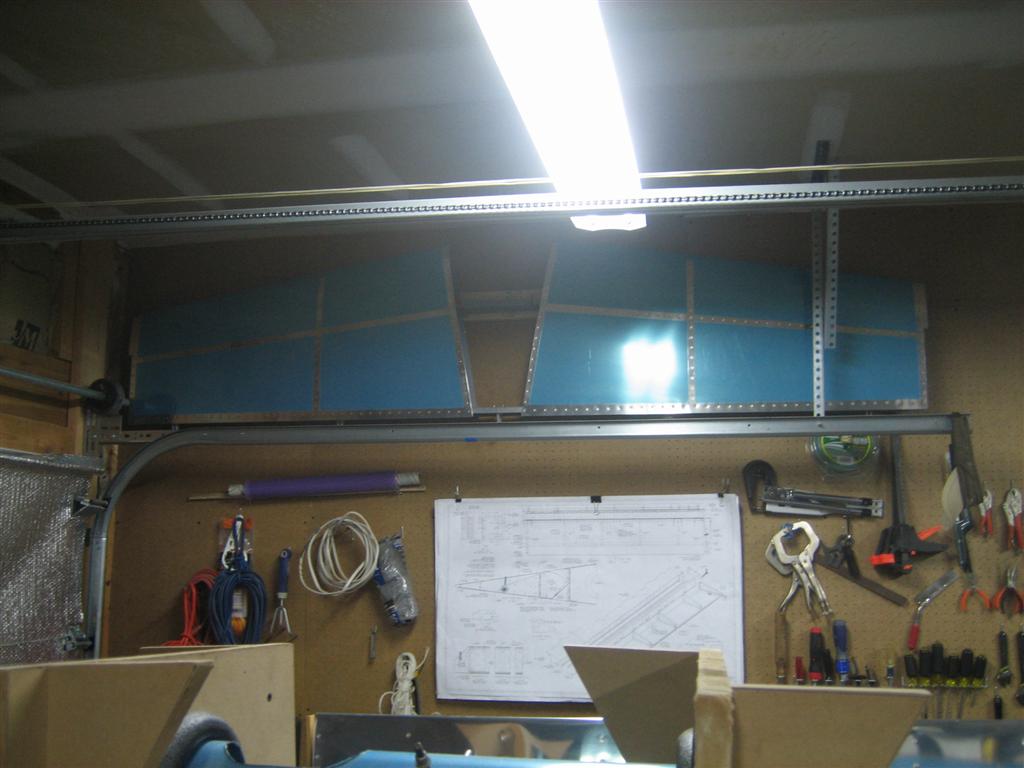
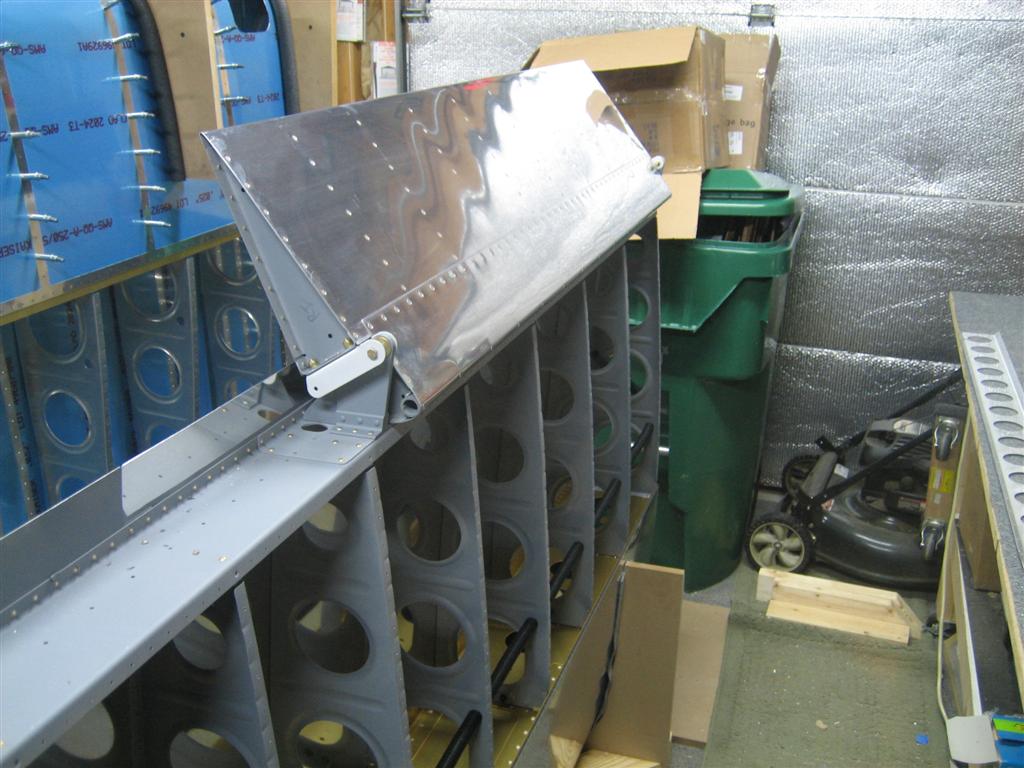
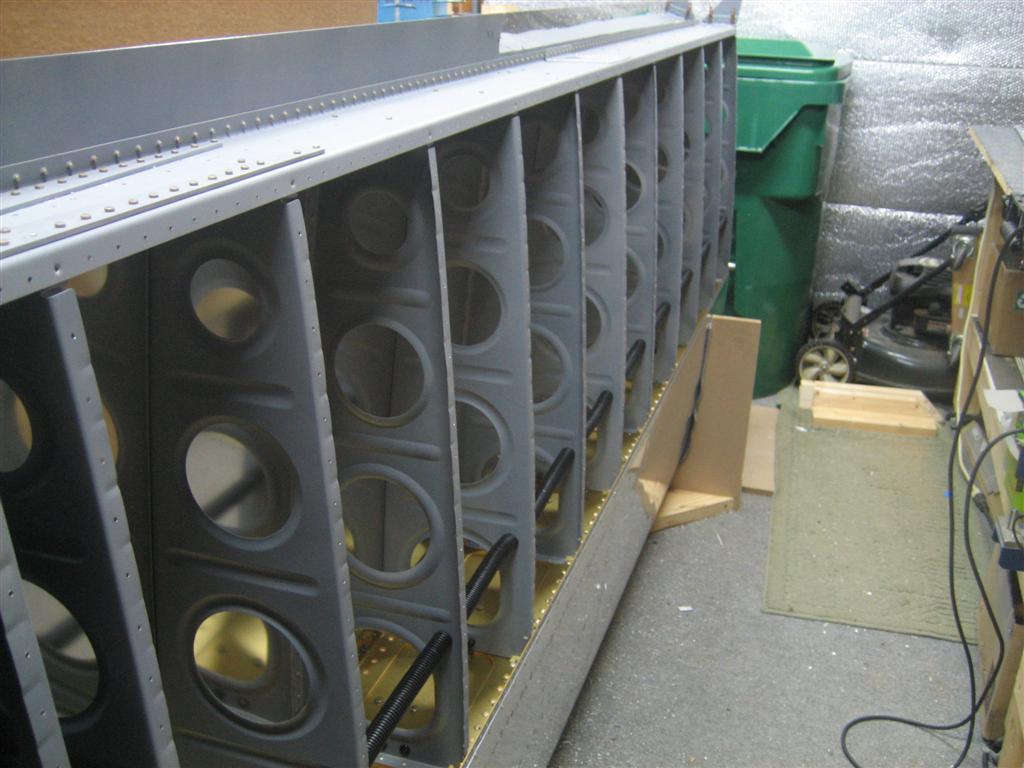
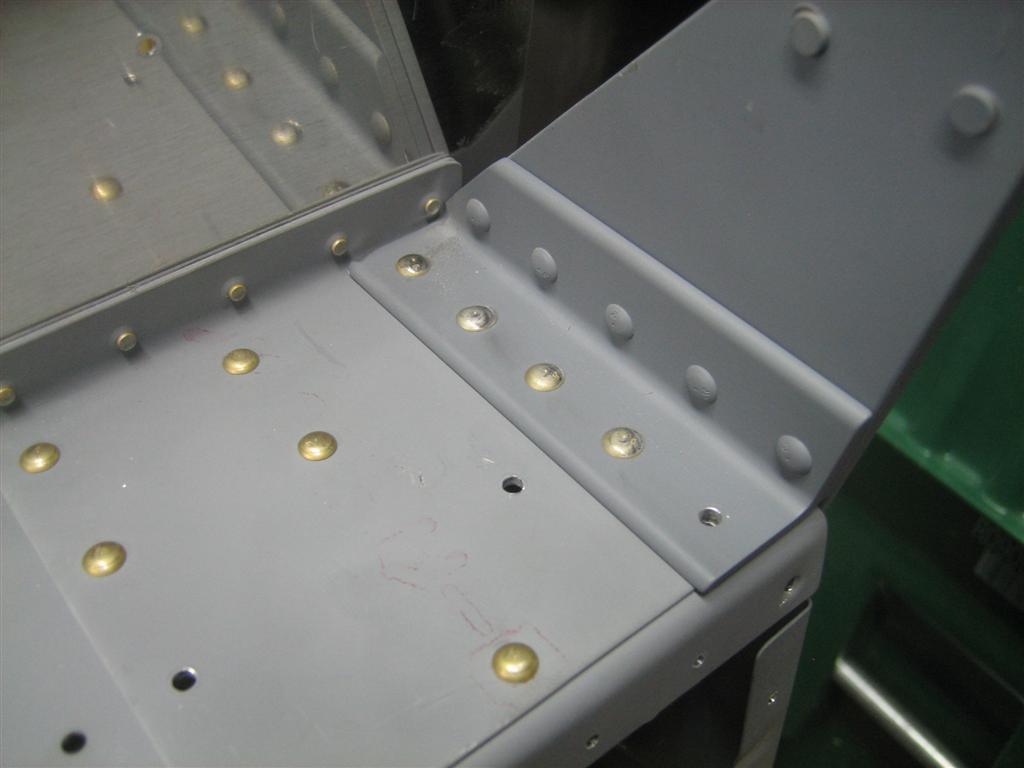
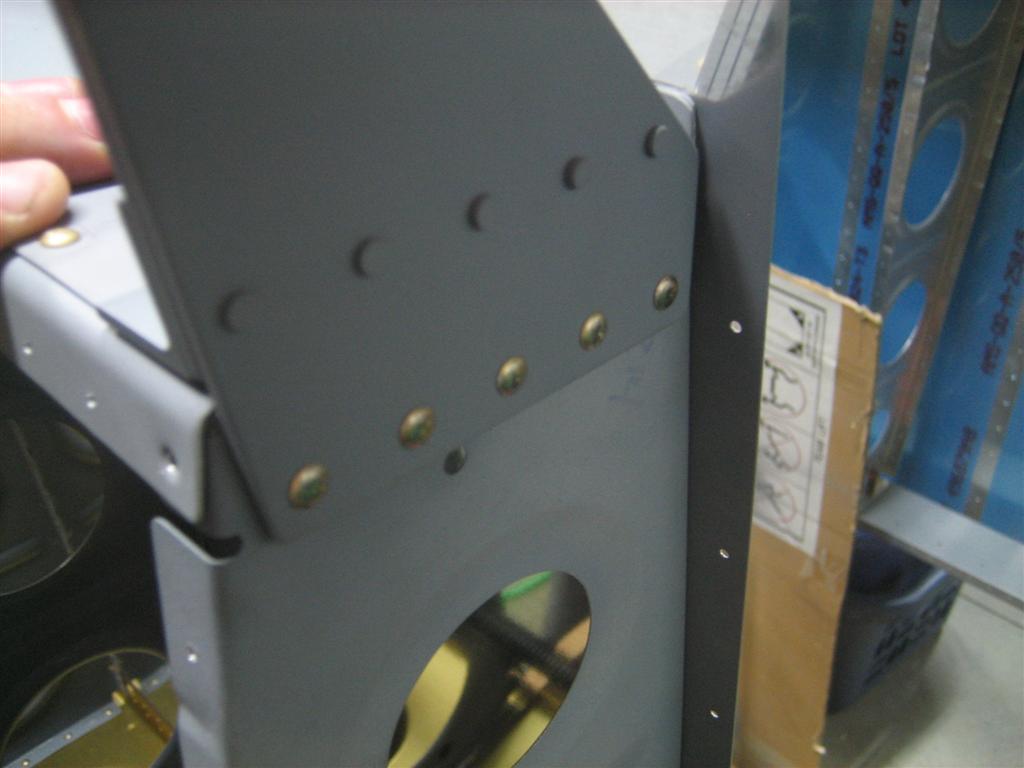
Here’s the right flap as it’s been sitting for about 6 months.

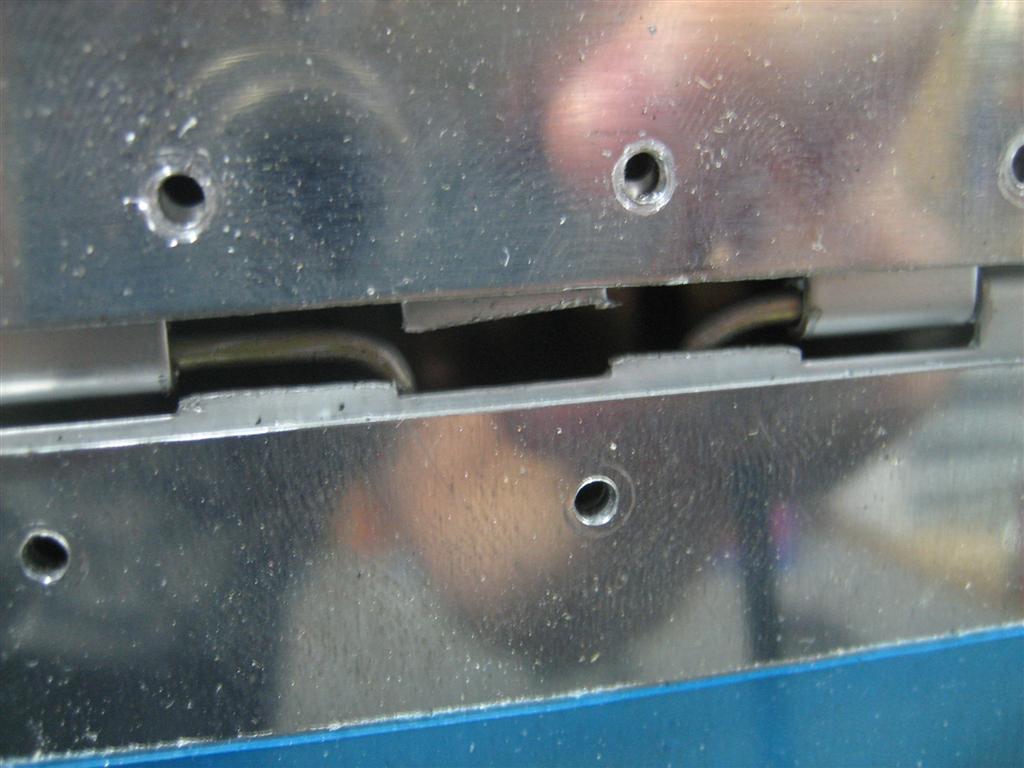
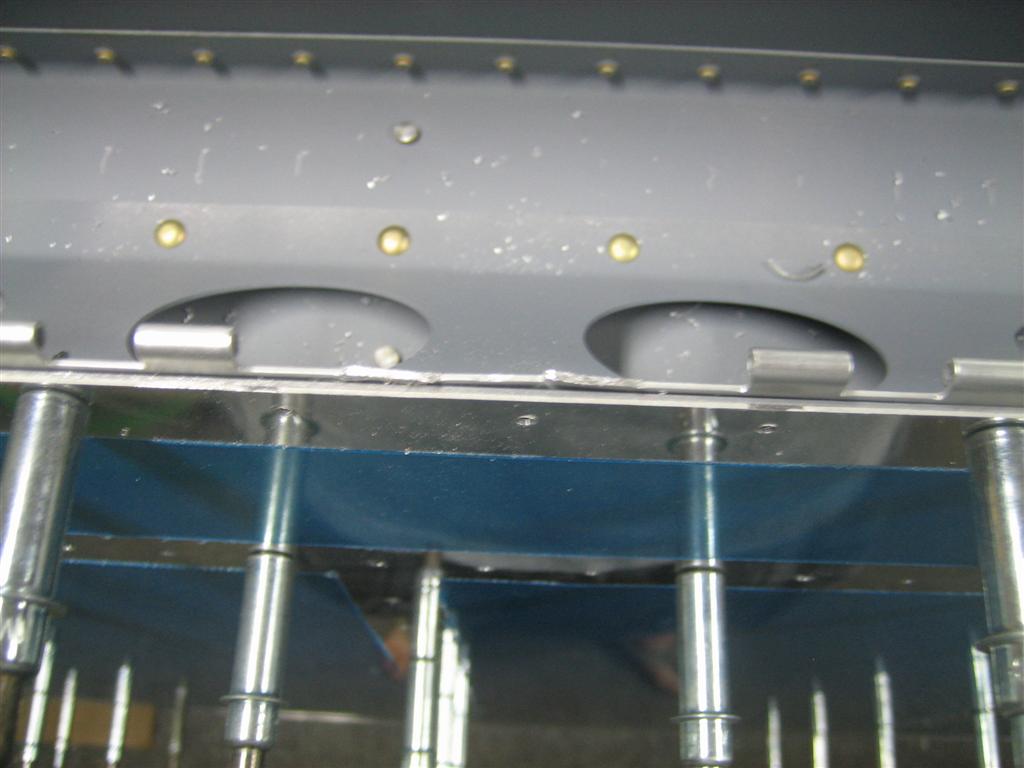
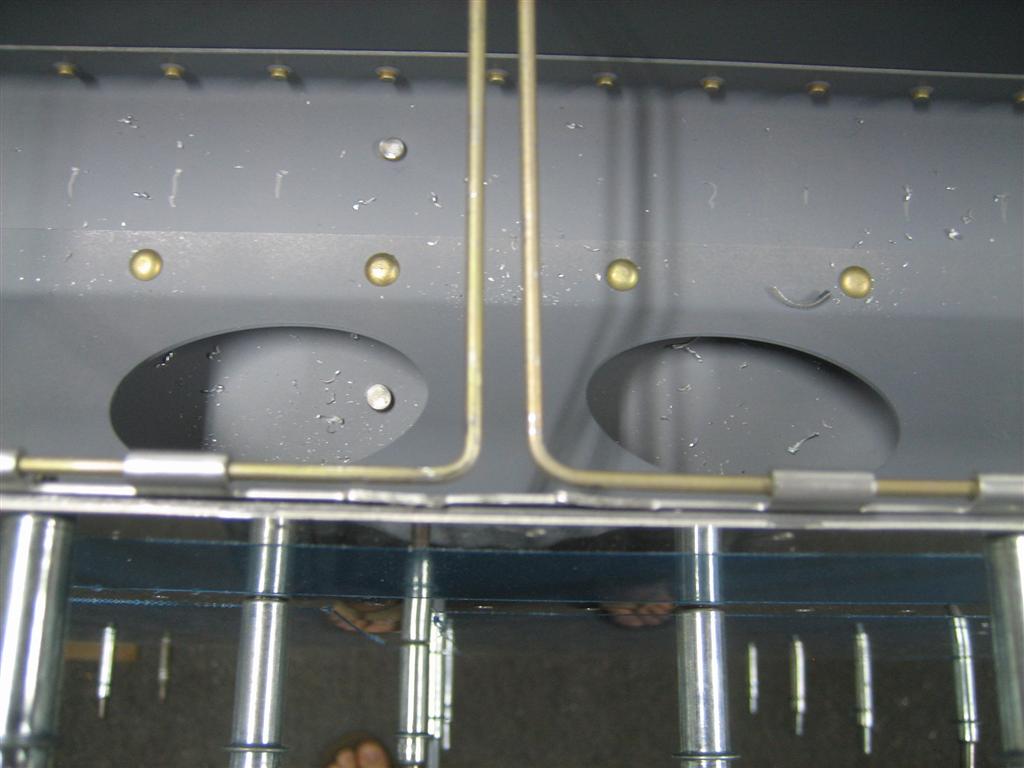
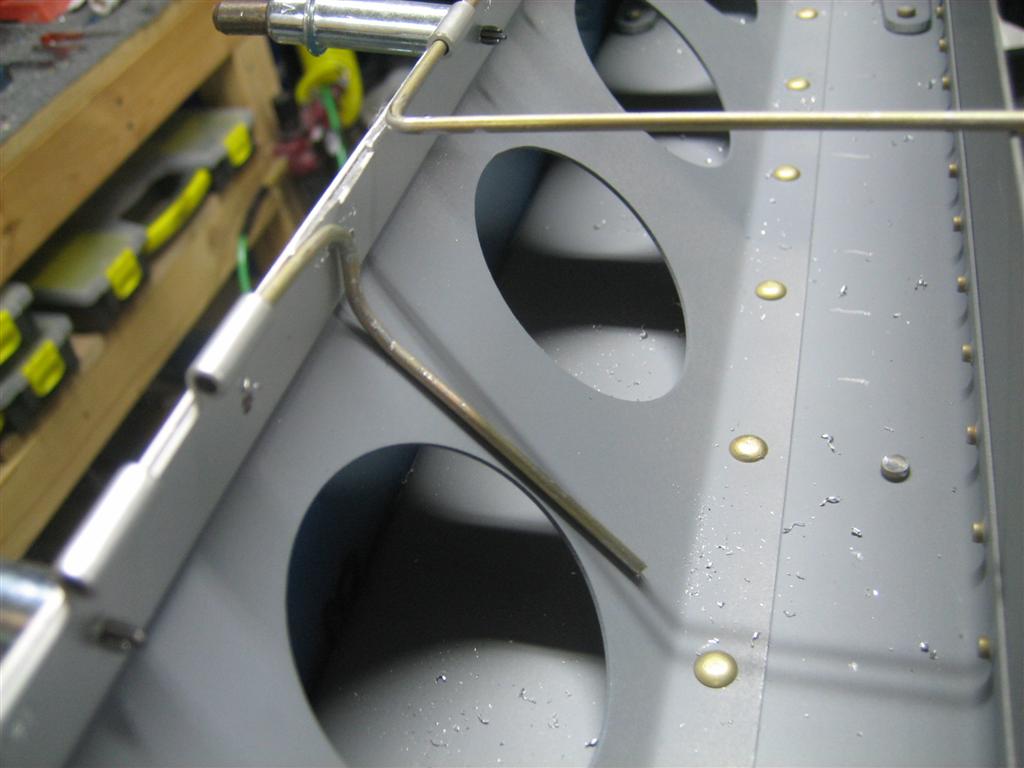
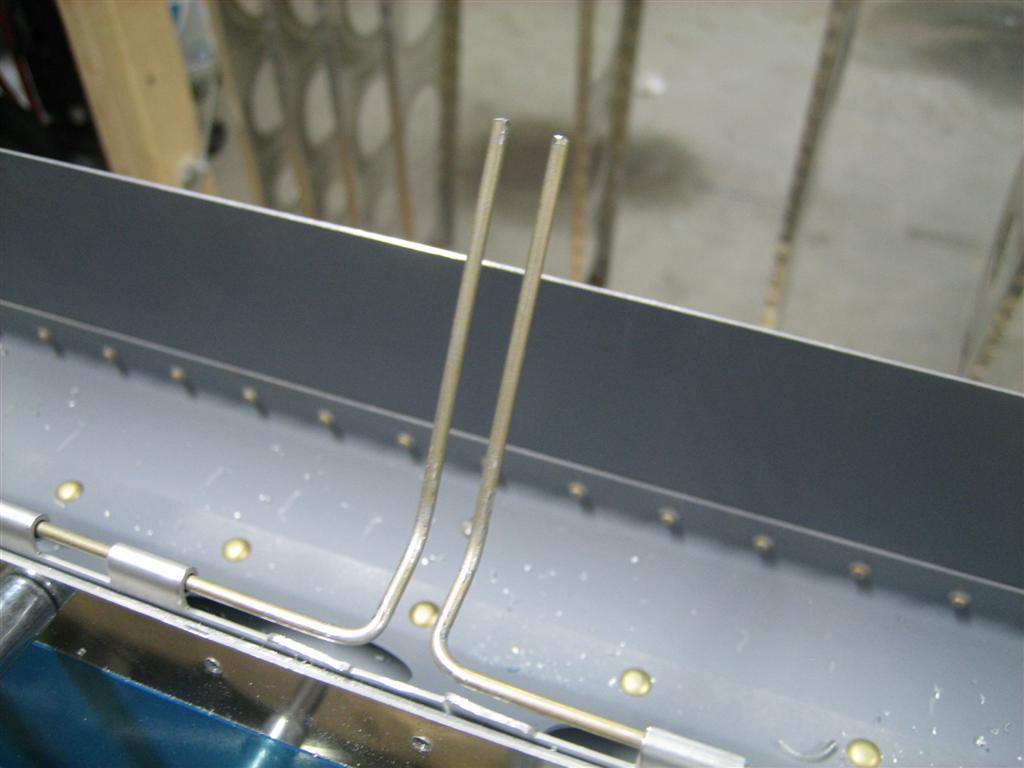
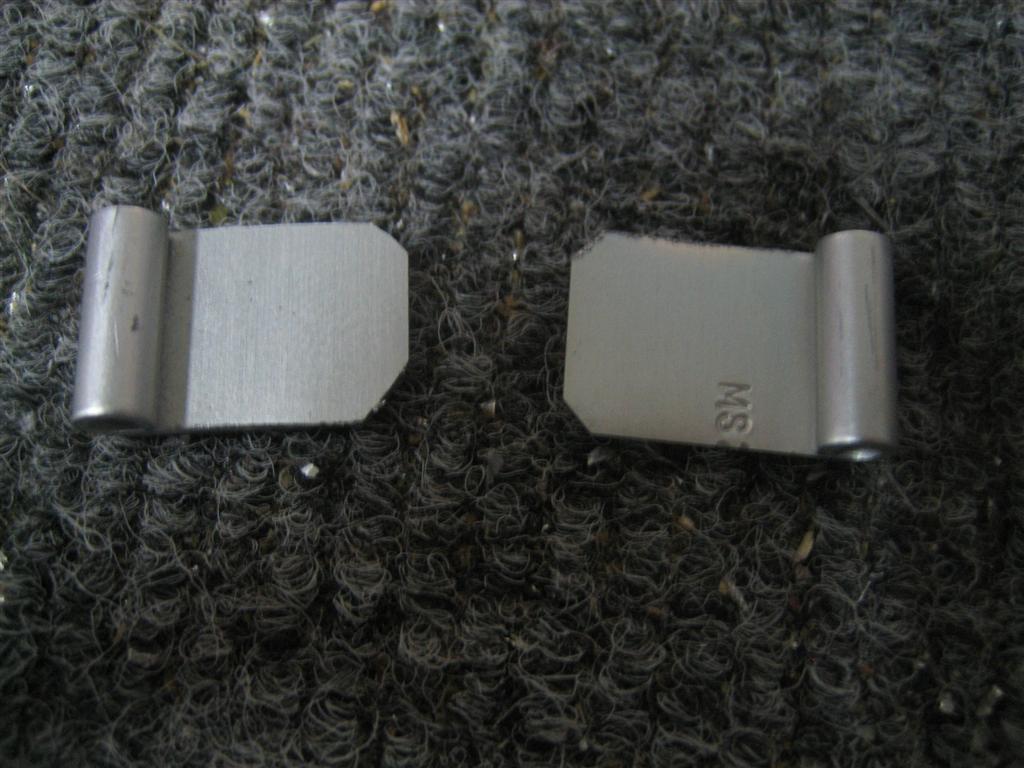
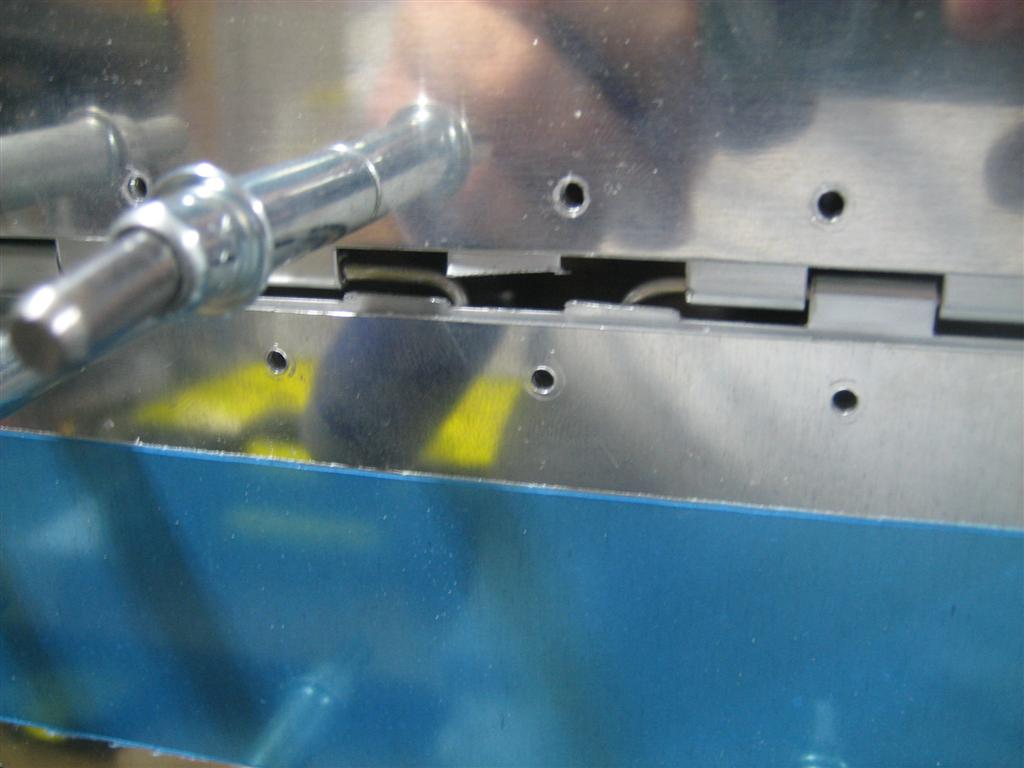
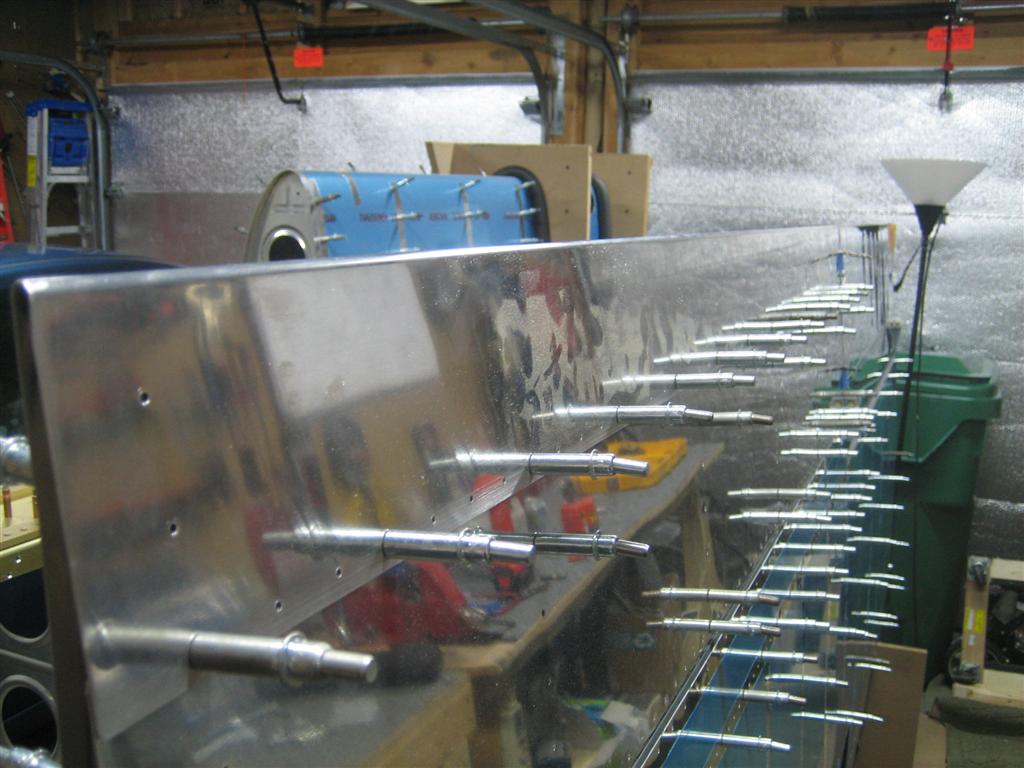
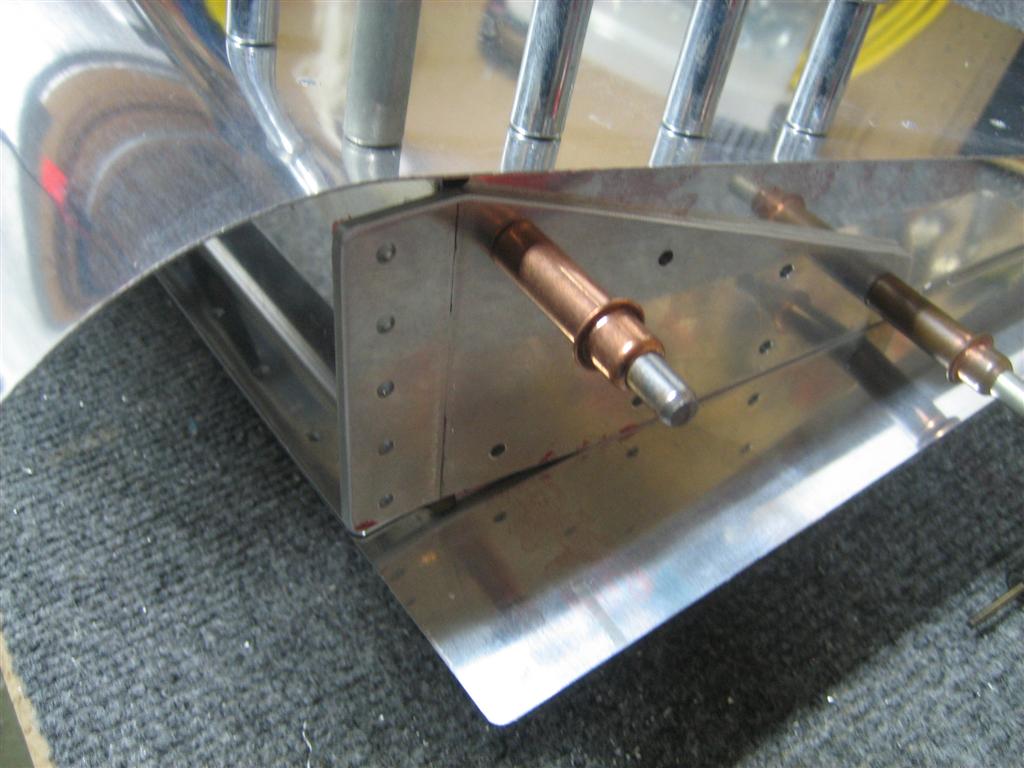
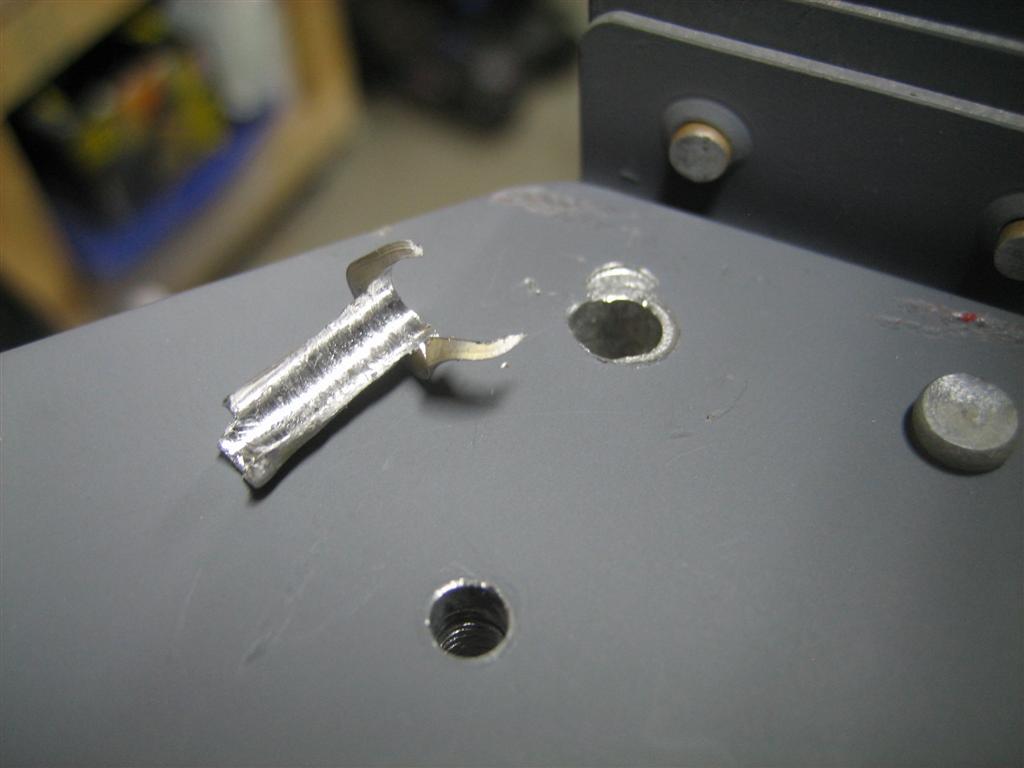
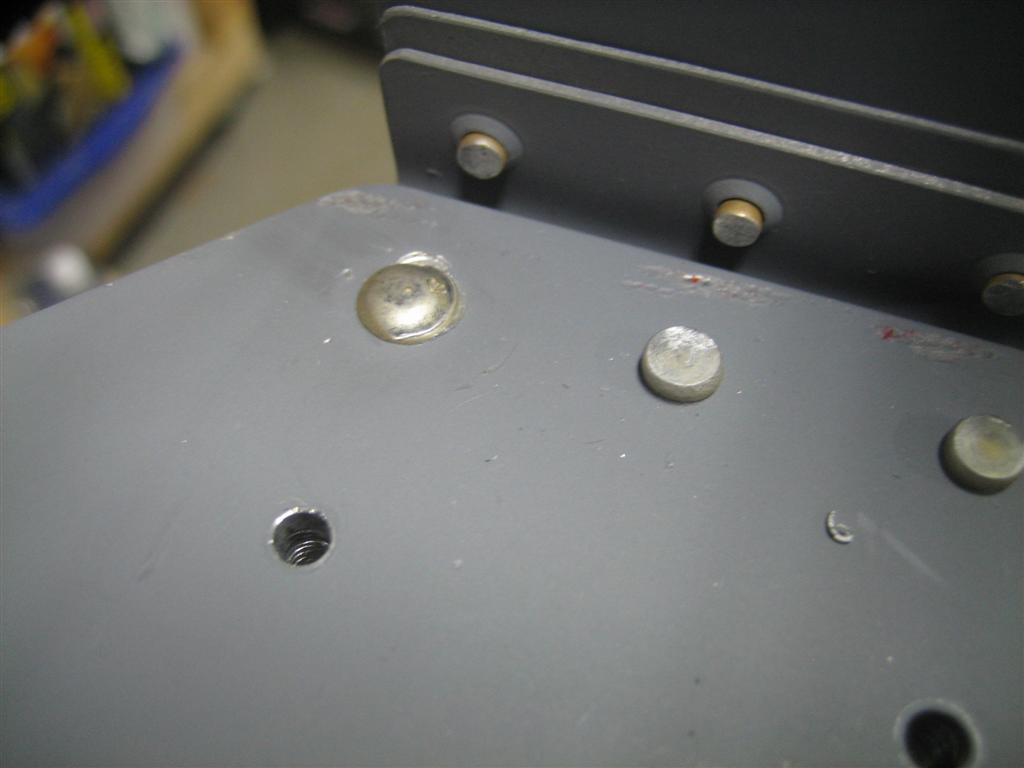
As I was disassembling, I started to remember where I had left off. Oh yeah, I had done the two half-hinges trick, and had cut away some eyelets.

I’ll be sure to clean these up when I’m prepping the hinge.

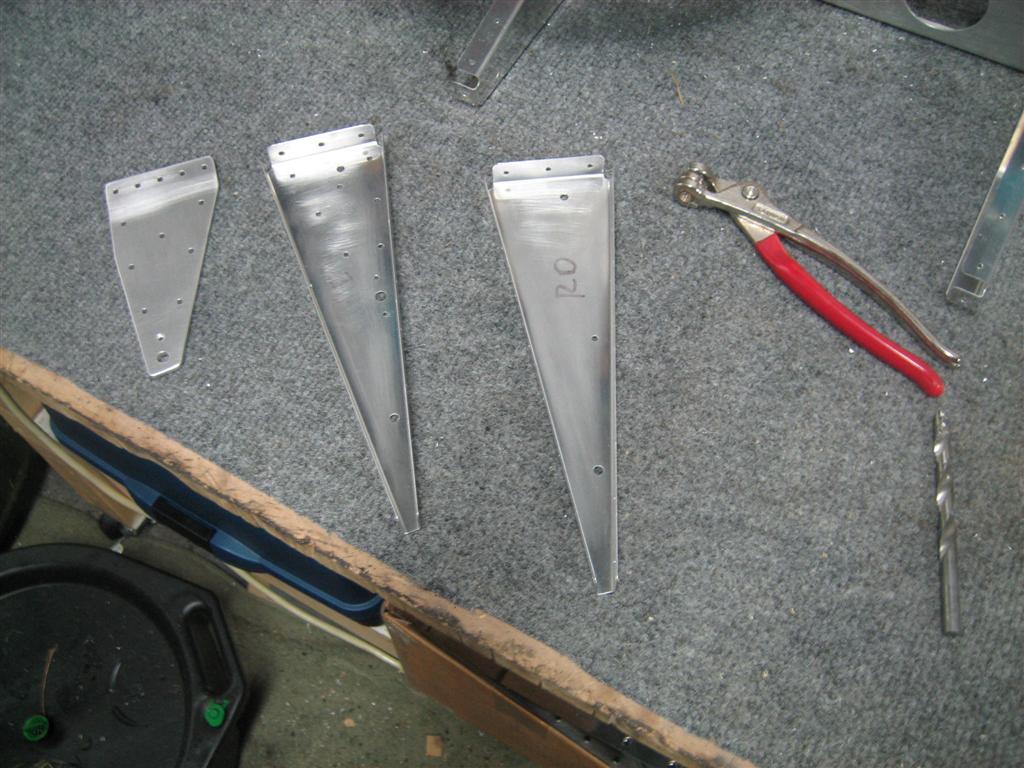
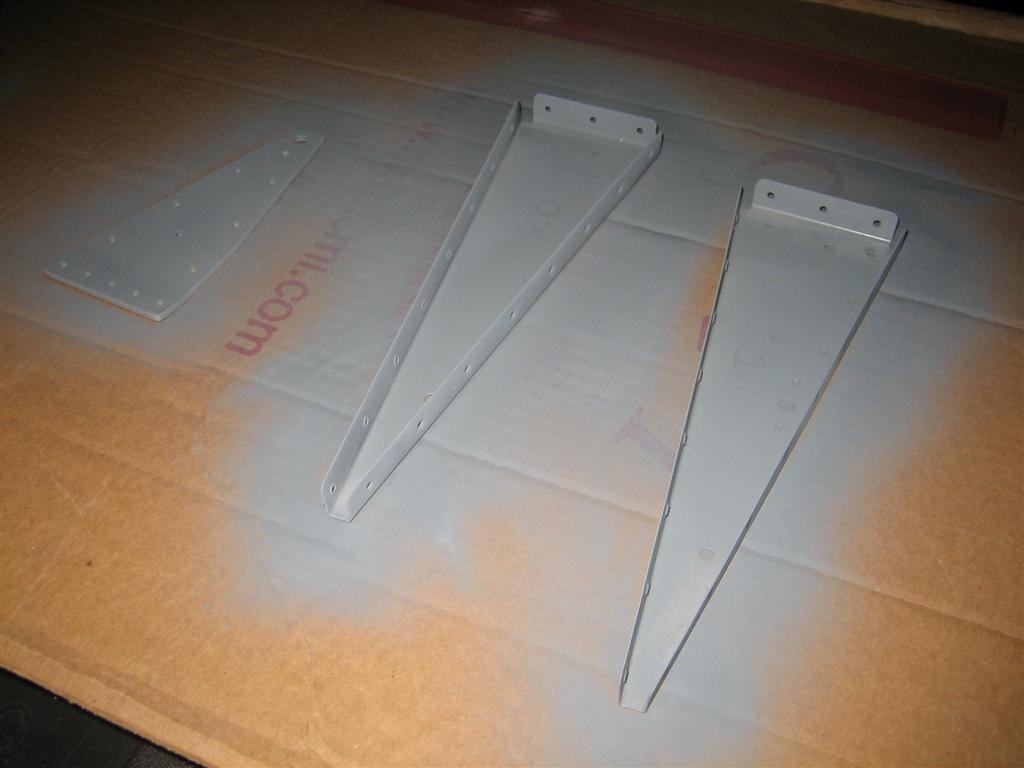
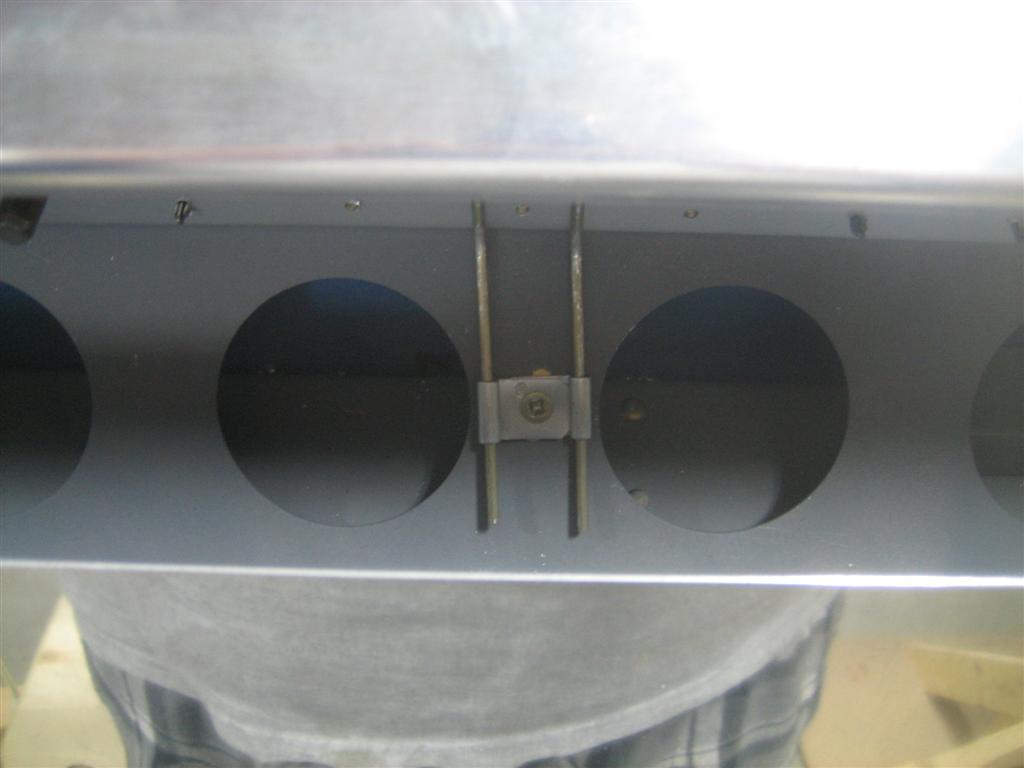
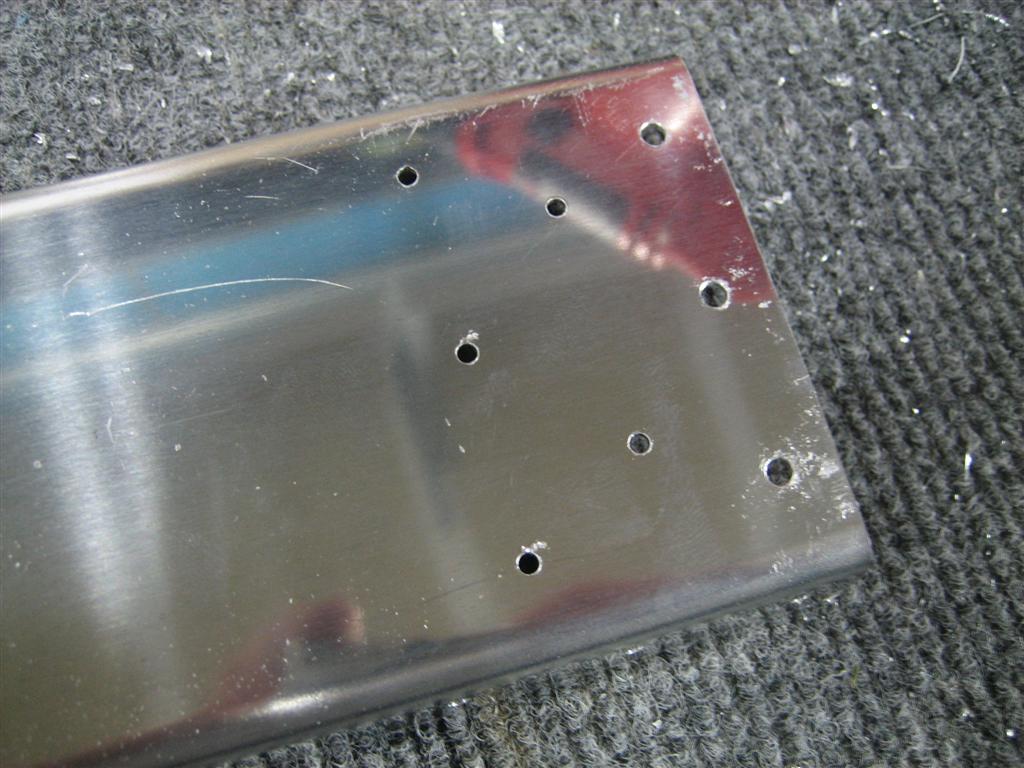
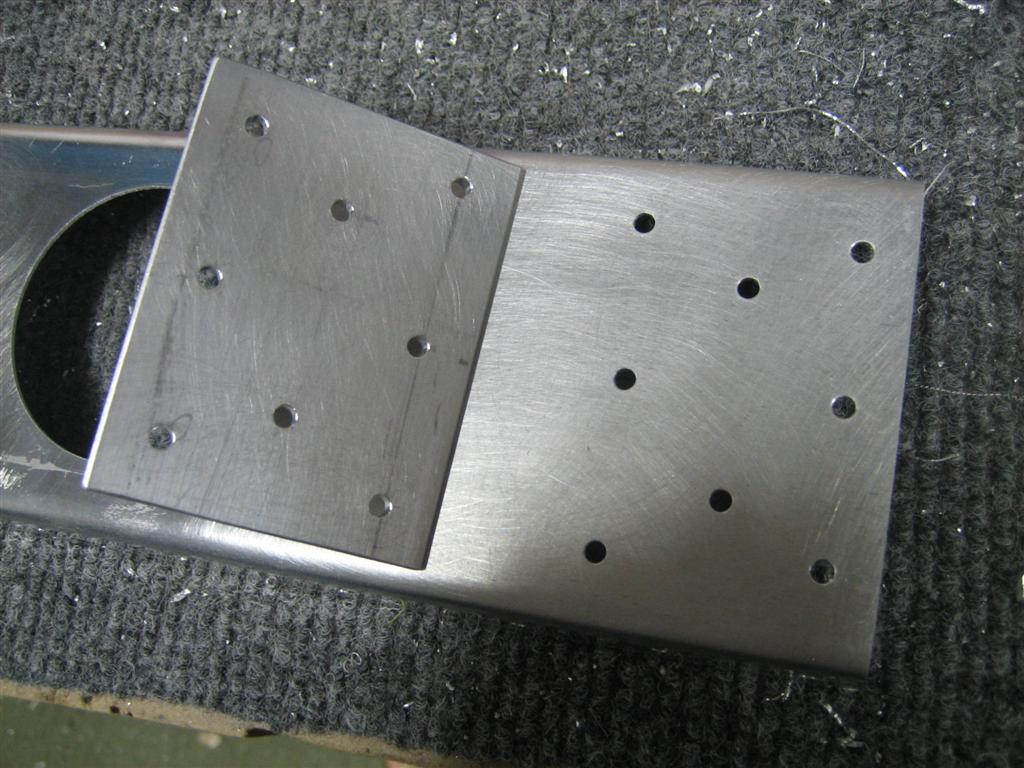
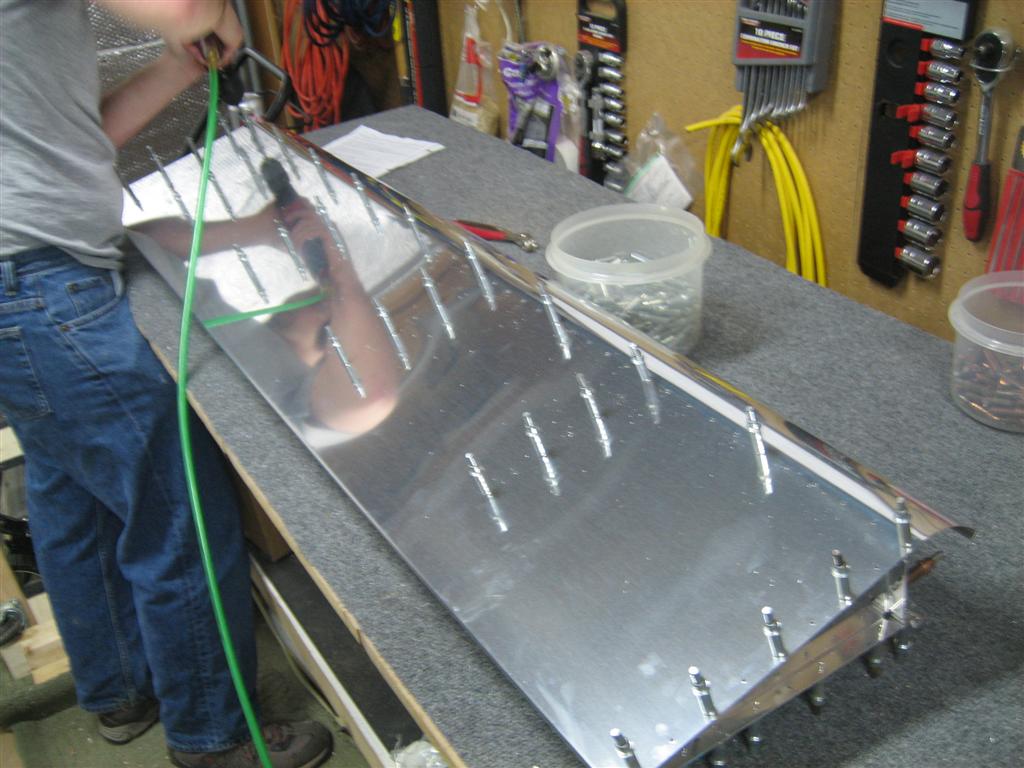
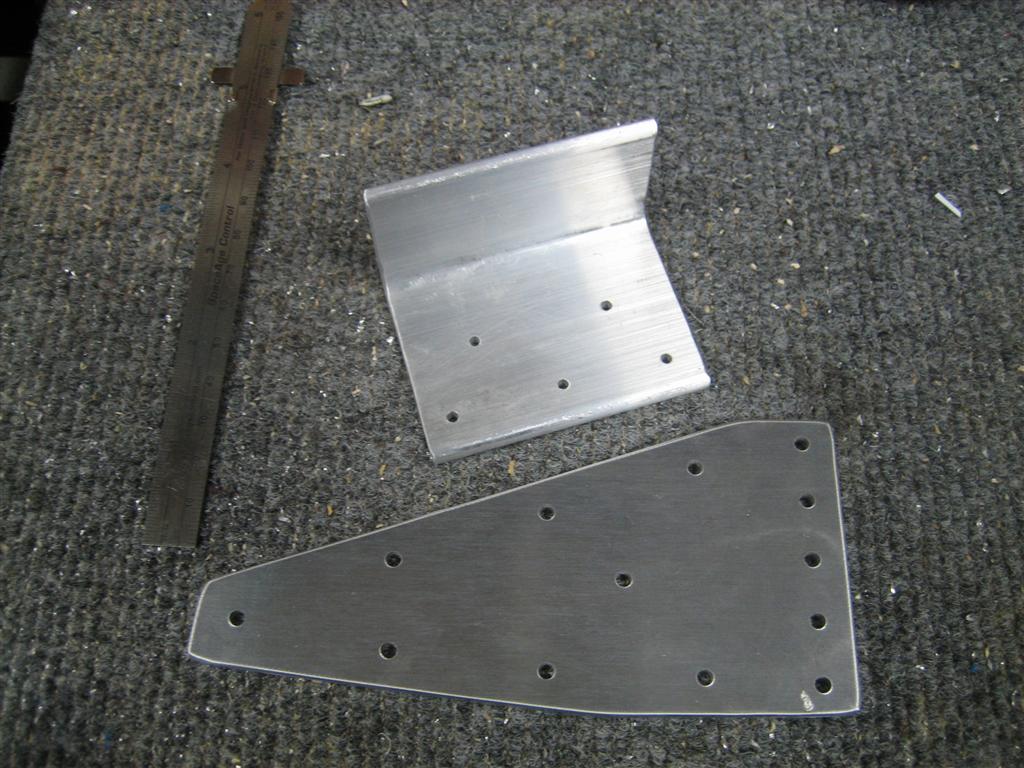
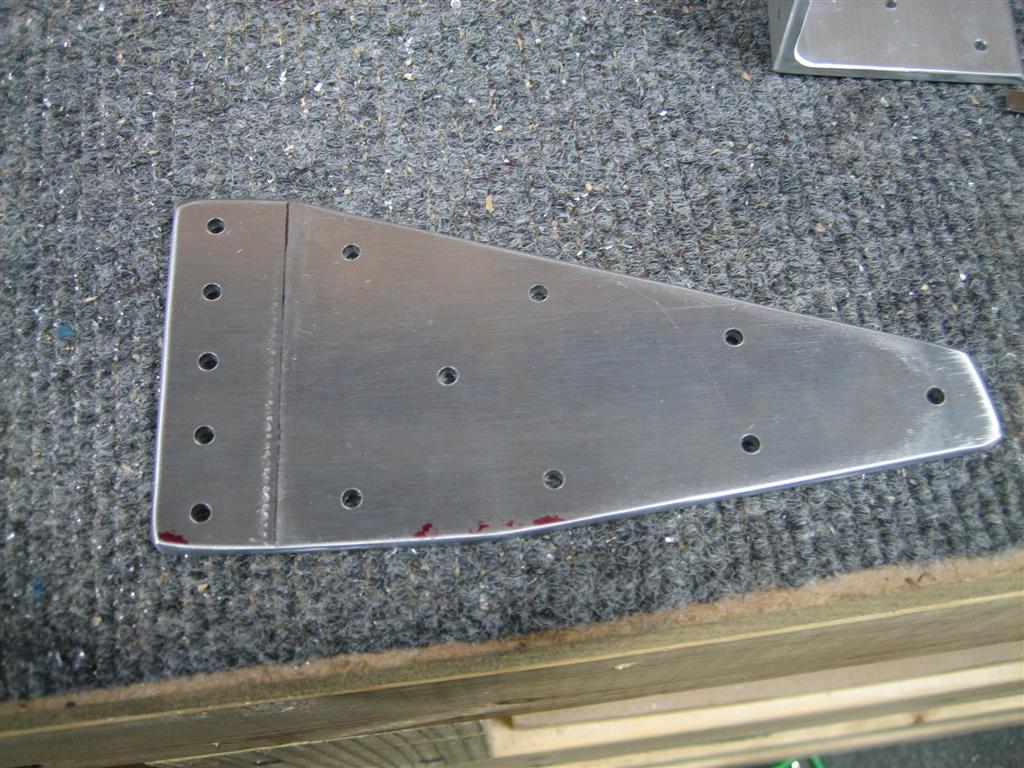
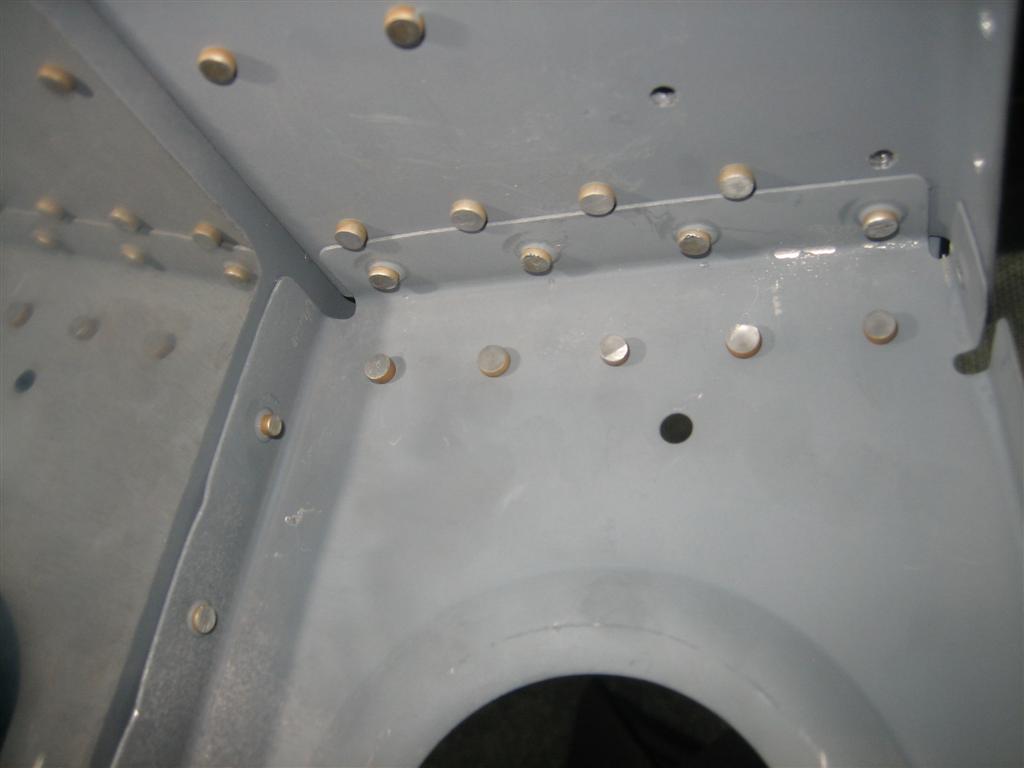
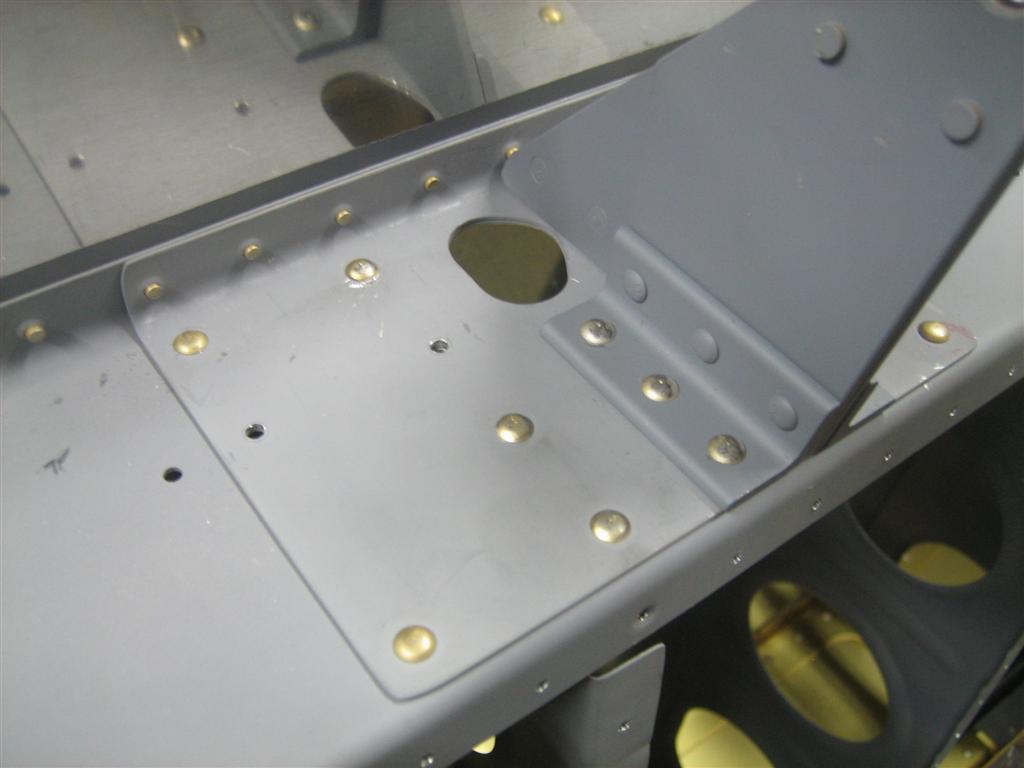
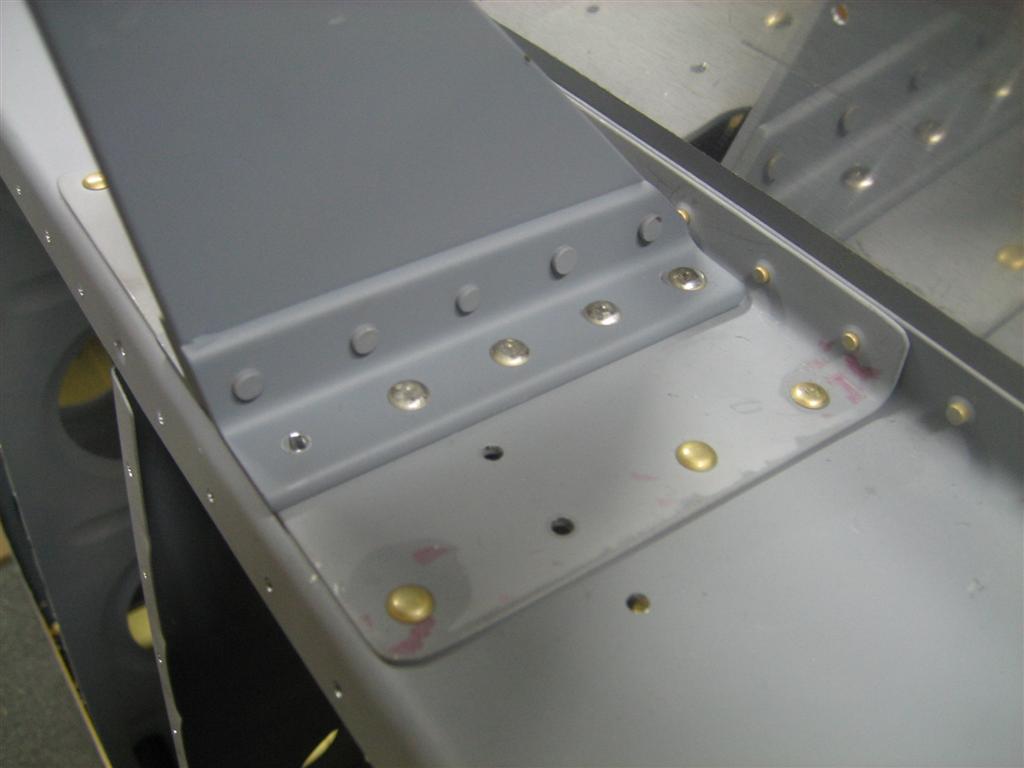
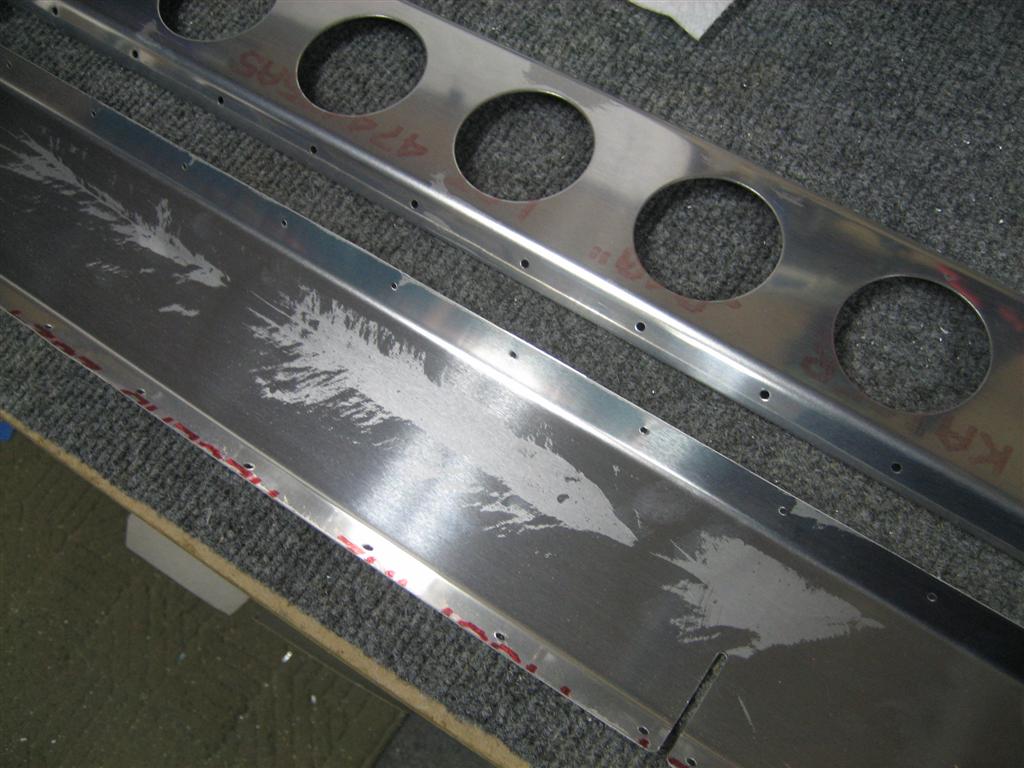
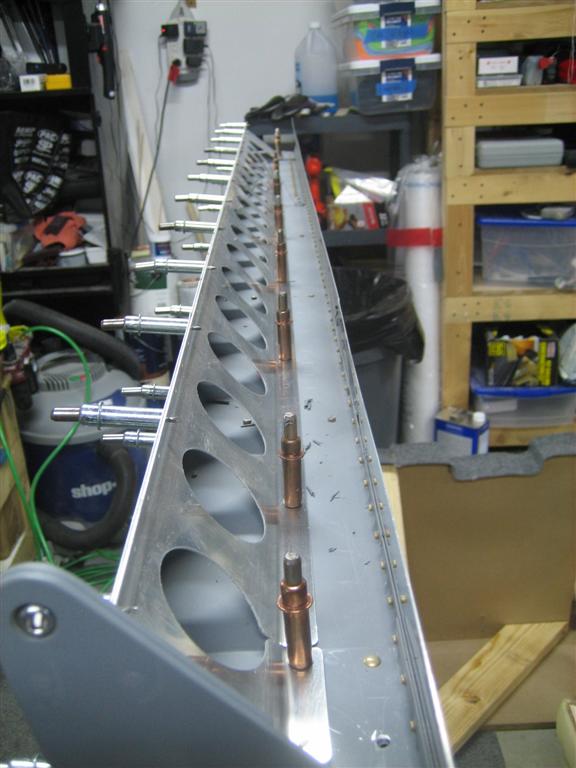
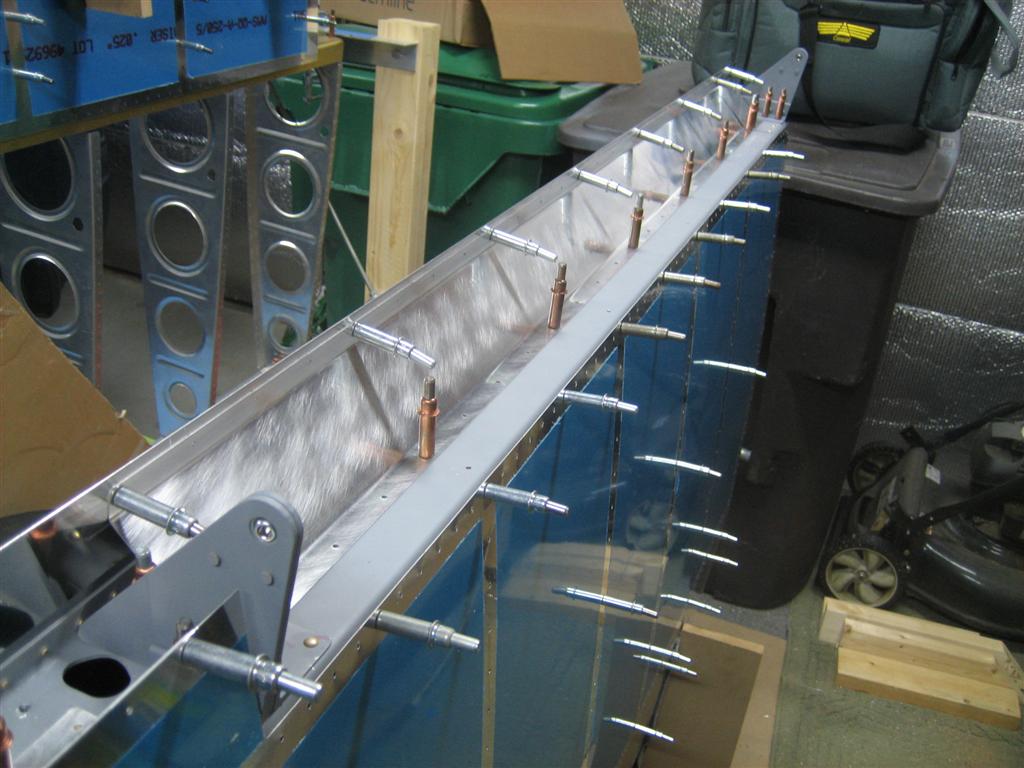
I decided that instead of just deburring a whole bunch of parts, I wanted a nice little chunk of work. So, I grabbed the end ribs and the inboard rib’s reinforcement plate (I gotta go back and study the plans to start memorizing the part numbers again) and got to work deburring, dimpling, etc.

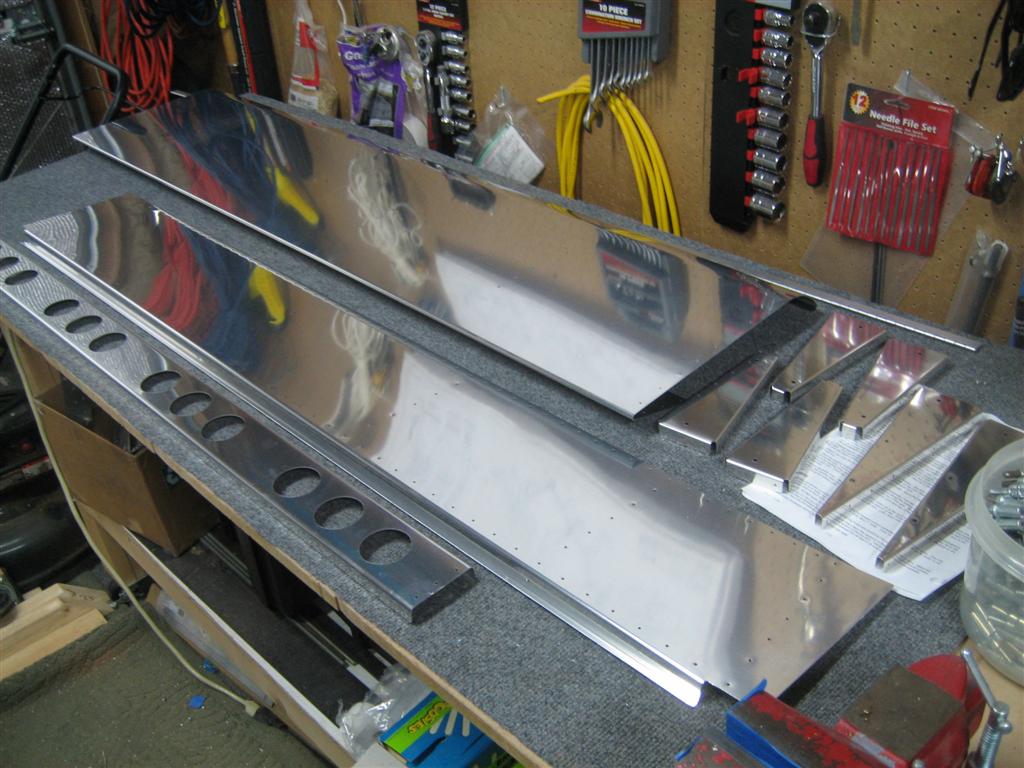
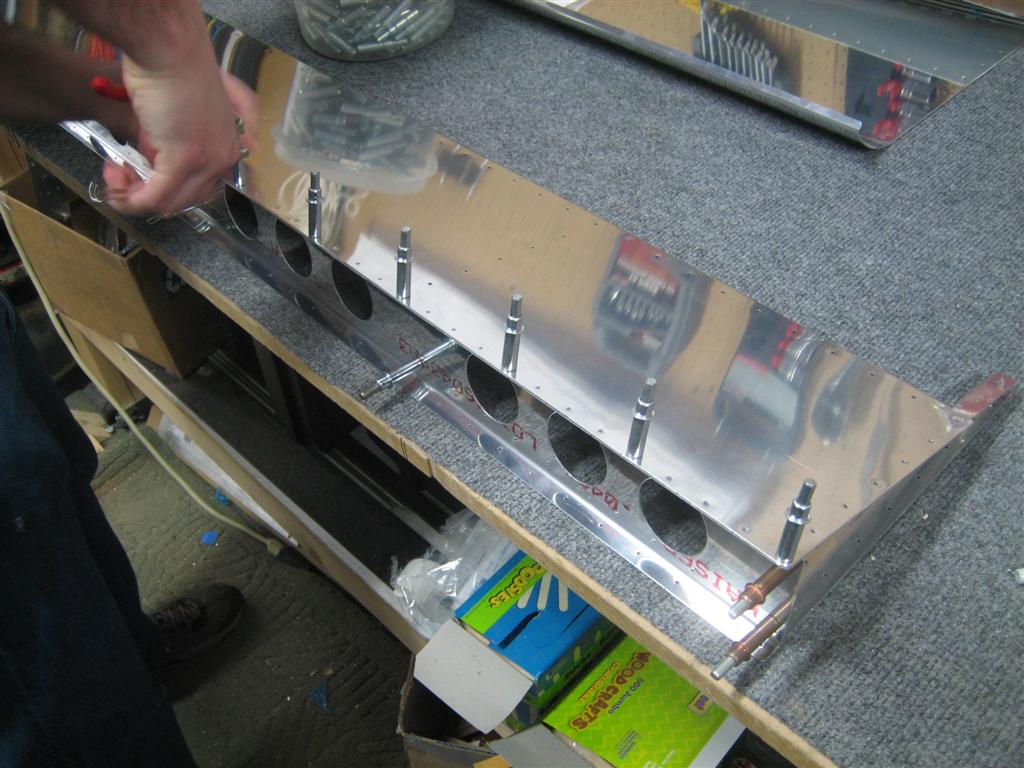
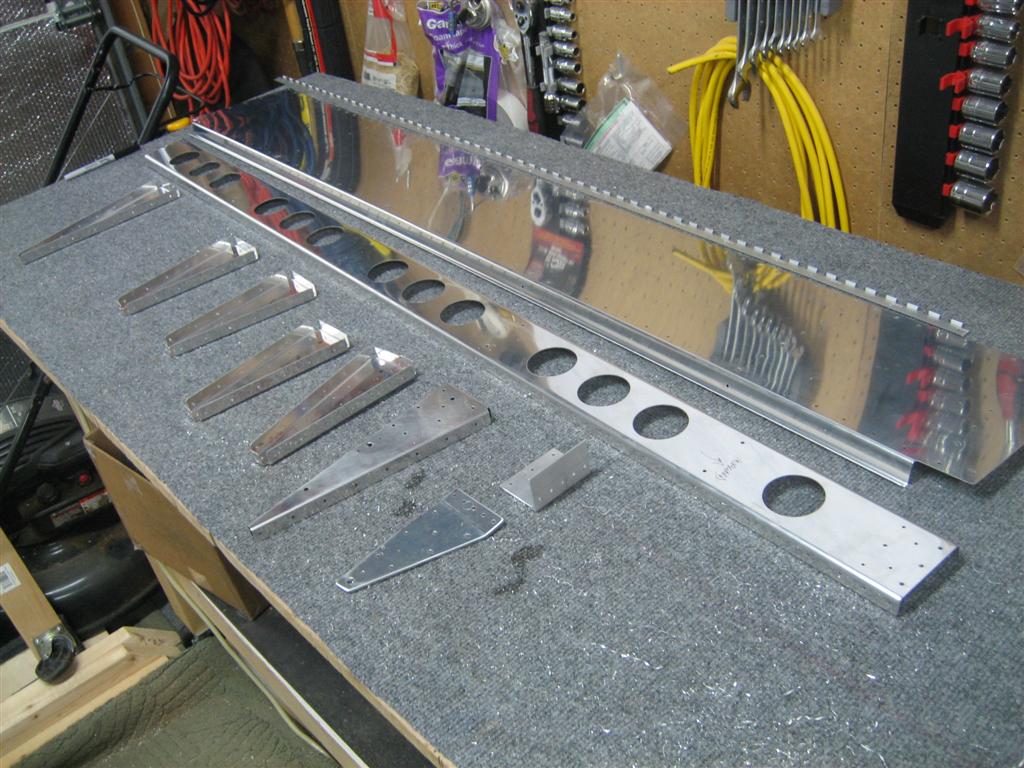
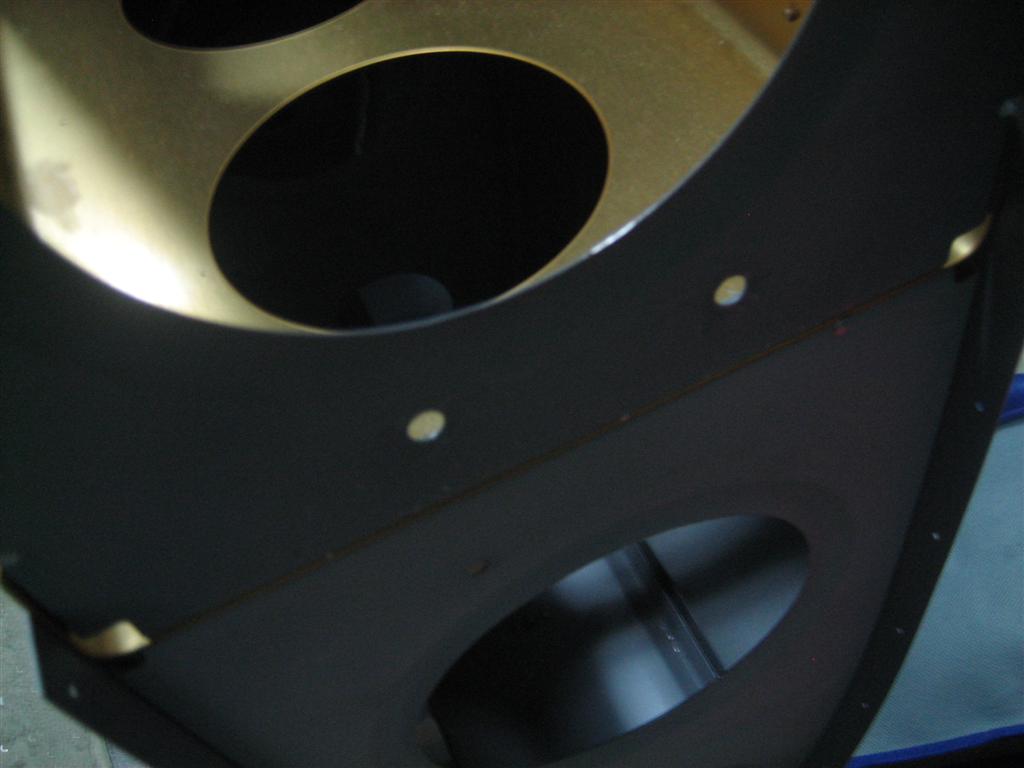
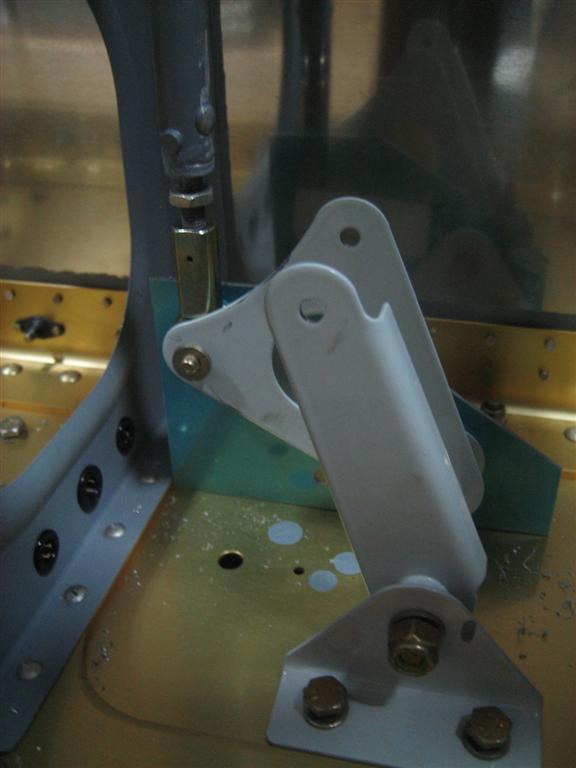
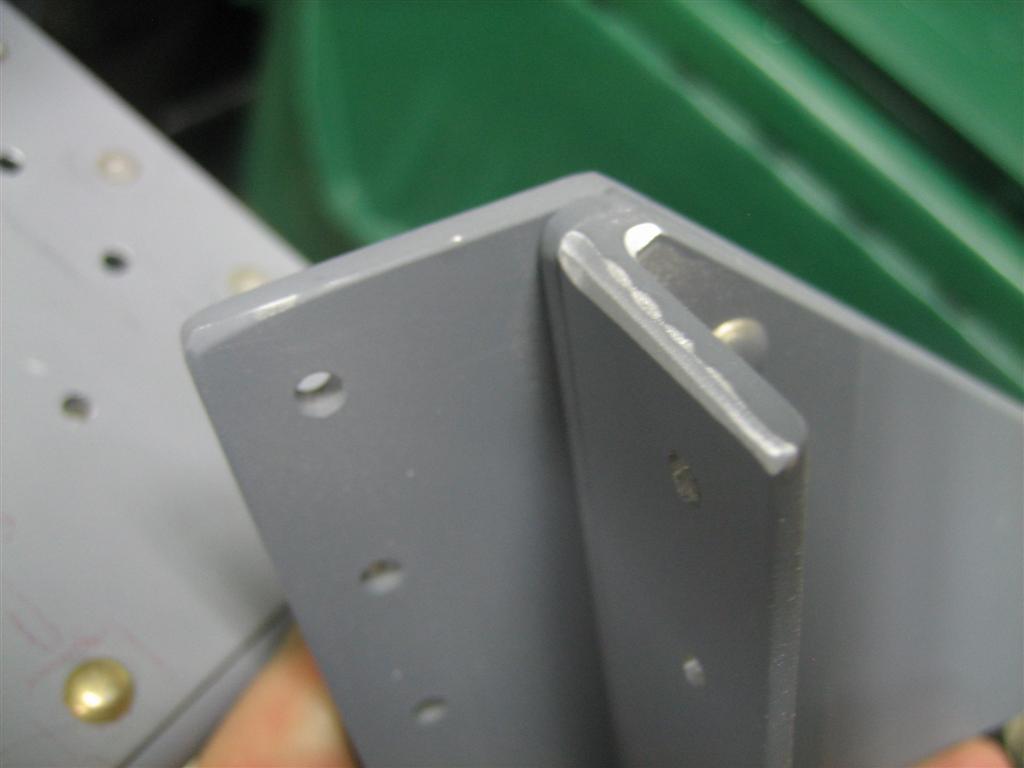
Here are the ribs I’m going to focus on tonight.

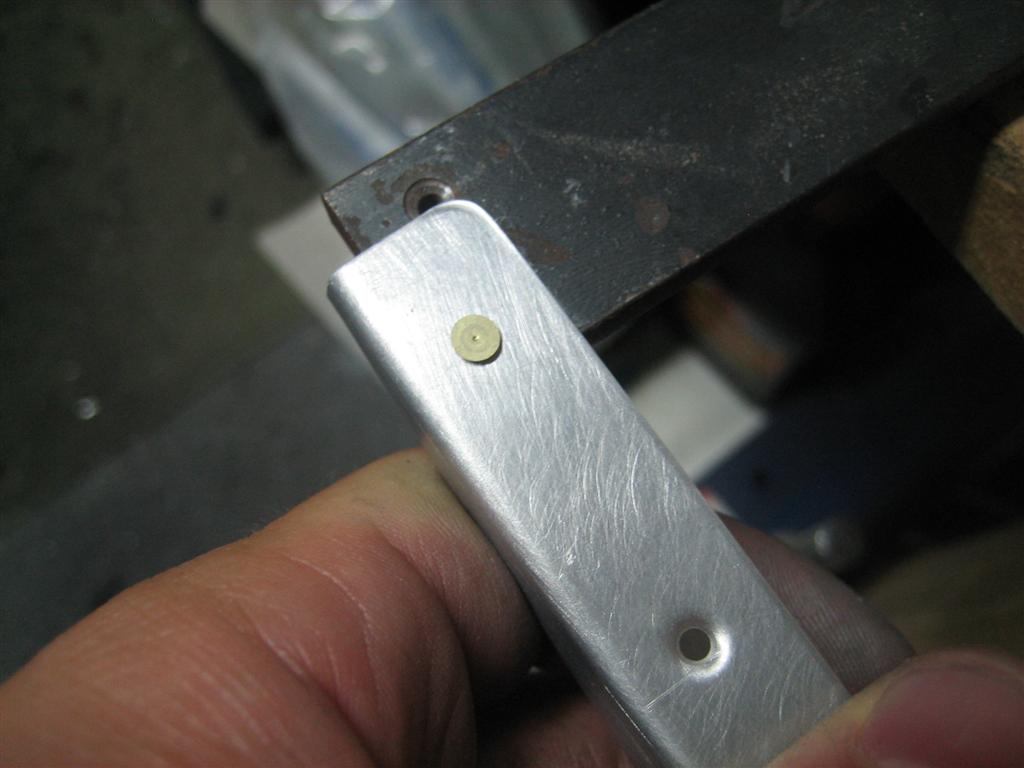
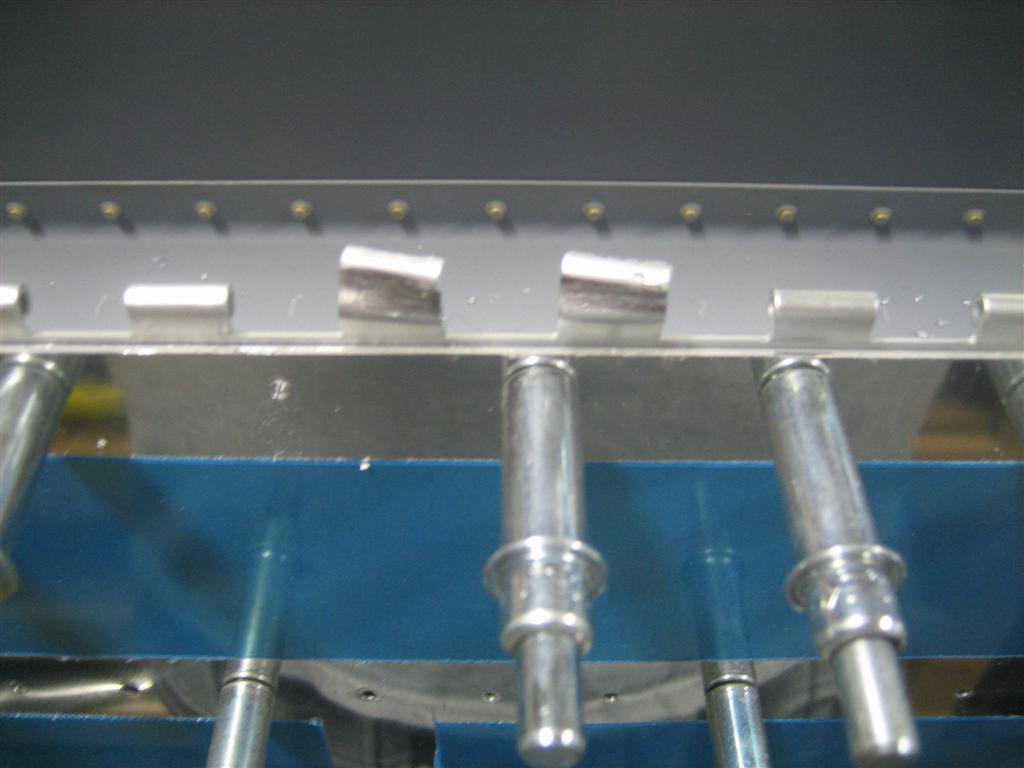
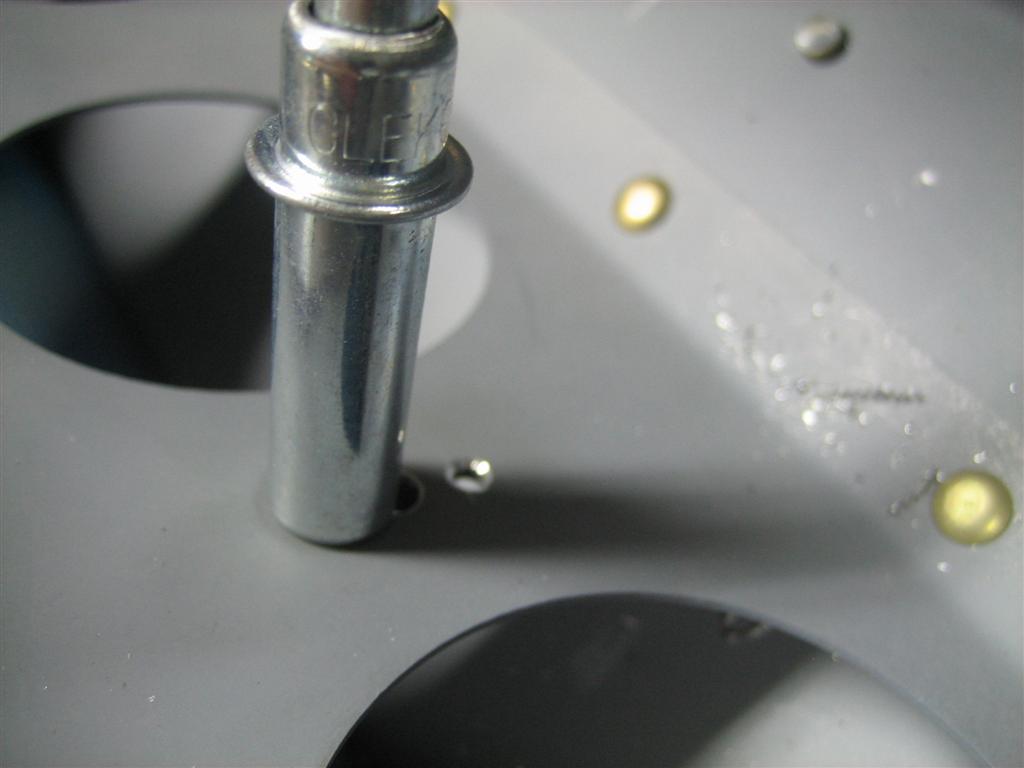
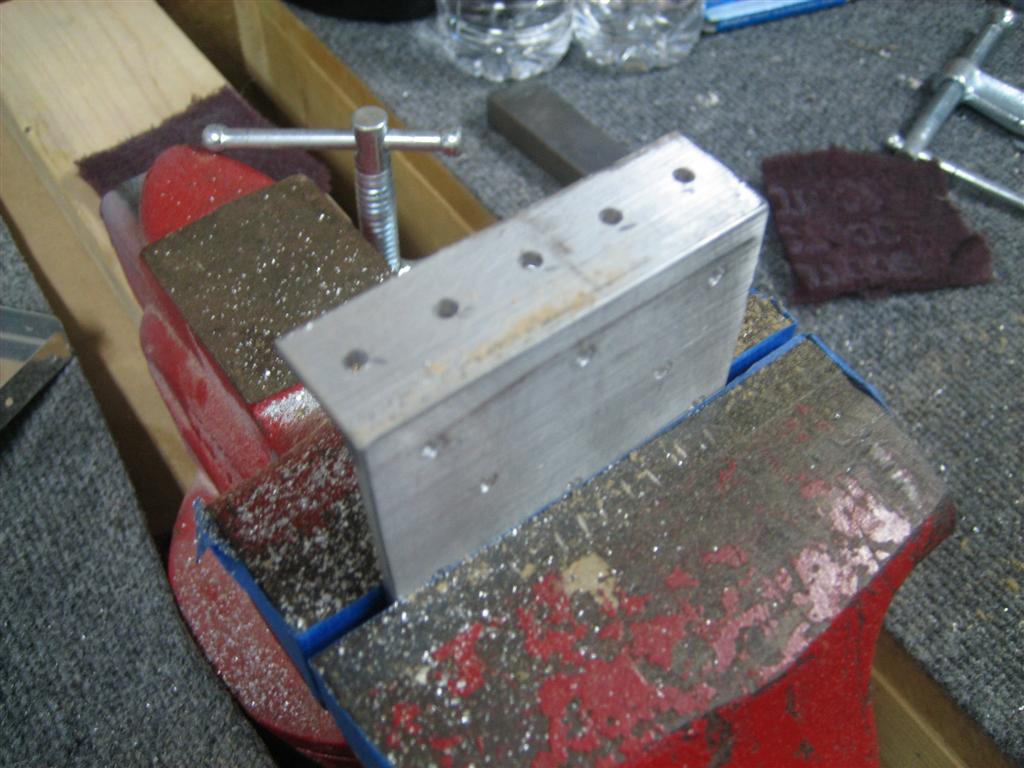
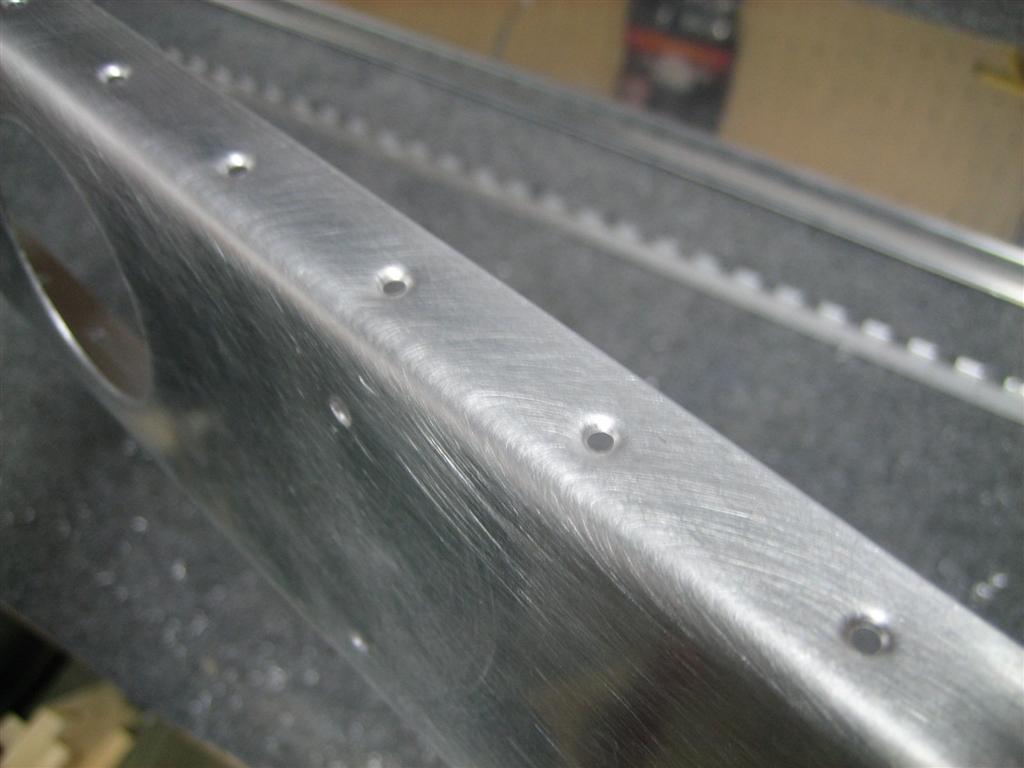
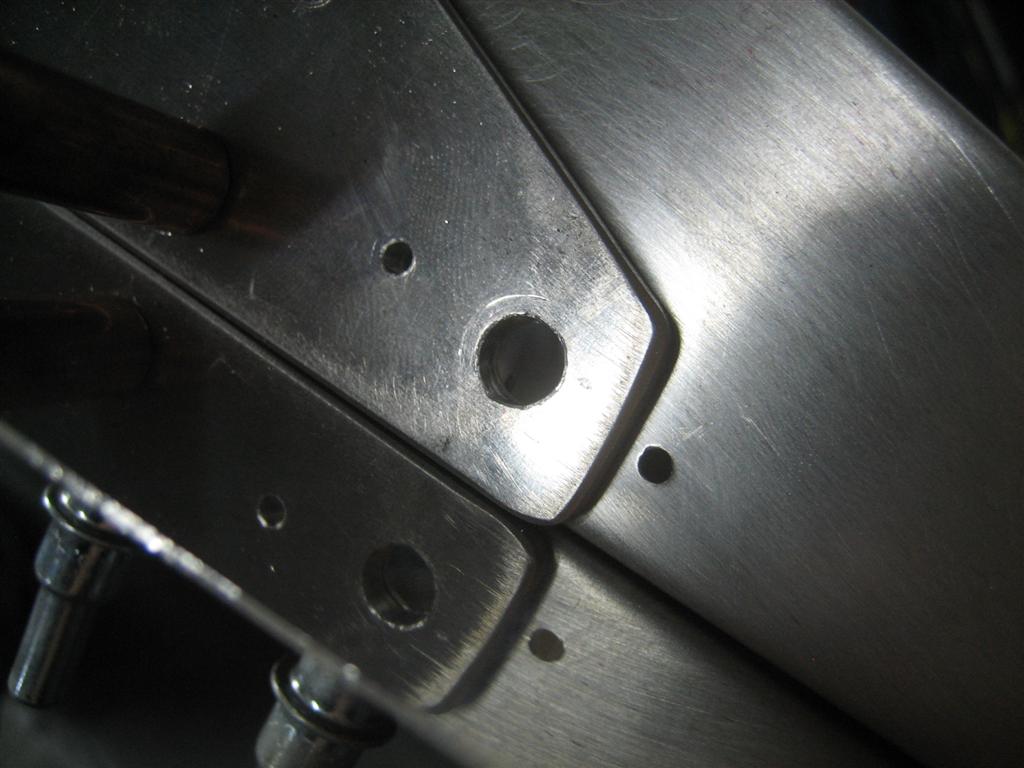
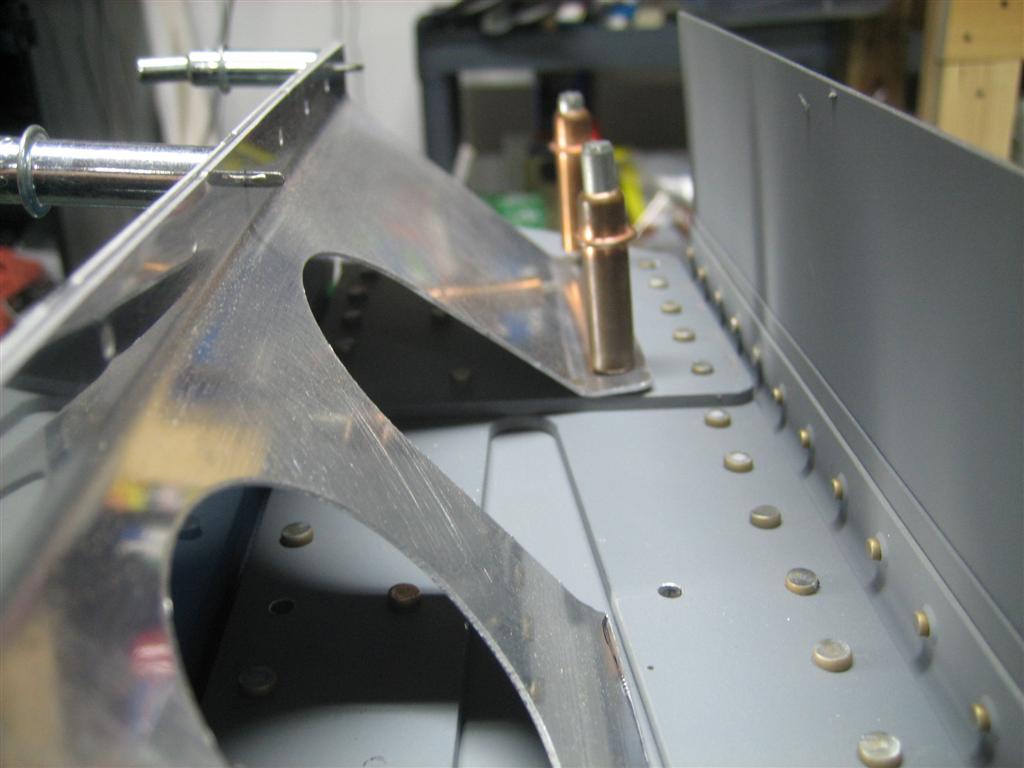
After standard deburring and dimpling where I could reach, I grabbed my 1″ steel bar with the countersunk hole in it and did my flush-set flush rivet dimple trick.

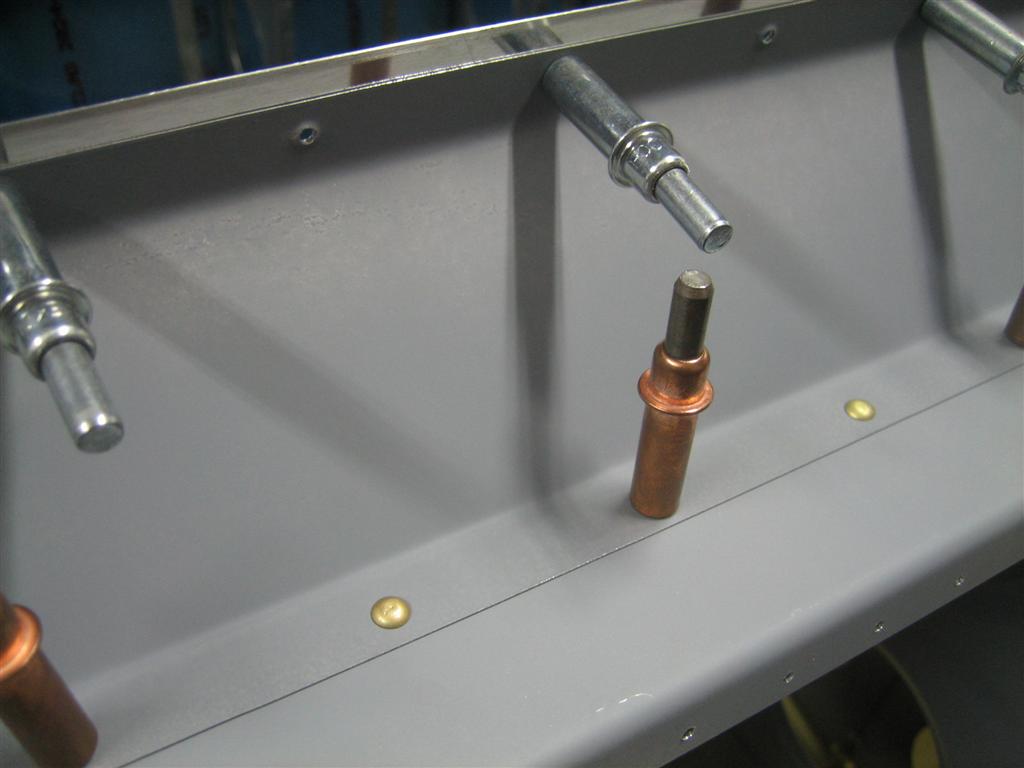
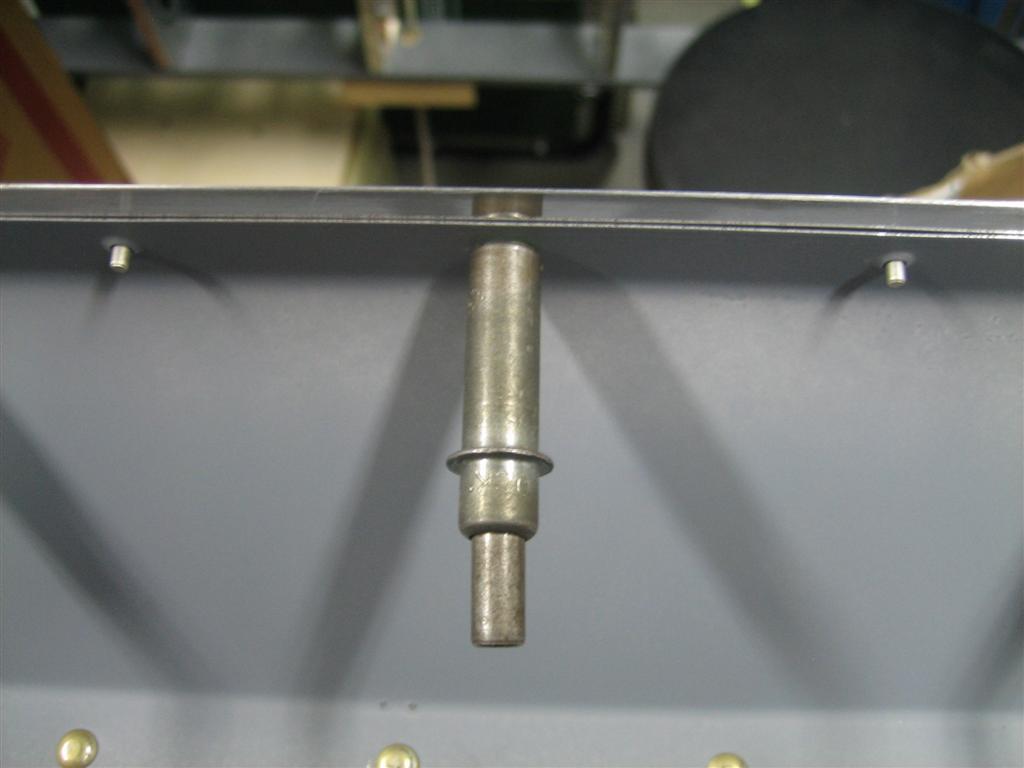
Here’s the setup. Grab the flush set and let ‘er rip.

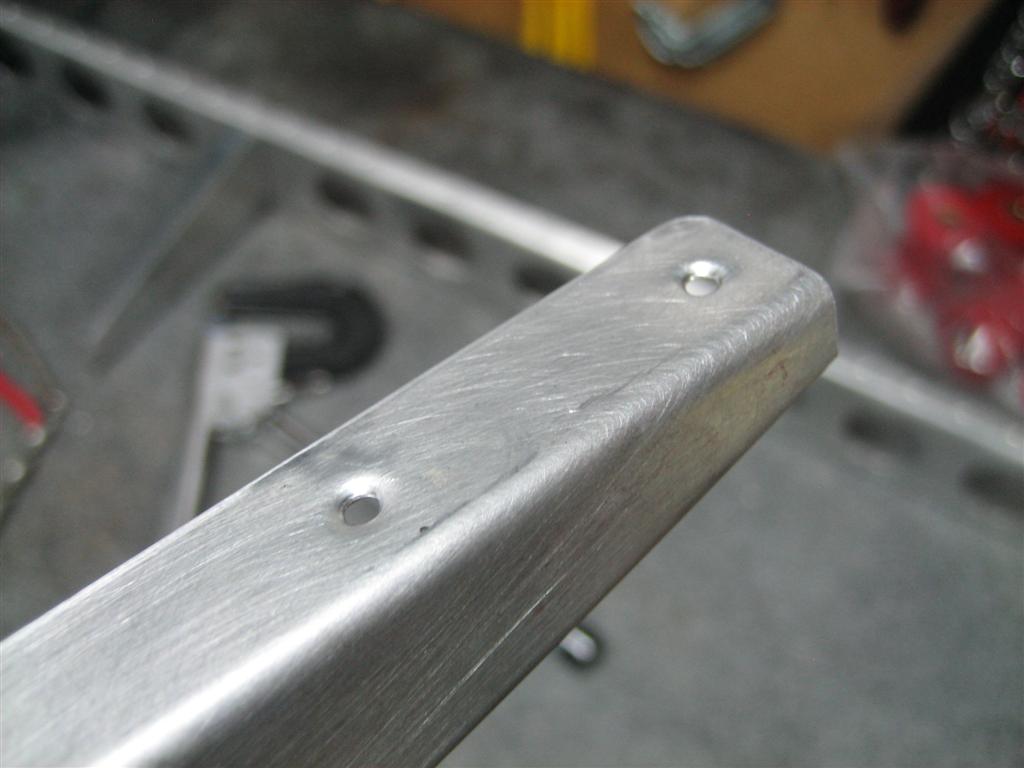
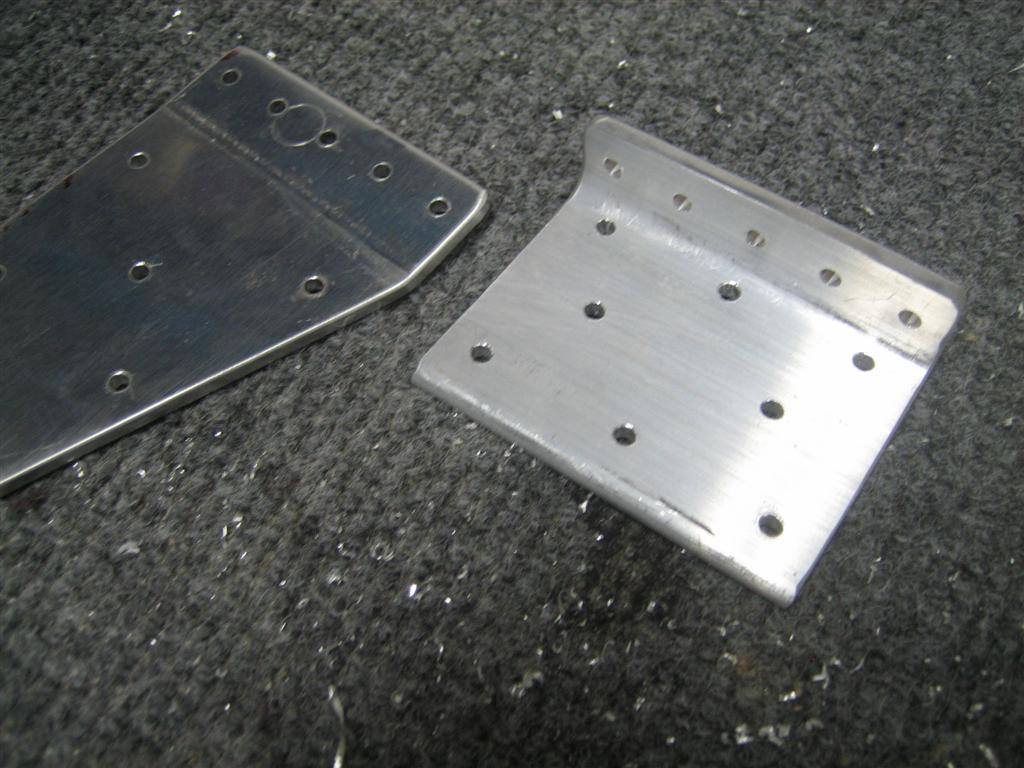
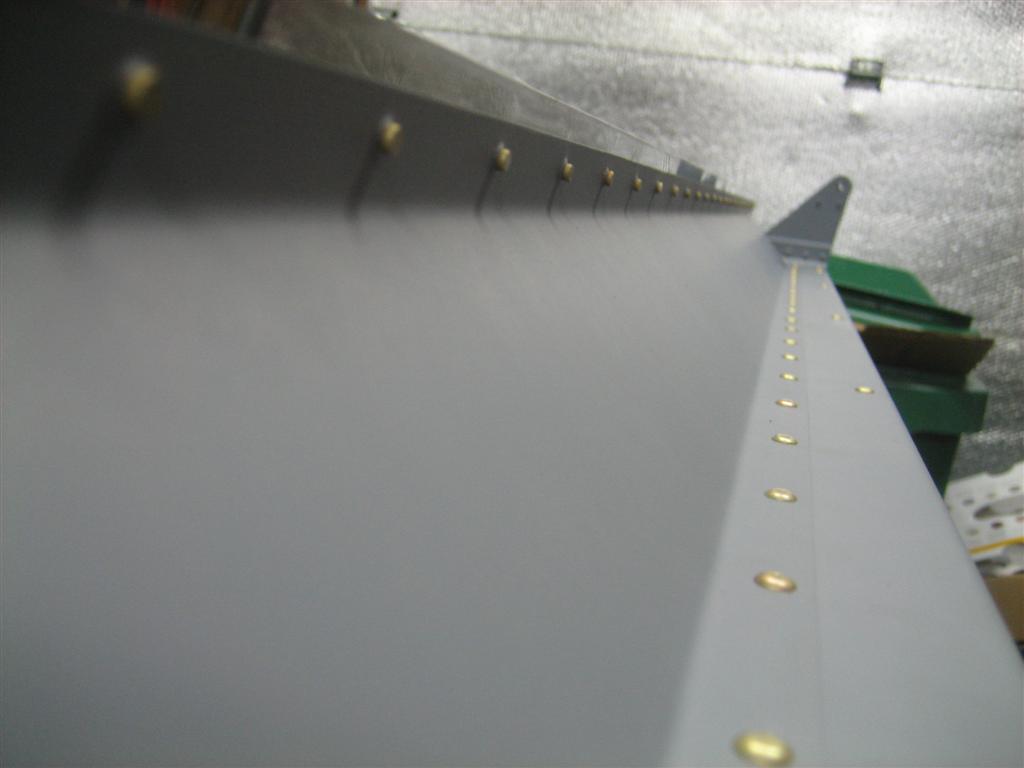
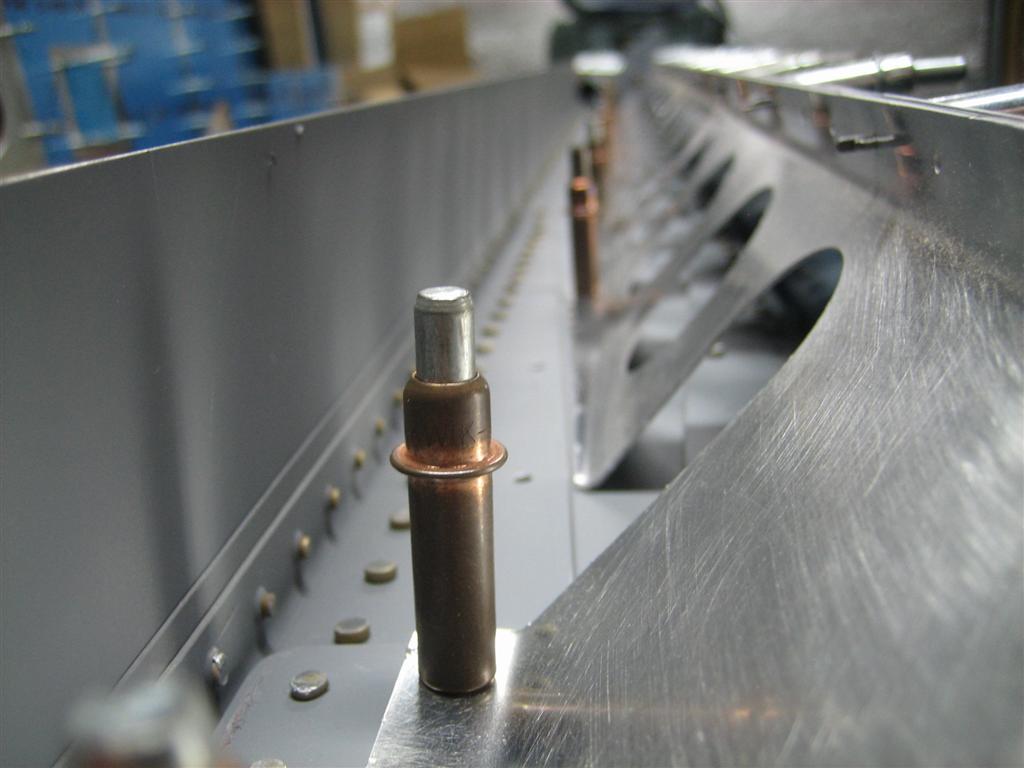
And, the final product.

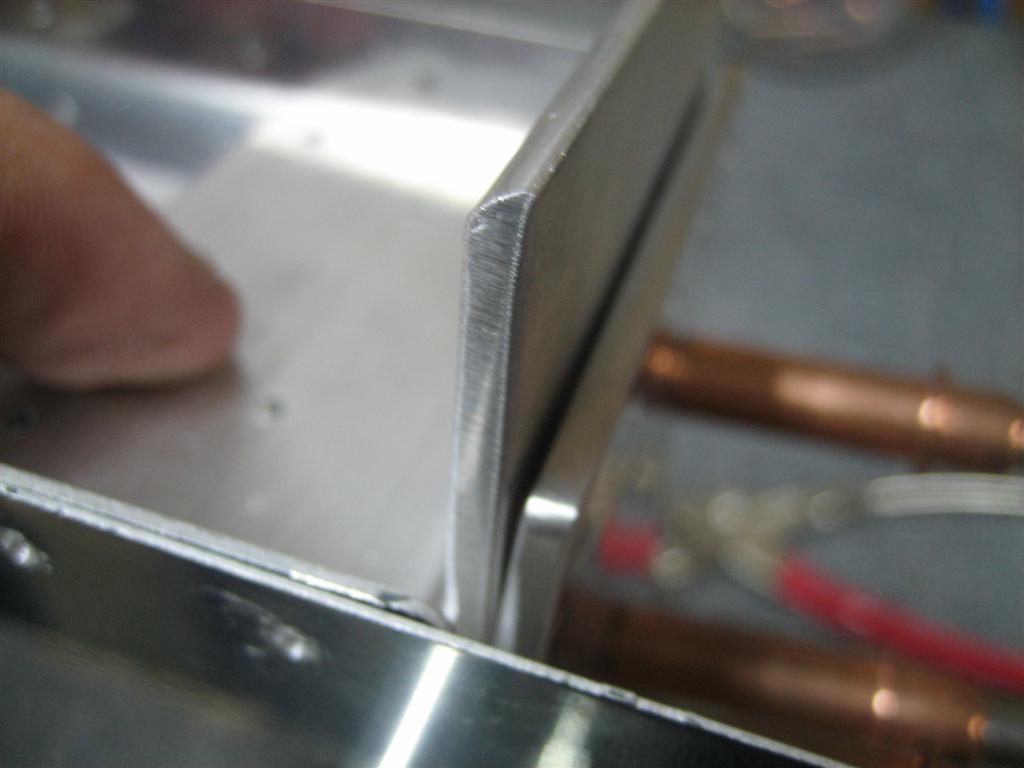
Good end-of-rib dimples. I’ve still got it!

Then, inside for some cleaning, and back outside for the artistry.

By “artistry,” I think I mean “I got more primer on the cardboard than the part.”

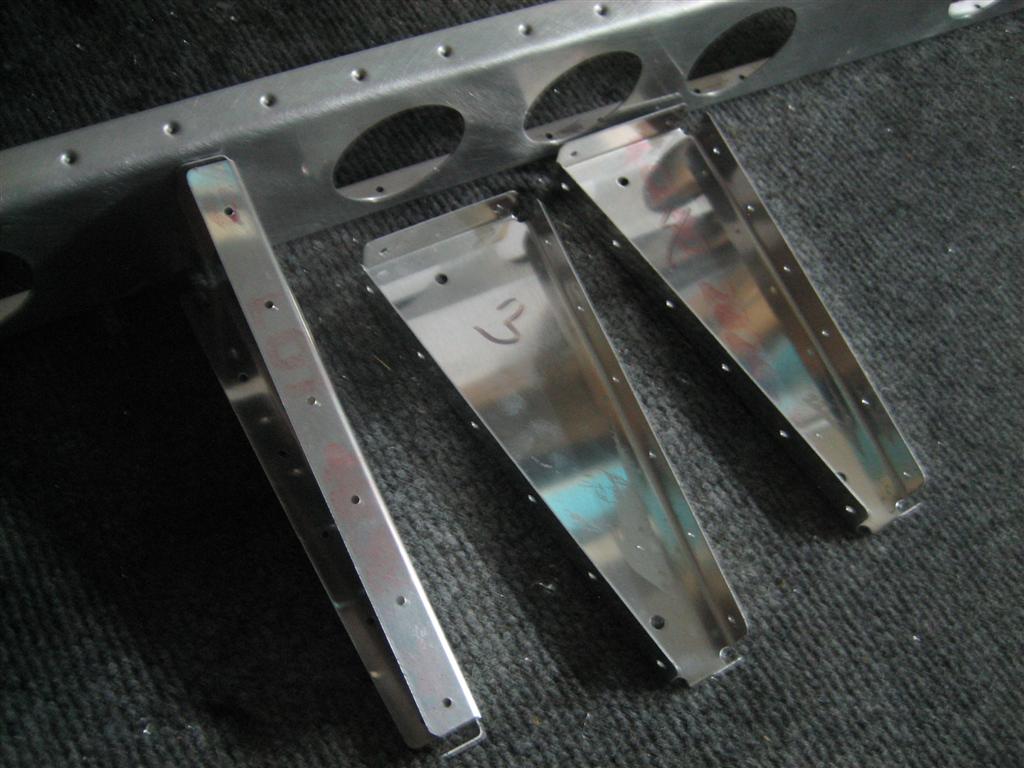
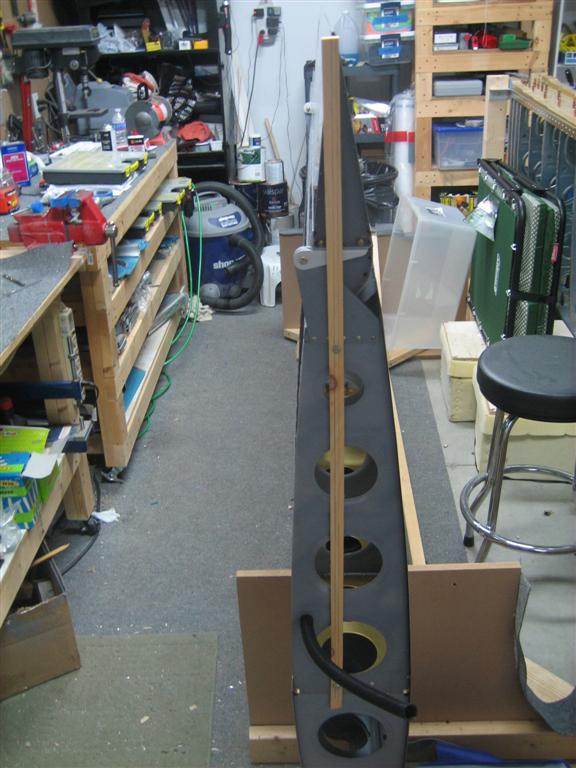
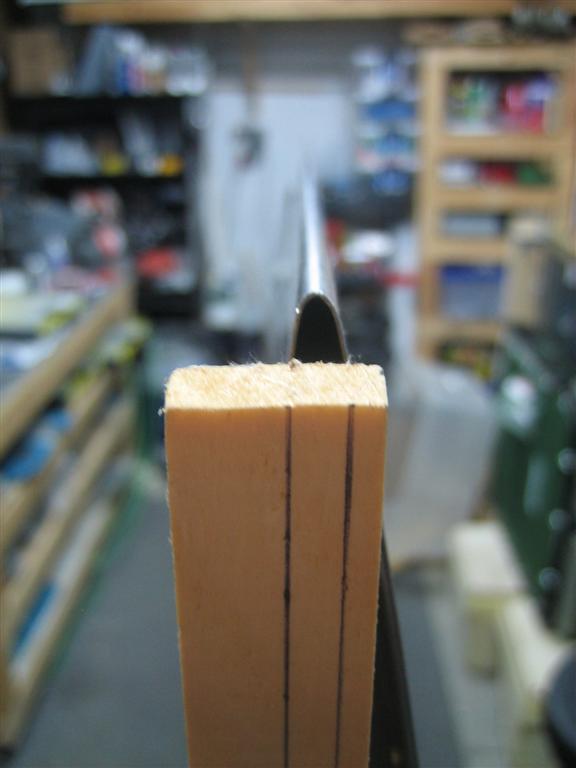
While those parts were drying, I continued disassembly of the other flap parts, including trying to remind myself of the controversy about the right flaps internal ribs not having their flanges mirror the flap plans. I kind of remember that all the left and right flap internal ribs were the same part number, meaning that they wouldn’t be mirrored.

Just a picture to help me remember where I got them from.

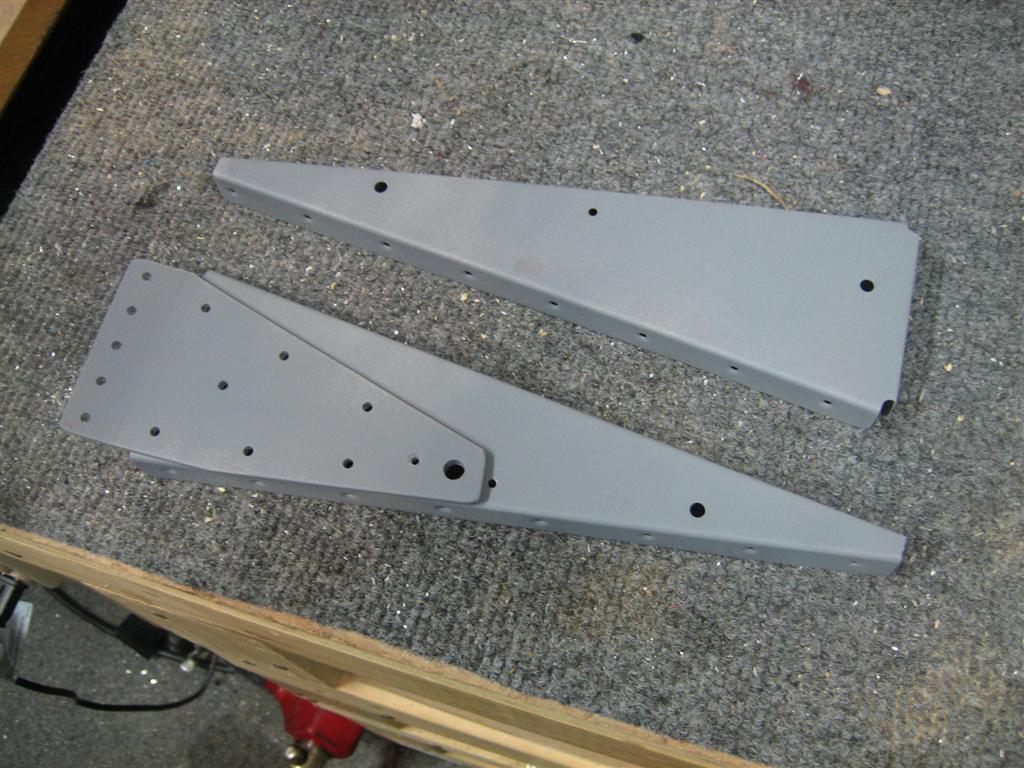
After a few short minutes, the end ribs were dry.

I forgot how much I love primed parts.

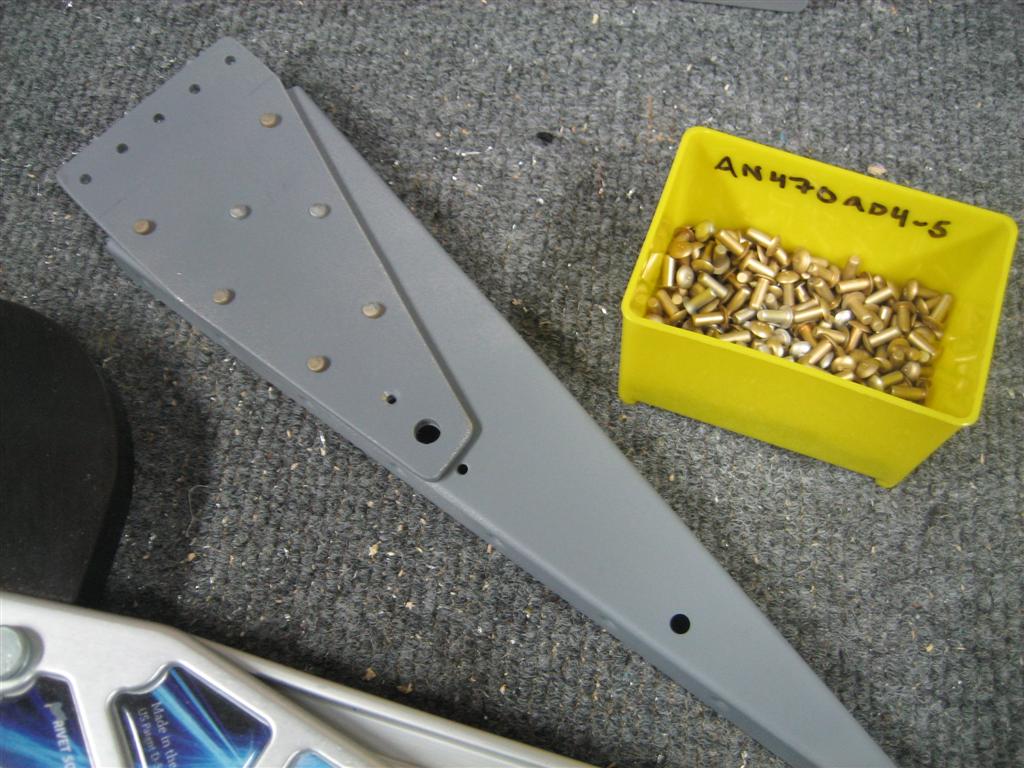
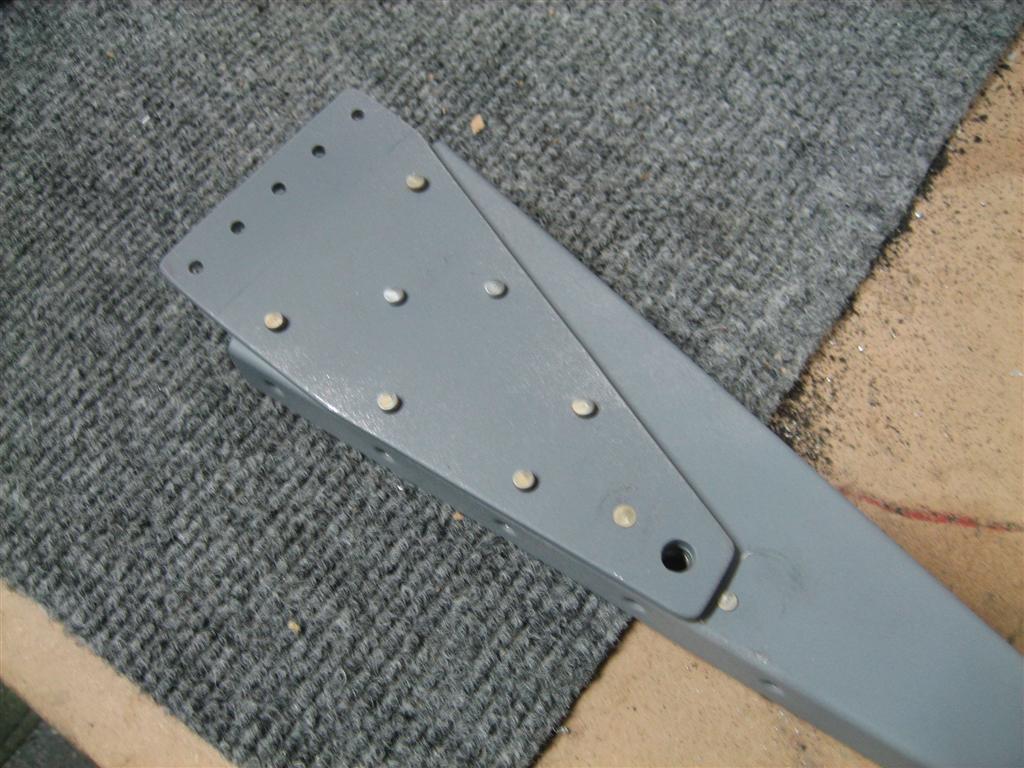
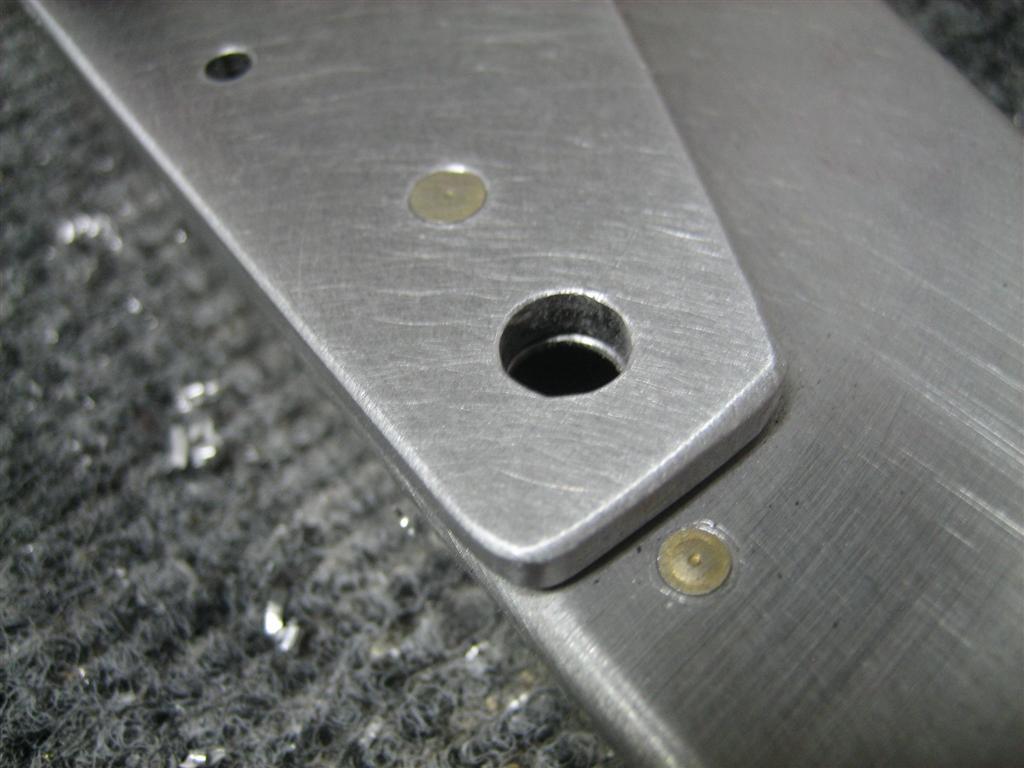
After I whipped out the Main Squeeze and some AN470AD4-5 rivets, I had a little mini assembly. Wuhoo!

7 rivets! No drilling.

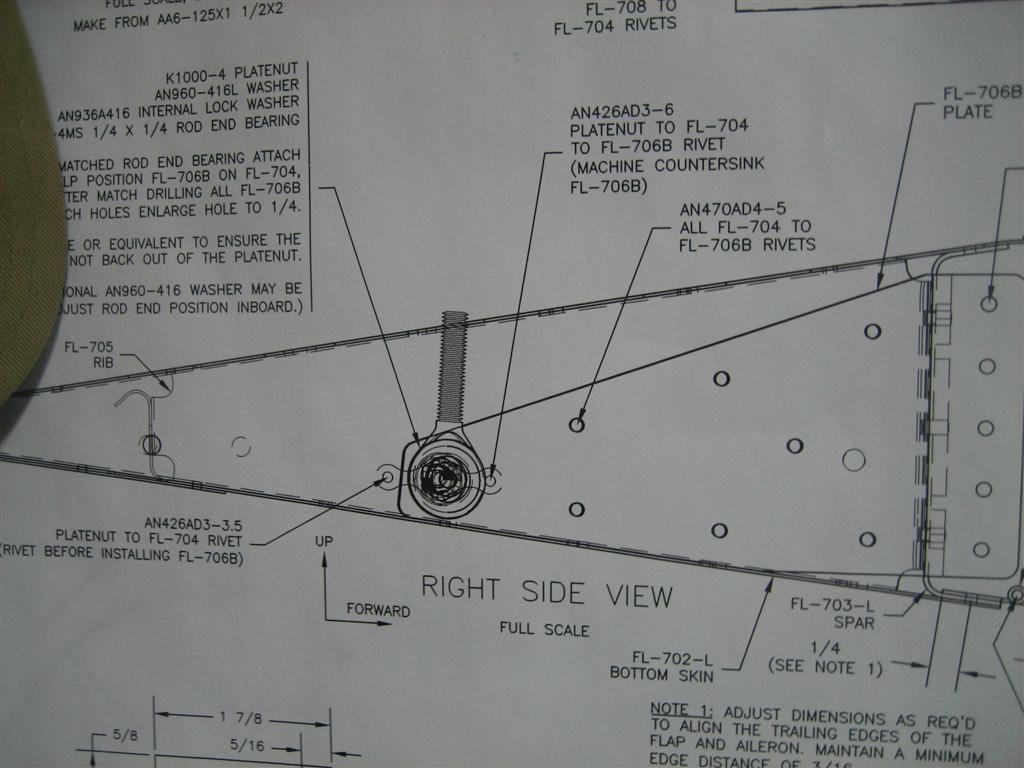
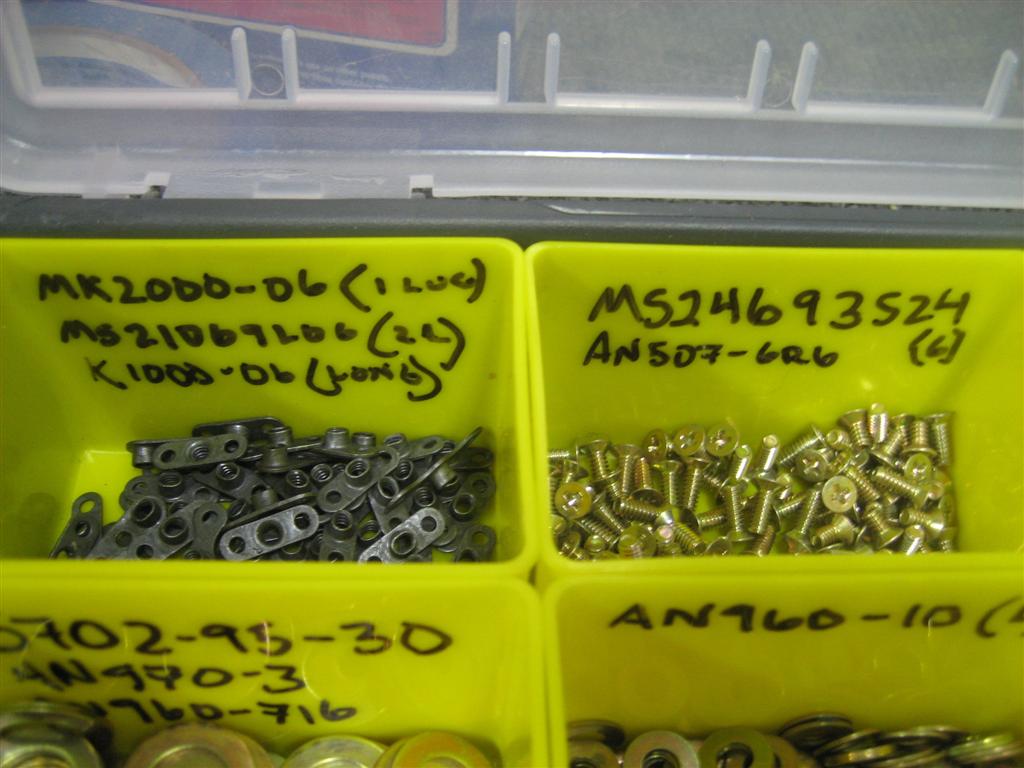
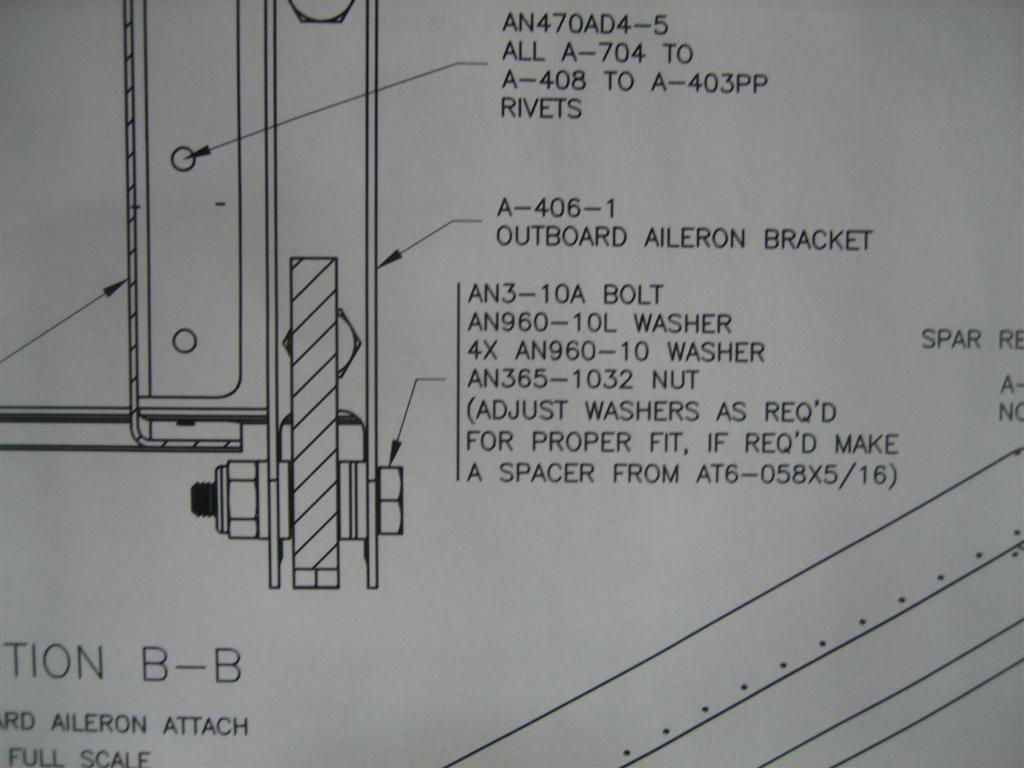
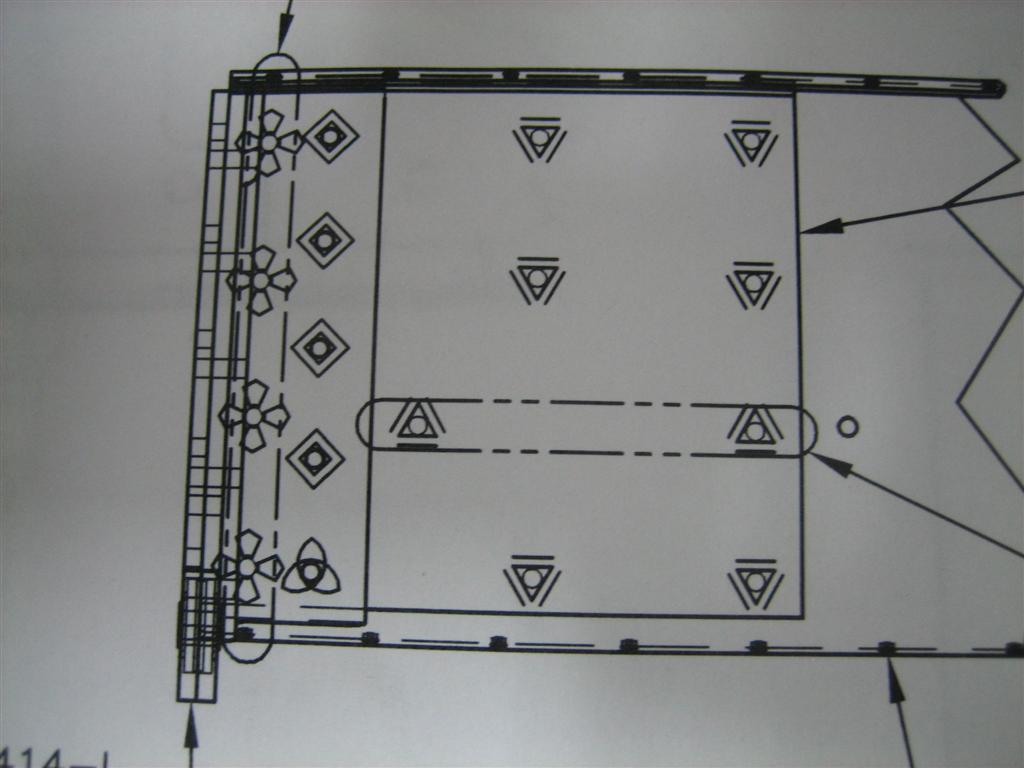
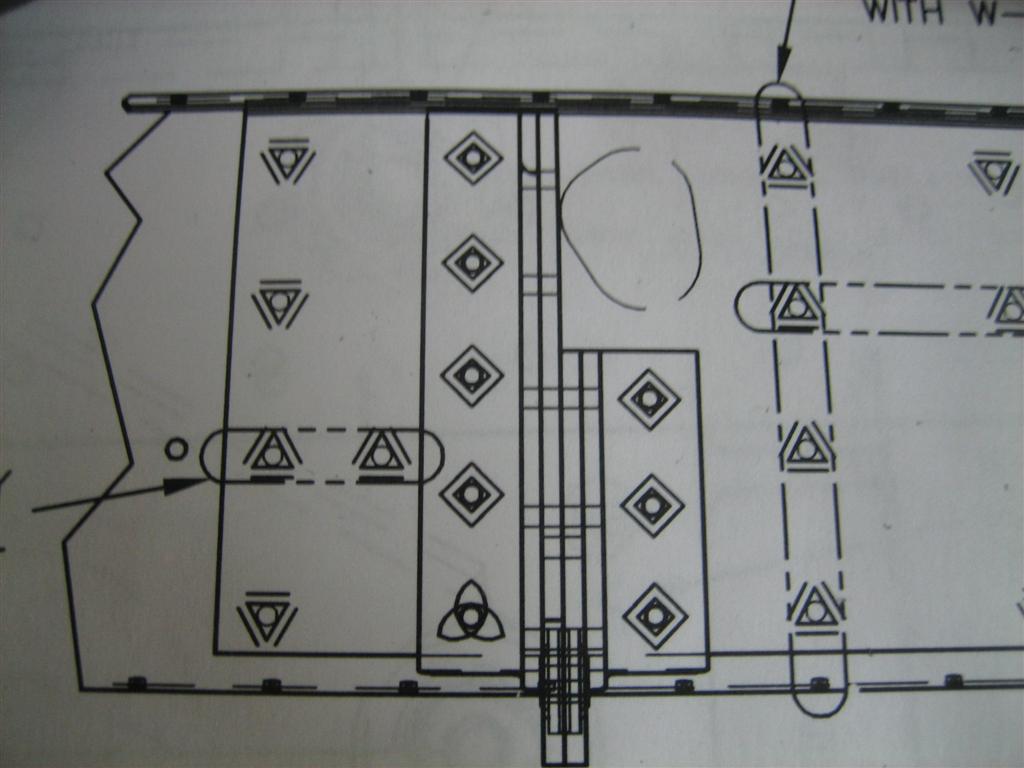
Then, I checked the plans for the nutplate callout, and started looking through my rivet and nuts and bolts bins.

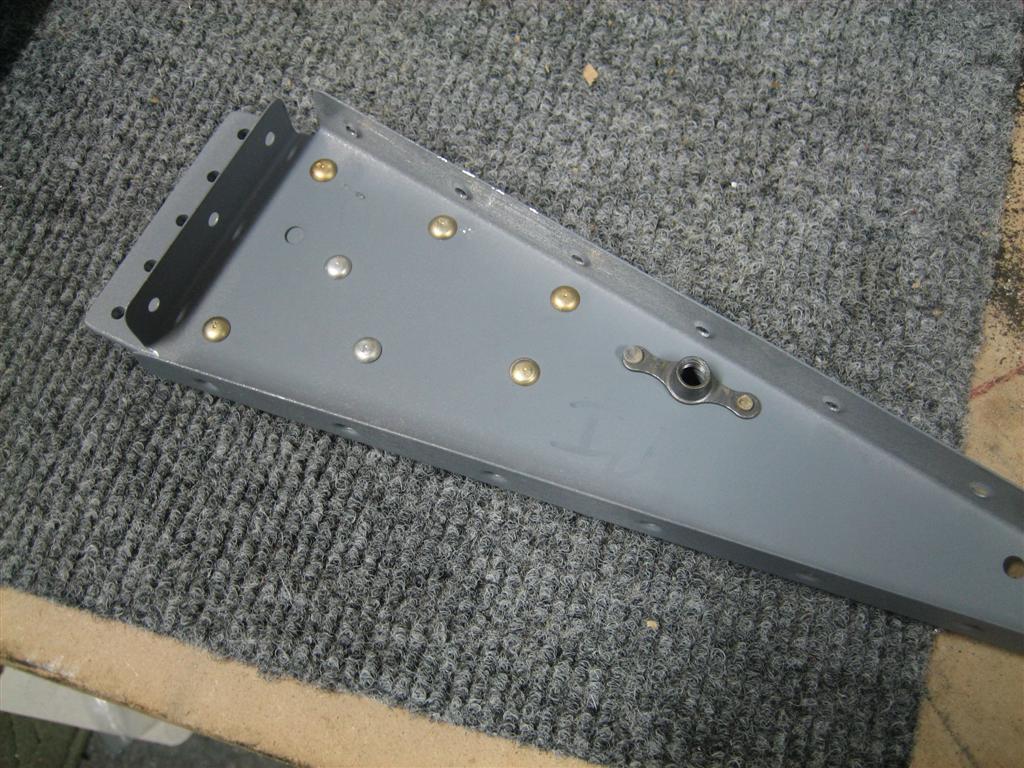
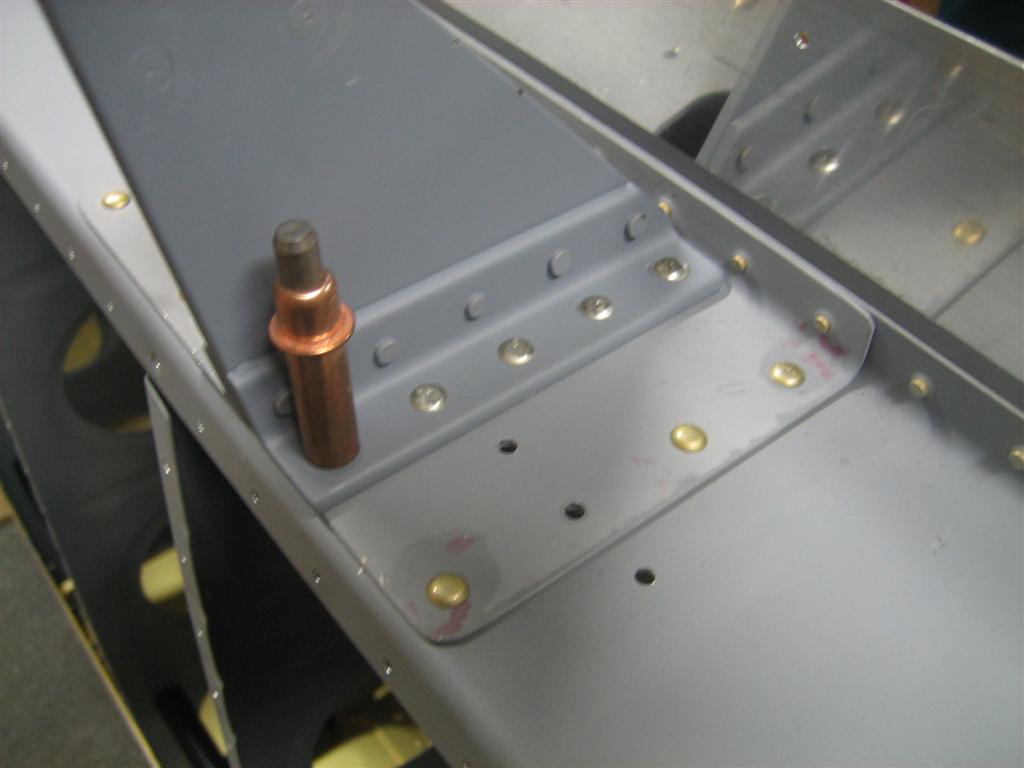
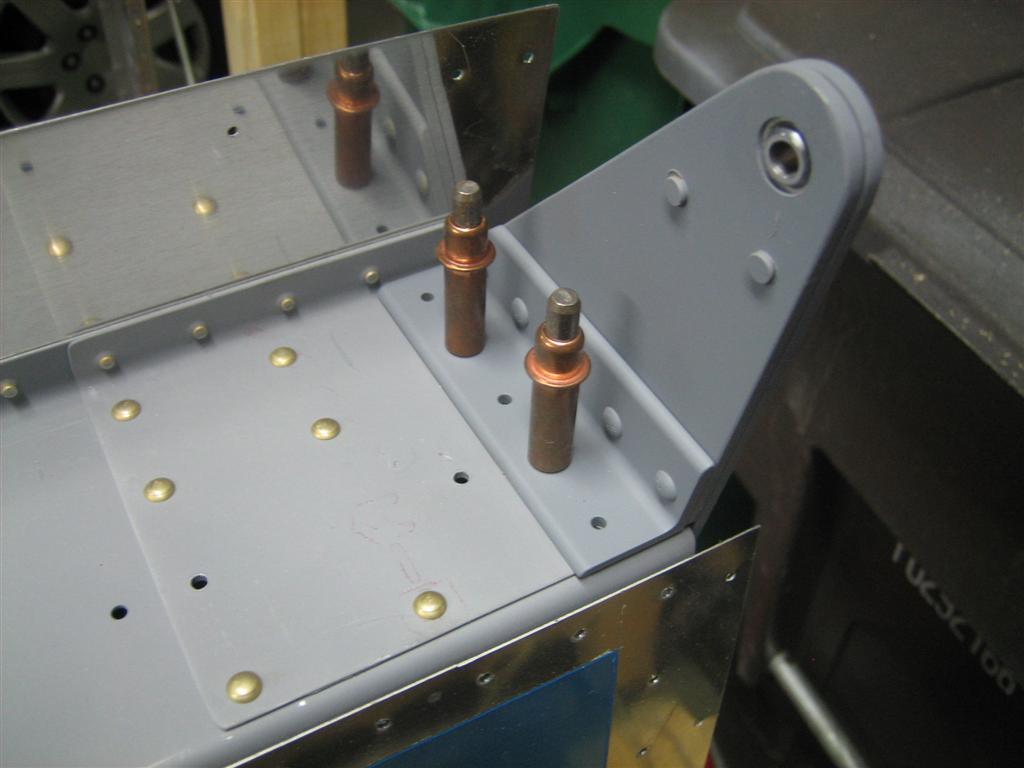
A couple flush rivets and a K1000-4 nutplate, and we’re in business.

Whoa! nine whole rivets!

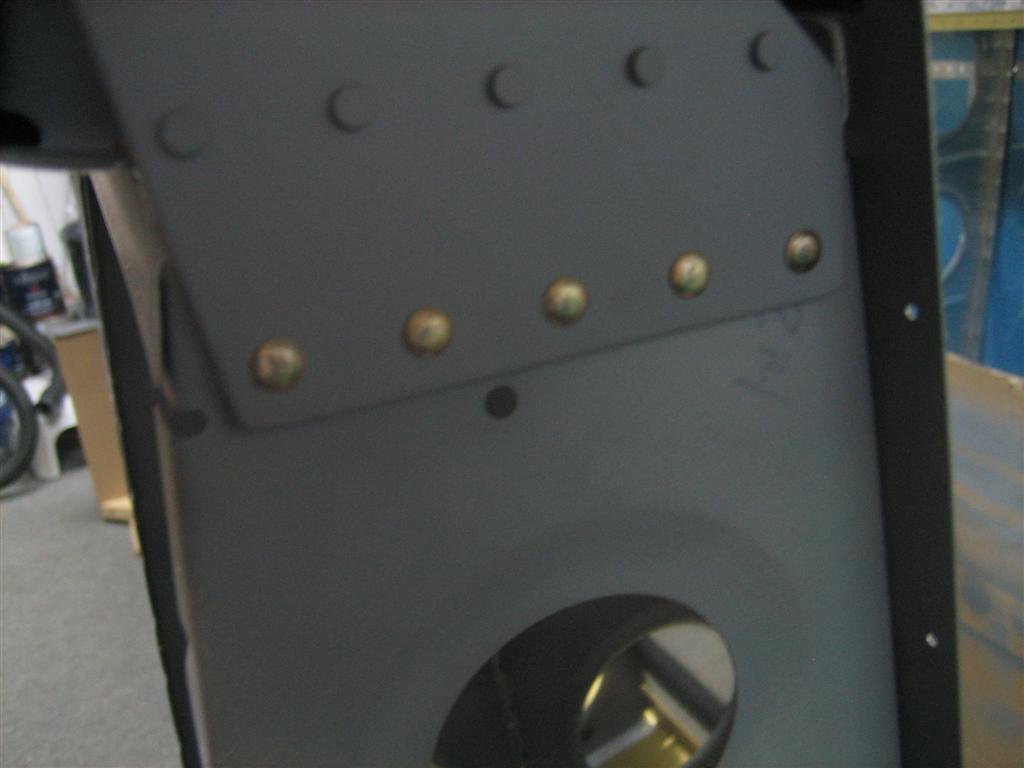
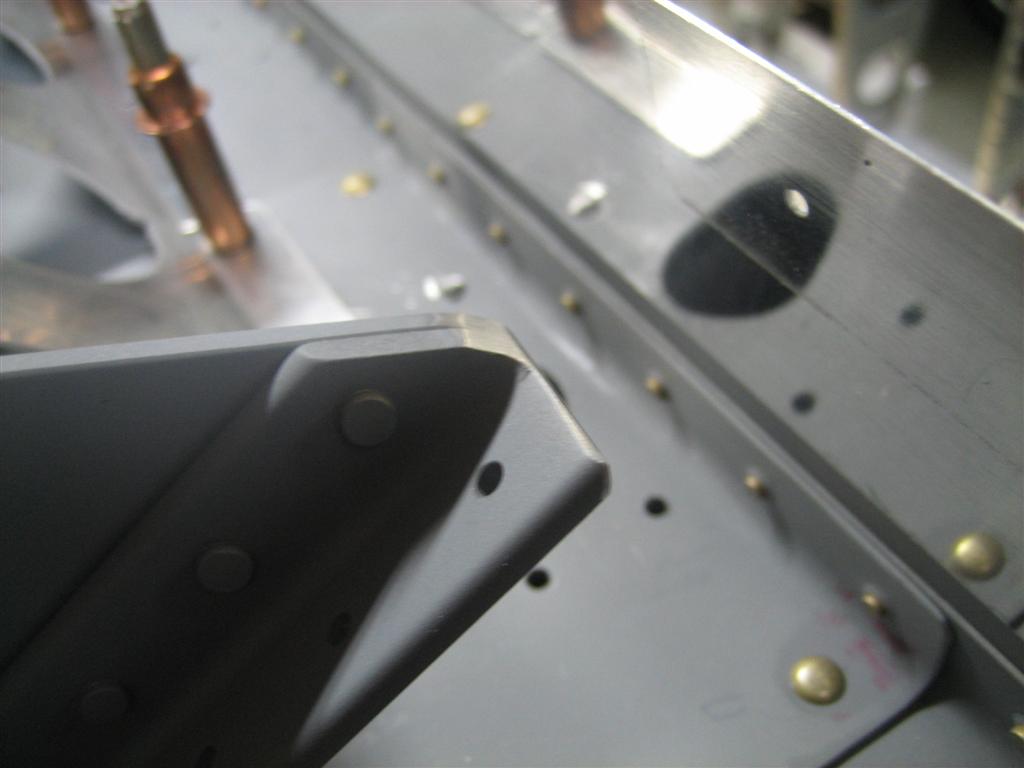
Just to show you it’s real, here’s the backside.

1.0 hour. 9 rivets. Not quite back on track yet, but at least still interested.

Prev | Next


Right Flap Hinge Retention

January 22, 2012

Prev | Next

Alright, with all the excitement of getting the flap on the wing, I decided that I might as well continue with the flap hinge.

Currently, the flap hinge pin hangs out 2 feet on the inboard side of the wing, so let’s get that thing cut down to a reasonable size.

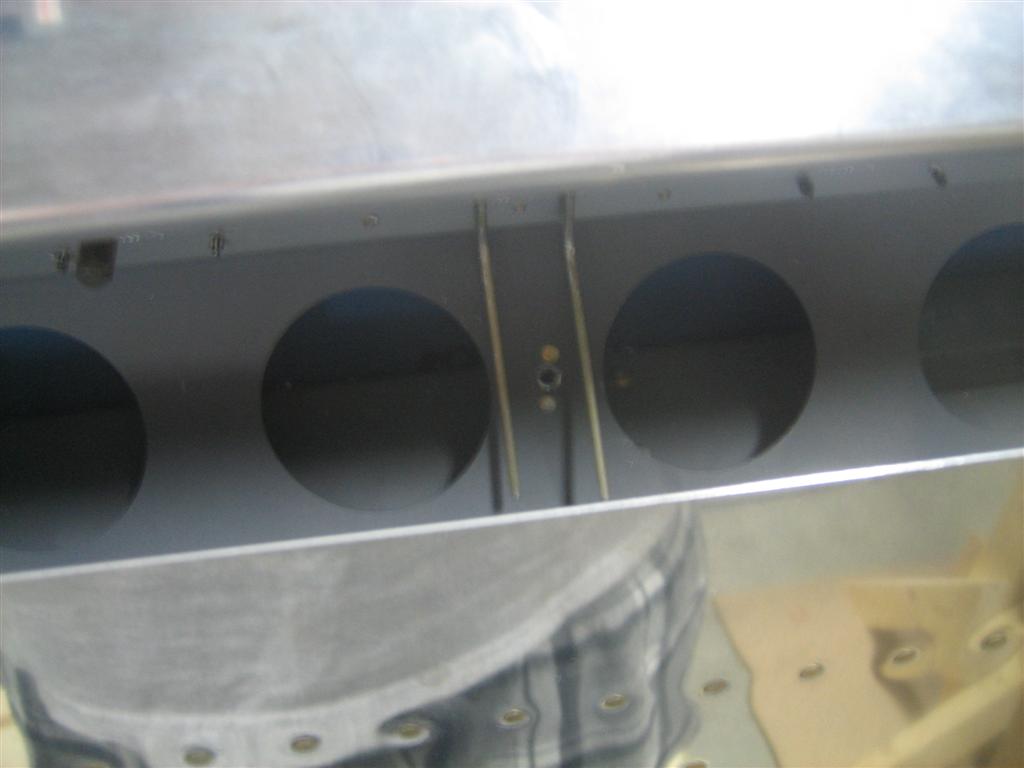
I’m following the method of cutting some hinge eyelets from the middle of the wing/flap and attaching two halves of the hinge pin in the middle. At the end of the last session, I had marked the middle eyelets.

Here's me unbending the two middle eyelst on the wing so I can cut them off.

Where's my file?

Can’t find it. I’ll have to clean those up later.

I cut the hinge pin in half and 90° bent them.

OMG, more toes!

With some careful measuring, cutting, and bending, I got one of the halves right where I wanted it.

Like a glove.

Then matched the other side to that.

Like some other builder’s, I’m going to use the hinge eyelet method of securing the hinge pins.

During this whole process, I kept thinking how easy it would be to drill a single hole in the flap brace and just safety-wire these two hinge pins in, but I couldn’t bring myself to not finish with the original plan. More later.

Two of my hinge eyelets from scrap.

The hardware I’m going to use.

I'm using the 2-lug, MS2169106 (I think that's right) and the AN507-6R6 screws.

There's a nutplate under there.

Rivets set.

The two eyelets are not countersunk or dimpled. I'll eventually need to replace this countersunk head screw with a panhead.

After getting the hinge pins secure, I checked out the outside.

Yikes. I'll definitely need to clean those up.

2.0 hours. Really? That was 2 hours? I couldn’t believe it. Maybe I fell asleep or something. I have a visitor coming this weekend, so maybe I’ll try to prep some flap parts before then so we can bang some rivets while he’s here.

Prev | Next


Drilled Right Flap to Wing

January 17, 2012

Prev | Next

Warning: My blog is not a drinking game.

But, if it were, and you had to take a drink every time I logged some build time…

You would not be very drunk.

Hello, everyone. In case you forgot (has it been two weeks?), I’m Andrew, and I’m building an RV-7. Today, I actually got a lot done on the airplane.

It was really only a few drilled holes, but they were important for two reasons.

1) Everyone freaks out about drilling the flap to the wing, and

2) I drilled the flap to the wing prior to the flap actually being riveted together. I know it’s out of order, but I made the decision that the flap was super-sturdy and aligned when it was clecoed together.

(Also, it’s late, and I’m at the step where I need to make a lot of noise with the c-frame, so drilling was quiet by comparison.)

Let’s get to the pictures (and video!!!!).

First up, I wanted to knock out some of the smaller tasks that need to be completed before moving on to priming and assembling. First up is to cut down one of the spar brackets to final size.

I wish I had take a picture of the original piece, but here’s after the cut.

I'm still using my jigsaw for these.

After some scotchbriting.

Then, I moved on to dimpling the spar (I had deburred the holes a few centuries…I mean weeks ago.

Dimple holes. No biggie.

Also, I countersunk the appropriate holes for the nutplate around the flap rod-end attachment hole.

Standard flush rivet in the background, an oops rivet up front.

Here’s where I made a big decision. I was looking for something quiet to do, so I decided to cleco up the flap and just set it on the wing.

First, I needed to get the lower outboard skin clecoed in place.

Clecoed.

Then, I just clamped the flap in place.

Whoa. Looks cool. Like a real wing!

At this point, given the sturdiness of the flap, I decided I could drill the flap hinge to the wing. Even if I totally hose it up, all I’d have to do is order a new flap hinge. (I can order that along with my new RUDDER, which I still haven’t accepted as needing replacement yet. What was that….a year ago?)

Anyway, let’s just clamp everything in place and see if it still makes sense.

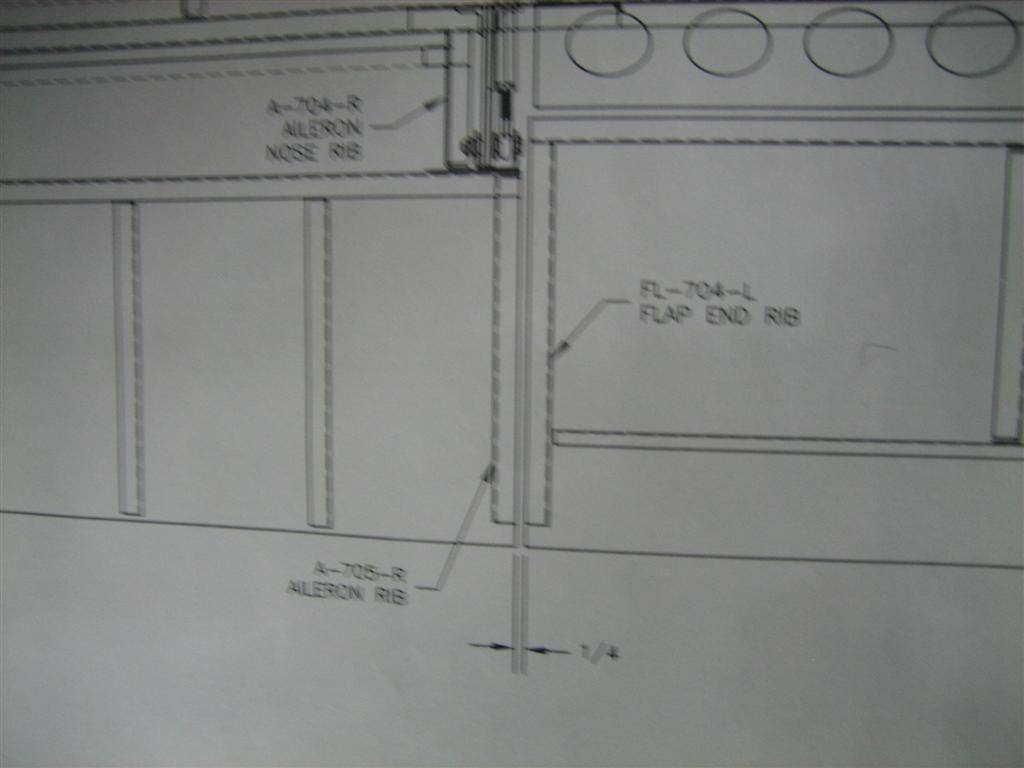
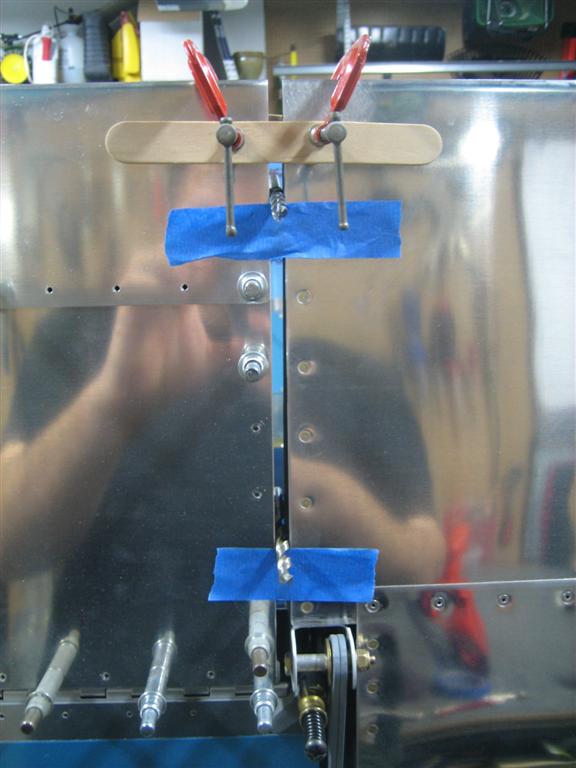
Looks like I need 1/4."

Two 1/4″ drill bits, two Popsicle sticks, and two clamps later, I had a flap ready to be drilled.

For the record, this was not the first, nor the last, of the many attempts at a) a good picture, and b) aligning the trailing edges.

Looks pretty good though. Not perfect, I need better alignment along the trailing edge.

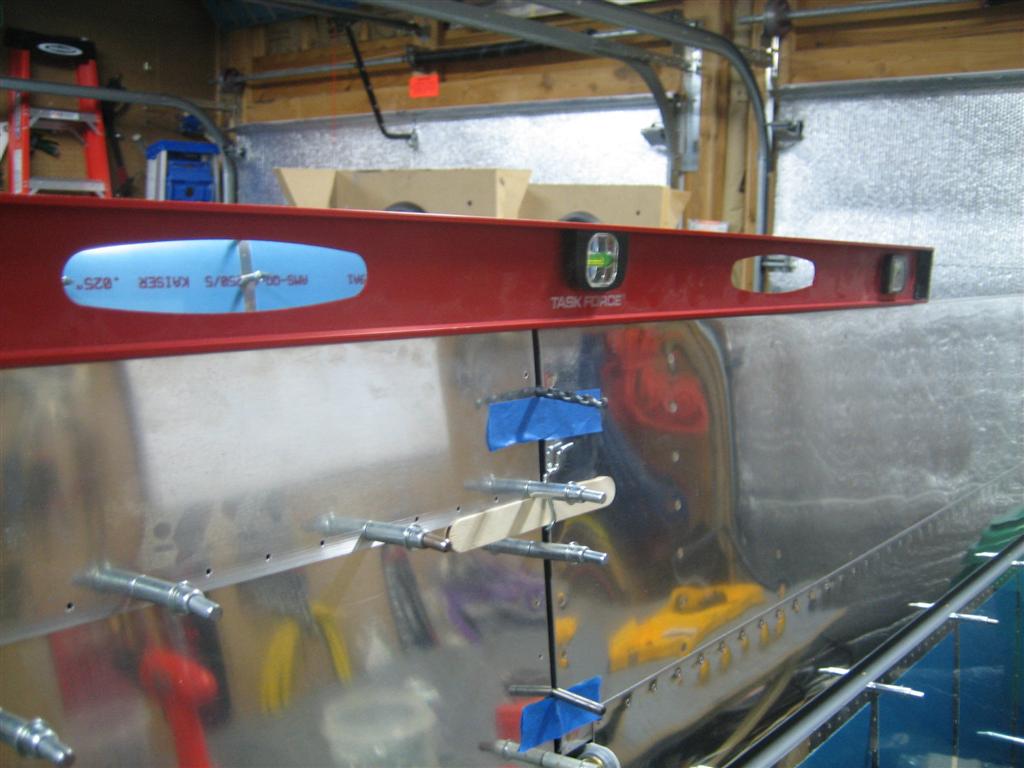
For most of my alignment, I used my 4′ level on the trailing edge, then used my iPhone level app to get down to the degree.

Here I'm making sure the transition lines up, then I'd move the level to the flap, measure the absolute angle, then move it to the aileron, and compare the absolute angle.

After about 10 iterations, I drilled the first hole.

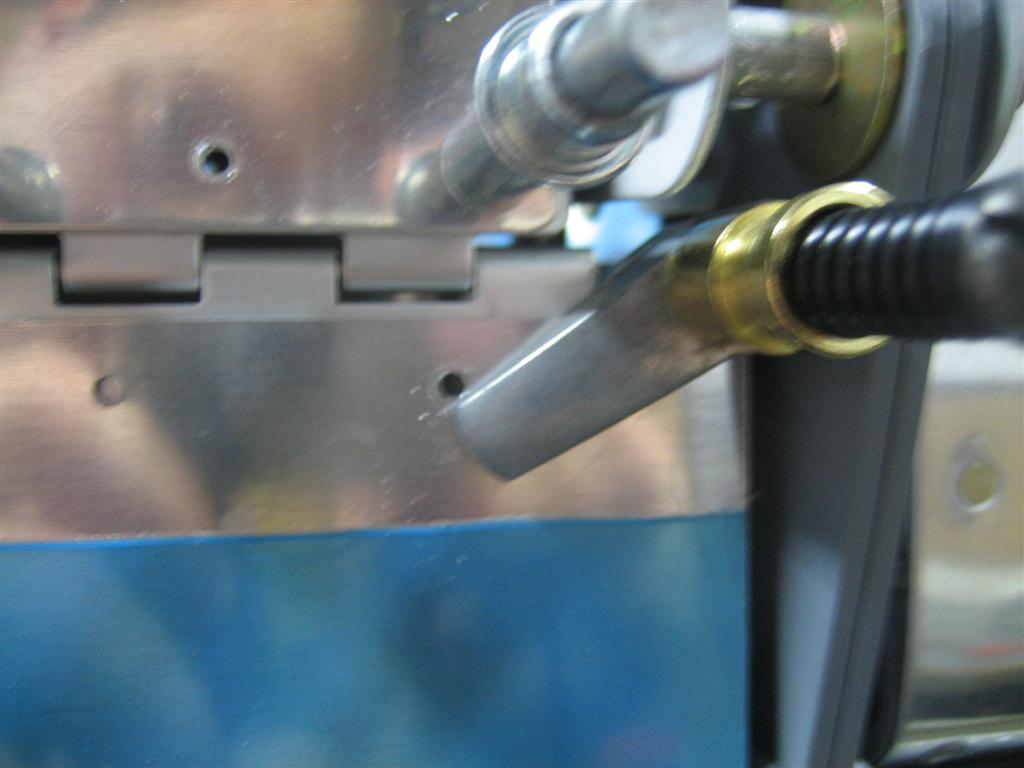
Sorry about the blur. The good news is that it's still making sense and aligned.

After working a little down the line (Drill, cleco, measure, measure, measure. Drill, cleco, measure, measure, measure), I stood back to take this picture.

Looks straight to me.

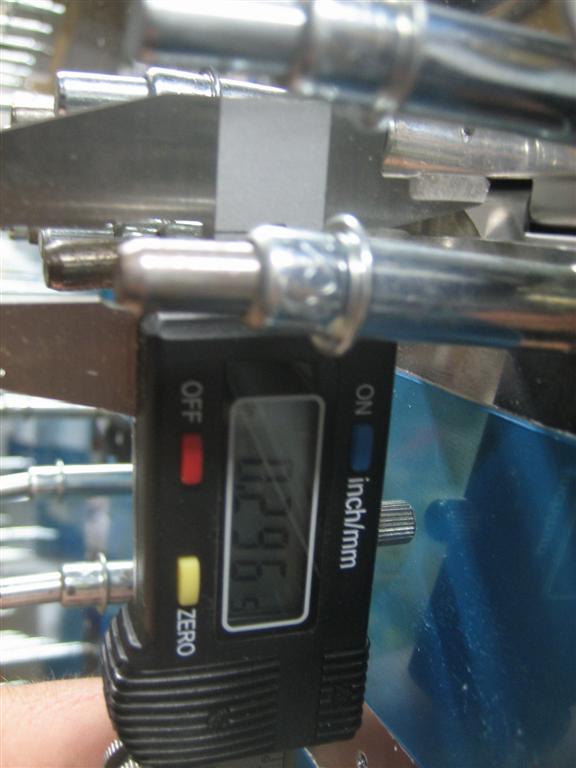
Almost forgot, another one of the measuring tasks was to measure the gap between the flap skin and the lower wing skin.

0.2965" the whole way. Can't get any better than that.

A little interesting note…the flap brace didn’t perfectly line up with the lower wing skin, so I had to improvise a little.

I didn’t want to be matchdrilling the hinge through two other holes that didn’t line up, so I wanted the whole flap brace perfectly in position prior to drilling. I grabbed the smallest -AD3- rivets I had and stuck them in every other hole to act like clecos (I could have use clecos, but that pushes the hinge away from the backside of the flap brace.)

This kept my skin and flap brace holes aligned all the way down the row. As I’d get close to the next rivet, I’d just pull out the rivet.

This worked great for me, but your mileage may vary.

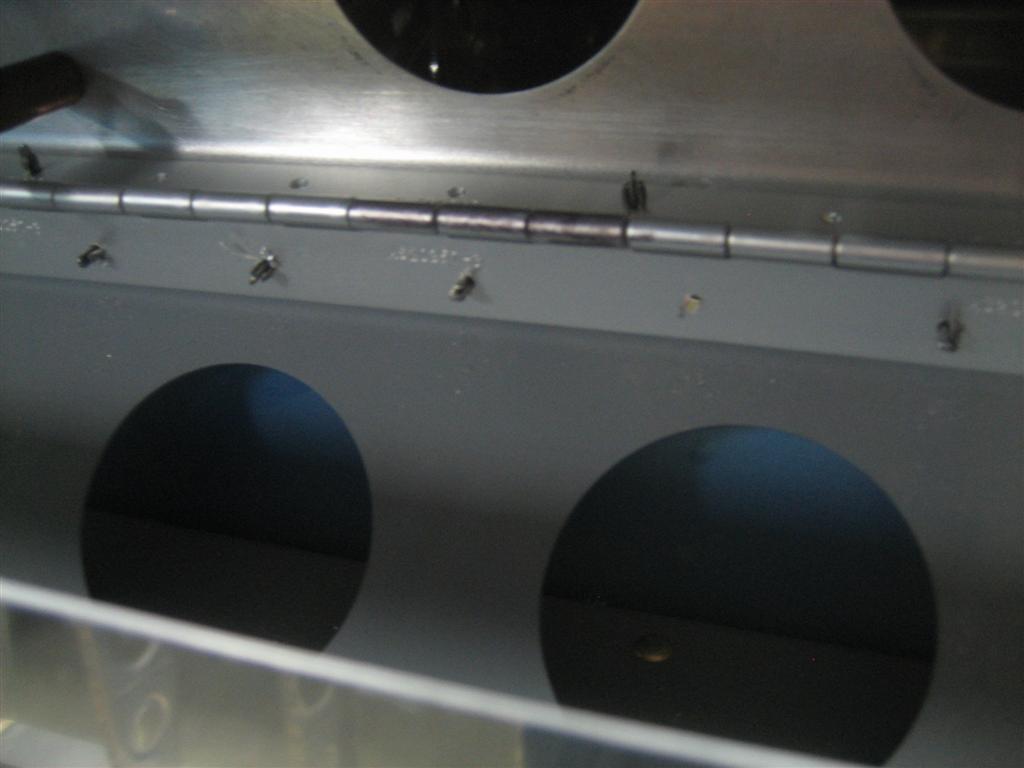
Of course I forgot to take a picture when I was done. I did “lower” the flap all the way to measure, and then mark, the three hinge eyelets I will be using for future hinge pin access.

I've marked them for future modification for the hinge pin insertion, but you'll have to wait another day for that.

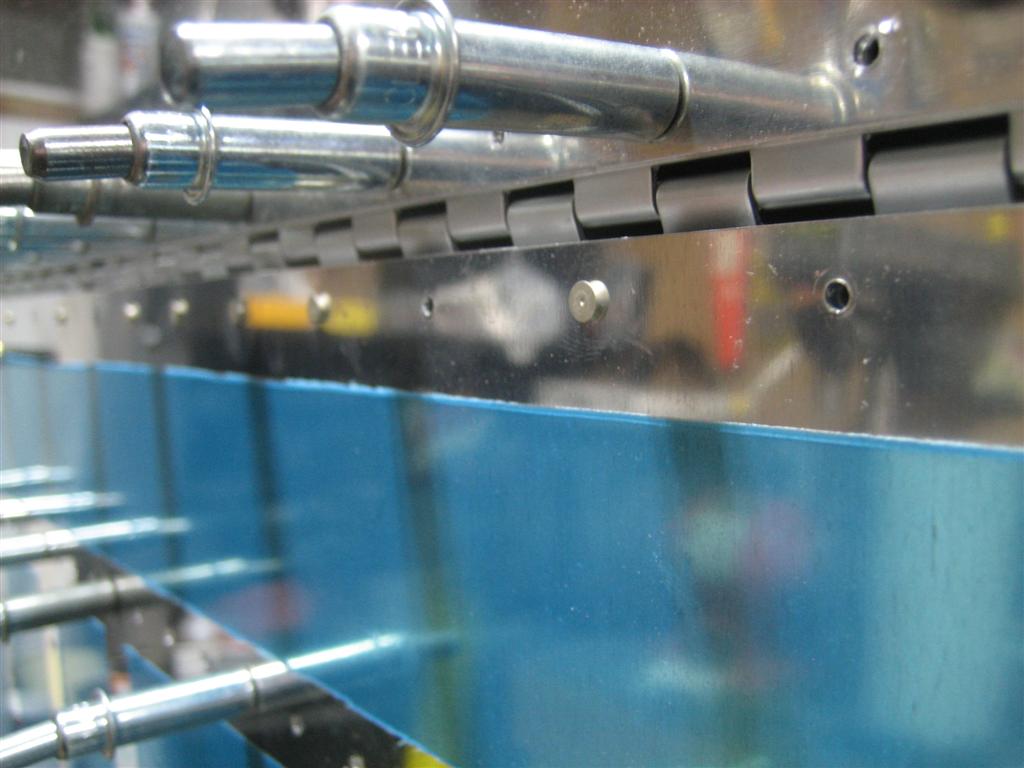
Here are some of my “after” pictures.

Looks straight to me.

Looks so good.

Like a real wing.

I was so excited about it, I had to get a video.


So, 2 very productive hours. I’m sure some of the builders out there will insist that all will go to hell after I rivet the flap together, but I don’t think that’s going to happen. So far, all the match-hole kit parts are lining up perfectly, and the clecoed flap is very sturdy and true.

Now, I need to get back to prepping the flap for final assembly. But first, I need sleep. Goodnight.

Prev | Next


Breaking news: Feathergate continues.

January 16, 2012

Prev | Next

I regret to inform you that “Feathergate 2011” has now been renamed “Feathergate 2011/2012.”

Only 1 victim has been identified.

More details to follow.

20120116-105238.jpg

Prev | Next


Some Right Flap Work

January 8, 2012

Prev | Next

Oh wow, it’s the first post of the new year! (Too bad it’s already January 10th…yeah, yeah, I’m posting a few days after this build session actually happened.)

I got a little bit of tedious work done on the right flap before being called over to a coworker’s house to help with his brand new TV. Here are most of the right flap parts.

all the flap parts after matchdrilling (last session). Time for deburring and dimpling.

One of the things I noticed is that I forgot to enlarge these holes to #30.

Before.

After.

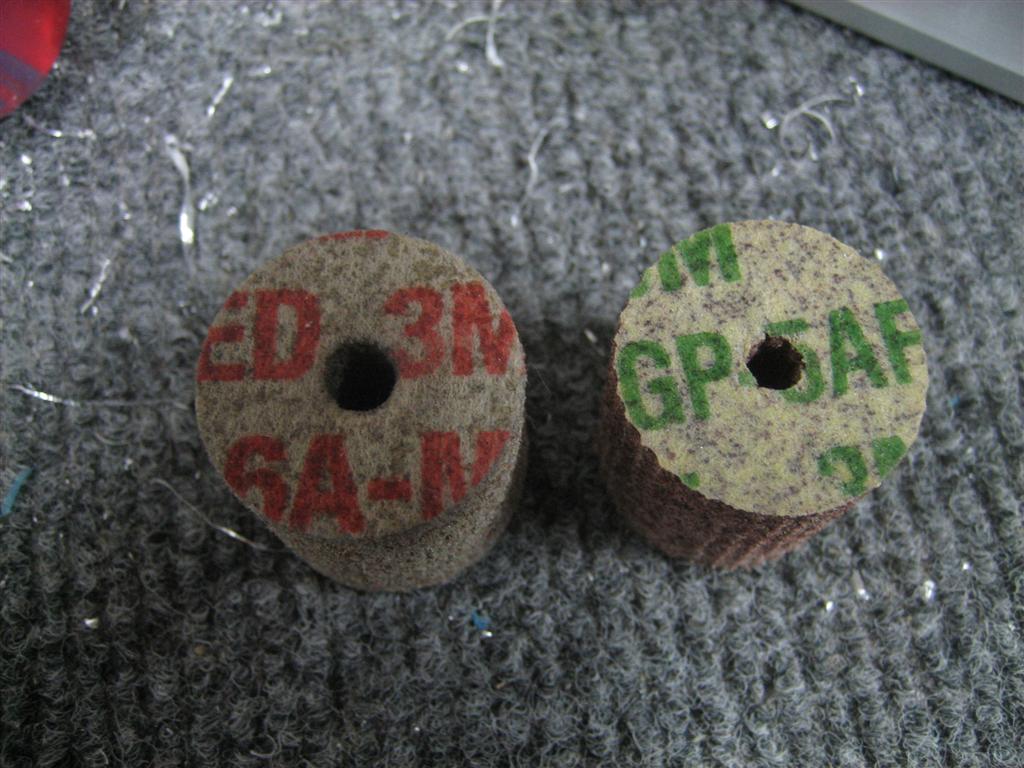
Next, I deburred all the spar holes, and got to work on edge finishing. This includes all the lightening holes, which are a PAIN IN THE BUTT to deburr. Because I have an AWESOME sister, she got me some good 1″ scotchbrite wheels. Previously, I had bought a bag of 50 “general purpose” wheels from Nebraska Surplus, but they were a little soft for work on the RV.  My sister got me some of the 6A-Medium wheels, which did the job perfectly.

The correct grade on the left 6A-medium. Don't get the general purpose ones on the right. They are too soft.

After edge finishing, I decided to get the spar set up for a little countersinking session. If you remember from the other flap, the bottom skin is dimpled, so the spar has to be countersunk so the hinge (on the other side of the spar) isn’t affected.

Set up, just need to cleco the hinge in place.

You can see here, I've clecoed the hinge in place and countersunk "a few clicks" deeper than flush.

I don’t know that I’ve ever shown this, but back on the empennage, I made a couple scribe lines on my microstop countersink cage to indicate perfectly flush for an AN426AD3- rivet.

Marked for a flush rivet.

Here are my "few clicks deeper." Four clicks work for me. YMMV.

After countersinking all the holes…

Pretty countersinks.

Oh man. I need to deburr the back of this soft hinge.

Burrs! Burrs!

Sorry about the bad picture, but this is after deburring.

With the blur, you'll just have to trust that it's properly deburred.

1.5 Hours. I’m struggling to get outside even for 30 minutes each night. Tonight, I set a reminder on my phone to buzz at me every night. Maybe it will work. (Nope, it didn’t work tonight, but I managed to post this work session. Maybe tomorrow.)

Until next time.

Prev | Next


Started the Right Flap

December 29, 2011

Prev | Next

So I’m writing this a few days in the future, so bear with me if I can’t recall everything in detail.

Today, Joe came over to assist in some airplane building, and I figured it would be a good time to start in on the right flap.

First, though, I spent a little time with the aileron bellcrank and pushrod. I adjusted the rod ends to equal length on the screw ends, then turned each a turn at a time until I got the aileron perfectly aligned with my “alignment stick.” (BTW, “alignment stick” reminds me of a disciplinary tool used by catholic school nuns…shudder.)

Here's the large view.

And a closeup. Can't get much better than that.

Oh, and with the rearrangement of the exercise room and guest room upstairs, I’ve been…”strongly encouraged” to get the airplane parts out of the living spaces.

Notice she waited until after I put a ring on it to tell me to get my airplane crap out into the garage. Just kidding, she’s wonderful, and I’ve been meaning to get things hung up in the garage for awhile.

Here’s the horizontal stabilizer hung (very securely) with some red hooks through the pegboard and into some 2x4s.

That's the largest piece that was upstairs.

Joe showed up, so we started gathering the left flap parts. Here are the skins, the spar, and some of the ribs.

We pulled the blue vinyl off everything instead of worrying about doing lines with the soldering iron. I think I've given up on that for good.

We followed the directions carefully (except for the part where they want you to edge finish first. I like to do it before final prep) and started clecoing parts together and matchdrilling.

Here's an action shot of Joe working the cleco pliers. (I'll need a second pair if he's going to come over and help a lot.)

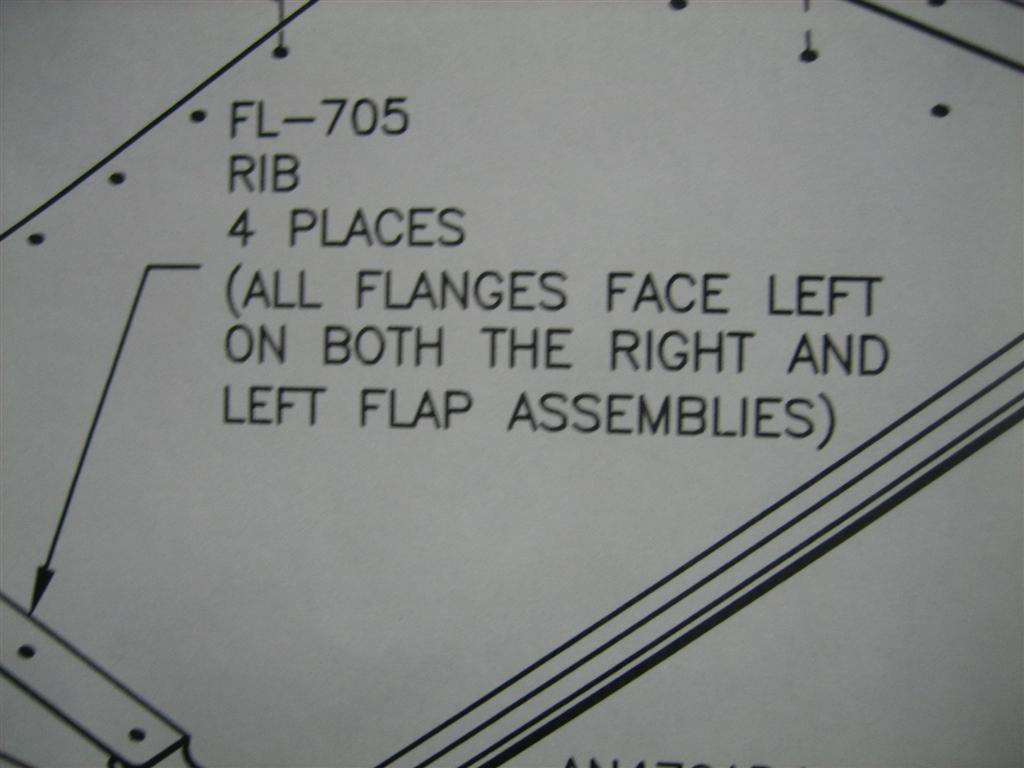
When we started working on the interior ribs, all hell broke loose. I had been carefully explaining that we’re building the right flap, so everything is reversed from the plans. All of the flanges on the left flap pointed left, so we assumed the all the flanges on the right side faced right. Well, the holes weren’t lining up correctly. We sat for a few minutes and finally figured out that maybe I built the left flap with the right flap’s interior ribs, and that I could probably swap them here, too. I made a mental note to confirm this with Van’s support after the holidays when Joe noticed this note RIGHT IN THE MIDDLE OF THE FLAP DRAWING.

Whew. That explains it. Glad I didn’t mess this up, too. We flipped the flanges over (so they faced the left) and all the holes magically lined up again. Build on!

A big note, right under my nose.

After matchdrilling the ribs and skins to the spar, we moved on to the hinge.

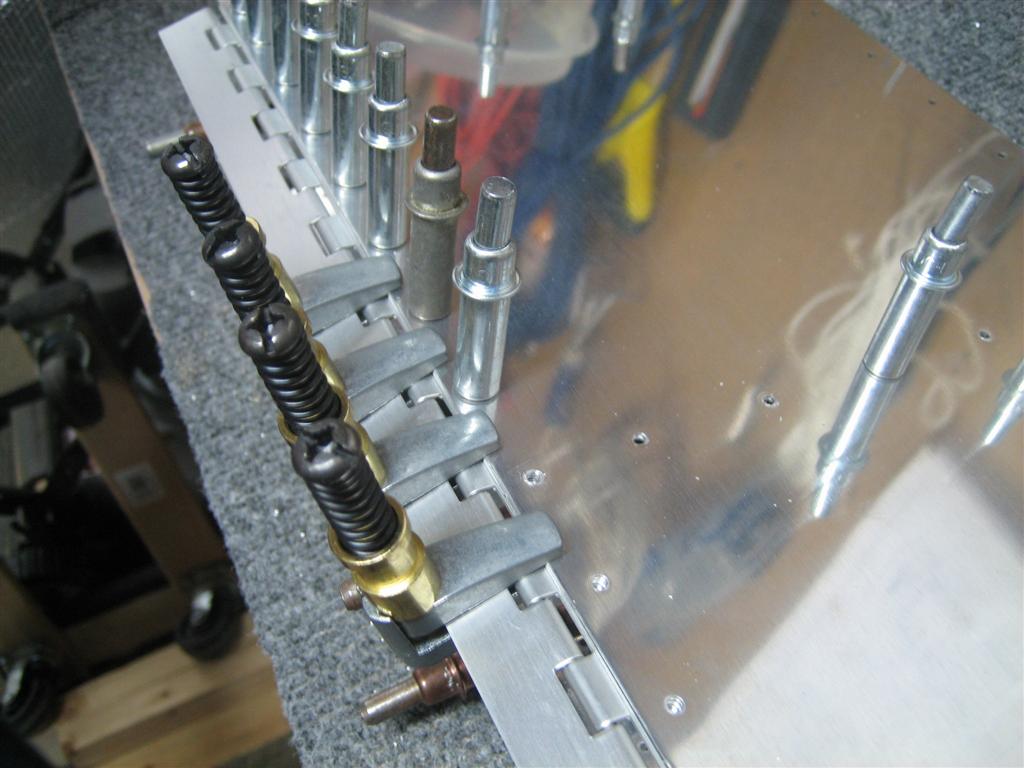
Picture below is the same procedure I used on the left flap, carefully constraining the flap to make sure there was perfect alignment.

I used the four clamps in between each hole to maintain perfect alignment. After a few holes, we'd remove the clamps and verify we had good hinge movement.

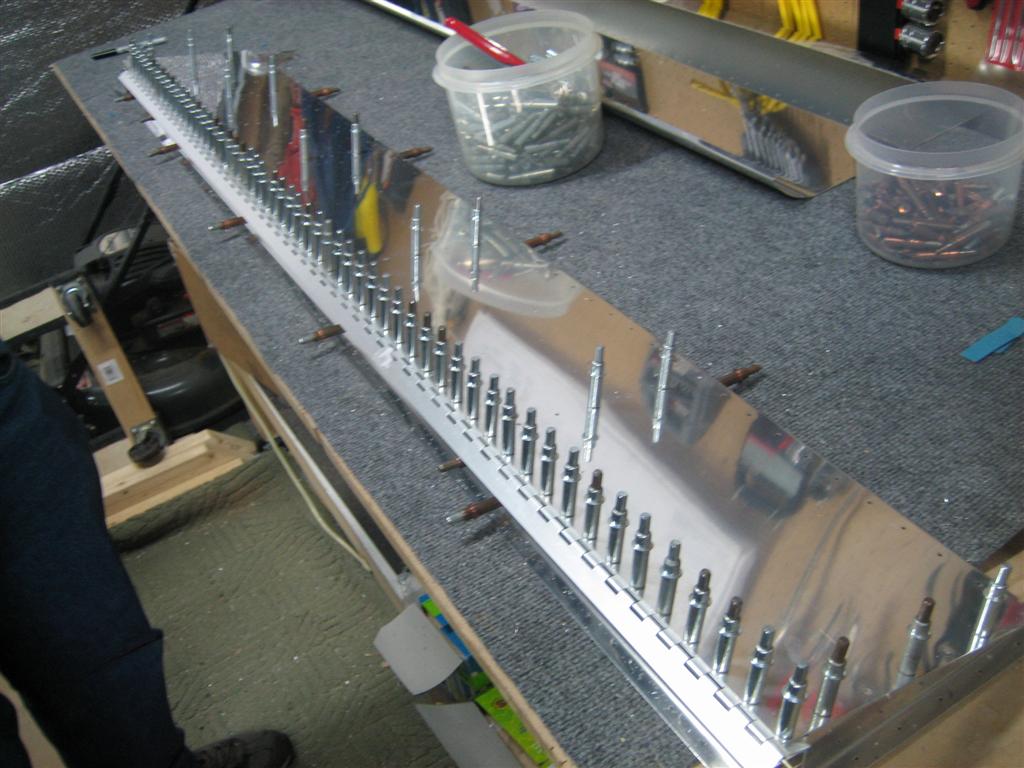
As we progressed down the flap, we got a little braver, and stopped using the sideclamps. I had C clamps about every 10 holes, and drilled a hole next to the previously drilled and clecoed hole. We maintained perfect alignment the whole time, and it saved a ton of time not having to remove 4 clamps, check movement, add 4 clamps, drill 4 holes, cleco 4 holes, and then remove the 4 clamps.

In no time, we had the right hinge drilled.

We're moving right along.

Finally, we stuck the top skin on and Joe got busy matchdrilling.

Nice shiny top skin.

While he was busy doing that, I started fabrication on the flap angles (I forgot the part numbers, sorry).

I didn't make the final cut on the angle yet, I'll do that later.

After a little marking and bending…

Marked and bent. (Aiming for 6.3° is silly. It's much easier to bend it a little, then check fit against the flap.)

The first try, I overbent it a little.

See the wedge-shaped gap there?

After a few more tweaks, it was perfect, so we started matchdrilling the angles to the ribs/spar.

I don't remember the significance of this picture. Must be the matchdrilling...

Then, we positioned and drilled the holes for the K1000-4 nutplate.

Nicely done, Joe.

Then, we disassembled everything and THOUGHT about started preparation for priming.

Want to start the tedious prep work?

No way, it’s lunchtime, and Joe had to go meet his better half.

3.0 hours with Joe today. Since we really didn’t work simultaneously on anything, I’m going to count it as straight time. I’ll count his time as double when we aren’t watching each other work. See you guys next year!

Prev | Next


Aileron Mounting and Flap Seal

December 28, 2011

Prev | Next

Well, I have all week off this week, and due to travel, random other activities, and general stay-at-home-dad responsibilities, I only managed to start working on the airplane today, Wednesday. My original plan was to get in 40 hours on the airplane this week, but I don’t think that’s going to happen, especially since I only managed to fit in 4 hours today. Anyway, I (we) decided that I’m going to start cleaning out some of the airplane parts from our workout room. In that light, I decided it was about time to start storing the right aileron on the right wing.

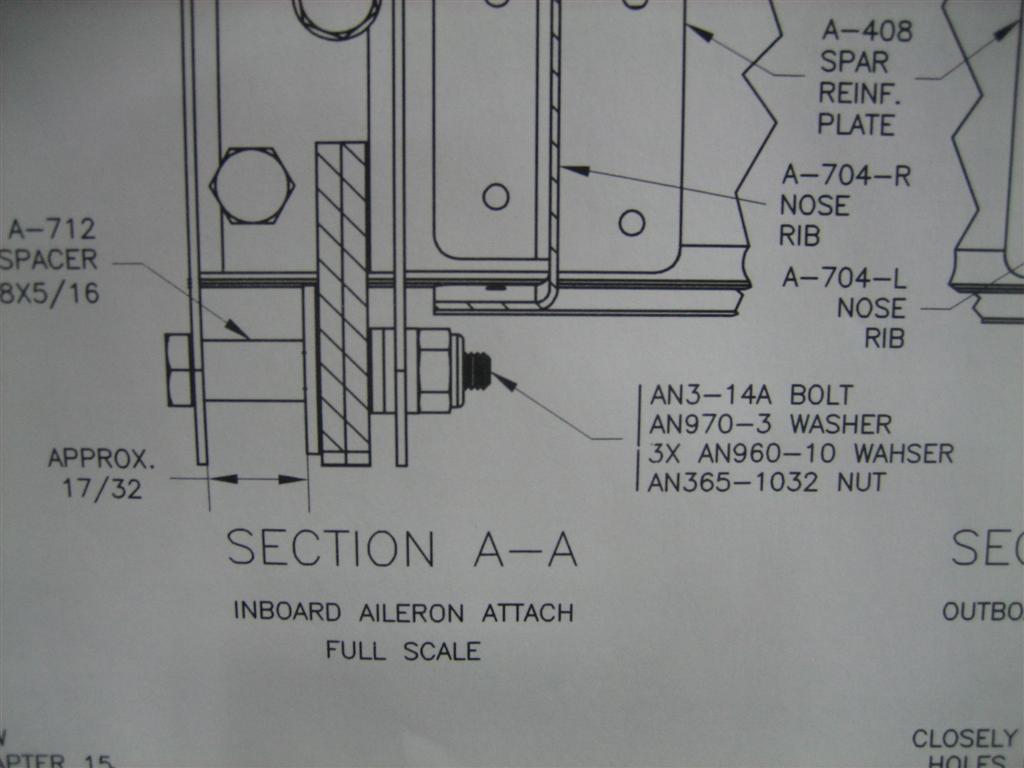
So, I pulled out the aileron plans and started studying the hardware callouts.
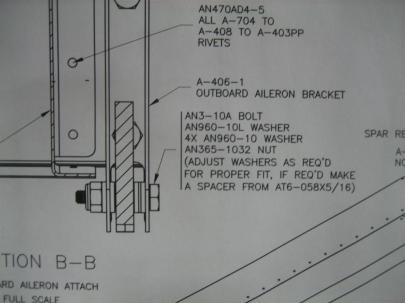
This is for the outboard end. No spacer needed.
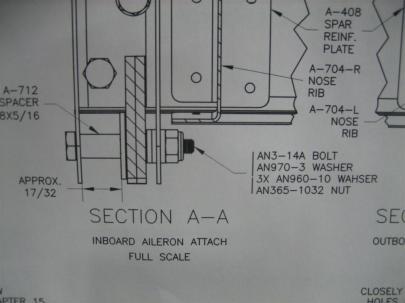
Here's the inboard side.
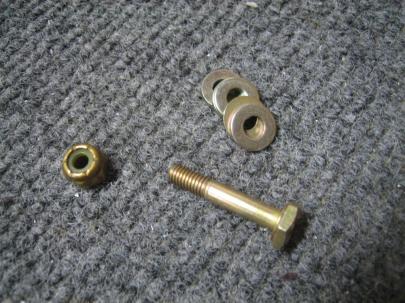
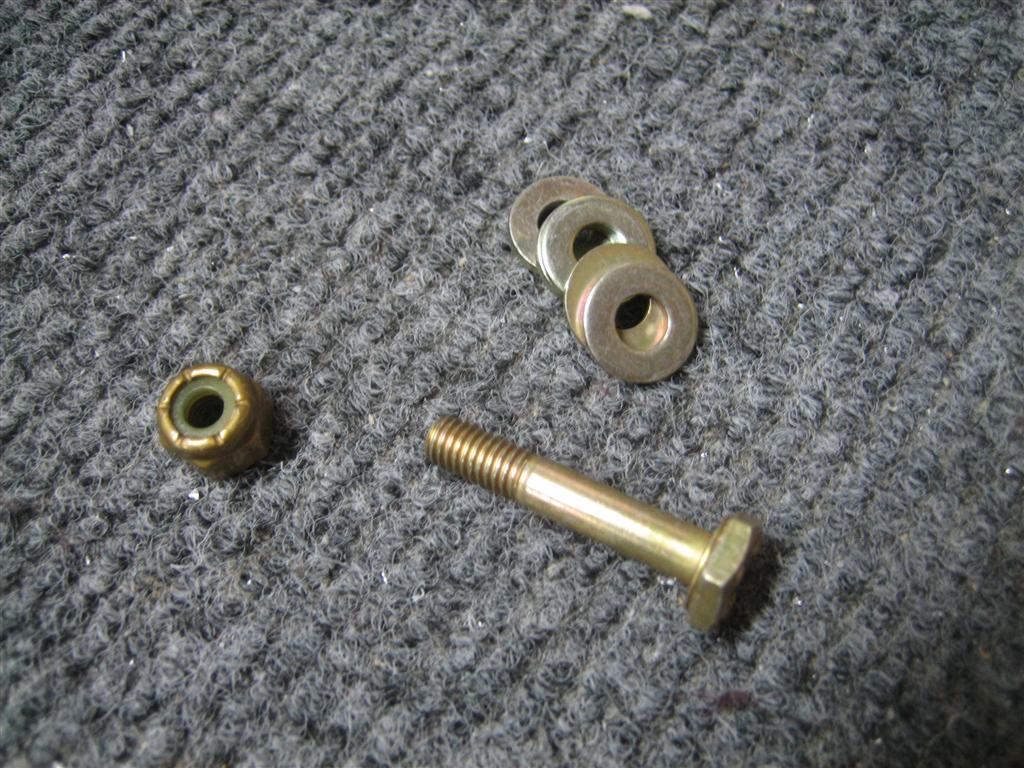
I think this is the hardware for the outboard side.
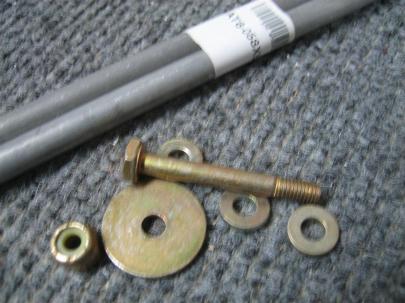
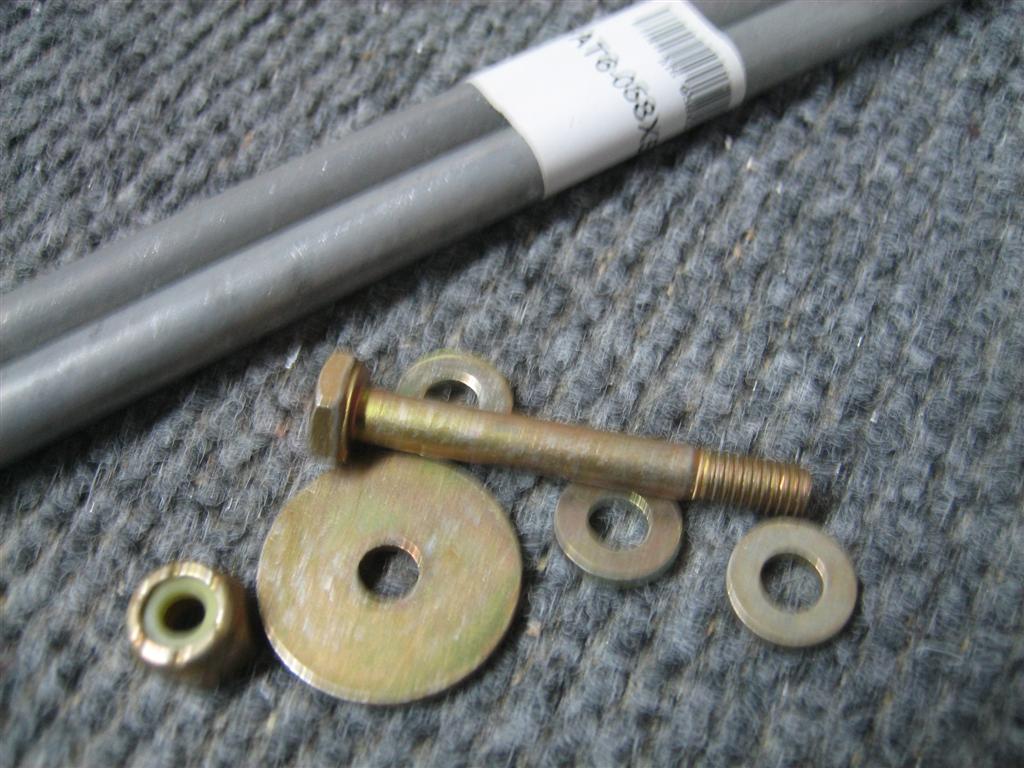
And the hardware for the inboard side, plus the AT6-058 tubing to make a spacer.

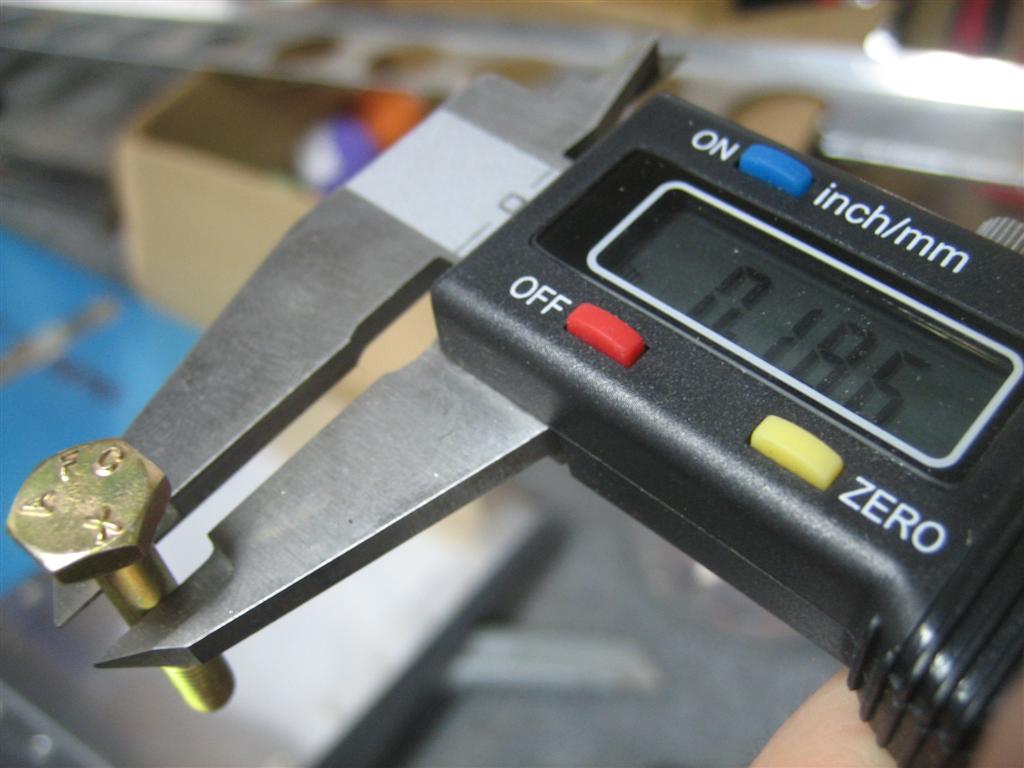
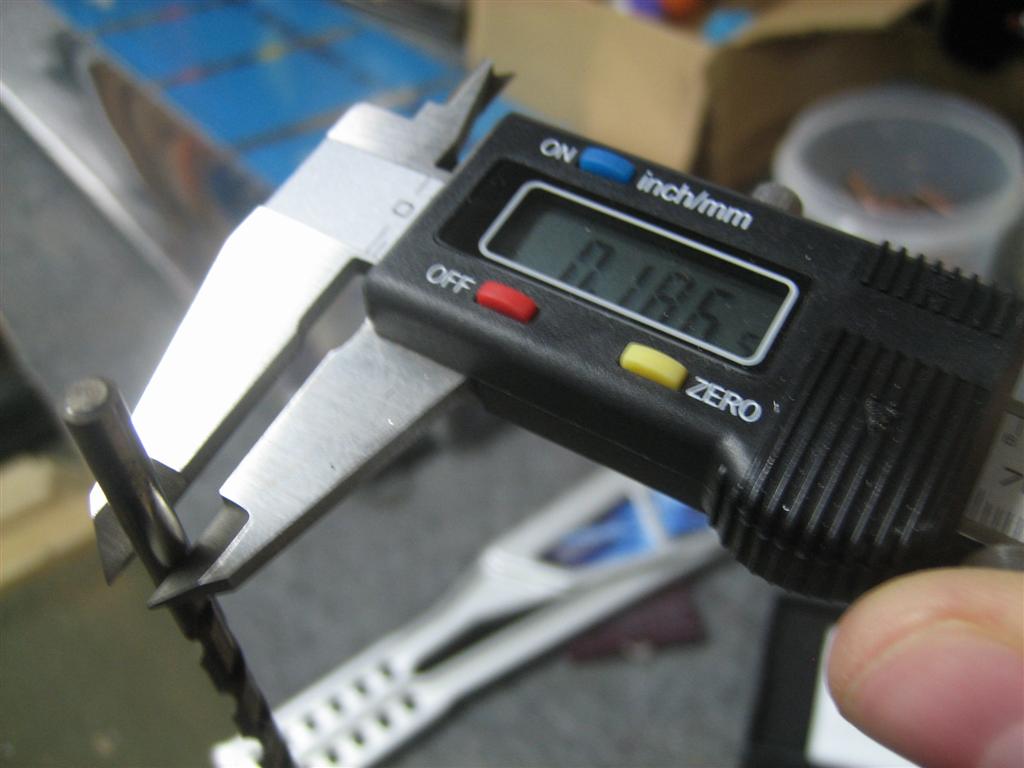
I did need to enlarge the weldment bolt holes to the proper size, so I grabbed an AN3 bolt and measured it’s diameter.
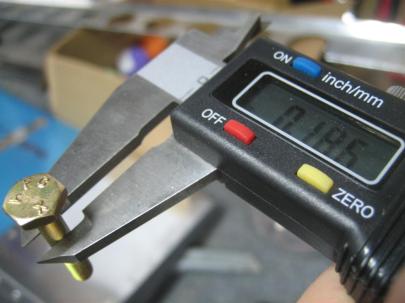
Looks like .186"
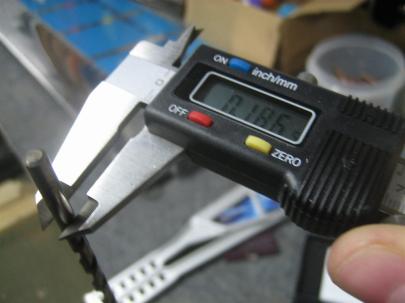
I tried a few bits and found that the proper drill bit for a AN3 bolt is a #12. Later on, I found out that the proper drill bit for an AN4 bolt is a 1/4".

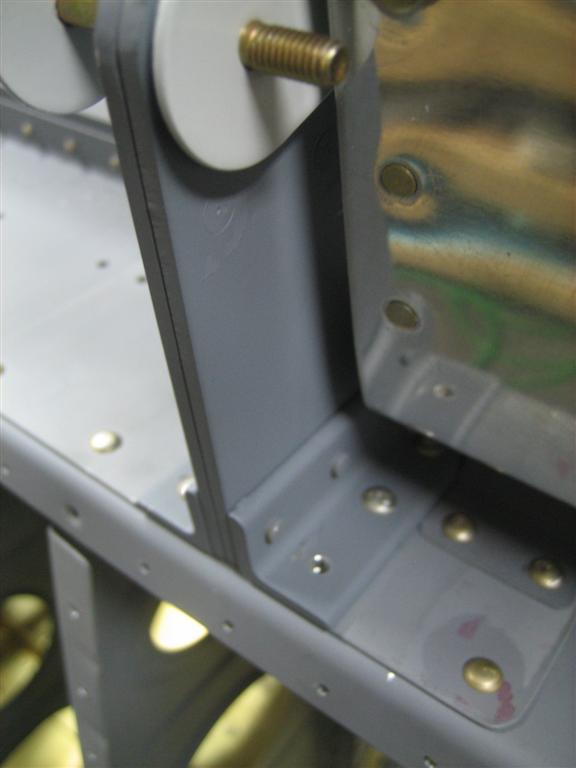
One of the things I have on my list of things to do is to countersink and set the lower inboard rivets on each of the aileron hinge brackets.

At first I was kind of skeptical that you needed a flush rivet head here, given all the room in the picture…
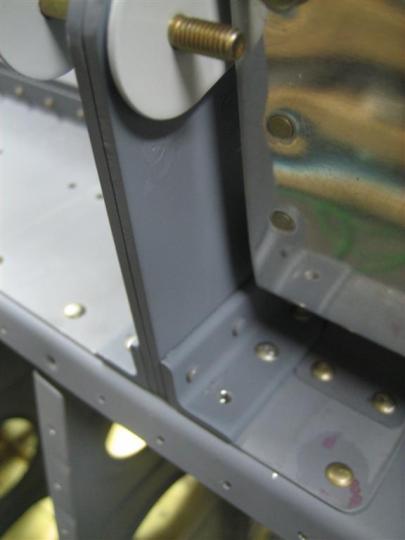
There isn't anything even remotely close.

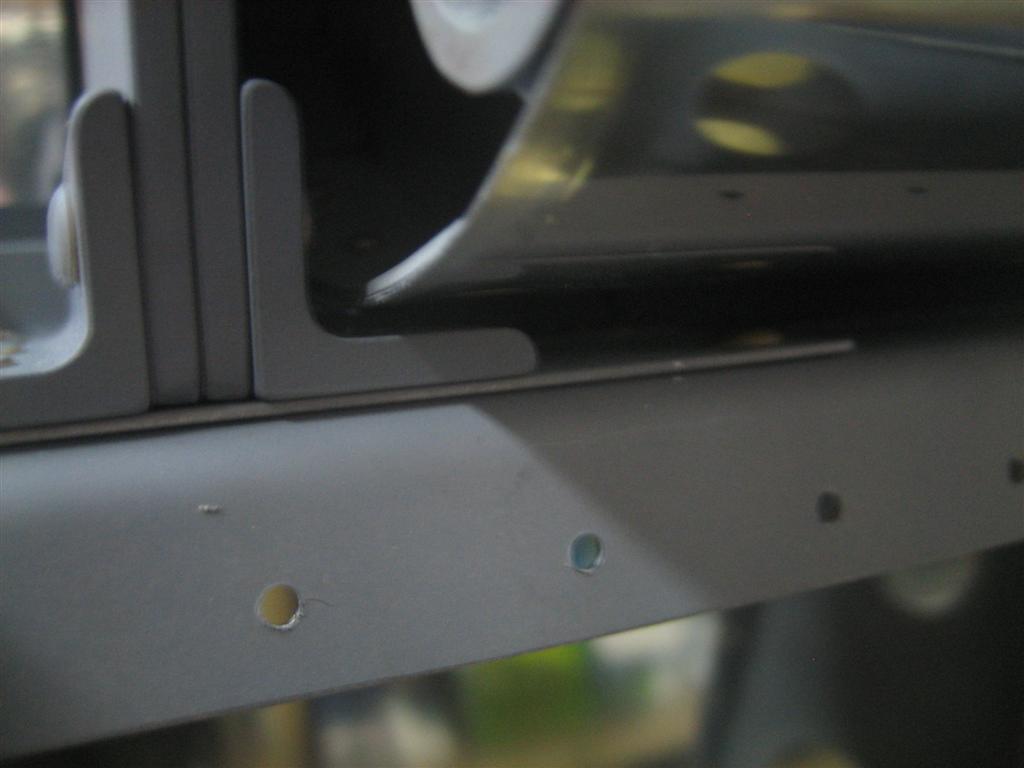
…but, after swinging the aileron through its full motion, I noticed that full up (trailing edge up) aileron has minimal clearance there.
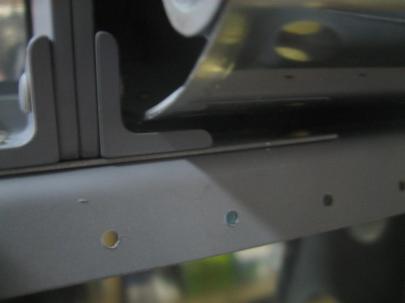
Those Van's guys are smart.

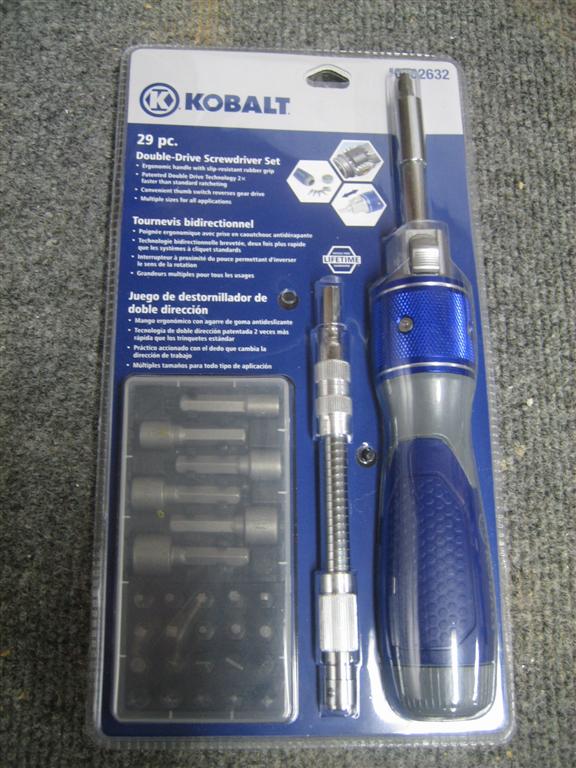
Back to the hardware. One of my stocking stuffers from the girlfriend FIANCÉE was this wonderful double-drive ratcheting screwdriver that you’ve all seen on the commercials recently. I have the snap-on one, which is REALLY nice, but this one is great for fast (double drive!) fastener insertions. I’ll use the snap-on when precision counts, and the Kobalt where speed is my friend.
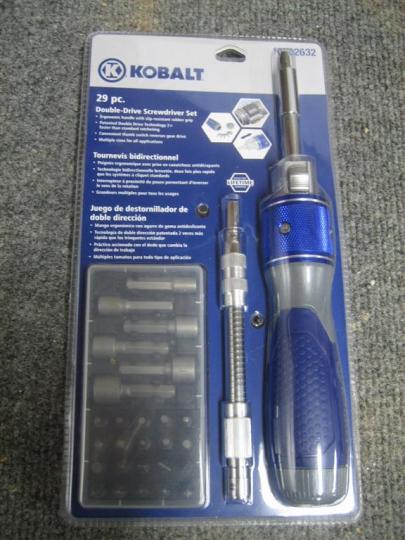
DOUBLE DRIVE!!!

Anyway, I used that with a socket on the end to quickly secure some of the aileron attach hardware.

I’m not sure what order these pictures are in. Here’s me cutting some of the aforementioned AT6 tubing for a spacer.
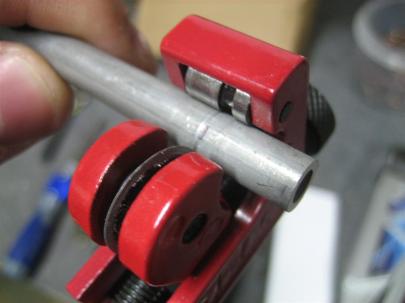
Action shot!
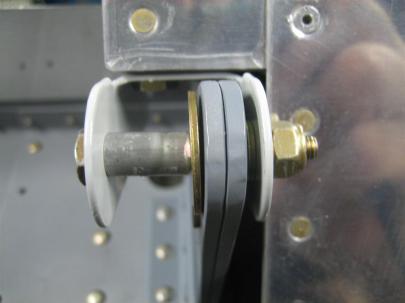
I don't think I got the edge of the spacer just right when deburring. I might redo this. (This was also the only place I had to make a washer substitution. I used a skinny washer to the right of the aileron attach bracket.
Here's the after shot of the outboard end.
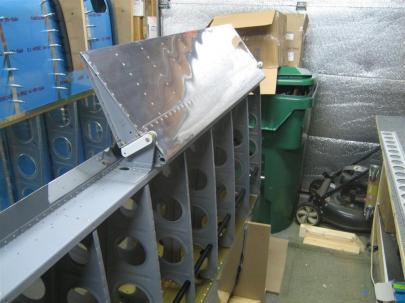
Hey, look at that! It looks like an airplane!

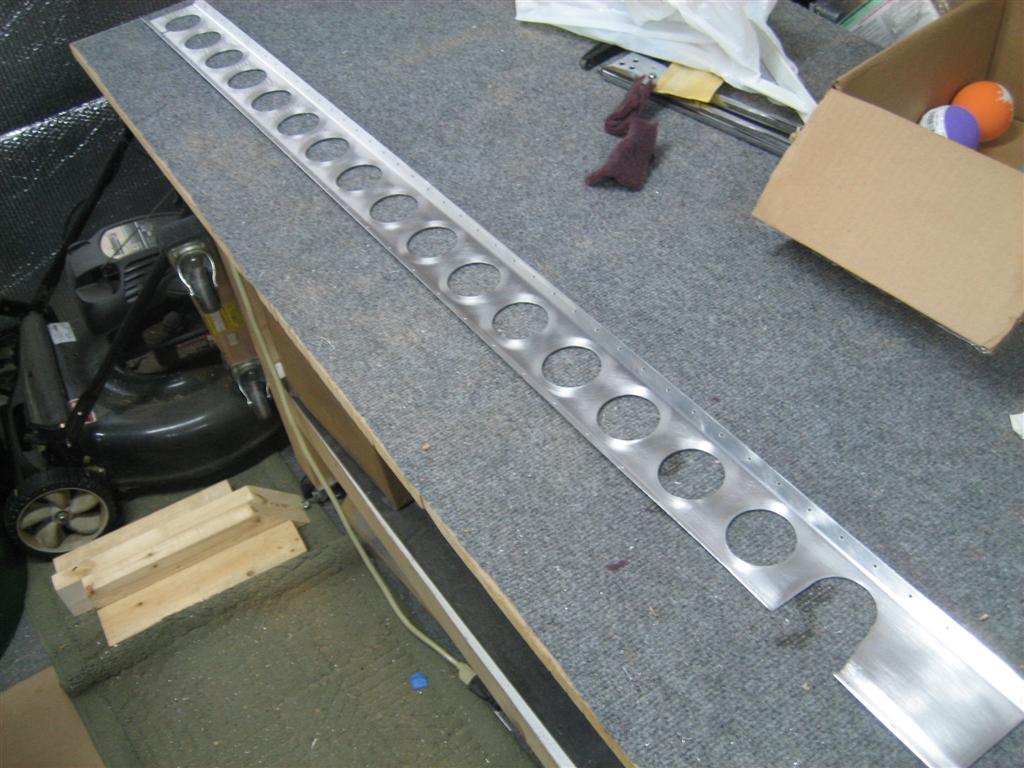
Okay, here, the ADD set in, and I needed to so something else. Time to pull out the flap seal. After edge finishing and scuffing…
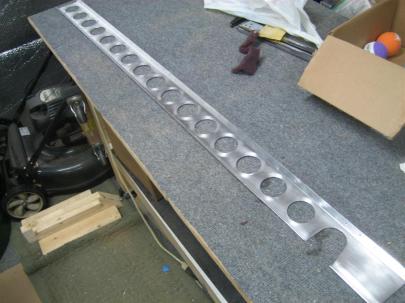
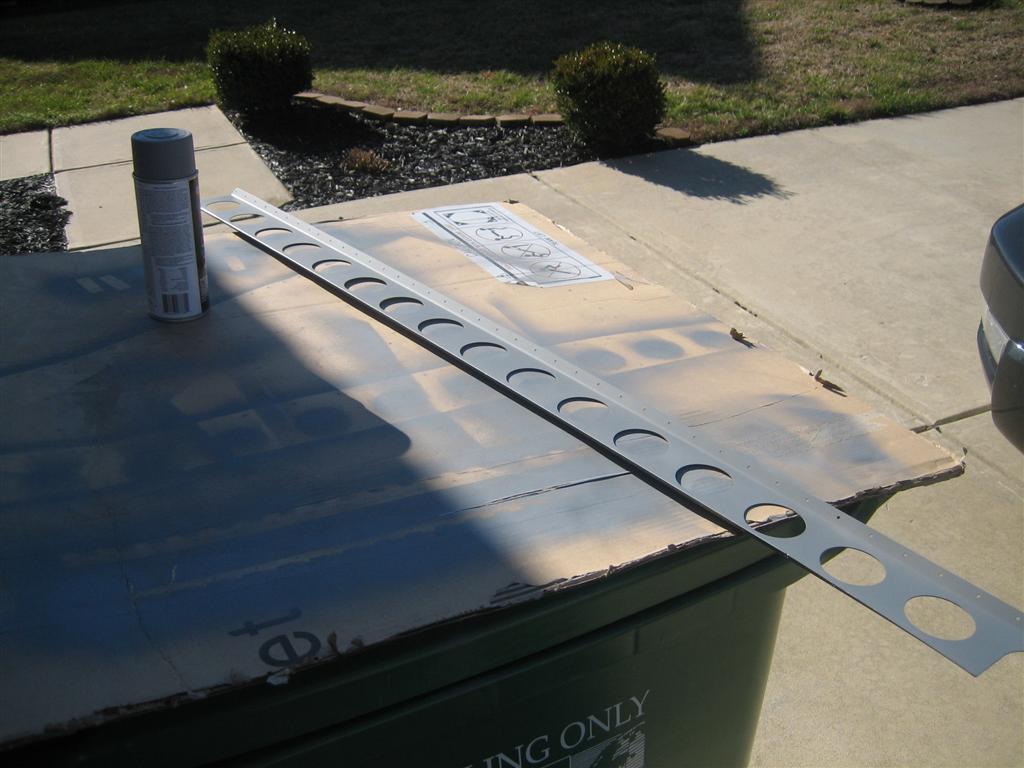
Tada! Time for cleaning and priming.
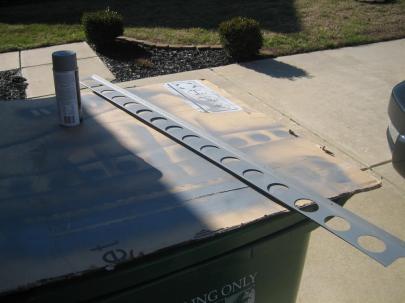
Don't let the sun fool you. It was freezing out today.

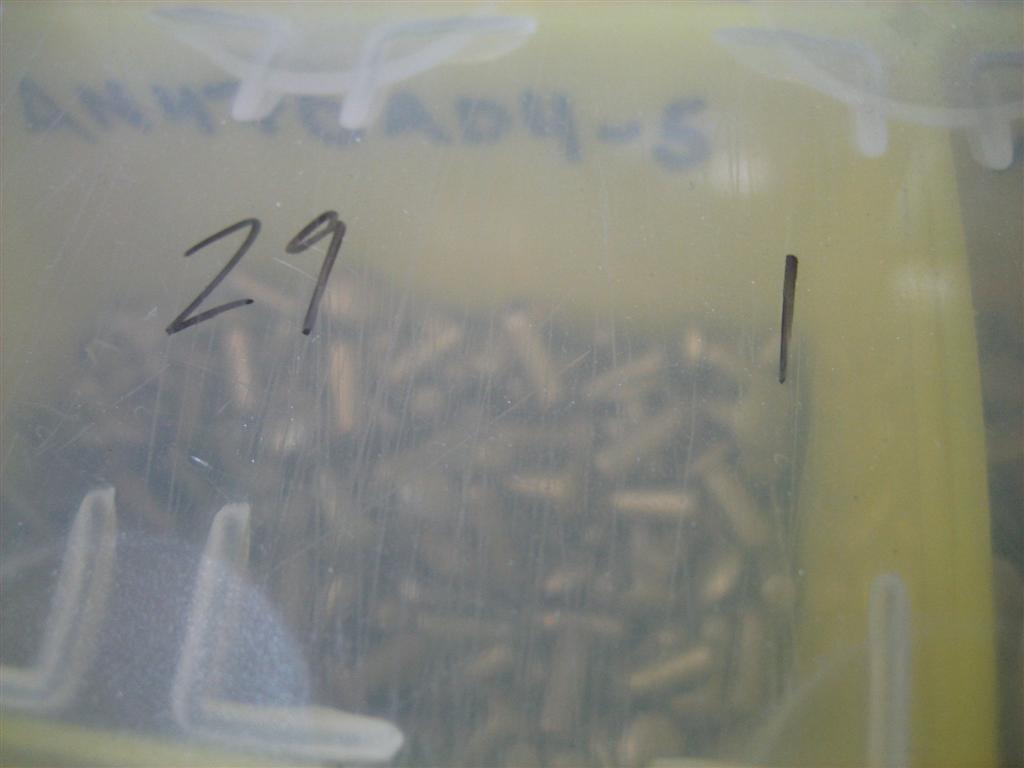
Serisouly, there pictures are way out of order. Here are my rivet counts after I was done with riveting the flap seal on.
29 total rivets set, 1 drilled out.

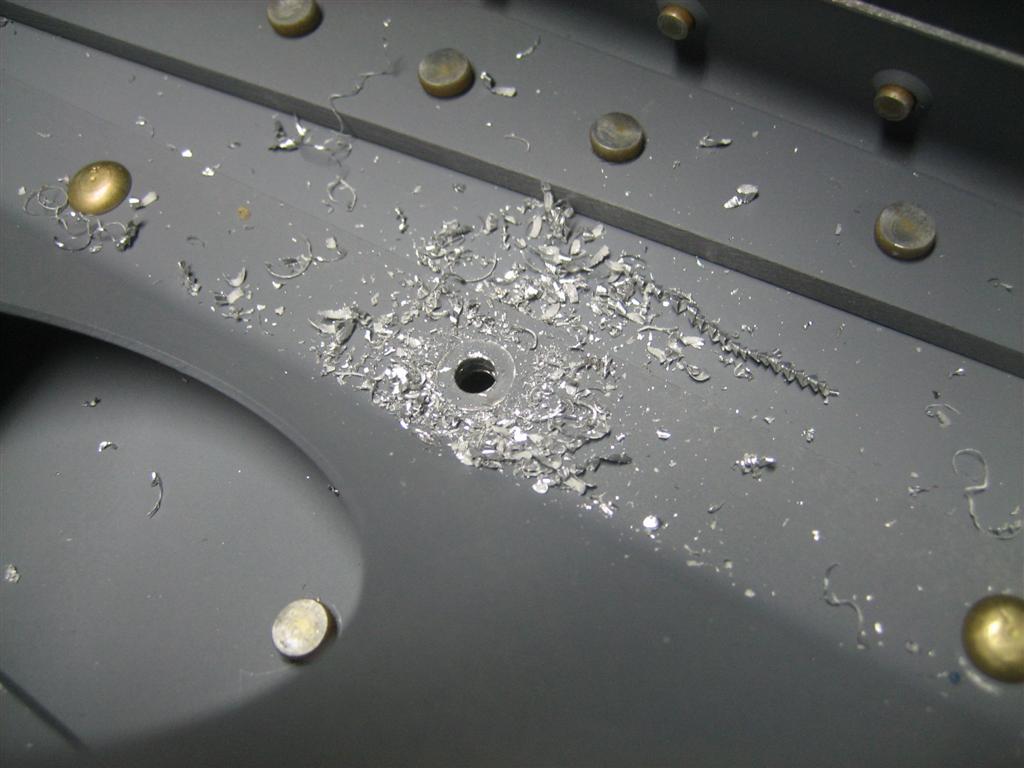
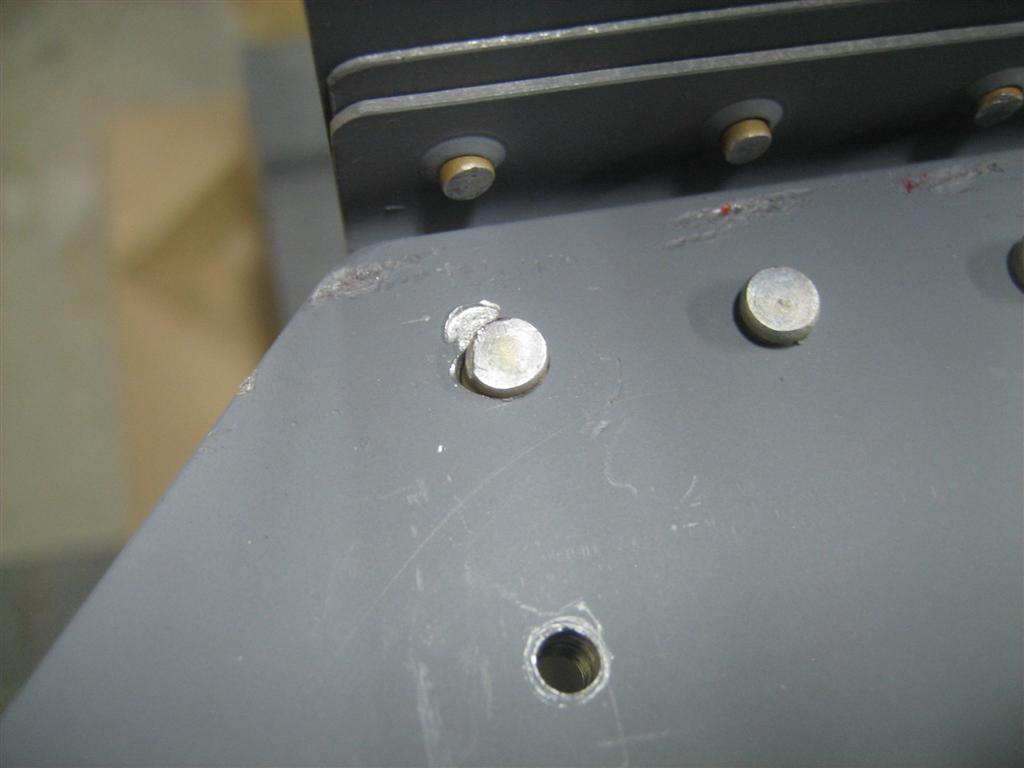
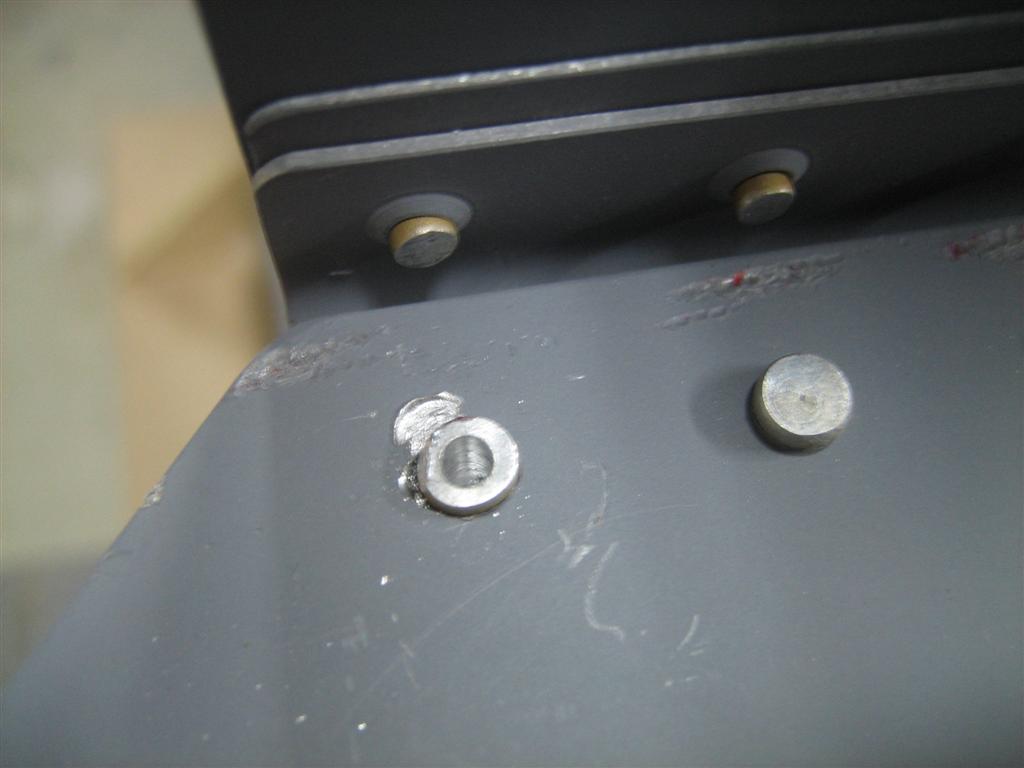
I didn’t get a good picture, but I didn’t get the rivet gun lined up right, so the edge of the set just chewed through the rivet head.
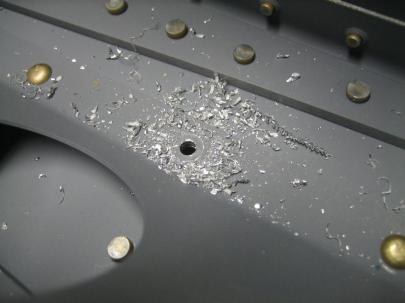
Anyway, a nice clean drill-out.

Here’s the finished product.
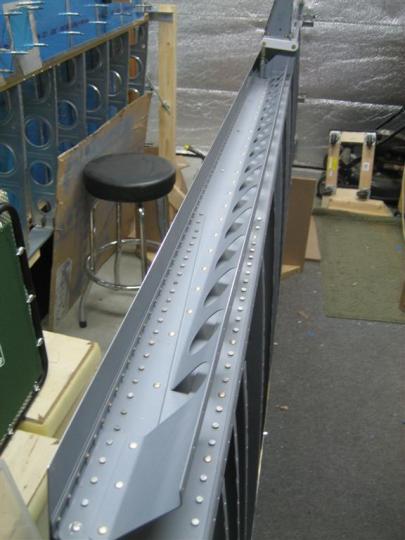
29 rivets closer to the end.

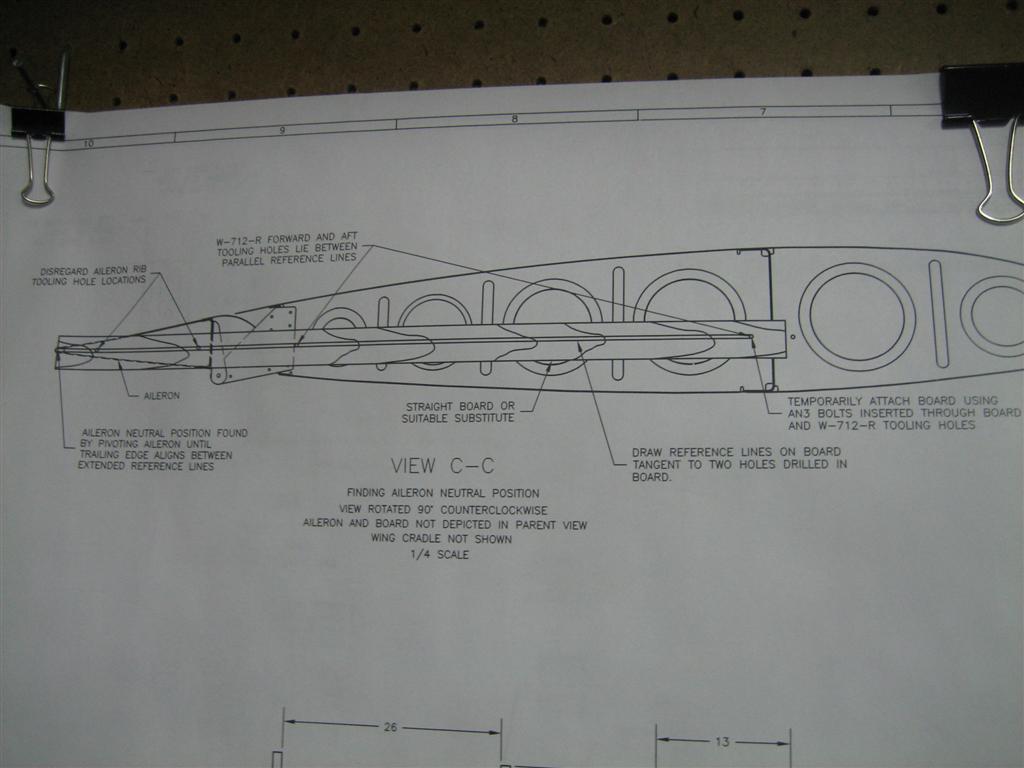
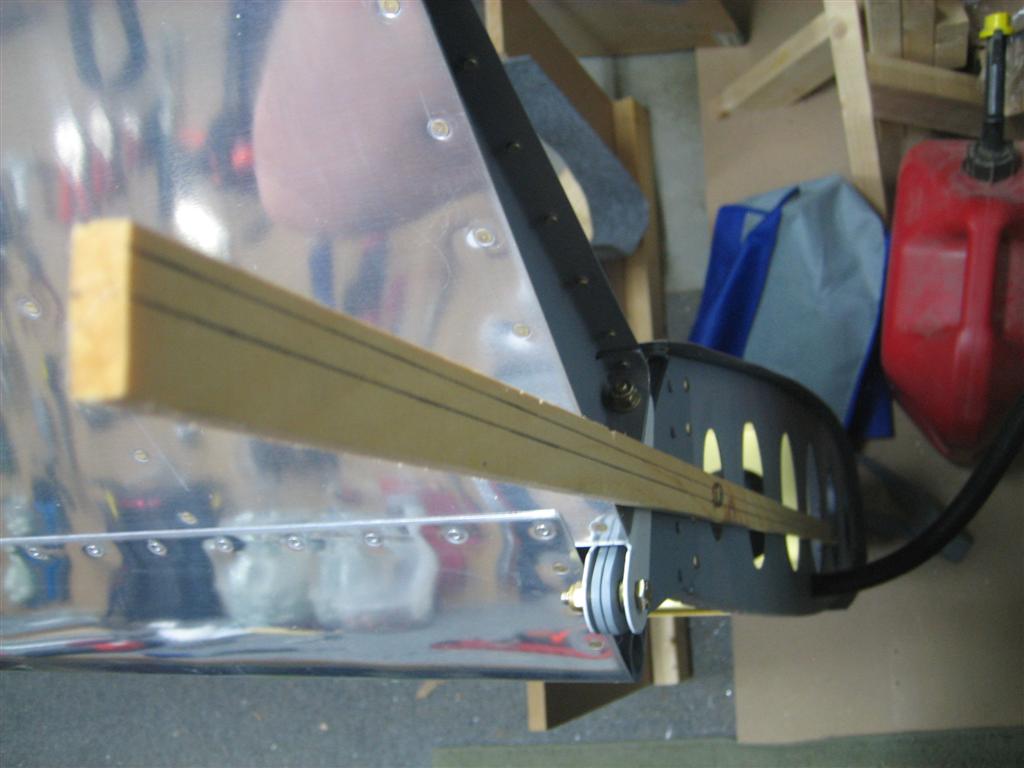
Next, I was trying to figure out how to line up the aileron, so instead of copying some other people’s cleco and a straight edge trick, I decided to do it by the book. Grab a straight piece of wood, drill the holes for the tooling holes in the wings, then line up the aileron with two tangential lines.
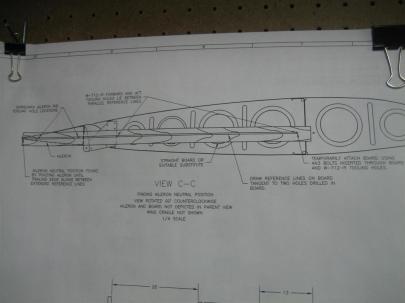
Easy enough, right?

Well, kind of. Turns out, I had used one of the tooling holes as the attachment hole for the angled bracket for the wing stands.
See? 1/4"
The upper one is still #21, though.

So, I drilled two holes at the appropriate distance for an AN3 bolt, then drew my tangential lines, then enlarged the lower one to 1/4″.
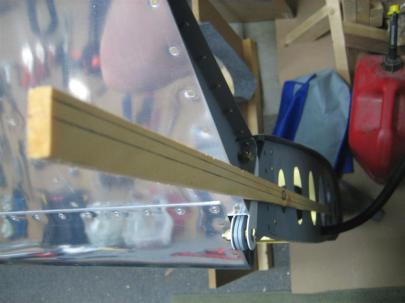
Worked well for me.

But I quickly realized that with the wing nose-down, the aileron is NOT neutrally balanced. Since there is a moment on the aileron, if I clamp it to my piece of wood, it’s going to bend the piece of wood for a false reading. Looks like I’ll have to actually construct the bellcrank and pushrod.
So, I fished out the bearing from beneath my workbenches and cleaned off the tag.

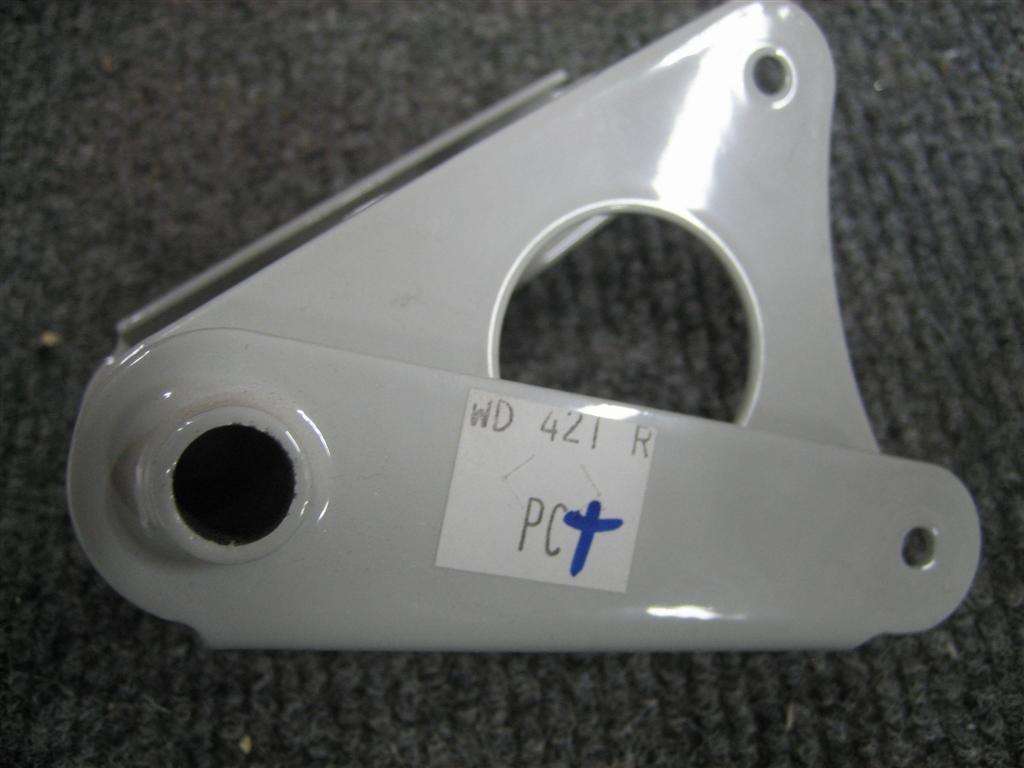
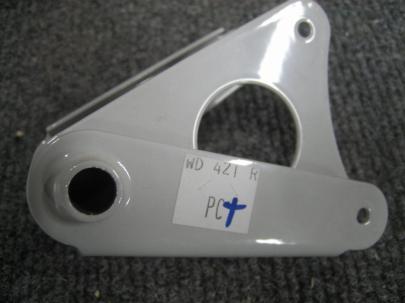
Also, I found the bellcrank attach brackets.
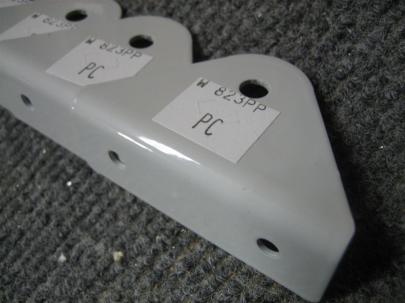
And cleaned off more tags.

I was trying to locate the AN3-6A bolts that are called out for the bellcrank attach brackets, and I couldn’t find them anywhere.

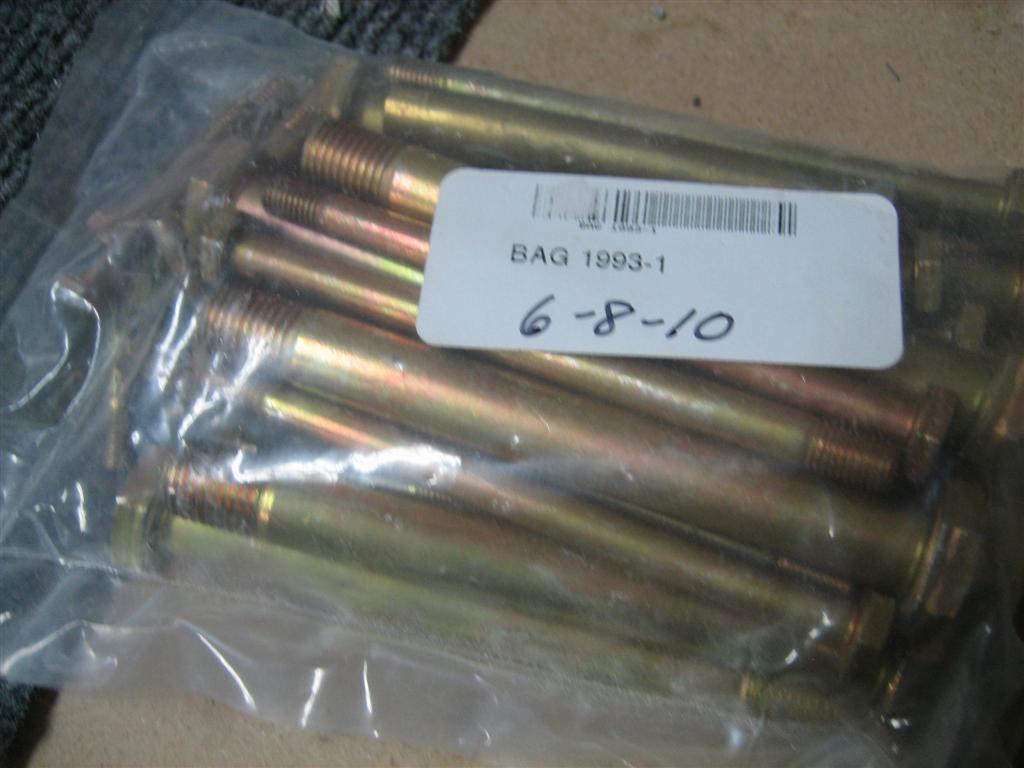
After about 30 minutes of build time wasted, I remembered that I had one more bag left. I thought this was just the close tolerance bolts, but alas, there were plenty of other AN bolts in there.
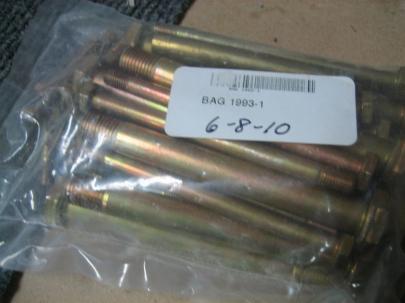
This bag hid from me for 30 minutes.

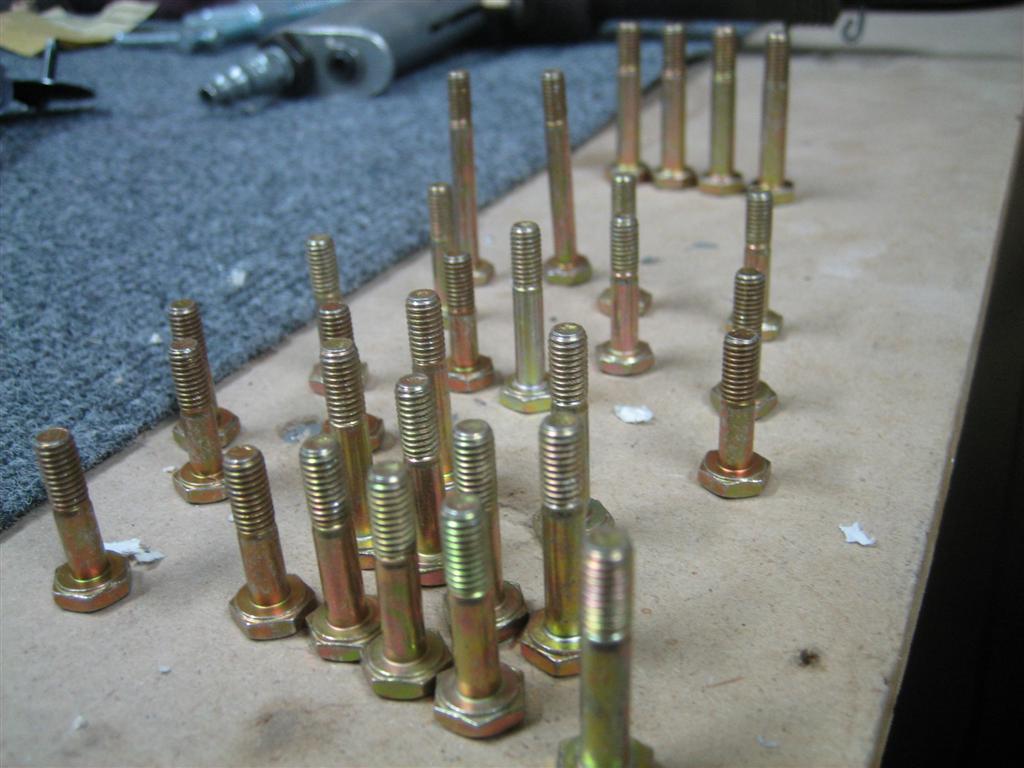
So then I spent about 20 minutes sorting though these bolts.
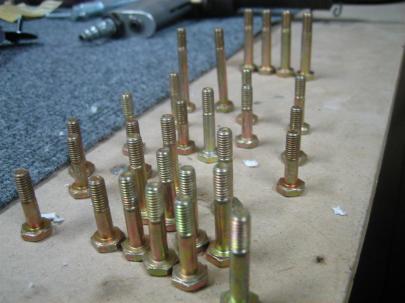
There are some AN3-6A bolts on the left there.

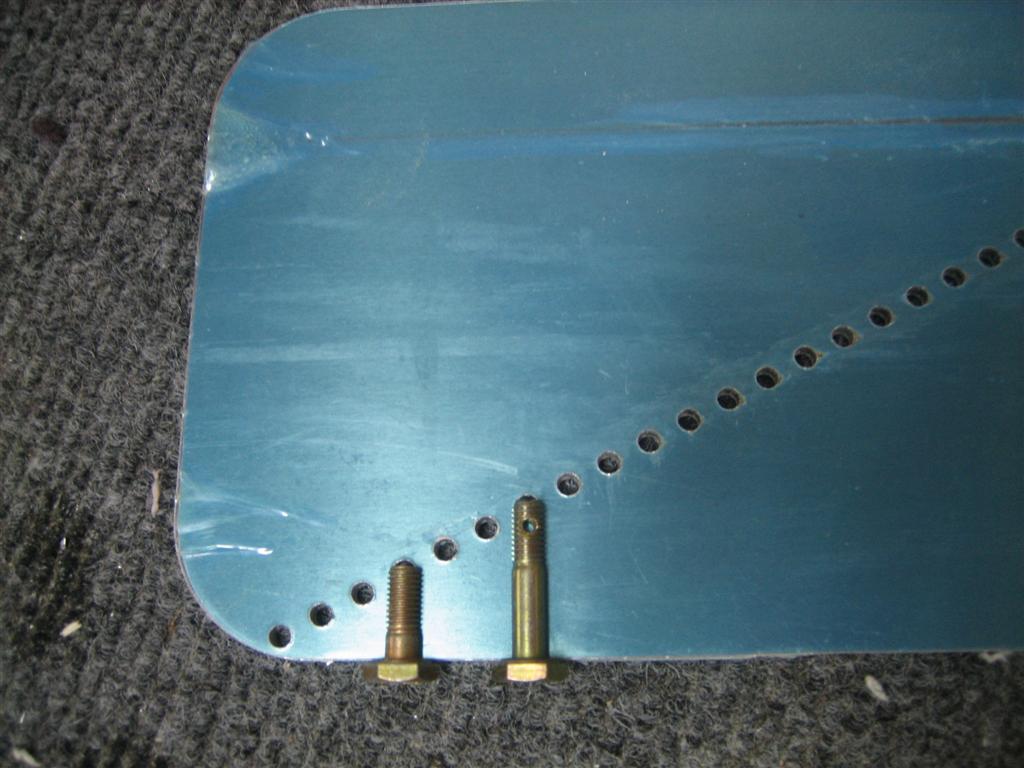
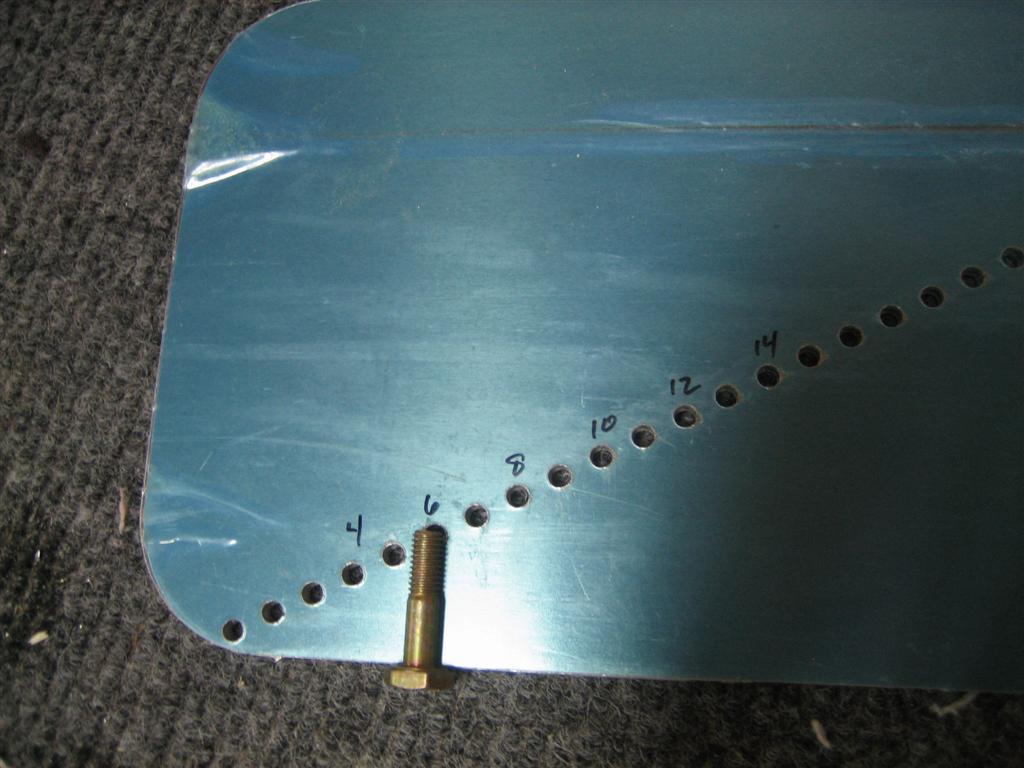
I have some residual confusion about bolt length, though. Here’s a known -4A and -7A.
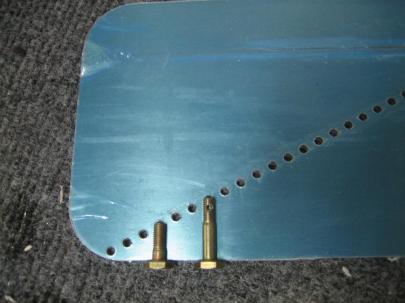
Makes sense.
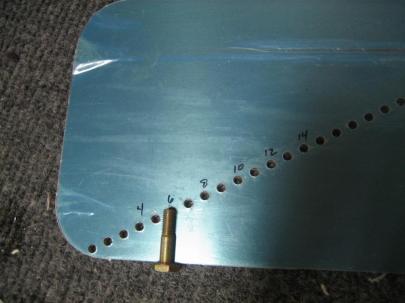
Here's the -6A. This is all good.

Oh, I guess we’re jumping around in pictures again. I’ll bring up my confusion later.

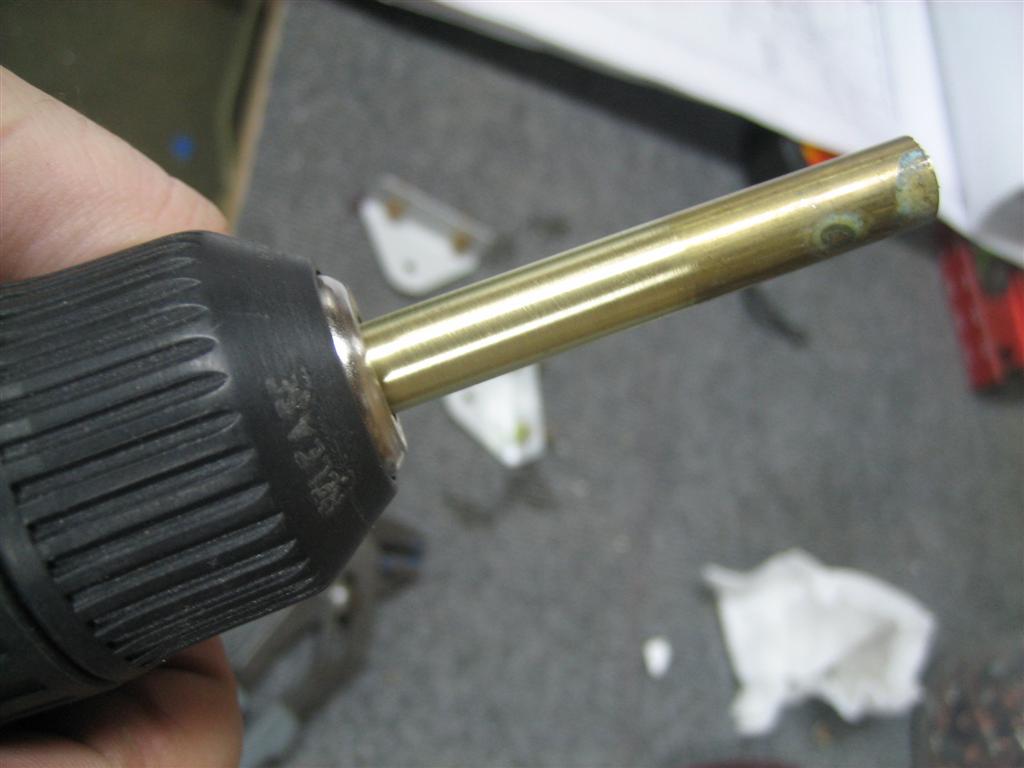
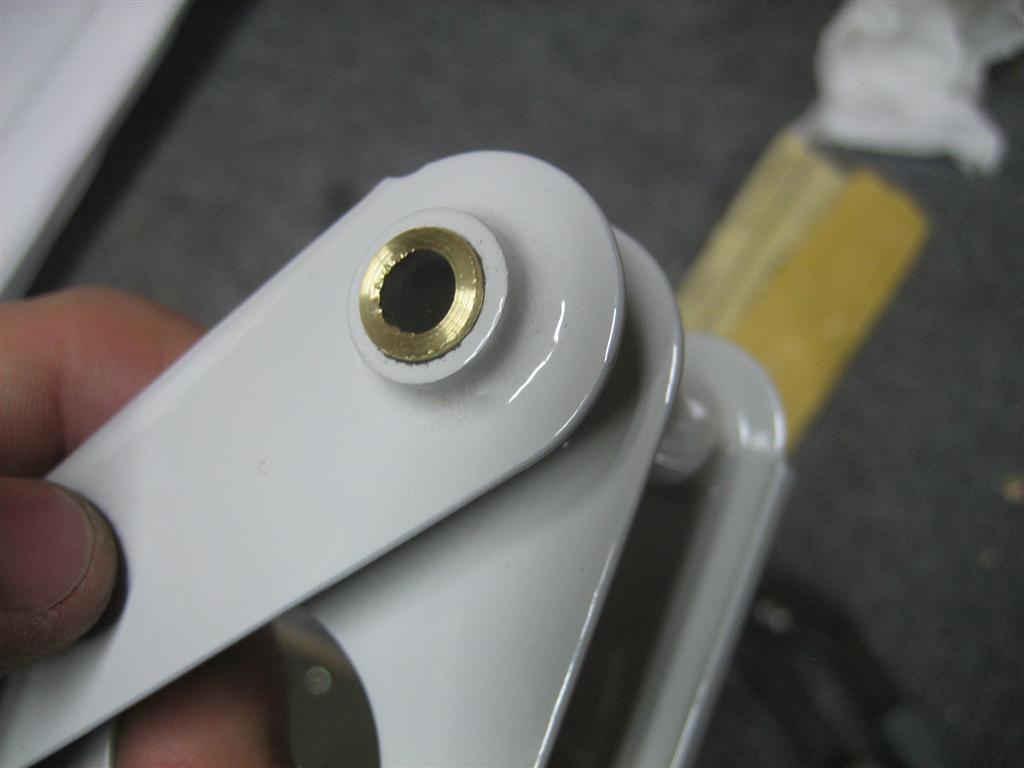
I got the brass bushing out of my storage box and deburred the edges a little.
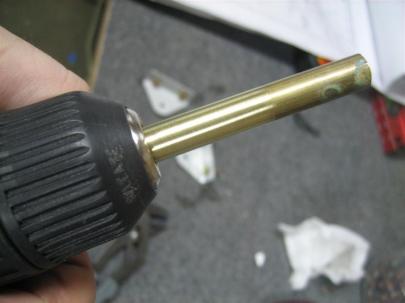
Shiny is scotchbrited, dull is out of the box.

After inserting into the bellcrank….
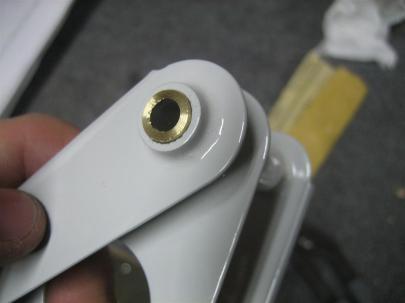
Looking good, needs to be drilled to final size, though.

It just barely sticks out both ends of the bellcrank as designed.
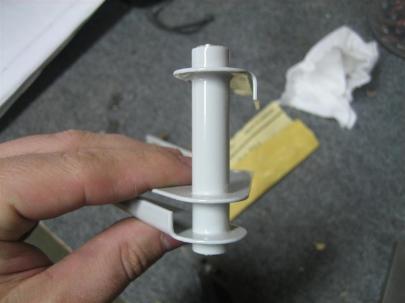
Perfect length out of the box.

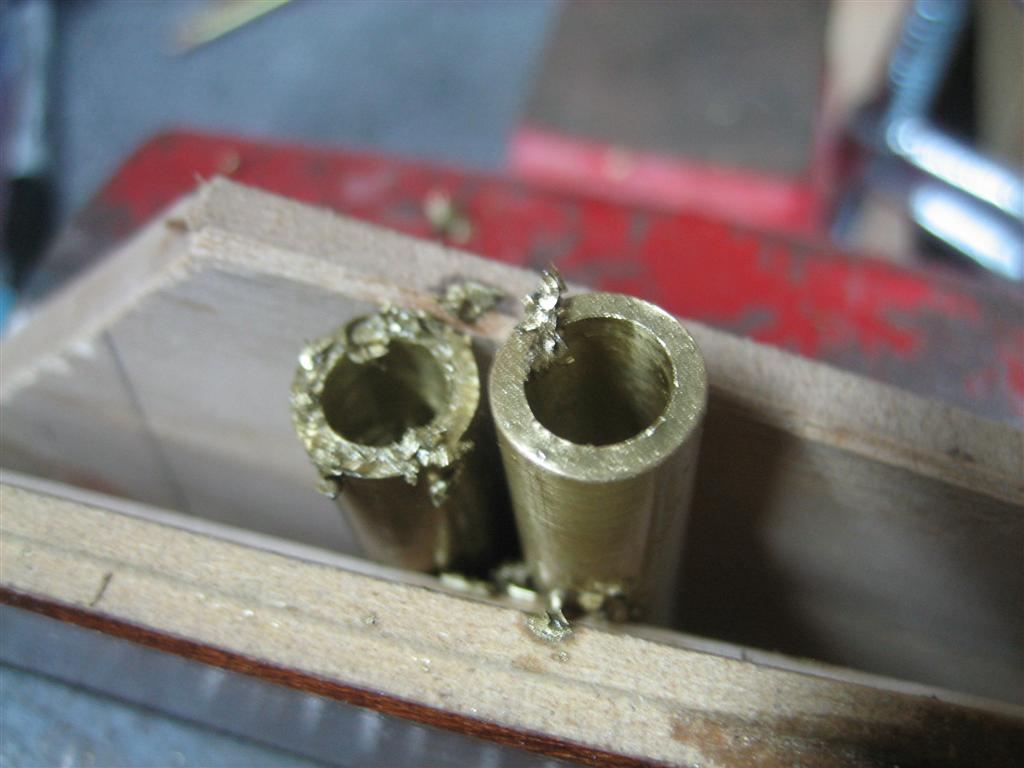
I did need to drill them out to a #21, though, for the long bolt that goes through them.
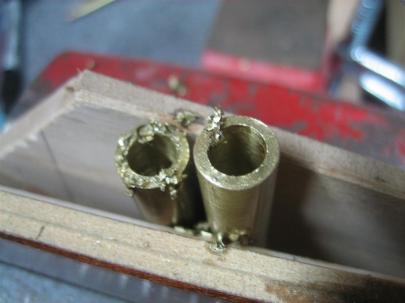
This was more difficult than I imagined it to be. I did use wood to clamp these in the vise, and lots of cutting oil for the drill bit.

So here’s where my confusion came back in. I was supposed to use an AN3-32A bolt, but when I held up the longest bolt I could find, (and after verifying that the longest bolt was the appropriate size for the assembly), I held it up to the bolt gauge thing, and it told me it was an AN3-28A. Hmm. I’ve got my three threads on the outside of the nut, so I guess I’m okay, but I’m still confused.

Anyway, now that I’ve got the bellcrank available, I need the pushrod.
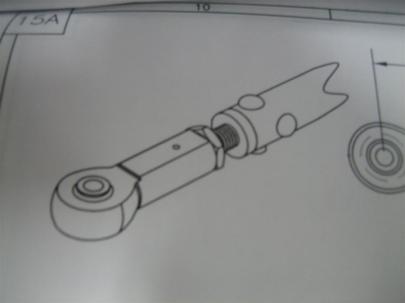
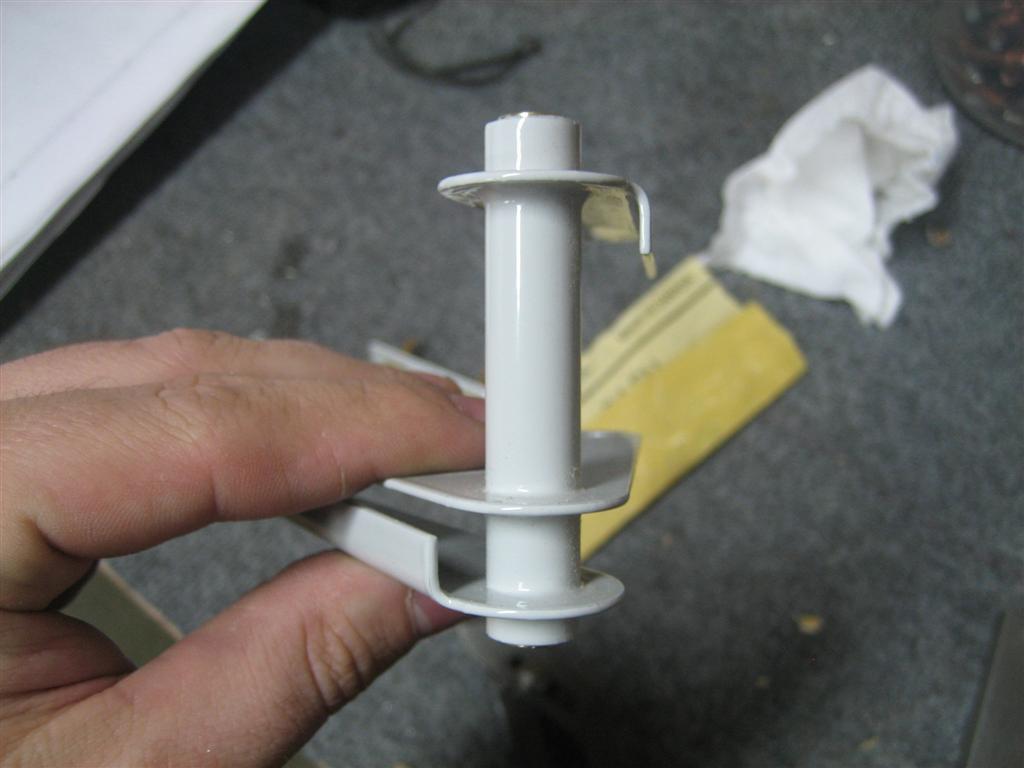
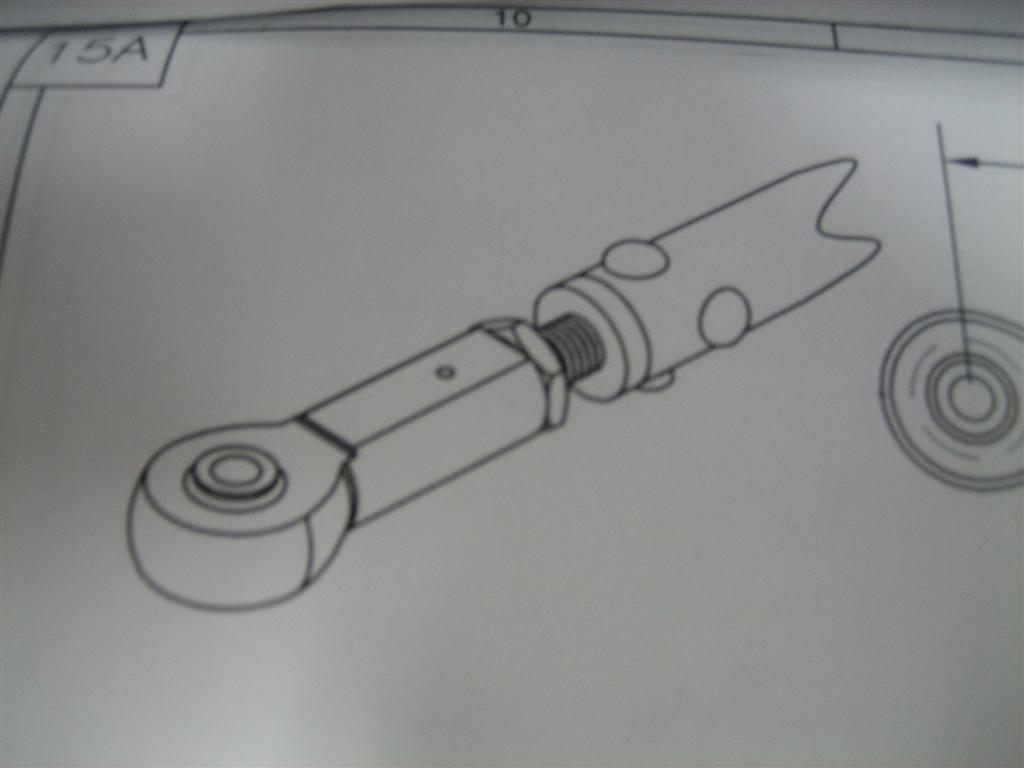
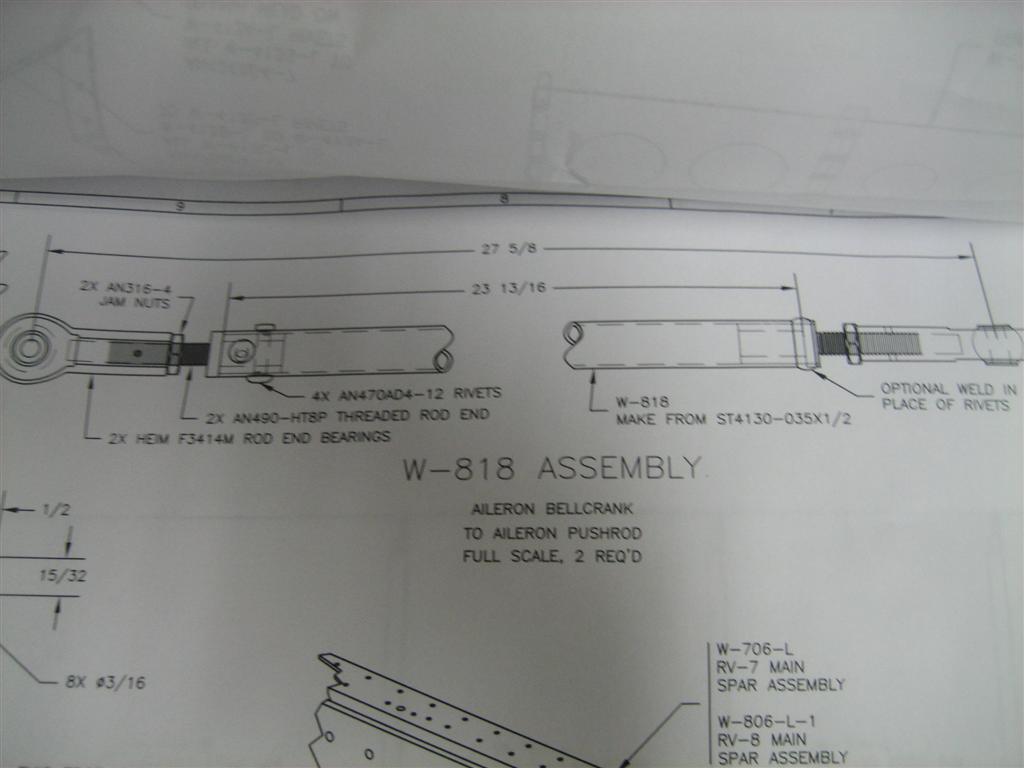
Here's a closeup of the pushrod I'm going to make.
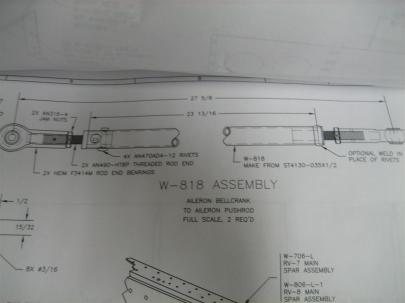
Here's the rest of the W-818 assembly.

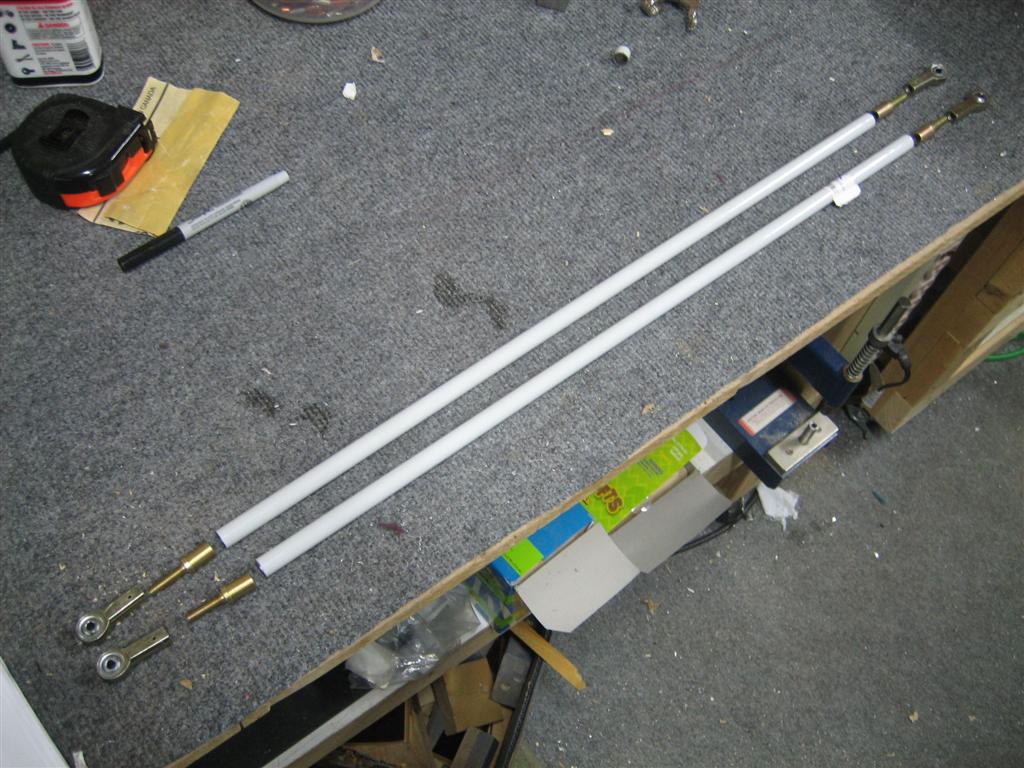
After carefully measuring and cutting, here are my two pushrods.
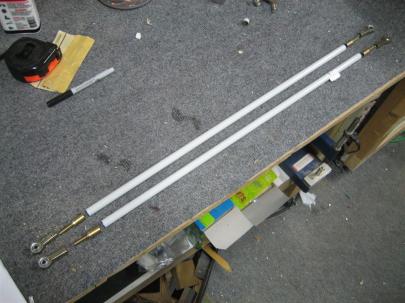
One left, and one right.

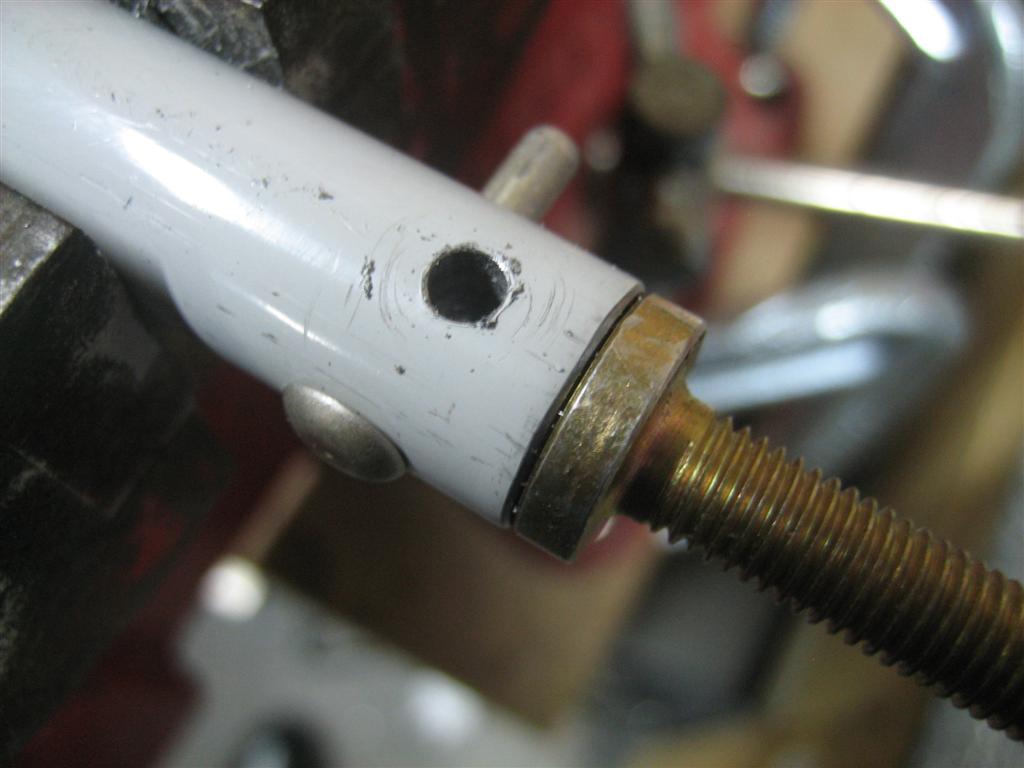
After drilling two 90° #30 holes…
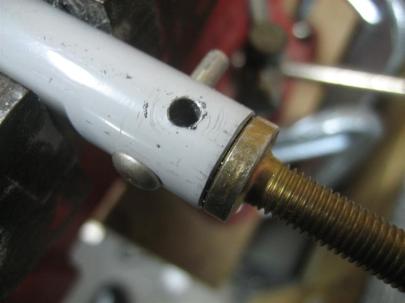
You can also see an AN470AD4-12 rivet.

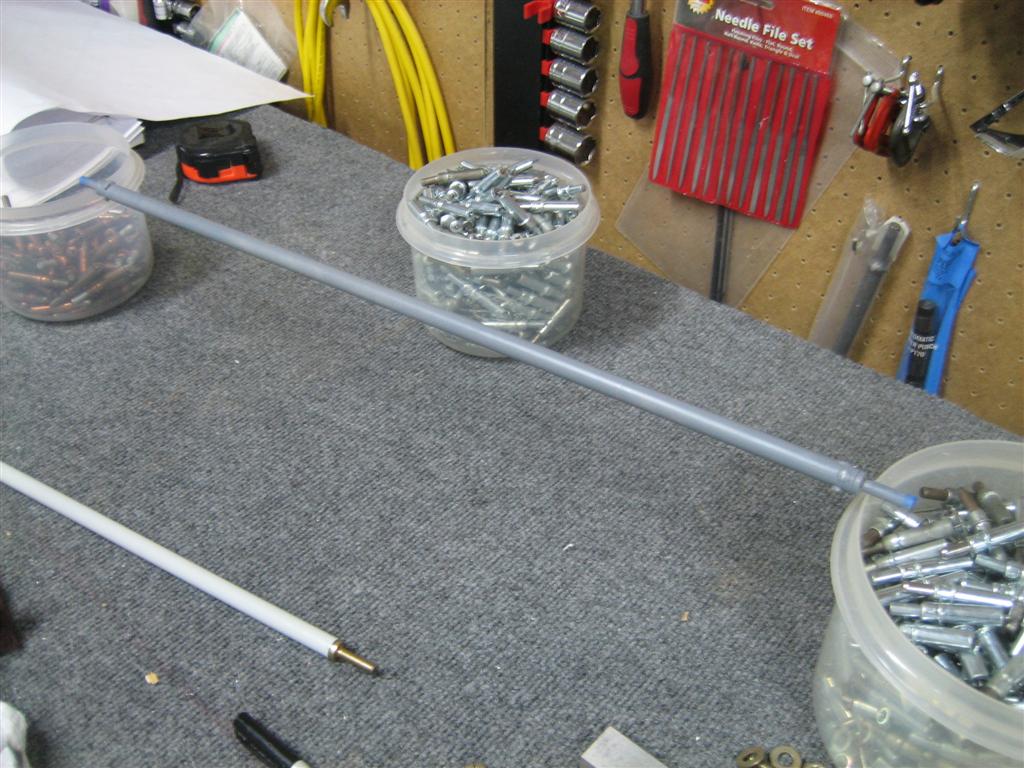
Then, after some rivet squeezing and priming, I propped it up on my handy-dandy cleco storage units for drying.
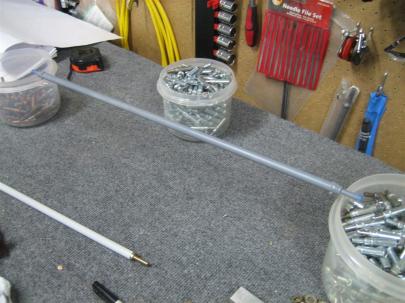
It's like watching paint dry.
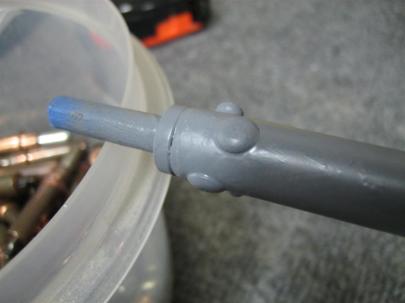
A picture of the rivet shop heads.

Oh, and one more spacer for the actual attach point for the aileron.
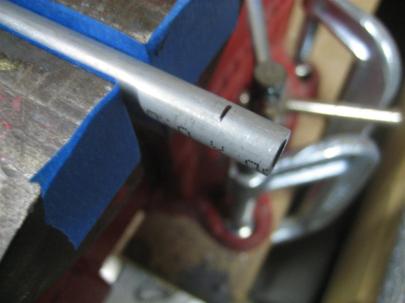
More spacers!

Here’s the attachment for the aileron.
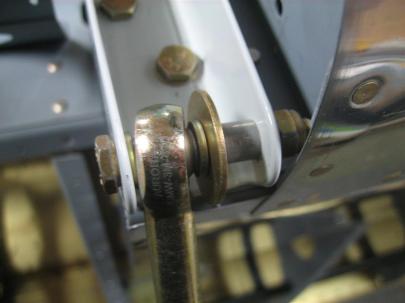
This angle is weird because I've flipped the entire aileron up and around its axis.

But, after I got the pushrod installed…
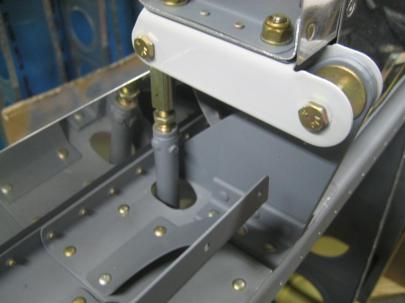
Looks like an airplane!

Here’s the bellcrank area. Looks like I dripped some primer in there.
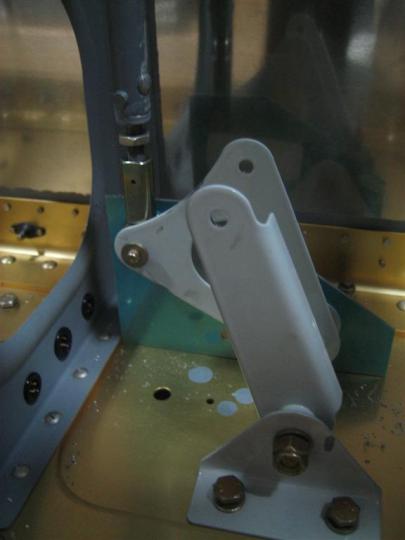
Van's tells you to prime the inside of the pushrods, too. So I poured some in there, then tried to pour it out. None came out until I installed it here, and some seeped around the edge of the pushrod fitting. Oops.

Hey, not to far off for the first try.
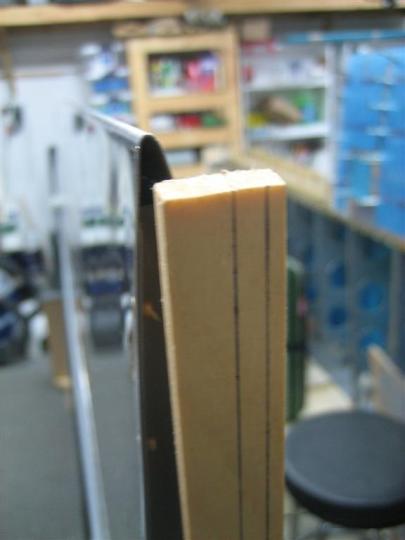
Within a degree or so...I'll fix this first thing tomorrow.

4 hours total today, 3 of which were on the ailerons, 1 of which was for the flap brace. 29 rivets set, one drilled out. Yahoo!

Prev | Next
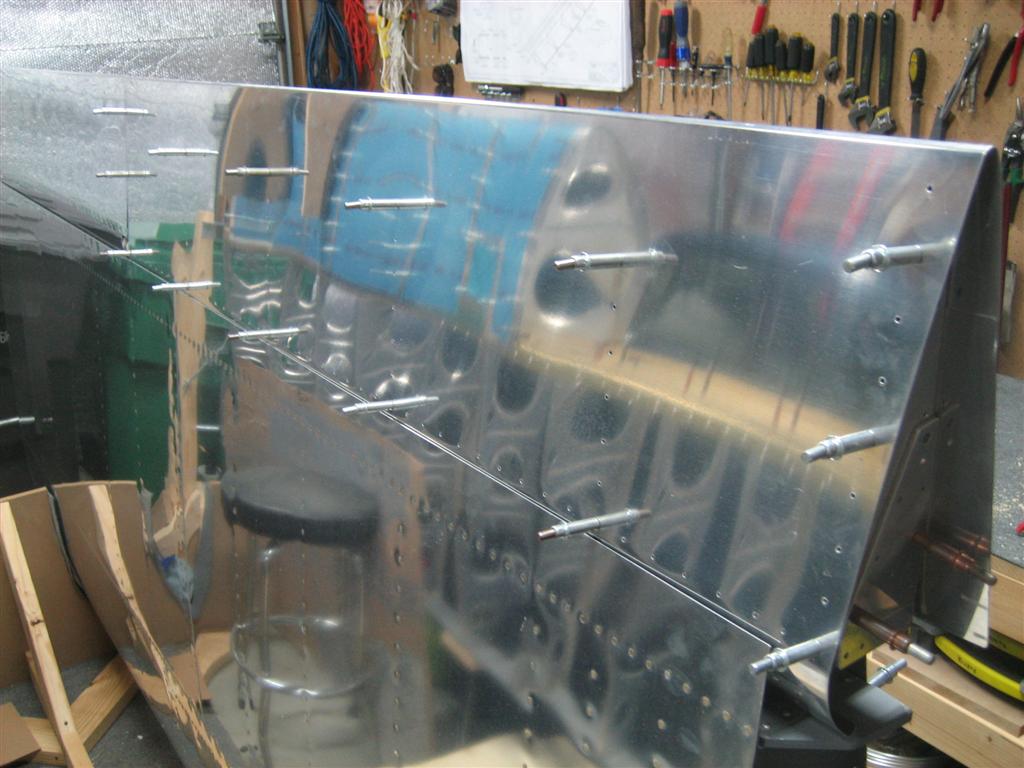

Riveted Right Aileron Gap Fairing

December 19, 2011

Prev | Next

Whoa, I’ve got a few exciting days in a row building up. Well, not days, but posts.
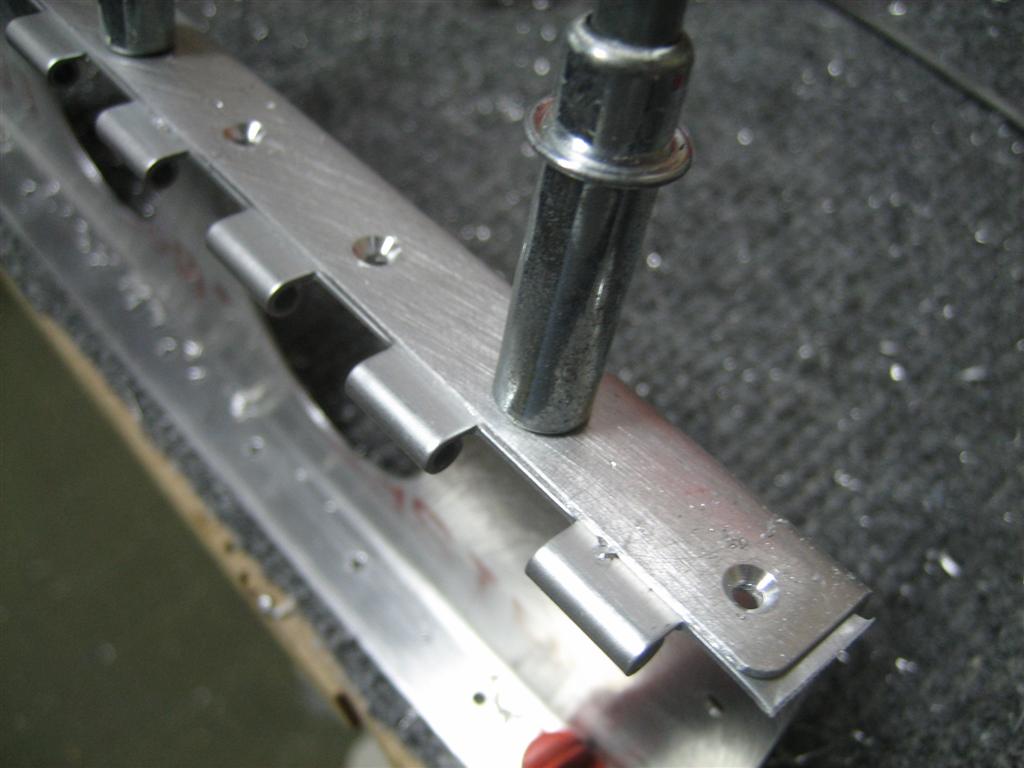
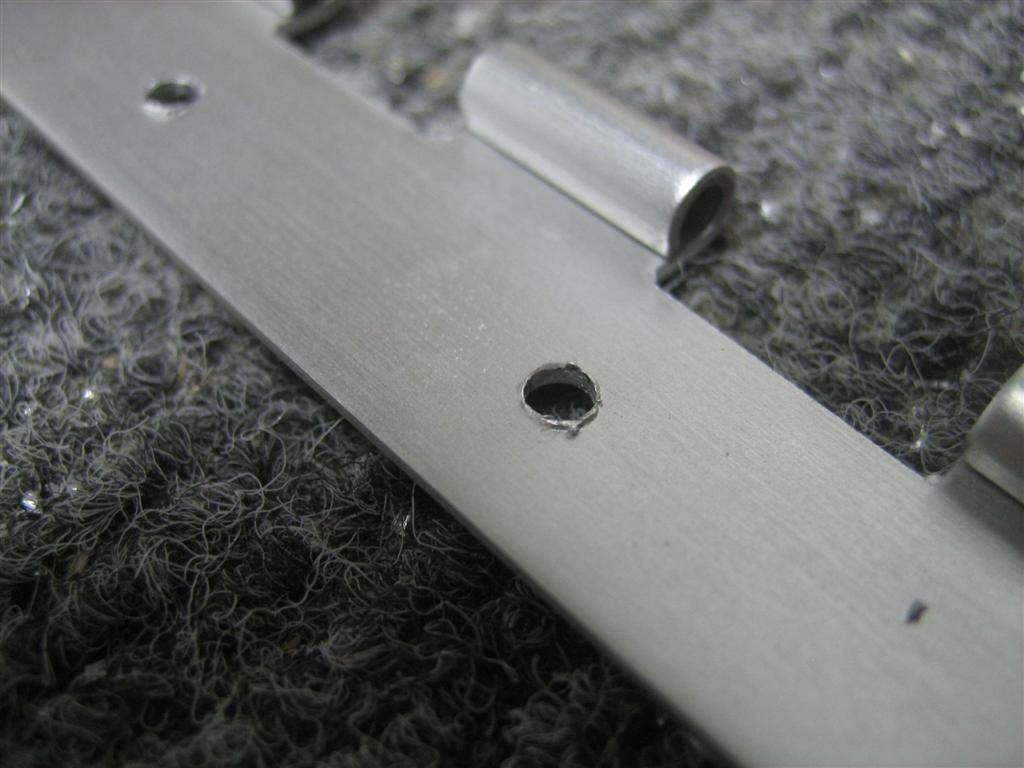
Tonight, I knew if I kept focused, I could get from drilled aileron gap fairing to riveted aileron gap fairing.
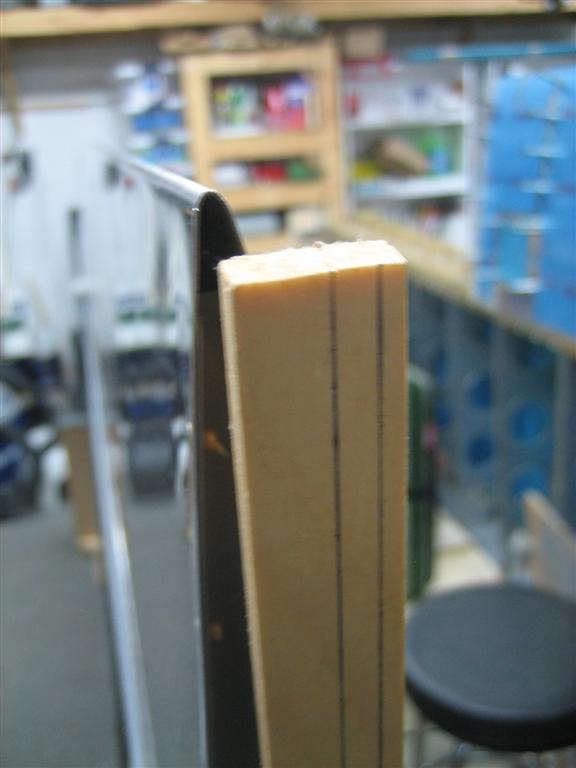
I’ll break it down.

5 minutes of edge finishing (thank you scotchbrite wheel).

5 minutes of hole deburring.

5 minutes of dimpling (only the upper half of the aileron gap fairing).

5 minutes of cleaning inside

2.5 minutes to prime one side

5 minutes filling girlfriend’s tires

2.5 minutes priming the other side

5 minutes filling my tires

10 minutes shooting the AN470AD4 and AD5 rivets.

A cleco in every other hole.

A closeup I guess.

A wonderful shop head.

An even better shop head.

After the whole row of AN470- rivets.

More shop heads, I guess. I need to hit that one on the upper left a few more times.

10 minutes to squeeze the AN426AD3-3.5 rivets.

These -3 rivets were a little small, so I used -3.5.

After squeezing a few, I realized that maybe they stipulated -3 rivets so the heads would be small to avoid the top of the aileron skin. After freaking out for a minute, I realized that the tolerance here would have to be more than the difference between a -3 and -3.5 rivet.

Shop head picture.

Here's the whole row done.

Anyone keeping track of the minutes?

Oh yeah, 5 minutes to admire my (no drilling out!) riveting.

1.0 hour, 28 rivets shot, 27 rivets squeezed, for a grand total of 55 rivets.

Prev | Next


Riveted Some Things On the Right Rear Spar

December 14, 2011

Prev | Next

Tonight was a pretty exciting night. Not only because I got the flap brace and aileron gap fairing matchdrilled, but because I got to set 32 rivets I had previously skipped (see my previous rear spar riveting post from almost a year ago).

On to the pictures…

Here I am matchdrilling the flap brace.

I admit, this was a little posed.

Next, I matchdrilled the two aileron attachment brackets. For both brackets, I had to do a little filing to make sure the top edge fit nicely in the radius of the rear spar.

This is all that was needed.

After getting everything on the rear spar matchdrilled, I removed the components and also took the lower skins off. Now I’ve got great access to the rear spar rivets I’d previously missed.

I didn’t really miss them, it’s just that the spar was facing down, and I didn’t have a good way to squeeze them with my no-hole yoke. I could have shot and bucked them laying on my back on the floor, but I knew an opportunity like this was coming soon (well, almost a year later).

bottom skins are off, time for some riveting.

This bottom rivet was one of the troublesome ones before. I shot this from the top side, and it was a piece of cake.

I think there were about 11 of those or so, with 6 more on the rear spar reinforcement bar. Next, though, was this dreaded rivet.

If you remember from that last post, I had butchered this pretty badly 2 or three times, and Van’s had responded that a -5 rivet would work well here if the hole was too enlarged. (They also said a slightly undersized rivet head would be okay if you could engage the entire circumference of the hole.)

Yikes.

First drilled with #40 to make sure I'm on the center.

Then to #30.

Pretty good drillout.

The enlarged hole wasn’t really that enlarged, so I made the executive decision to stick with the -4 rivet.

This time, I set it from the top. Yes, there is a tiny smiley, but it's not worth trying to fix again.

asdf

And a nice shot head on the other side. (Sorry, had to use the flash to see.)

Finally, I deburred and riveted the aileron attachment brackets onto the spar.

After rechecking the plans, I noticed the lower rivet here should be flush. Really? Bummer. I'll have to get a threaded attachment for my countersinks to reach this one.

Same outboard bracket, this time the rib rivets.

Lot's of good shop heads.

Yup, there it is on the lower left. (I didn't show the legend, but this is a flush head).

Whoa, same on the lower rivet here (this is for the left wing, so it's mirrored for the right).

More riveting here.

Nice.

Umm, I don’t know why I uploaded this pictuer…

Redundant much?

1.0 Hours, 32 rivets, one messed up rivet from almost a year ago, finally drilled out. (I’m splitting up the hour into 30 minutes on the ribs, 30 minutes on the wing.)

Prev | Next


Right Flap Brace and Aileron Gap Fairing

December 12, 2011

Prev | Next

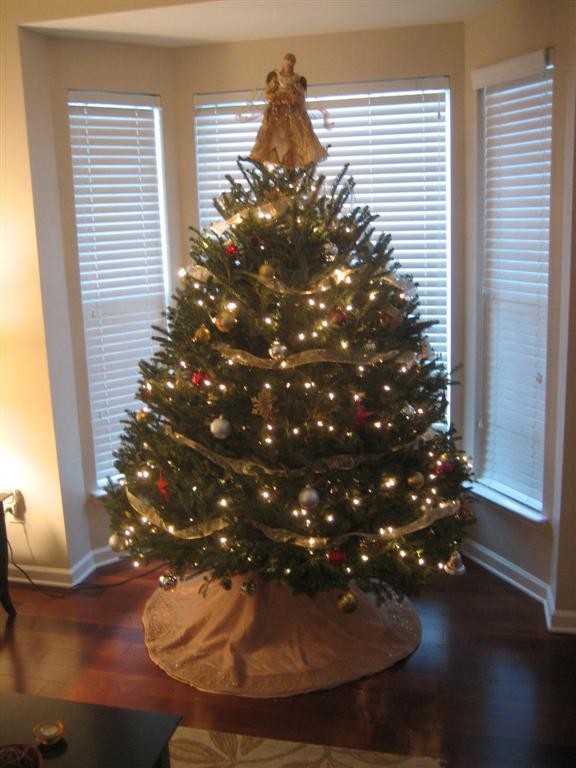
Alright, before we get too busy getting excited about two posts in a row, let’s talk a little about Christmas. This year, we decided to do a Christmas tree. A few Saturday’s ago, we ventured out into the cold (it was pretty warm) and cut down our own tree (no we didn’t, we bought it from the farmer’s market).

Anyway. There are three interesting pictures from the day.

Jack, incredulously watching us decorate the tree.

Ginger's falling asleep. OMG this is the closest she's been to feather's since FEATHERGATE.

Finally the tree.

Now it needs some presents. Send me some presents.

Just kidding.

Let’s get back to building, shall we?

Tonight, high on the excitement of flipping the right wing over, I decided to get some more aluminum down from storage.

These two pieces are the Aileron Gap Fairing and the Flap Brace.

Part numbers shown for the right wing.

Turns out these have been in the garage for over a year now, so when I pulled off the blue vinyl, there was some residual…well…residue.

A little acetone fixed this right up.

I scuffed these up quickly (I’ll do this more completely when I’m about to prime) and got out the right aileron brackets. The top of the inboard bracket was interfering on my wing (like everyone else’s before me), so like them, I ground down the top corner a little with the scotchbrite wheel.

Here's the corner I ground down.

And clecoed in place.

The outboard bracket clecoed in place.

Here’s the flap brace, looking inboard.

I'll matchdrill both sides, but only rivet the brace to the spar now, the skins will come later.

The flange on the inboard most section is sitting a little funny, so tomorrow, before matchdrilling, I’ll see if I can’t straighten this out a little.

Crooked flange.

Flap brace looking from inboard to outboard.

Then, I clecoed on the aileron gap fairing.

With no trimming, look at how nicely everything lines up. Man, this is easy.

30 short minutes tonight, but it’s better than nothing.

Prev | Next