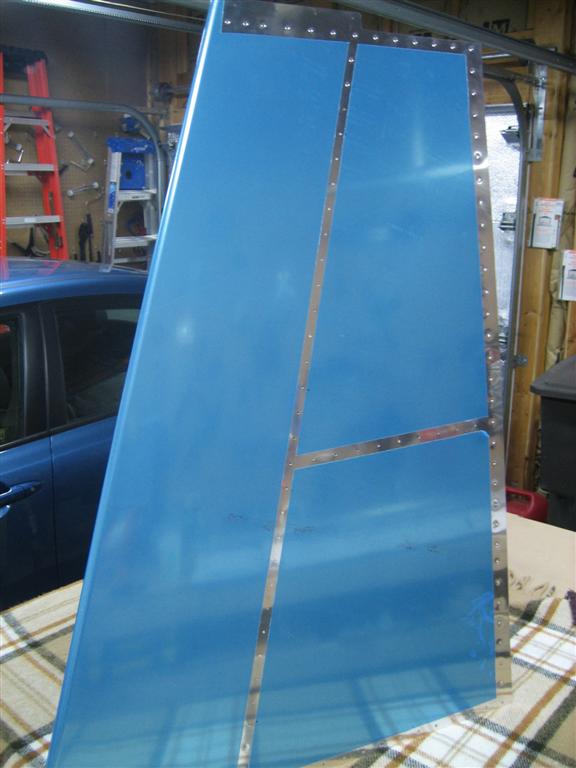
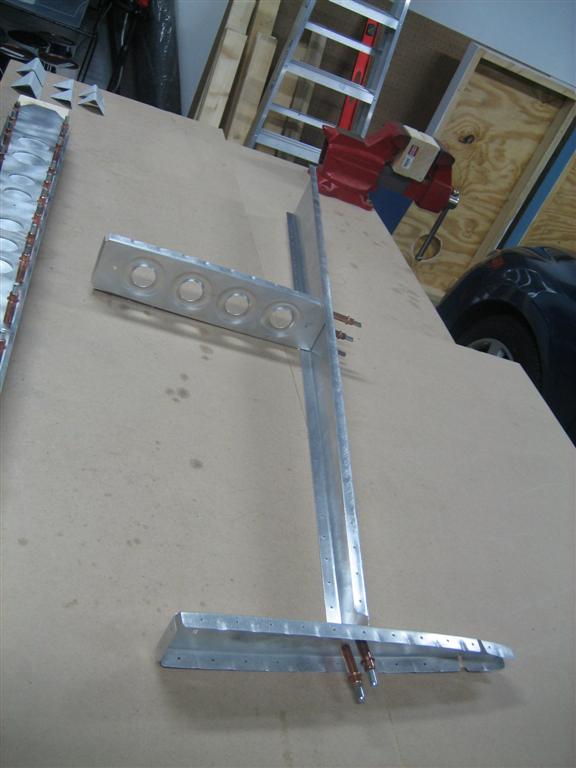
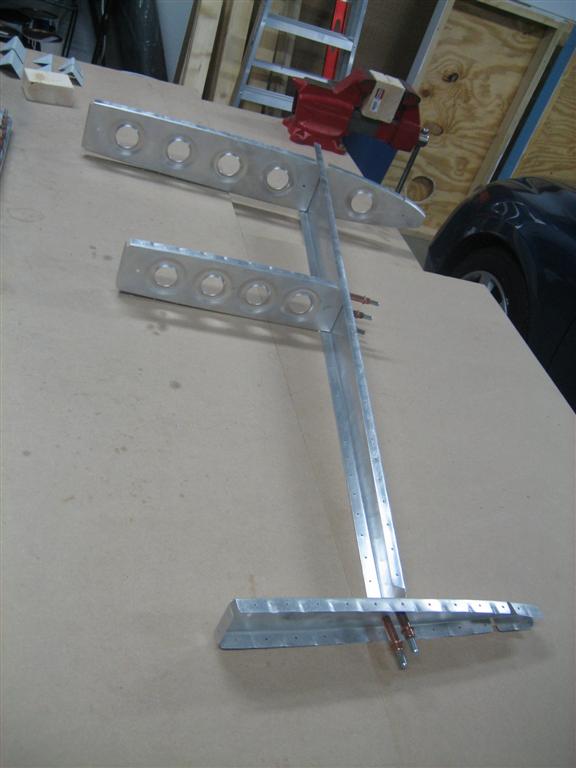
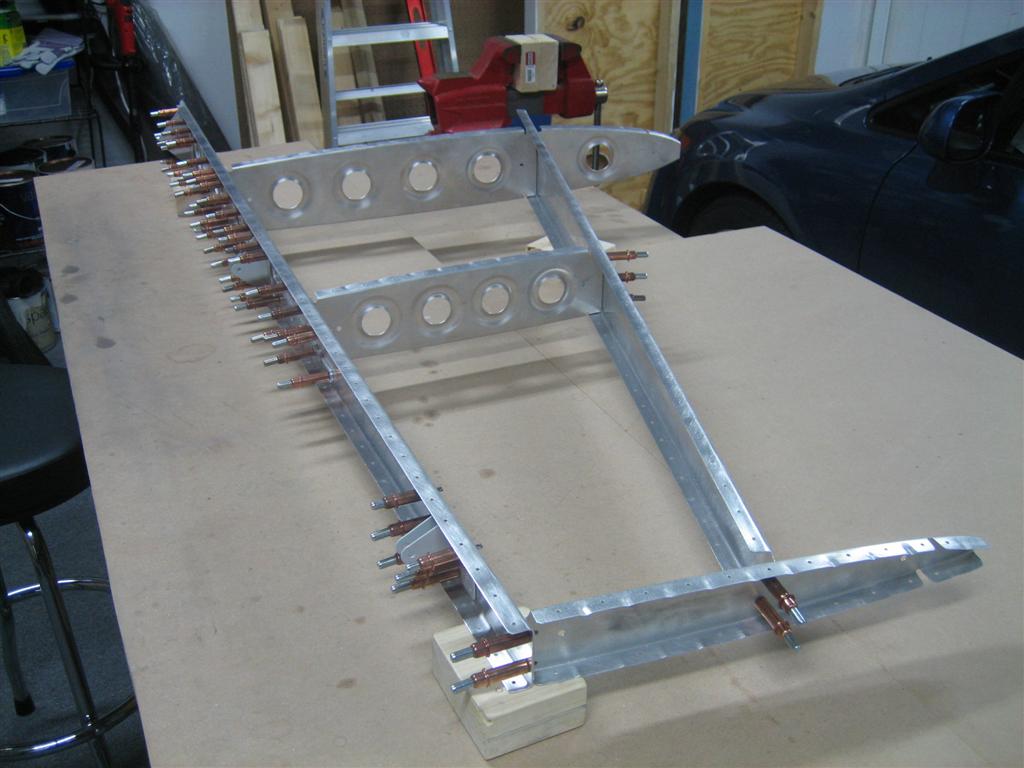
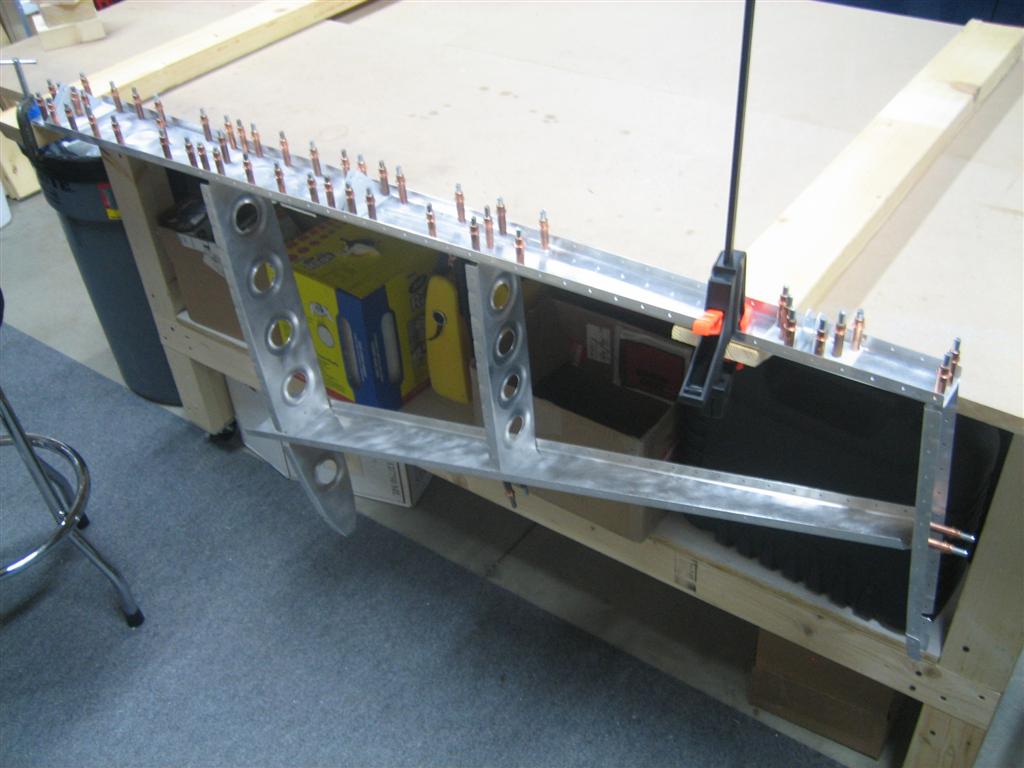
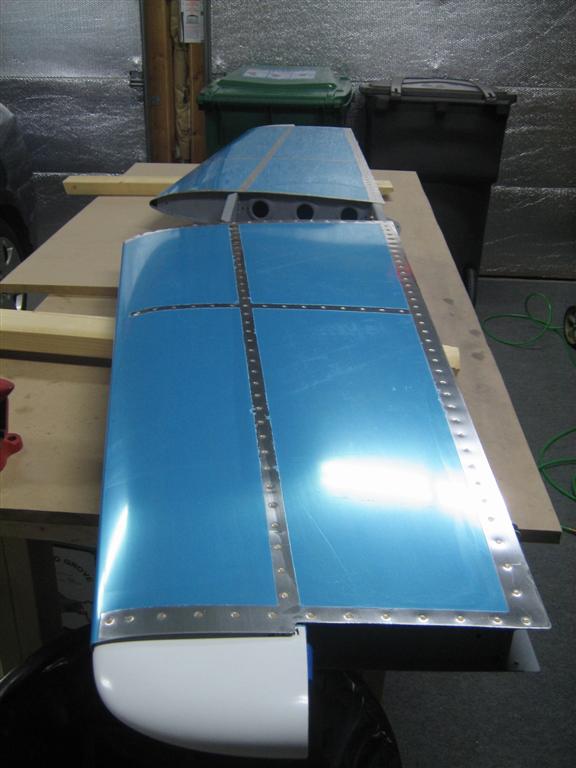
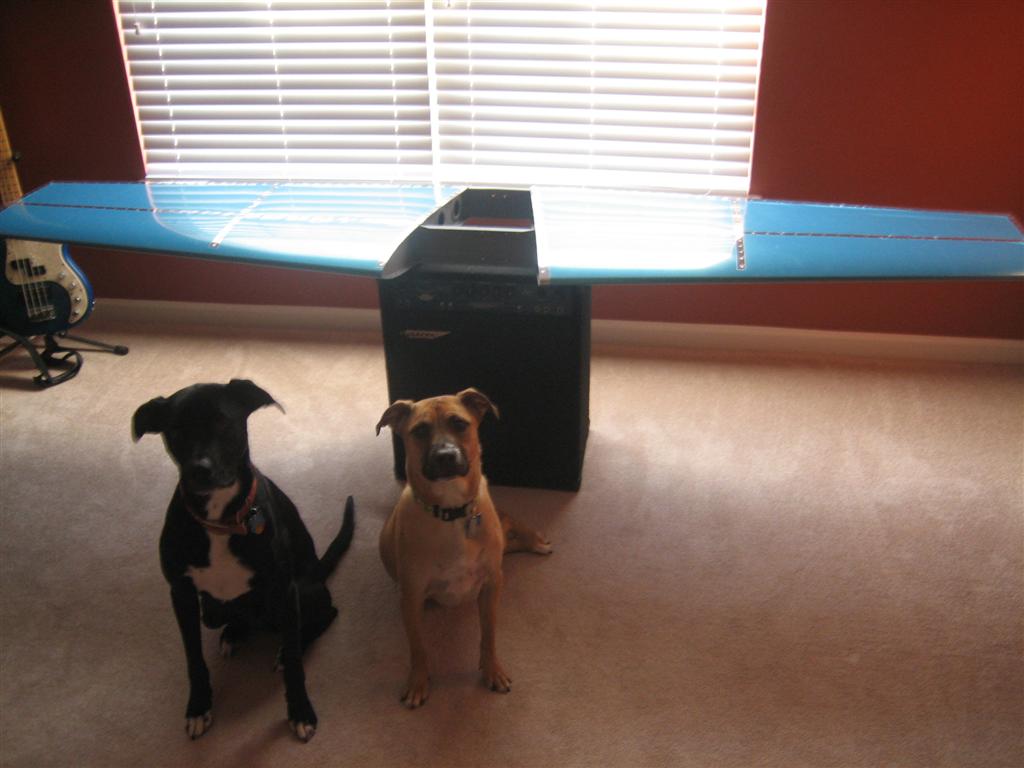
Vertical Stabilizer 99 Percent Complete

February 15, 2010

Prev | Next

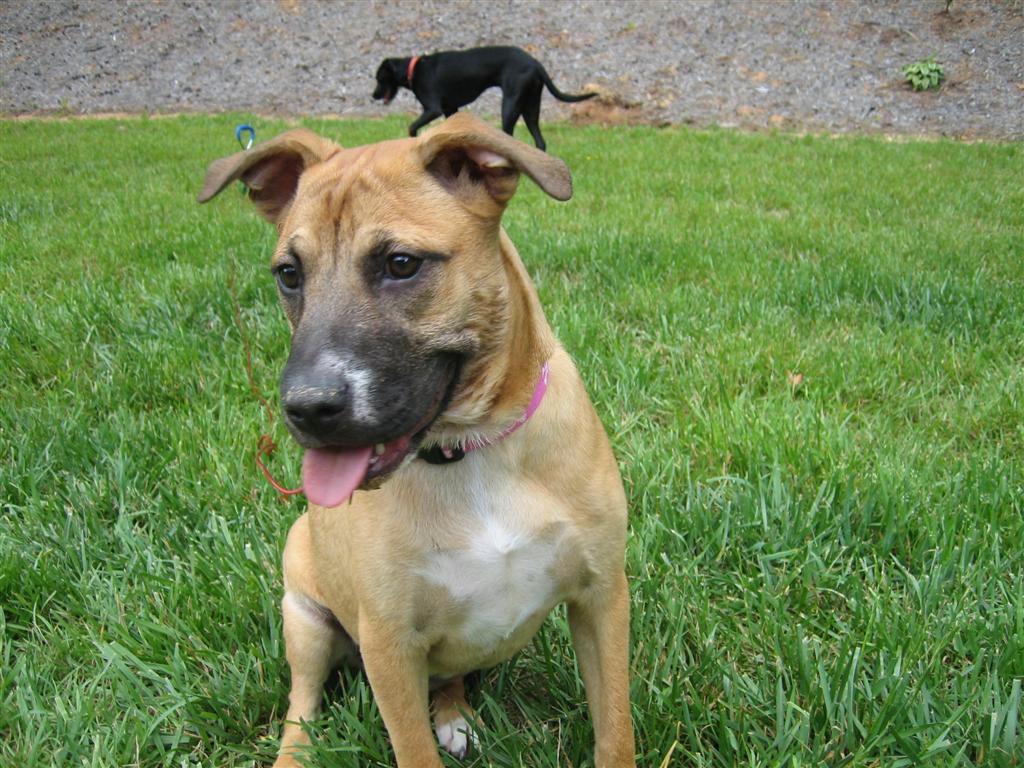
Jack and Ginger were a little neglected this weekend while the girlfriend and I painted the master bedroom. I’m sorry, guys.

Anyway, tonight was all about them, so in the middle of playing, napping by the fire, and running in circles around the house, I managed to calm them down enough to help with the airplane a little.

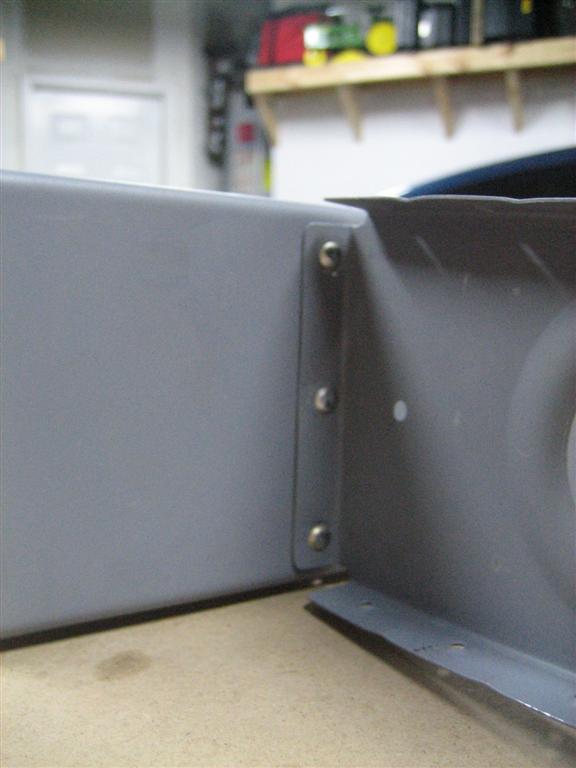
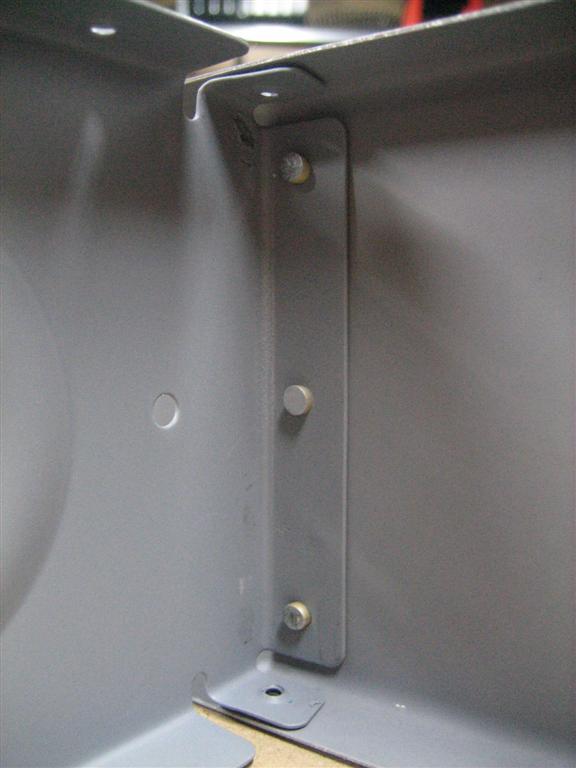
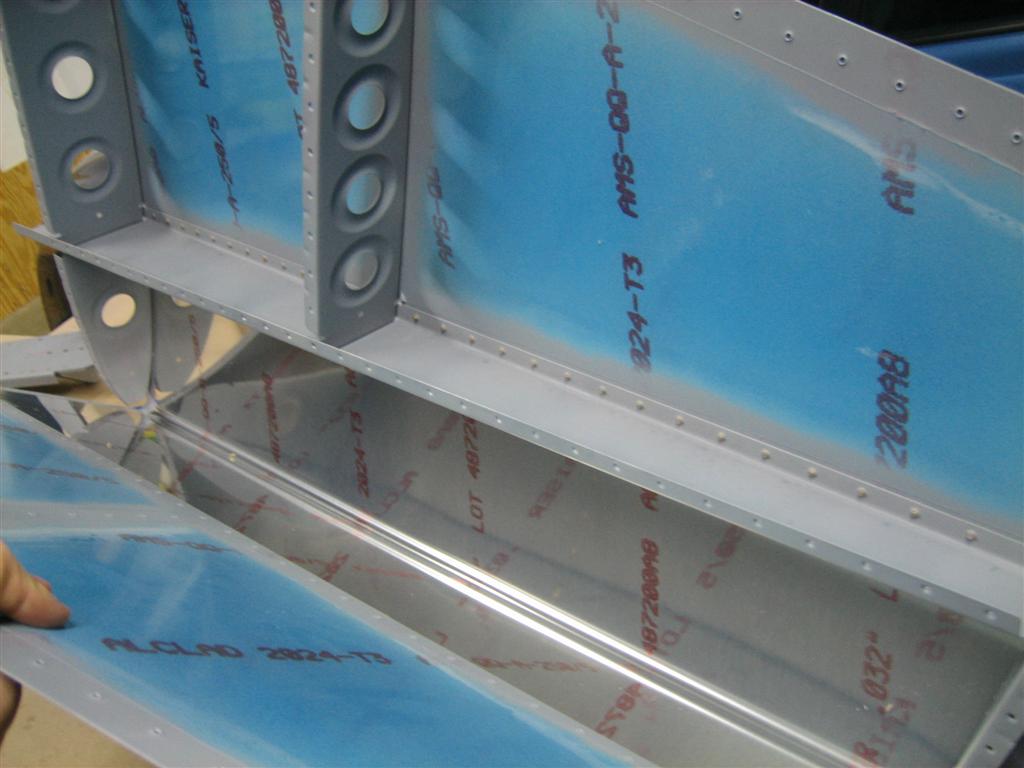
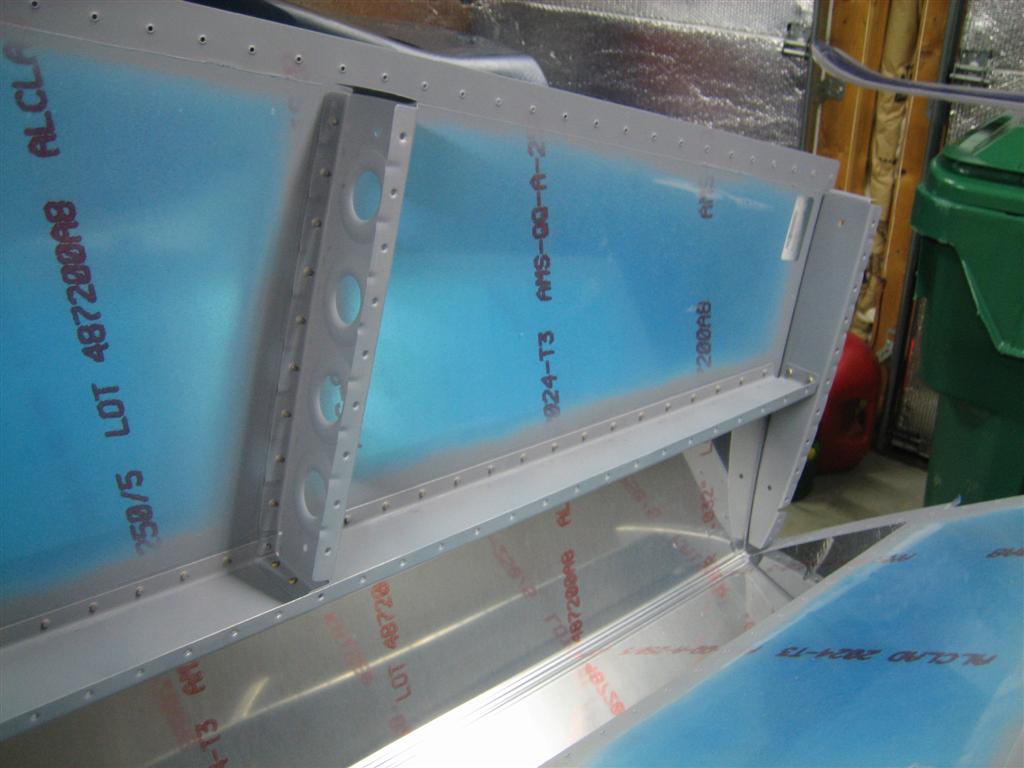
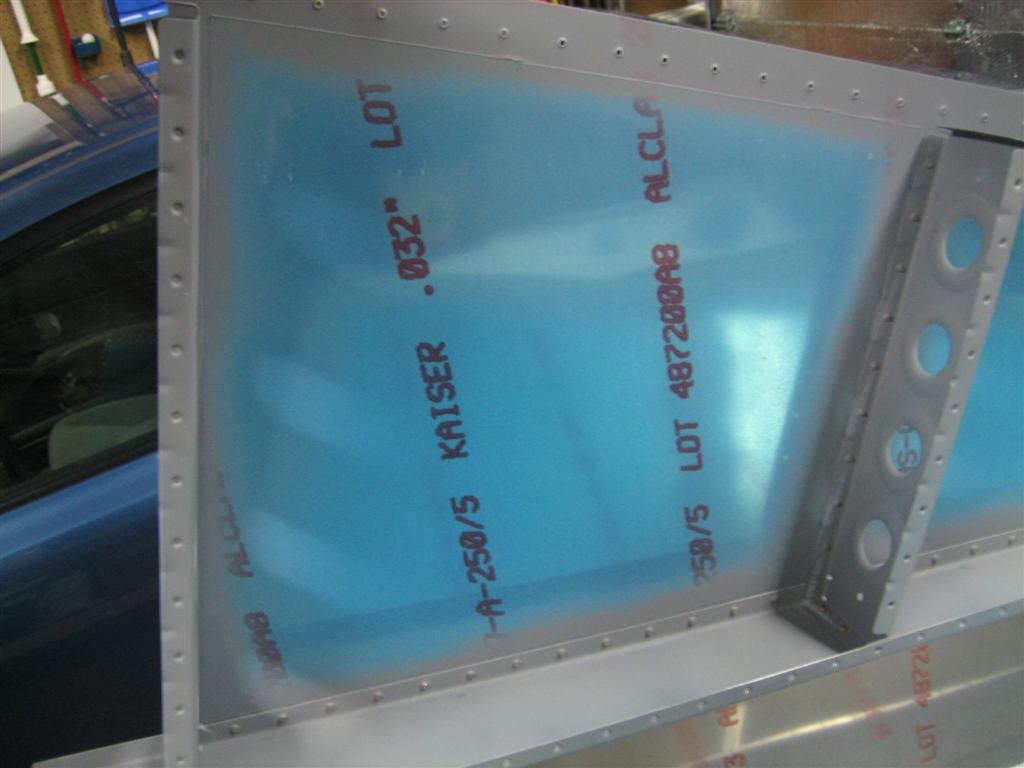
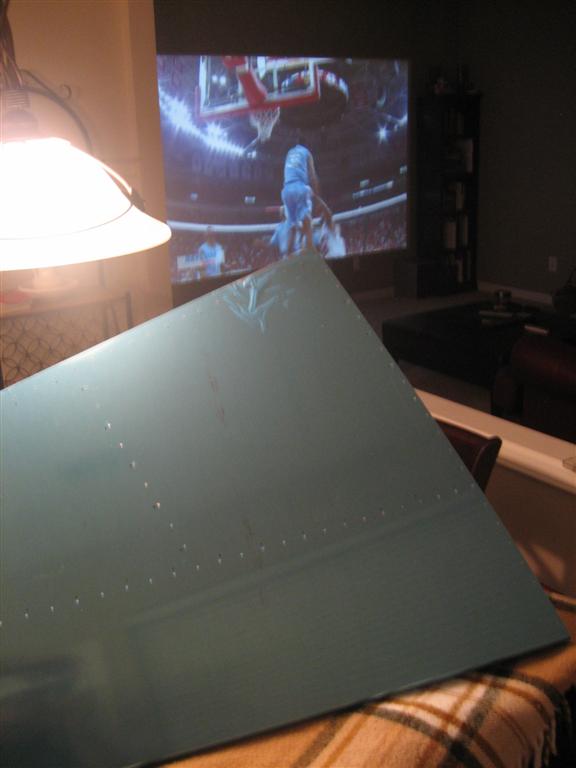
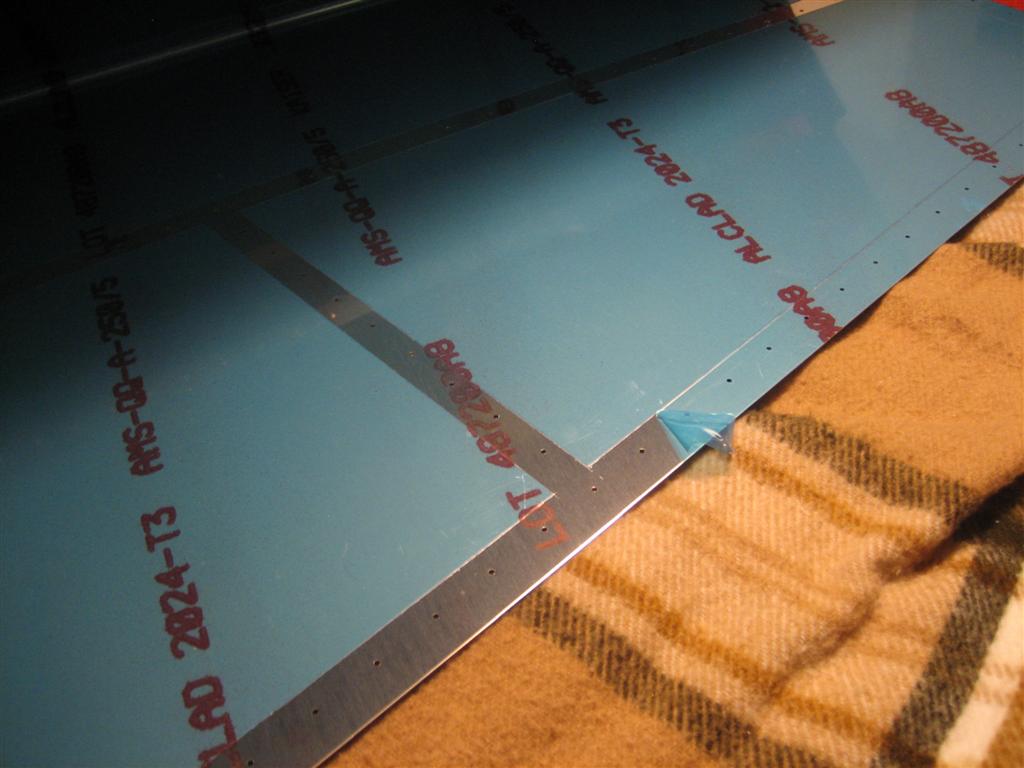
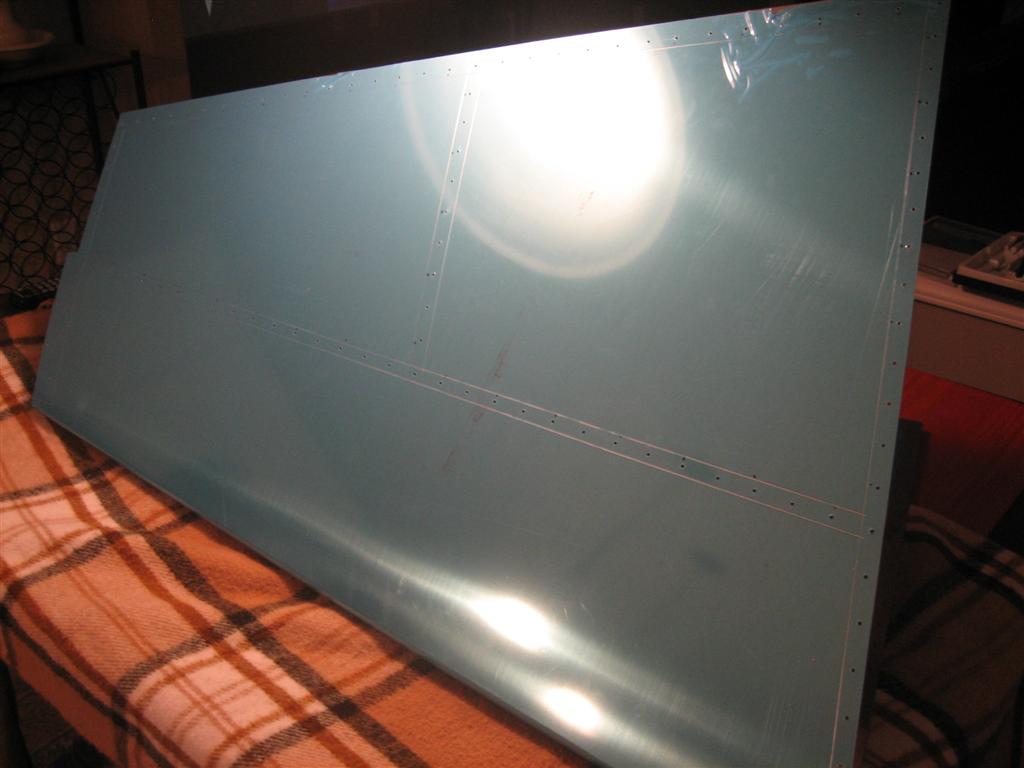
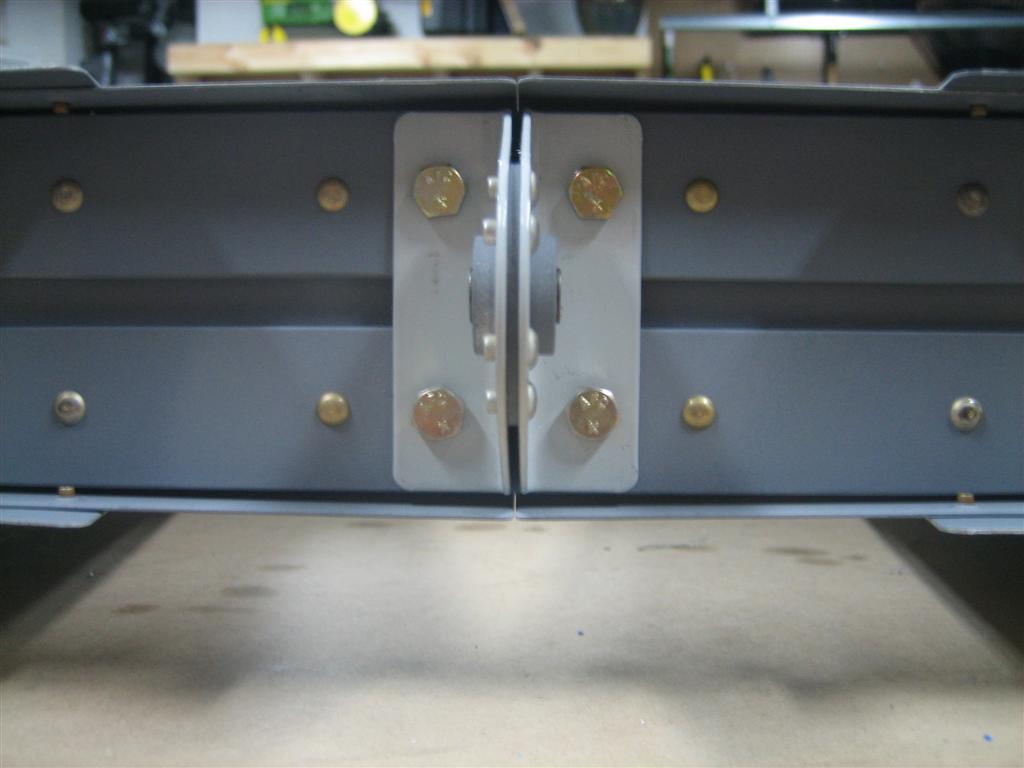
With the few minutes I had, I managed to set the 22 rivets that were hard to reach with the squeezer last Friday night. A few of them, especially near the elevator hinge brackets, were still hard, but I managed to get them all set, even if it was after drilling a few out. I also set the three AN470AD4-6 rivets that hold the rear spar to the root rib and also install the three LP4-3 rivets that hold the rear spar to the middle rib.  Here are the dogs, once I got the vertical up into the ski equipment room, umm, I mean airplane parts storage room, umm, I mean burnt orange room.
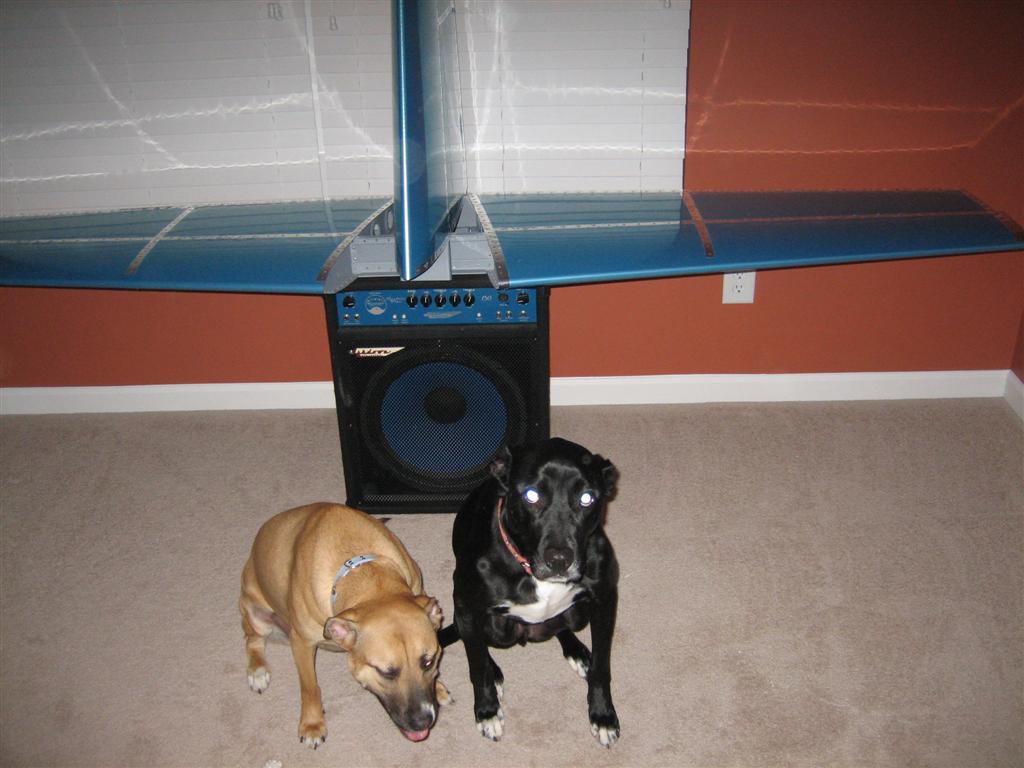
The dogs flew again. This time with directional stability!

They aren’t really happy about being in the orange room in general (it is off limits, so they are very good about not crossing the threshold), but especially not when they have to pose in the airplane. I know for a fact, though, that they will love flying in it when it’s done.
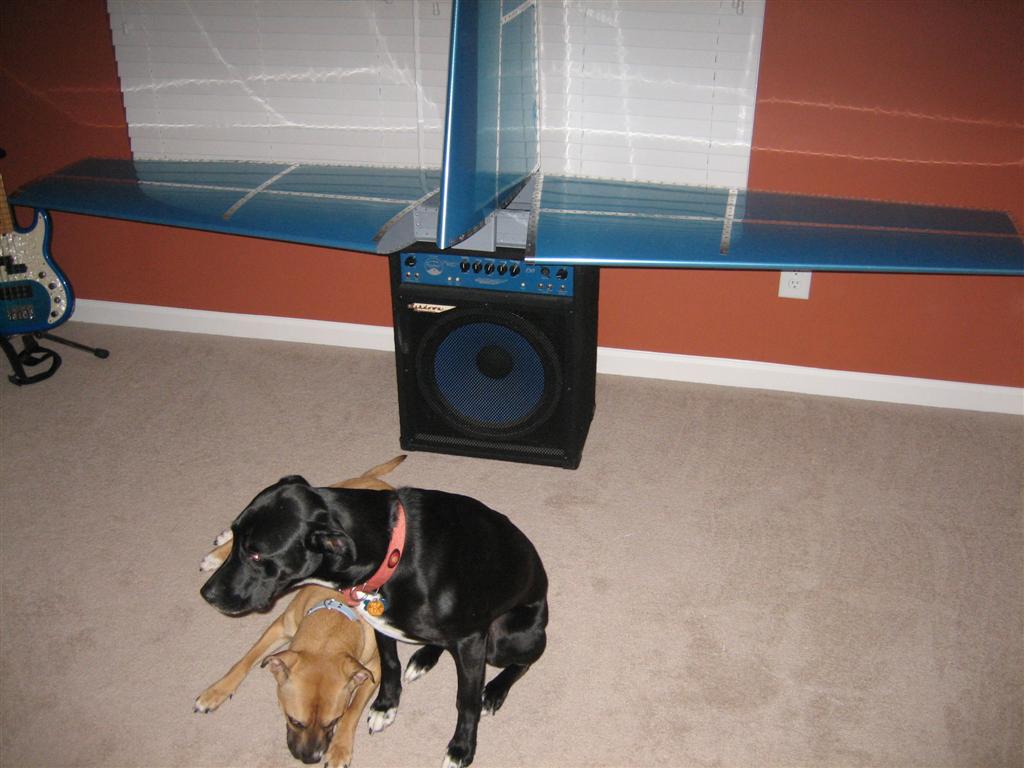
Jack's not very happy about posing. He's ready to go.Jack's slightly less uncomfortable the further he is away from the "shiny blue thing that makes loud noises." Seriously, I heard him describe it that way.

Ginger’s okay, though. Especially when there is a bone on which she could be chewing.
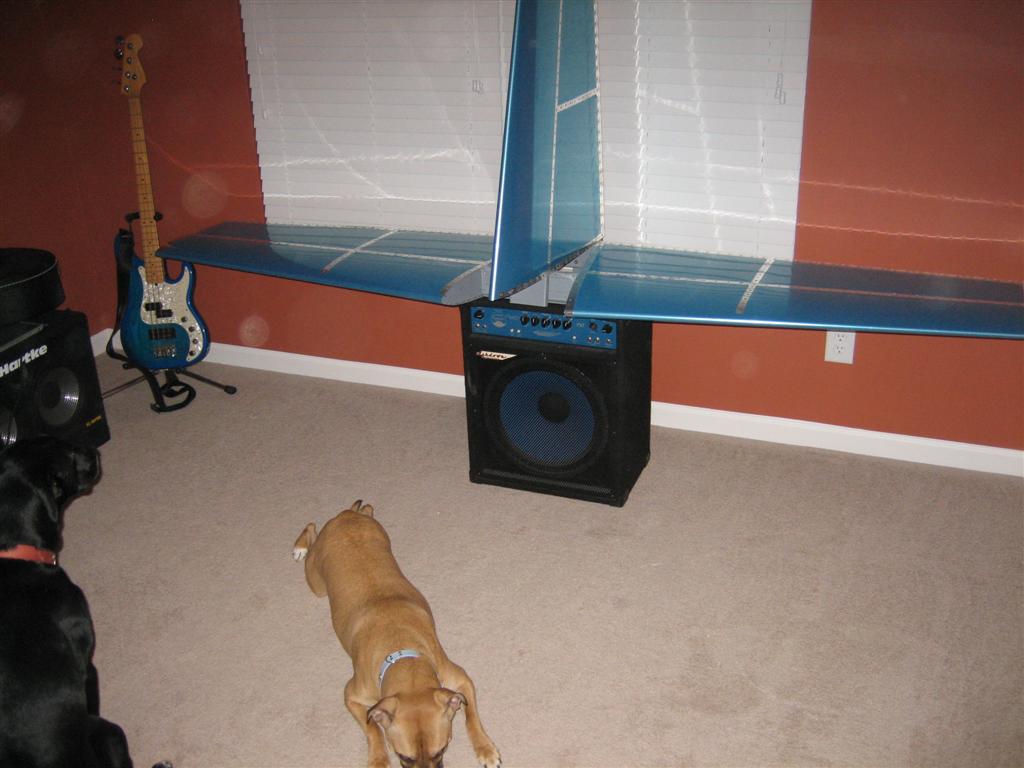

Jack's slightly less uncomfortable the further he is away from the "shiny blue thing that makes loud noises." Seriously, I heard him describe it that way.

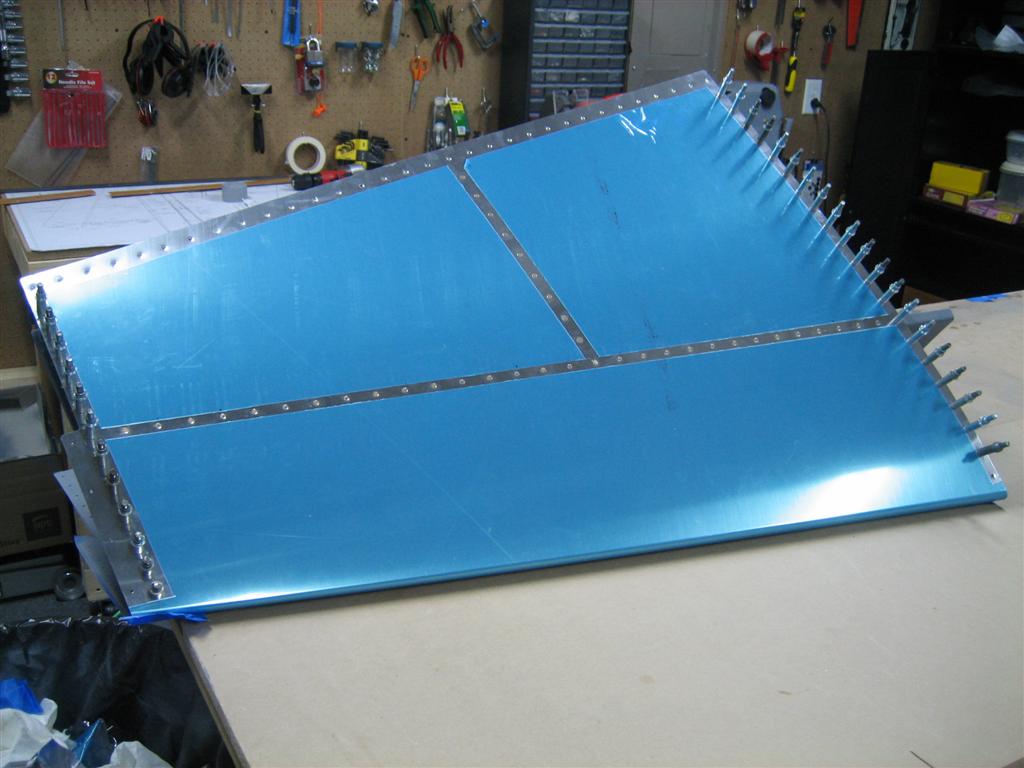
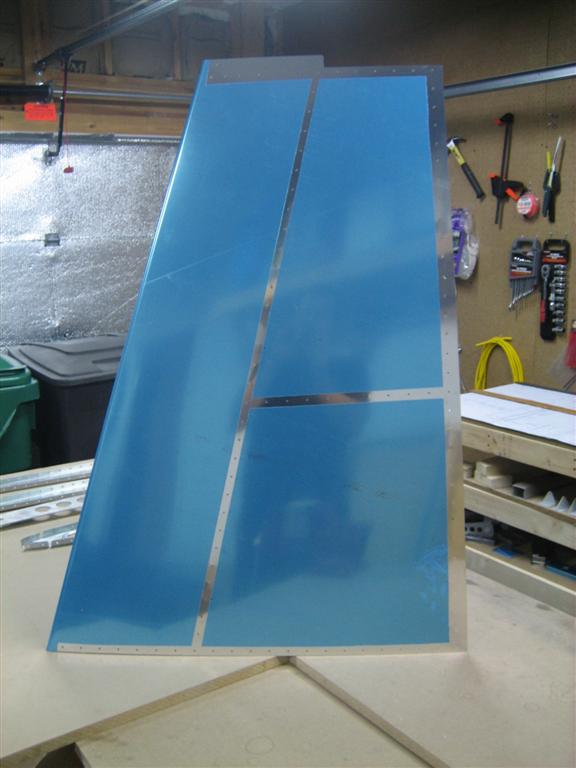
Finally, one without the dogs.
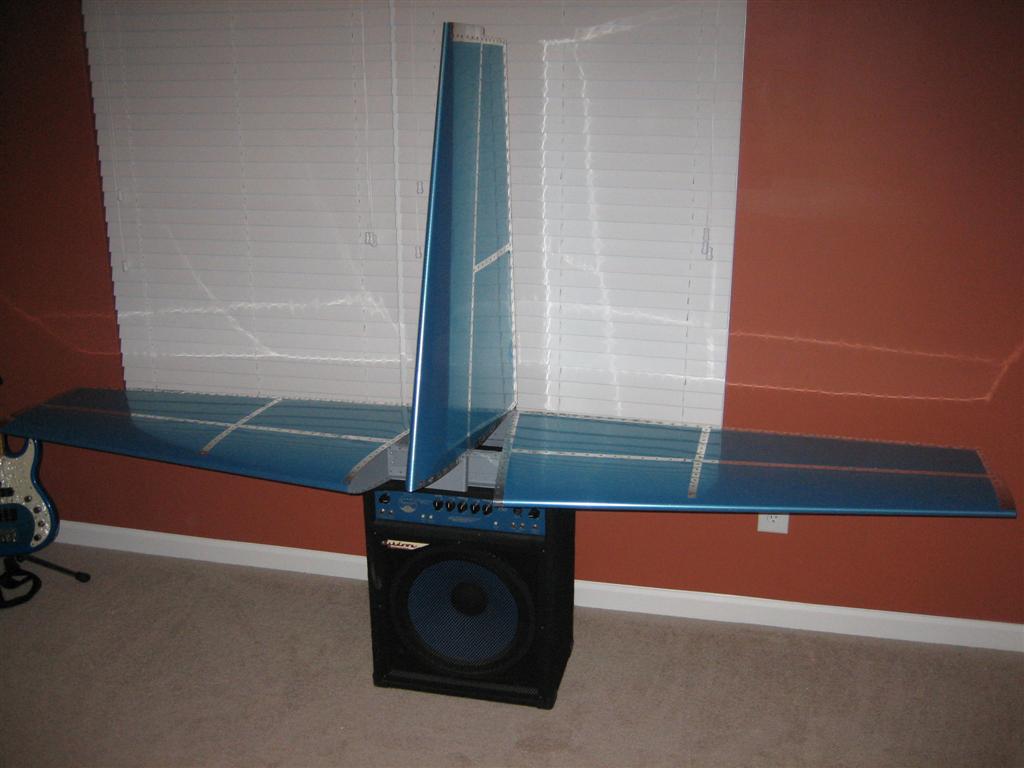
Tada!!!

All in all, a good night. 1 hour, 28 rivets set, 5 drilled out.

There are still a few more things I would like to do to the vertical, like drill out a couple of rivets and reset them, and clean up some of the skin edges, but for the most part, it can sit inside while I press on. I can’t believe it took me 16.5 hours for the vertical versus 44.5 for the horizontal. I think I would recommend to other newbies to start on the vertical. It seemed to be a lot easier, but I don’t know if that was because I had done everything once already on the horizontal, or because it really was easier. Whatever you do, don’t take my advice, though. You’ll die if you do.

Prev | Next


VS Skin Riveting

February 10, 2010

Prev | Next

After 9 days of not working on the airplane, I finally made it out to the garage. In all fairness, though, I spent all last week working out hard, and preparing for a bachelor party at Snowshoe. West Virginia, right? Yup. It was actually pretty cool there. It was in the midst of the big blizzard that bent the east coast over last week, so Showshoe got somewhere around 20 inches of snow. Legend…wait for it…dary.

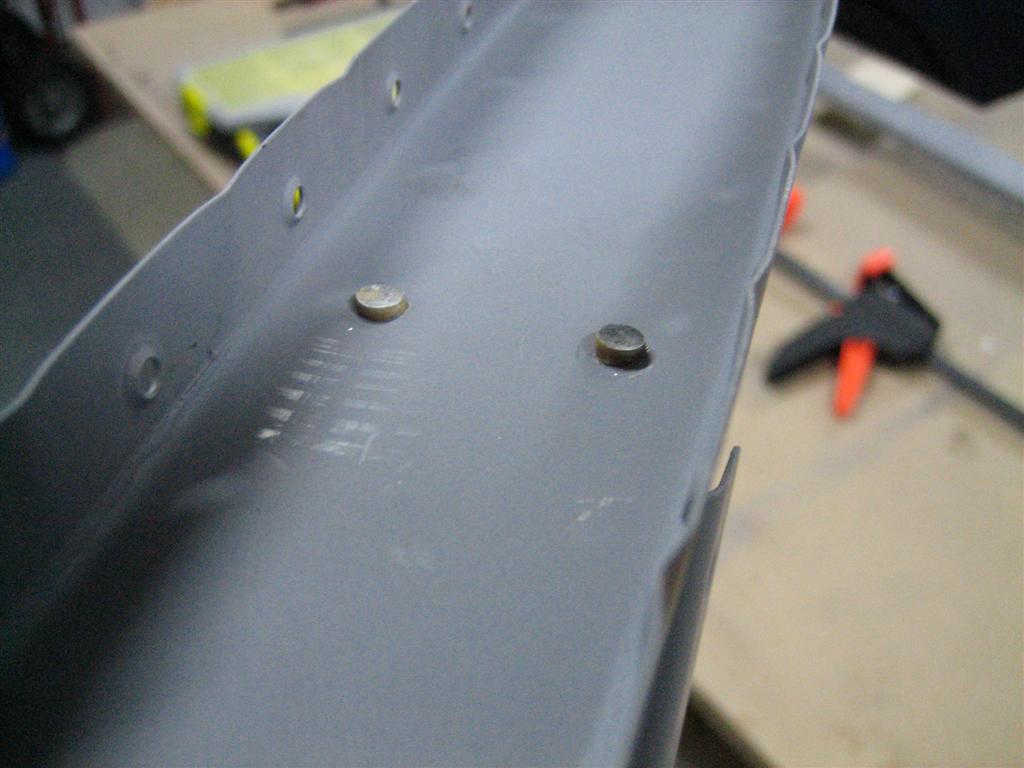
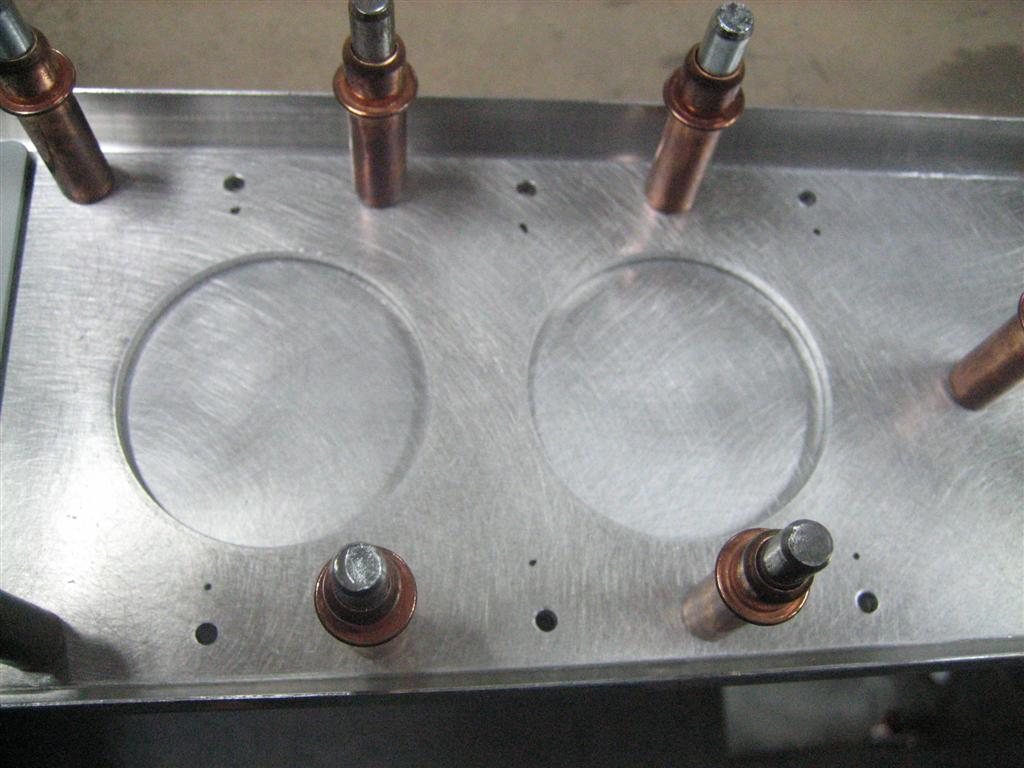
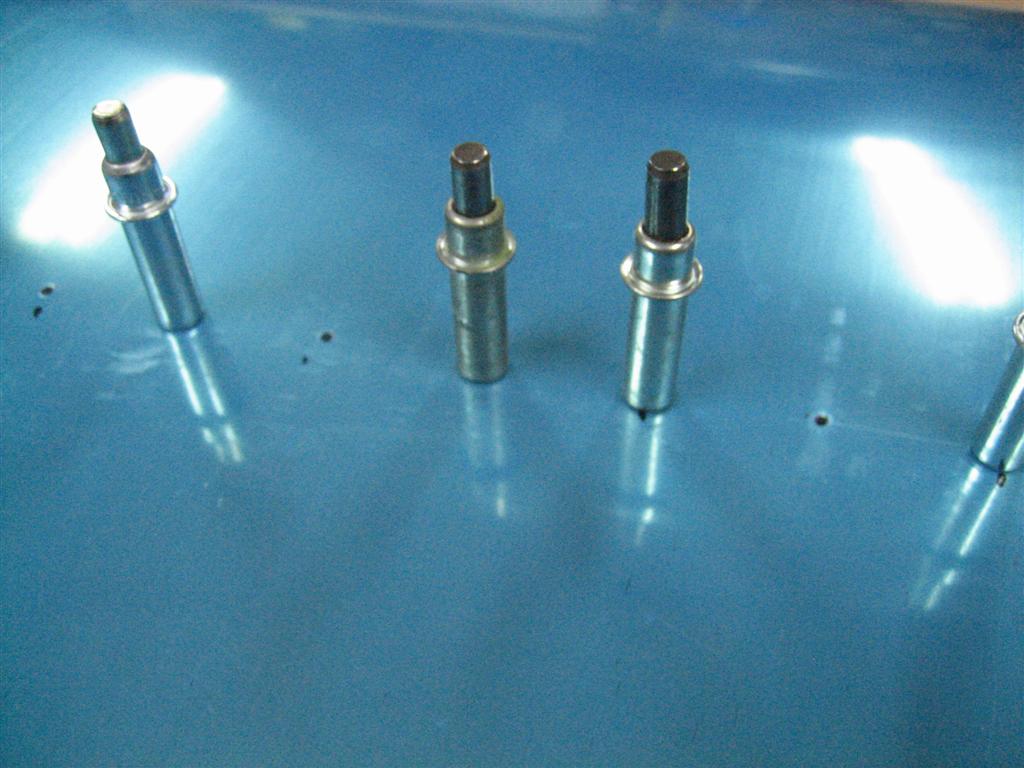
Anyway, I had previously drilled out the front spar(VS-702) to tip rib (VS-706) rivets, so here are the replacements. The one on the left doesn’t look all that good, but this is my third try, and I think I am going to leave good enough alone.

Front spar to tip rib rivets. Left one sucks, but I'm not going to make it any worse.

Then, I reset the VS-704 root rib to front spar rivets. I set the middle one fine, then messed up the outer two. Drill out, and reset them just fine on the second try.

Looking good from this side.

Here’s a shot of the shop heads for those three rivets.

Here are the shop heads for those three. Not too bad.

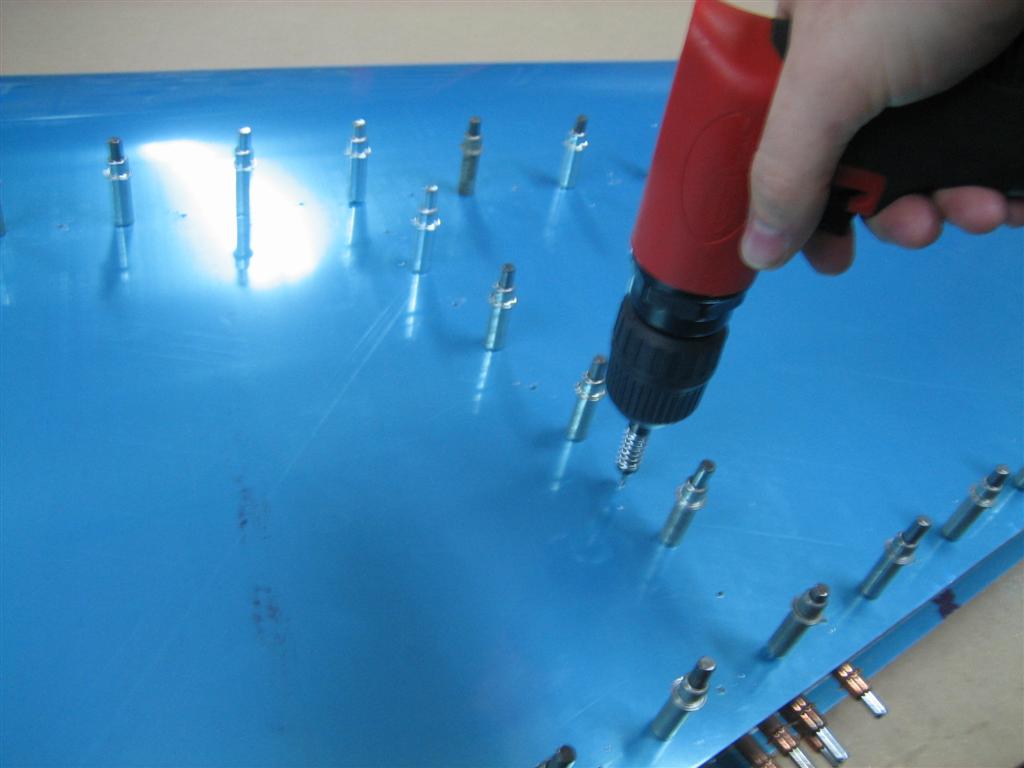
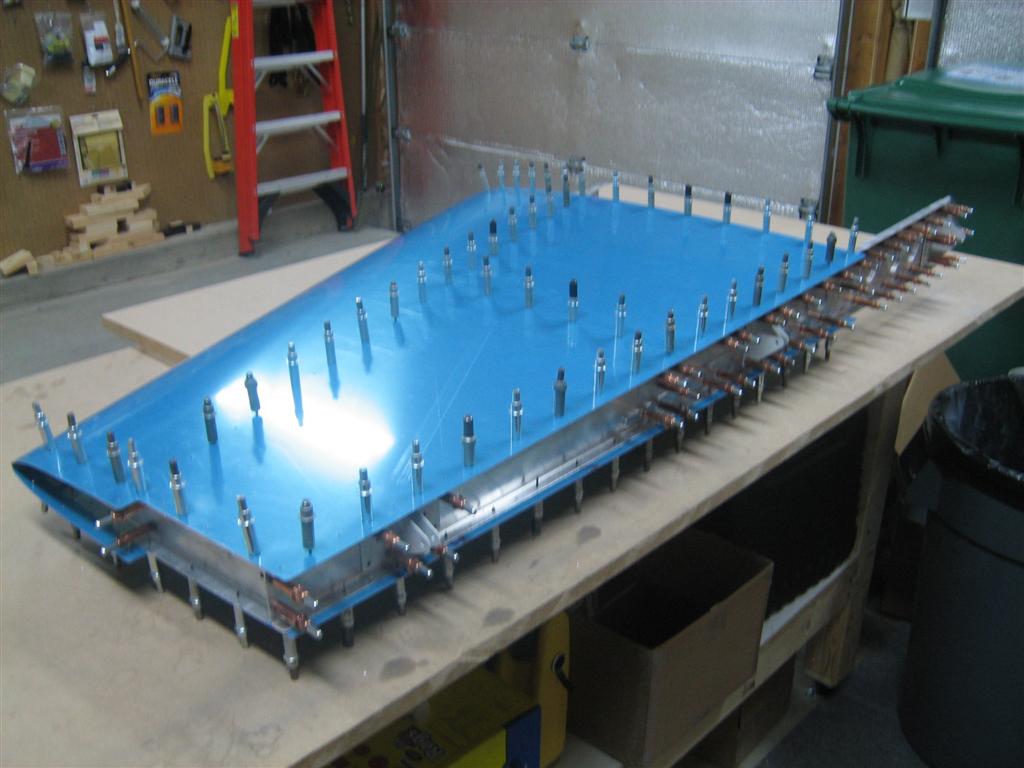
Next, the instructions tell you to cleco on the skin and start riveting. Here’s a shot of me getting ready to rivet.

Start from the middle of the front spar and work outboard, then back to the start and work inboard. Then, rivet along the middle rib aft.

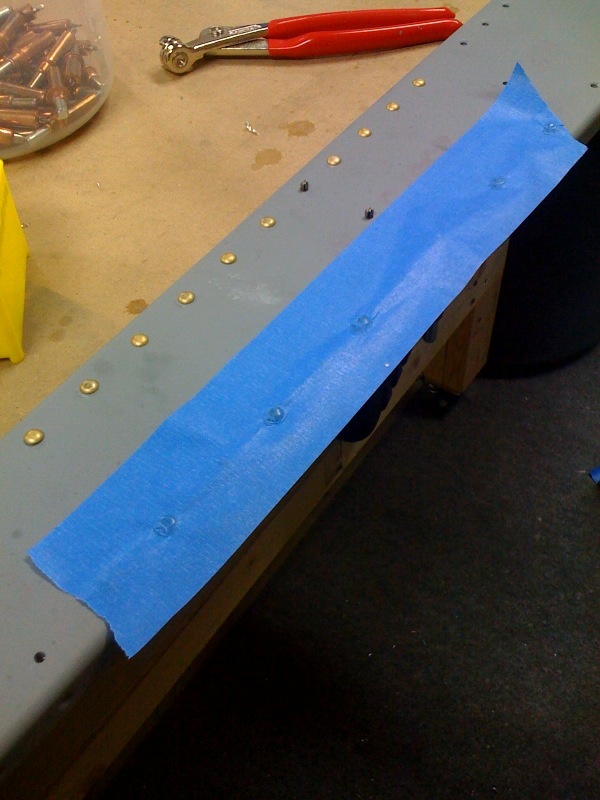
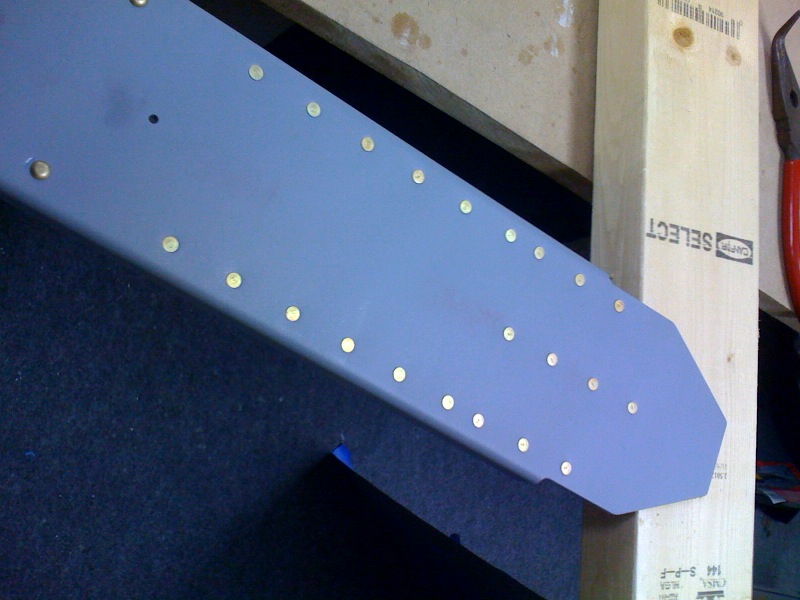
Here’s a shot of some shop heads. You’ll have to click on the picture to see them.

Nice looking shop heads. You can also see my interior skin masking practice. Looks good, doesn't it?

More shop heads.

Another shot of the shop heads for VS-702 front spar and VS-707 middle rib.

And one more…

Once I get the other side of the skin riveted, I can take off the blue vinyl from the inside of the skins.

After riveting one side of the skin, I had to head inside to watch UNC play Dook. (Yes, that is how you spell Dook.)

Starting to look like something that could fly.

One hour today. I drilled out 3 rivets , set 5 rivets on the skeleton and 39 on the left VS skin. 44 total. Booyah.

Prev | Next


VS Rear Spar Work

February 1, 2010

Prev | Next

After the big snow storm this weekend, work was delayed this morning until 10:30am. That gave me a few extra hours to recover from my ski trip yesterday. Maybe I’ll post a couple pictures later.
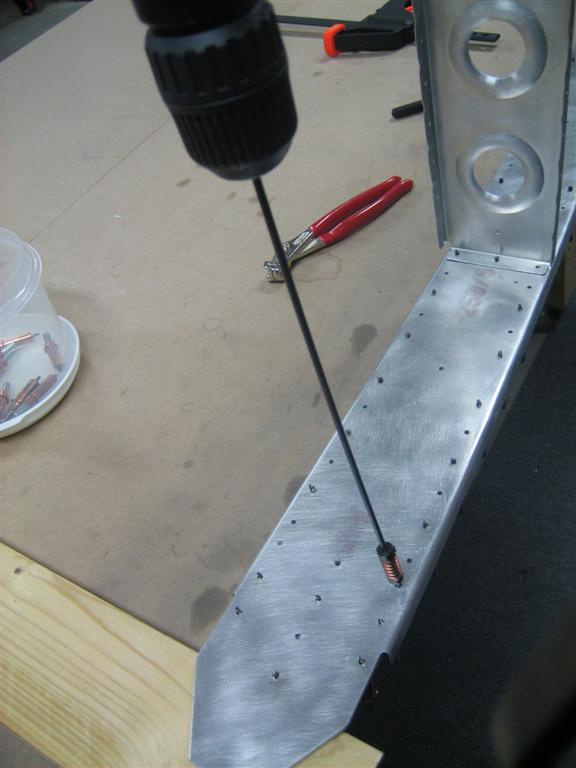
Also, I snuck in an hour on the vertical tail this morning after a quick workout.

First thing, I drilled out the 5 poorly set rivets from Saturday, and ended up shooting 67 rivets in today.

Here I am setting some universal rivets.

Me using the tape trick even on universal rivets.

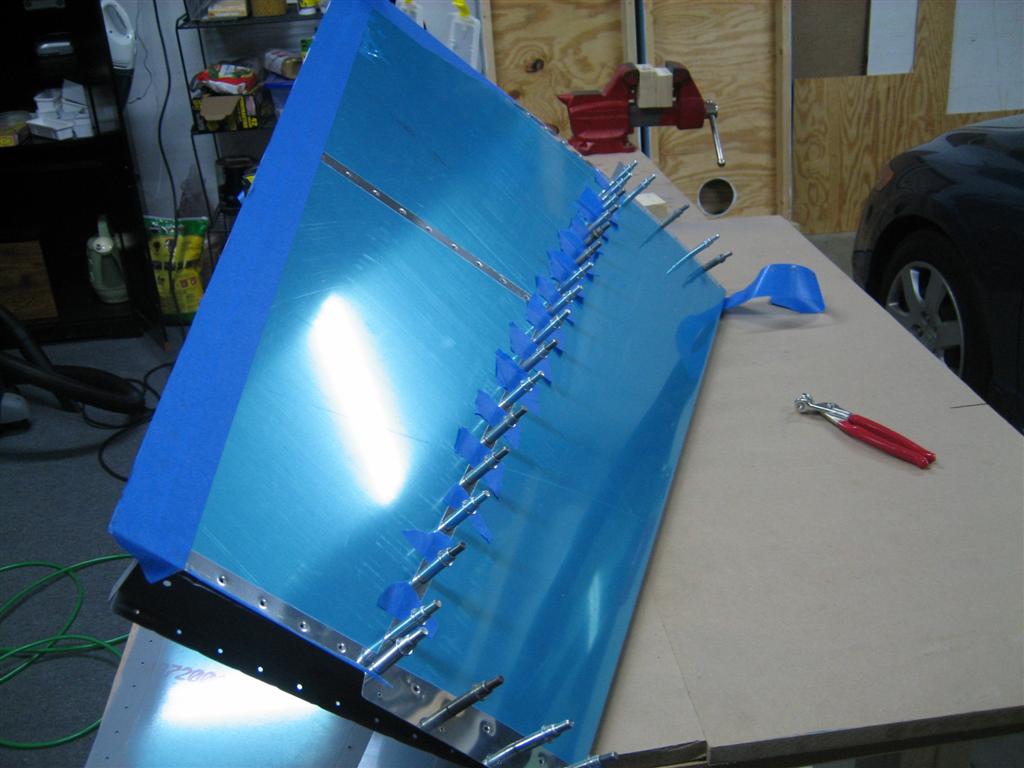
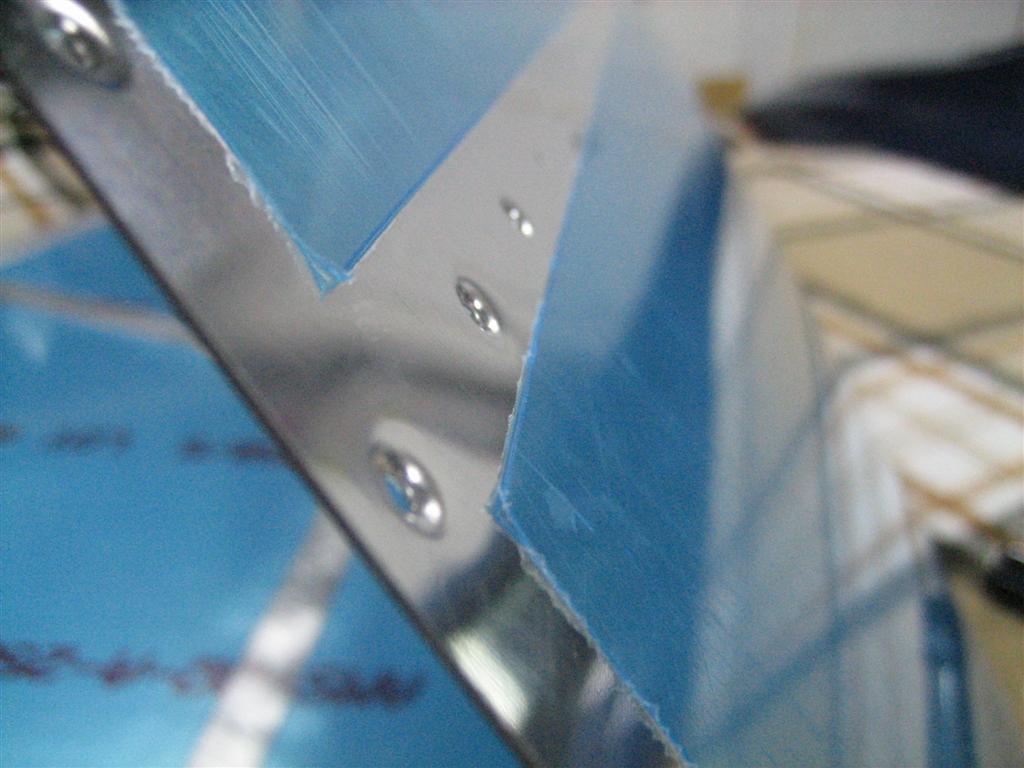
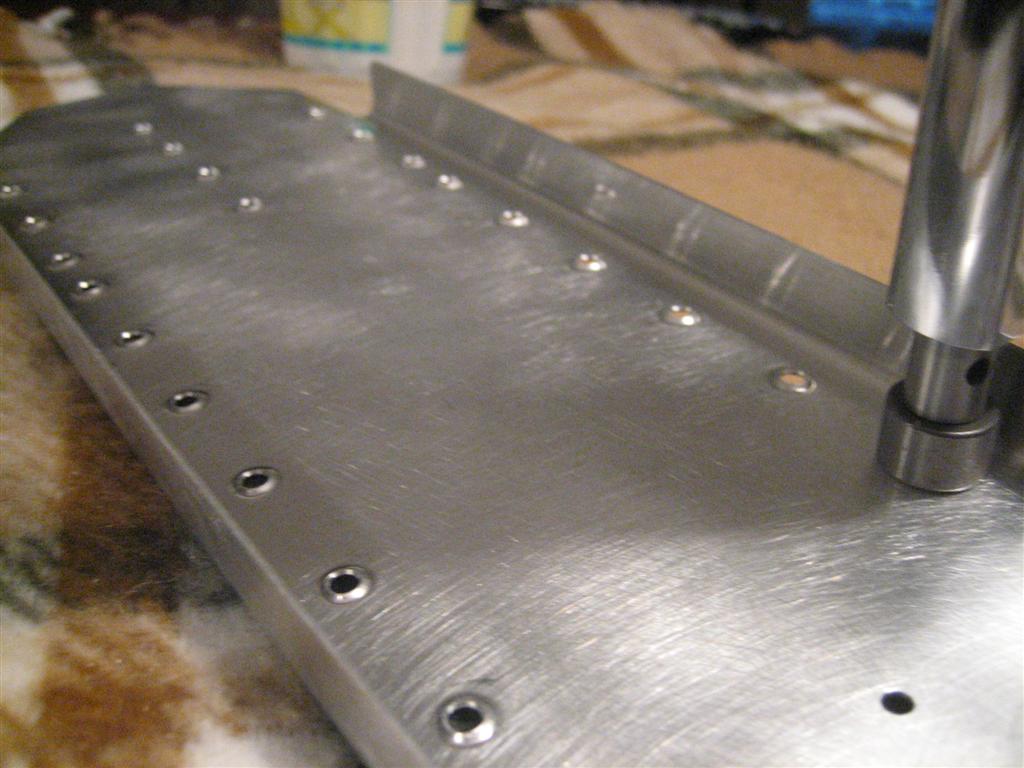
Here are all of the lower vertical rear spar flush rivets.

Sorry for the weird angle. Here are the flush rivets on the forward side of the lower vertical rear spar.

About 4 of these didn’t sit completely flush after backriveting, so I’ll have to drill them out. I think it it because I am using some steel bar stock as a backriveting plate instead of a true backriveting plate. Also, my 12″ double offset backriveting set sucked. I think it is too long to really transfer the force. I swtiched to a shorter and it worked great.

One hour today. Set 67 rivets, drilled out 5 from the other day.

Prev | Next


VS skin Deburring and Dimpling

January 29, 2010

Prev | Next

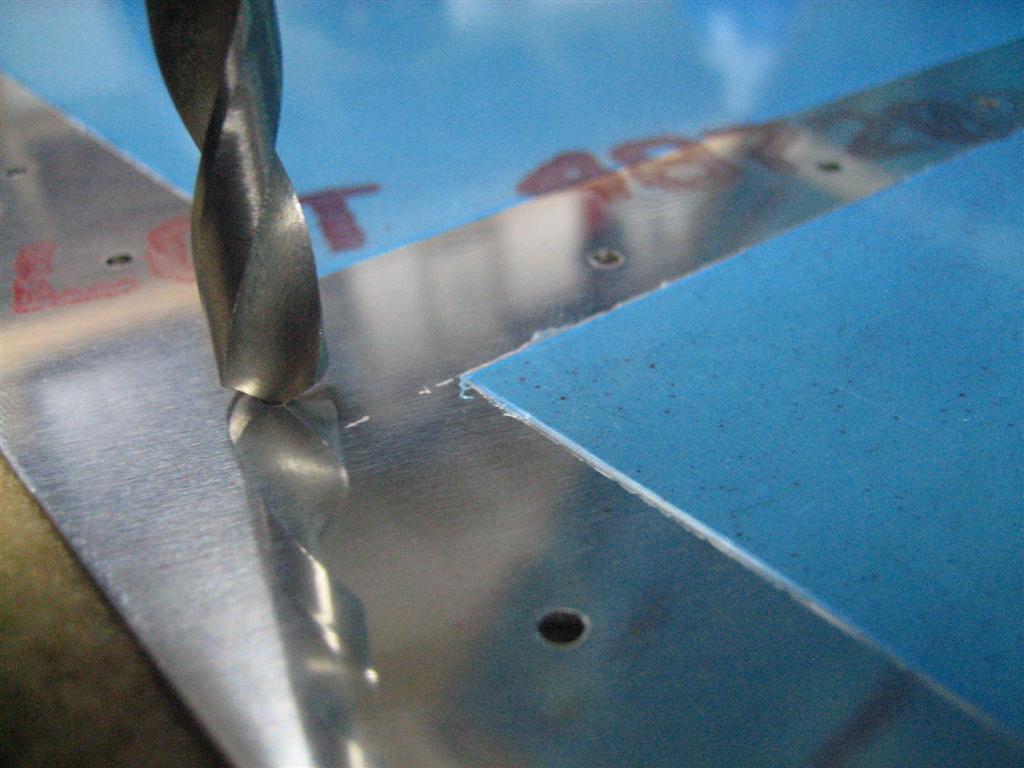
Today, I didn’t make it outside until late, so I didn’t get a lot of work done. Here’s me starting on deburring the skin. Yes, I am using the Van’s recommended “spin a drill bit in your fingers” method. It works for me.

Action shot of me deburring.

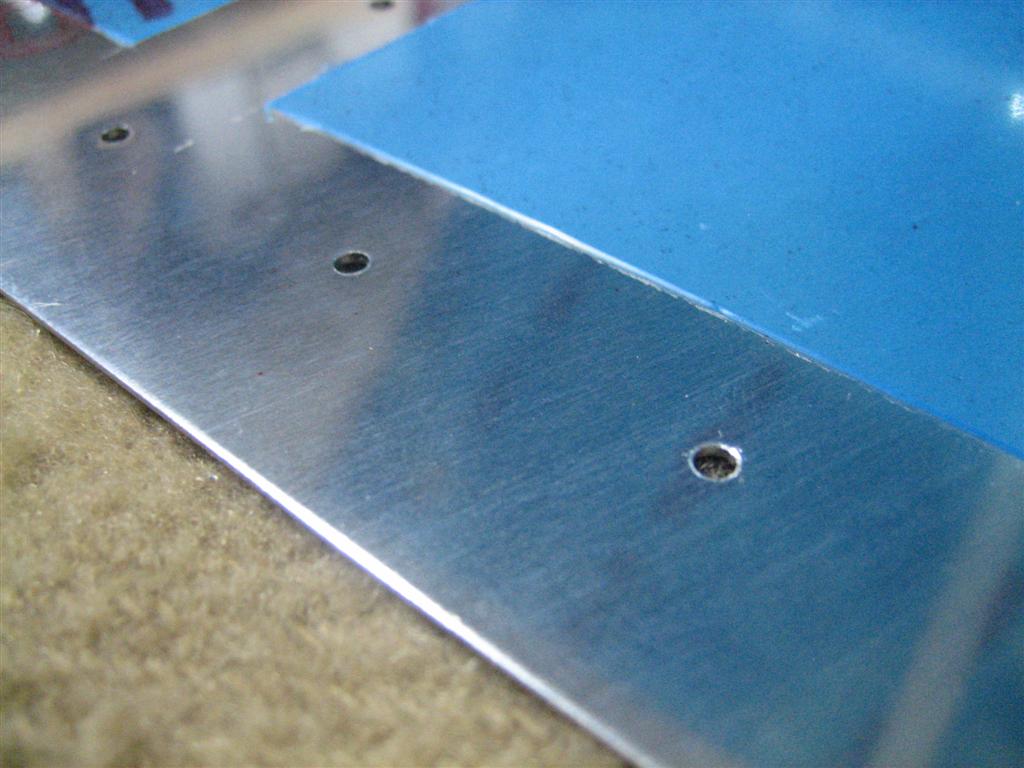
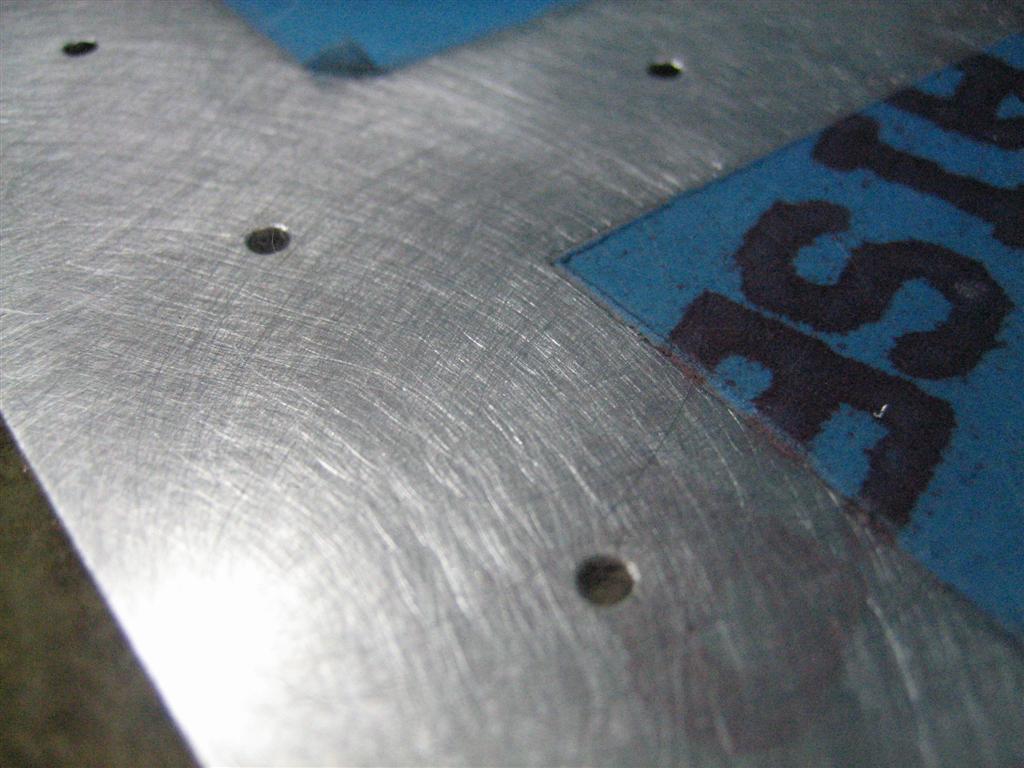
An example of a deburred hole. The hole on the right is deburred. There is a very small chamfer on it from the oversized drill bit. It’s easier to see because it’s catching the light from above.

Deburred hole there on the right.

After deburring, I scuffed up the interior of the skin with a maroon scotchbrite pad.

Scuffed, ready to dimple.

Because it was so late, I didn’t want to break out the c-frame. I grabbed the hand squeezer and finished what I could reach.

These are regular (not "tank") dimples. No circles when you use the blue tape trick.

And here’s the vertical stabilizer skin, deburred and dimpled around the perimeter. When sound level permits, I’ll get the c-frame out and dimple the remaining holes.

Almost done with the skin.

I counted 104 holes per side for deburring. That’s 208 holes, 416 deburring operations needed. I usually spin the bit 4 times, which makes 1664 spins of the drill bit. Oww…

1.0 hour closer to being done.

Prev | Next


More VS work

January 26, 2010

Prev | Next

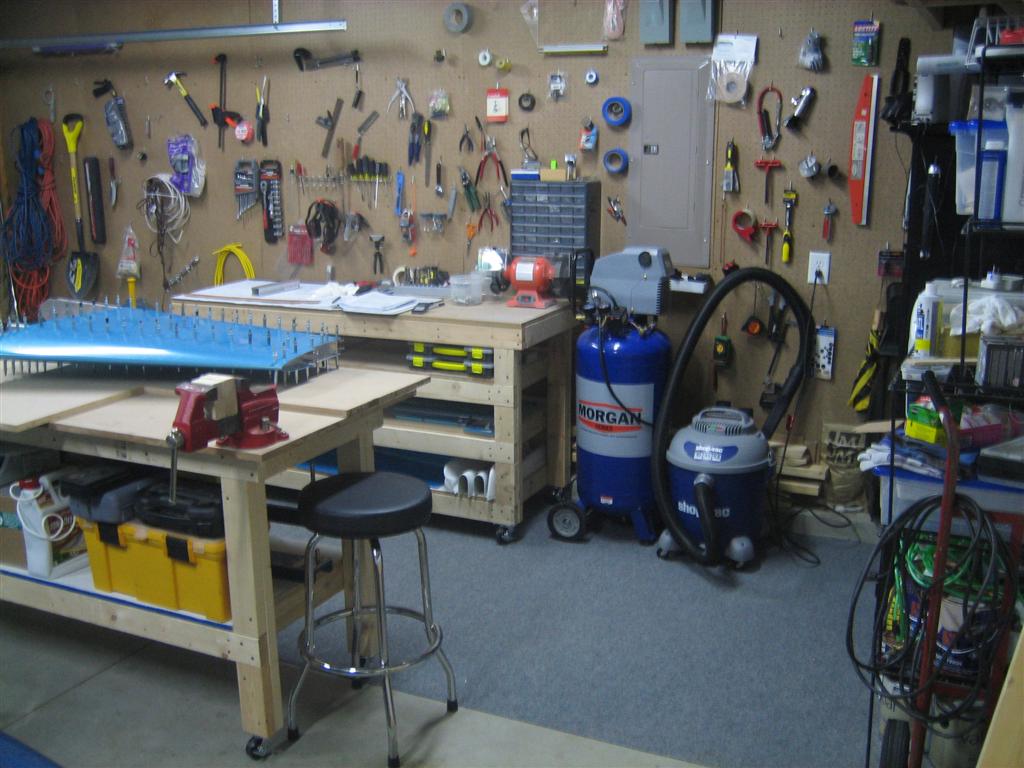
Last night I spent a little bit of time rearrange (cleaning) out the workshop. Now, I’ve got a little more room to maneuver. (Mostly, I just moved my second workbench a little left, and moved the shop vac over by the compressor, now the walkway to get into my workshop area is a little more open.)
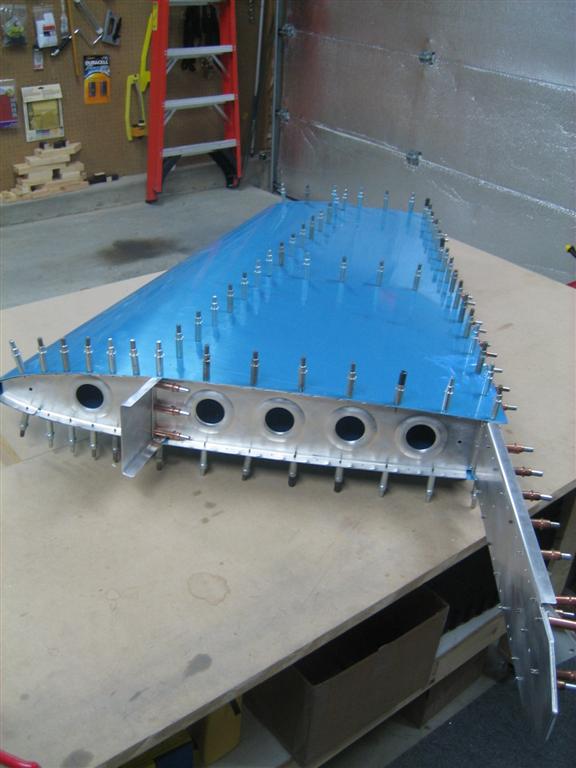

Slightly different layout for the workshop. I like this.

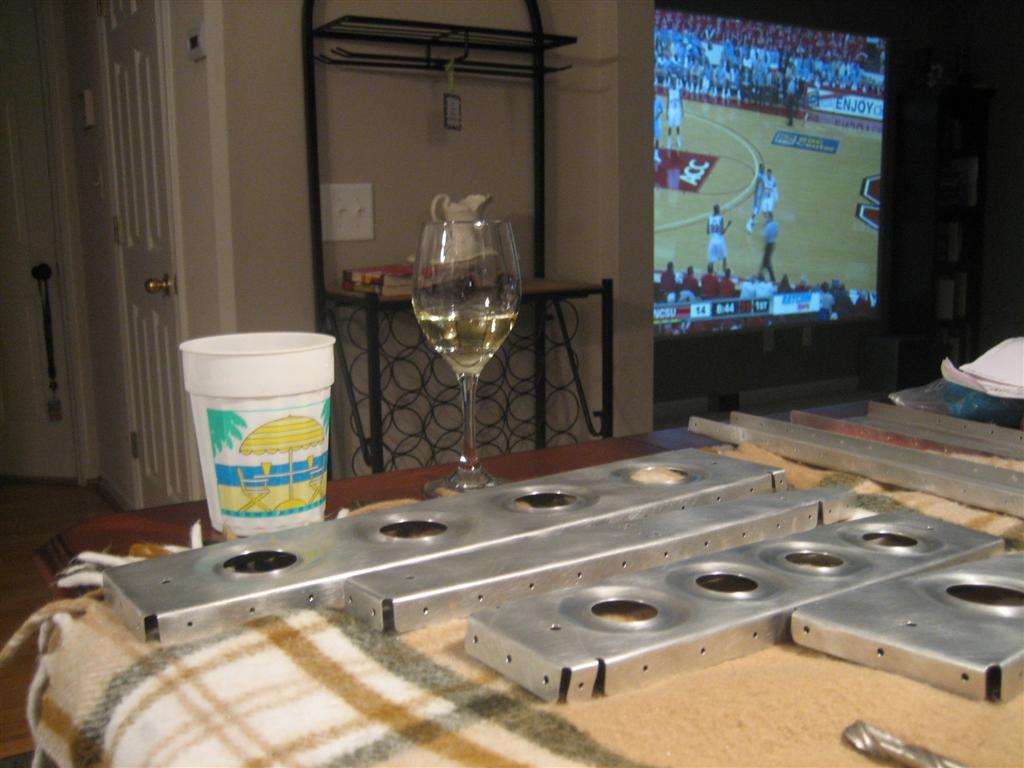
Tonight, I started by disassembling the vertical to start the deburring, dimpling, countersinking, cleaning, priming, and then reassembly dance. Here I am set up in front of the UNC game for some deburring.

Ready to deburr some holes. Don't judge me for drinking white. We had red snapper for dinner.

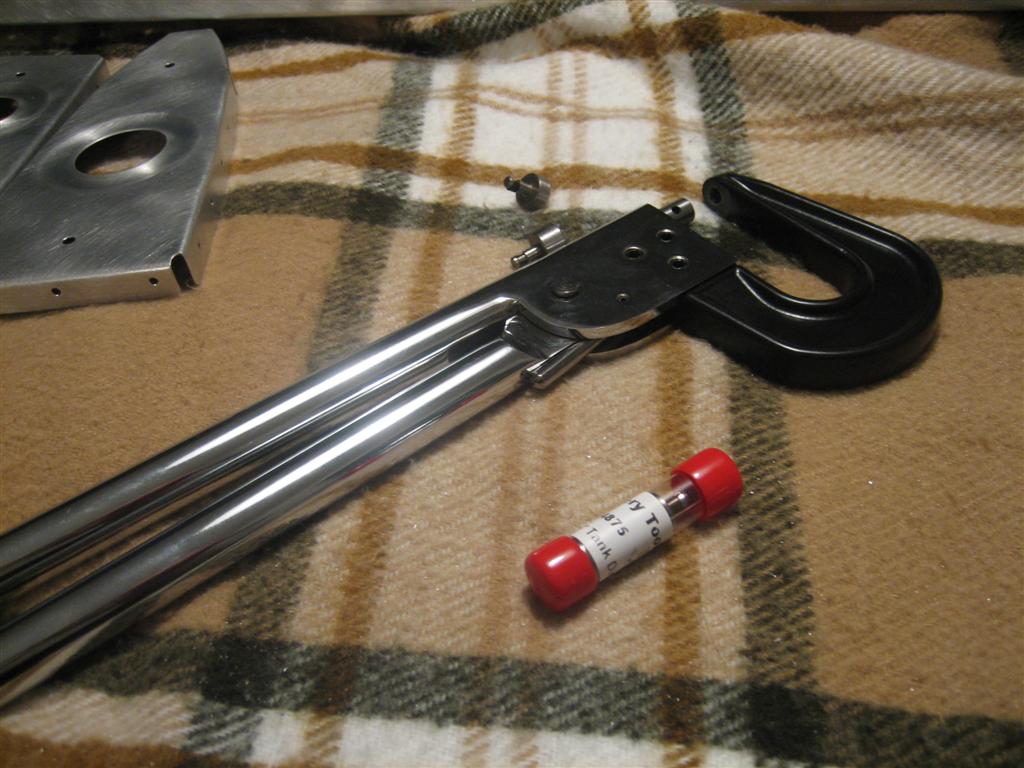
After what seemed like a thousand holes to deburr, I broke out the 3/32″ tank dimple dies and the 1/8″ regular dimple dies (for the rear spar) and got ready to dimple. Dimpling is much easier than deburring, and fun, too. I know deburring is important, but I feel like I’ve made progress after dimpling.

Ready to dimple.

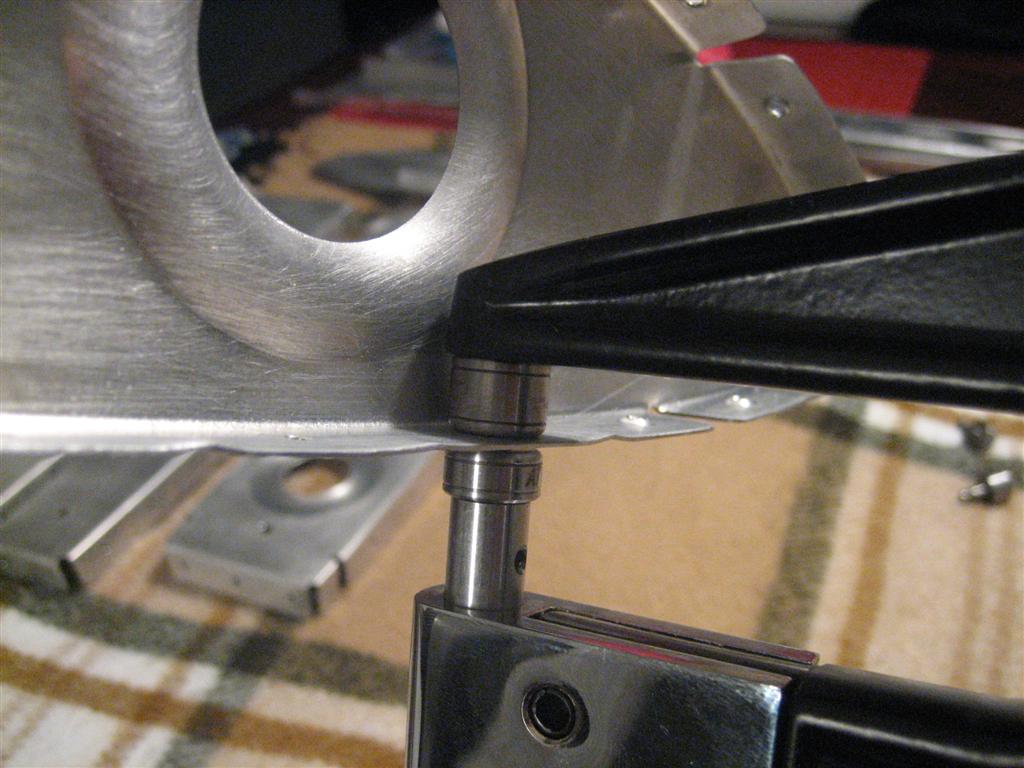
Then, I started dimpling the ribs and spars. Here are the 3/32″ tank dies in action.

3/32" tank dies in action.

Here I am using the 1/8″ regular (shallower) dimple dies on the rear spar. I had to triple check both the holes and the direction before proceeding. This is correct, I think. (Flush rivets on the forward side of the spar.)

1/8" dimples on the rear spar. These are my first 1/8" dimples.

After finishing dimpling, I grabbed the skin and brought it inside to devinyl. Devinyling is a lot easier indoors, where the vinyl is room temperature. I tried pulling off the horizontal stabilizer vinyl in the garage when it was near freezing, and it kept tearing and was very stiff.

Waiting for the soldering iron to heat up.

After using the soldering iron and a wooden straight edge (the metal straight edge carries heat away too quickly, and you don’t get a melt line), I got to pull off the vinyl. For some odd reason, I find devinyling very cathartic. I love pulling off the blue to see the shiny aluminum underneath.

Pulling off the vinyl on the inside of the skin.

Ready to pull off the blue vinyl on the exterior of the skin.

Ready to devinyl the outside of the skin.

And finally, the vertical stabilizer skin devinyled (and everything carried back out into the garage).

Pretty skin. Also, that's me in the reflection.

Here are the ribs and spars all deburred and dimpled. (I still have to countersink the front side of the VS-803PP.)

Ribs and spars deburred and dimpled.

Next up, countersinking the rear spar reinforcement then deburring, dimpling, and scuffing the skin. Then priming, then I get to put this sucker together.

I can’t believe how much faster the vertical is than the horizontal. Part of it is the learning curve, but I think they should have you start with the vertical. Much easier, in my opinion.

Prev | Next


Matchdrilled Right Side of Vertical

January 25, 2010

Prev | Next

No pictures tonight.

I broke out the cordless drill (quieter than the air drill) and finished matchdrilling the right side of the vertical stabilizer.

Same routine. Drill every other hole, mark with a dry-erase marker, move clecos, drill remaining holes. Because the root forward rib gave me a little trouble when clecoing during initial assembly, I had 100% clecoed it. For this area, I removed one cleco, matchdrilled, then replaced the cleco. I just didn’t want it to move around on me at all.

Since I forgot to take a picture, here’s another picture of Jack and Ginger.

Ginger all up in your business, Jack in the background.

Half an hour. Not bad for a night I wasn’t planning on working on the airplane.

Prev | Next


VS Assembly and Matchdrilling

January 24, 2010

Prev | Next

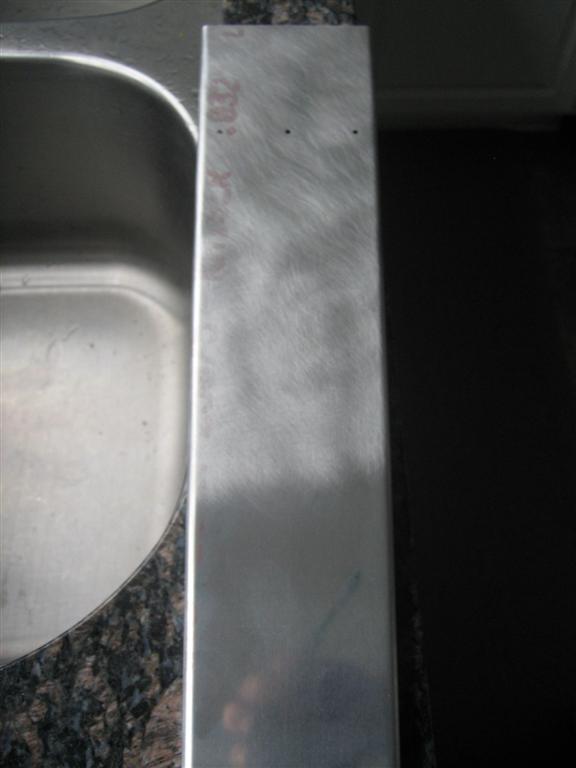
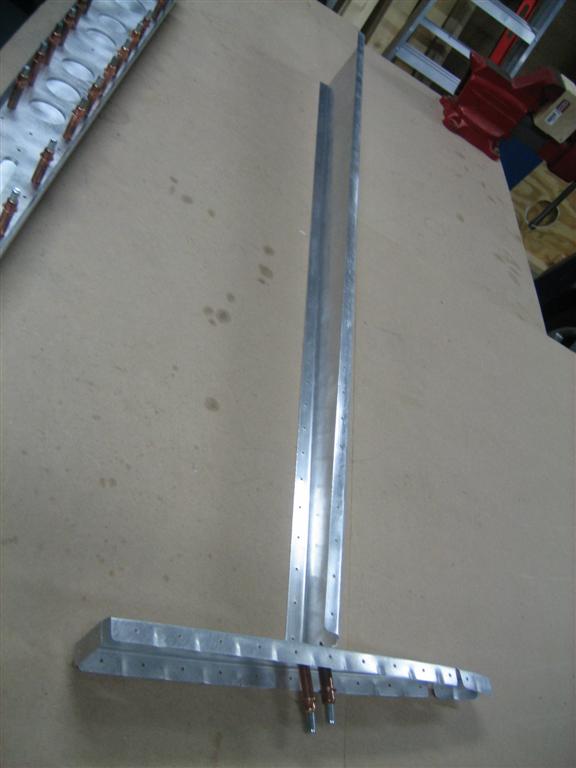
First thing after breakfast, I snagged the two VS spars and the spar reinforcement and headed into the kitchen to finish some surface prep. After about an hour, I had all three pieces scuffed up, cleaned, and back outside. Here is a shot during scuffing. You can see the top half has been scotchbrited and the bottom half is the raw part after removing the blue vinyl.

You can even see my hand and the camera in the bottom half.

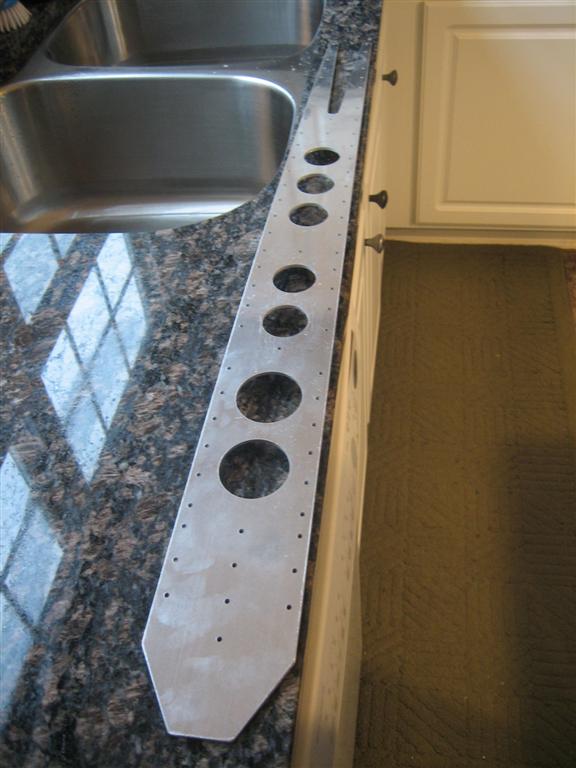
Here’s the spar reinforcement before finishing.

Rear spar reinforcement.

All three after scuffing. (Along with the ribs from last night.)

Looking good.

Then, I bent the rib flanges to exactly 90 degrees using my new hand seamers, and fluted the ribs.

Fluted, ready for assembly.

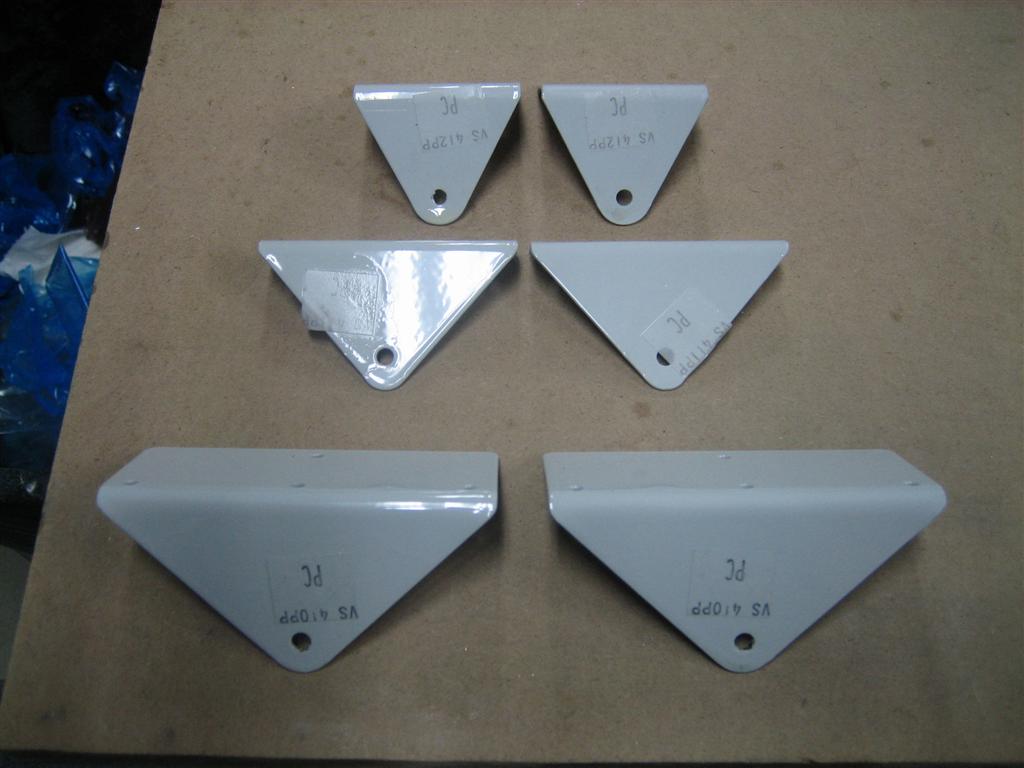
I started clecoing the rear spar doubler to the rear spar, and then realized they want you to put the hinge brackets in now. I quickly located VS-410PP, VS-411PP, and VS-412PP, and got the Goo Gone out to help pull these stickers off.

These part number stickers are a pain in the butt to get off cleanly.

While I waited for the Goo Gone to do its magic, I decided to start clecoing the front spar and ribs together. You can also see the rear spar and rear spar reinforcement in the upper left corner of this picture.

Tip rib attached.

Then, I clecoed in the rear spar. Here, you can also see the hinge brackets waiting for the Goo Gone.

Middle rib attached.

Finally, I clecoed in the root ribs (fore and aft).

Root ribs attached.

Then, I cleaned off the hinge brackets, got them clecoed to the rear spar, and clecoed the rear spar to the front spar and ribs.

Looks like an airplane again.

I followed Mike Bullock’s advice and clamped the rear spar to a couple of 2x4s. This let me matchdrill the rear spar vertically, which helps a lot with getting a perfectly straight hole.

Rudimentary VS jig for matcdrilling the rear spar.

Here’s my process. Cleco every other hole, match drill, mark the drilled hole with a dry-erase dot, move the clecos, repeat. Here, you can see my dots.

Dry-erase dots help me know which holes I've drilled.

After finishing up the ones you can reach from the aft side of the rear spar, I flipped the whole assembly over and match-drilled the two remaining holes (that aren’t drilled in the upper half of the lower set of hinge brackets).

12" bit doing its thing...

Next, we get to cleco on the skin, wuhoo!

It looks like another airplane part.

Then, time to matchdrill the skin to the spars and ribs. Same process here. Cleco every other hole, drill, mark dots, move clecos, repeat.

Match-drilling the skin.

Here, you can see that I am in the middle of moving clecos. The one in the center of the picture gets moved one left (into the marked, already drilled hole), then the one to the left of that gets moved one left, and so on.

Example of brand new cleco on the left, and two used clecos in the middle. Eh, they work just fine, they're just not as pretty.

I got the left side of the vertical match-drilled, then flipped it over, took this picture, and then headed inside.

Ready for the second side of match-drilling. Maybe later tonight or tomorrow.

3.0 solid hours today. Good work all around.

Prev | Next


Edge and Surface prep for VS Skeleton

January 23, 2010

Prev | Next

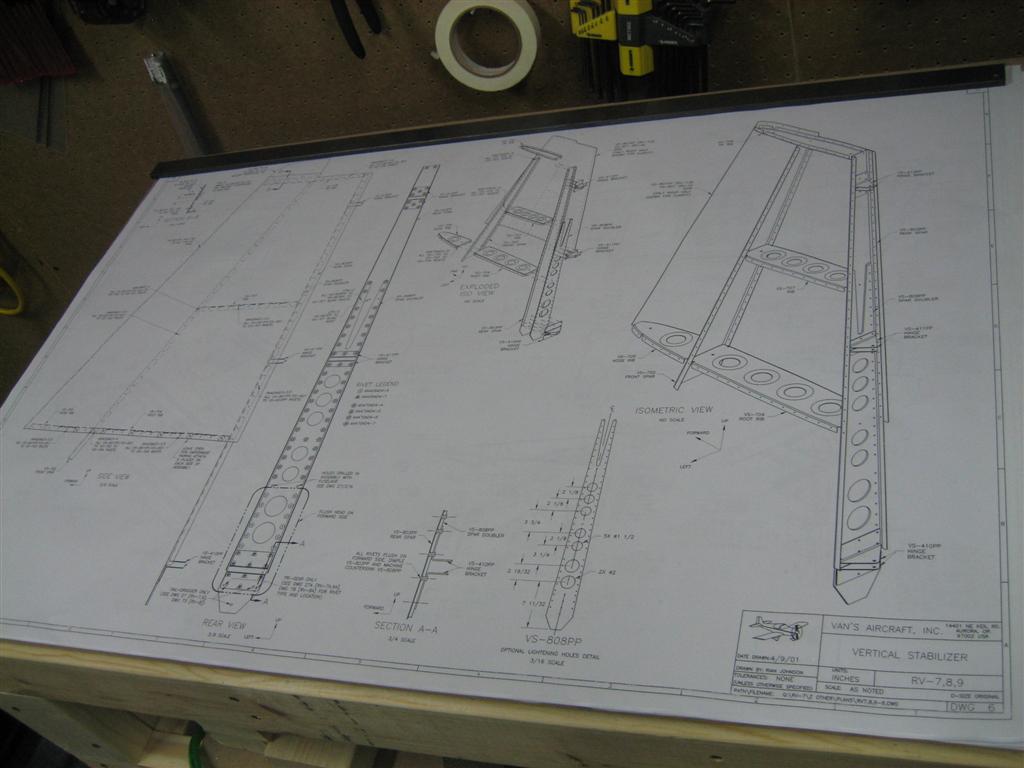
Time to get started on the vertical. Drawing 6.

Time to start on the vertical stabilizer.

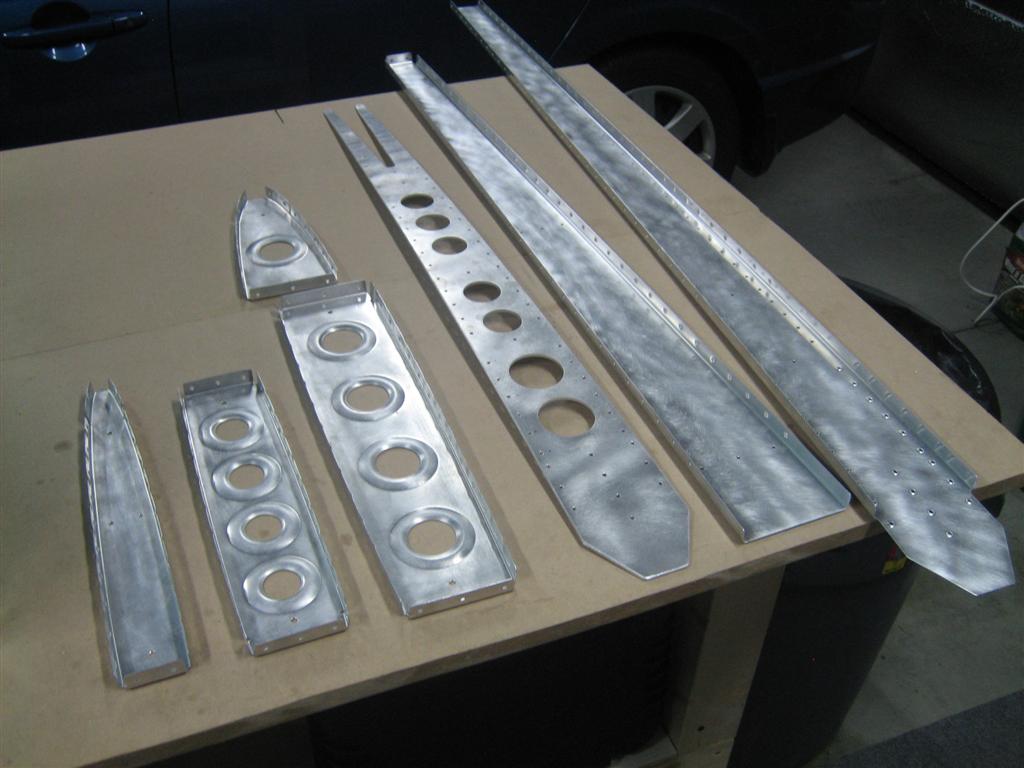
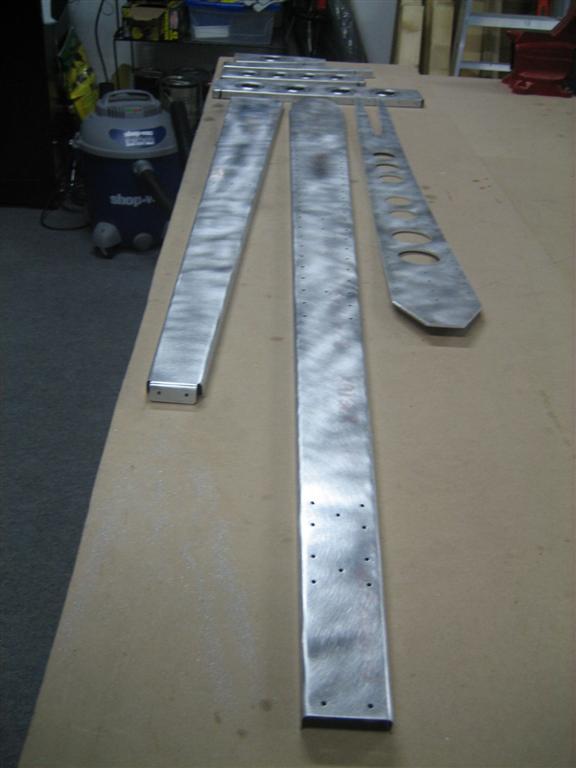
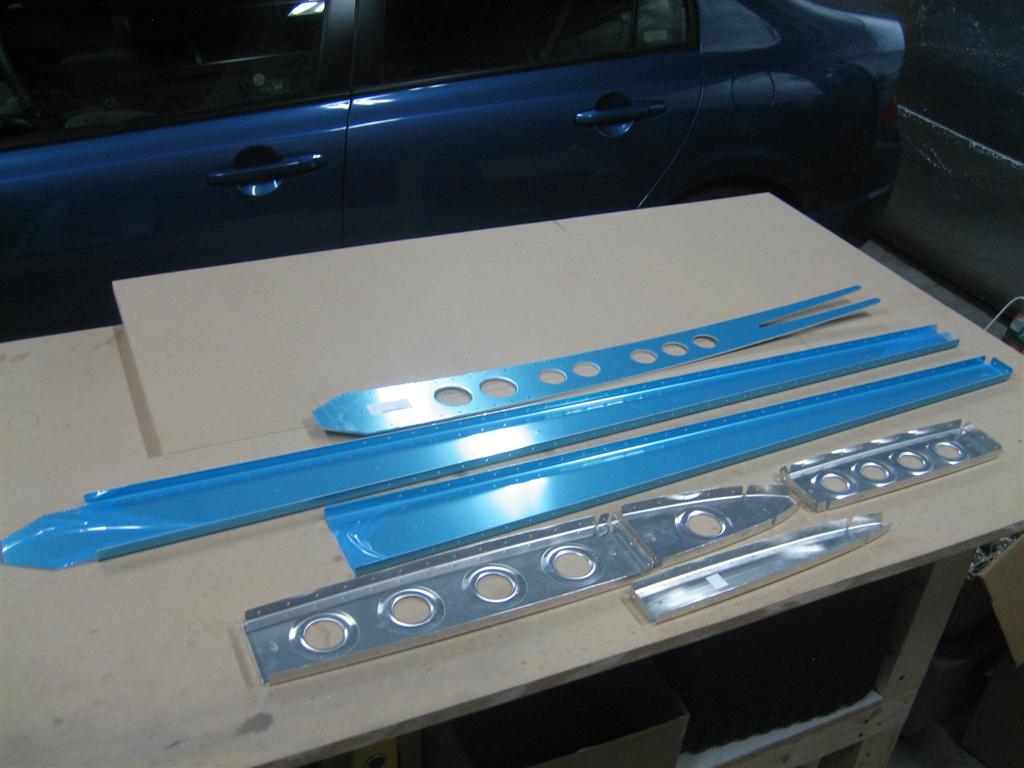
After finishing the Empennage Hardware Inventory today, I got started on edge and surface prep on the VS ribs and spars. Here are the components for the VS skeleton. I like to scuff up the surfaces and finish the edges before initial assembly. This prevents scratching, and frankly makes the parts look better in the pictures.

VS skeleton components.

After removing the blue vinyl on the rear spar, front spar, and reinforcement piece, I used my Permagrit block to remove all of the burrs from the spars and ribs. Then, I used my edge deburring tool and a scothbrite pad to finish the edges on the spars.

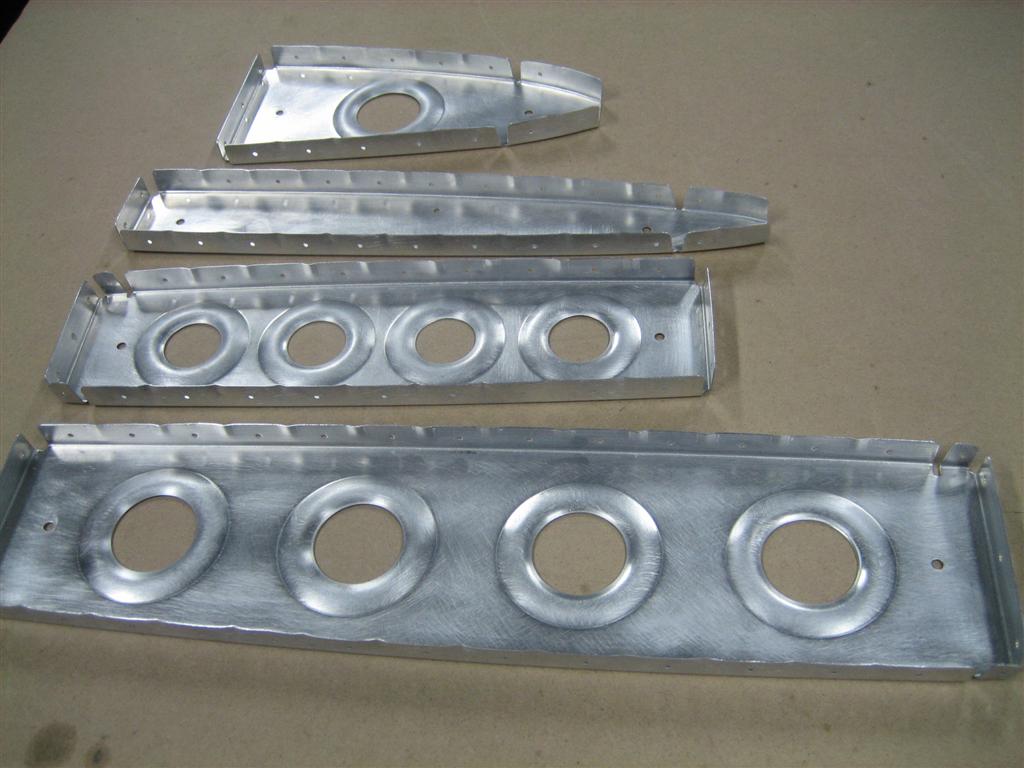
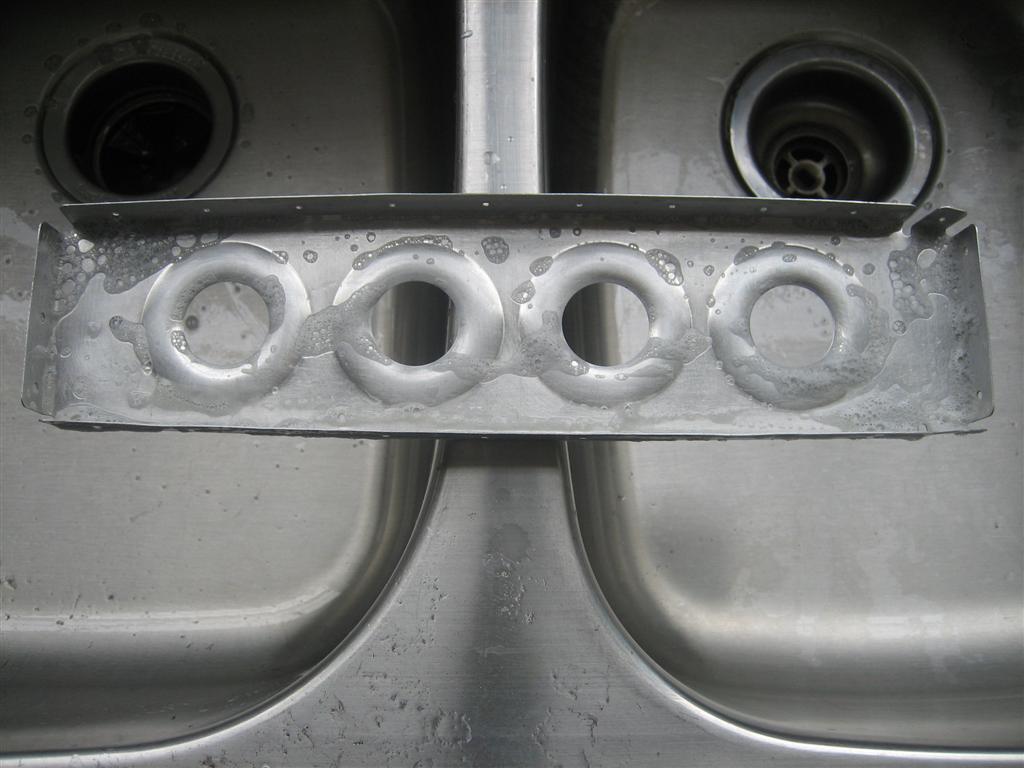
After that, I took the 4 VS ribs into the kitchen and used a soapy scotchbrite pad to scuff them up. Here’s one before rinsing.

So fresh and so clean, clean.

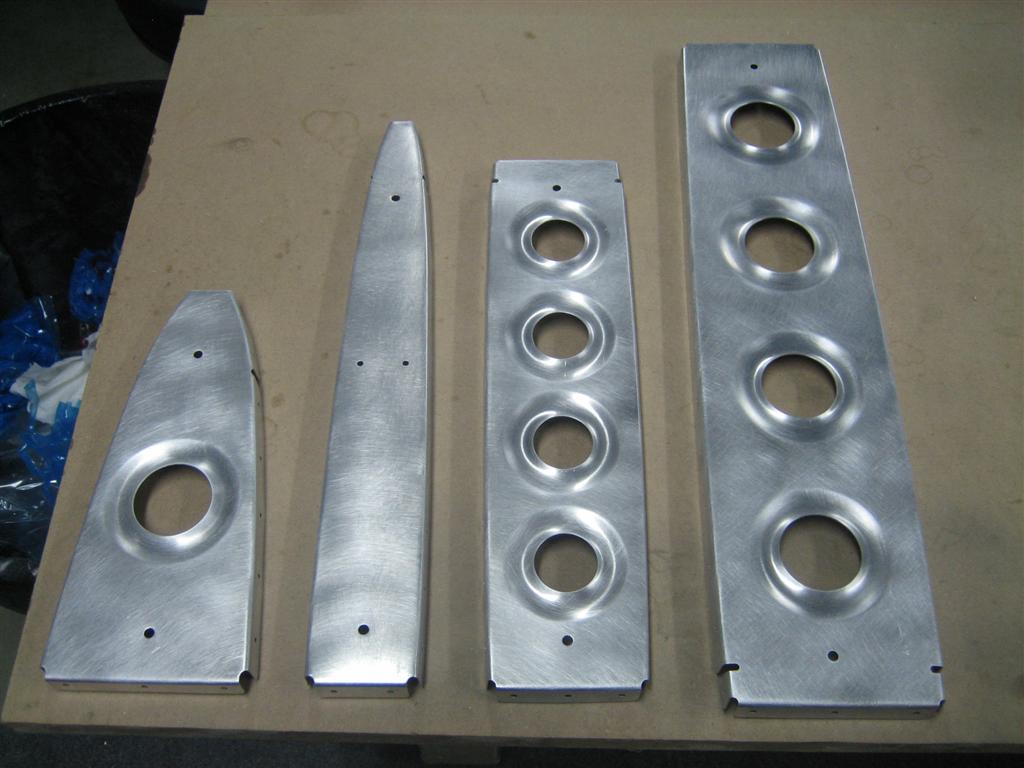
Here are all four after edge finishing and scuffing.

Scuffed up and looking ready to assemble for match-drilling.

Next up, fluting the ribs and scotchbriting the spars and reinforcement piece before assembling for match-drilling.

An hour and a half. Not bad.

Prev | Next


Empennage Hardware Inventory, Tools

January 23, 2010

Prev | Next

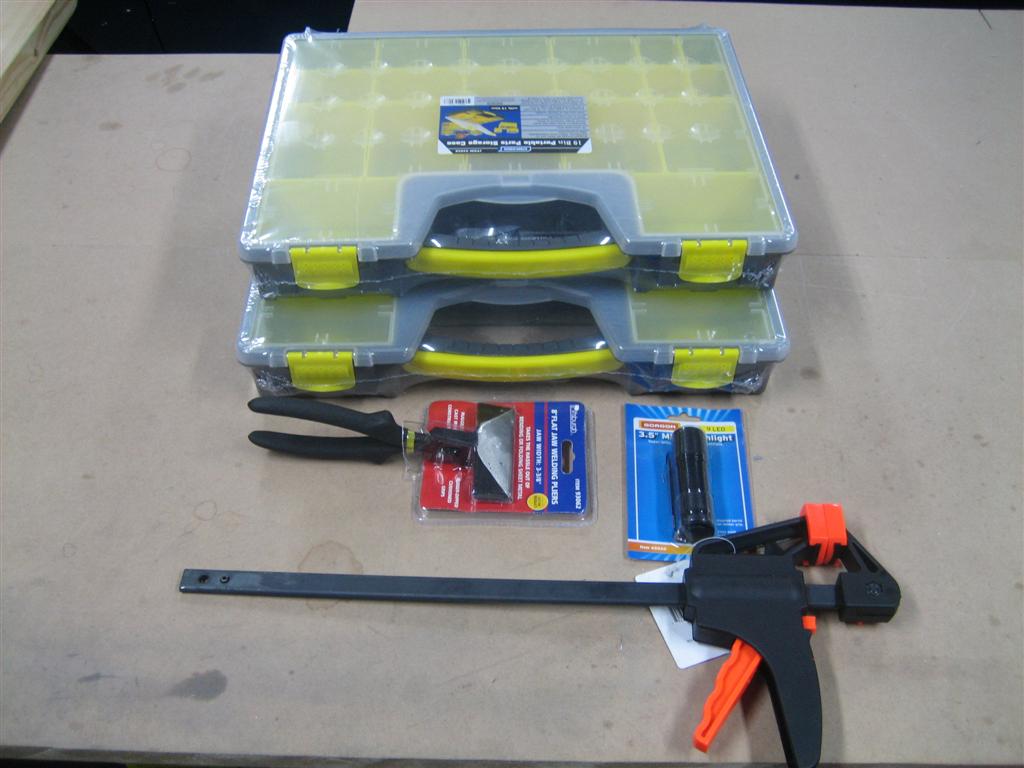
After a quick morning stop to Harbor Freight for the pictured stuff below and NAPA for two more bottles of self-etching primer, I got home and decided to finish inventorying the empennage hardware.

$24 shopping spree!

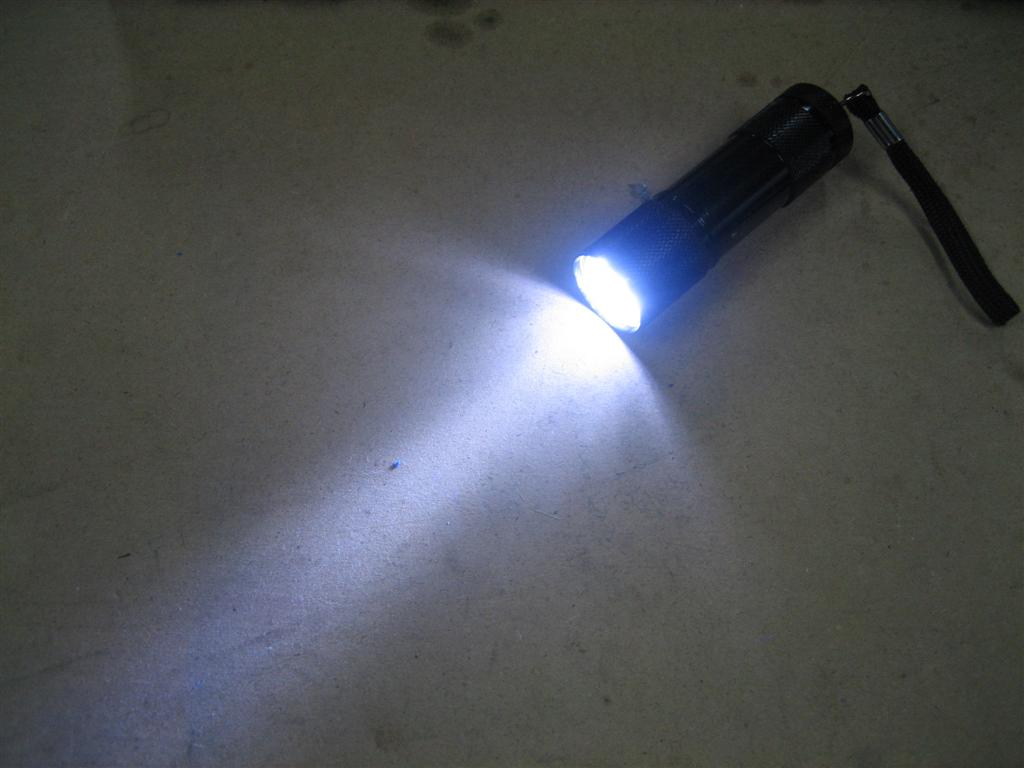
I found a coupon in Men’s Journal (or Men’s Health, I can’t remember) for a whole bunch of stuff from Harbor Freight. One of the coupons was for $1.99 12″ clamp, and the other was for a FREE flashlight. (3.5 inch 8 LED flashlight). I was surprised to get it home and discover it already had batteries in it.

Holy crap, this FREE flashlight is bright.

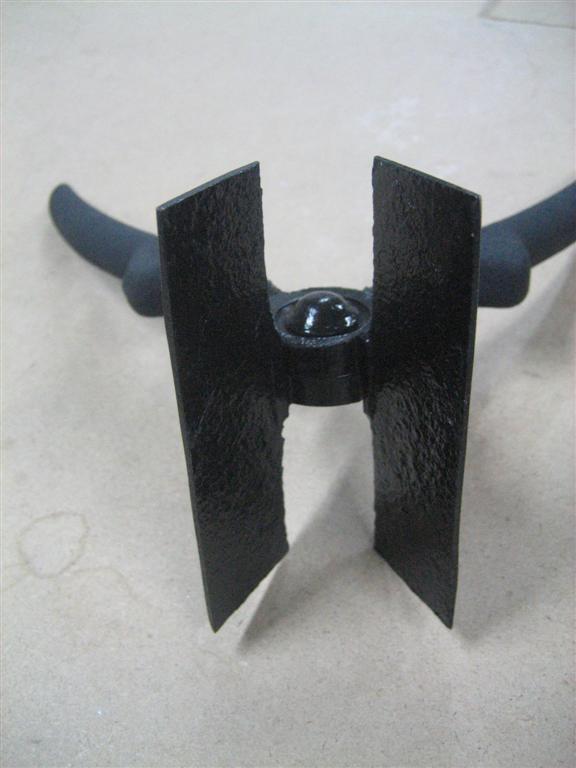
Also, I found some 8 inch welding pliers for $4.99. After some edge finishing and smoothing of the interior surface, these should end up being nice hand seamers, for $15 less than the cheapest aircraft tool company.

"Welding Pliers" + smooth surfaces and edges = Hand Seamers

Then, I used a 15% off coupon and a 20% off coupon for each of these two, usually $9.99 each. I love these things, we use them at work for all the aircraft hardware. Highly recommended.

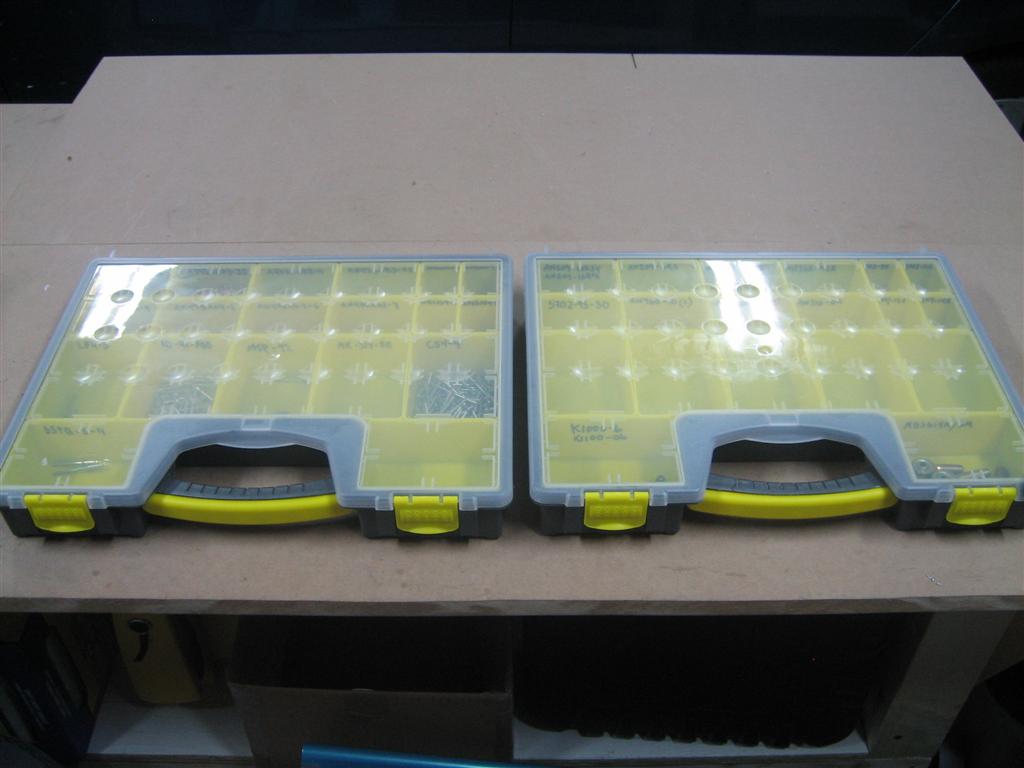
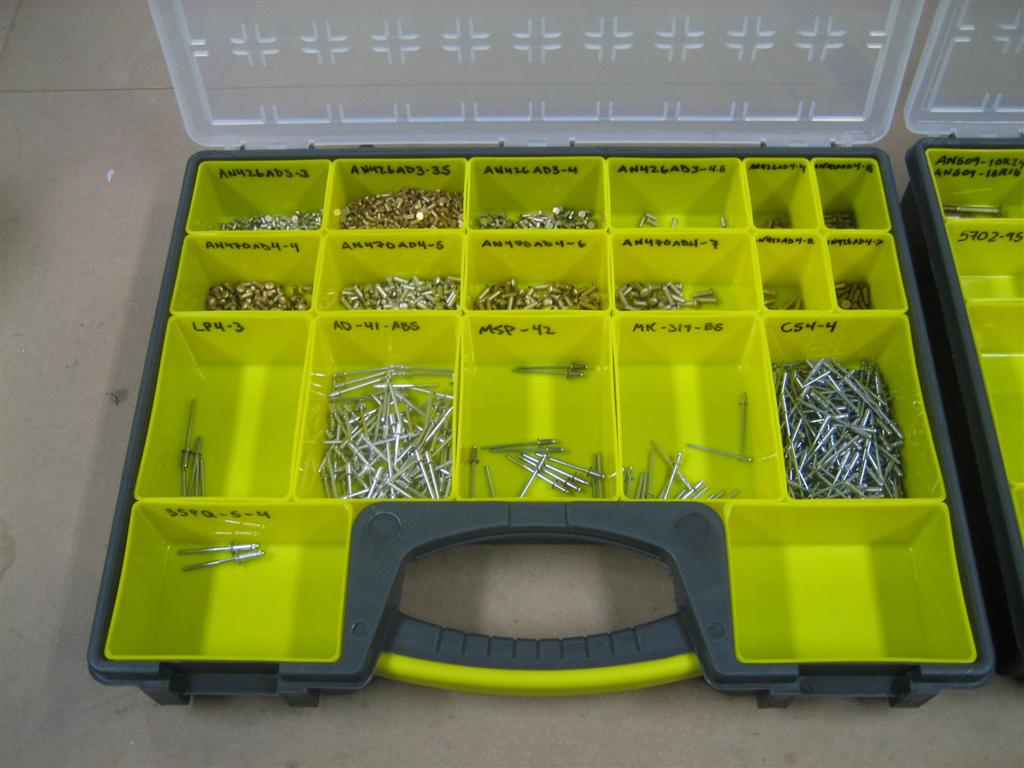
19 Piece storage containers.

Most of the hour was spent taking the empennage hardware out of the bags. The bags worked just fine for me, especially since I kept the hardware inventory sheet handy, but this will work even better, and really only cost me about $17.

Rivets in this one...

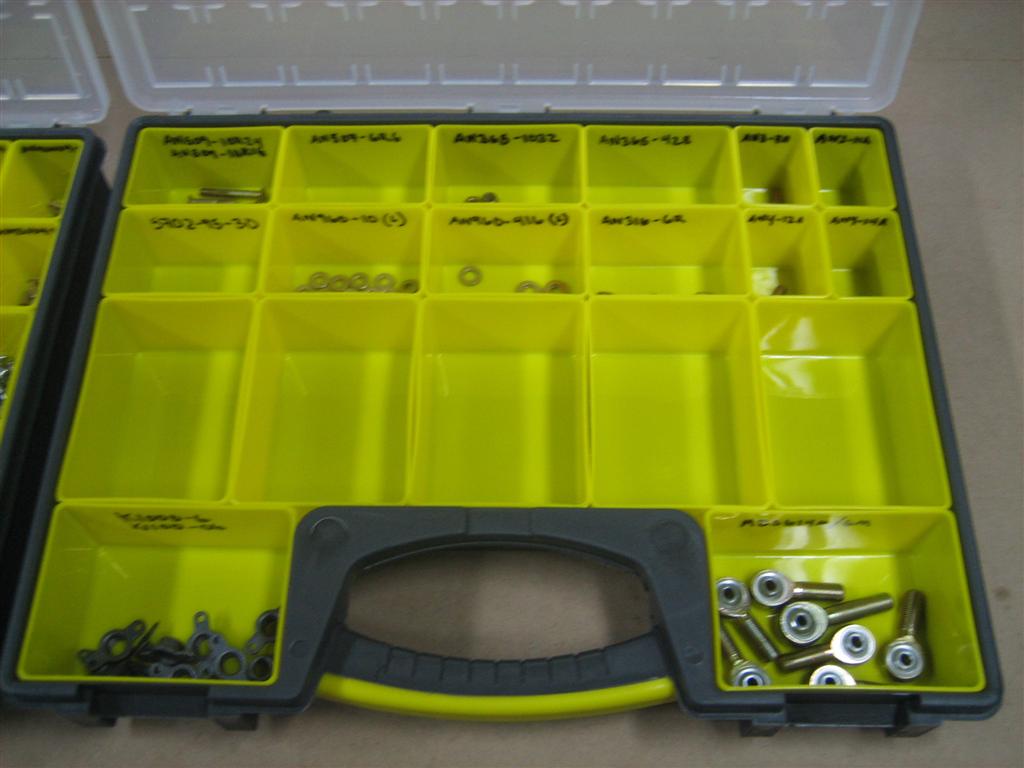
Sorry about the blurry picture. You don’t really need to read the names, do you?

Miscellaneous hardware in this one...

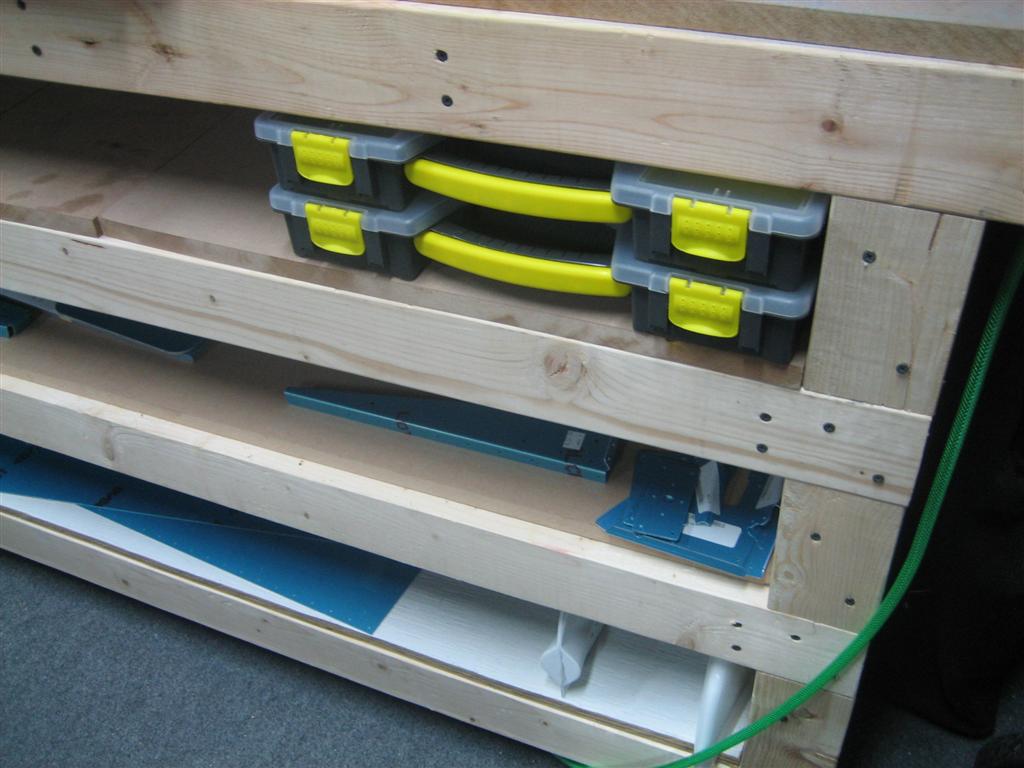
I can stack them, and they just fit on the top shelf of my 2nd workbench.

Like a glove.

One hour. I’m going to log this one under inventory and tools, just so people will find it.

Prev | Next


Horizontal Stabilizer Complete

January 22, 2010

Prev | Next

Well, except for the fiberglass tips. And the elevator horn cutouts. But you get the idea.

I spent a half an hour in the garage early tonight finishing the last few things up. One of which was setting the last 4 rivets on the horizontal.

I had forgotten about the 4 rivets (4 on the left and right edges of the picture).

Also, I drilled out 12 skin rivets that were sitting a little proud, and reset them. Here’s the HS with the fiberglass tips just taped into place (to see what it looks like).

Finished HS with the tips taped into place. Looks good.

Short night, but the dogs flew in the newly designated “airplane parts storage” room.

Believe it or not, this is the best picture I could get out of about 10 tries. Jack and Ginger doing what they do best...looking cute.

Up next, the vertical stabilizer.

Prev | Next