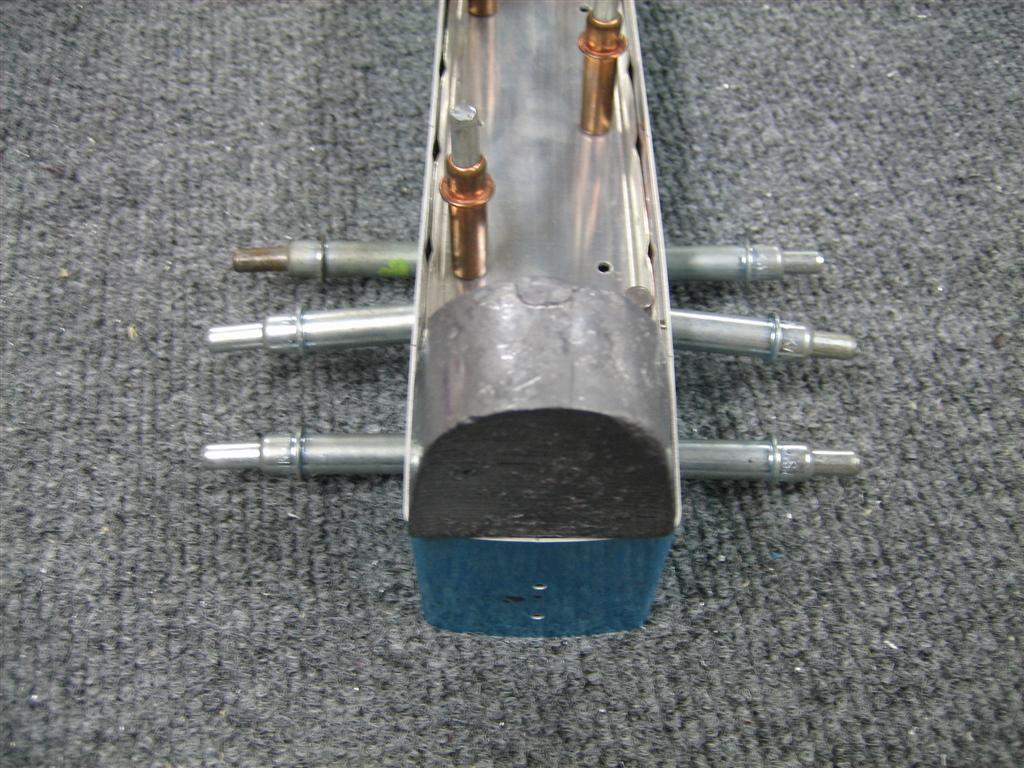
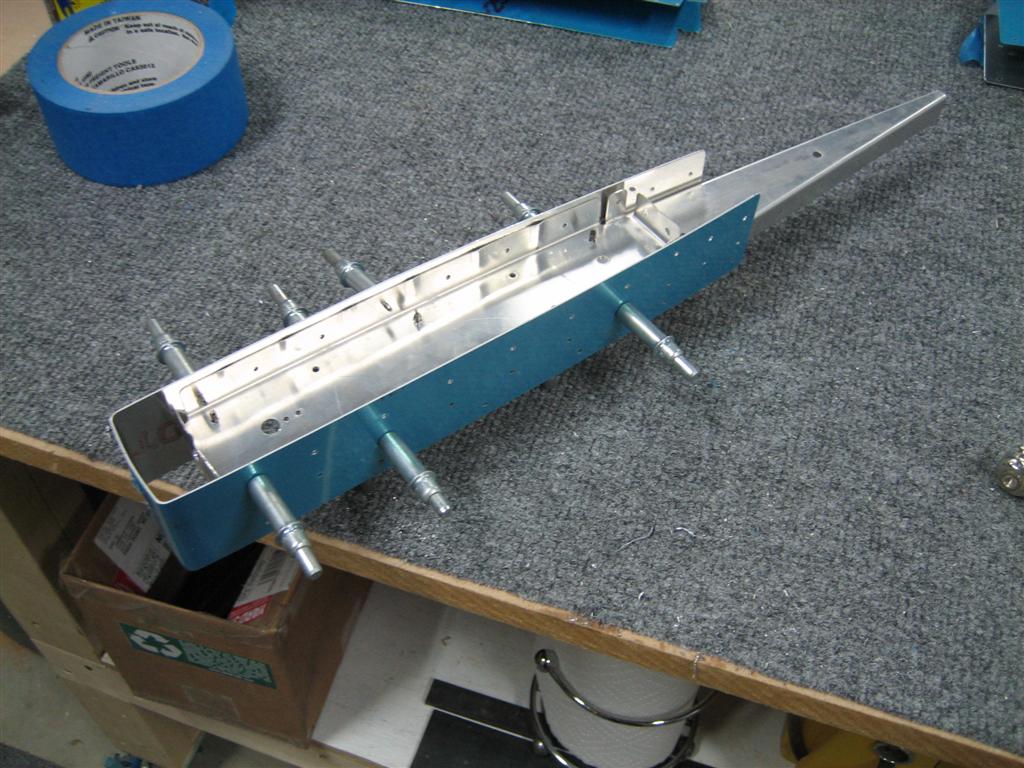
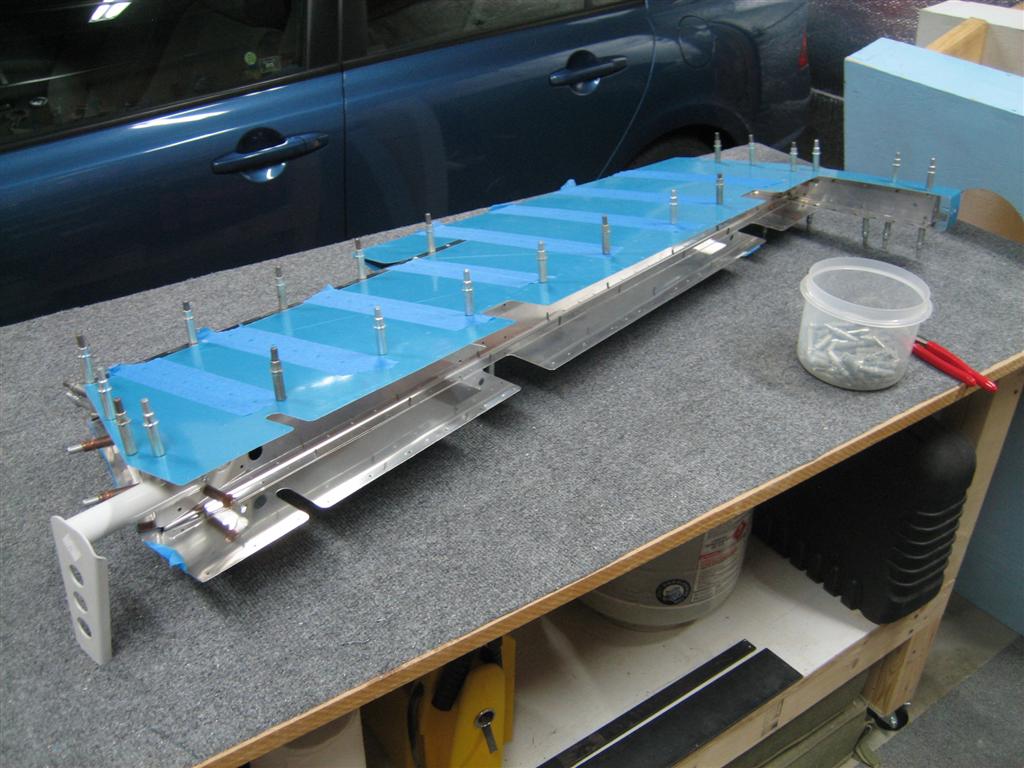
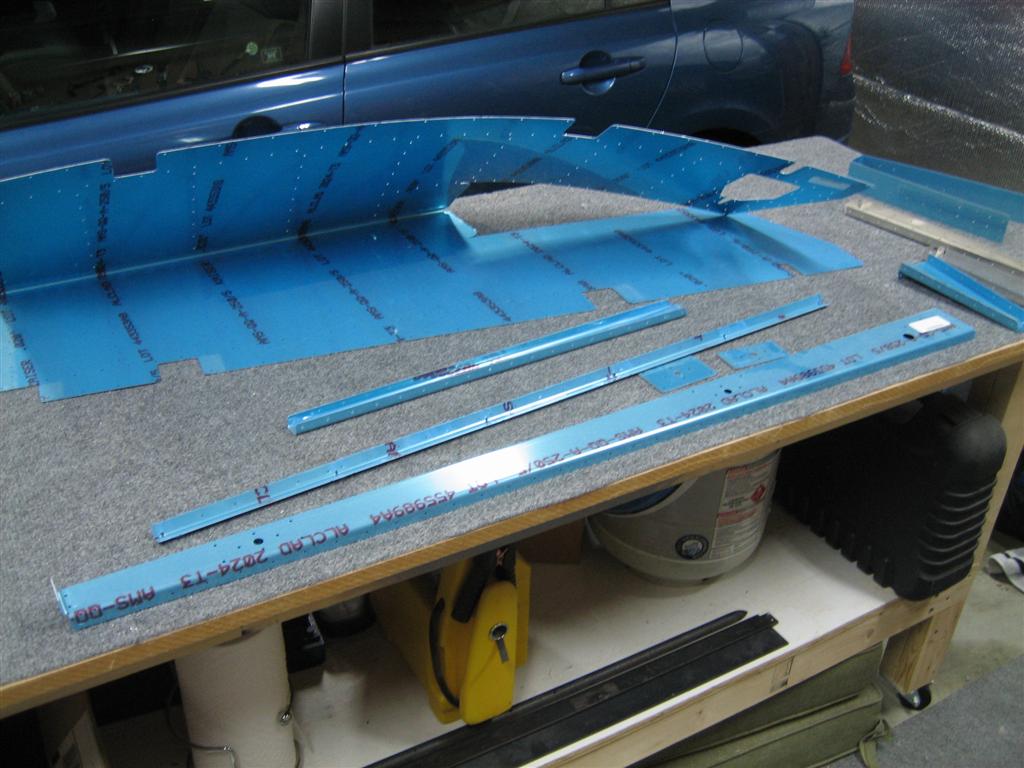
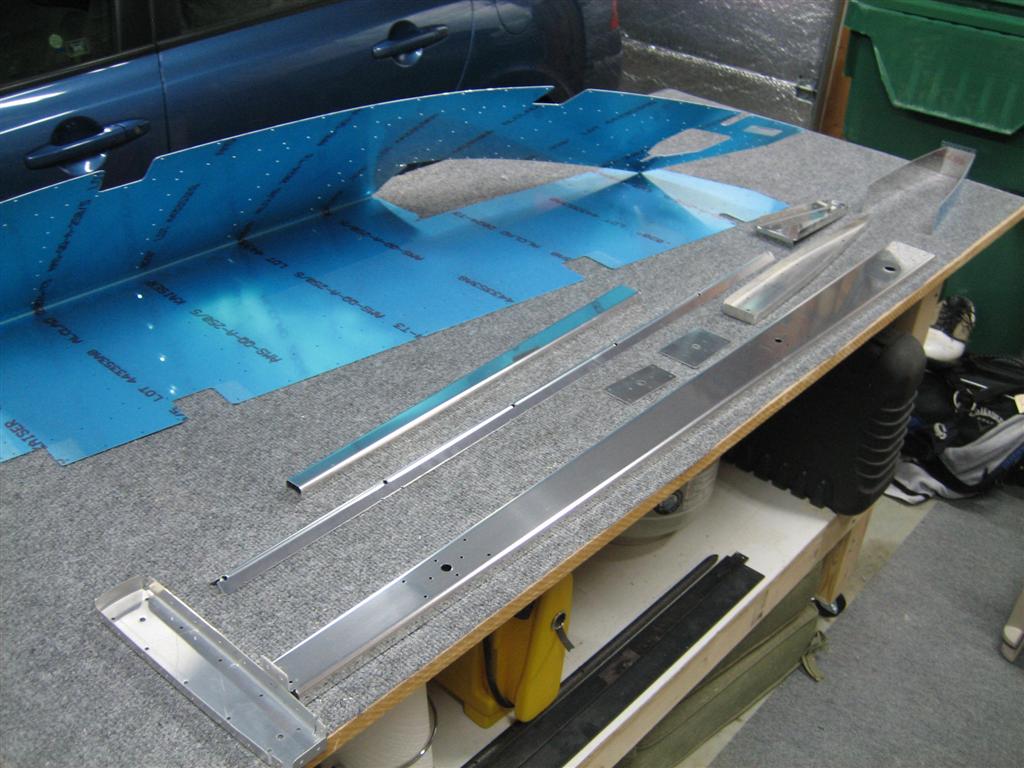
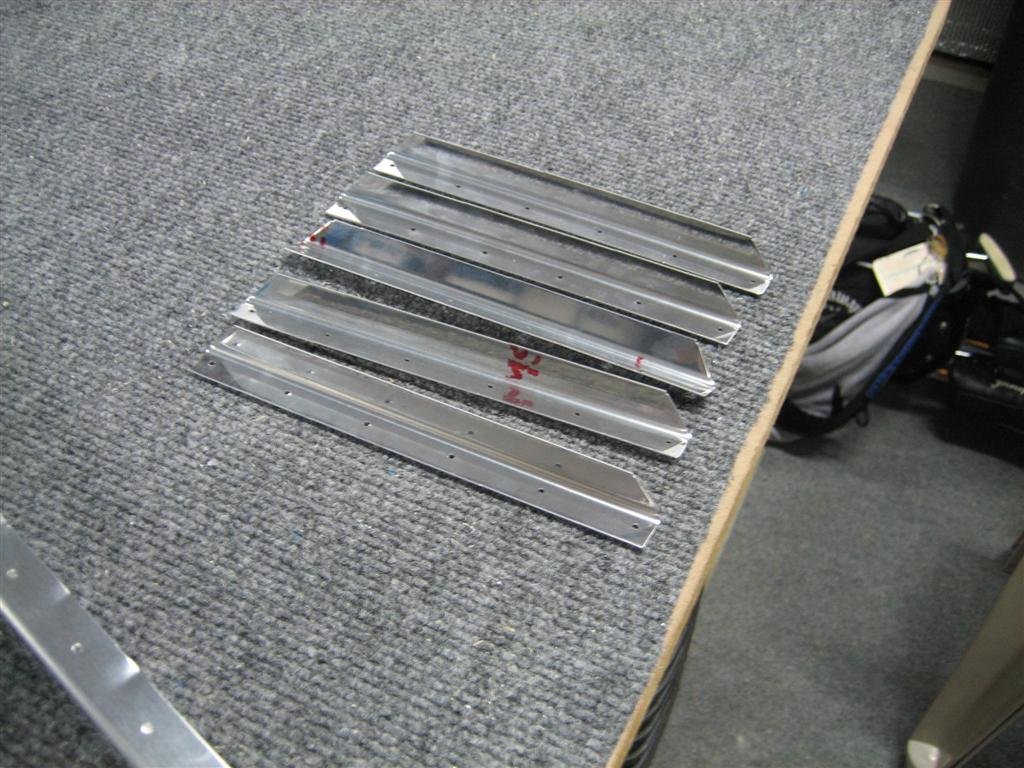
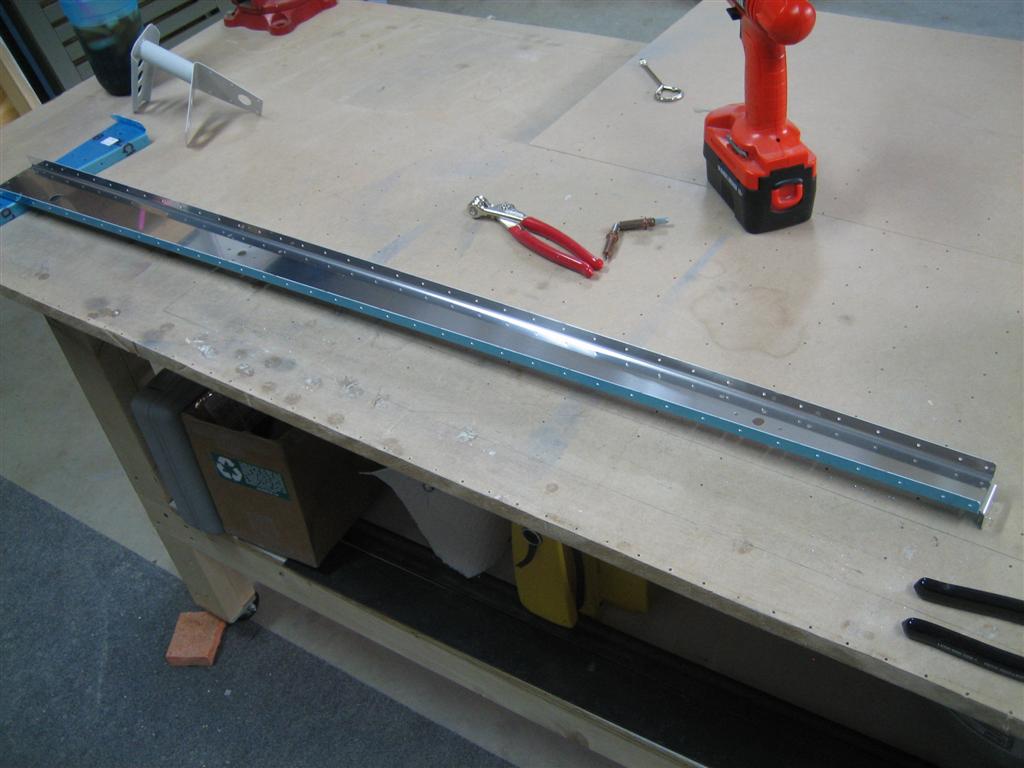
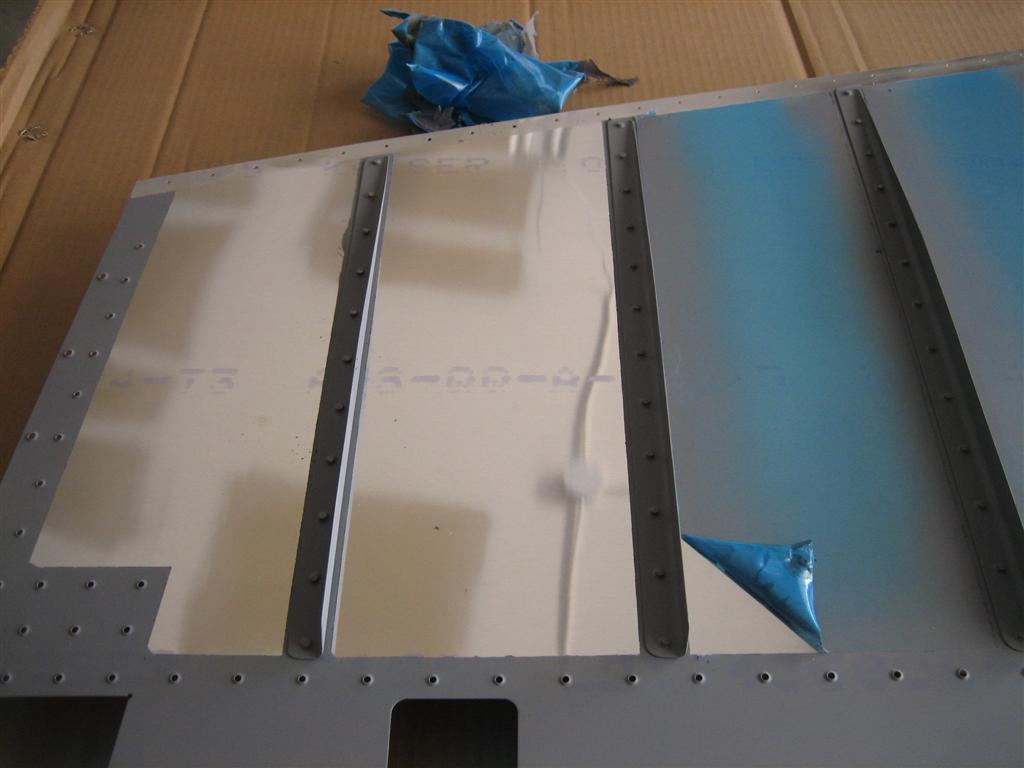
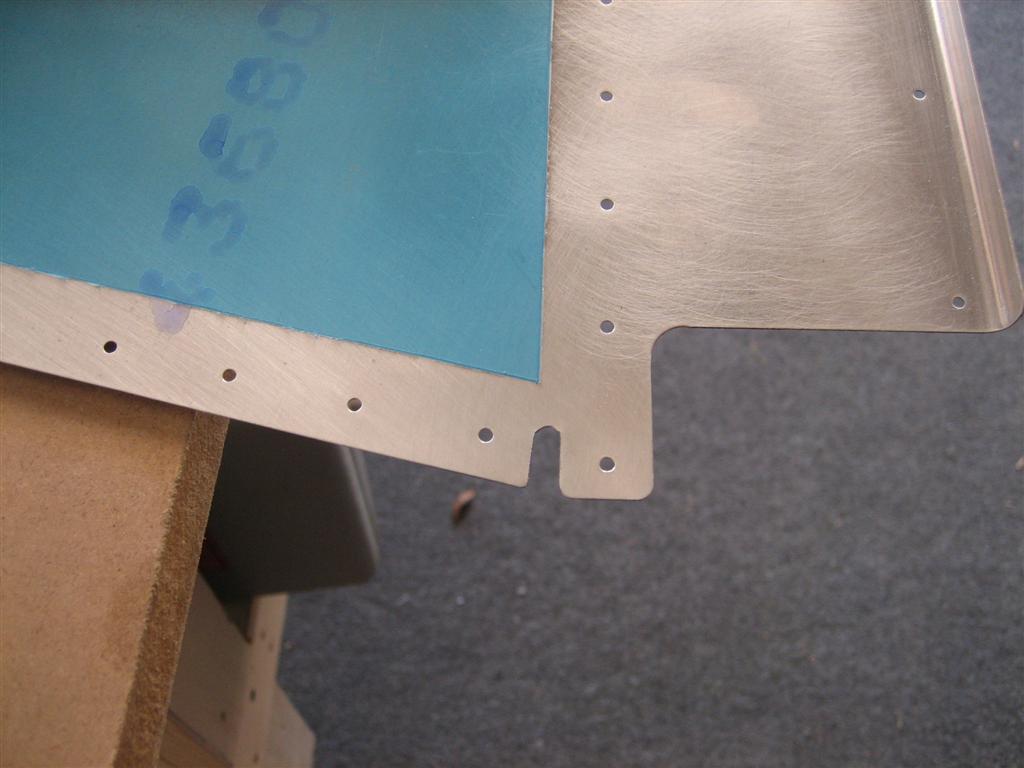
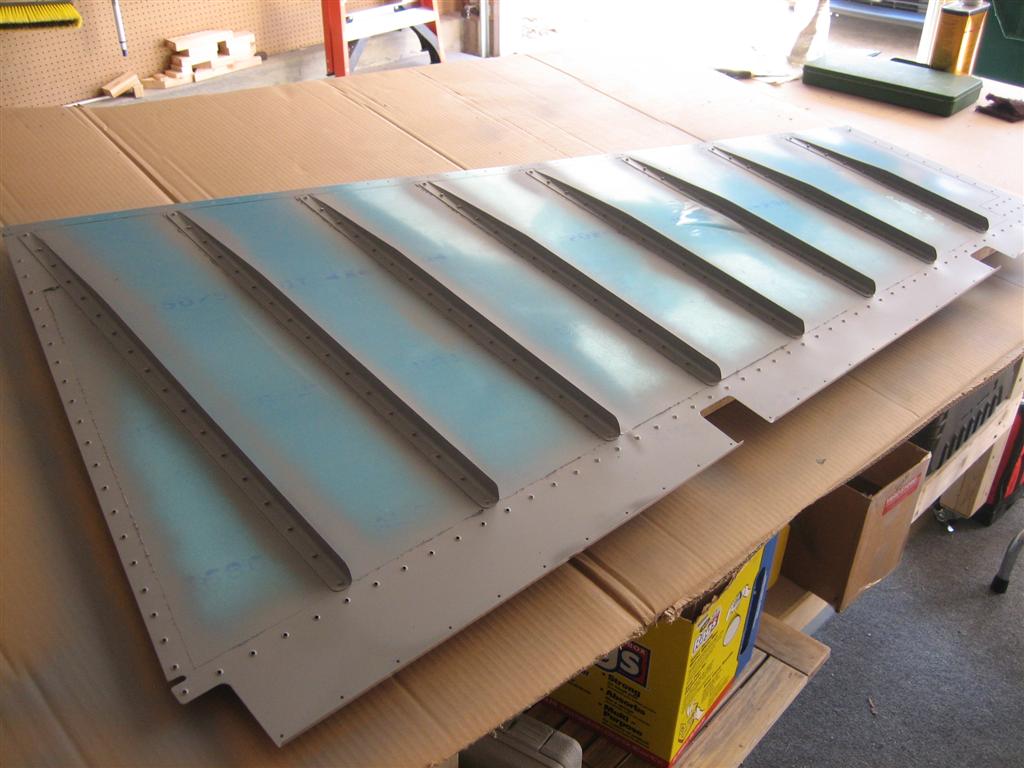
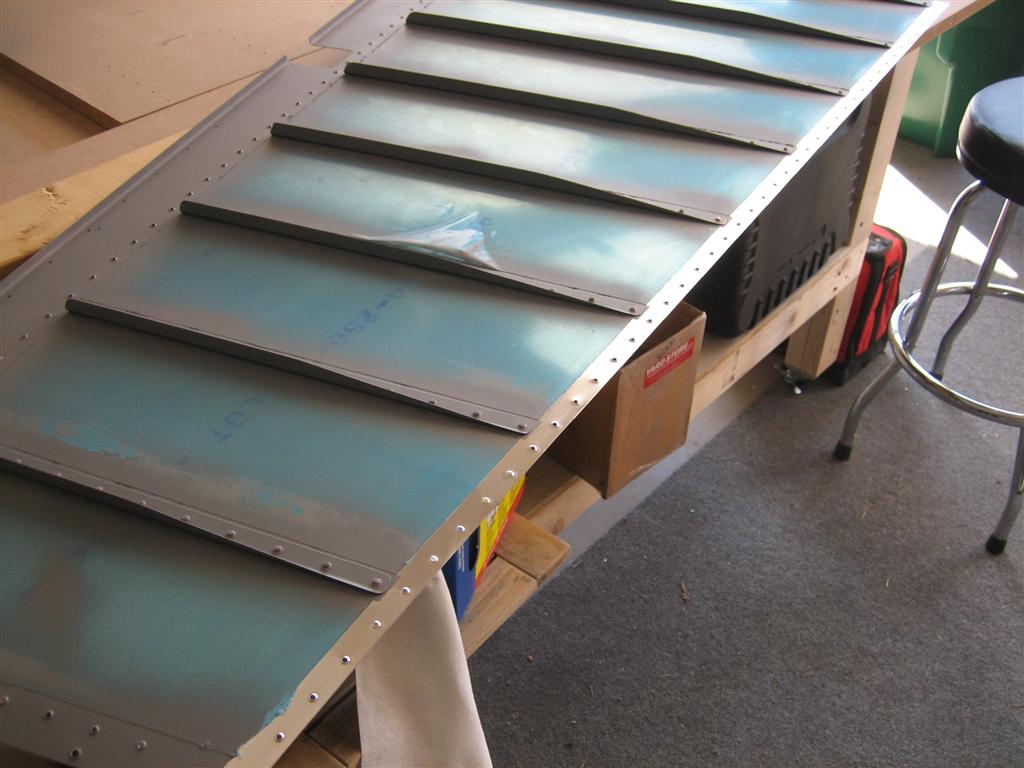
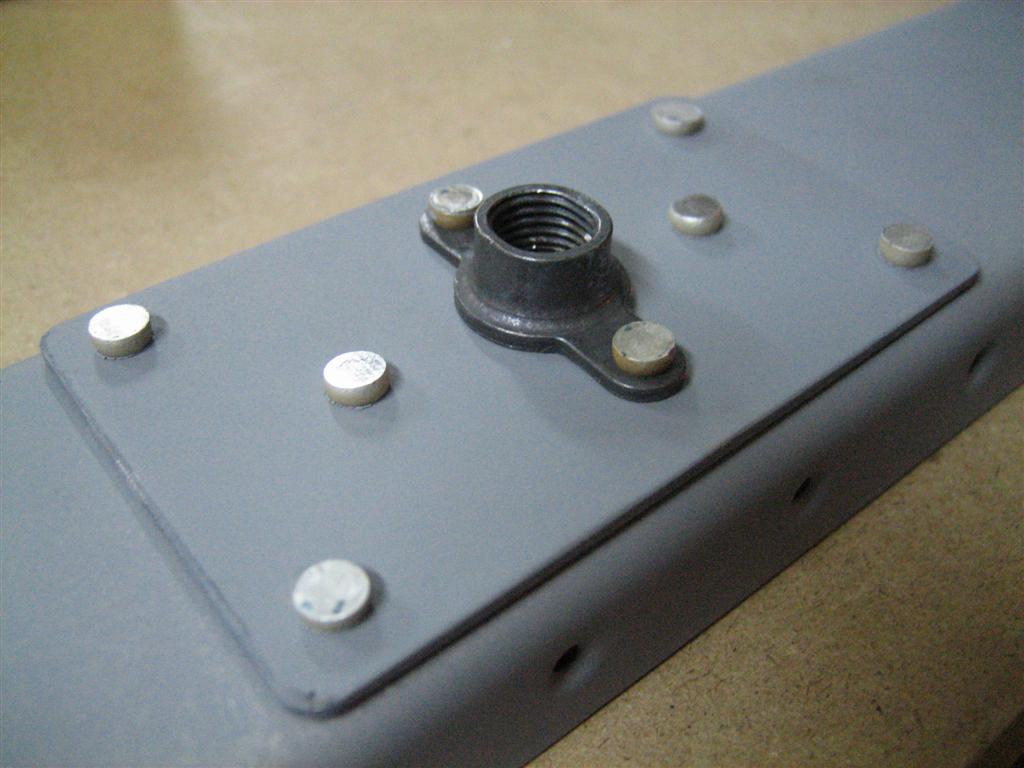
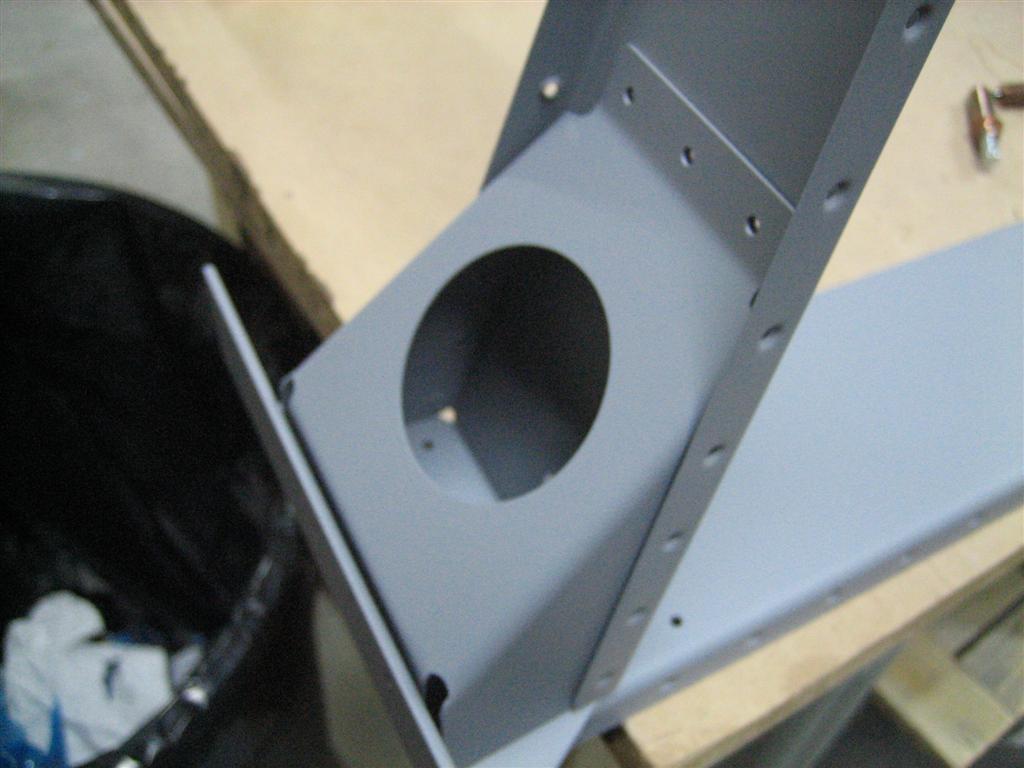
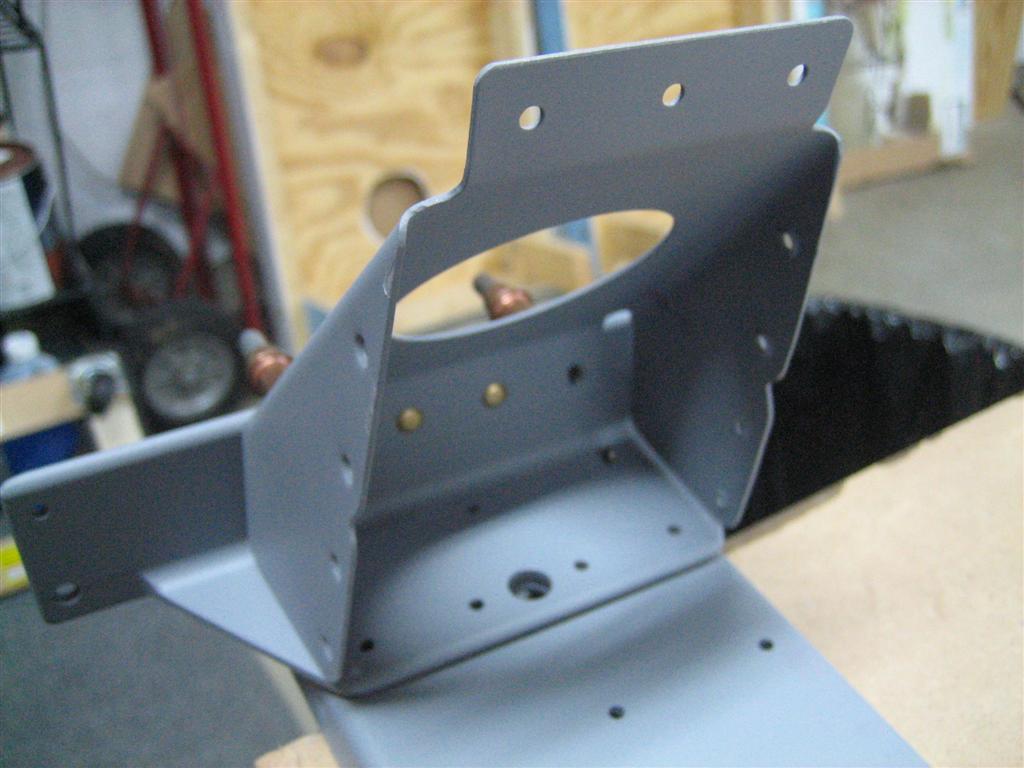
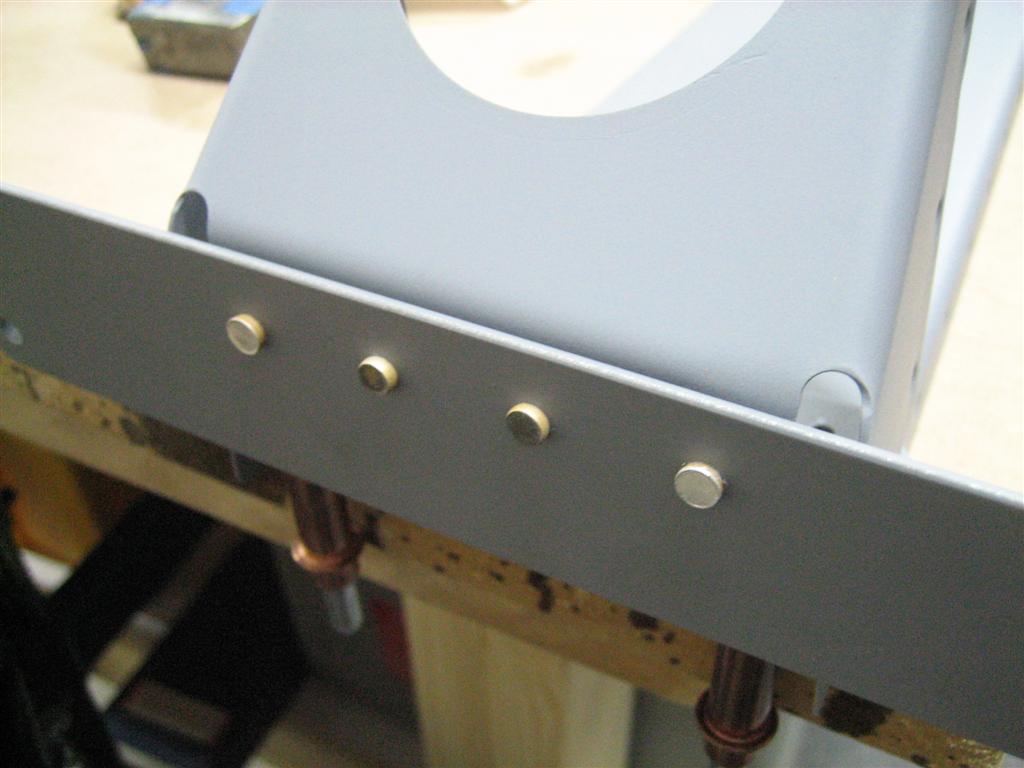
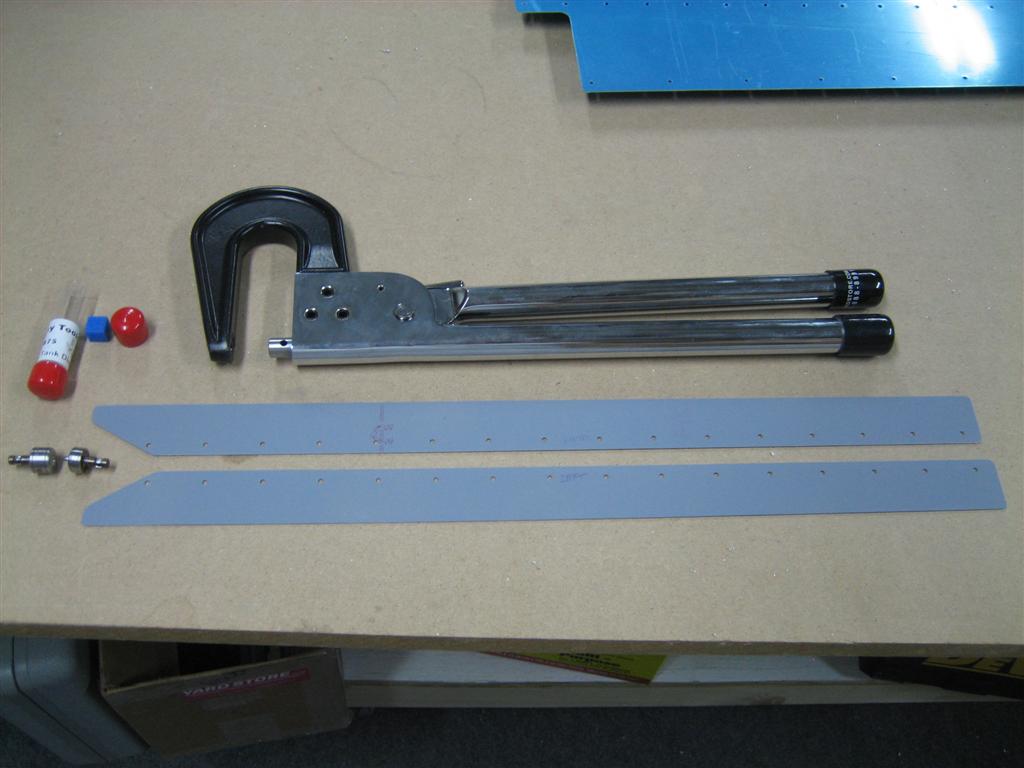
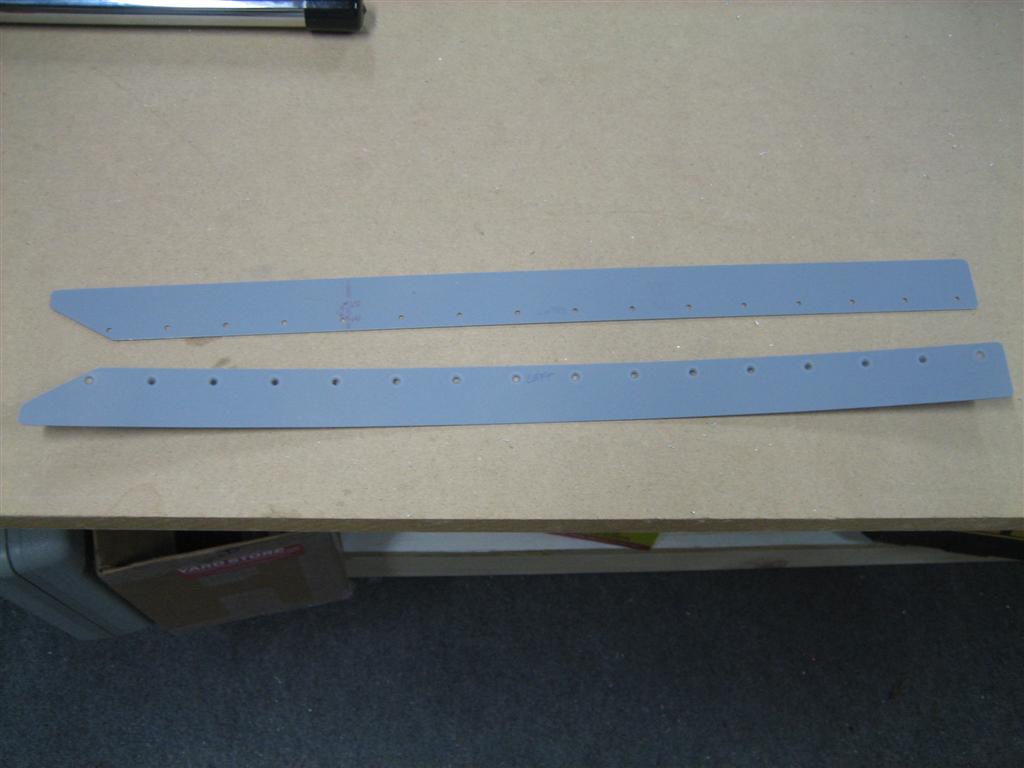
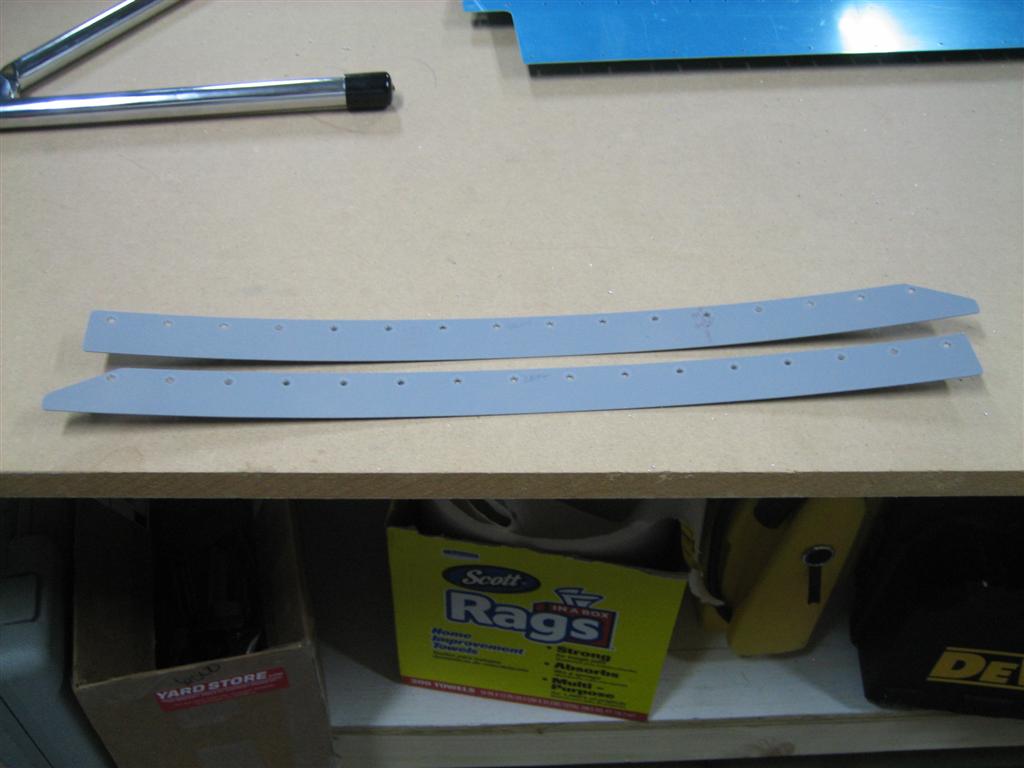
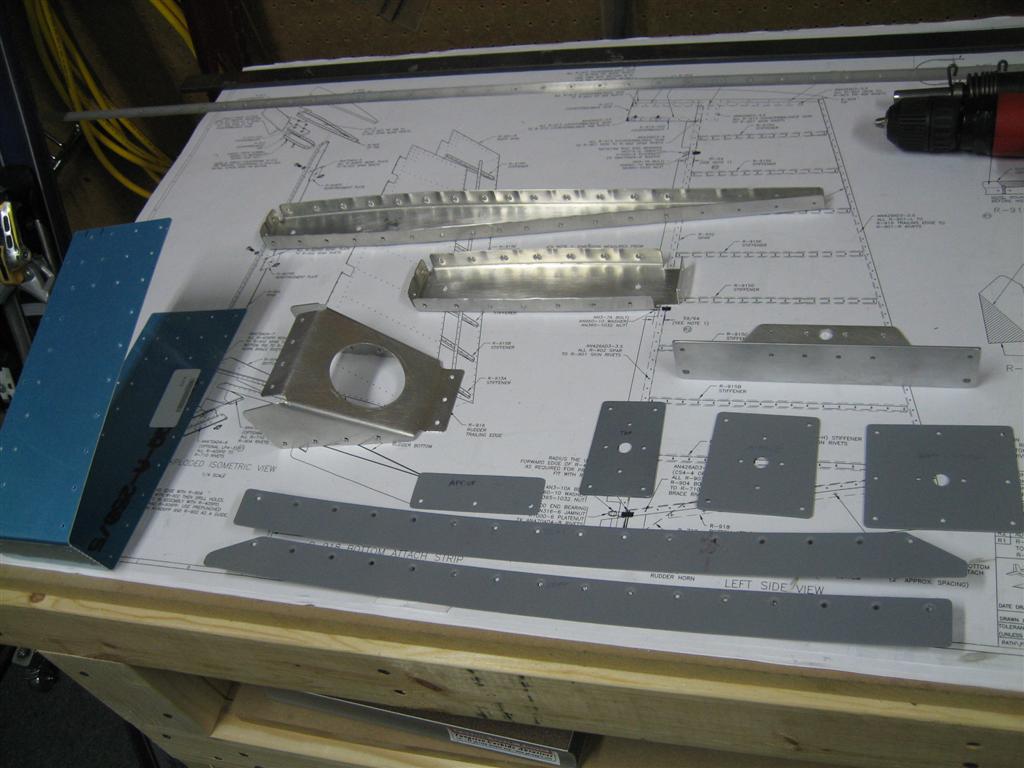
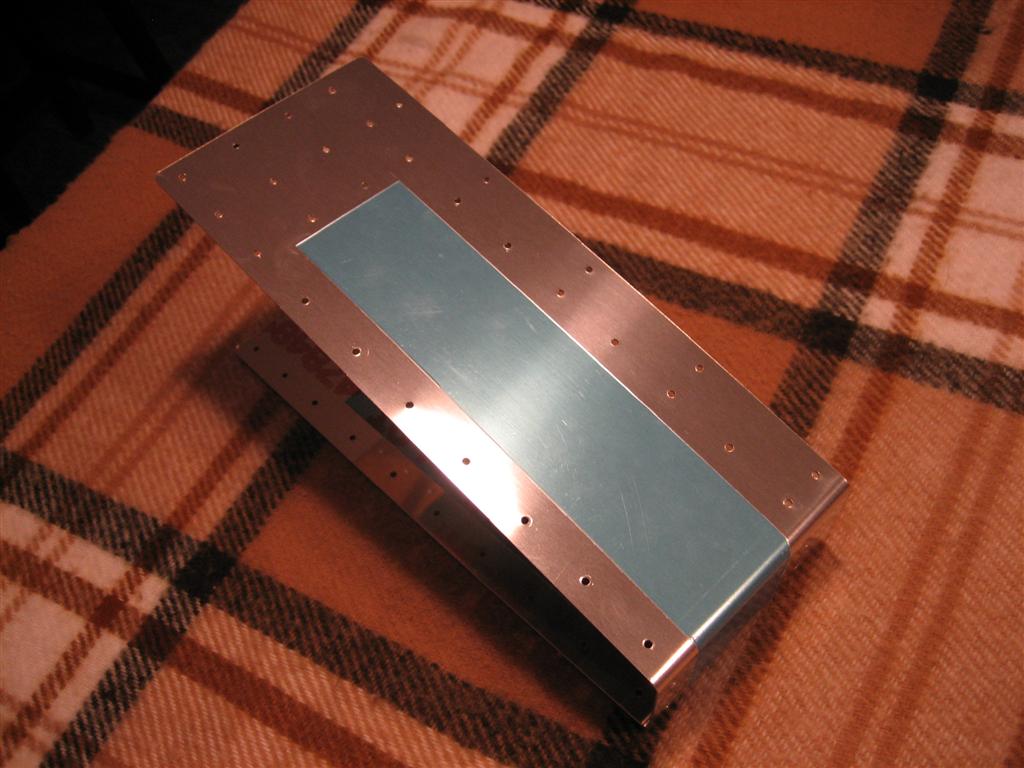
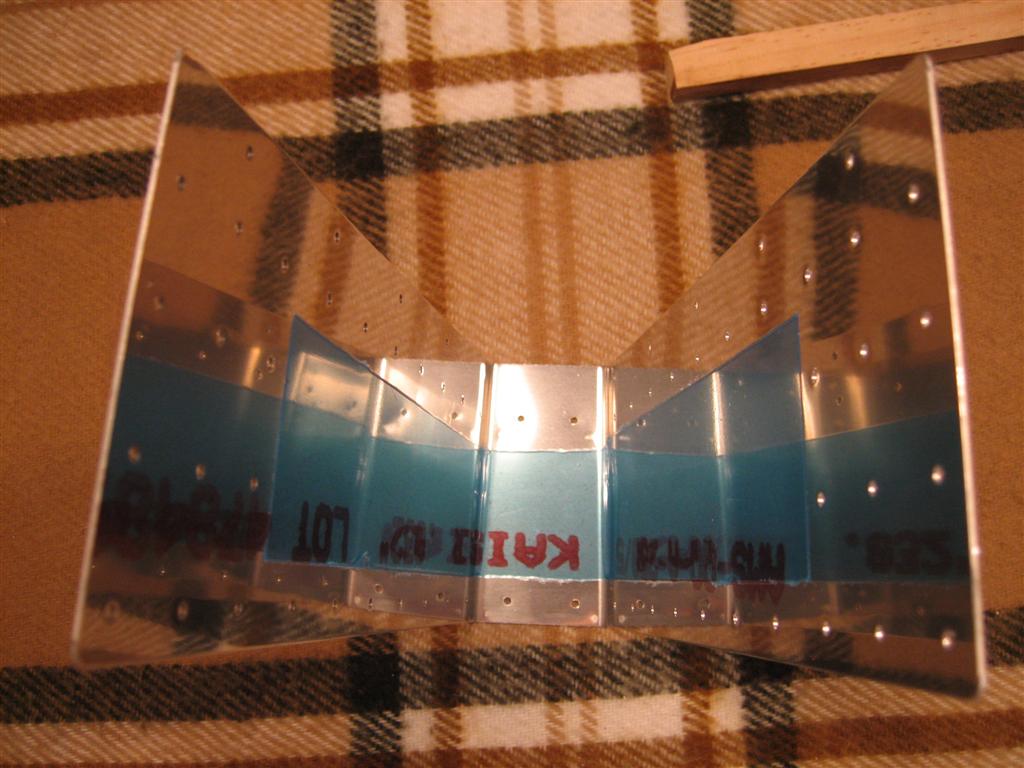
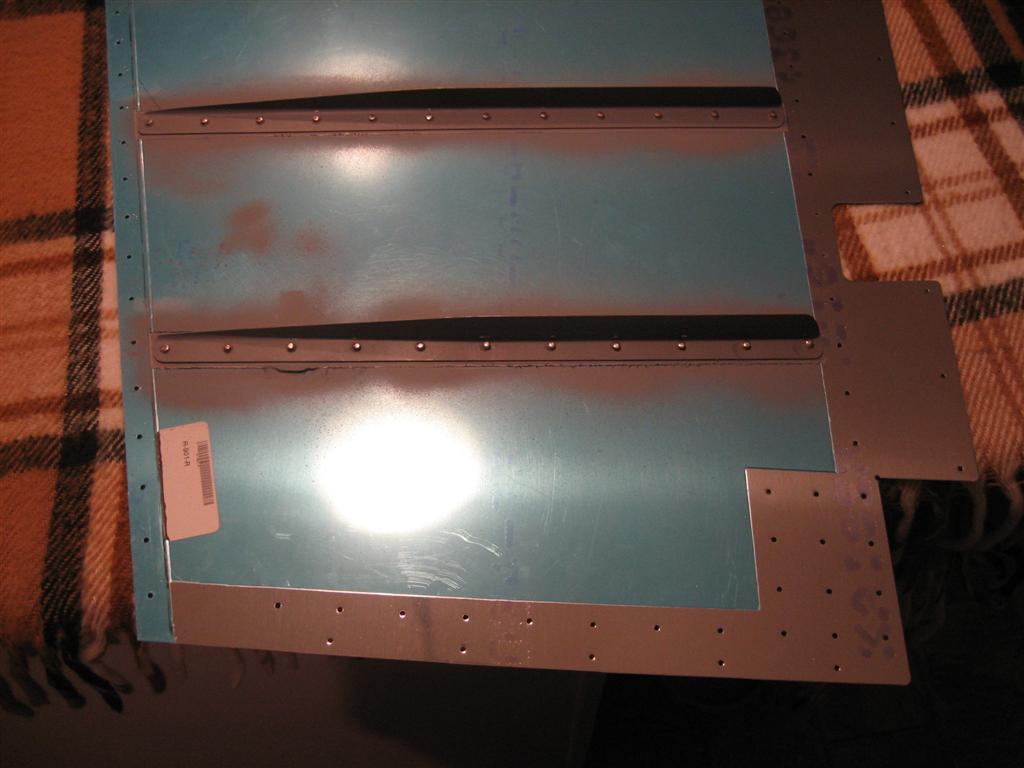
Finished Countersinking Right Spar Flanges

August 24, 2010

Prev | Next

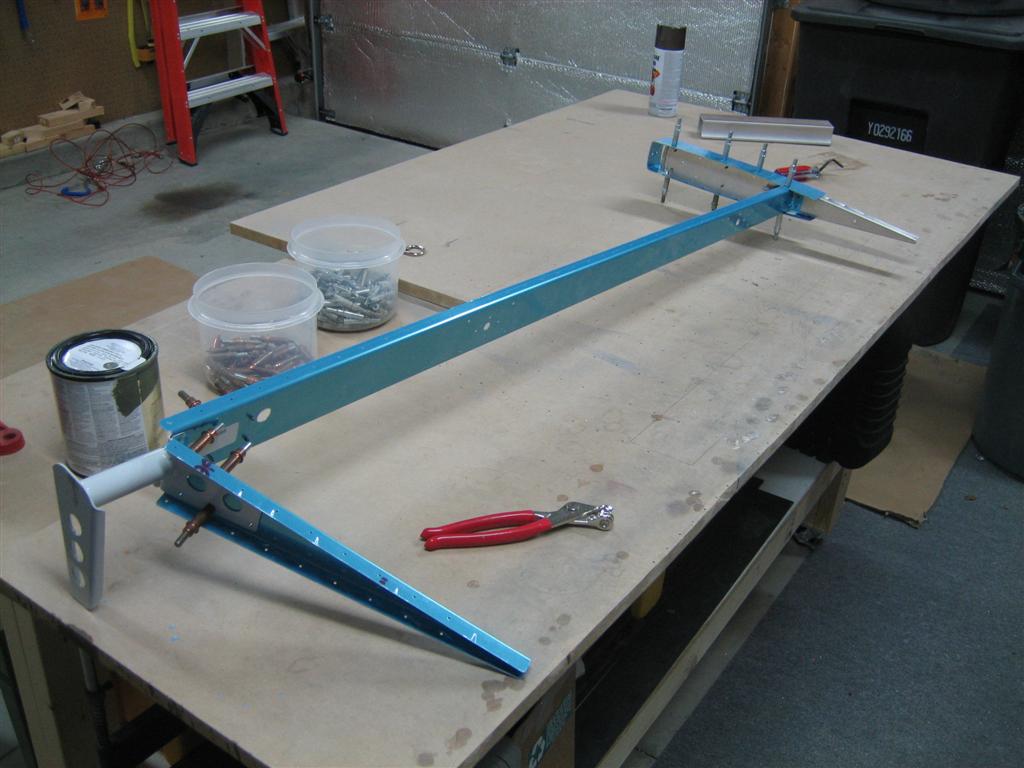
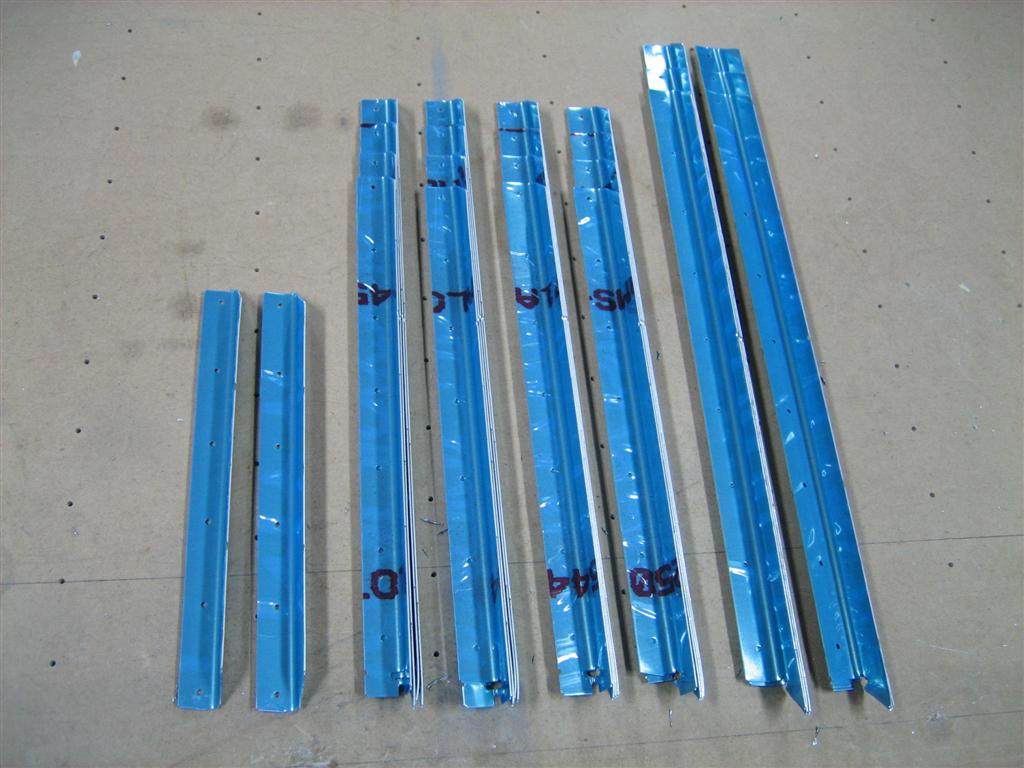
Well, tonight wasn’t a long night in the shop, but it was a good night.

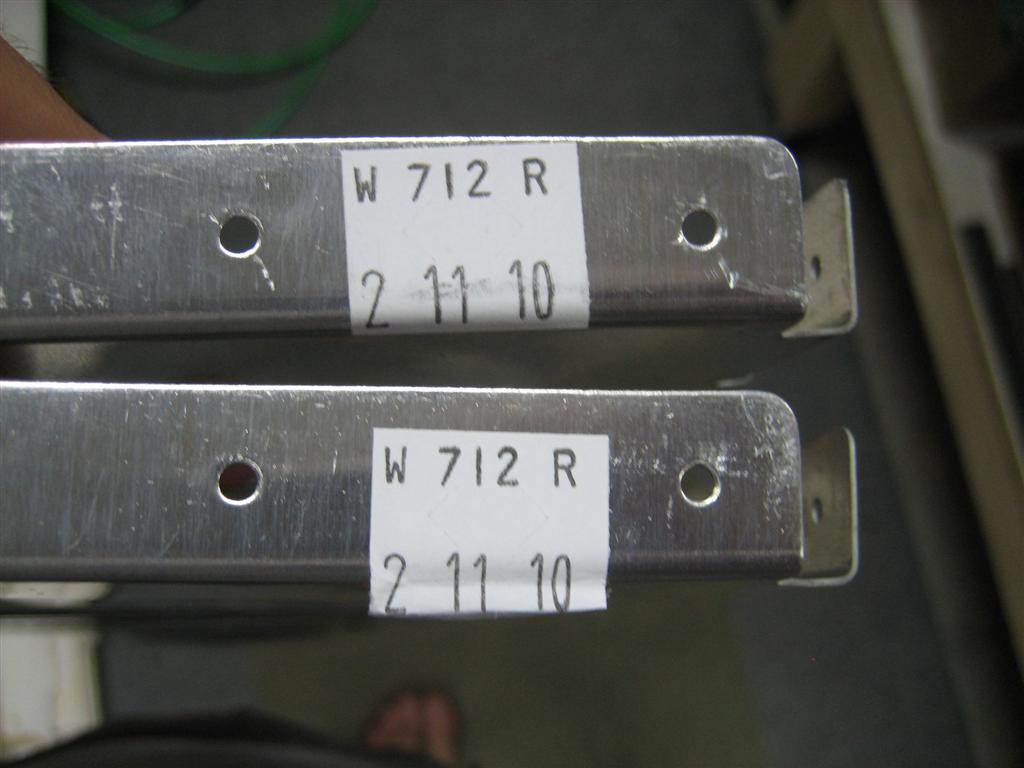
First of all, there was a package sitting on my doorstep when I got home from work. After the excitement for my new Cleveland Main Squeeze died down as I realized the package wasn’t from Cleveland Tools, it quickly came back when I realized it was the missing W-712-R ribs that I had been shorted (what a cruel world!) in my wing kit.

Who knew I could get so excited about wing ribs.

Drumroll please!

{Triumphant music}

Okay, Andrew. Time to settle down.

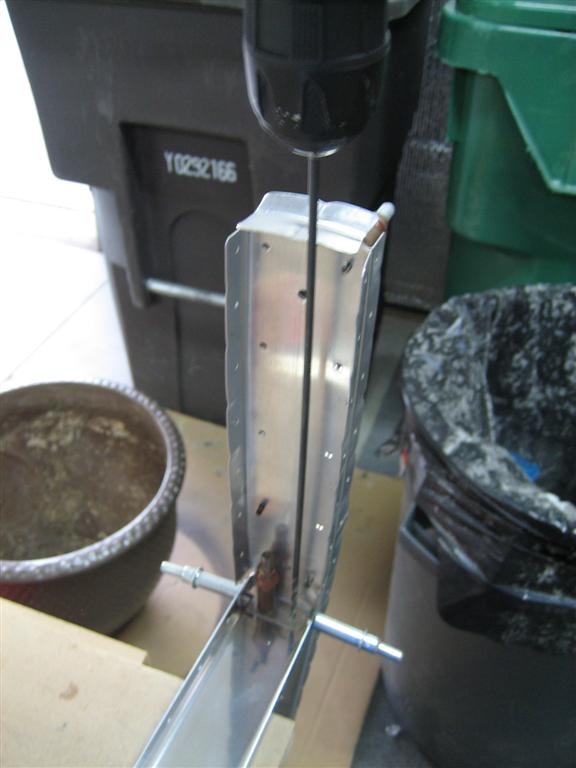
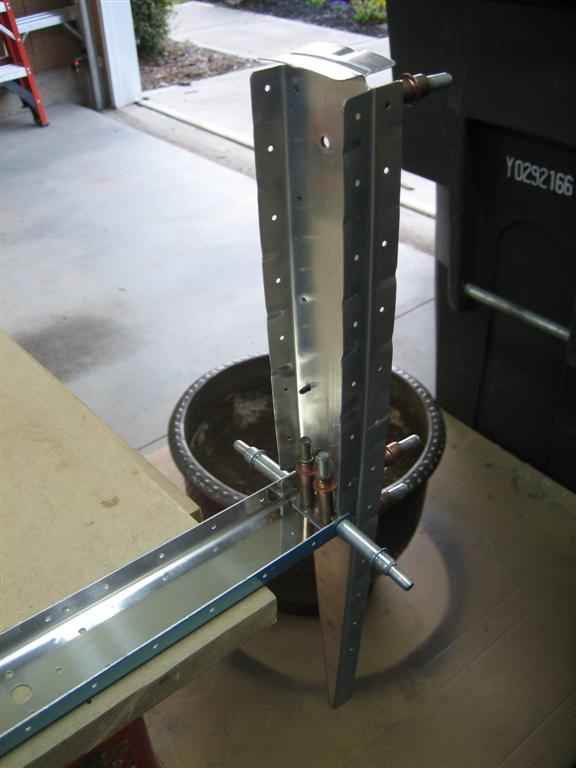
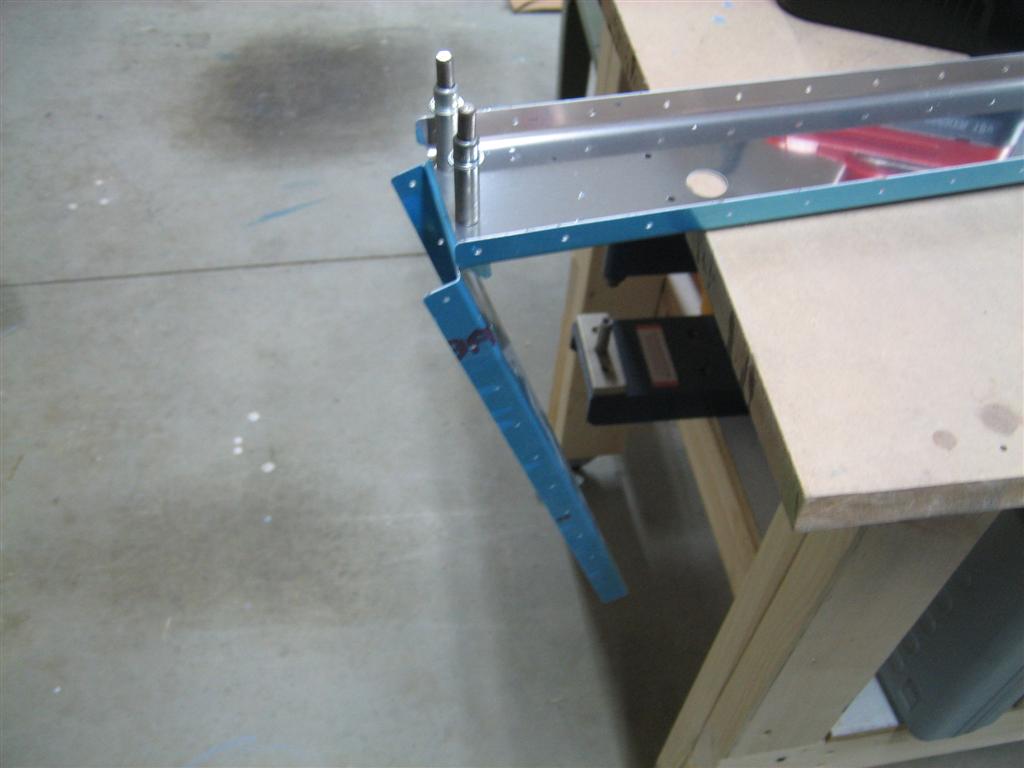
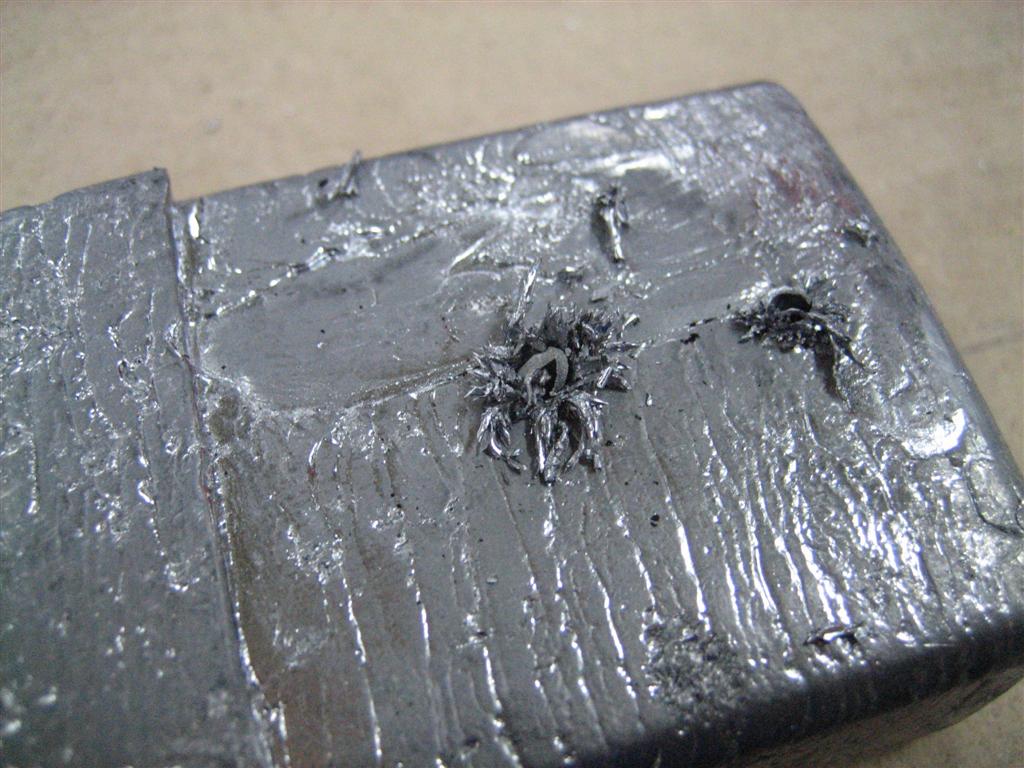
Let’s finish up this right spar flange countersinking.

From the first issue of the 2005 RVator (thanks to Brad Oliver, for the link) and to A VAF Post (again, thanks Brad), I was able to make this cute little HTML table for you.

From the first 2005 issue of the RVator (page 10):

We countersink until the top of the screw is level with the surface, then go 2 clicks deeper on the microstop. The actual outside diameter of the countersink measures .365″ to .375″.

Countersink Widths for Numbered Screws
Screw Size Width [in]
#6 <0.3125
#8 0.365-0.375

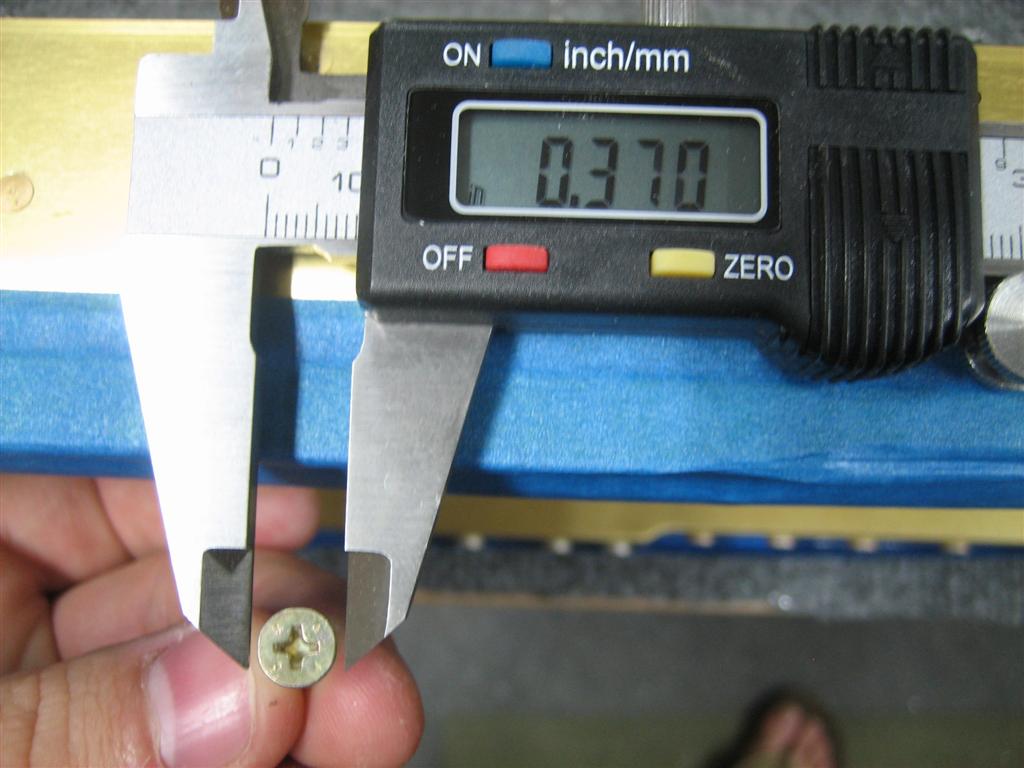
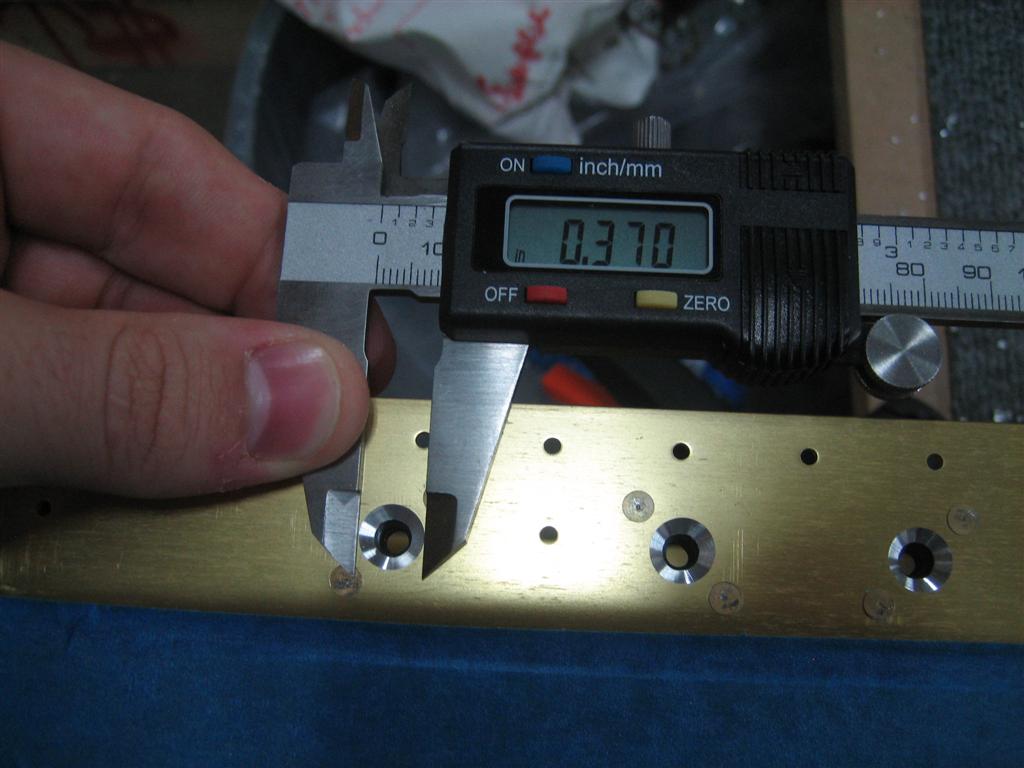
So, I broke out my trusty digital calipers, zeroed them out, and dialed in .370″ (right in the middle of 0.365″ and 0.375″).

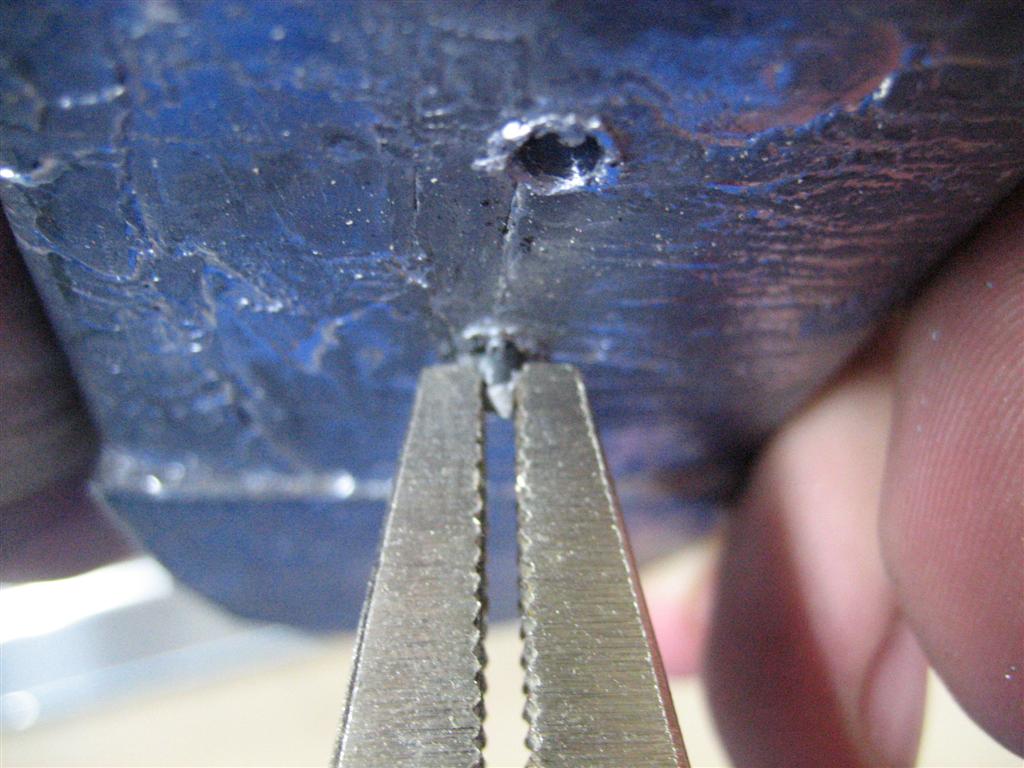
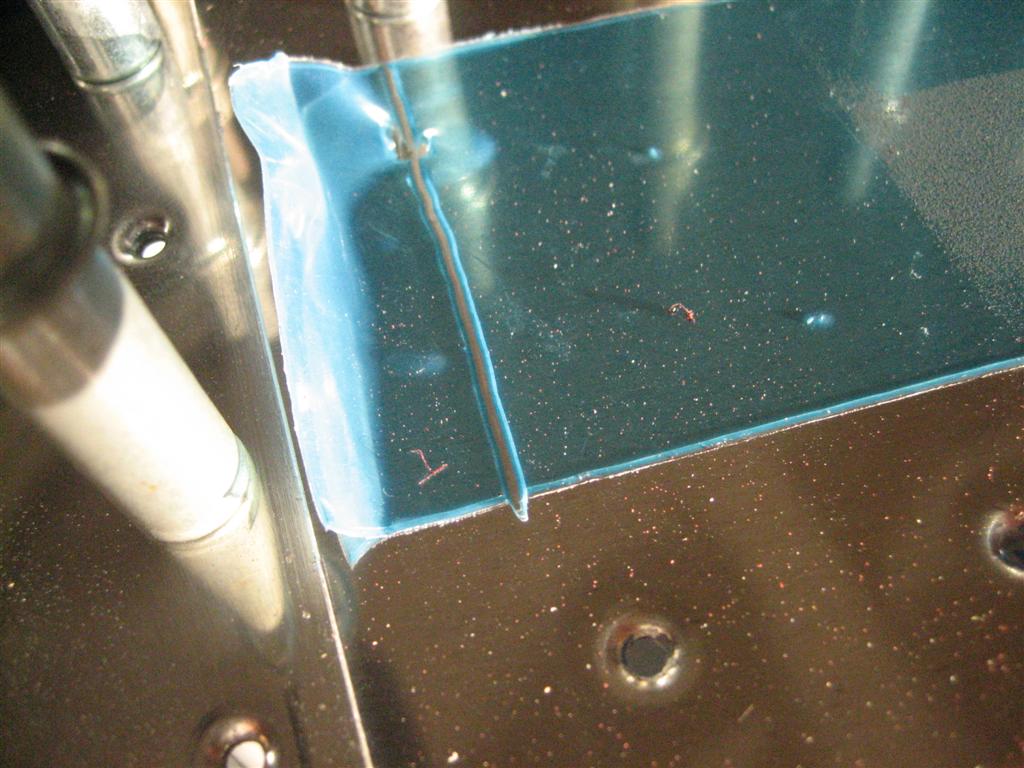
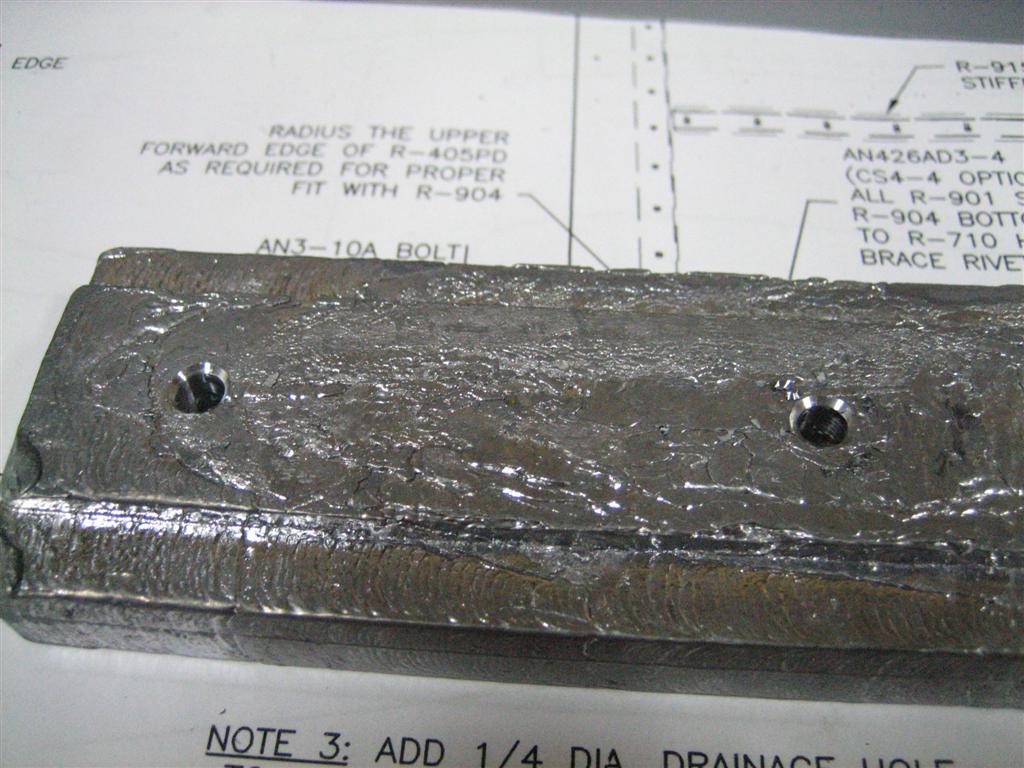
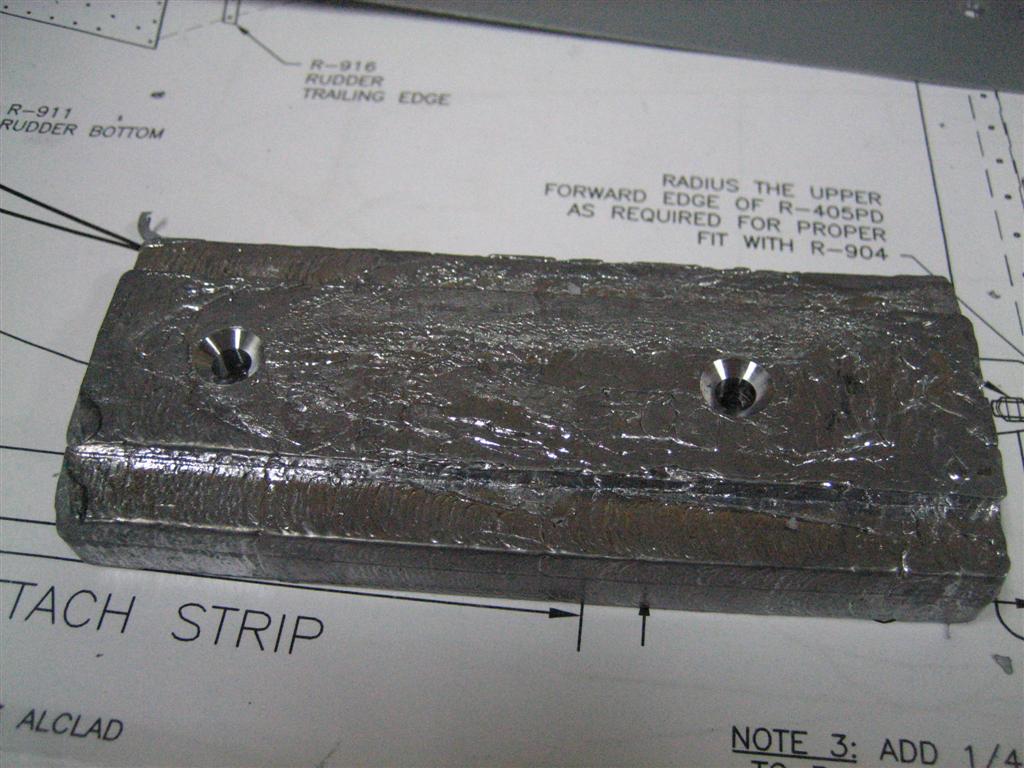
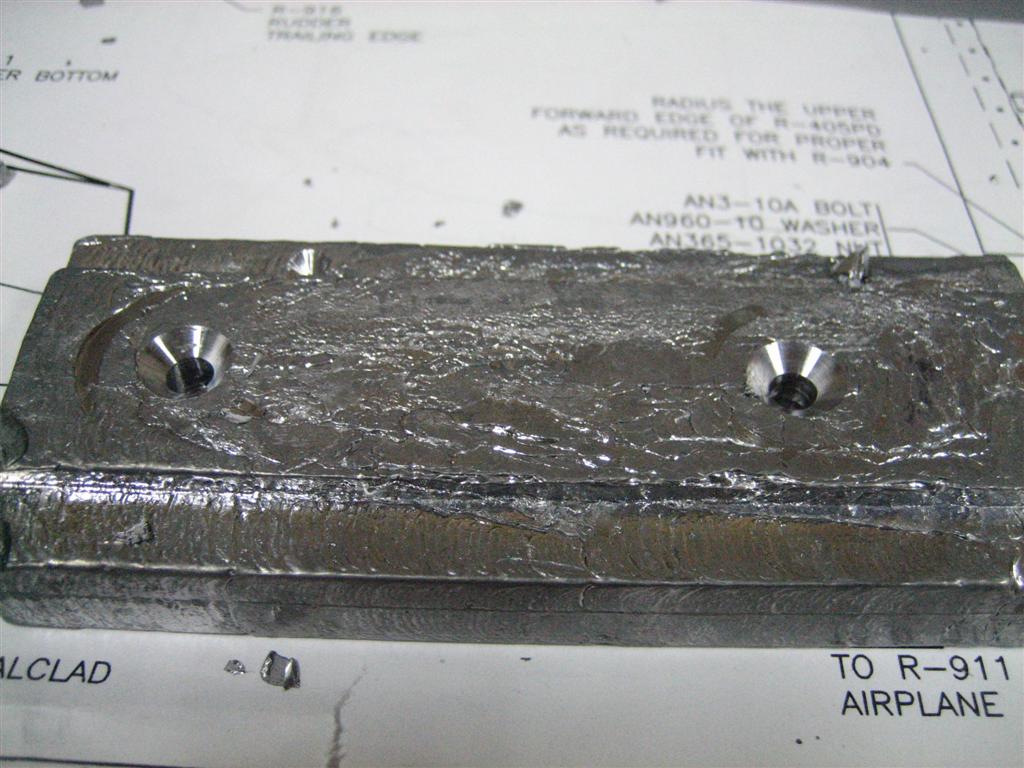
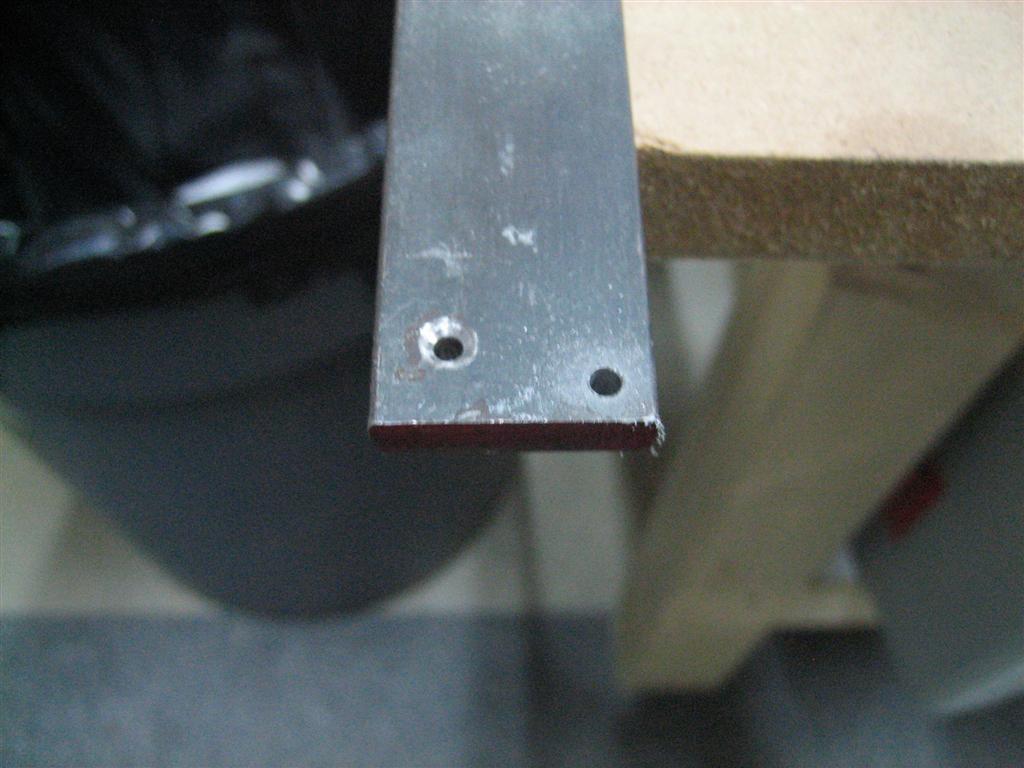
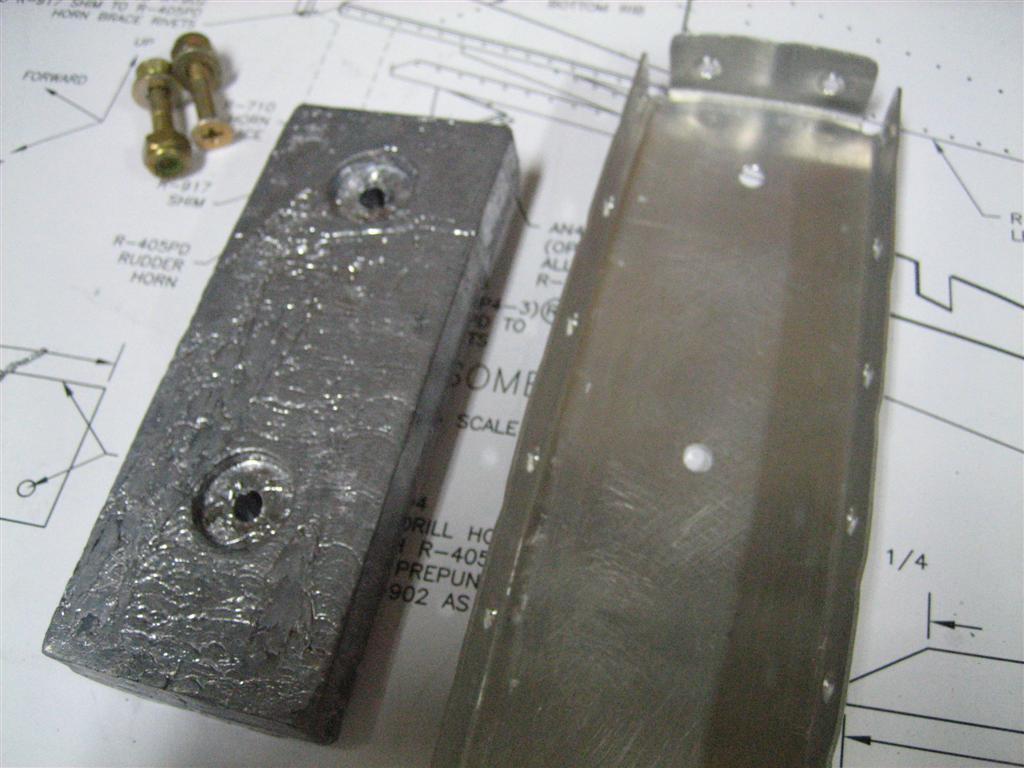
Just for kicks, I thought I would show you how much bigger that is than a #8 screw. The larger size allows the dimpled skin to nest nicely in the countersink.

WHOSE TOES ARE THOSE!?

SOMEBODY’S TOES KEEP GETTING IN MY PICTURES!

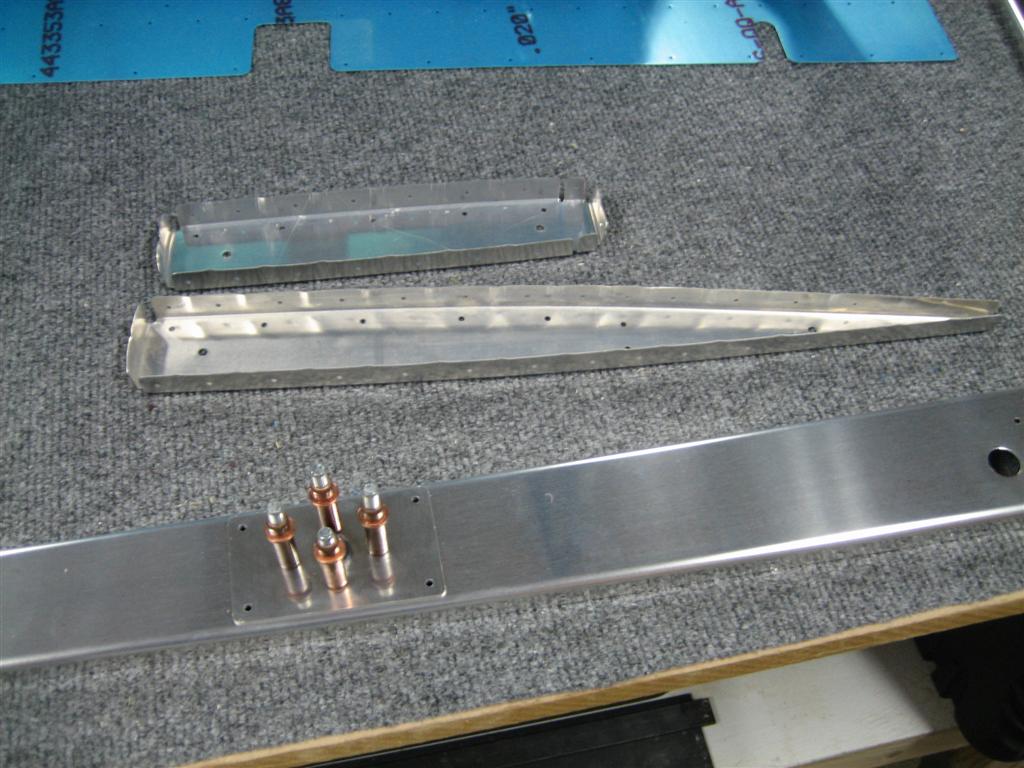
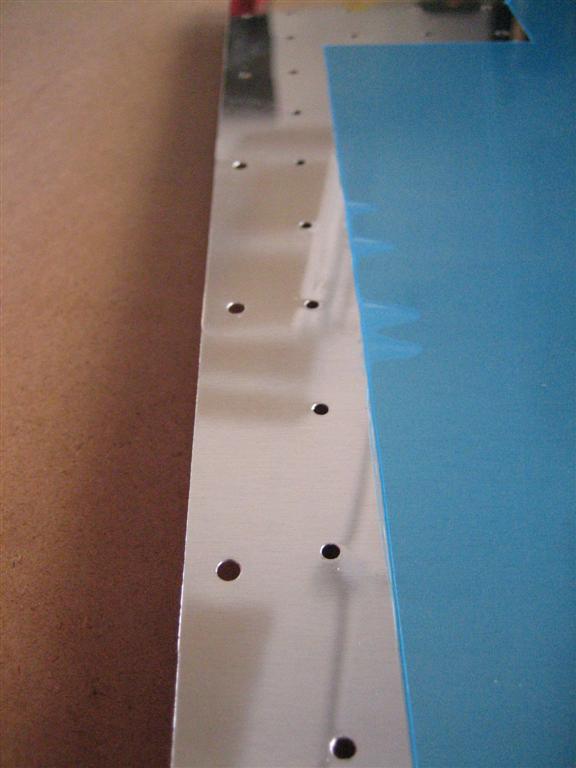
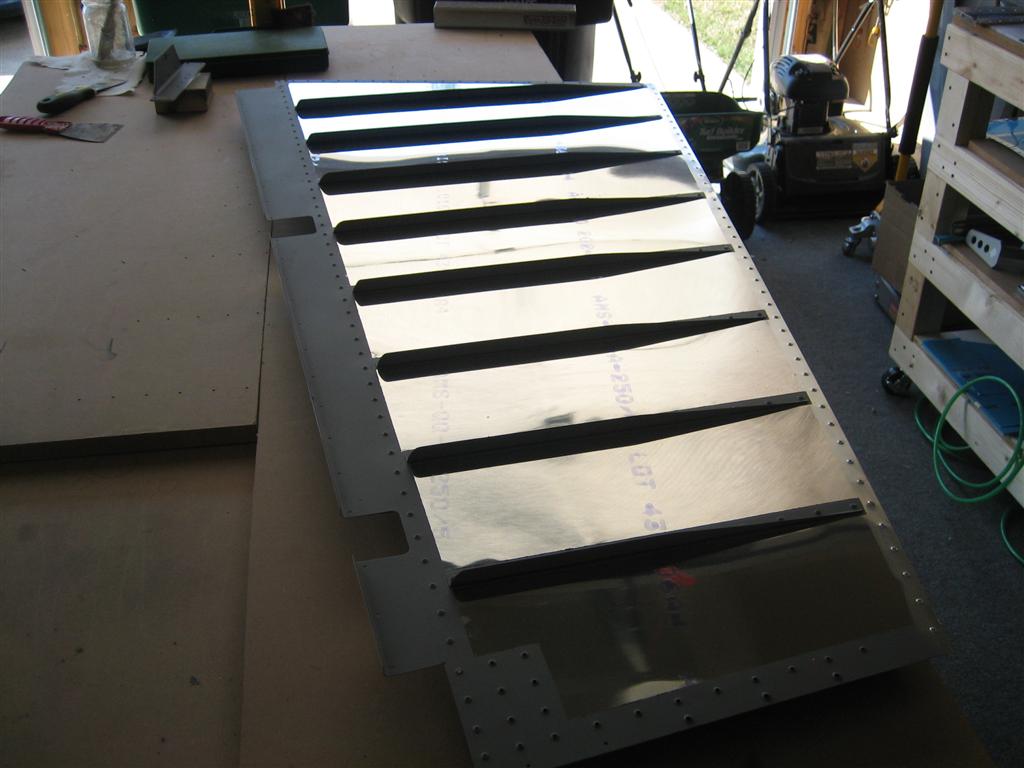
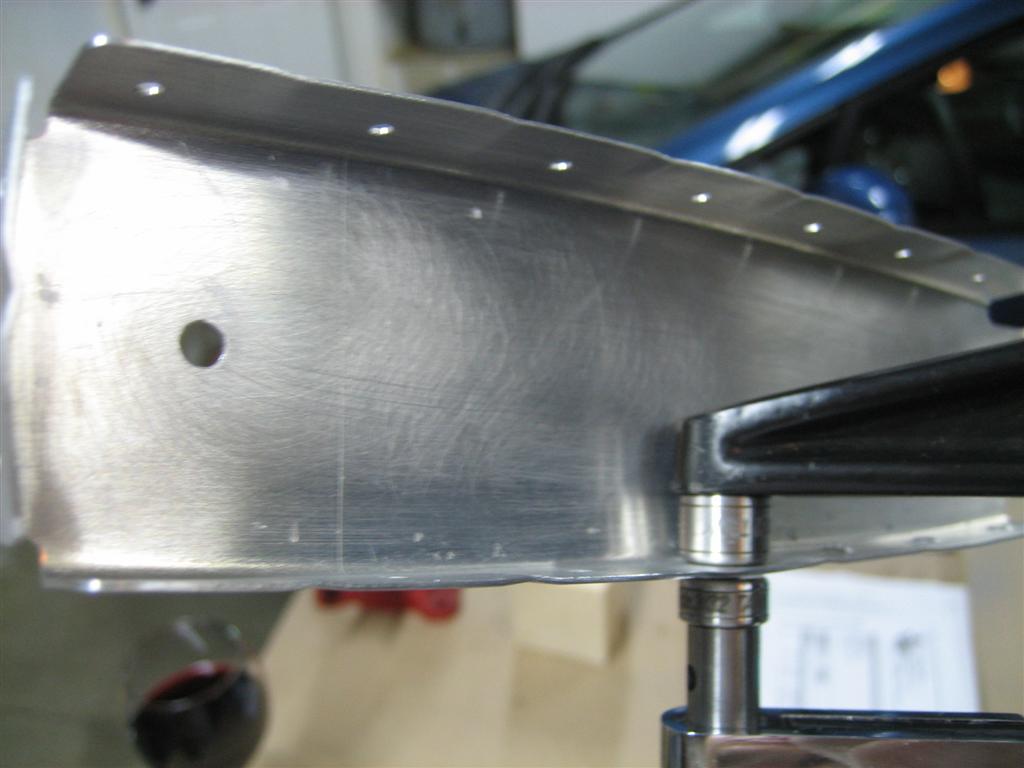
Anyway, I proceeded with countersinking the tank skin attach holes only (the access plate attach holes are smaller.) I am following the directions here exactly, using a #30 piloted countersink (which nestles nicely in the #8 nutplate) as my guide.

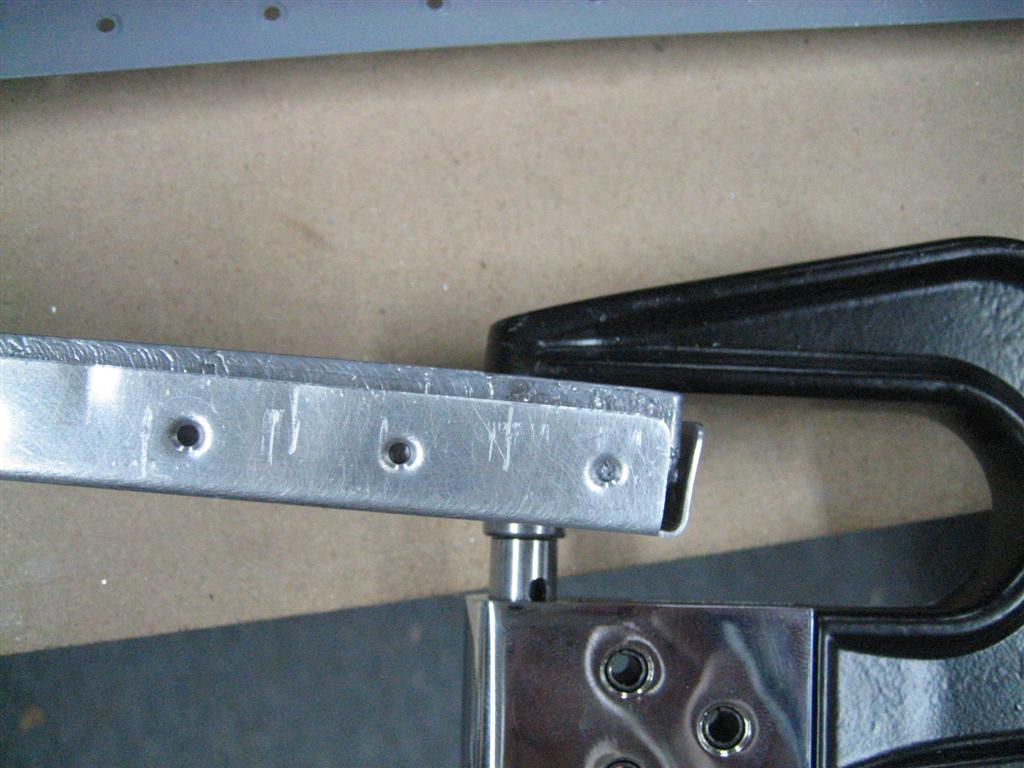
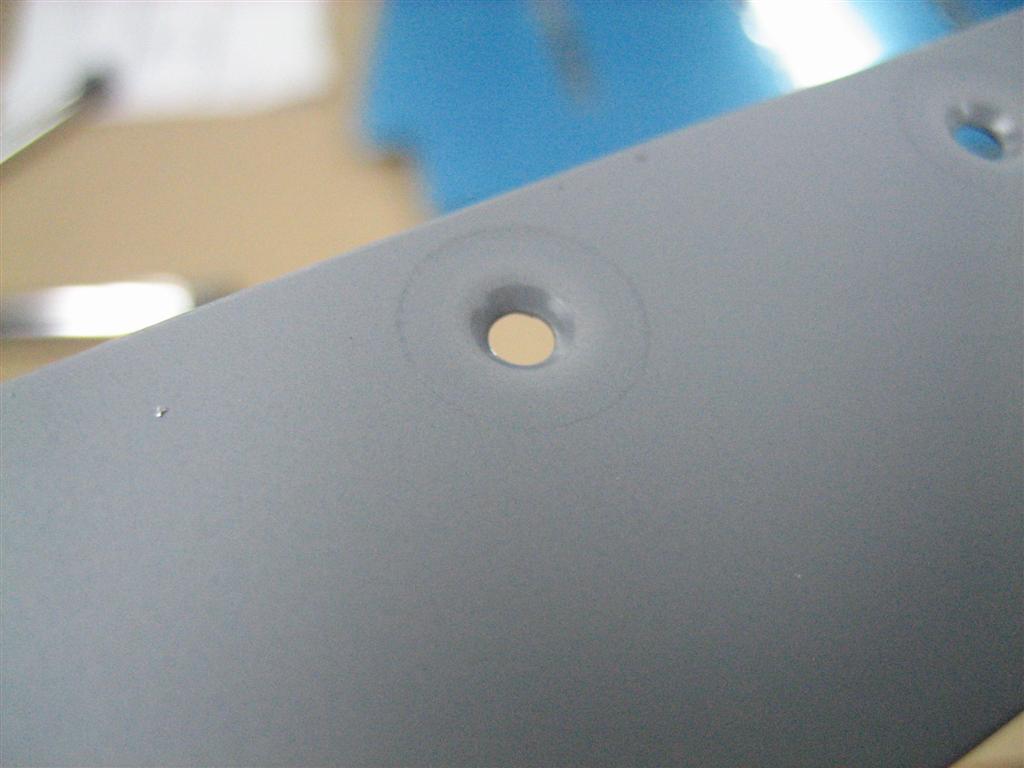
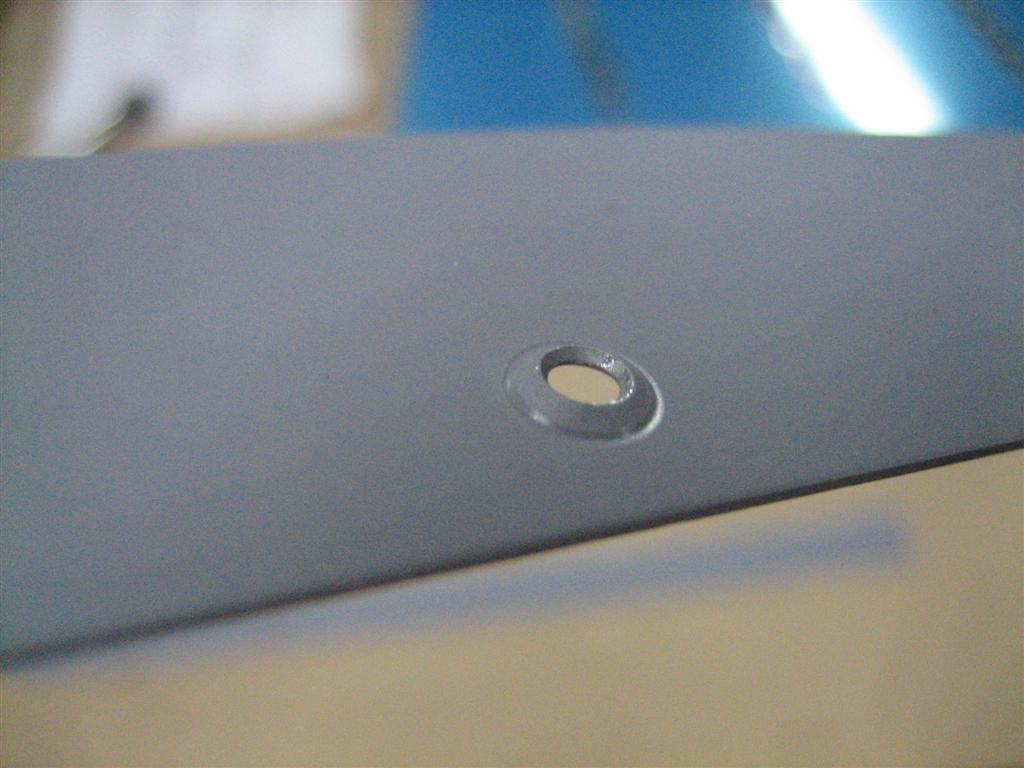
I stopped and verified the countersink depth every few holes. Looking good!

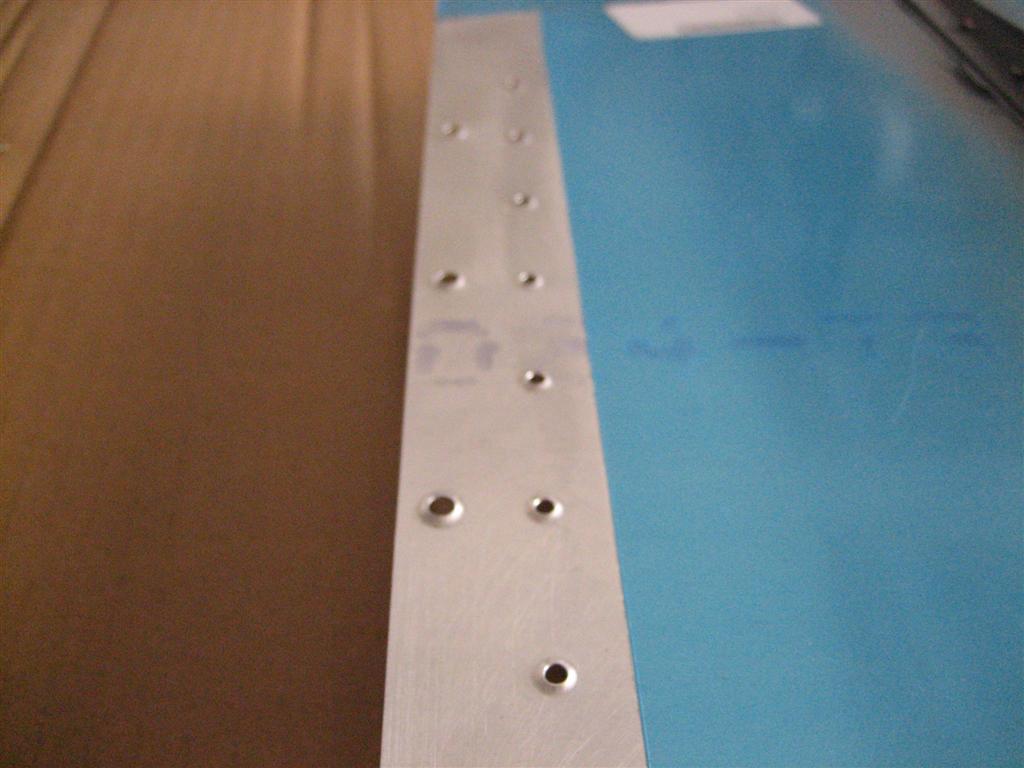
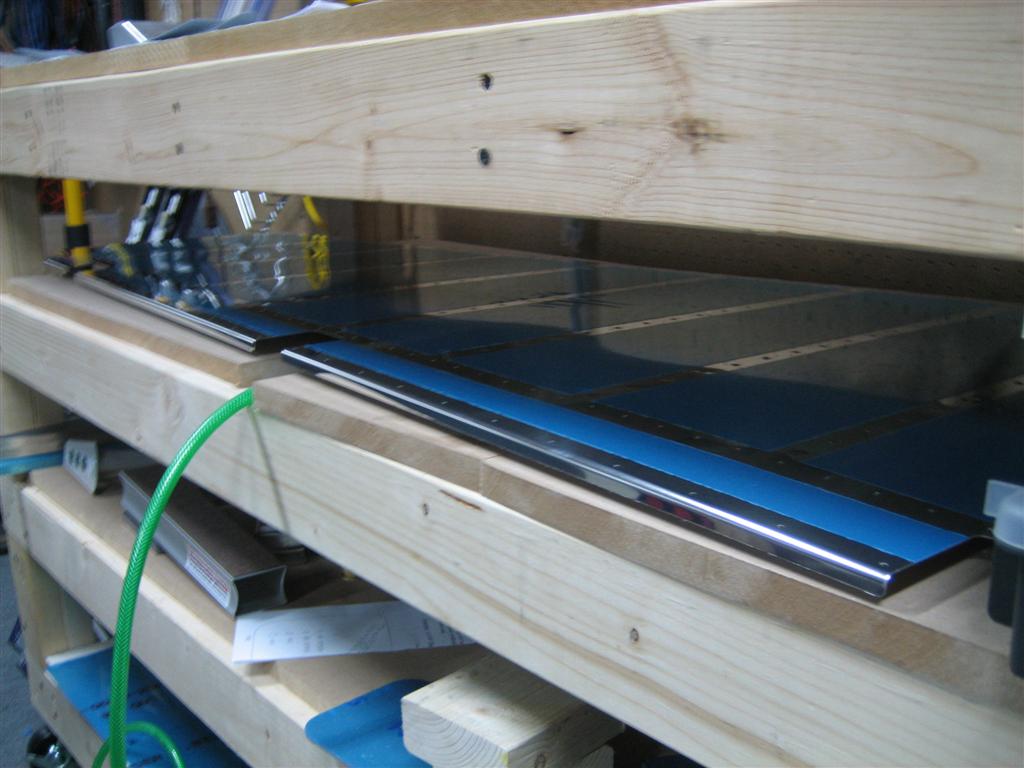
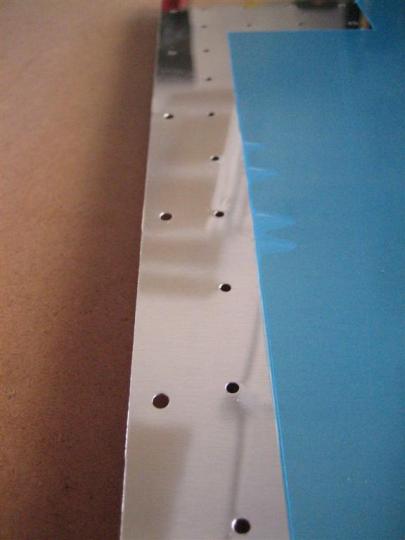
About halfway done with the bottom flange.

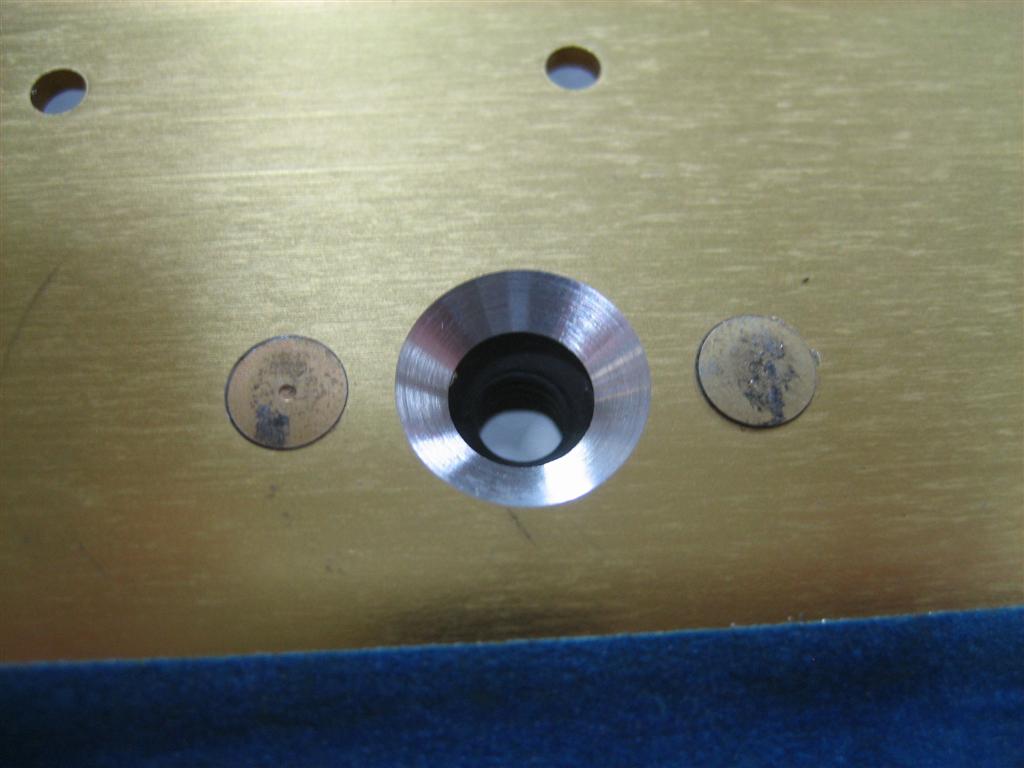
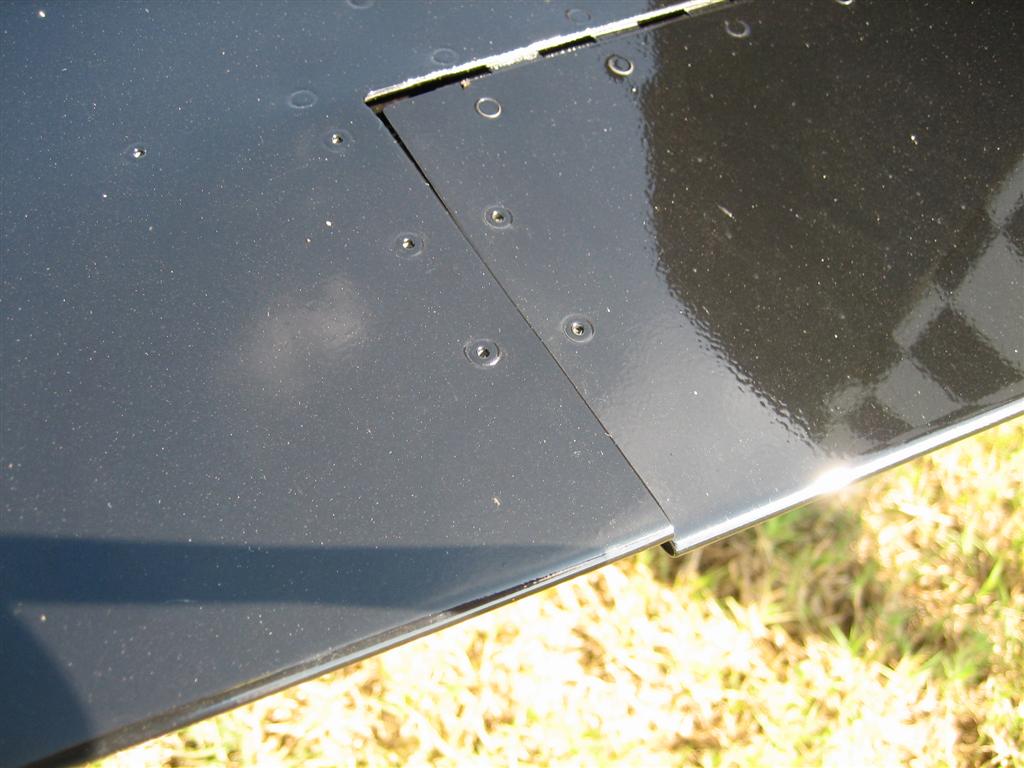
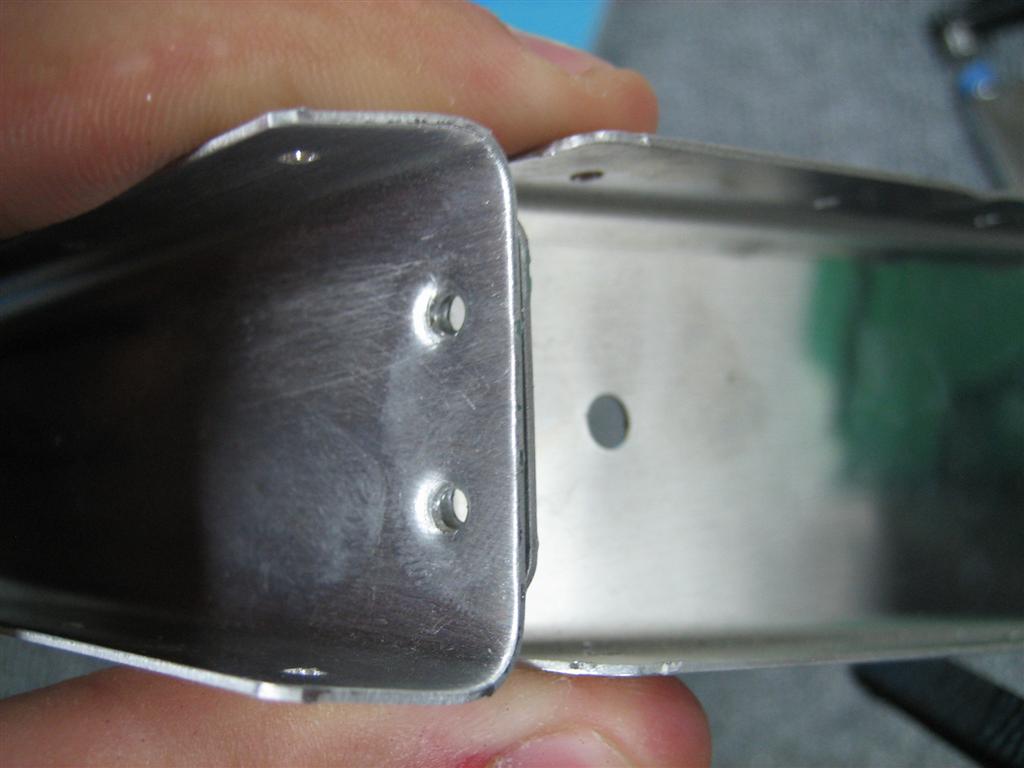
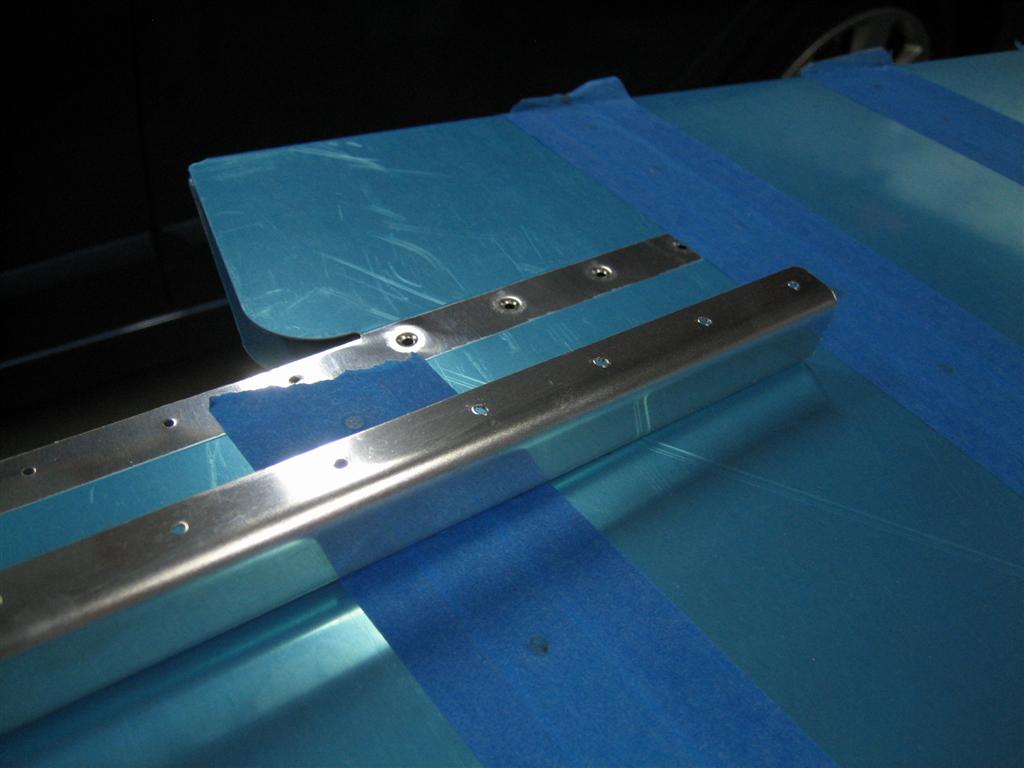
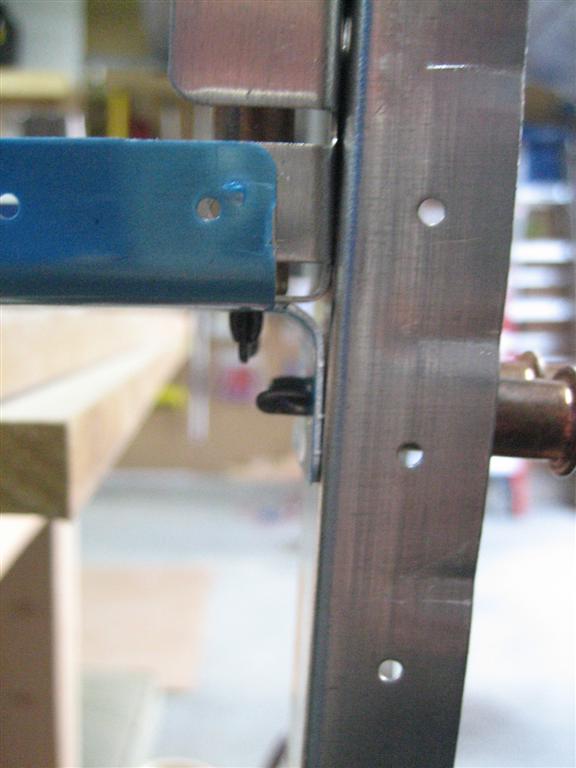
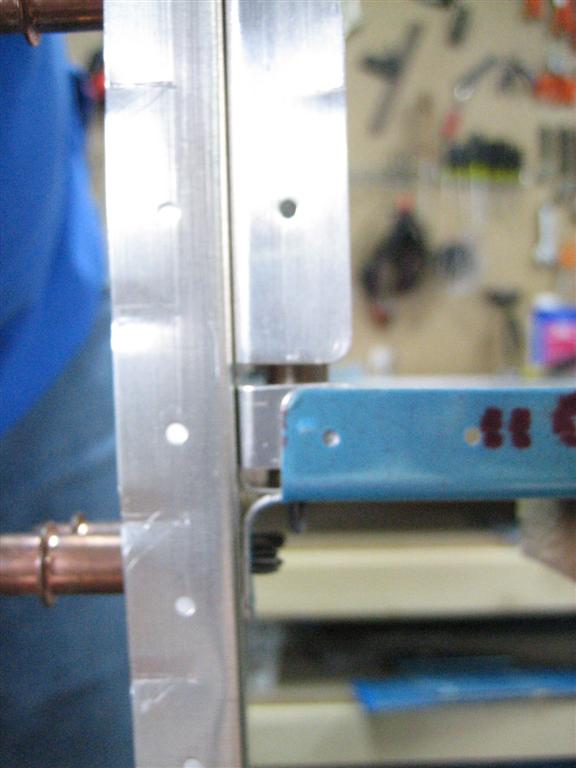
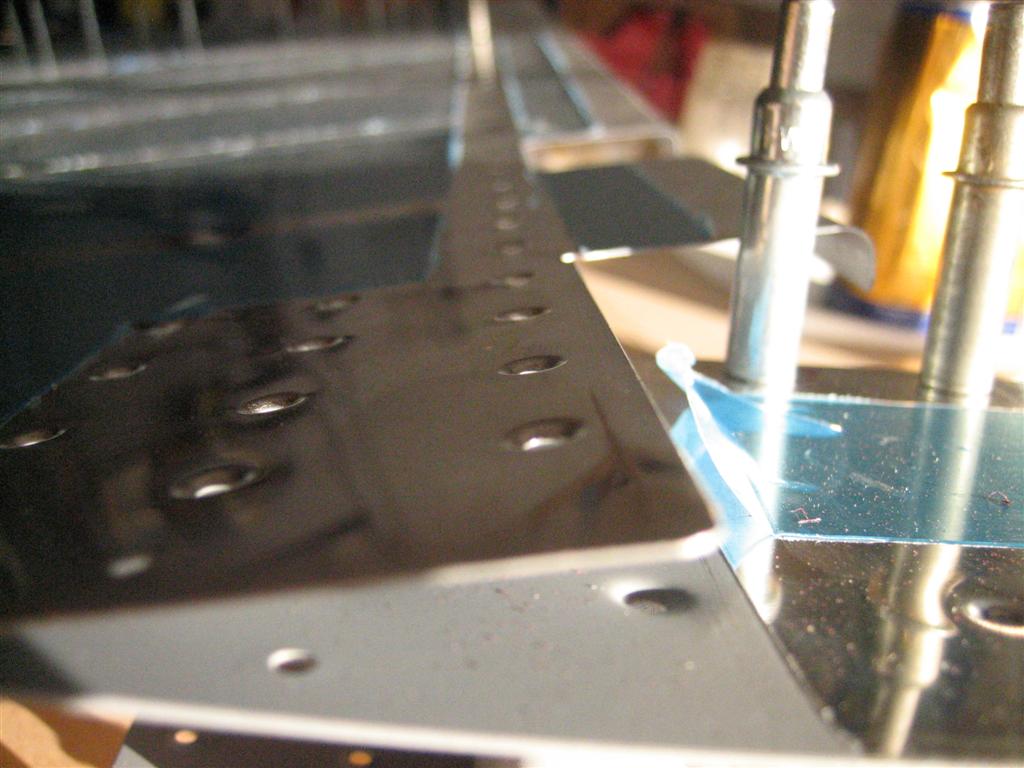
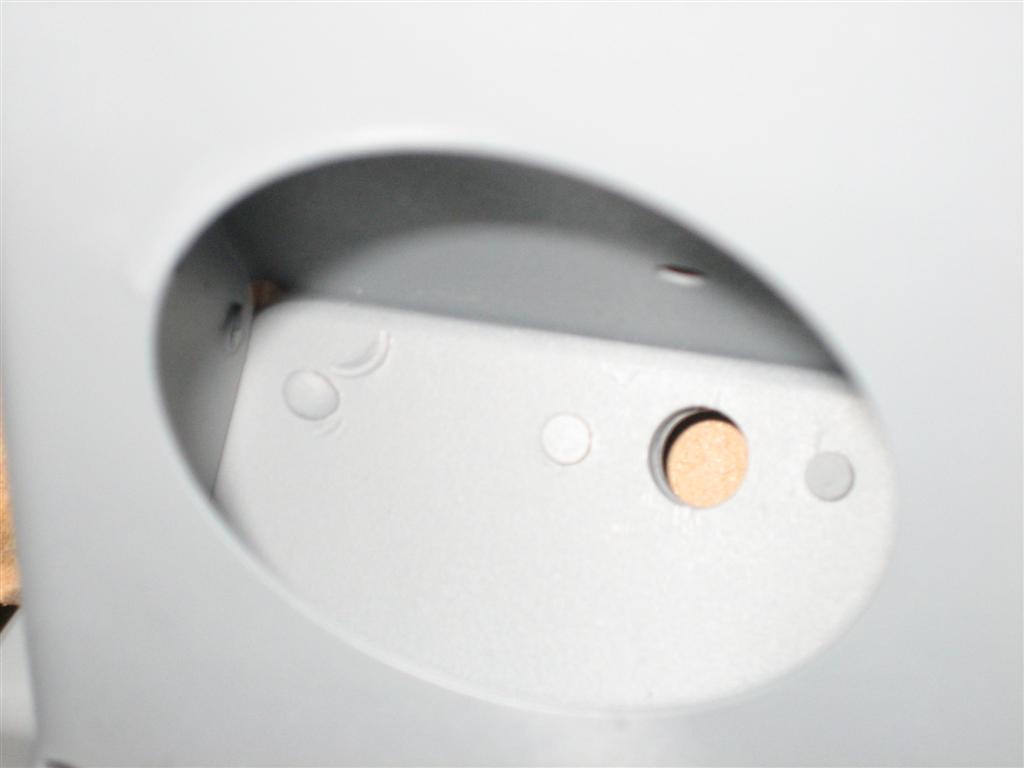
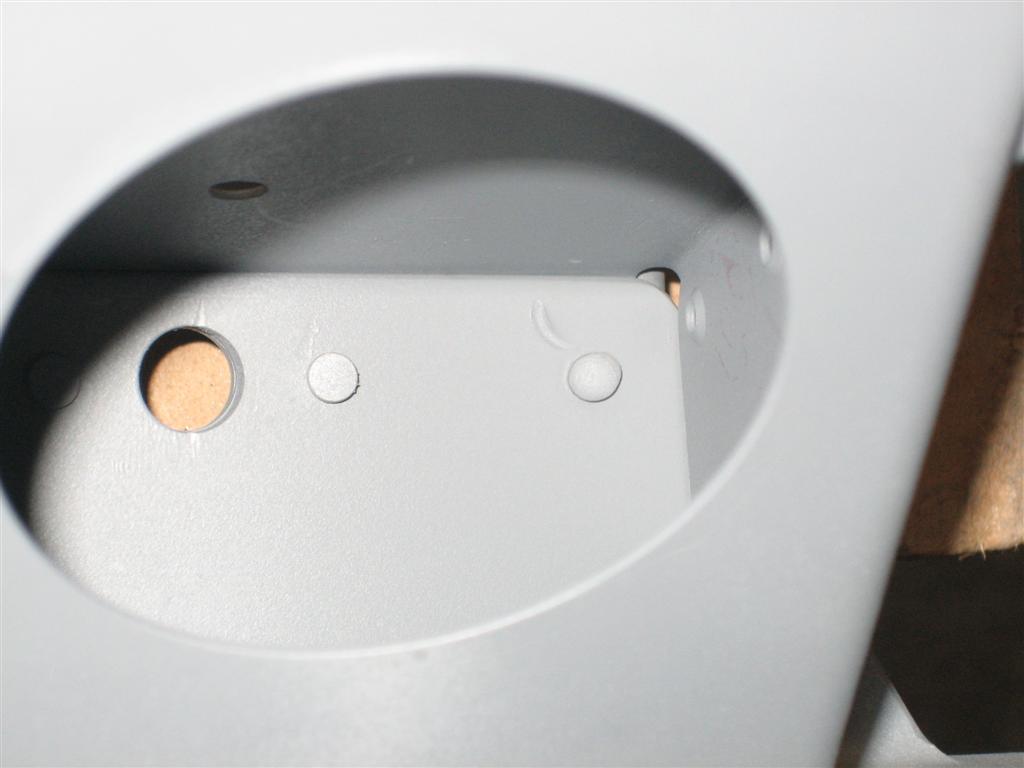
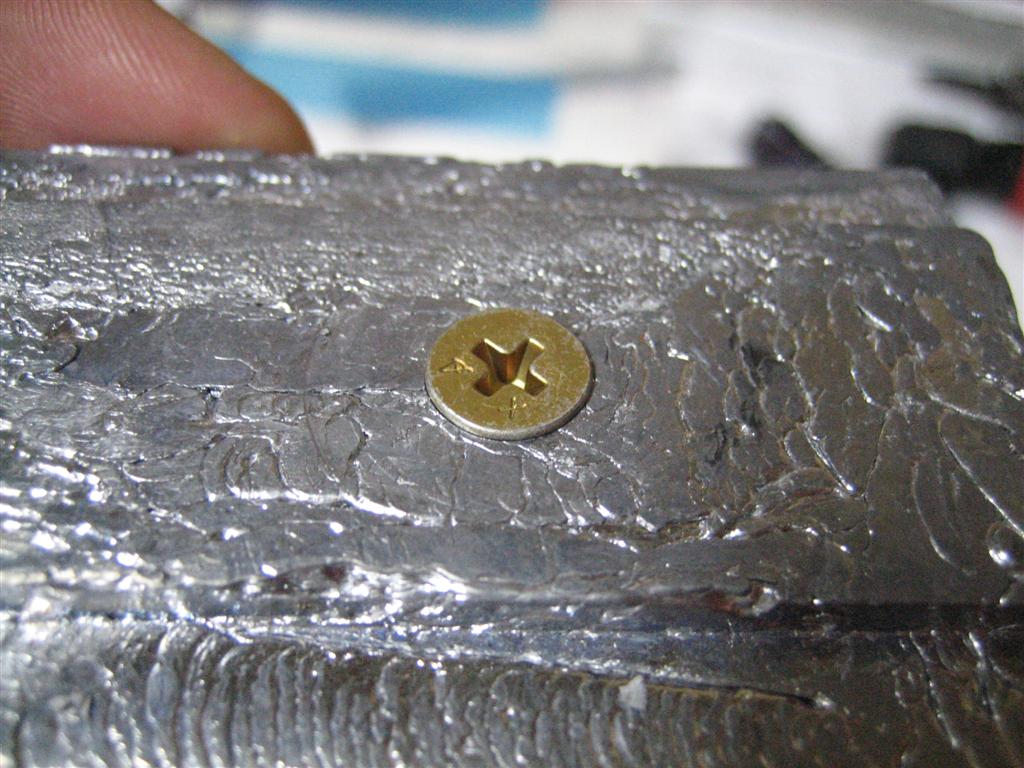
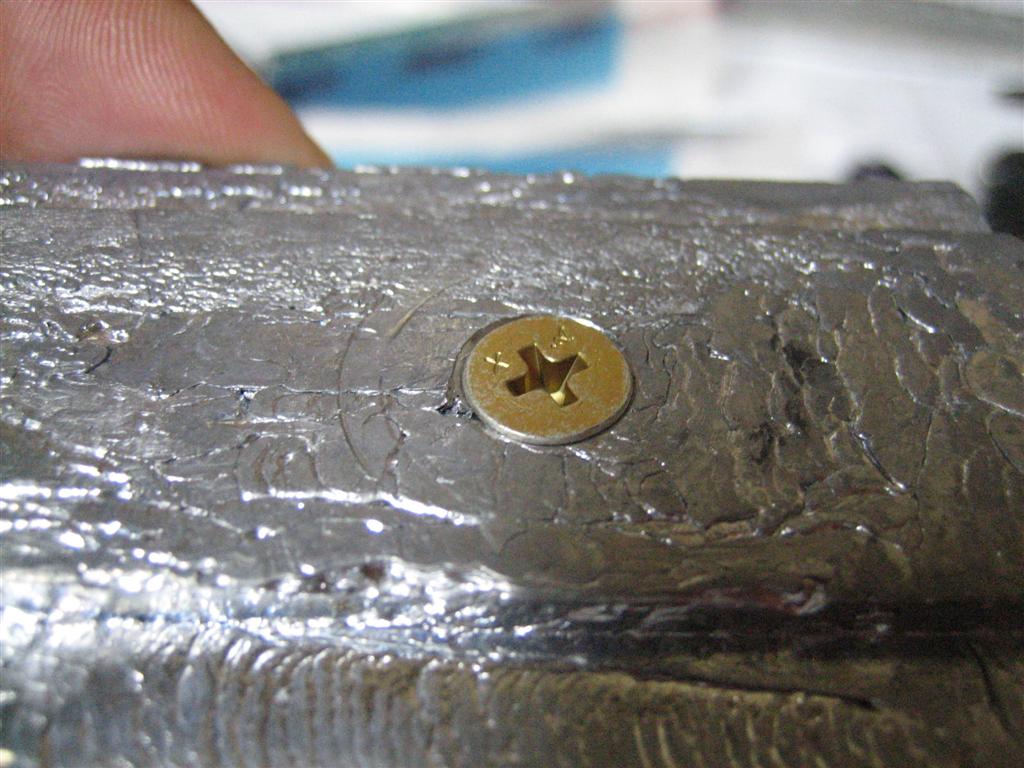
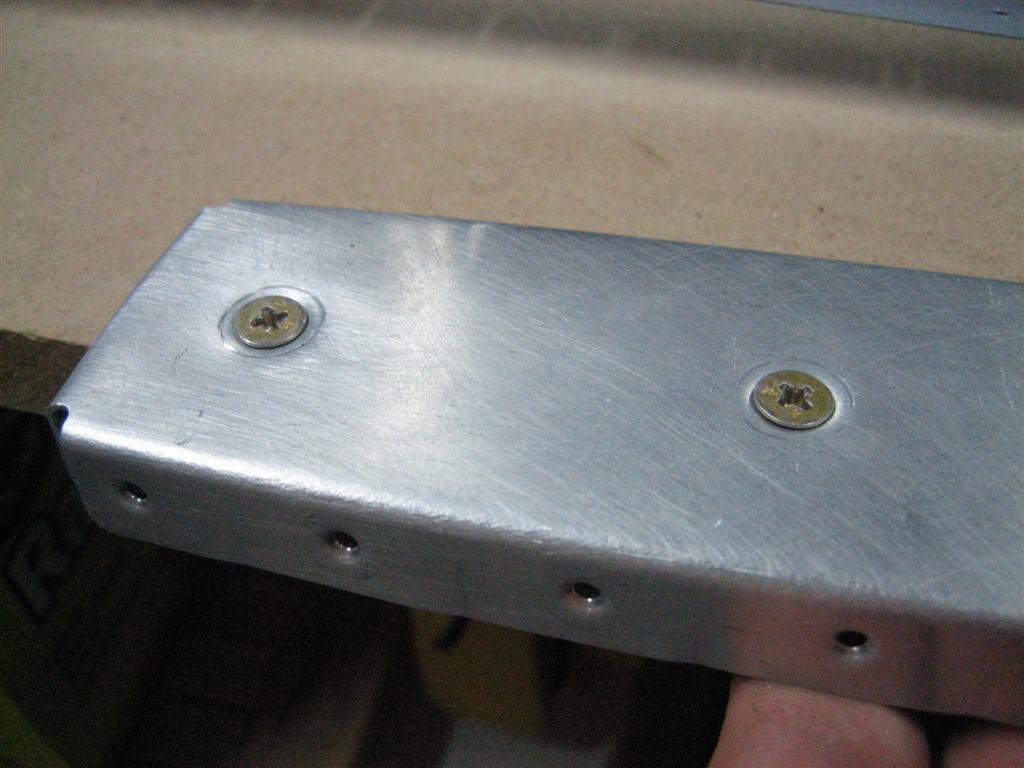
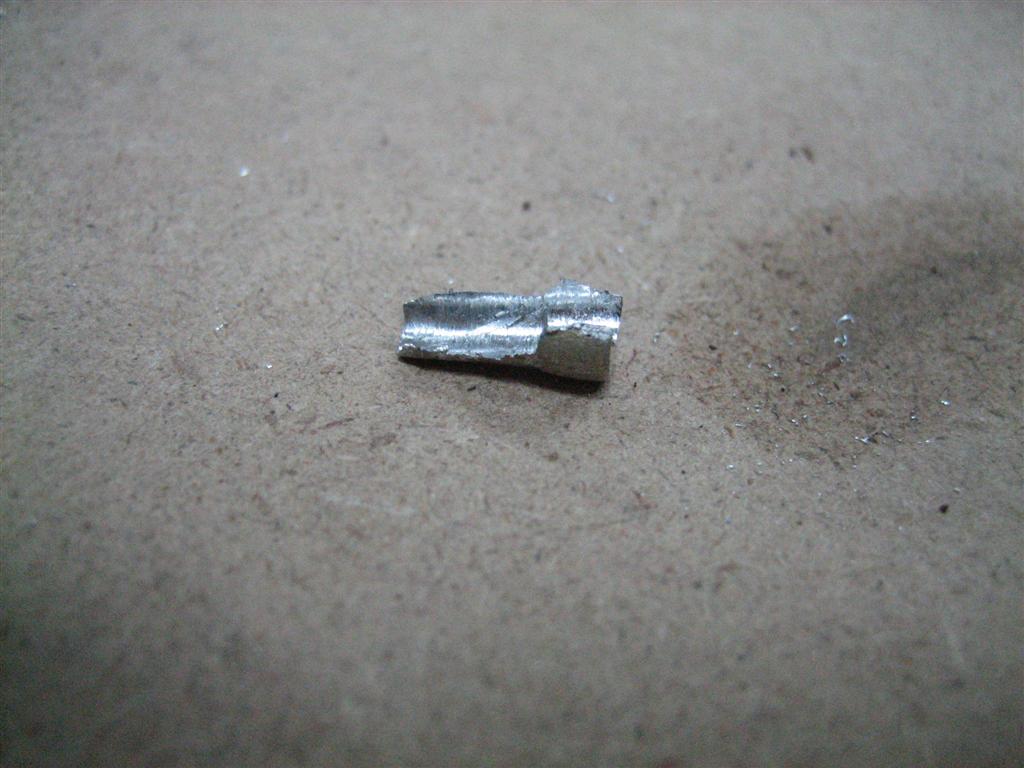
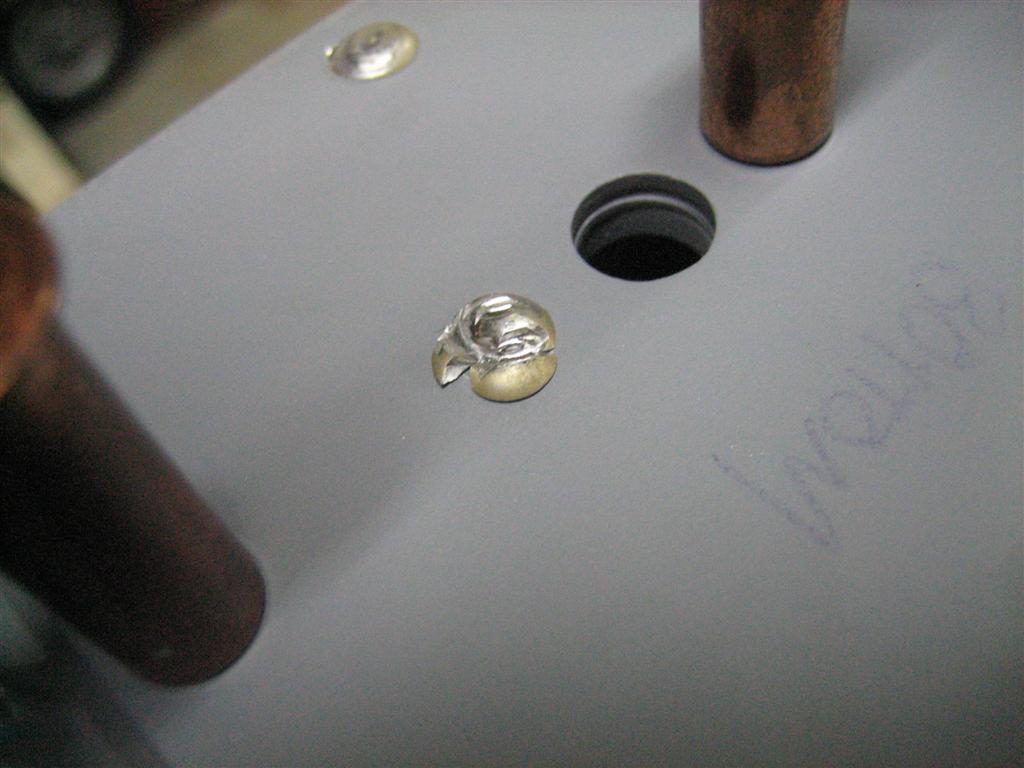
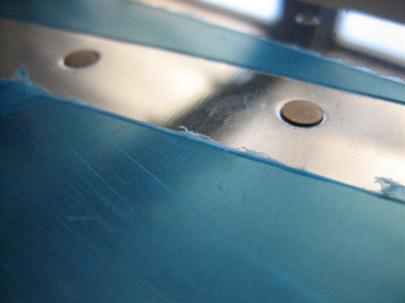
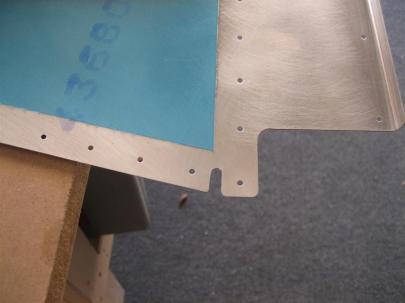
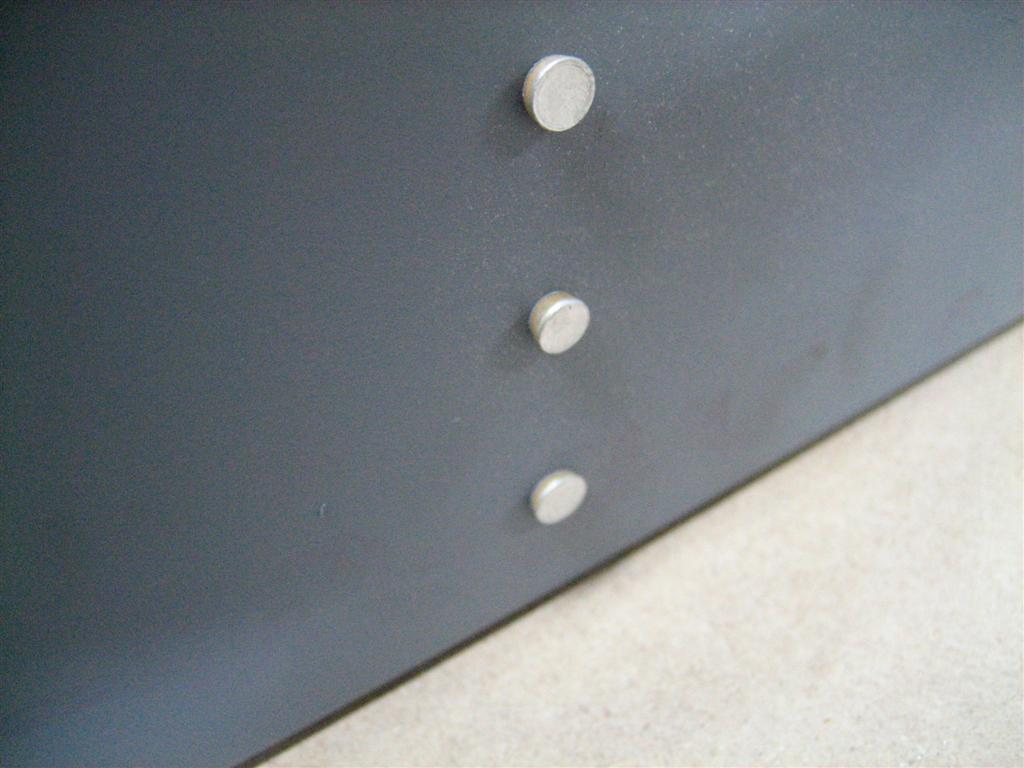
Here’s a countersink for your viewing pleasure.

The rivet on the right doesn't look flush, but it is. I promise.

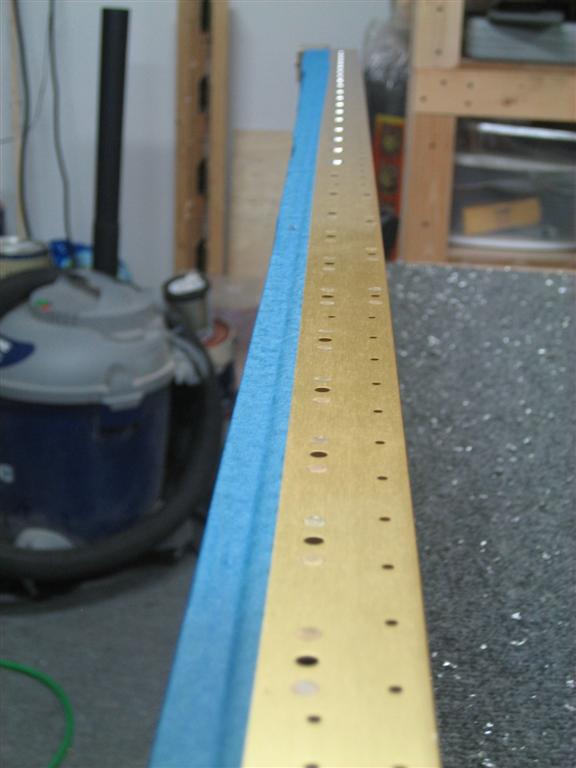
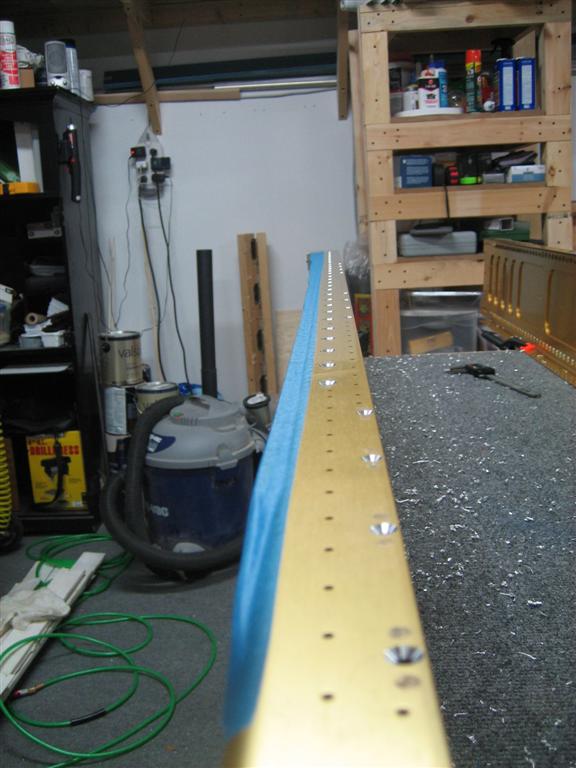
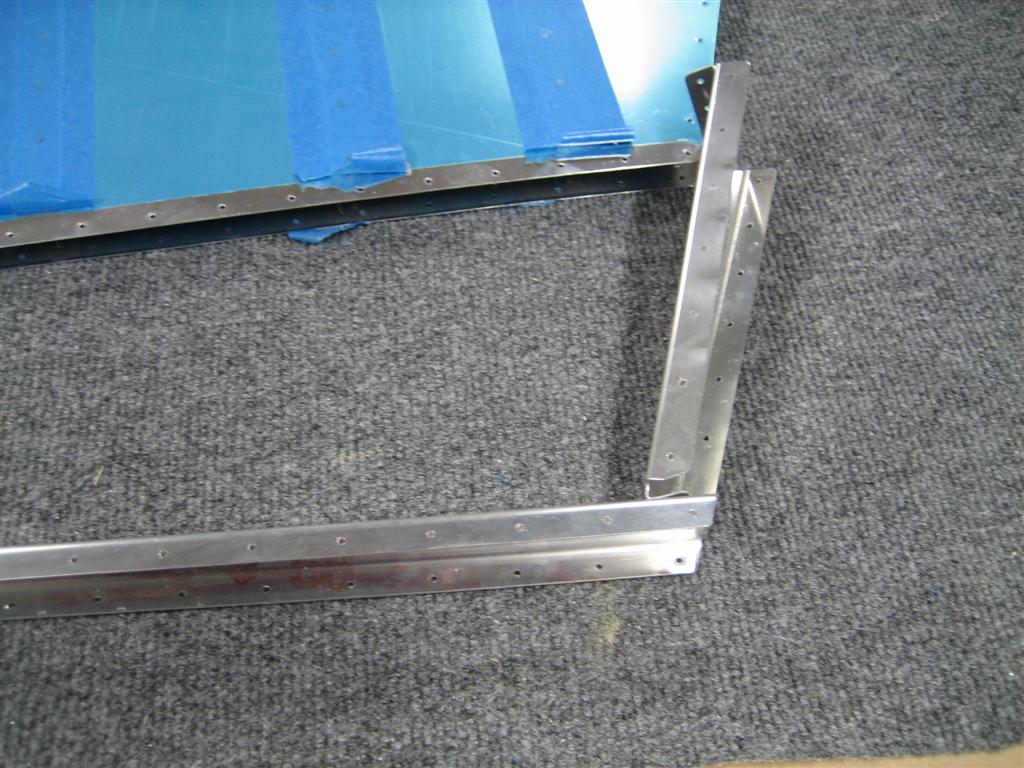
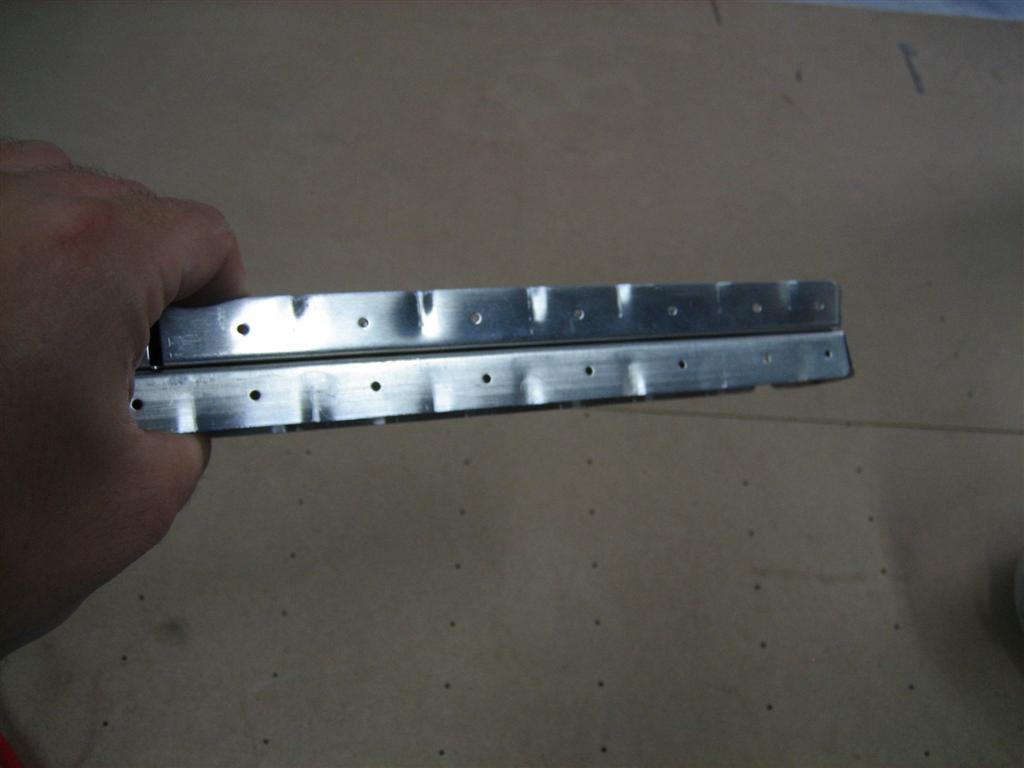
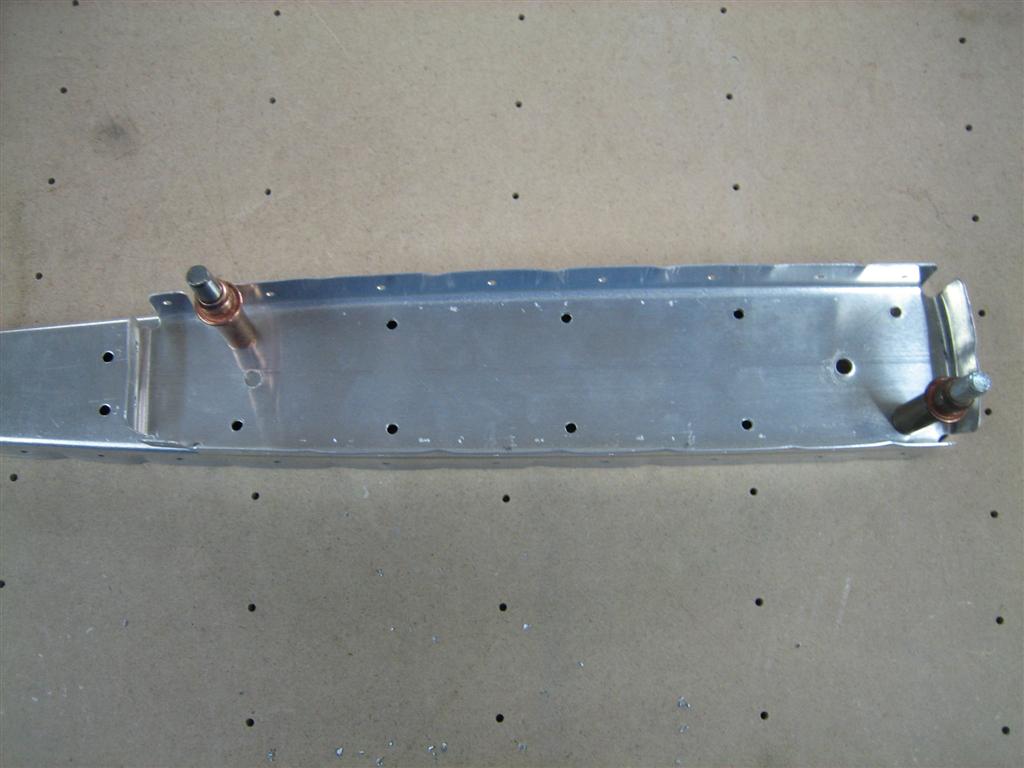
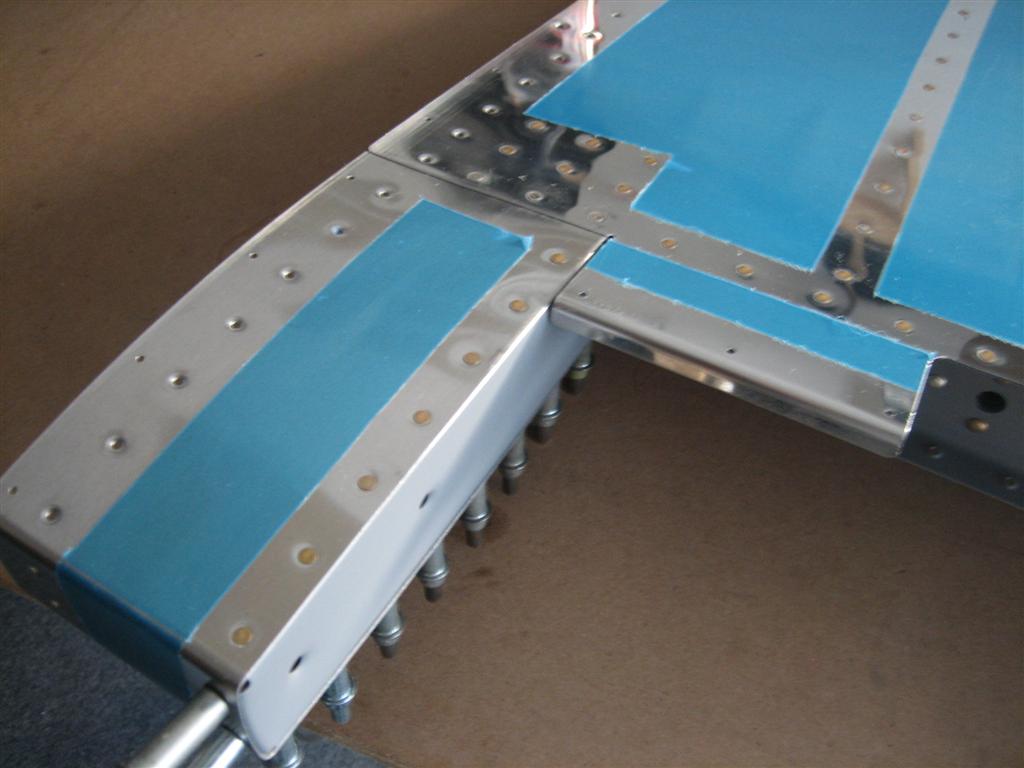
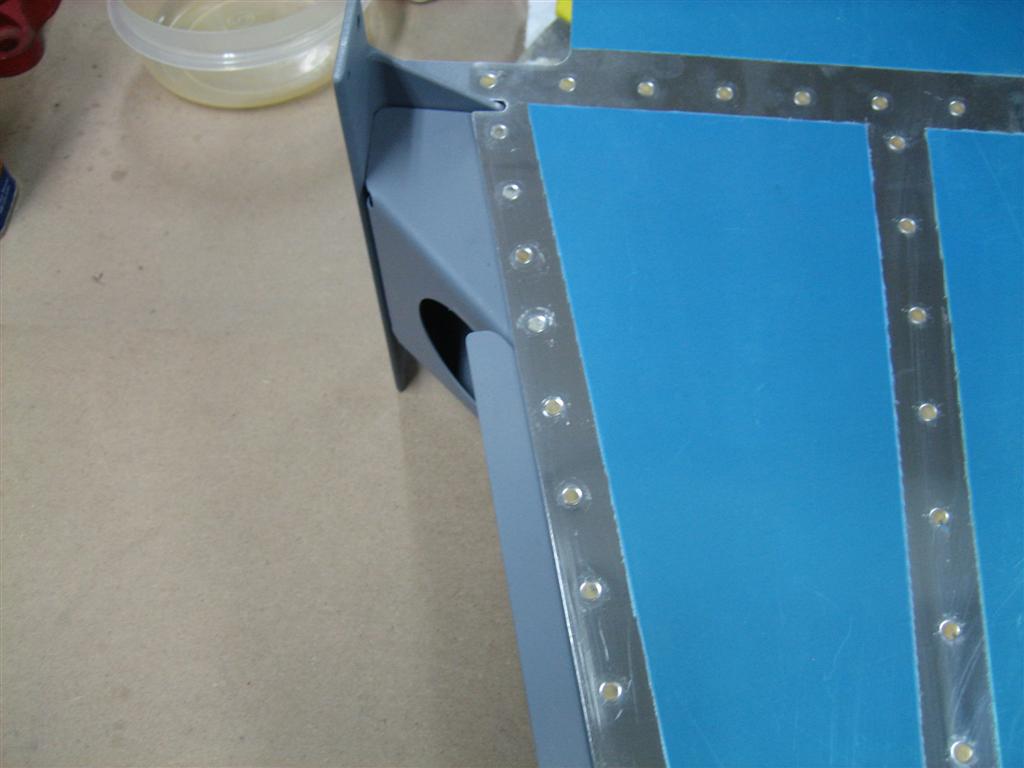
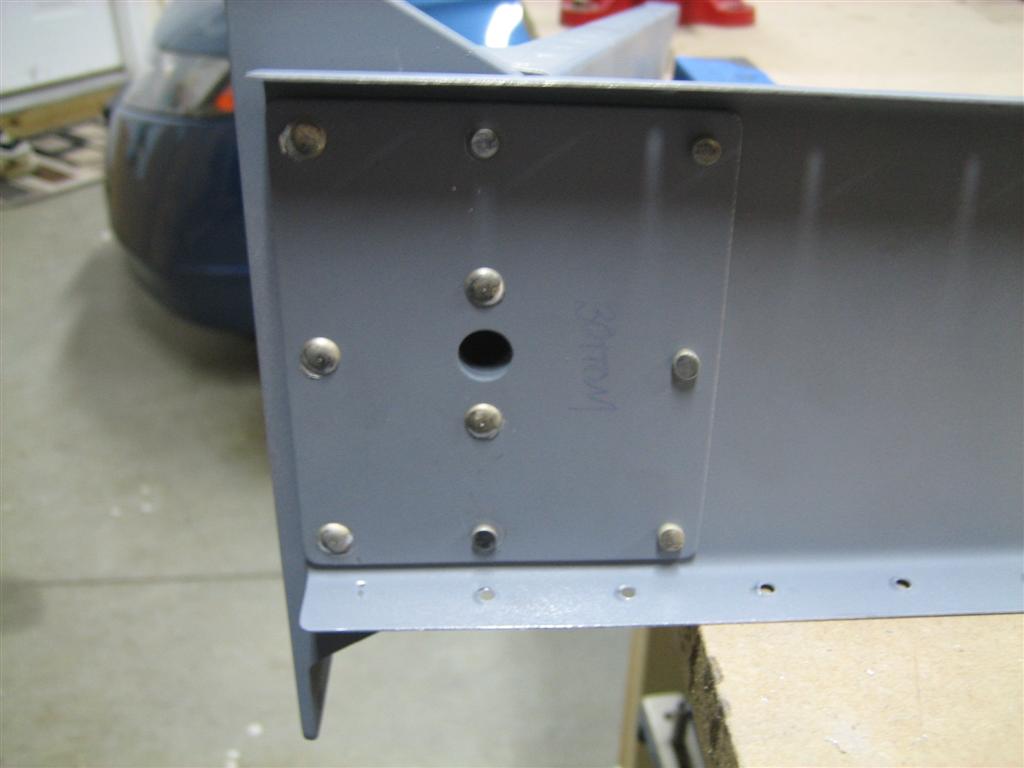
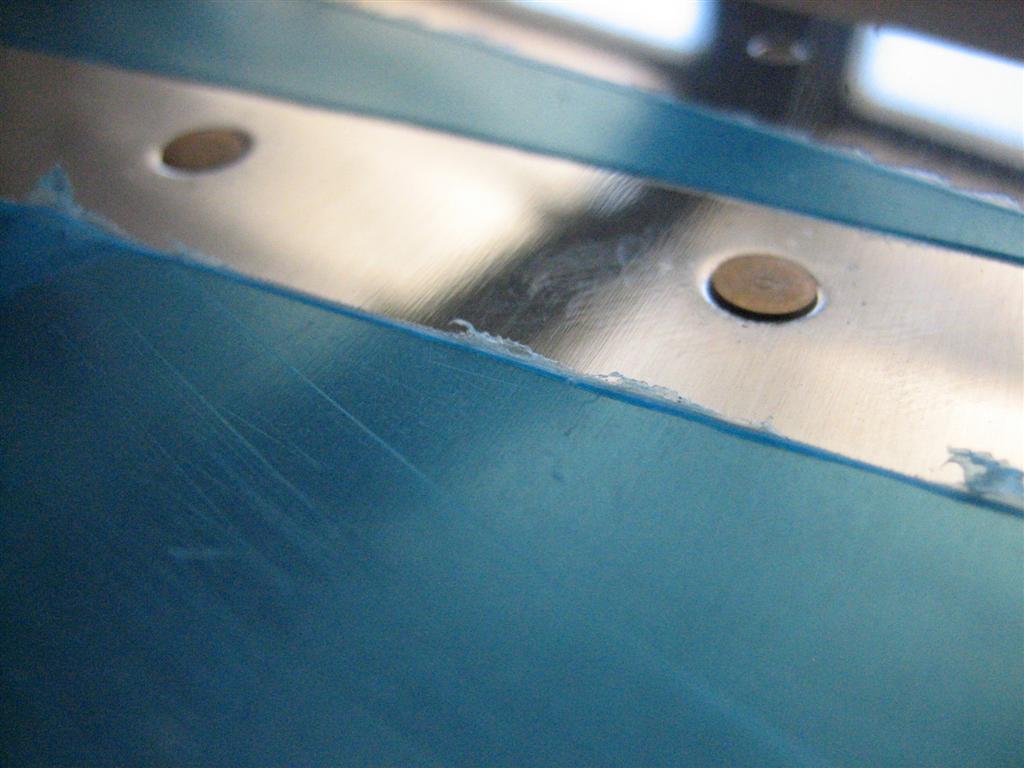
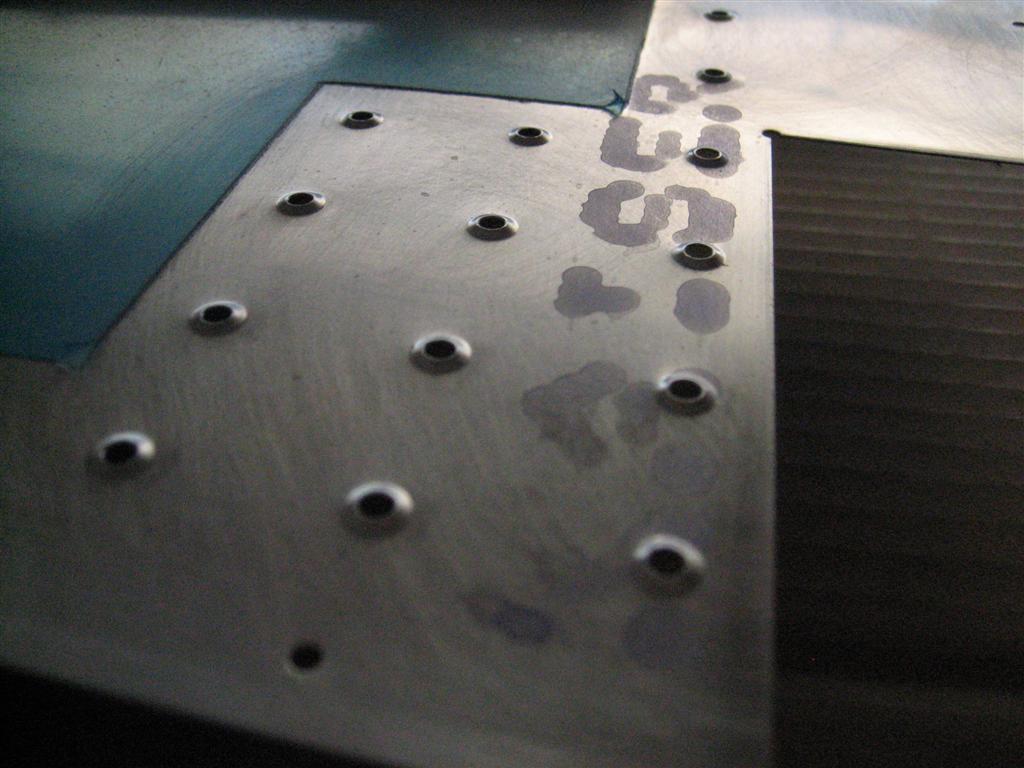
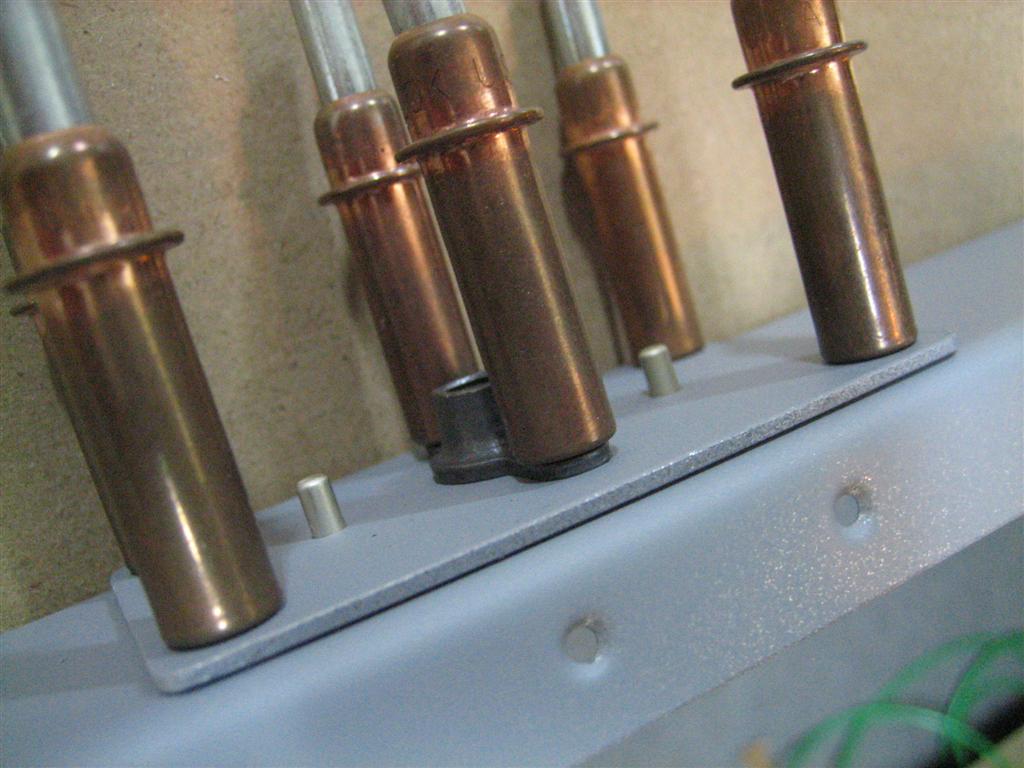
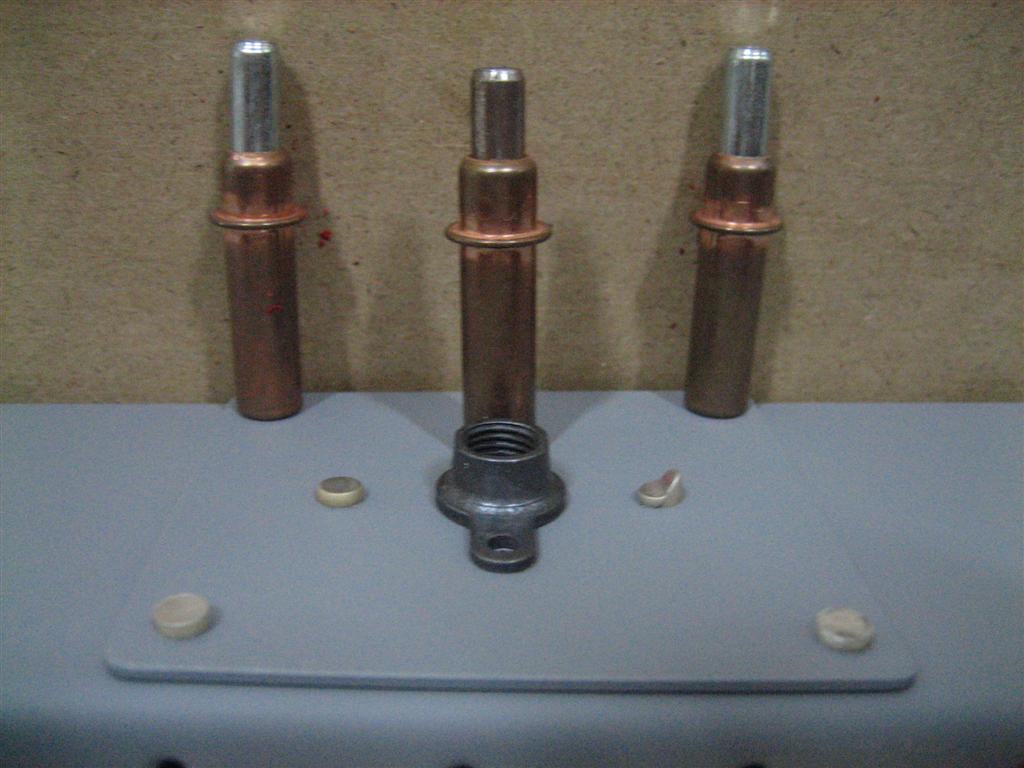
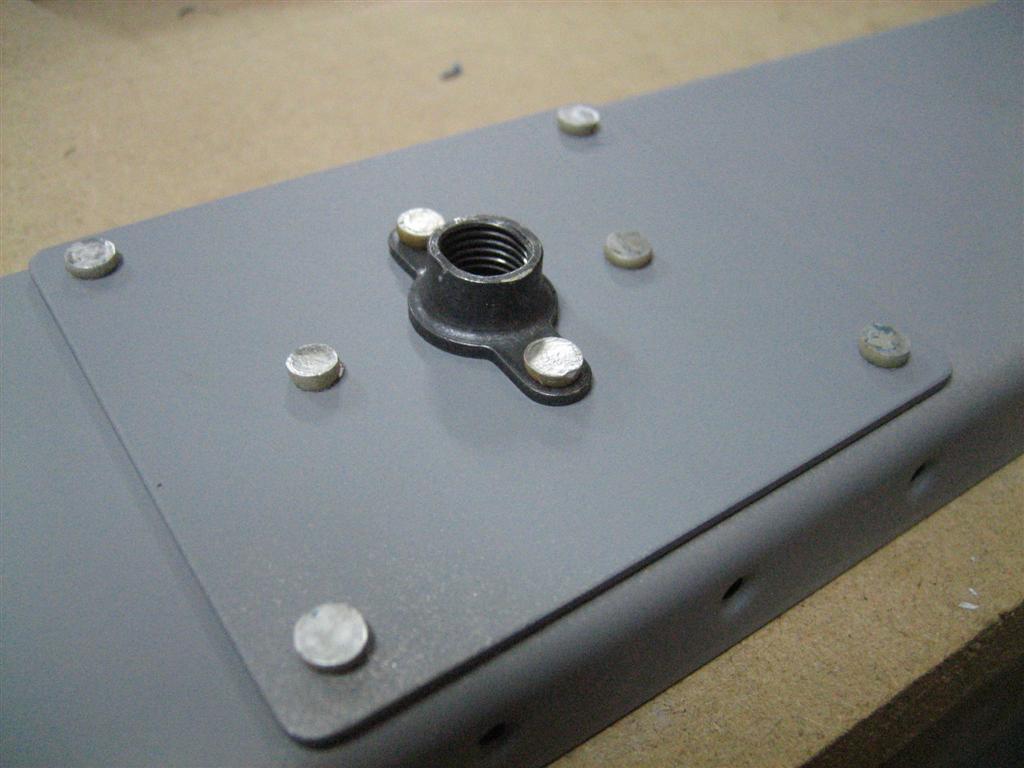
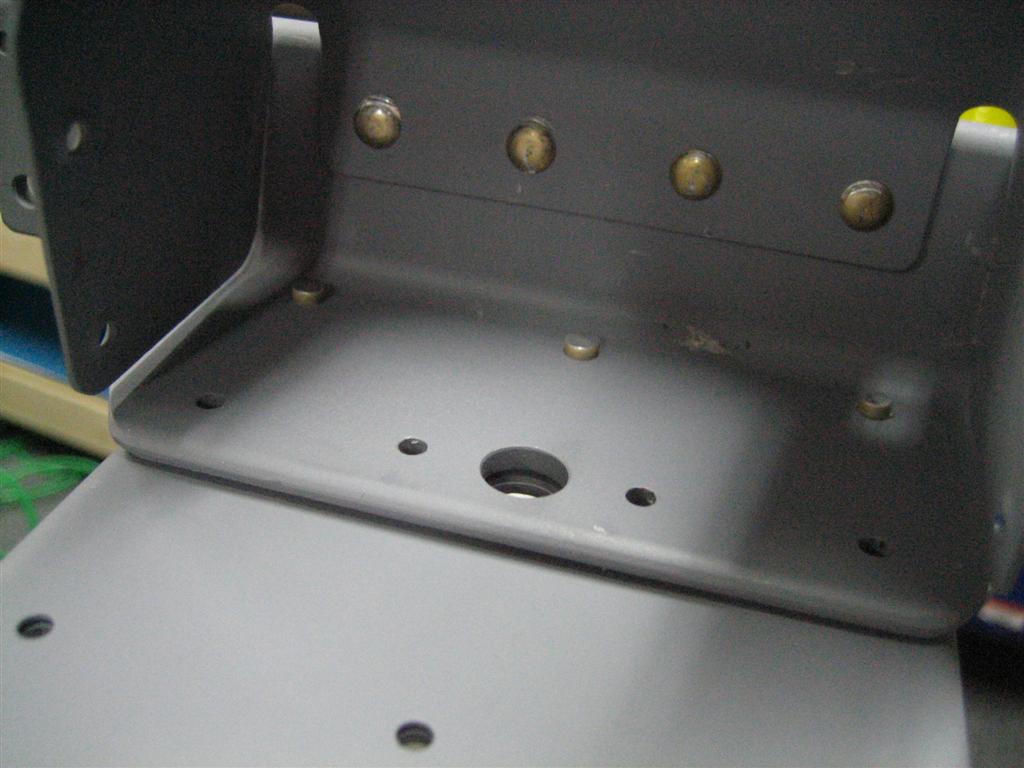
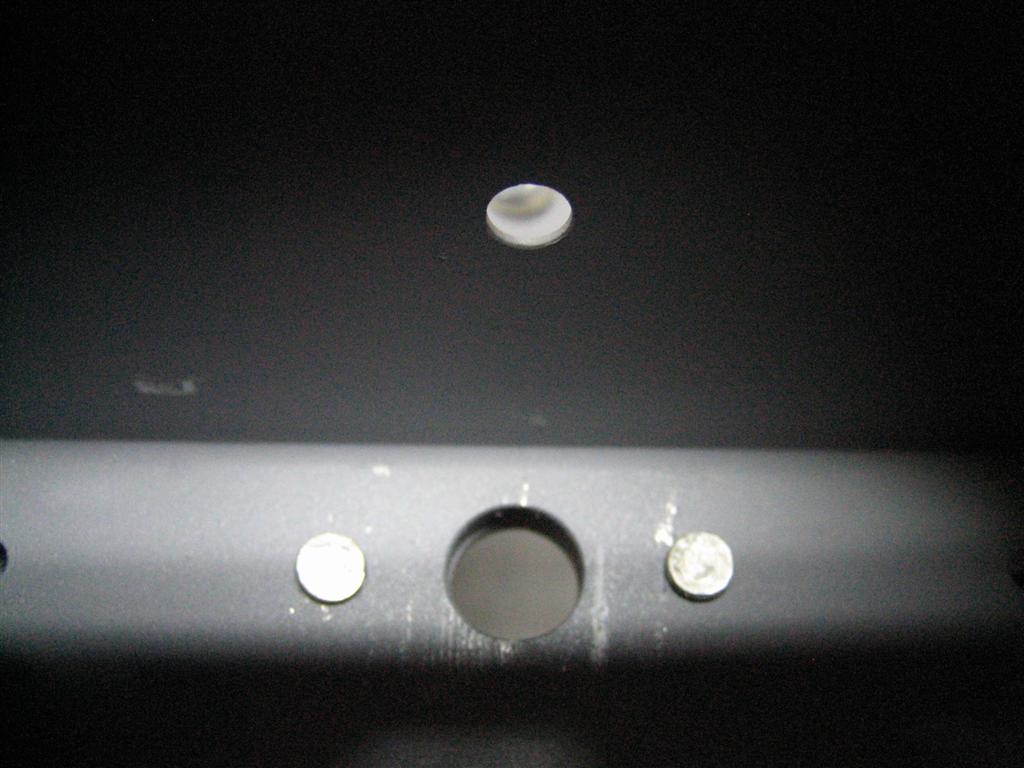
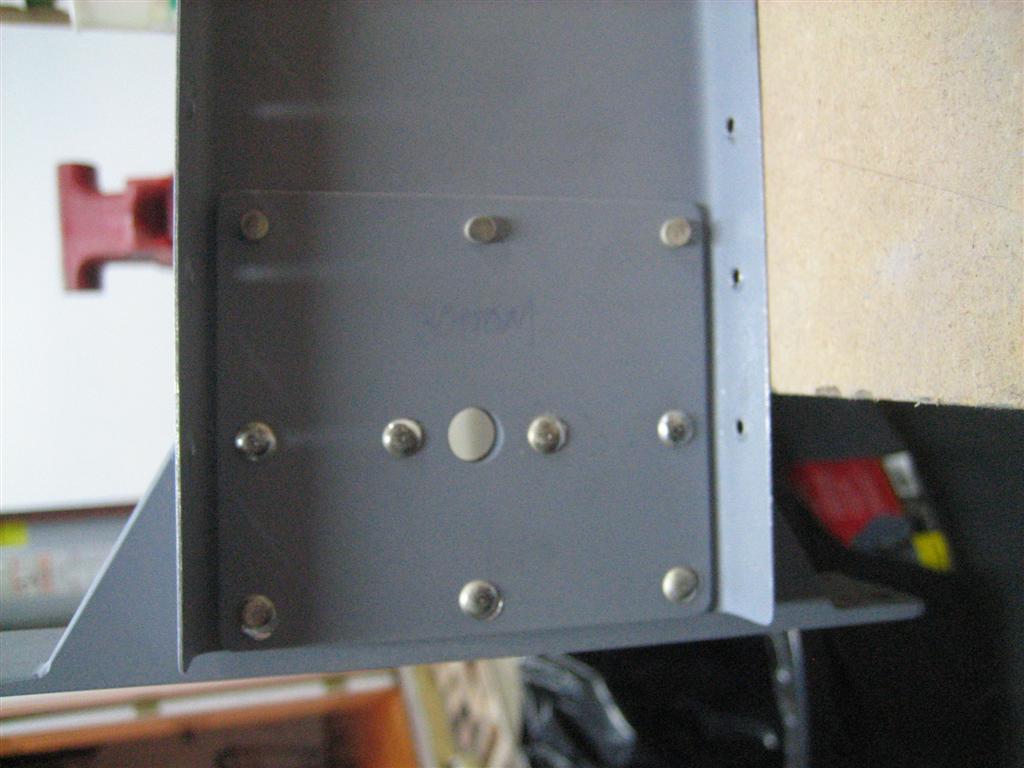
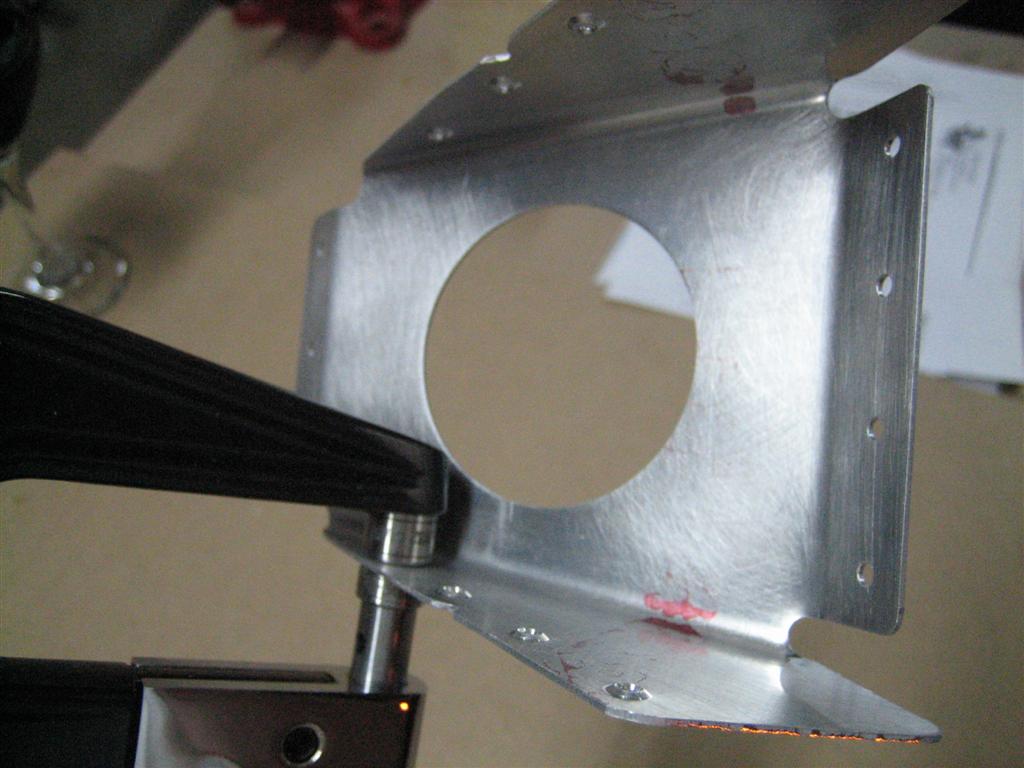
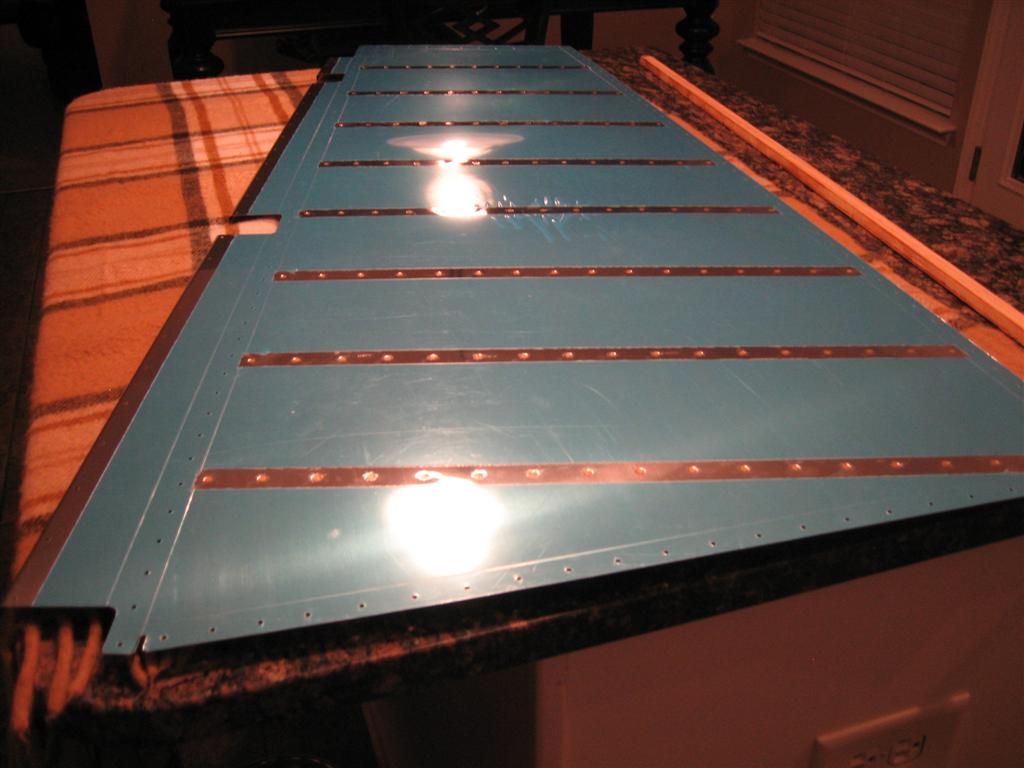
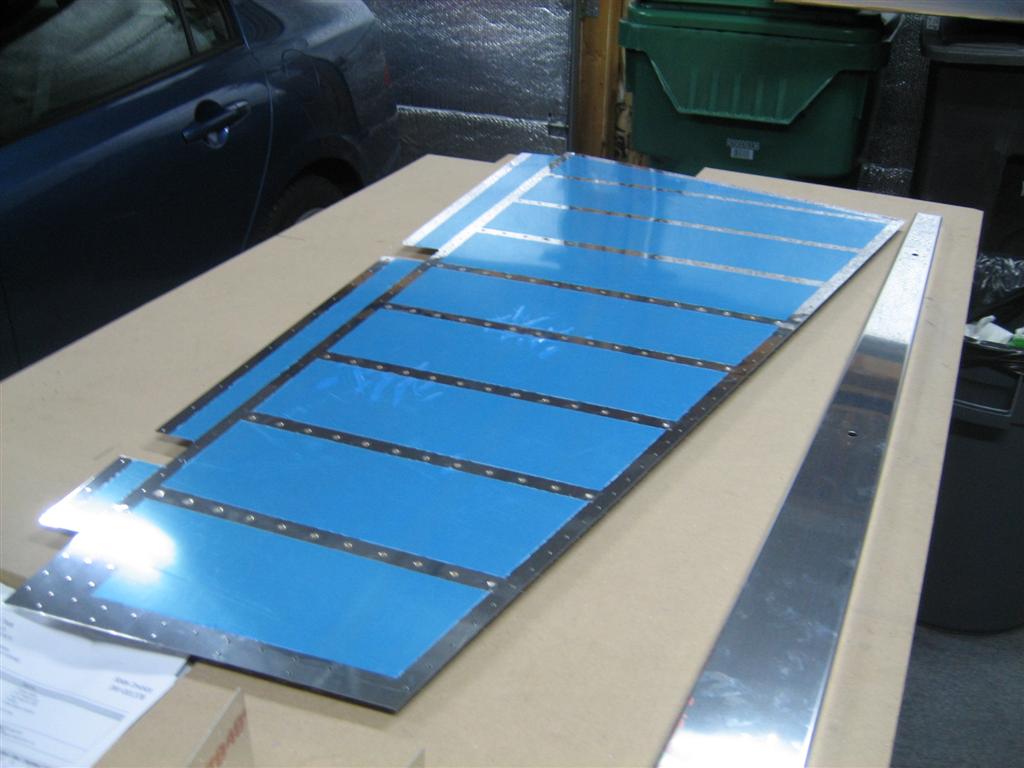
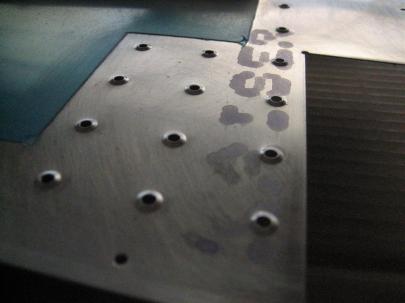
Finally, I finished with the bottom flange. (Notice the three sets of four countersinks on the right side of the picture. Those are for the access plates. They use a #40 piloted countersink and are countersunk to a width of 0.312″ (which is less than 0.3125″)).

Ta da!

Oh yeah, now I have to do the other side.

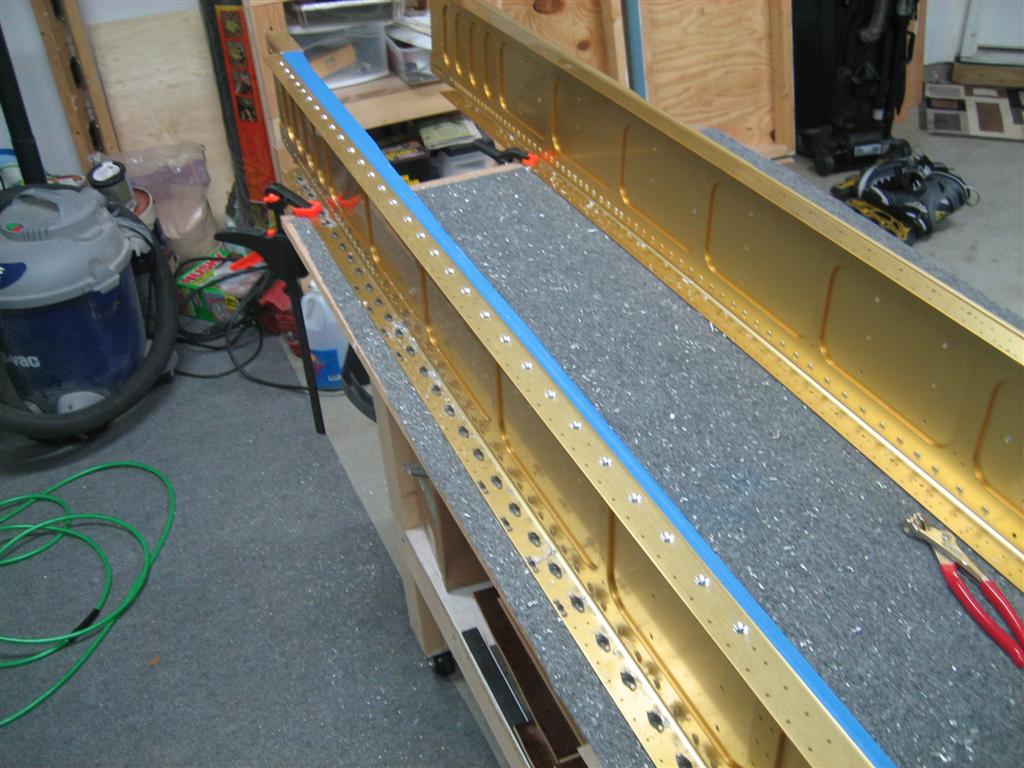
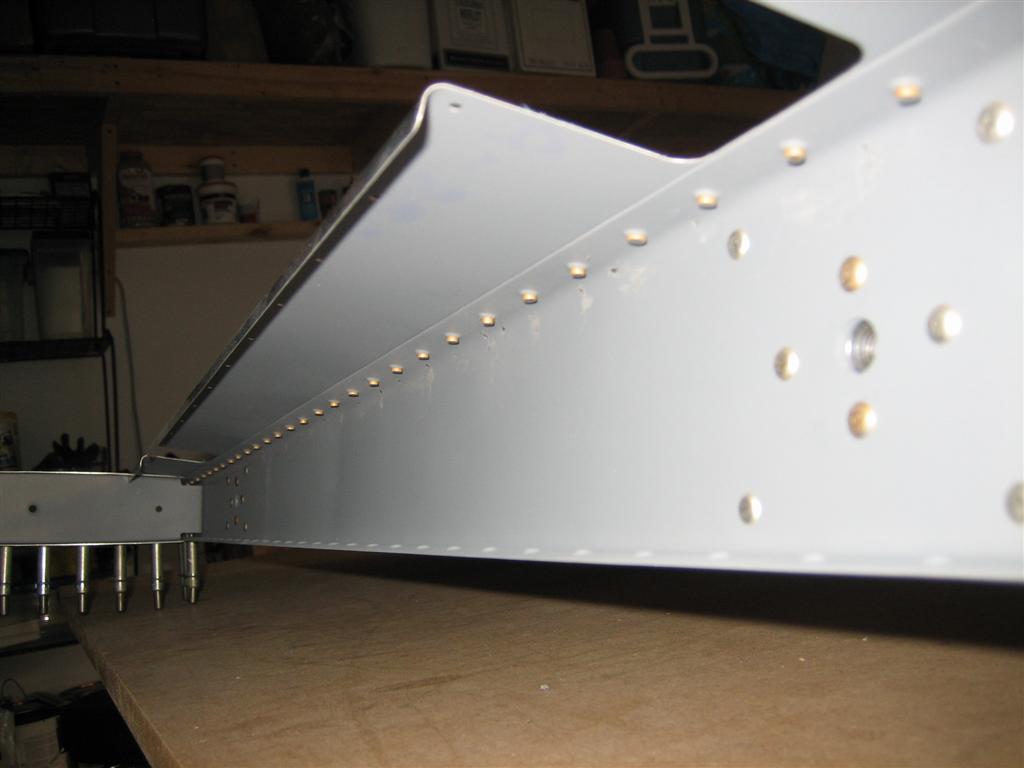
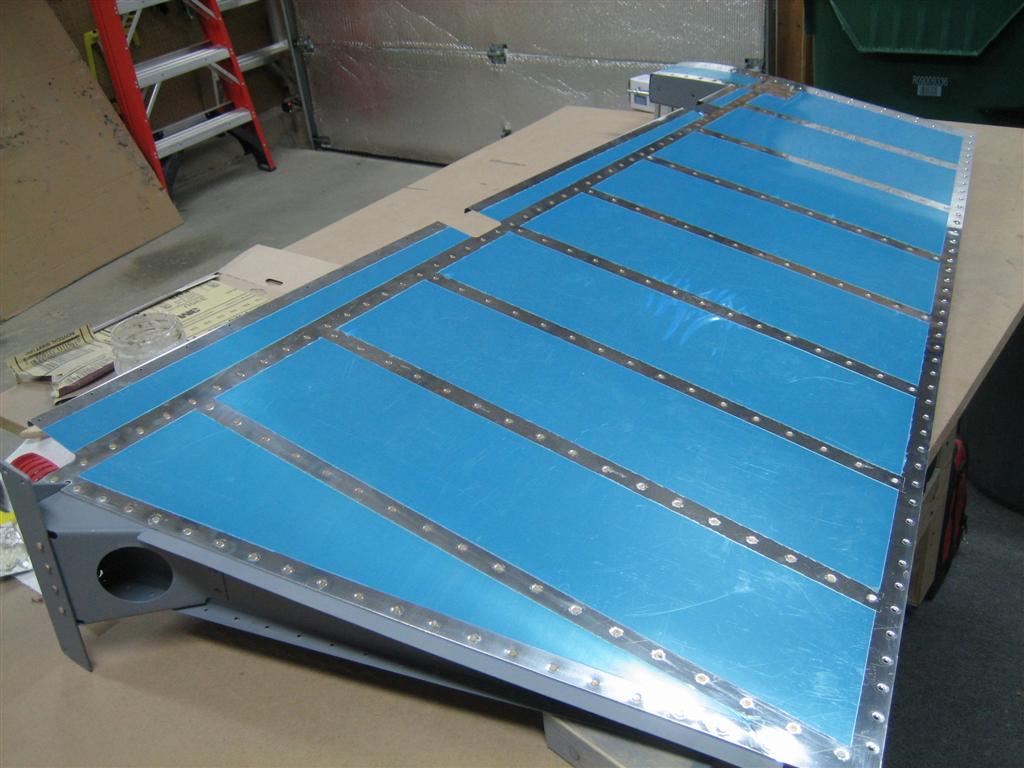
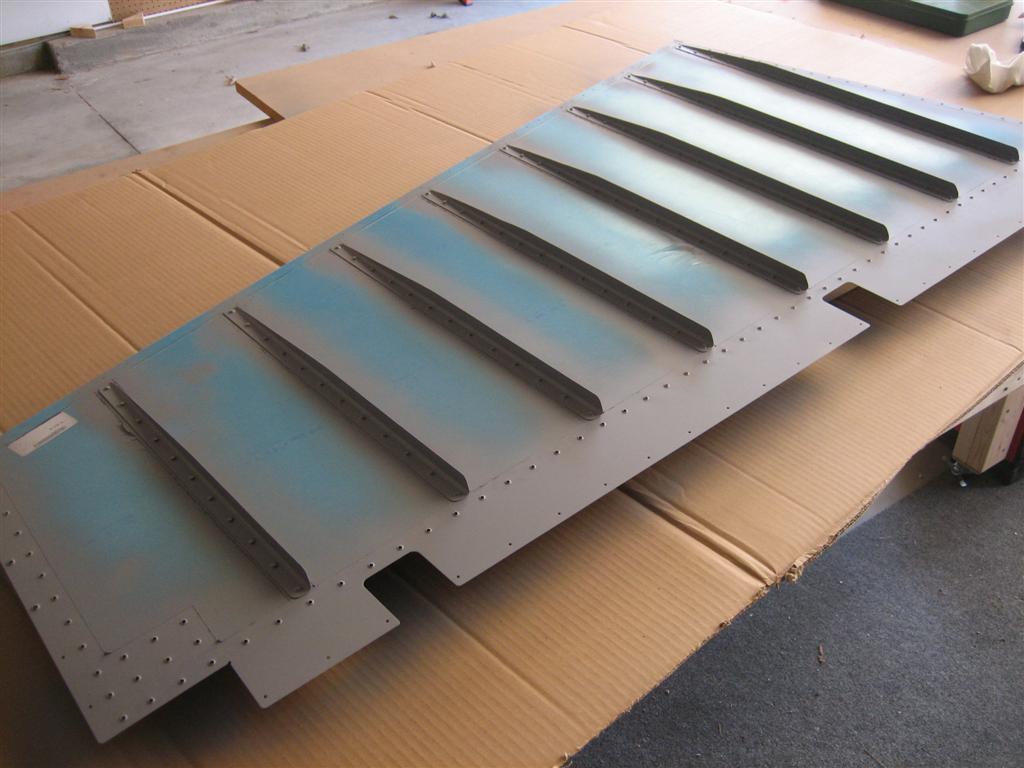
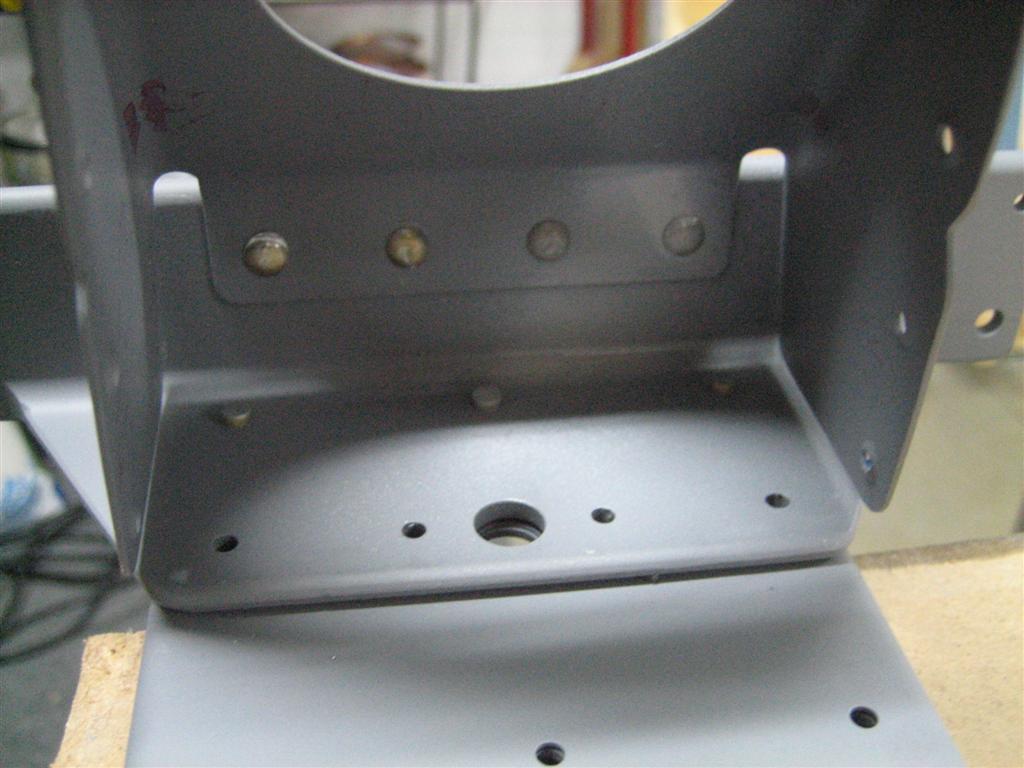
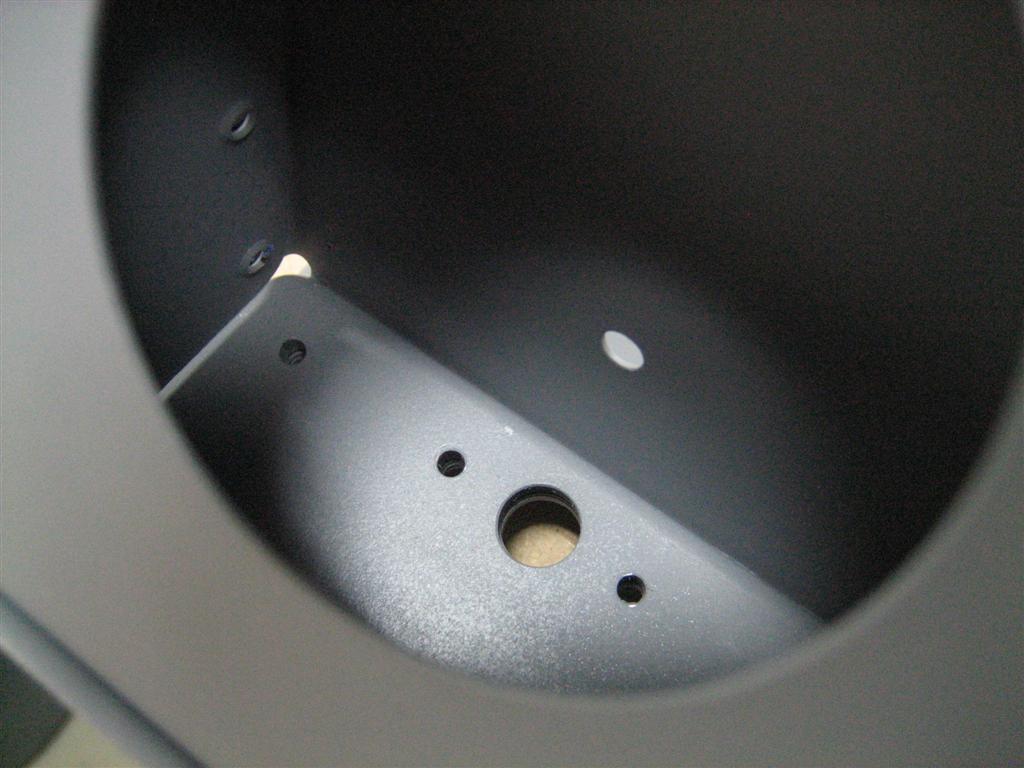
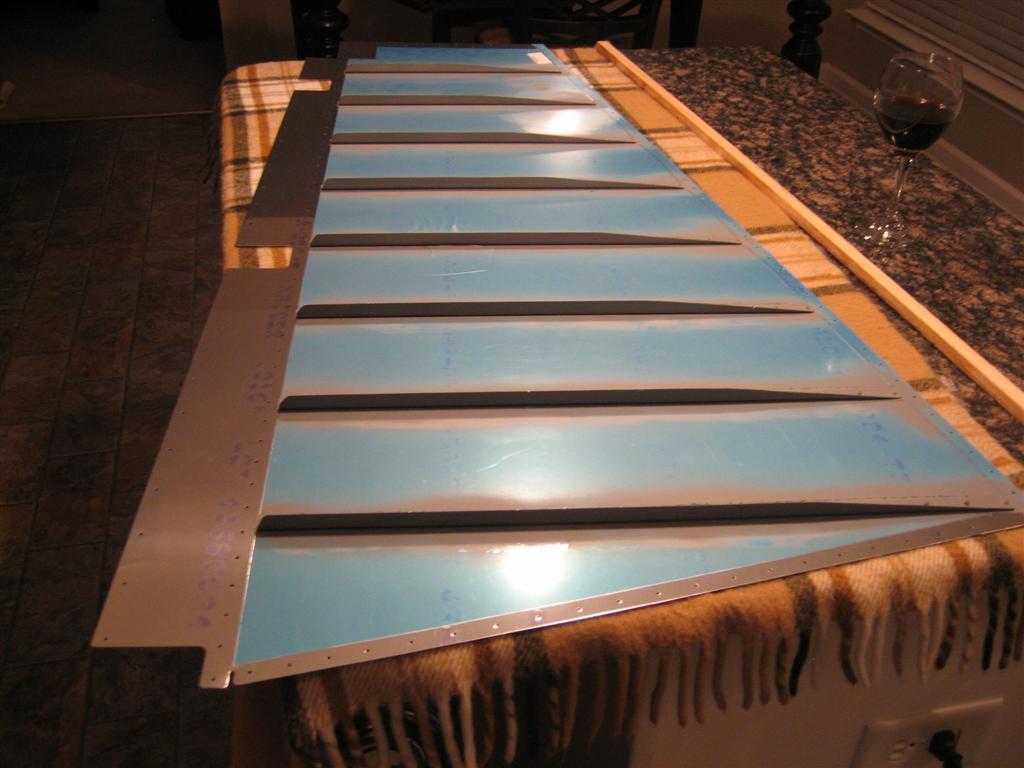
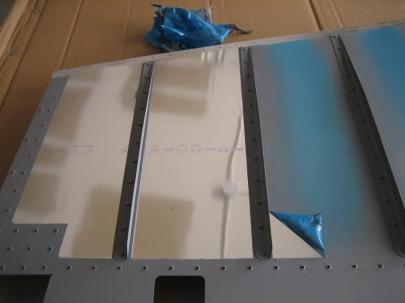
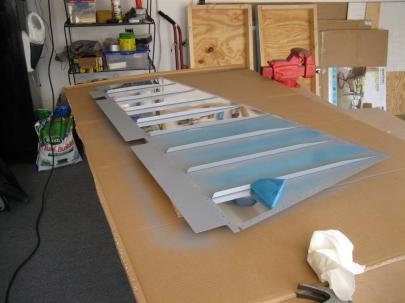
With a noticeable lack of in-process pictures, I finished the top flange also.

Ta da! (Déjà vu?)

1.0 Countersinking-filled hour tonight.

And, I’ve finished the first three paragraphs of the wing section of the manual. Score!

Prev | Next


Started working on the Elevator Tab

June 20, 2010

Prev | Next

After some more days of not doing anything, I managed to make it out to the Pilots N Paws fly-in today. It was good motivation for working on the airplane.

Anyway, I’ve drilled the left elevator skin to the skeleton, and the next step is really to take everything apart, deburr, dimple, countersink, prep, prime and assemble…

BUT…

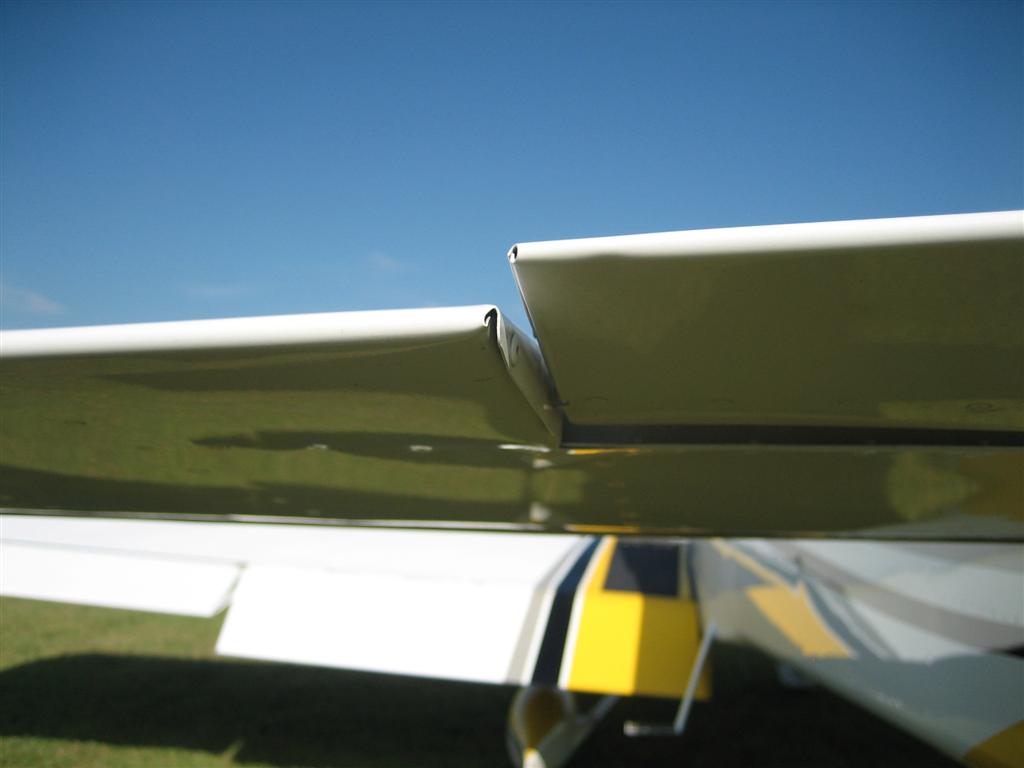
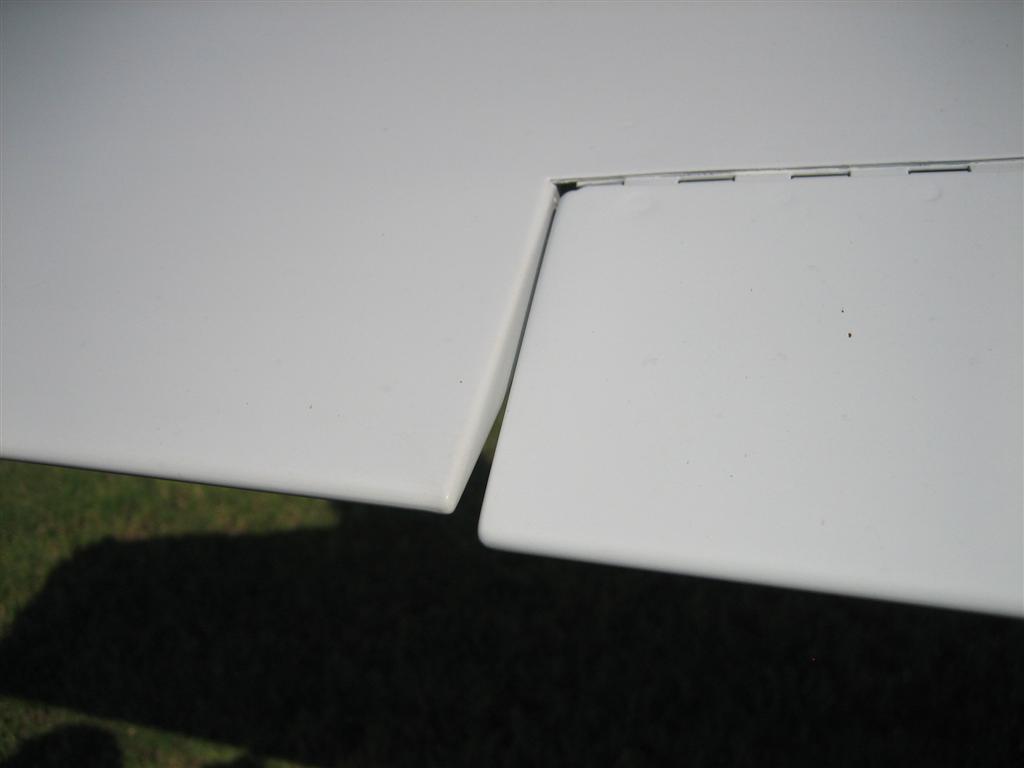
I have some things that need to be done first. Mostly, the directions want you to bend the elevator tab “ears.” Well, I don’t think I want to go the bent route. Here’s what I am worried about. I don’t think anyone would really notice, but I don’t love the way this looks.

Bent trim tab ears. I think I'm going to cut mine off and make little ribs.

I think with some work, I could make them look like this, but given how finished these surfaces are, I don’t know if they started as bent ears or riblets.

WHOA! This is awesome. This guy really finished this joint up nicely. Everybody be jealous.

Finally, I found a really nice riblets version. I like this, and this is what I am going to be aiming for (although I am going to try to use solid rivets.

Great finish on the cut-instead-of-bend tab ears. I'm going to strive to make mine like this.

Anyway, I also think cutting the ears off (not bent down in the way) will allow me to use solid rivets in the blind-rivet locations on the top and bottom of the elevator (outboard trim spar rivets). We’ll see.

First step is to get the skeleton re-clecoed in the skin.

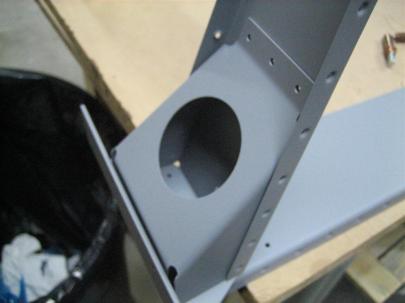
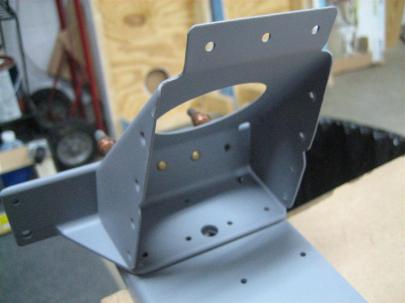
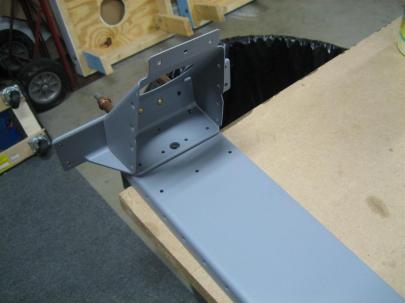
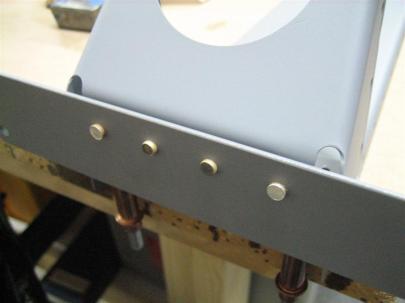
The trim spar and the inboard rib.

Van’s wants you to countersink either piece for flush rivets (not for any real flush reason…I think they need to be #40 size holes, and they don’t give you any universal head AN470AD3 rivets). Anyway, per standard practice, I dimpled both.

Dimpled instead of countersunk.

After clecoing together the skin, I am ready to start the headscratching with the tab. Let’s find the tab spar.

There it is.

Let’s go ahead and cut off these tabs. After careful measuring and marking, I’m ready to put blade to metal.

Inboard side. I'm nervous about chopping these off.

Outboard. (see how I lined up the line parallel to the flat portion near the top and to the left of the relief hole near the bottom? This doesn't work. Read on to find out why.

After a quick snip (not too close to my final line) I removed the vinyl from the interior of the skin in preparation for using a file and scotchbrite pad to clean everything up.

Devinling before finishing those cuts.

After working carefully with a file and edge finisher…

Looks good.

Before I really finalize things, I’d like to get my tab placement set up. First, I tried using this extra piece of rudder stiffener.

It worked okay, but I later switched to something a little longer.

After some moving around and fiddling, I re-read the directions, which tell you to bend the elevator ears down along a bend line that is perpendicular to the hinge line. Well, that means that the cut lines should be perpendicular, too. Of course, like I mentioned before, my original outboard line wasn’t perpendicular. All that file work for nothing.

I drew new lines (one on top of the other, ignoring the needed clearance).

Drawing new, perpendicular lines.

Then, I made a “pretty close” cut with the snips. I’ll need to really clean this up, as well as move the line to the left for clearance purposes (I’ll wait until the hinges are drilled to really see what I need. (The instructions call for 3/32″, but that is for the blind rivet head clearance that I won’t have to worry about.)

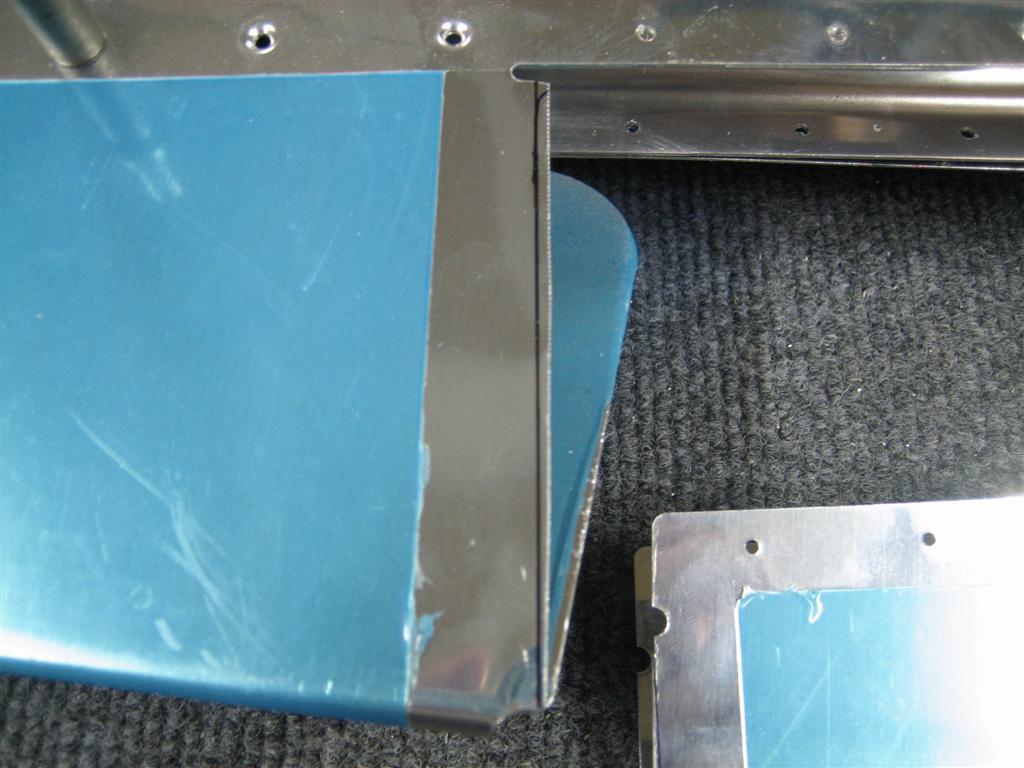
Pretty close, but still needs trimming and finishing.

Next, I moved back to the tab. Here’s my new line.

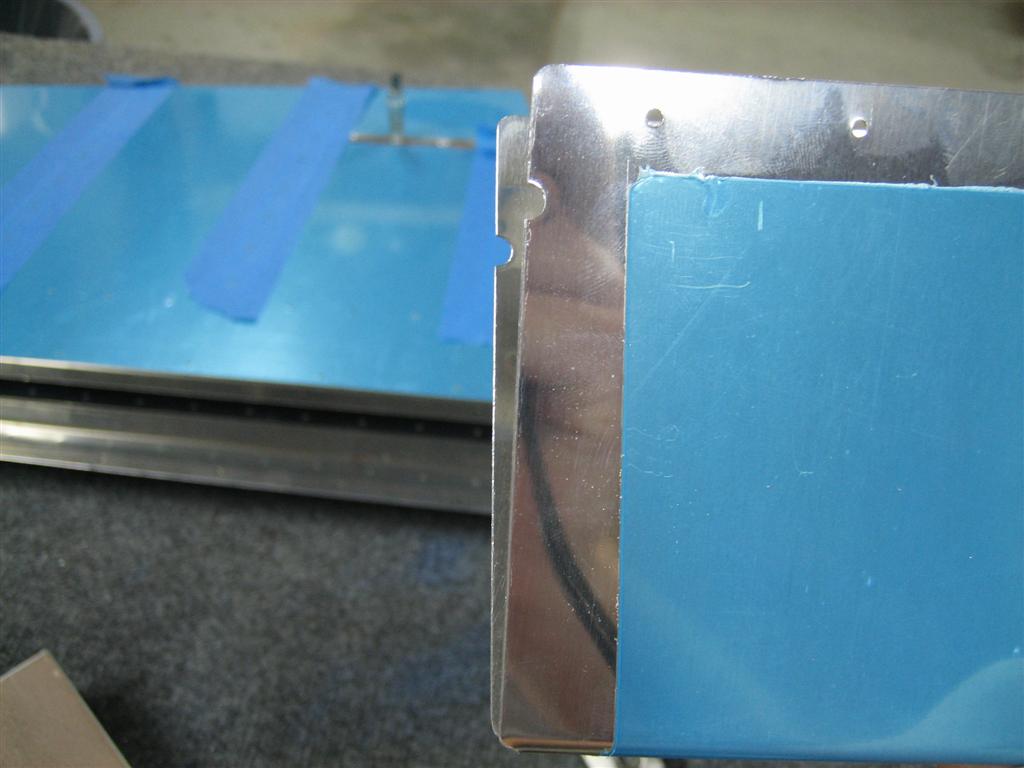
I'm bummed because the upper part of the tab, factory provided, is not perpendicular to the hinge line. That means there will be a slight angle there. Bummer.

After getting those refinished, I got the tab mocked up. I kind of worked backward. I want to use the inboard edge and the trailing edge to get placement, then verify I have adequate clearance on the outboard edge and between the tab and elevator for the hinge (there are some hinge dimensions on the plans). I think I’ll have plenty of room.

This looks good, but I'll have to keep trimming that outboard edge.

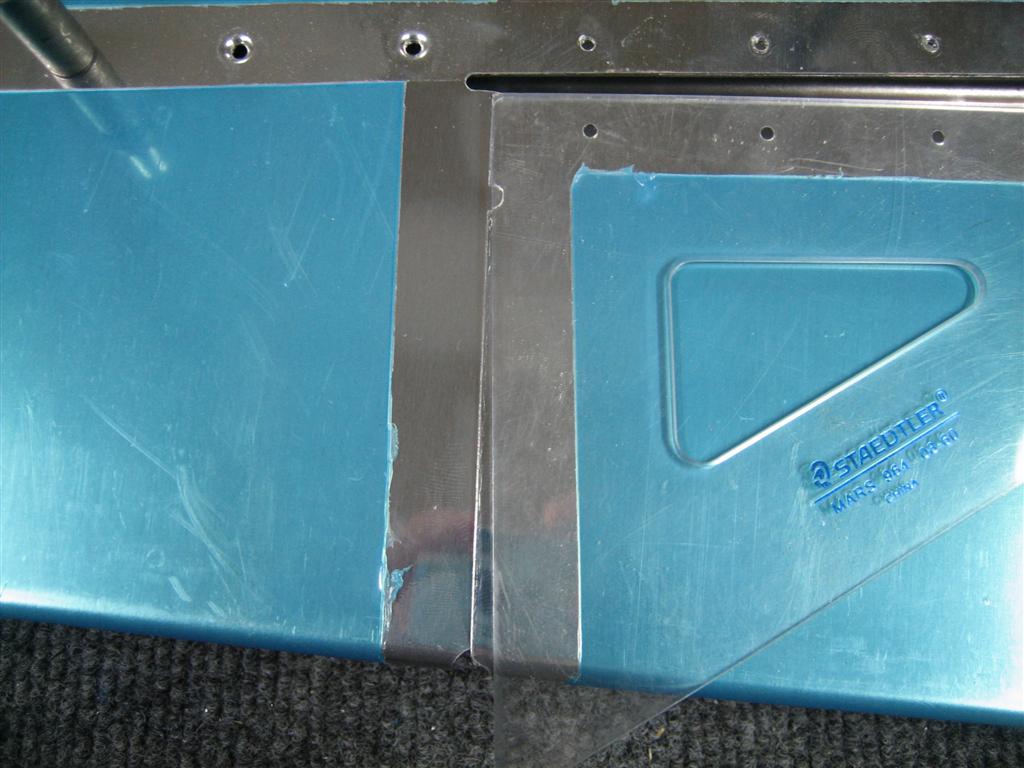
Here's a closeup. You can see the edge near the top of the tab is angled a little left. This is how it comes from the factory. The marker line and aft portion of the tab are both perfectly perpendicular to the hinge line (line through the center of the rivet holes).

Later this week, I’ll work on getting this perfect, then tackling the riblets that need to be constructed before doing any more work with finishing the skin.

Prev | Next


Drilled E-714, Clecoed Left Elevator Skin

June 10, 2010

Prev | Next

Hey Look! Andrew’s not dead! Yeah, I’ve been working on some house projects. Back to the left elevator tonight, though.

I managed to catch myself up with where I was and push on today. I need to get that counterweight drilled.

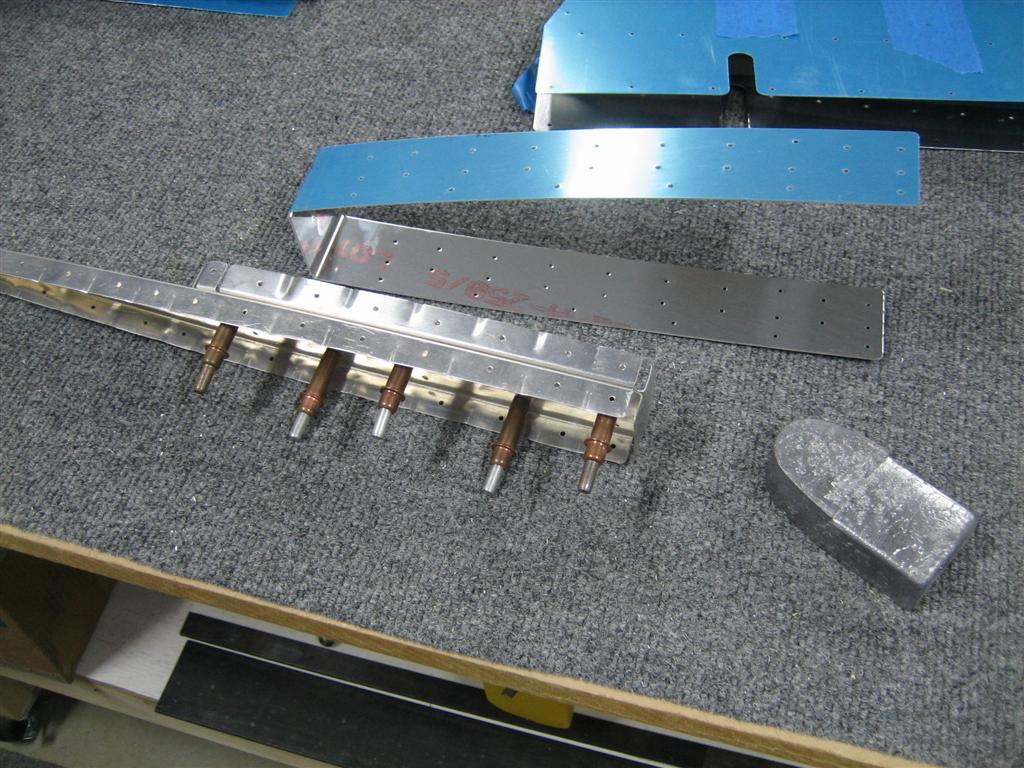
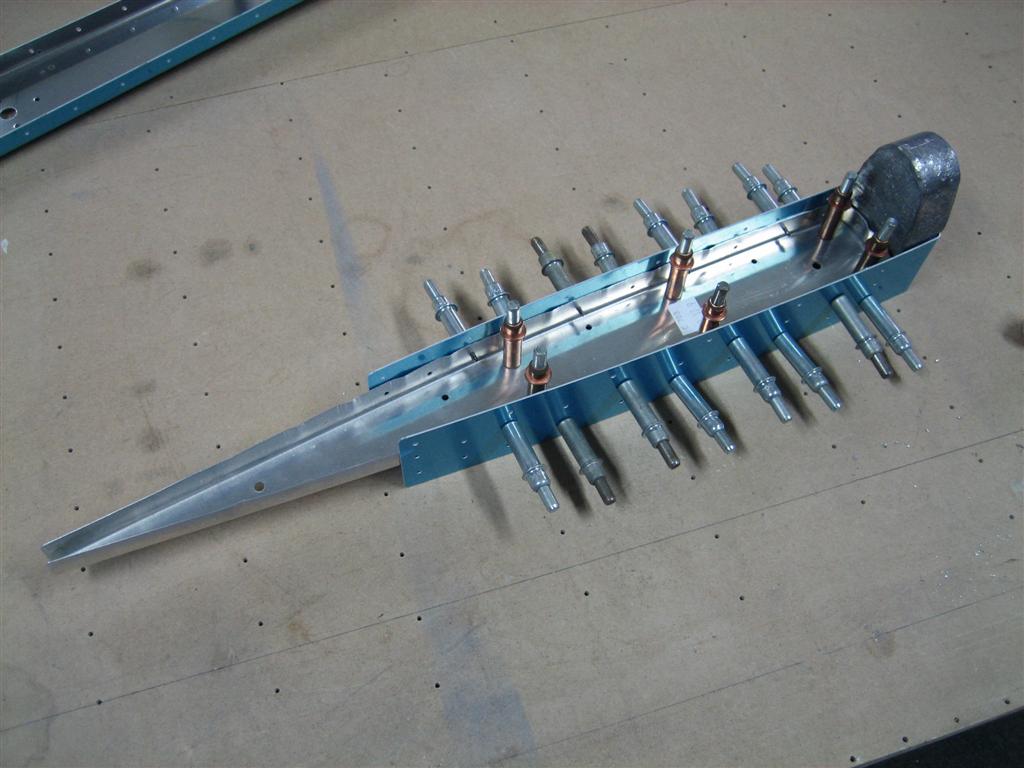
Here you can see the counterweight, counterbalance skin, and the two end ribs around which the other parts reside.

After placing the weight in position, you cleco on the skin (difficultly) and get ready to match-drill. Of course, I met the same challenges I did on the right elevator…namely, I broke a drill bit (#40 size). After getting a pilot hole drilled, I took everything apart and separately enlarged them all to #21. Air tool oil was used with great success after the pilot hole was drilled.

Ready to start drilling.

I didn’t take any pictures, though, because I was getting frustrated. (At first, I was dipping the drill bit into the oil, which meant I had to take the lid off. Then, after stepping away a few minutes later, I placed the screw lid (with the flip-up spout) back on the oil bottle and immediately flipped it over to aim oil into the pilot hole. Guess what! I forgot to tighten down the lid. There goes the lid, and about a 1/2 cup of oil…all over the counterweight, table, and floor.)

Now do you see why I forgot to keep taking pictures?

Anyway, after that debacle (which of course gets counted in the build time…it’s time spent building, right?)

Anyway, here is that same assembly (sans weight) before clecoing on the skin.

In preparation for clecoing on the skin, I needed to handle E-606PP, which is the trim tab hinge spar. Since I was looking ahead earlier and dimpled the hard-to-reach holes (you can see in the skin below), I need to do something with the spar to accept those dimples. If you read ahead in the directions, the spar is countersunk on the top flange (because the hinge is riveted beneath the spar flange, it can’t be dimpled), and dimpled on the bottom flange.

June 10 Update: After countersinking these four holes, I later did some more research and realized that the countersinks called for (due to the hinge) don’t really apply here, because the hinge stops short of these four holes. I could have (and wished I’d ) dimpled. Boo.

Here are the two parts that need to fit together nicely.

Finally, I got the skeleton and skin clecoed together.

Wuhoo. It looks like an airplane.

A solid hour. Maybe more this weekend.

Prev | Next


Started Left Elevator

May 24, 2010

Prev | Next

Well, it’s monday. And even though I have a couple things remaining on the right elevator, I am going to follow the flow of the directions and move on to the left elevator before coming back to finish both of them.

In addition to the items they want you to do to both at the same time (roll leading edges, install rod-end bearings, etc.), I’ll have to come back to do three things on the right elevator:

  1. Fix a few over-driven rivets (and a couple that bent over that I didn’t catch at the time.)
  2. Figure out how to add RTV to the trailing edges after the fact (anyone have any ideas?)
  3. Trim down the counterbalance. I elected not to do this on purpose.

Anyway, on to the left elevator. Here’s the obligatory changing-of-the-plans shot.

On to the left elevator (and trim tab).

As I only have about a half an hour tonight, my plan was to just cover the basics. First, lay out all of the left elevator parts.

It doesn't look like a lot of work...

Devinyl the skeleton parts.

This picture is almost identical to the one before it, except for the missing blue vinyl on the skeleton parts.

Then, on to real work…kind of. The manual wants me to attach the hinge reinforcing plates to the spar, then move to the outer ribs.

Here you can see the two outer ribs fluted. I haven't straightened out the rib flanges yet, will get to that soon.

Blah blah blah, assemble the skeleton. For now, I didn’t do any match-drilling. I do that hole-by-hole as I take the thing apart.

This one will be more interesting due to the trim spar.

Finally, I found one more of the stiffener angles. I got that devinyled and then cut from hole to hole to form some of the smaller stiffeners.

More small stiffeners. These go between the main spar and the trim spar (ahead of the trim tab).

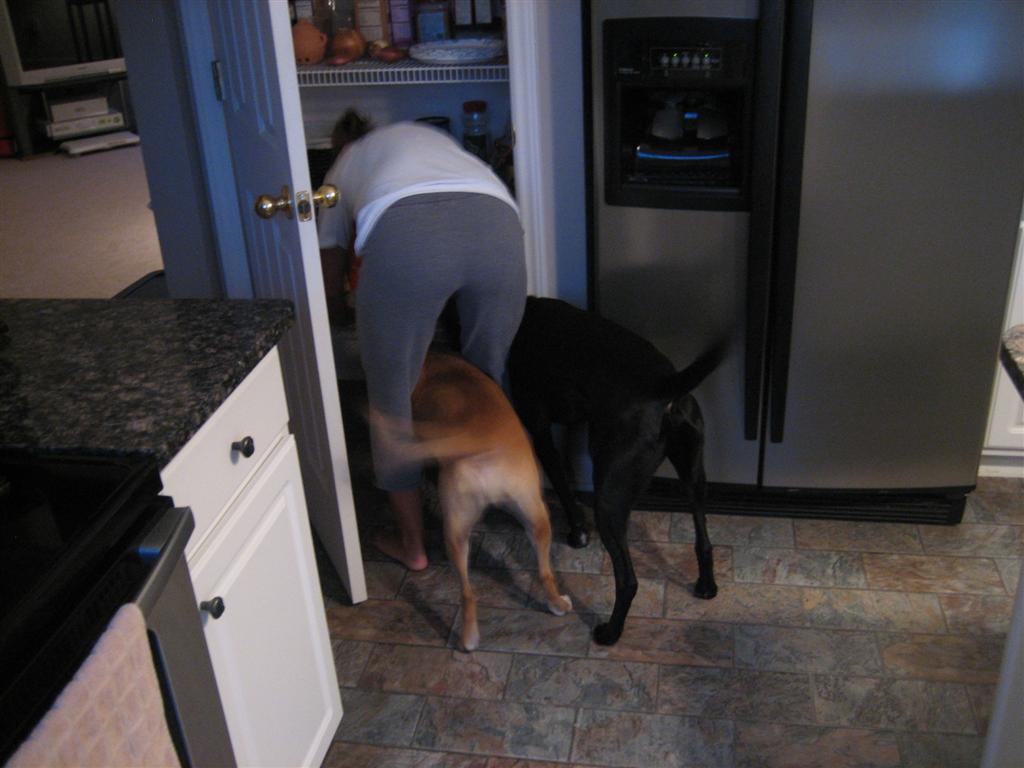
With that stuff done, I headed inside and caught someone with their hands in the cookie (doggie-treat) jar.

That bottom shelf has the doggie-treats on it. (We have really patient dogs. /sarcasm off)

Lucky you, I got some video.

Anyway, a short half hour of left elevator prep.
Prev | Next


Right Elevator Skeleton and Stiffeners

April 9, 2010

Prev | Next

Sorry for the tardiness on the commentary. Here it is.

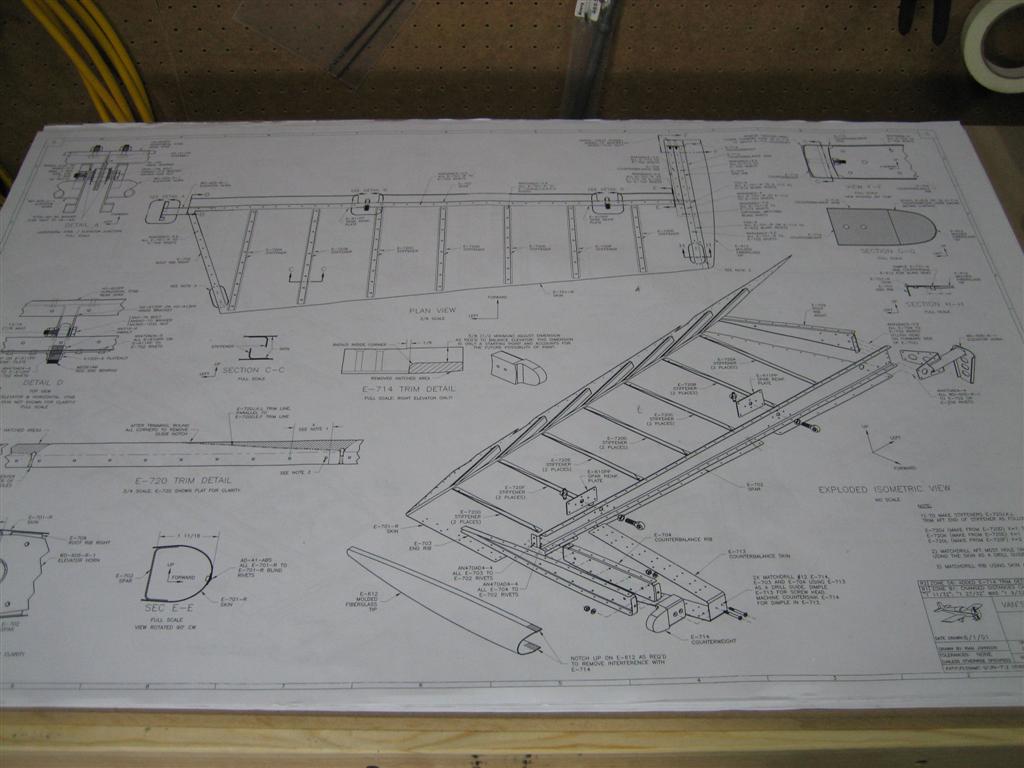
I decided after riveting the trim reinforcement plate that I will stick with the right elevator for now. Of course, here is the obligatory plans picture.

On to the right elevator.

Instead of following the directions to start in on the stiffeners, I sorted through my lower workbench shelves and pulled out the parts for the right elevator skeleton. I just laid them on the (very dirty) workbench and grabbed this picture.

Right elevator skeleton, ready to rivet. Just kidding.

First up, prepare the two end ribs (edge finish, then flute).

Here they are (E-703 and E-704), sitting nice and flat with each other.

I can’t remember why I took this picture. Maybe after I removed the blue vinyl?

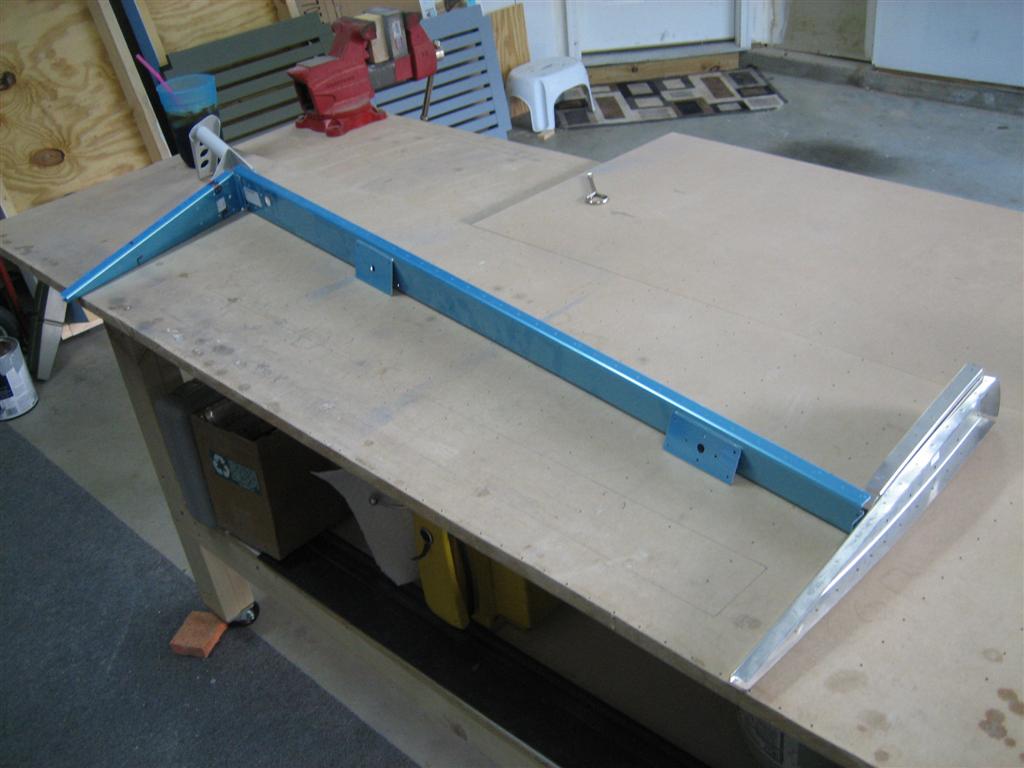
right elevator spar.

Then, it’s time to match-drill the two end ribs together.

The two end ribs clecoed together for match-drilling.

After that, they want you to cleco the two end ribs onto the rear spar. You can see some misalignment here.

See the spar flange hole and how it doesn't line up with the counterbalance rib?

Here's the other side, still not aligned very well.

After some manipulation via fluting and flange straightening, I managed to get everything lined up and match-drilled.

Here's my 12" bit, doing what it does best.

Here’s the outboard assembly after match-drilling.

Ready for disassembly.

Next, they want you to cleco in the counterbalance skin with the counterweight.

There's the right elevator counterweight.

I read on some other builders’ sites that it was difficult to cleco the counterbalance skin on the rib assembly. I didn’t have too much trouble, but it was definitely easier to work front to back.

Counterweight clecoed in.

Next (before going back to the counterweight for drilling), I clecoed on the inboard rib. These are matchrileld to #40, then dimpled and set with flush rivets on the front web of the spar. The reason? The elevator horn must sit flush on this surface. You’ll see later.

E-709 Root rib clecoed on.

Now back to the counterweight. Van’s wants you to matchdrill these to #12. I started with a #40 and worked my way up, blatantly ignoring the advice to use drill lubrication. Of course, I broke 3 bits before I subdued my own stubbornness and moved on to something else.

Broken bit, I need to get some Boelube.

I managed to get some locking needle-nose pliers around the bit and back it out slowly.

Anyway. I moved on to the skeleton.

Here's the skeleton clecoed together and match-drilled. You can see where the elevator horn will sit flush on the spar web necessitating the flush rivets between the spar and the root rib.

Then, I spent a little time inside on the stiffeners. I just rough cut them with snips to the general size.

These are for both elevators, some of these will be cut down further for the smaller required stiffeners between the trim spar and main spar on the left elevator.

2.0 hours today.

Prev | Next


Got some skin…riveted

March 24, 2010

Prev | Next

After having performed the last of the rudder skin prepping the other day, I was ready to get riveting.

First thing, I pulled most of the clecos off of the leading edge so I could have access to the upper forward edge of the skin. It’s hard to see in this picture, but I gently “edge-rolled” the leading edge so the lap joint would sit flush after riveting.

Be very gentle here so you don't get a crease.

Because my trim job on the blue vinyl was a little long, I trimmed about another inch off. You can see the very slight edge roll in the reflection of the two clecos just left of the joint. I’m happy with it, and it sits very well on top of the counterbalance skin.

Man, there is a lot of dust.

Then, I started riveting. Here, You can see I’ve riveted the counterbalance skin to counterbalance rib joint, and every other hole down the leading edge. I’m just removing clecoes here to start finishing the leading edge.

Beautiful day to be working outside.

This was after about 50 rivets had been set. We headed in for dinner at this point.

Nice rivets, so screwups, but not as nice as the backriveted stiffeners. I thought about backriveting here, but I would only be able to backrivet one side, and I didn't want them being dramatically different.

One more picture before dinner. If you look closely, you can see the very nice lap joint.

And a picture of the shop heads. A few of these (maybe 5th from the right and similar) will need a few more hits with the gun, they don't look quite set enough.

Before dinner, I went and got my mail, and my internal rudder stop had shown up. $25 to get the external stops off the airplane. Worth it for me, although I think Craig is making a killing on these. If you want one, order them at the VAF posting.

Internal rudder stop. I'll install (and take plenty of pictures) once I get the rudder done.

After dinner, the girlfriend wanted to work out in the garage some more (what a crappy girlfriend; she wants to work in the garage all the time… /sarcasm off), so I finished up the left side of the rudder.

Left side of the rudder, done.

I was going to take more pictures, but I got distracted because I riveted the skin to bottom rib WITHOUT INCLUDING THE FAIRING ATTACH STRIP.

Awesome, that was 16….no….17 (i messed one up putting it back in) rivets I had to drill out.

Perfectly.

Good.

Rivets.

<sigh>

But, I did get solid rivets in all of the holes near the horn brace. My 3″ yoke with a 1/2″ flush set kind of looks like a longeron yoke, so I was able to reach all of these.

Here's a closeup of the attach strip after everything was all said and done.

All in all: 84 rivets set, 17 drilled out (ugh!) over an hour and a half.

Prev | Next


Dimpled R-912 Counterbalance Rib

March 21, 2010

Prev | Next

Not a huge day today, but I did go shopping. Recently, the self-etching primer has been getting to me unless I am completely outside the garage while priming. Sometimes, I can always be completely outside, so this might make it bearable in the garage.

MEK, a respirator, and some latex gloves.

When I started looking around the shop, I found this monstrosity just laying there, dead, out in the open. He must have crawled through the spider spray I laid down around the perimeter. He’s huge.

That's a quarter.

Anyway, I am not too happy with the outside rivet I installed yesterday. I ended up using a double offset set as the bucking bar, and I just don’t like the shop heads.

Bad shop head there on the left.

Same there on the right.

I got them drilled out, and figured that the materials on both sides were thick enough to ignore the “shop head on the side with the thinnest material” rule. I put the machined heads in here, and bucked from the front.

These look much better, even though they aren't all facing the same direction.

Here they are from the other side.

I am much happier with these.

Then, on to the counterbalance. Because I don’t have a #10 dimple die, I decided to countersink these, and use them as the female die.

First try. Obviously to shallow, but I wanted to approach it slowly.

Another iteration.

Another iteration.

Check it with the screw. Nope, not yet.

Closer.

Another try.

There we go.

Then, after trying a few things to see how to dimple the rib, I ended up putting the screw in the hole and using my squeezer (with no “upper” set so the screw goes through the hole in the yoke) as the dimple die.

This worked surprisingly well.

Here are the final dimples. If I had it to do over again, I would spring for the #10 dies. I’m sure I”ll have to use them throughout the project. I’m going to put them on the list.

Final dimples. Not perfect, but good enough.

2 rivets drilled out. Half an hour. Not bad for a busy Sunday.

Prev | Next


Rudder Skin Prep, Skeleton Riveting

March 20, 2010

Prev | Next

In between some yardwork, watching the sprinklers, and cleaning up the house, I made some good progress on the airplane.

First thing, I found a stiffener rivet that was sitting a little proud. (Drilled rivet #1 today.)
Off with your head!

Silly me, though, I didn’t get any pictures of it after it was reset. I was being lazy with the camera today. Sorry.

Next up, skin deburring and dimpling.
The holes on the right are the tip rib #40 holes. The ones on the left have been drilled to #30.

After deburring, scuffing and dimpling, we are ready for priming.

The top of the right rudder skin after deburring, scuffing and dimpling.

Then, more deburring, scuffing and dimpling.
I didn't forget the hole on the bottom of the picture. This hole is match-drilled with the rudder tip and then dimpled to #30.

After cleaning, I shot a little primer on the skin.
Primed right rudder skin.

I had a very specific order here. First, deburr, scuff, dimple and prime the top, forward edge, and bottom edge. Then, while the primer is drying, devinyl the aft edge (vinyl used as masking for the primer), deburr, scuff and dimple the aft edge. This edge doesn’t get primed, as we’ll use the fuel tank sealing instructions with Pro-seal to glue the trailing edges together.

After scuffing the aft edge, I started pulling off the blue vinyl from the interior of the skins.
This just looks so nice.
Another shot of me devinyling.

Then, I spent a couple minutes making the slot at the bottom of the skin a little bigger. One of the flanges from the control horn fits in here, and during initial assembly, there was some interference.
Notch enlarged.

And the left skin, primed.
Got the left skin primed and ready for devinyling.

Ame thing on this skin, while the primer was drying, I devinyled the trailing edge, scuffed, and dimpled.
Scuffed and dimpled the trailing edge.

Here’s the left skin after devinyling. I’ll store this skin until final riveting. Now, back to the skeleton.
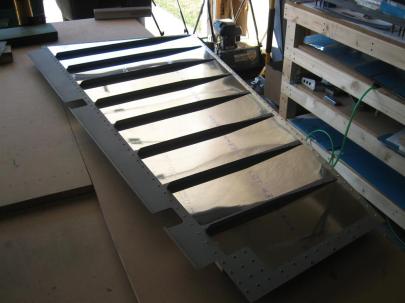
Shot 1 of 2 of the prepped left rudder skin.
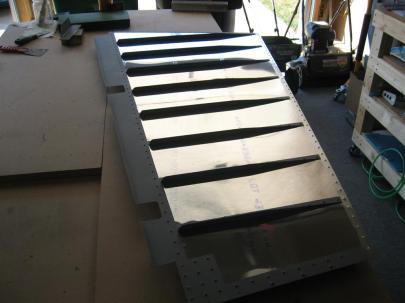
Shot 2 of 2 of the prepped left rudder skin.

In the middle of the day, I ran out of primer and scotchbrite pads, so I ran out for both.
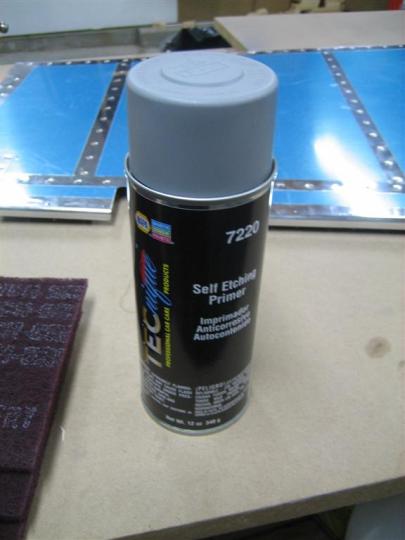
Napa 7220 Self Etching Primer.
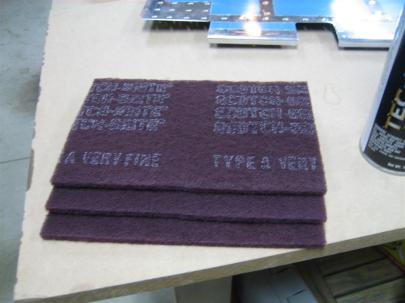
Maroon scotchbrite pads.

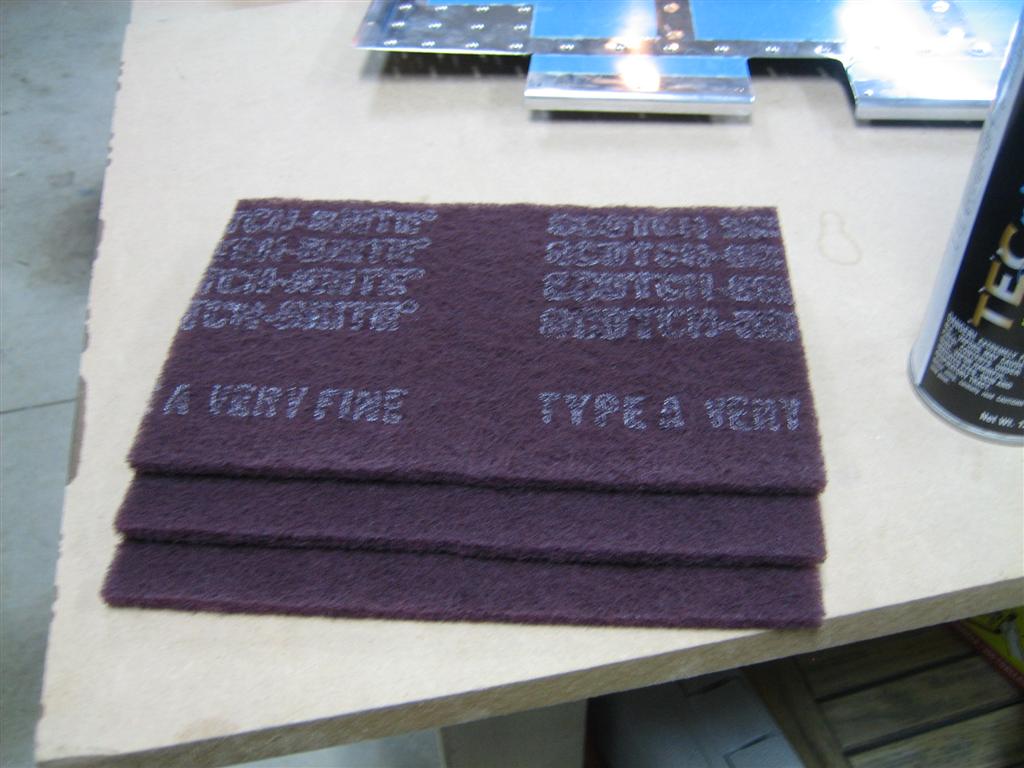
They didn’t have any maroon on the shelf, but they had some grey. I asked the guy out front, and he went to the back and grabbed 3 unpackaged pieces. Usually, there are $5 or $6 for the three. He gave them to me for a couple dollars, which was nice.
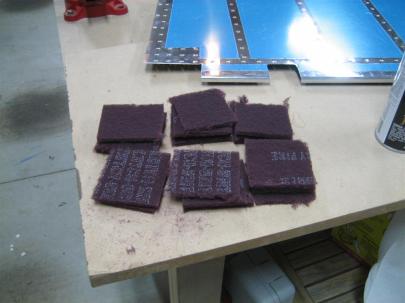
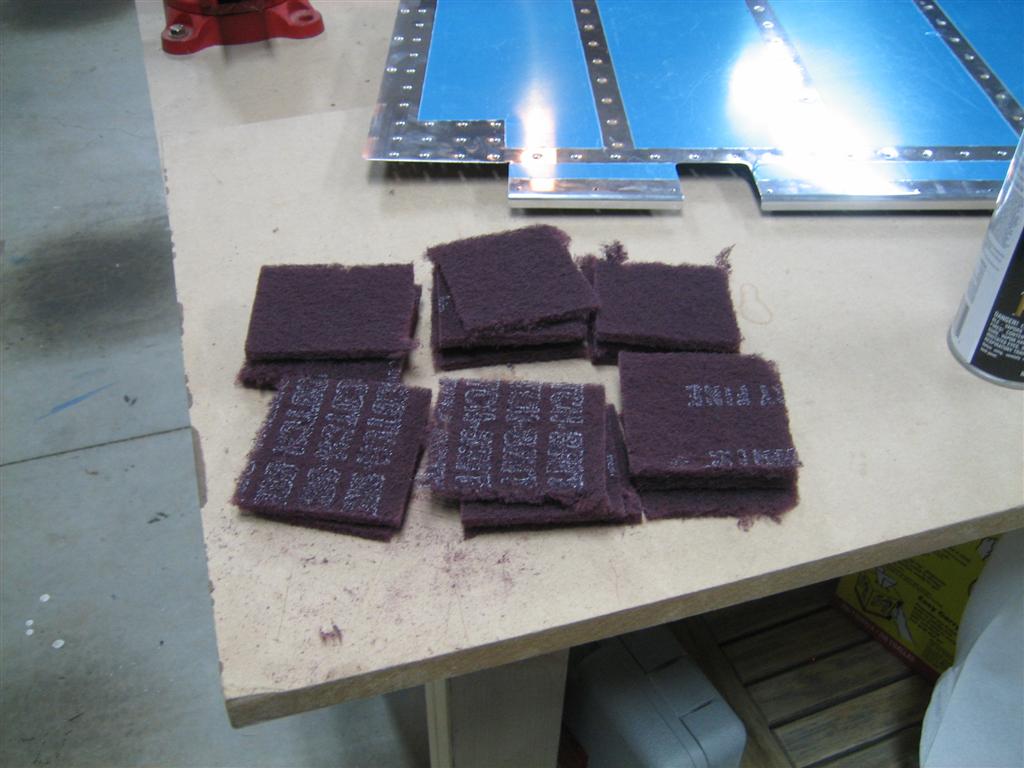
I like them cut in about 2" x 2" squares. Good to go until the end of the tail kit, I'm guessing.

I had some trouble with dimpling the last three holes in the rudder bottom rib. I drilled and countersunk a hole in a spare piece of steel I had, then realized it was too far from the edge to work. Awesome. Here’s a shot of my second attempt.
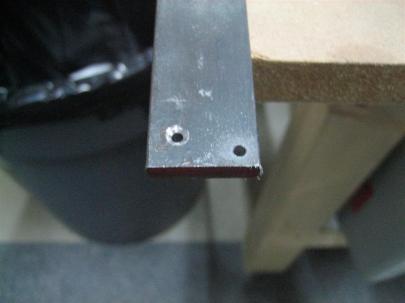
The new hole is on the bottom right. After countersinking, I used a rivet and my flush set to dimple the rib. Not perfect, but it'll work.

Then, I moved on to some riveting.
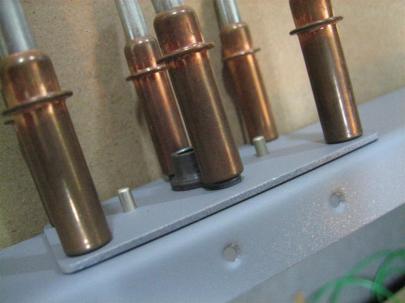
This is the spar and one of the spar reinforcements.

While I was moving everything around getting it ready for riveting, I broke my first tool. Now, it was about $0.50 from Harbor Freight, but I was still upset.
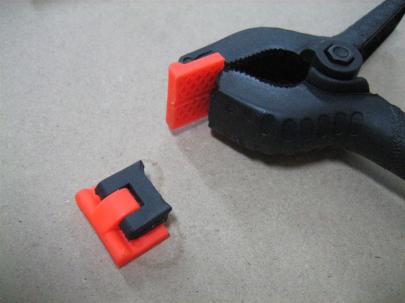
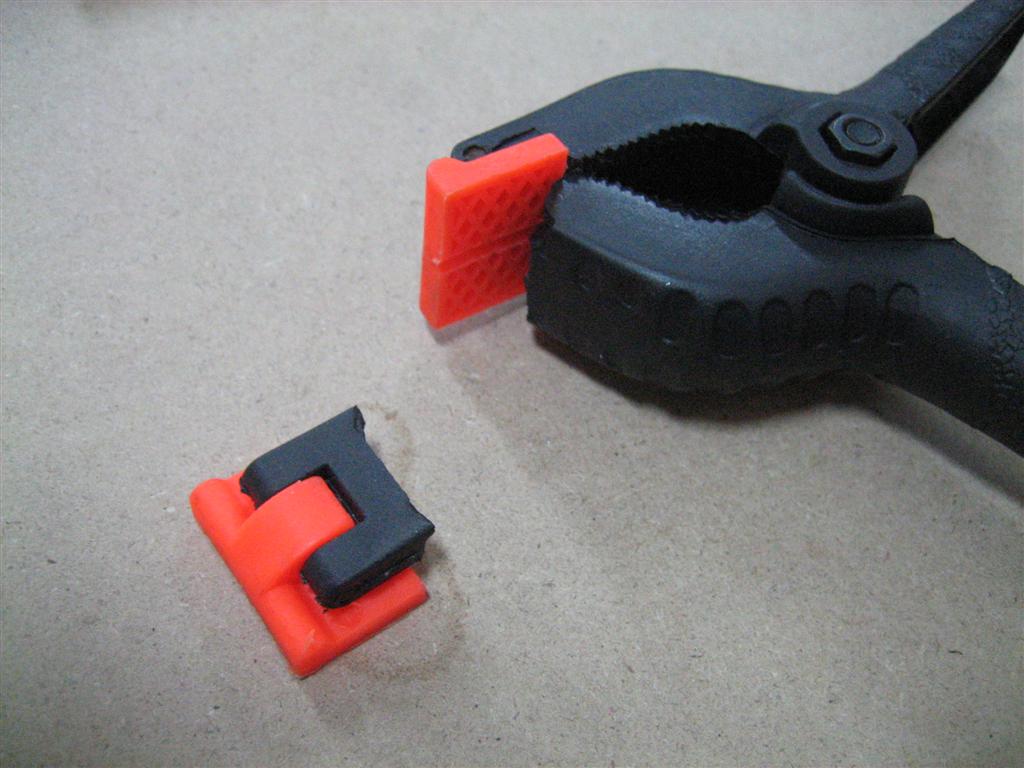
RIP cheap plastic clamp. (I'm lying. I actually gut the orange part off the other side and threw the clamp into a box somewhere. I'm sure it will come in handy at some point, even if it doesn't have the orange pads.)

Rivets were looking good, until the one to the right of the nutplate. Doh!
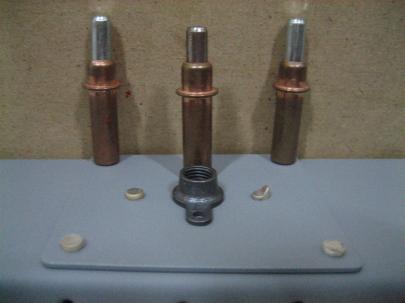
Which one of these is not like the other?

After a successful drill out (#2 of the day), I finished setting the rest of the spar reinforcements and snapped these two pictures.
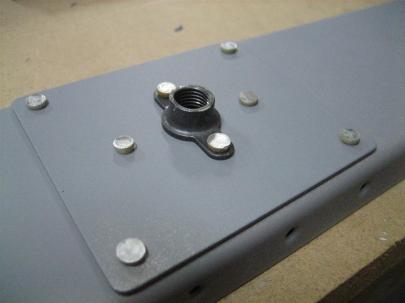
Middle spar reinforcement.
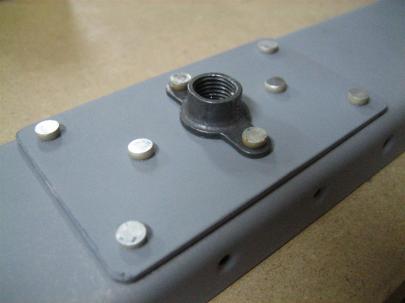
Upper spar reinforcement.

That’s 16 set so far.

Then I mocked up the R-405PD Rudder Horn, R-710 Horn Brace, R-917 Shim, R-902 Spar, and R-904 Bottom Rib. Some people need to use blind rivets in some of these holes, but I figured I could do it with all solid rivets.
This is what I need to end up with after riveting.

I figured out that if I take off the R-904 bottom rib, I can reach in from above (bottom right of the picture) and get the horn brace to rudder horn rivets here, then slide the forward flange of the bottom rib under the rudder horn and get those from the lightening hole. Here I am setting the horn brace to rudder horn rivets.
I think this is going to work out well.
Another shot from further away.

Here’s all four of those set (set nicely, if I may add).
Horn brace to rudder horn rivets.

20 rivets set so far. Then I moved on to the R-606PP Reinforcement plate to R-902 Spar to R-917 Shim to R-405PD Rudder horn rivets. These need to be AN470AD4-7 rivets, which are LONG. I did have to drill one of them out. That’s #3 for the day. Boo.
This is an AN470AD4-7 rivet after drilling out. This is a long rivet.

But, I managed to reset it okay and get the others in with no trouble.
R-606PP to R-902 to R-917 to R-405PD rivets.

23 set. I scratched the R-405PD horn a little, so I scotchbrited it out, and shot some primer in there.
Some primer to cover the scratch.

Next, I slid the flange of the bottom rib under the rudder horn and lined up the holes. Now I need to drop some rivets in here.
Ready for riveting.

First, I set the horn brace to bottom rib rivets.
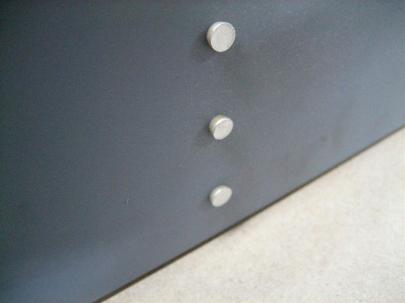
26 rivets set so far. These are looking good.

26 set. Finally, I set three more which are reinforcement plate to spar rivets.
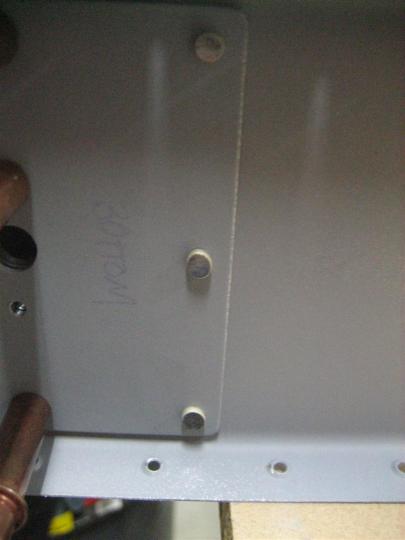
These are above the bottom rib, so they are only reinforcement plate to spar rivets. Easy.

I started to rivet the complicated stuff together and LOOK WHAT I DID!
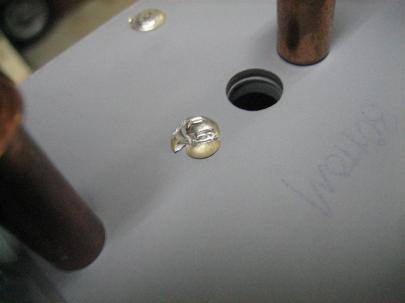
I think this is hilarious. Think I should drill it out?

This happened because I was bucking from above and shooting from below. The gun jumped around cause I was supporting it’s weight instead of letting gravity help me. That’s a no-no.

It was pretty easy to drill out (#4 for the day), here’s an inside shot; back to square one.
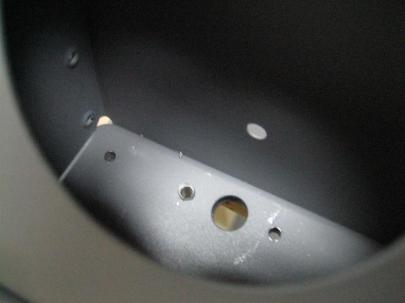
Ready to try again.

After setting the first two, a picture.
These look good.

And after much consternation (including using my double offset set as a bucking bar), I got the two outside rivets bucked.

Finally done with riveting for the day.

30 rivets set, 4 drilled out. Lastly, I matchrdrilled the E-614-020 to R-912 rib. This was a piece of pie.
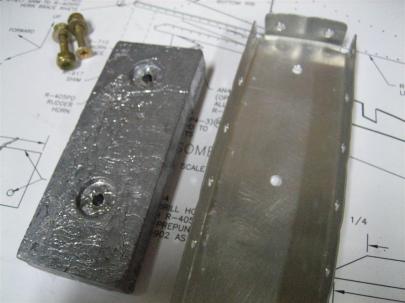
Rudder counterbalance matchrilled to the counterbalance rib. Also, there's the hardware that will be used to fasten these two together.

4.5 hours today. Not bad for a Saturday afternoon.

Prev | Next
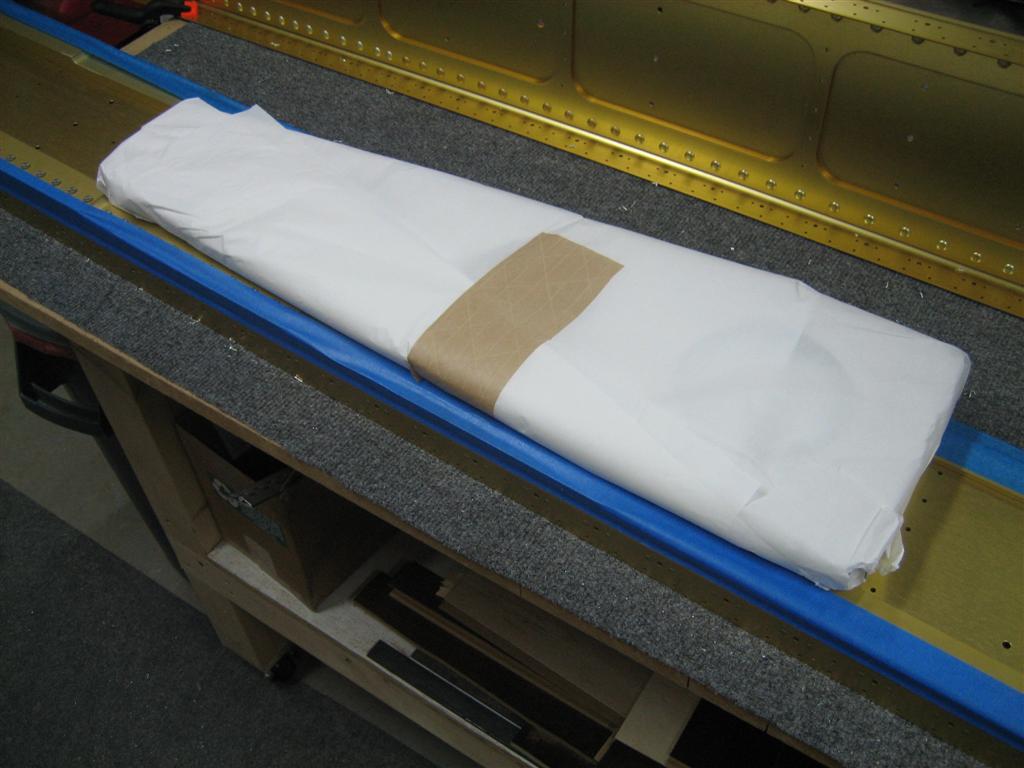

More Small Rudder Parts Priming and Devinyling

March 15, 2010

Prev | Next

First thing after today’s realization that I had forgotten to dimple before priming, I rushed home and grabbed the tank dies to prime the #40 holes.

Let's get ready to dimple...

No problem to dimple after priming. (There was a little bit of twist after dimpling, but no big deal, the rivets will hold this thing together.)

Slight twisting after dimpling.

The only way you can tell I dimpled after priming is that the dreaded dimple circle is visible, because the outer edge of the dies mars, (maybe polishes?) the primer a little. You can see it in the pictures.

Dimpling after priming worked fine. See the circle marks?

Here’s the other side.

Looks good to me.

After I finished both, here they are on the table. Crisis averted. (Not really, I would have just re-primed them.)

These will do.

Then, inside to grill some dinner, then back out to do more edge finishing, cleaning, and priming. I grabbed R-606PP and R-607PP  (lower and middle spar reinforcements) along with R-617 (shim) and finished the edges with the scotchbrite wheel.  Once complete. I took them inside, cleaned them with dawn detergent, and brought them back out to dry and prime. Here’s a priming shot.

From left to right: R-606PP, R-607PP, and R-617.

Next, I looked around and grabbed the R-912 counterbalance rib and did some edge finishing and dimpling. Here’s a dimpling shot.

Dimples!

Same deal with with the R-903 tip rib and the R-710 horn brace. Here’s the horn brace.

More dimples.

After the primer dried on the three pieces I primed tonight, I put them back on the table and examined my progress. Still a long way to go.

A shot of the "table of small rudder parts."

Enough work outside for the night. I grabbed the soldering gun, my wooden straightedge, and the R-913 counterbalance skin and headed inside to devinyl.

Pretty, but maybe overkill.

I decided to leave some of the vinyl on here to save on primer on the inside and protect the finish on the outside. I think the amount of primer weight I am going to save by masking with the vinyl is minuscule compared to the parts I will inevitably need to re-prime. But, if I pulled off all the vinyl, and primed the entire interior surface, I would always know I was carrying around more primer than I needed to be. (It’s all about figuring out what you can sleep with at night.) While I am sure I will add more than plenty of unnecessary weight in other areas (all of the nutplates I am going to add), not doing this would make me feel lazy.

R-913 Counterbalance skin interior.

Next, I grabbed the R-901-R (right rudder skin)0 and pulled it inside to devinyl. Notice on the left that I made the cuts on the trailing edge (rudder is upside down in this picture) but haven’t pulled off the vinyl? I am going to leave the vinyl on while I prime the rest of the bare metal areas, then remove the trailing edge vinyl. This area doesn’t need to be primed, as it will get scuffed up with a scotchbrite before using Pro-seal to glue the two skin trailing edges and trailing edge wedge together.

Look at me, I've thought ahead!

Another shot of the right rudder skin, this time right-side-up. (Also, my fancy-pants wooden straight edge and a glass of 7 Deadly Zins Zinfandel.)

Next, I flipped that bad boy over and did the exterior. Here’s a shot before I’ve pulled some of the vinyl off.

I probably should have pulled more of the vinyl off of the leading edge, but it was just two more lines, and now I have a little protection on the leading edge while I am rolling and assembling.

Repeat for the left skin, and then I took both back outside and stored the left skin on the top shelf of my second toolbench.

I'm embarrassed that I don't have a one-piece shelf for the top shelf of my workbench. Don't judge me.

And a finished shot of the right skin, back out on the workbench.

I like these devinyled pieces. Can't explain it, but I like them.

I was using the clock in the kitchen to mark my progress, and decided I was going to stop at 9:30pm to head to bead…except (yeah, you know where this is going)…I forgot to reset that clock after the time change. It was actually 10:30pm and I had put in 2.5 hours. Great for airplane progress, bad for my sleep debt. I’m not going to put in any time tomorrow, need to catch up on sleep. See you in a couple days.

Prev | Next


Vertical Stabilizer 99 Percent Complete

February 15, 2010

Prev | Next

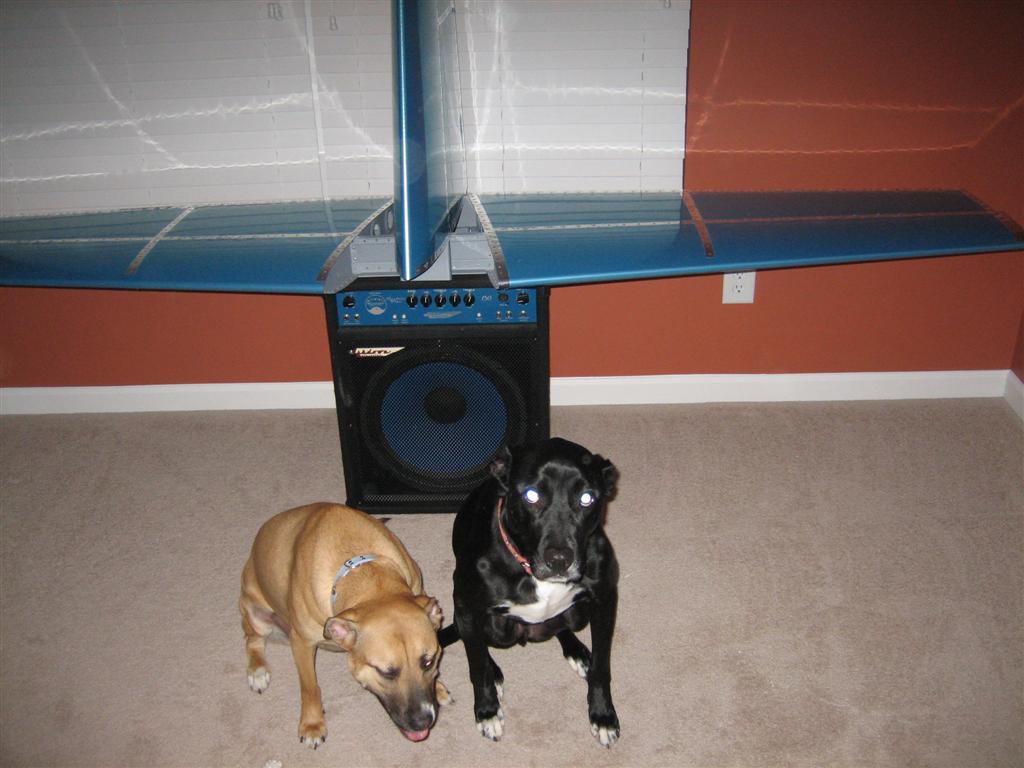
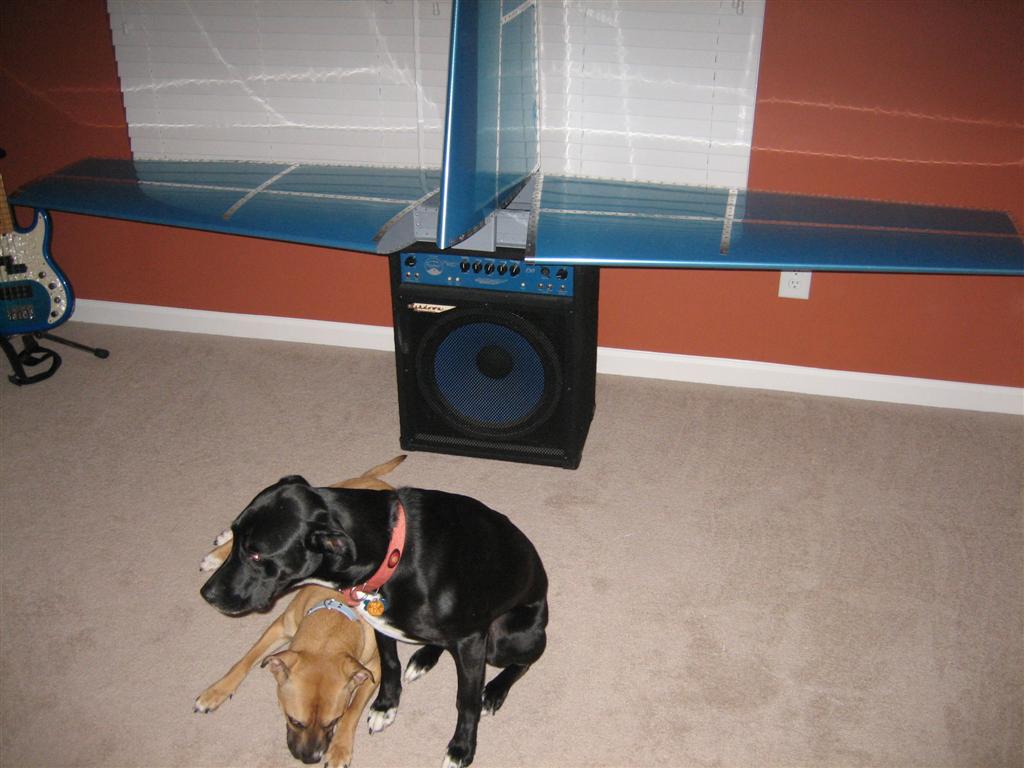
Jack and Ginger were a little neglected this weekend while the girlfriend and I painted the master bedroom. I’m sorry, guys.

Anyway, tonight was all about them, so in the middle of playing, napping by the fire, and running in circles around the house, I managed to calm them down enough to help with the airplane a little.

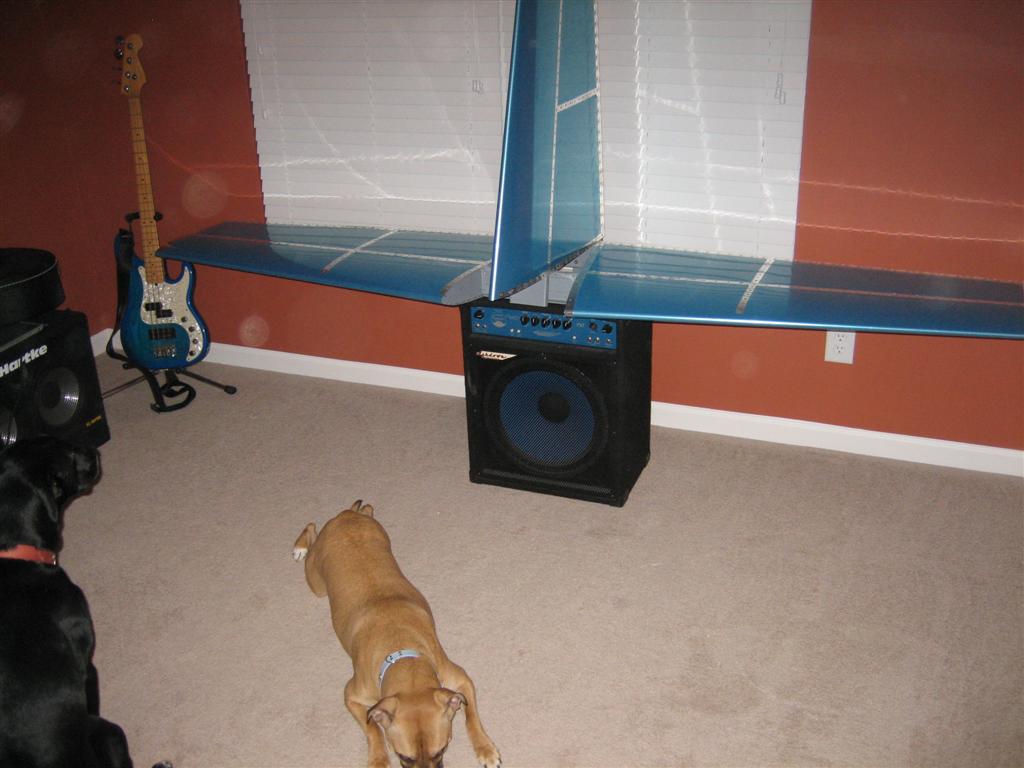
With the few minutes I had, I managed to set the 22 rivets that were hard to reach with the squeezer last Friday night. A few of them, especially near the elevator hinge brackets, were still hard, but I managed to get them all set, even if it was after drilling a few out. I also set the three AN470AD4-6 rivets that hold the rear spar to the root rib and also install the three LP4-3 rivets that hold the rear spar to the middle rib.  Here are the dogs, once I got the vertical up into the ski equipment room, umm, I mean airplane parts storage room, umm, I mean burnt orange room.
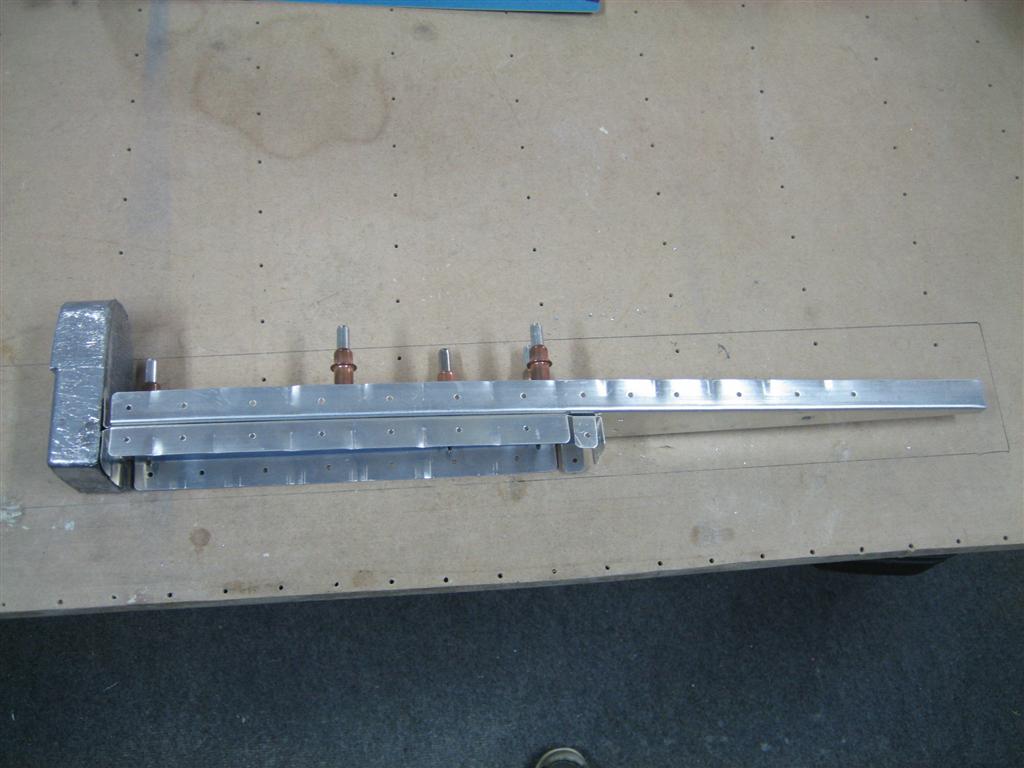
The dogs flew again. This time with directional stability!
They aren’t really happy about being in the orange room in general (it is off limits, so they are very good about not crossing the threshold), but especially not when they have to pose in the airplane. I know for a fact, though, that they will love flying in it when it’s done.

Jack's not very happy about posing. He's ready to go.Jack's slightly less uncomfortable the further he is away from the "shiny blue thing that makes loud noises." Seriously, I heard him describe it that way.

Ginger’s okay, though. Especially when there is a bone on which she could be chewing.


Jack's slightly less uncomfortable the further he is away from the "shiny blue thing that makes loud noises." Seriously, I heard him describe it that way.

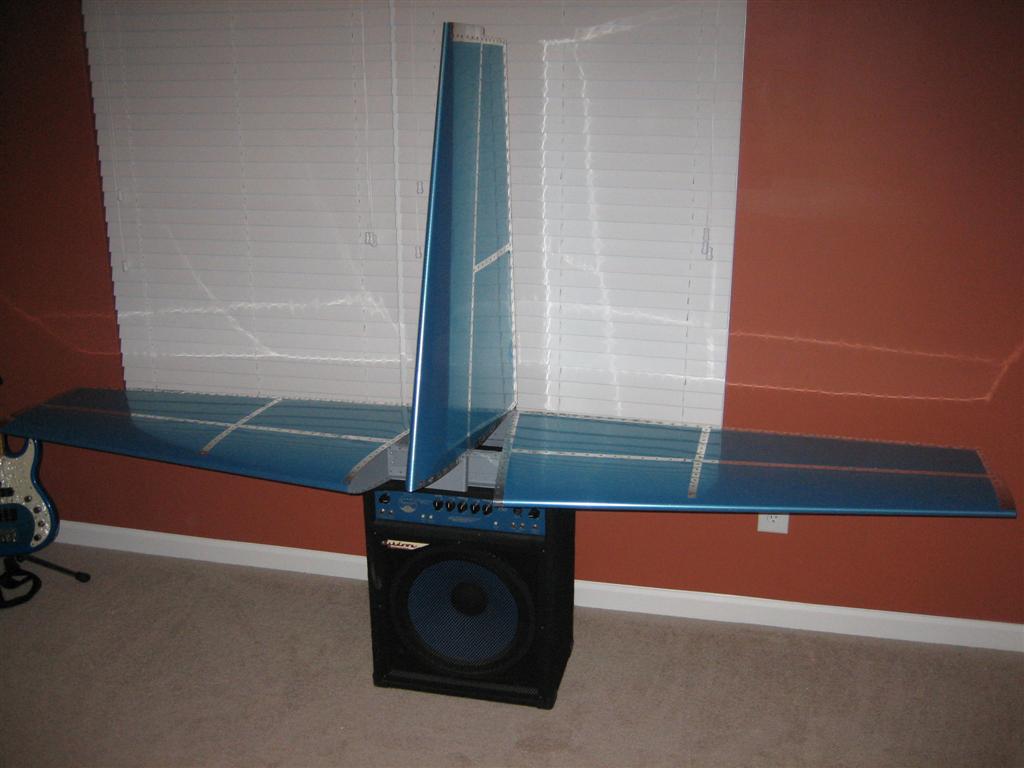
Finally, one without the dogs.

Tada!!!

All in all, a good night. 1 hour, 28 rivets set, 5 drilled out.

There are still a few more things I would like to do to the vertical, like drill out a couple of rivets and reset them, and clean up some of the skin edges, but for the most part, it can sit inside while I press on. I can’t believe it took me 16.5 hours for the vertical versus 44.5 for the horizontal. I think I would recommend to other newbies to start on the vertical. It seemed to be a lot easier, but I don’t know if that was because I had done everything once already on the horizontal, or because it really was easier. Whatever you do, don’t take my advice, though. You’ll die if you do.

Prev | Next