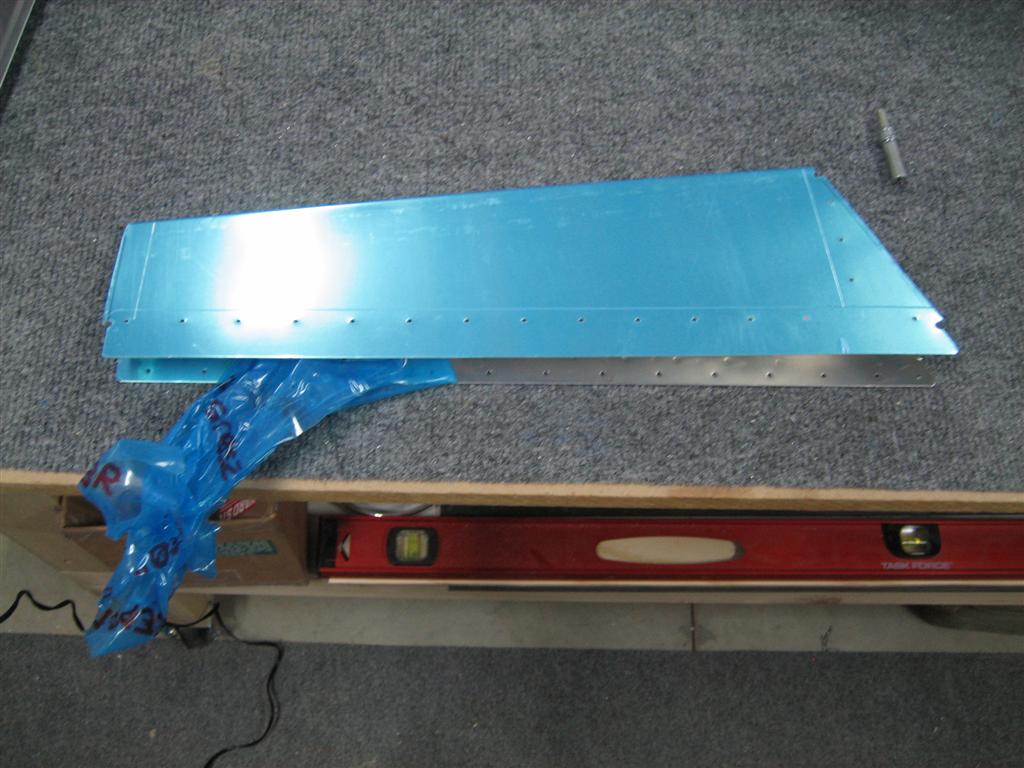
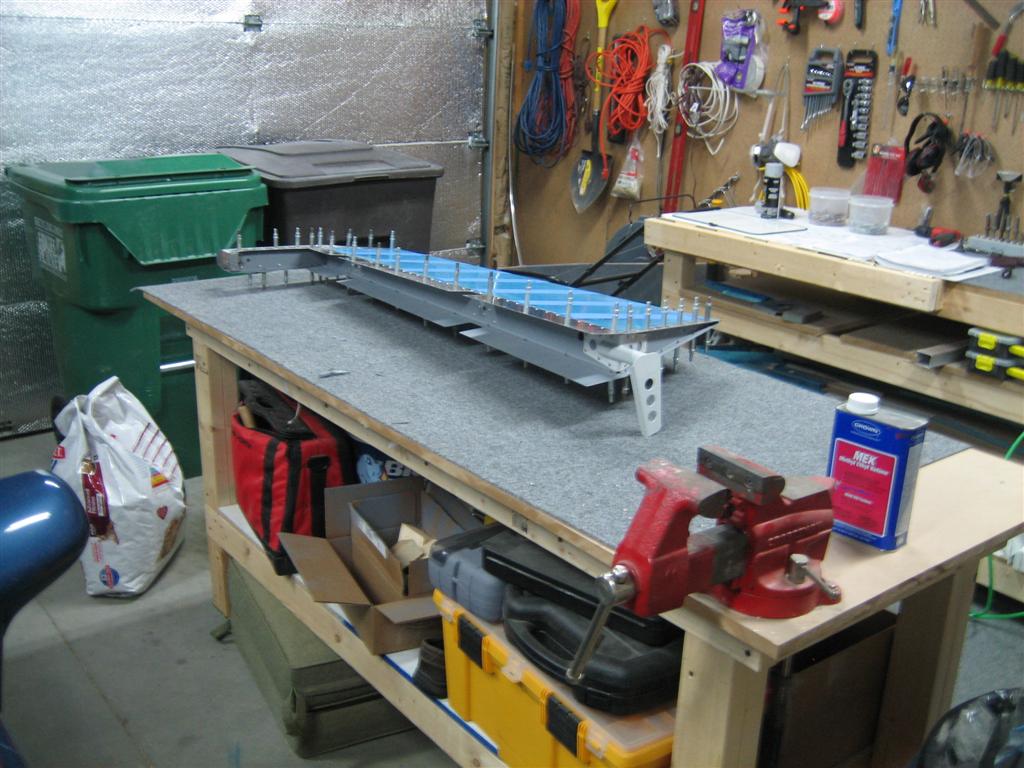
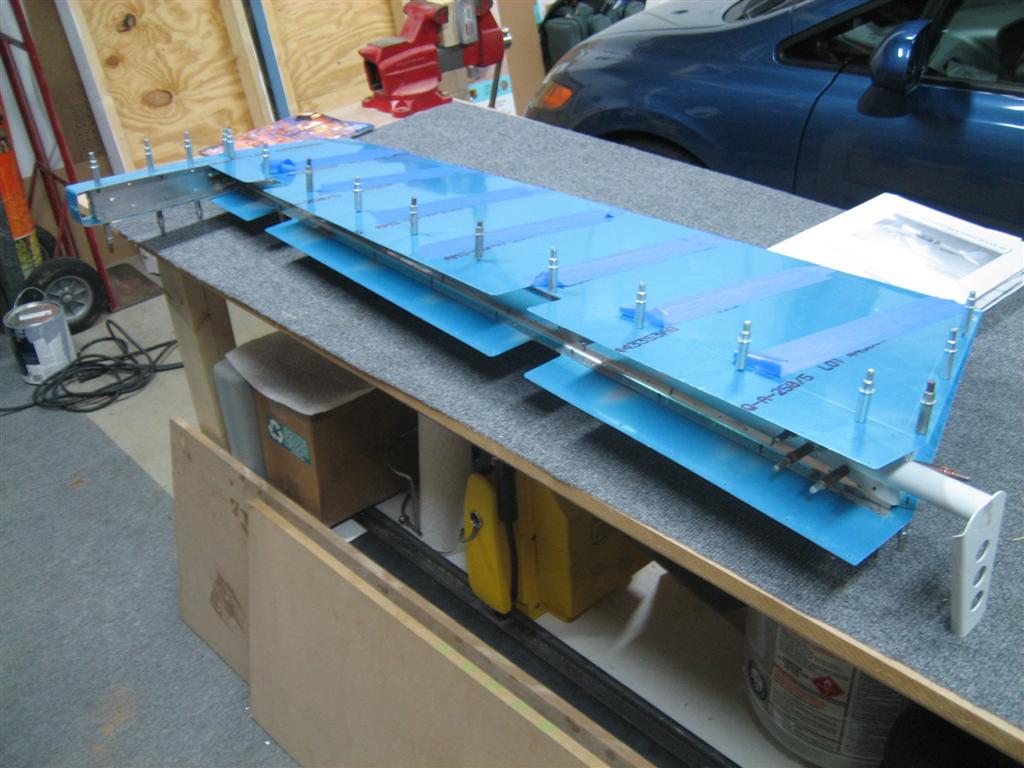
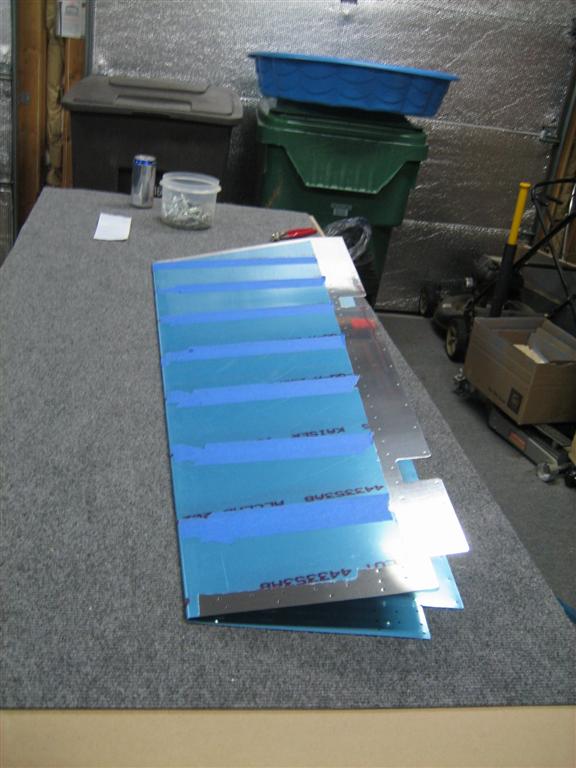
Prepped and Primed Left Elevator Skin

July 11, 2010

Prev | Next

Well, after an exiting morning with the South Carolina Breakfast Club, I was fraught with motivation. (I don’t know if I am using “fraught” correctly…)

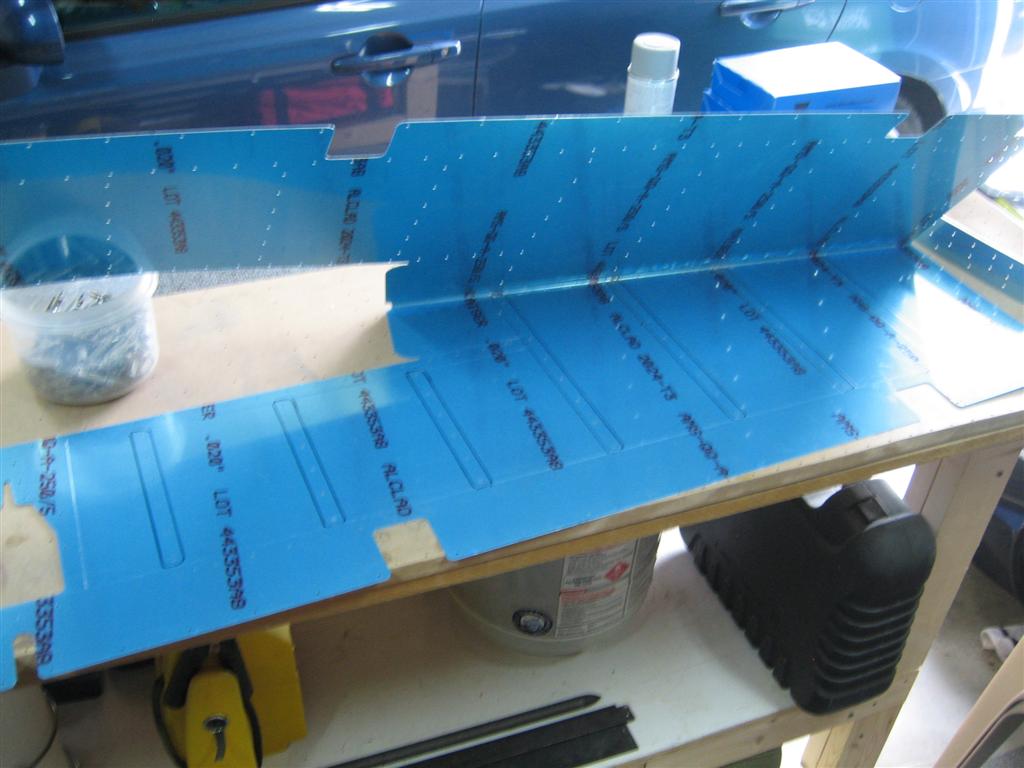
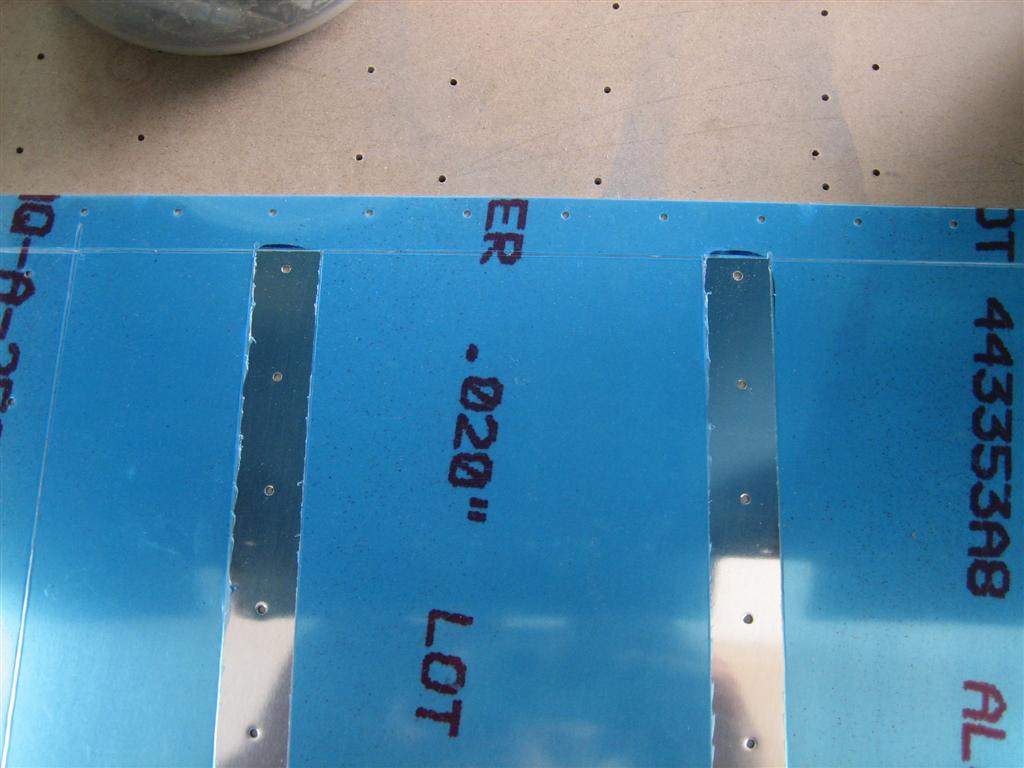
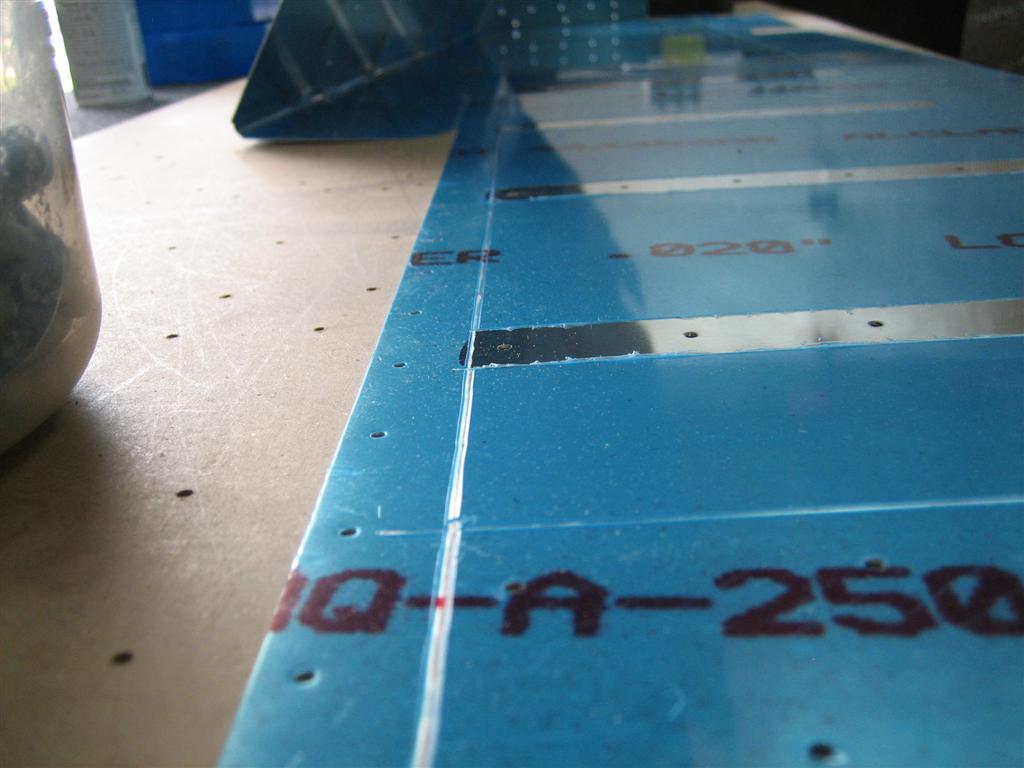
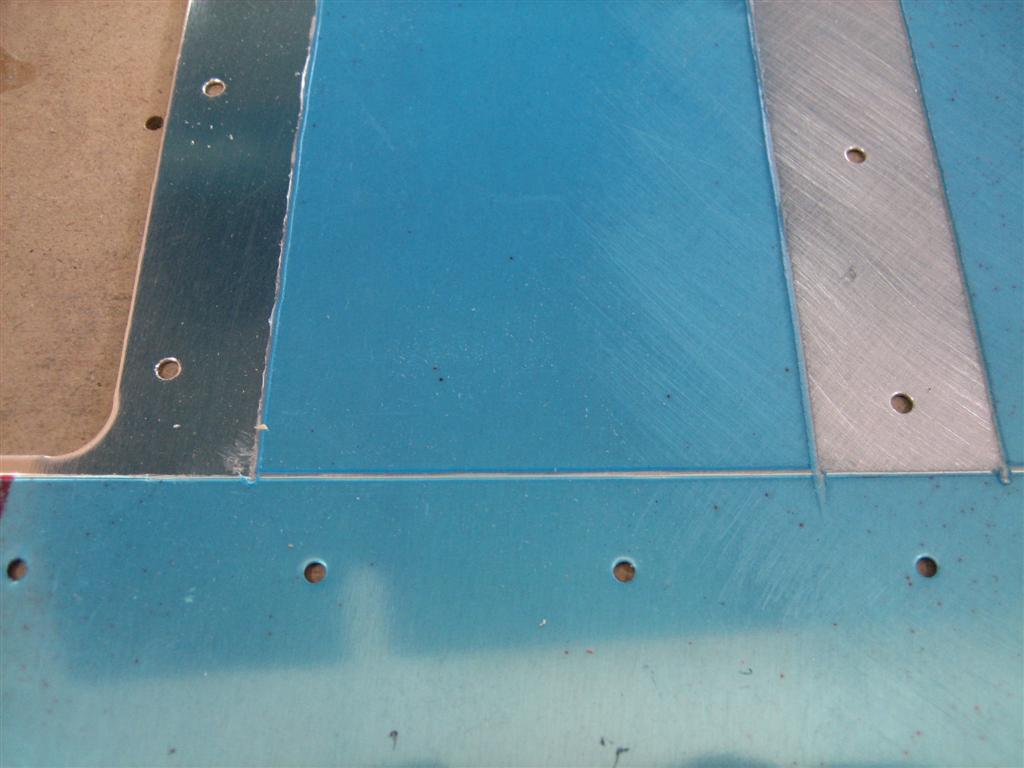
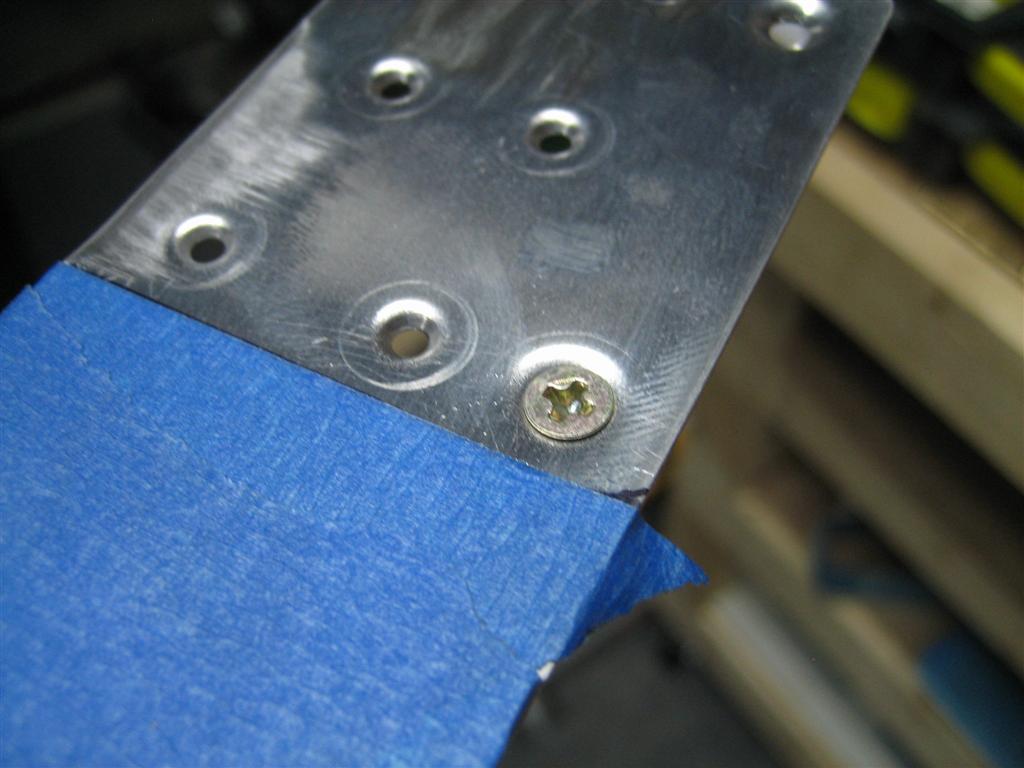
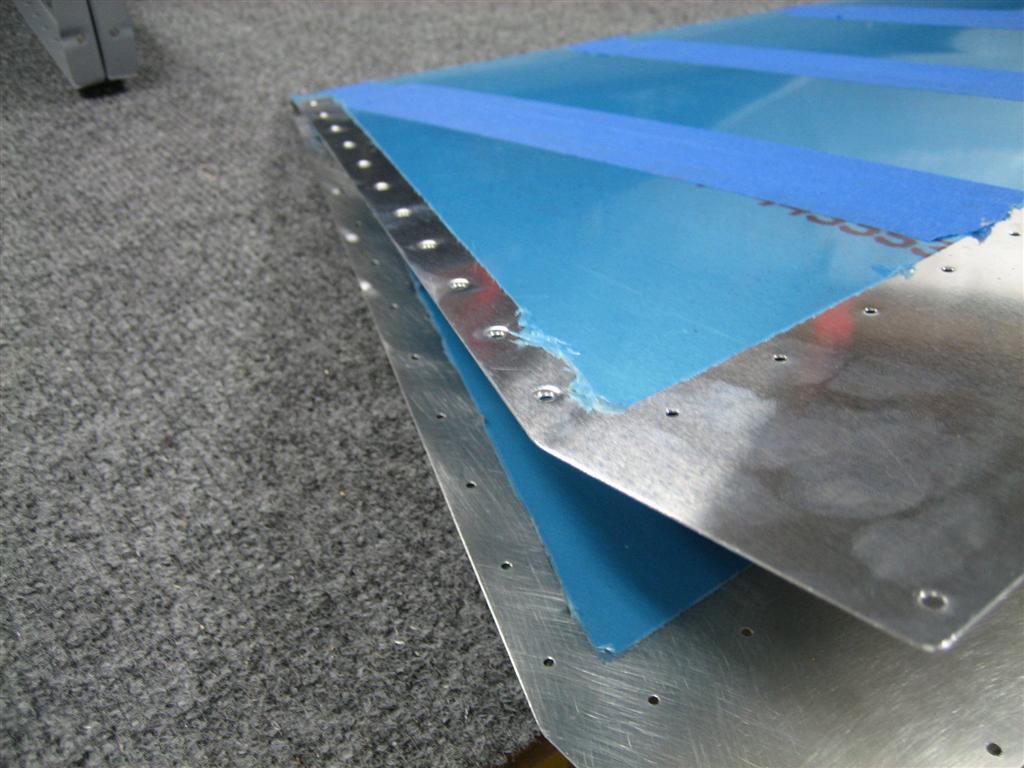
Next thing on my long laundry list of things to do on the left elevator is to prep the skin for riveting to the skeleton. First thing, I got out the soldering iron and pulled off some more of the blue vinyl. While I was at it, I pulled off the blue painter’s tape I had been using to protect the back-riveted stiffener rivet lines.

All that shiny aluminum really makes me happy.

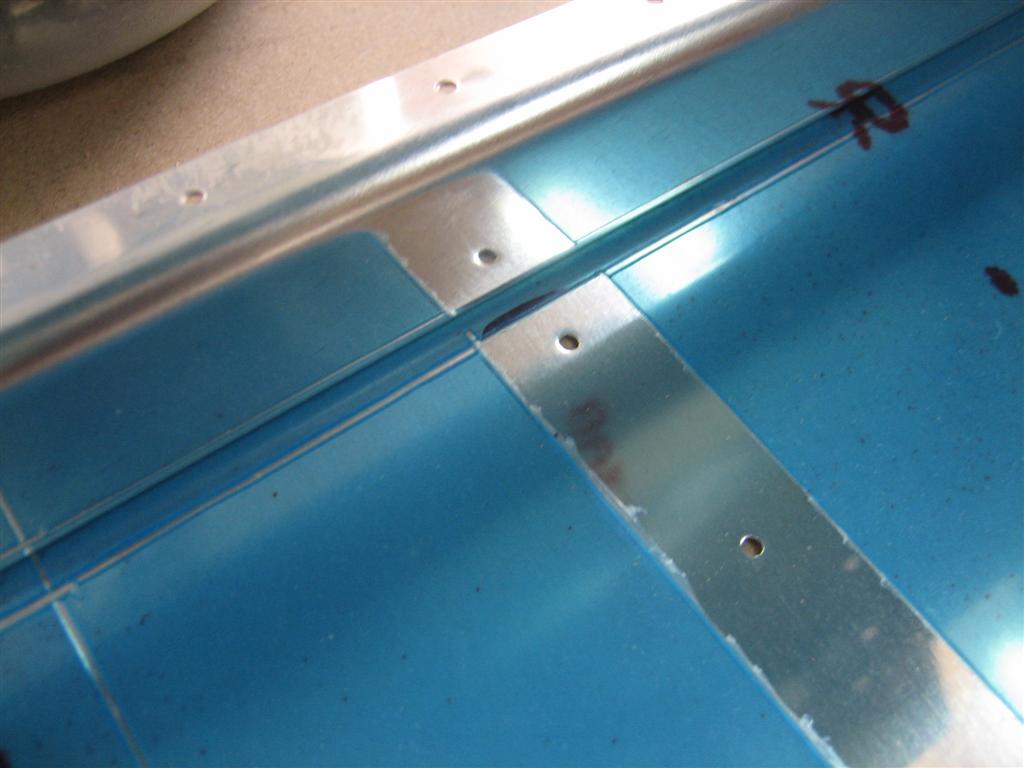
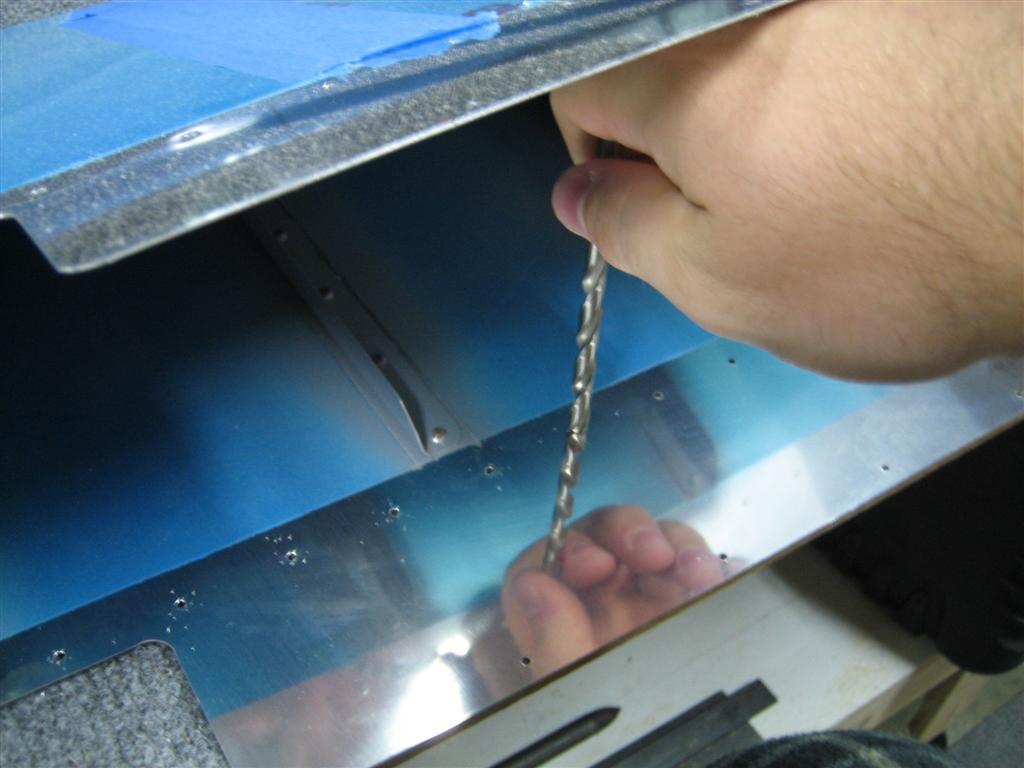
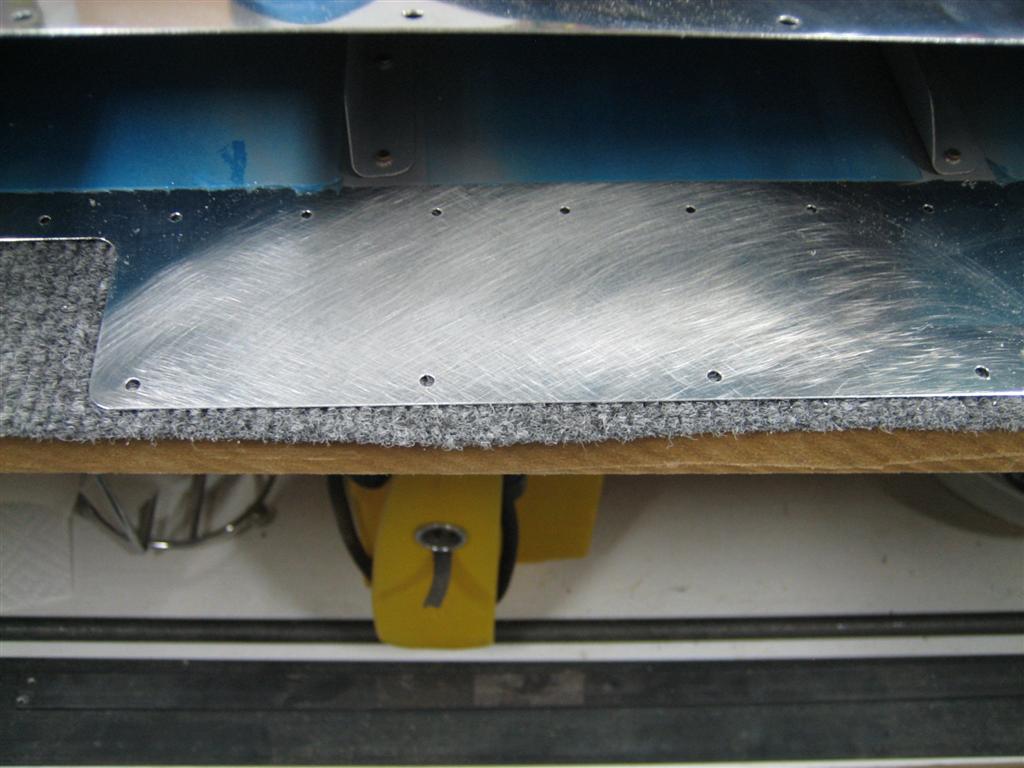
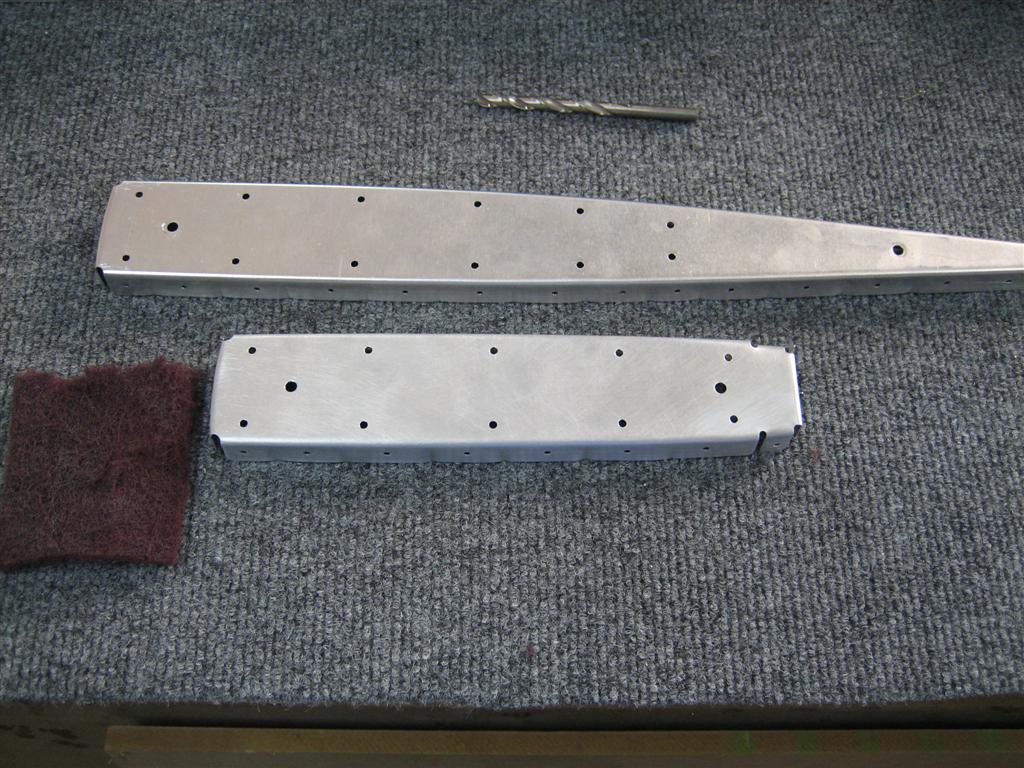
Then, on to deburring. I deburred both exterior sides of the skins, and then moved on to deburring the interior of the skins. I follow very closely with my maroon scotchbrite pad to help me remember where I have deburred (you can easily tell the difference between a deburred hole and one that has yet to be deburred…I am more using the scotchbrite pad as an excuse to give my fingers a rest…it is hard spinning that drill bit over and over and over).

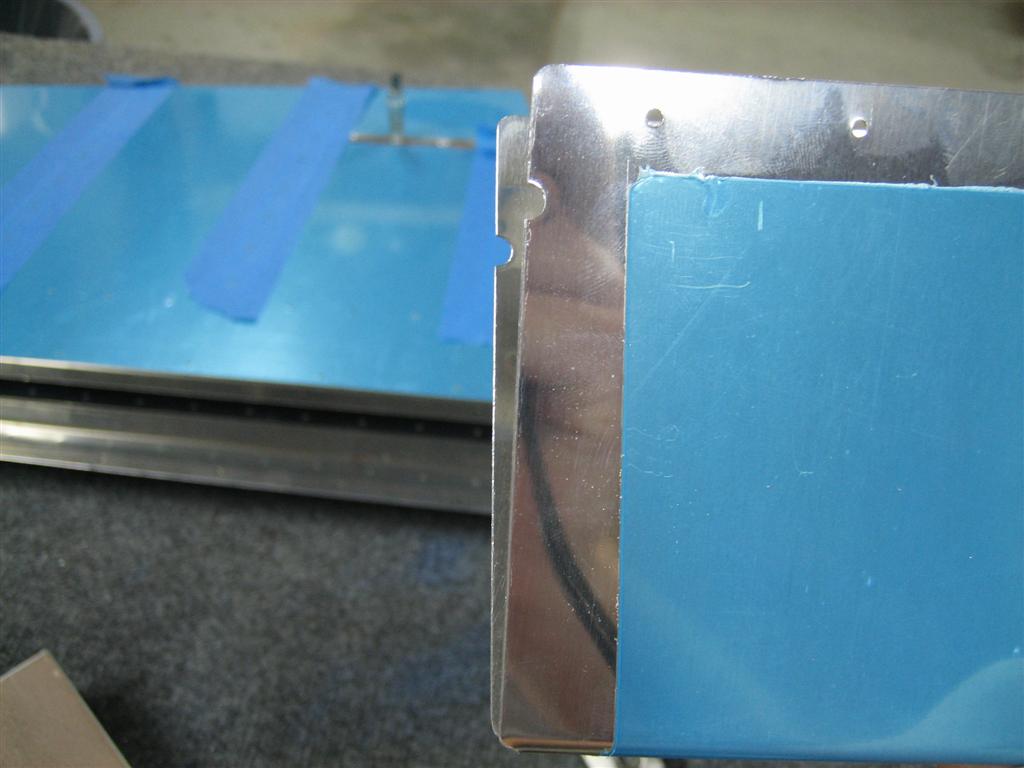
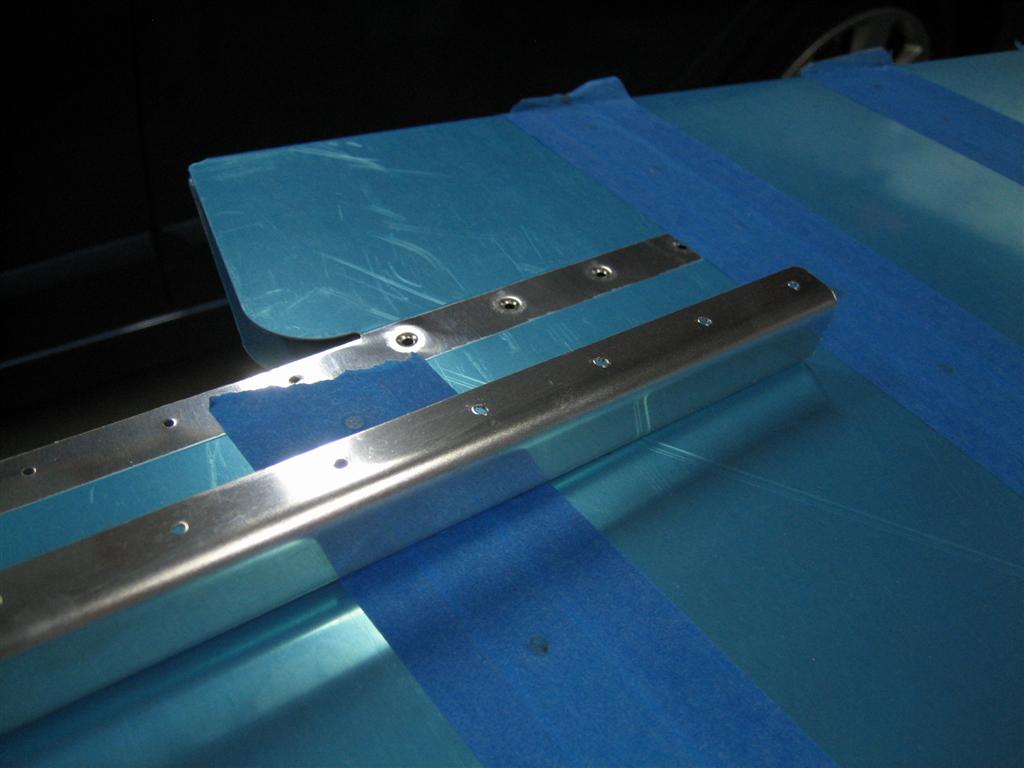
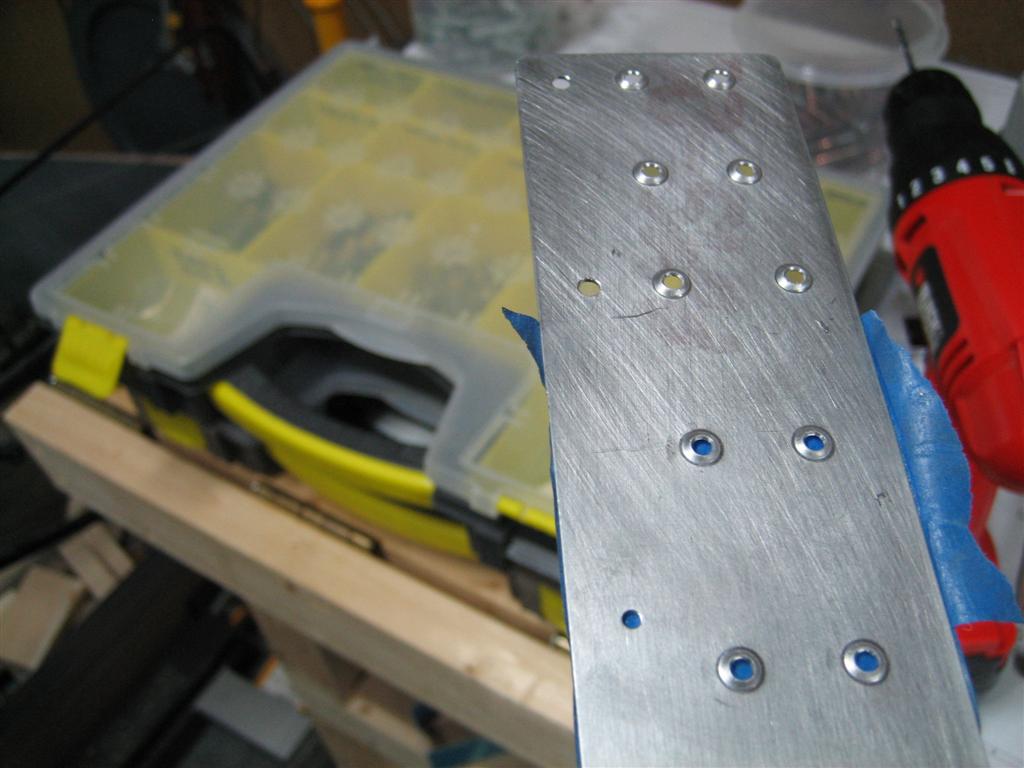
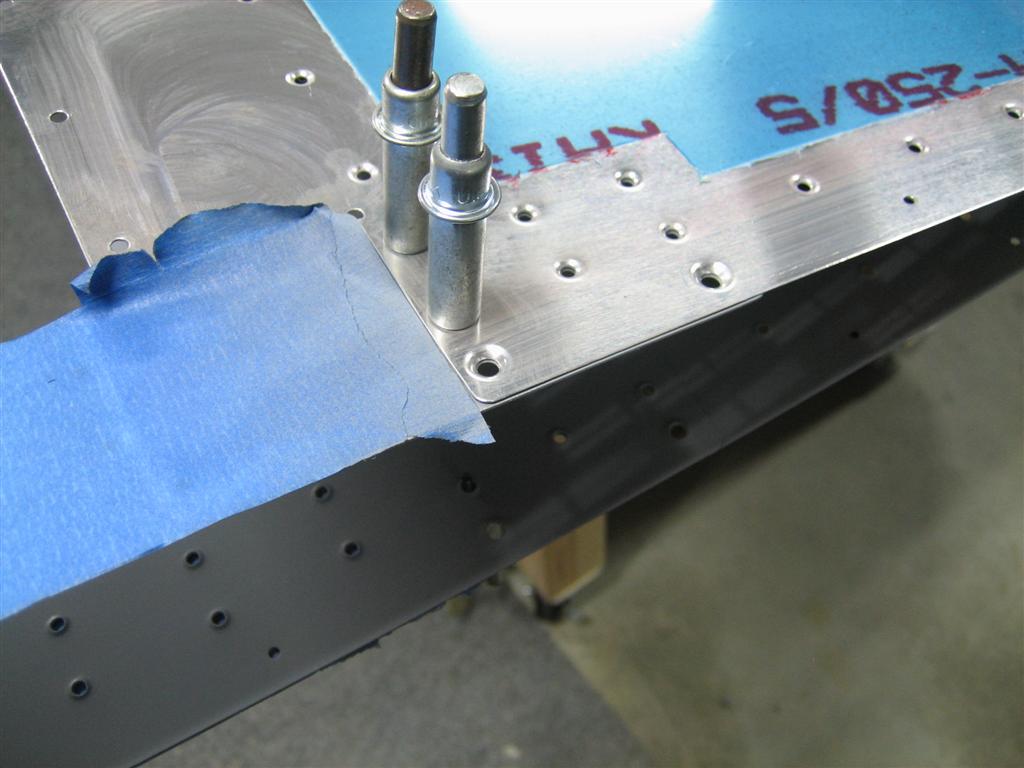
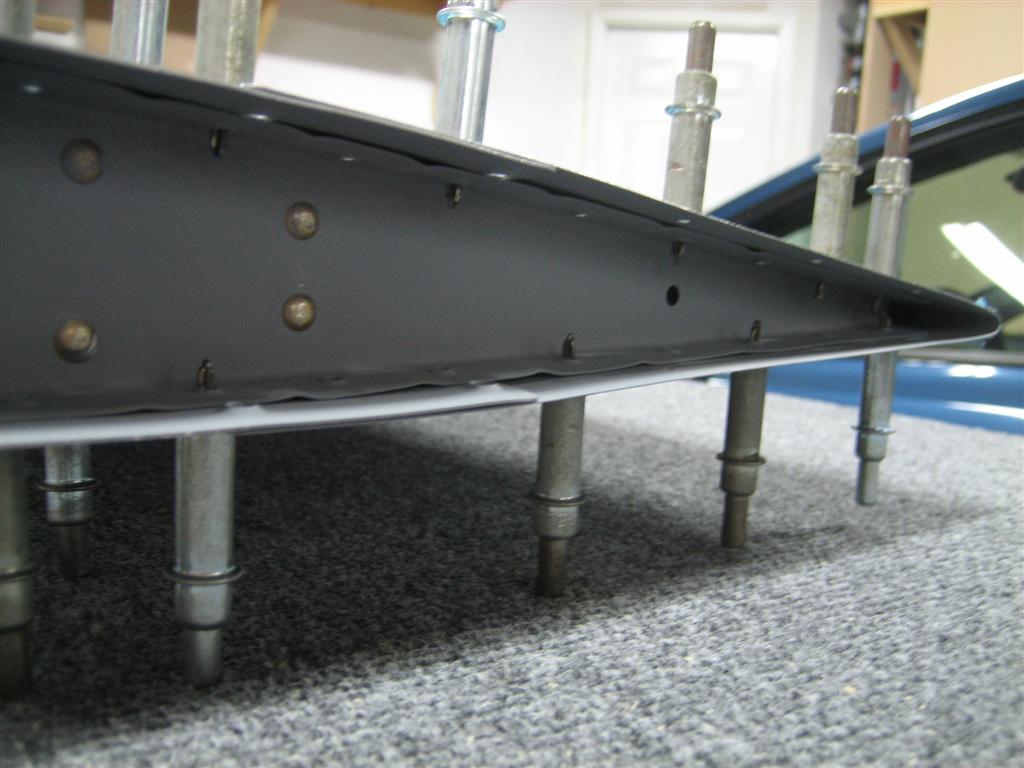
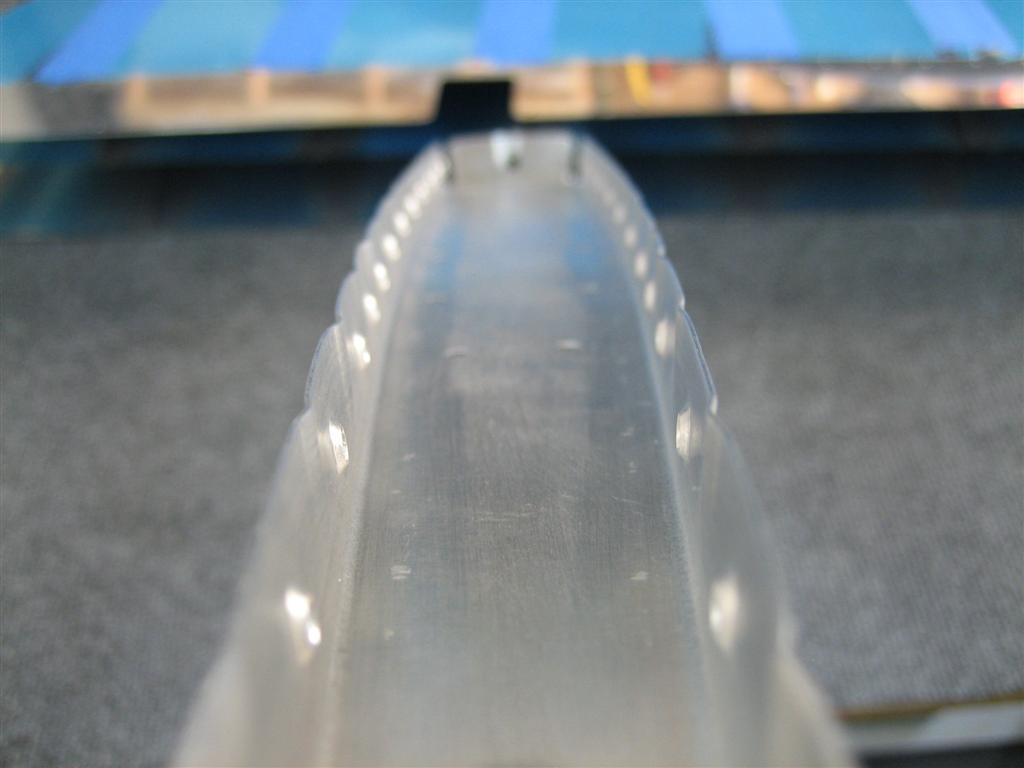
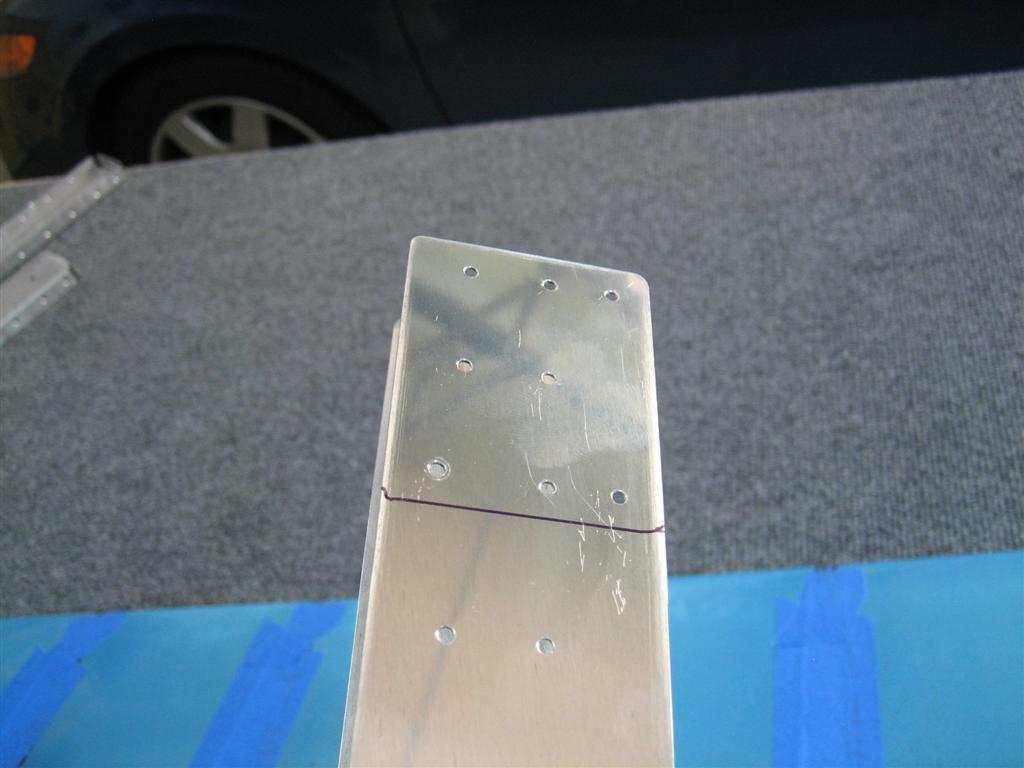
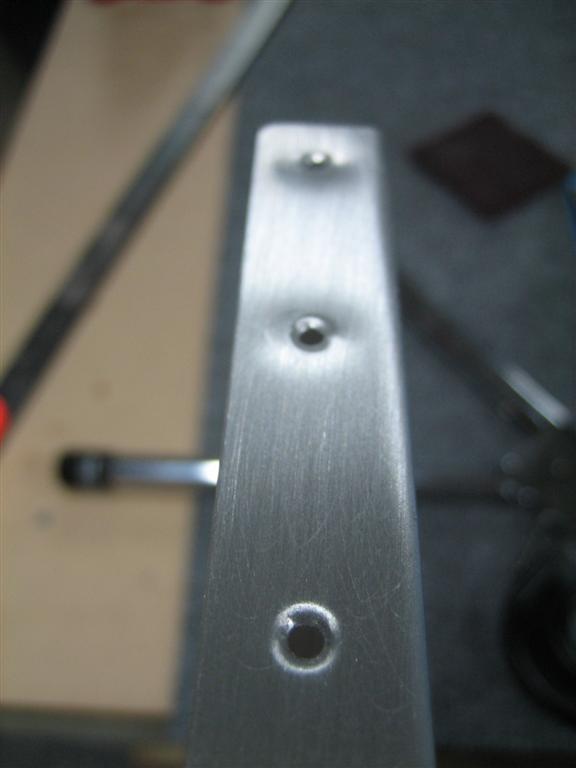
The background holes are #40 (3/32") and the foreground holes are #30 (1/8"). I drilled these holes to #30 now because I don't want to wait until after the skin bending (at which point I won't be able to deburr them). Also, having the holes to final size will help with the annoying pop rivets that go in them.

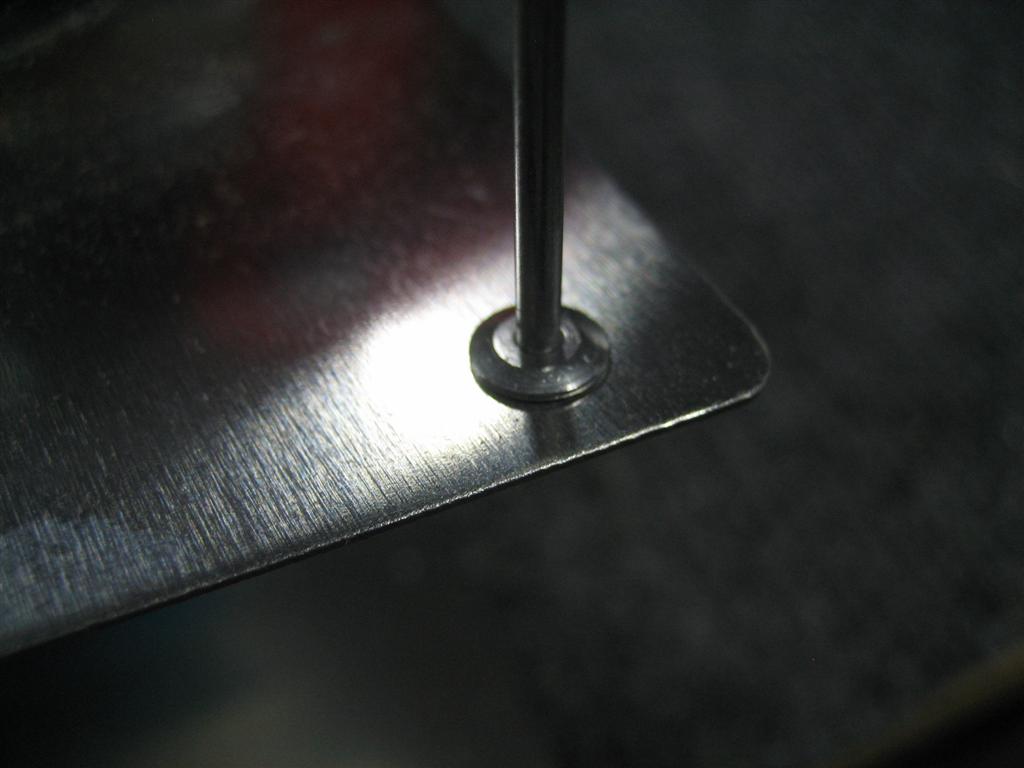
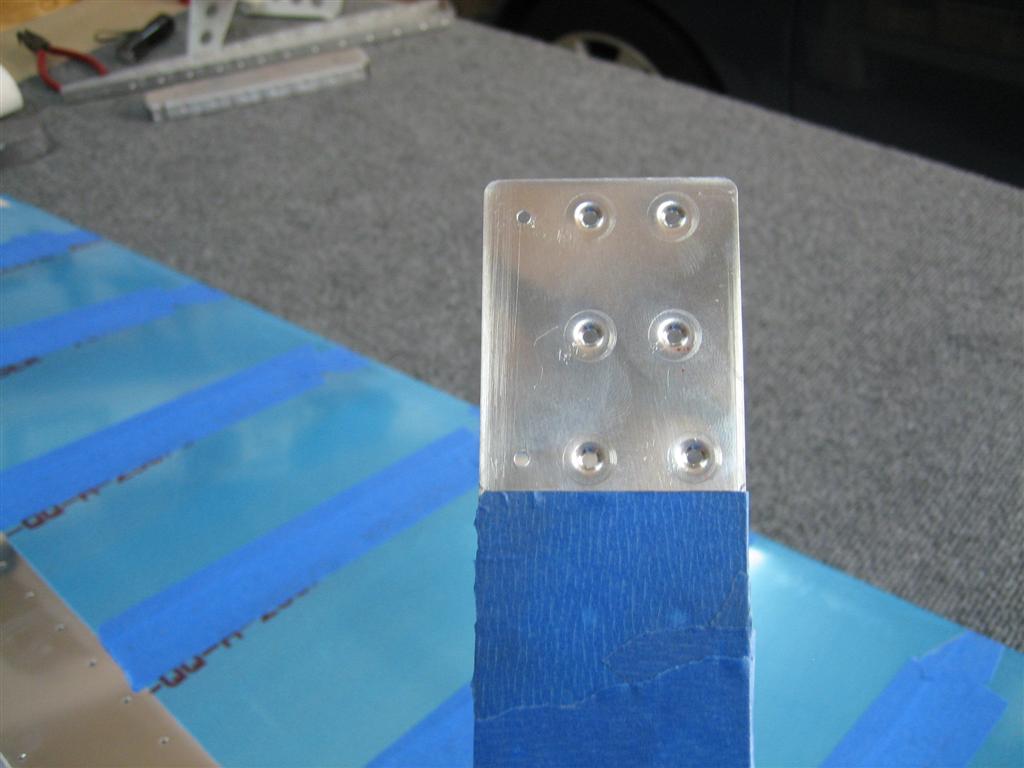
Next up, dimpling the skin-to-skeleton holes. I scuff the interior of the skins before dimpling, because it is easier to scuff without dimples getting in the way.
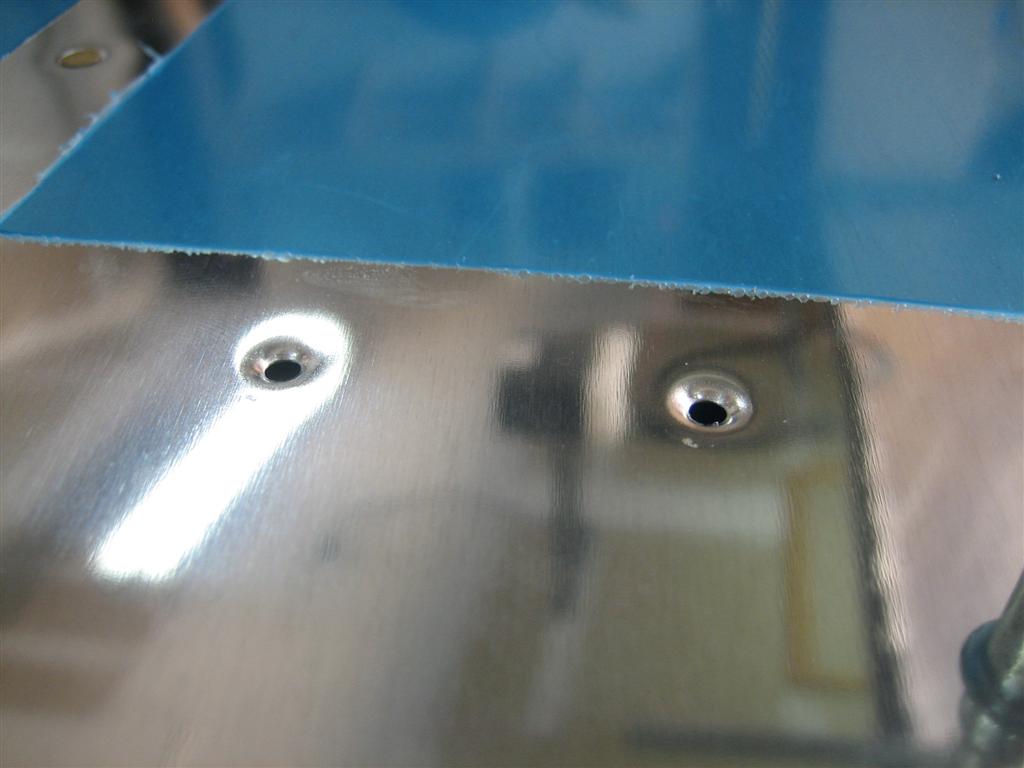
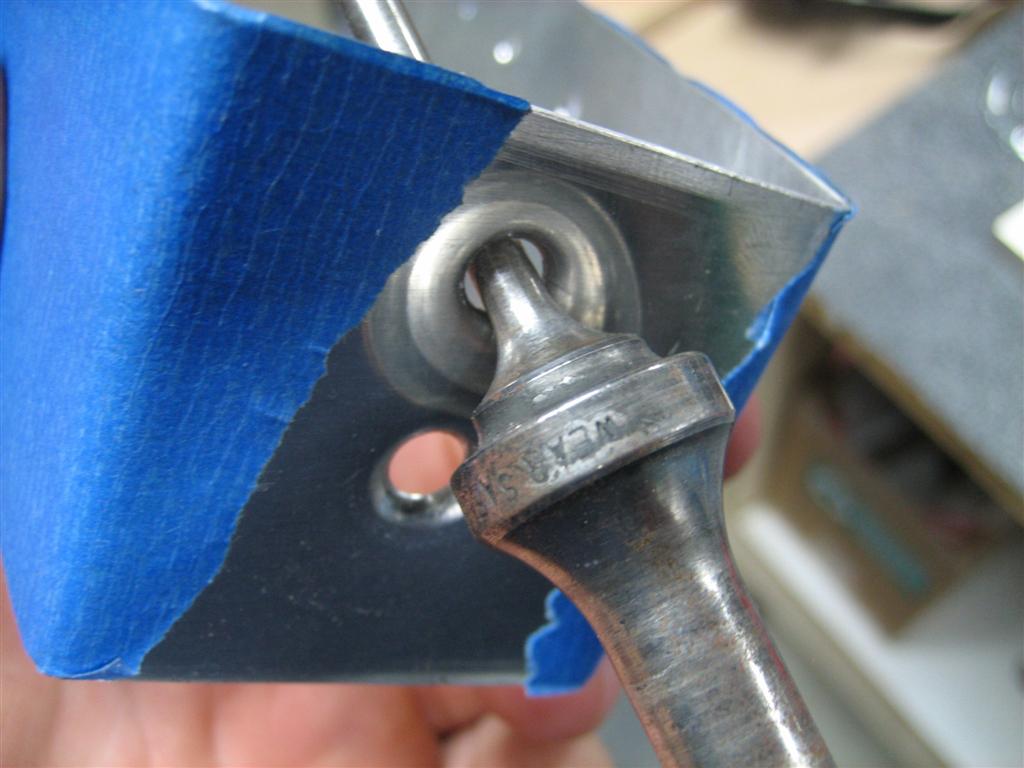
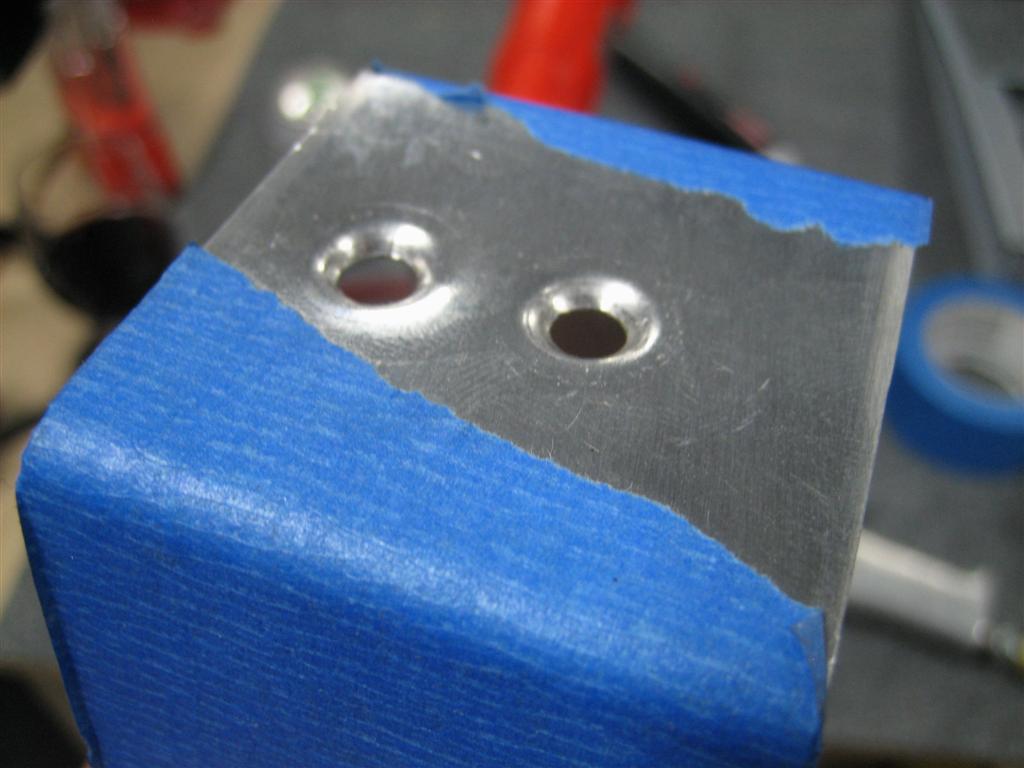
I use my masking tape trick on the male dimple die, and I get ZERO circles around the dimples. So nice.

All holes dimpled.

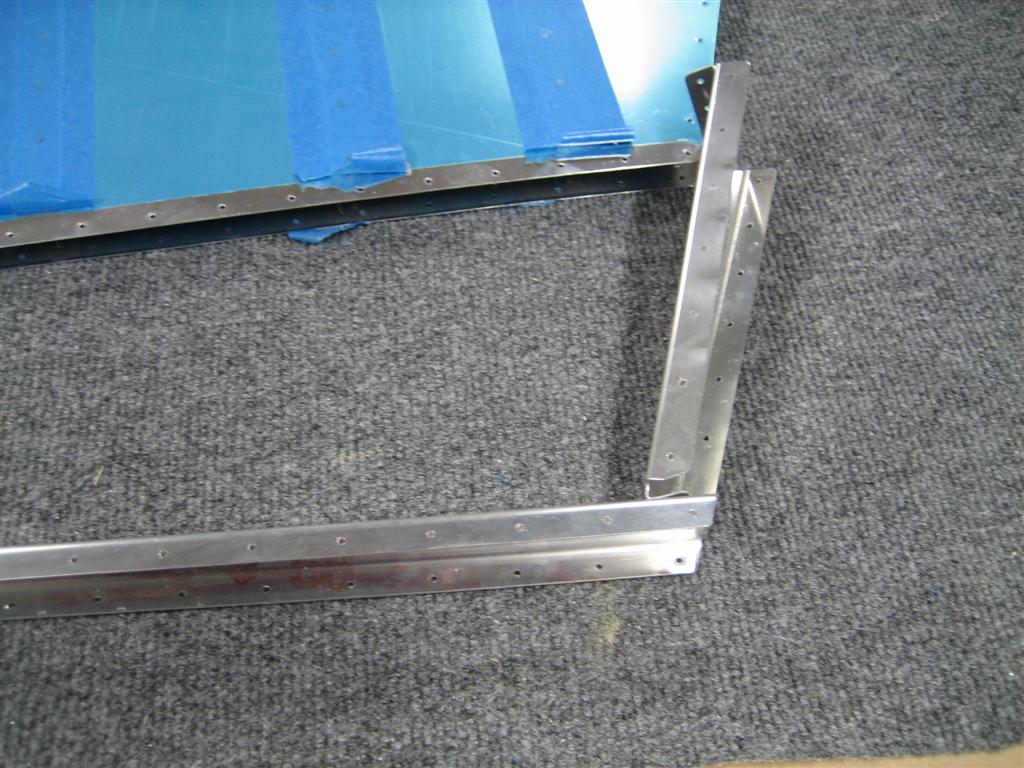
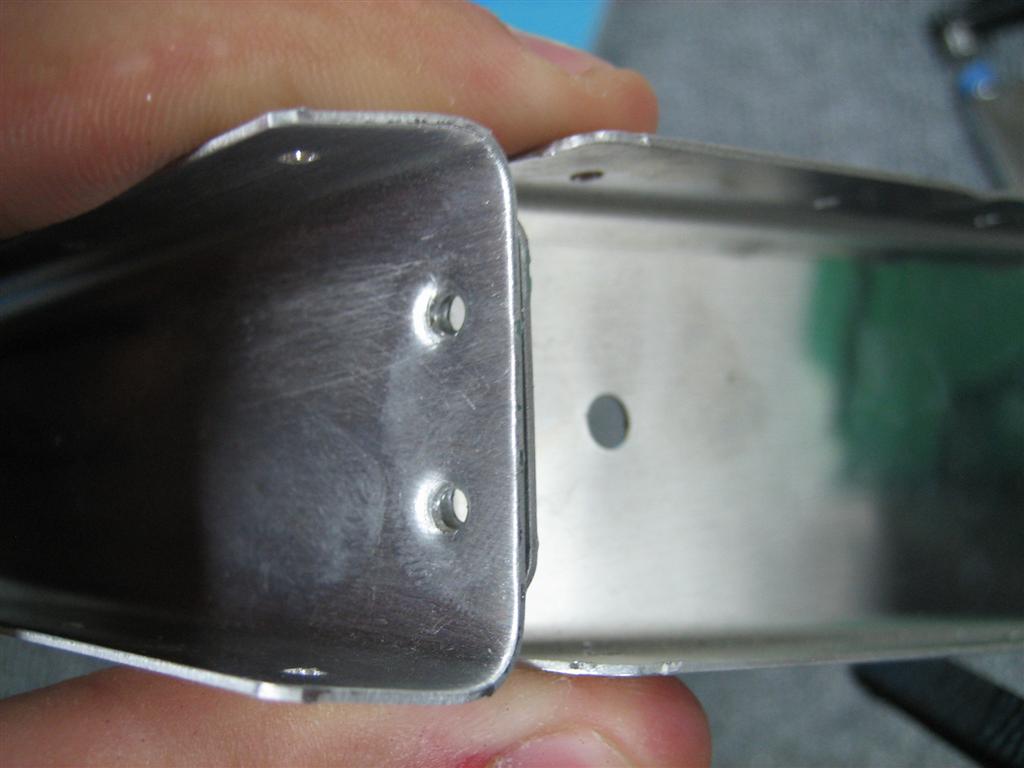
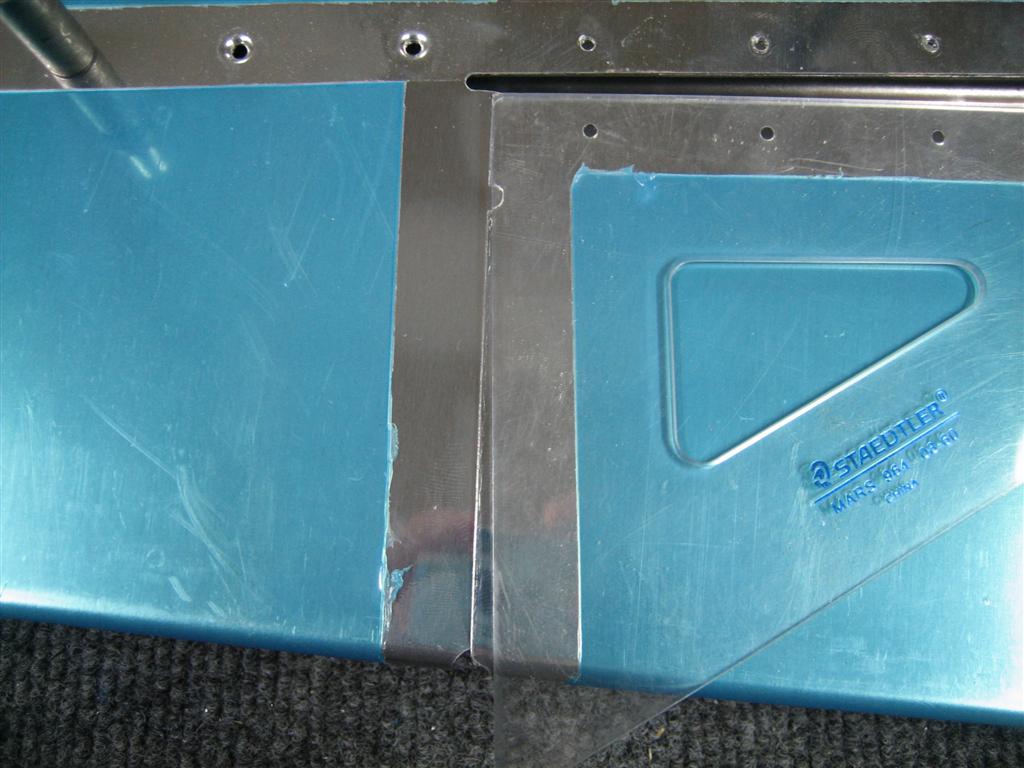
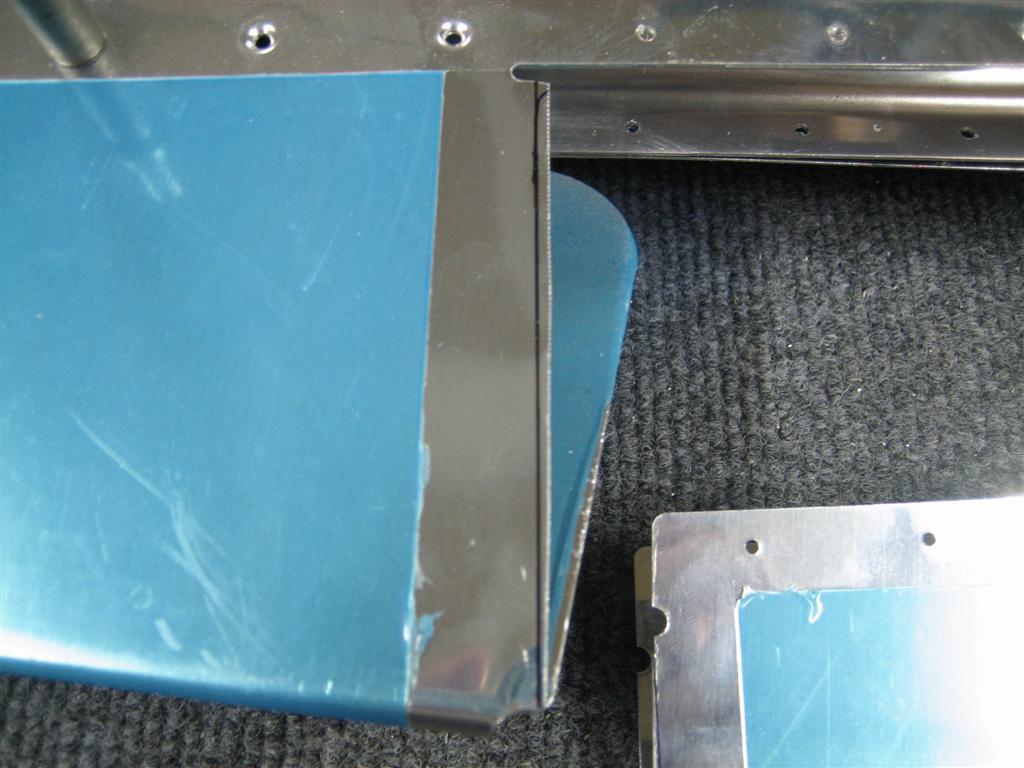
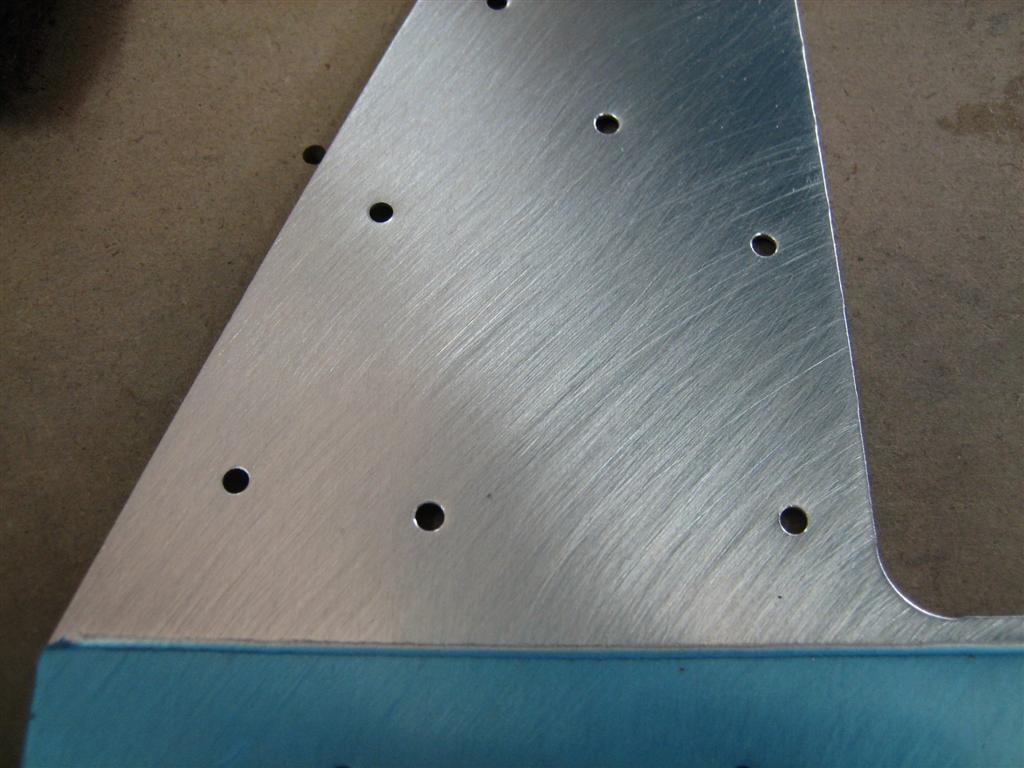
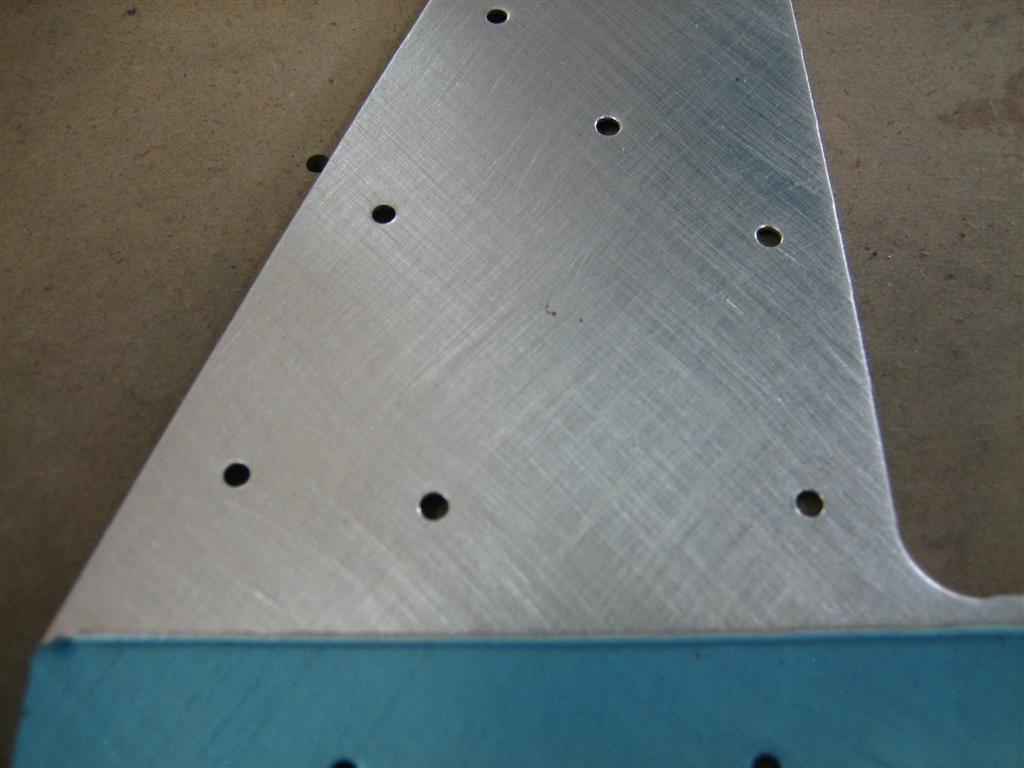
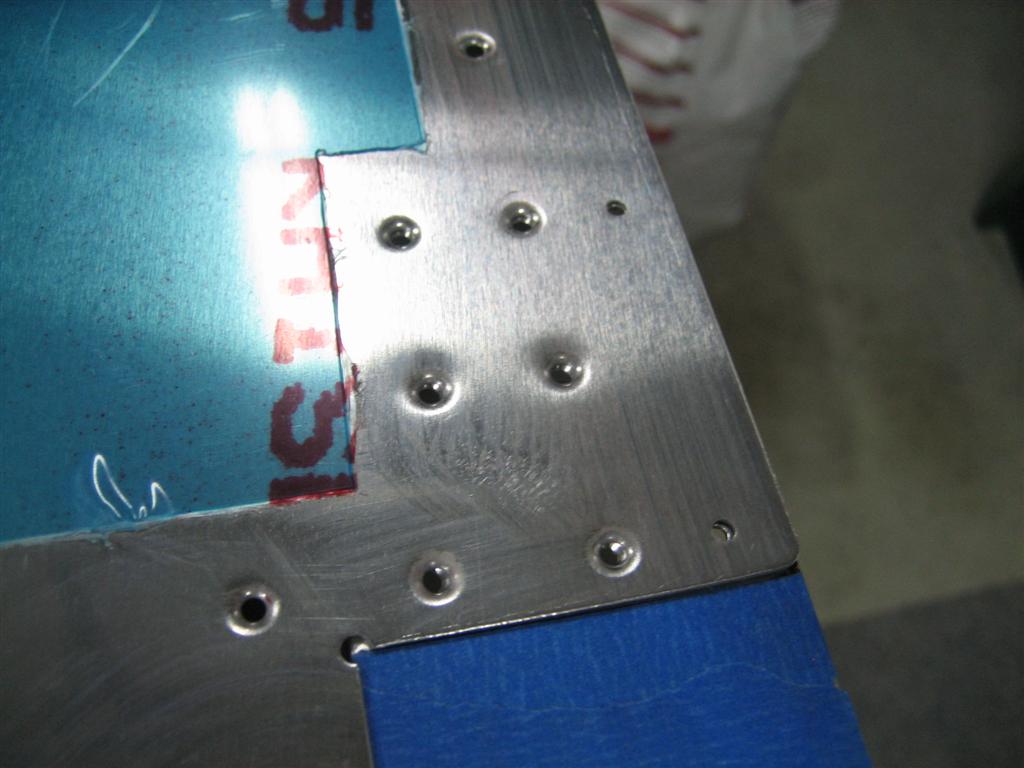
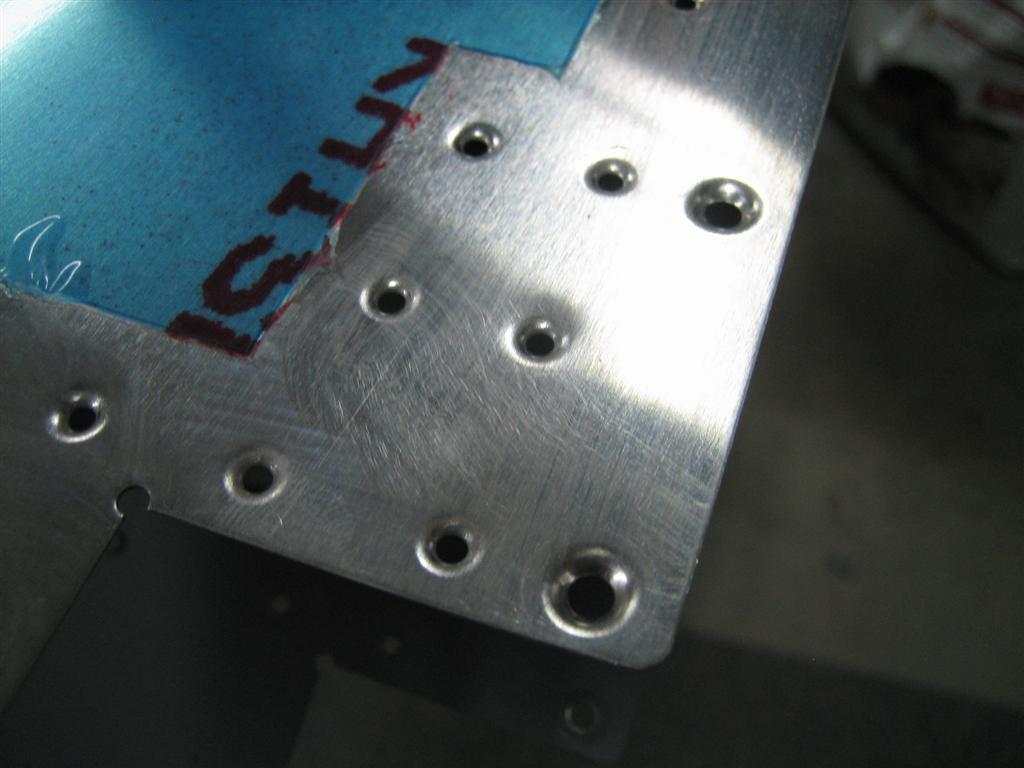
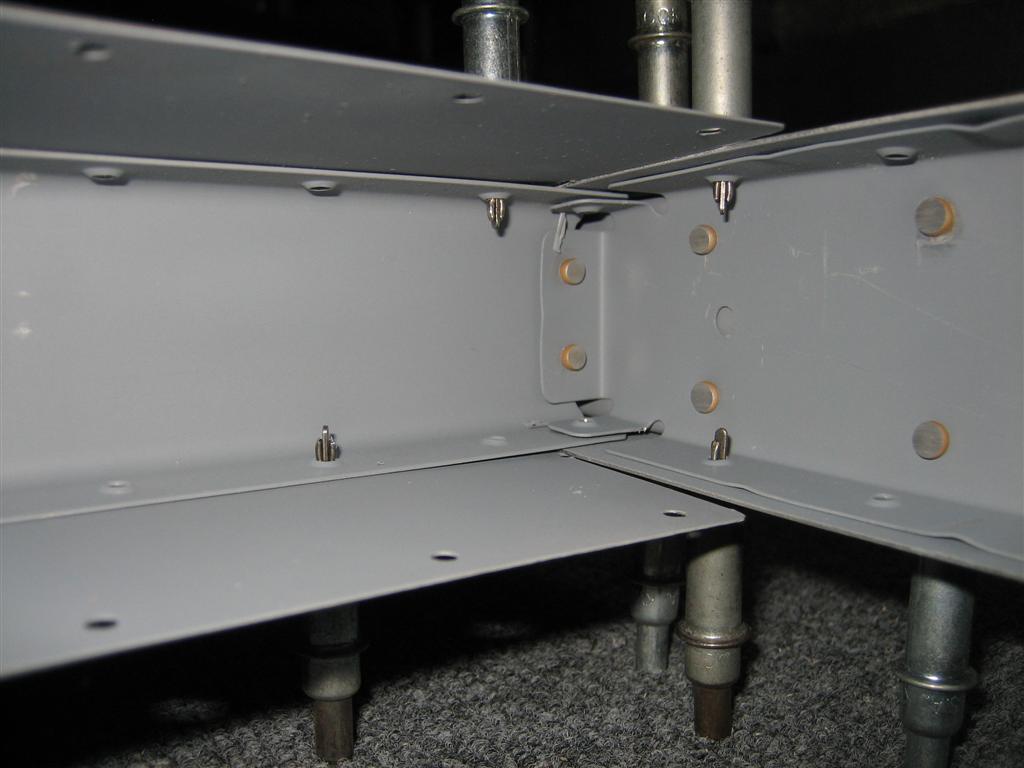
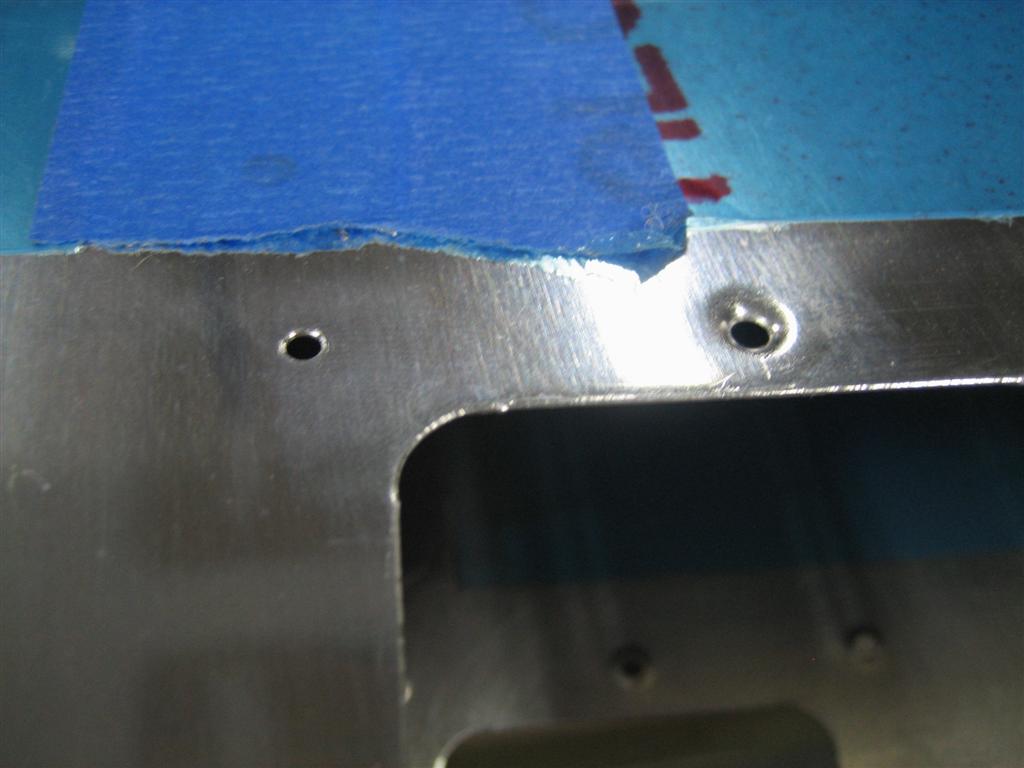
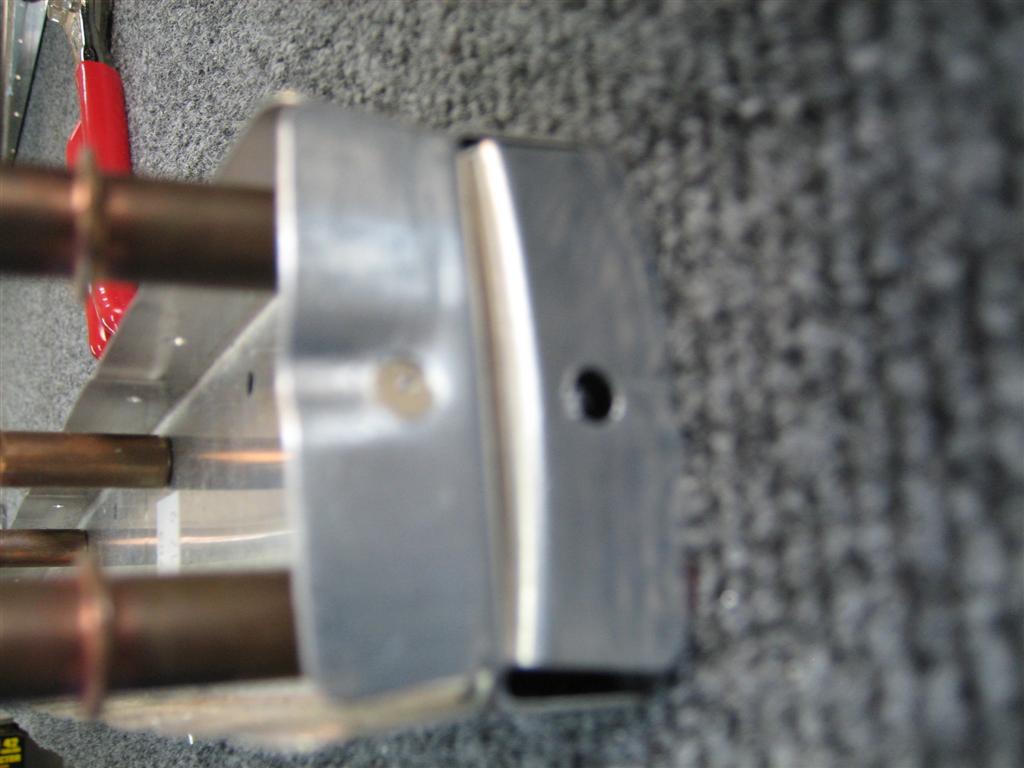
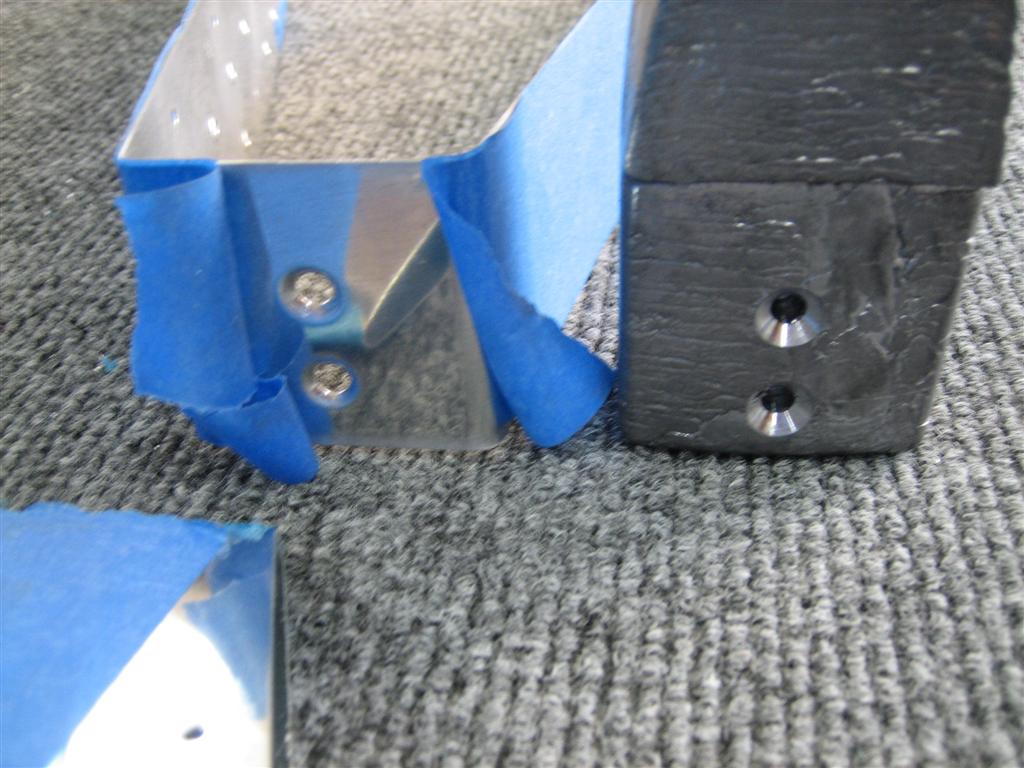
Time to move on to edge-finishing. This little 90° corner is a tough one, but I think this ended up nice.

Edge-finishing.

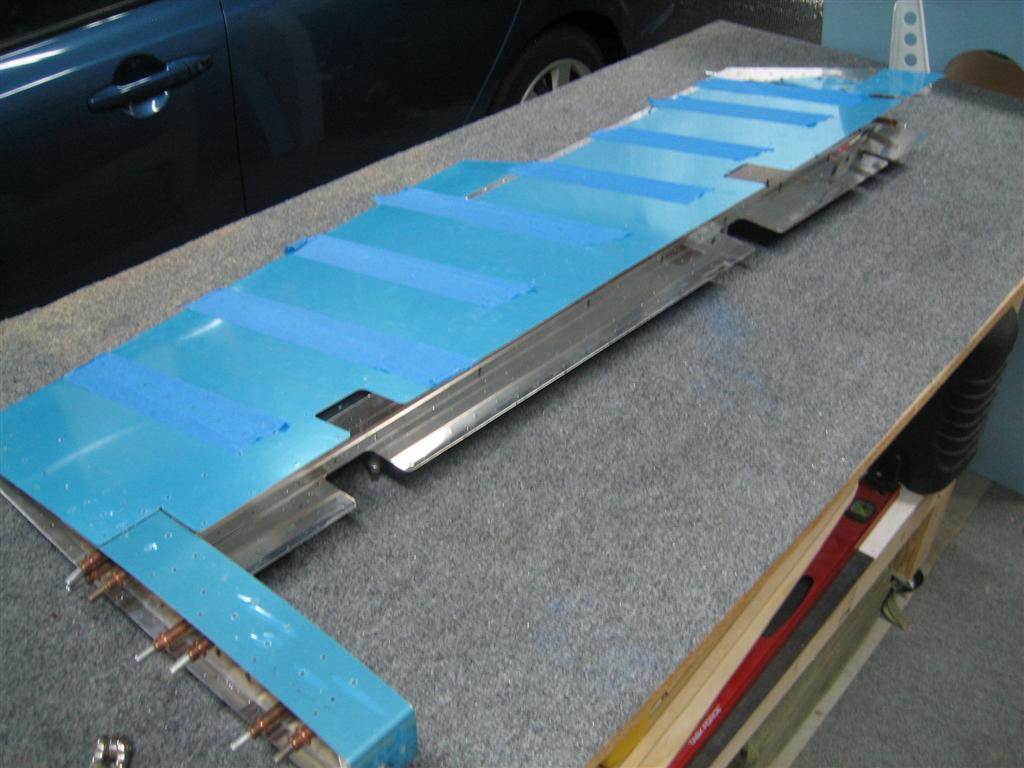
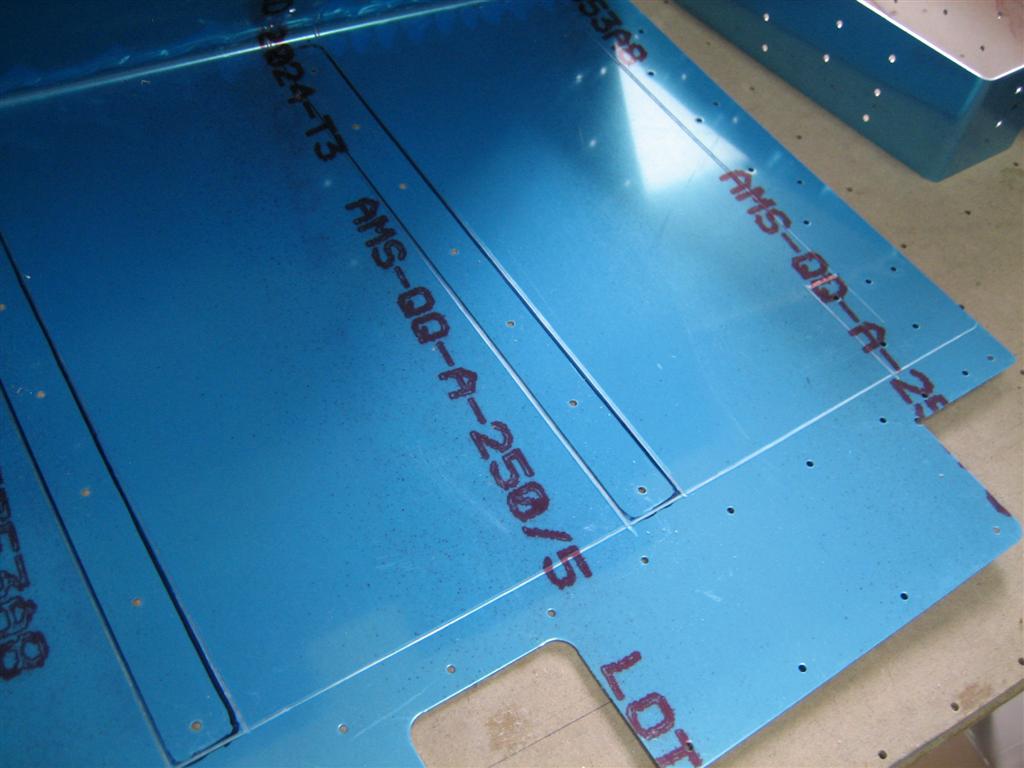
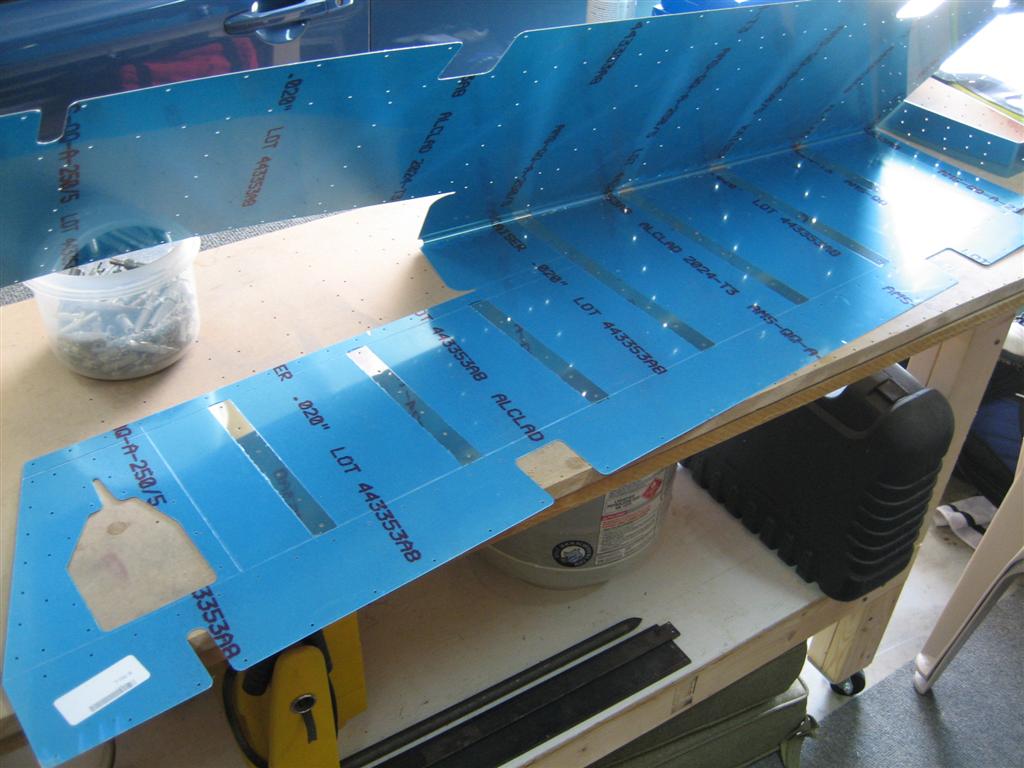
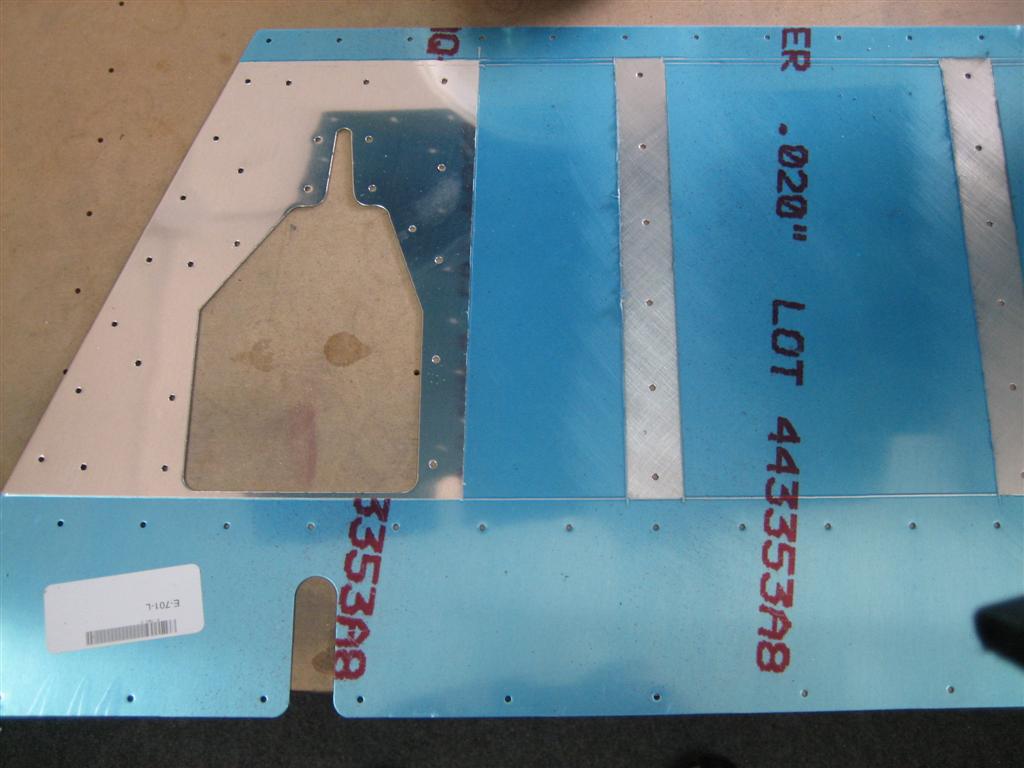
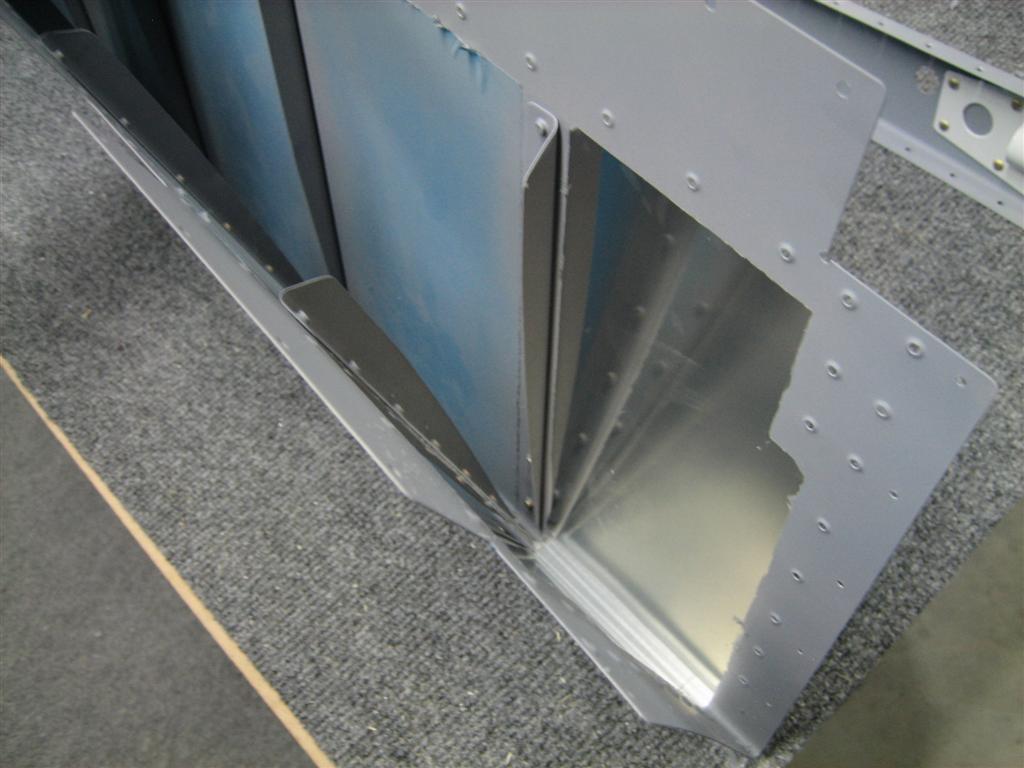
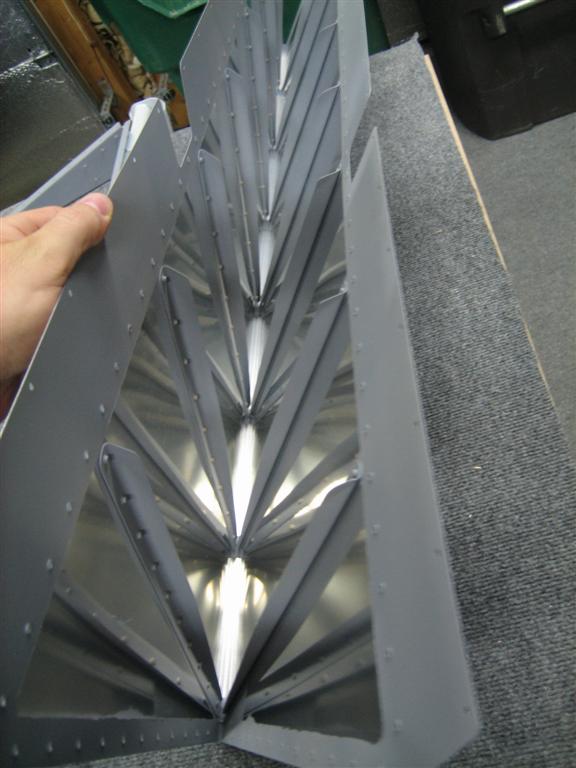
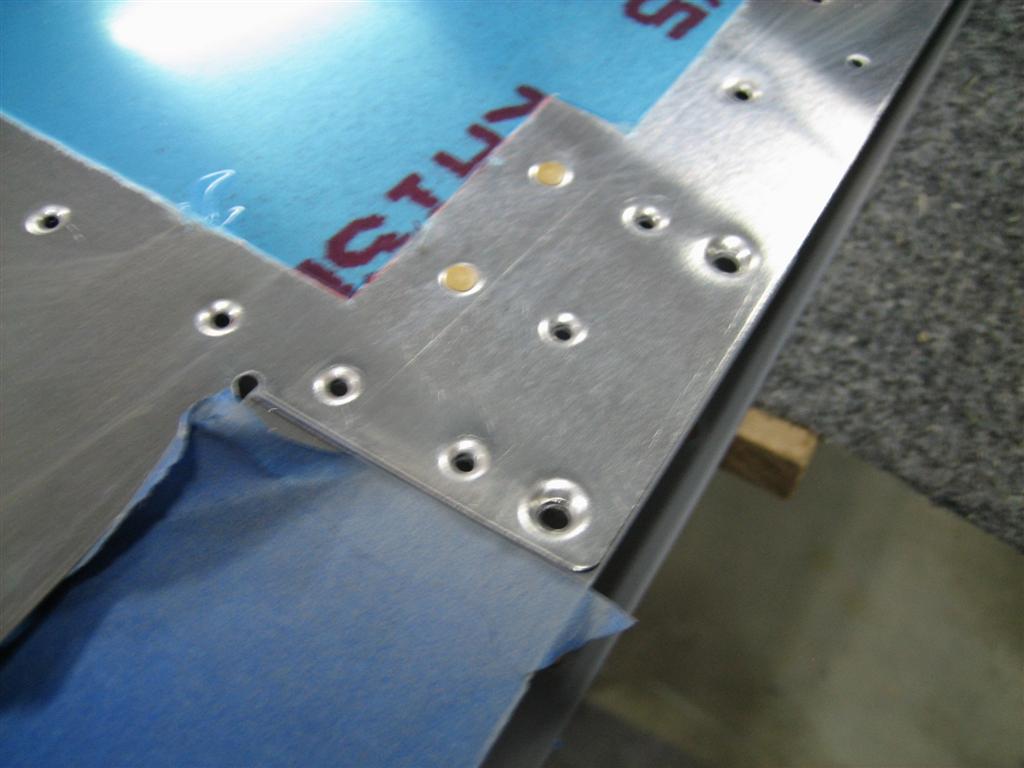
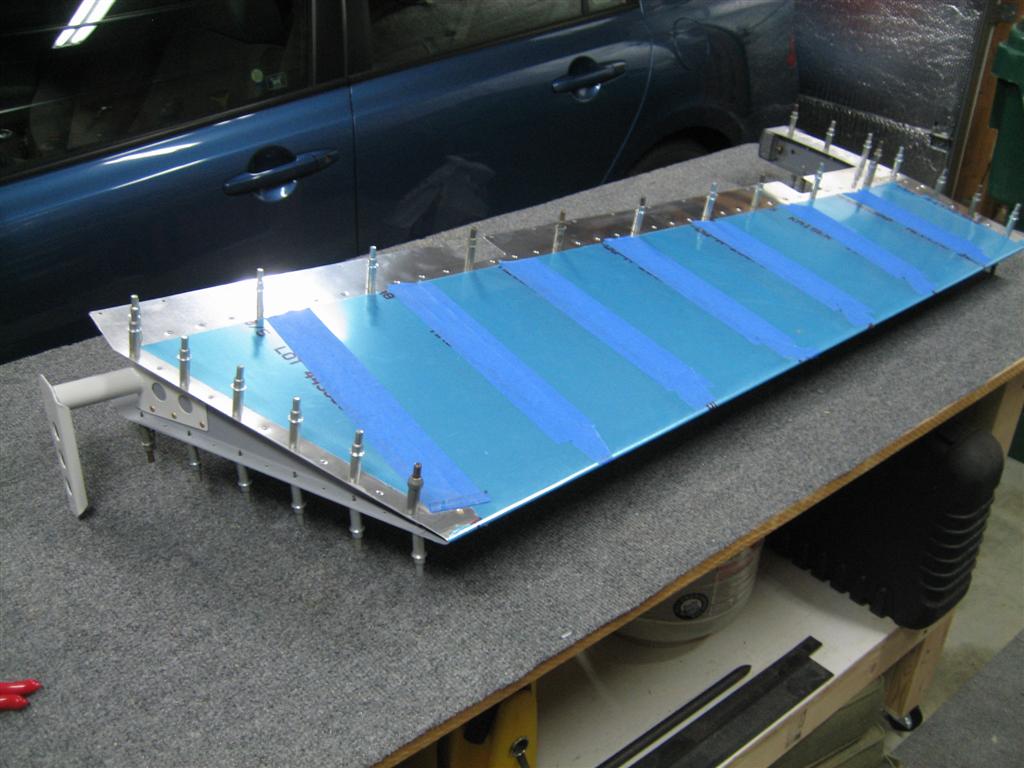
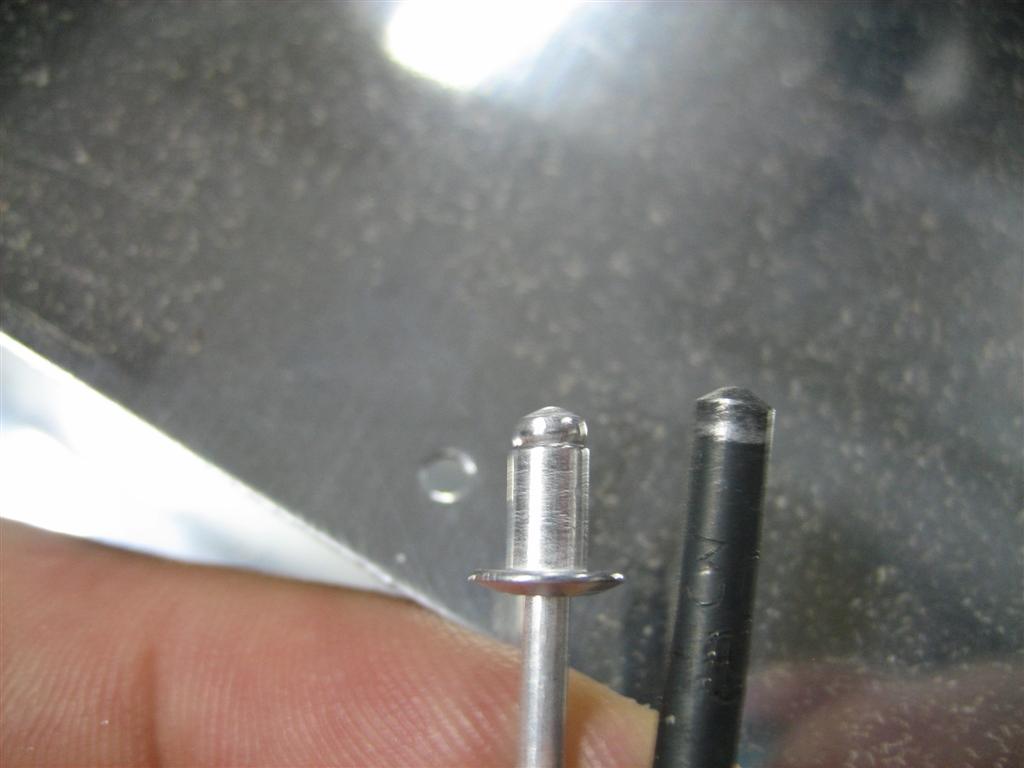
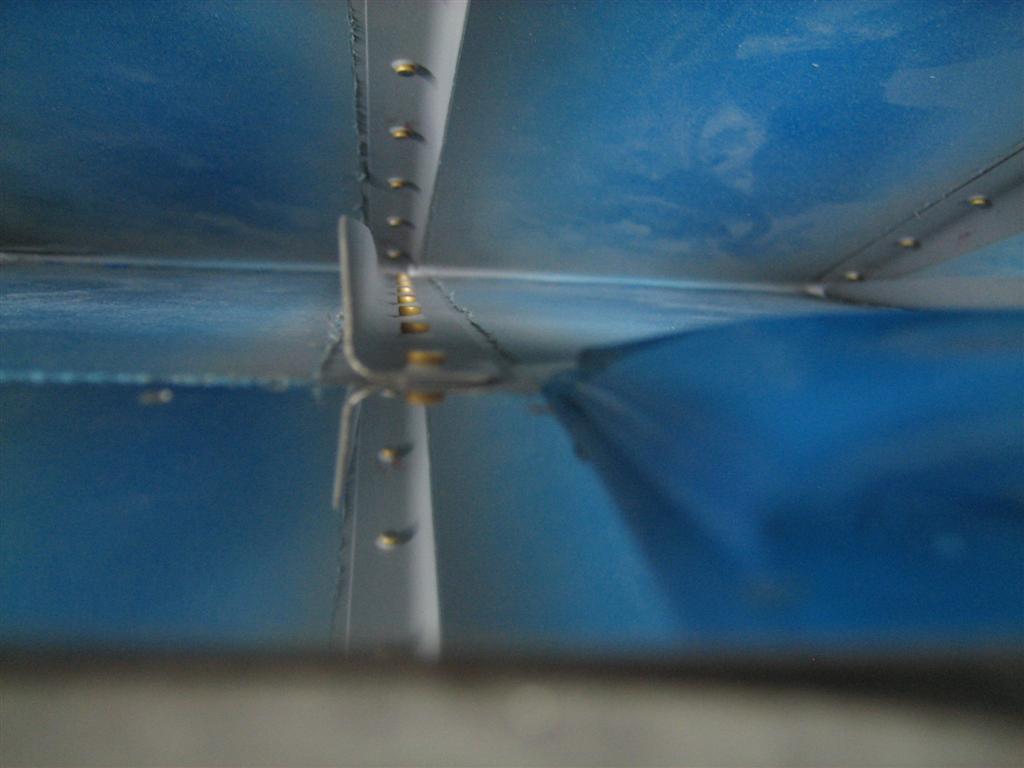
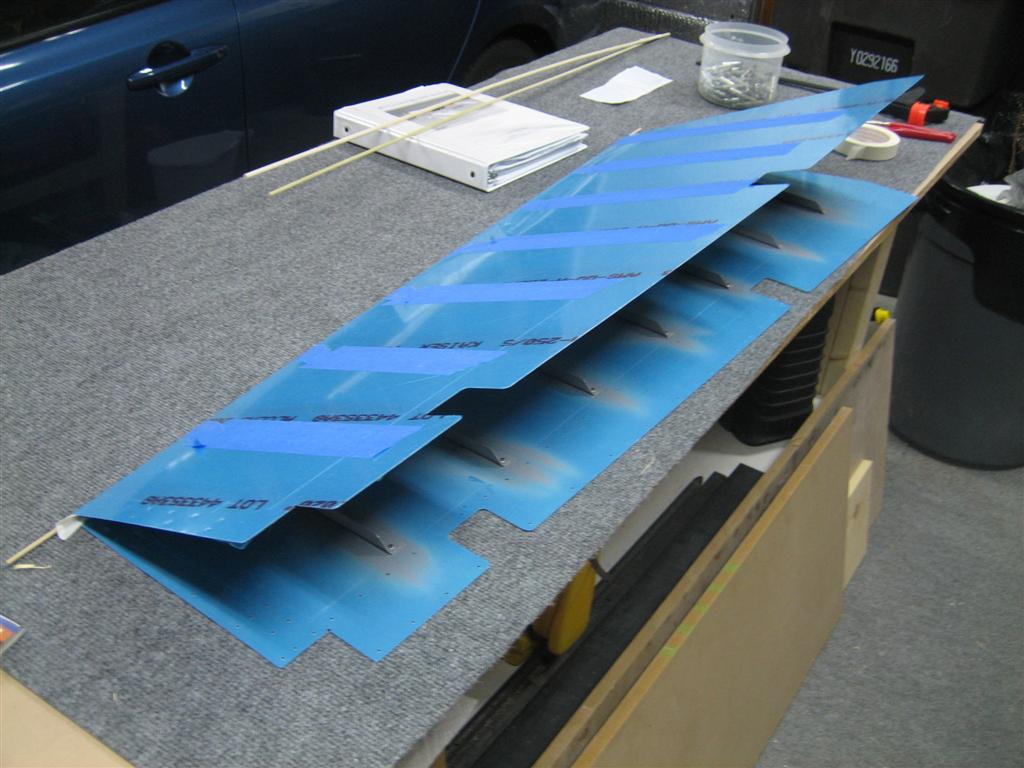
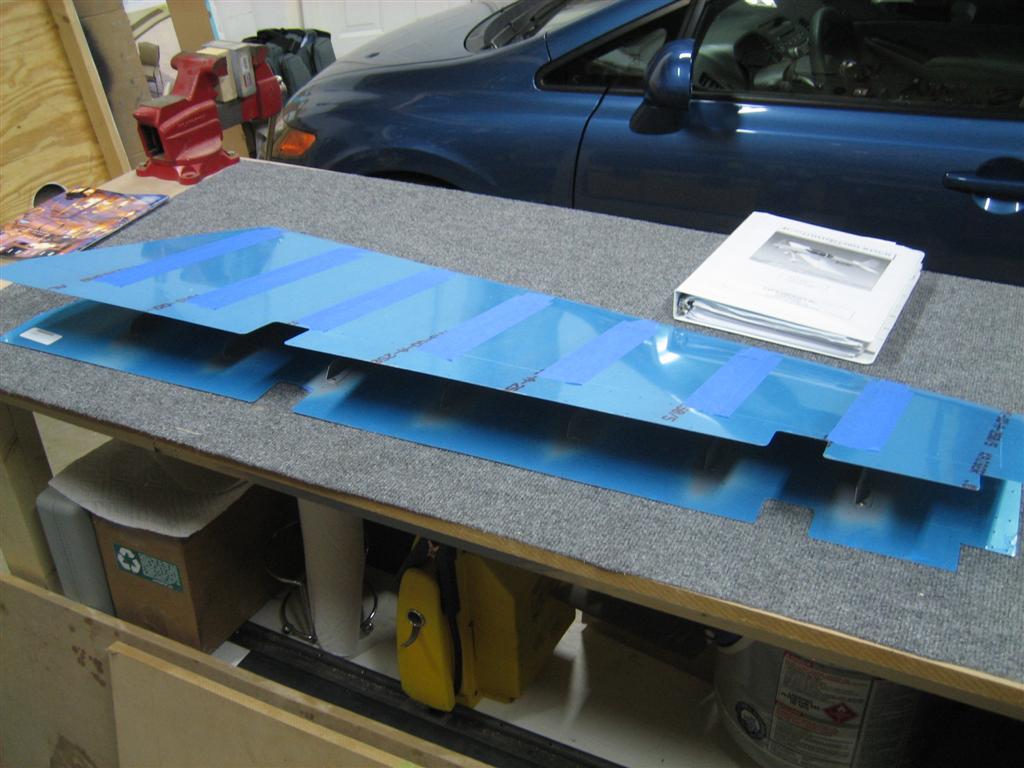
After edge-finishing, I cleaned up, wiped everything down with MEK, and primed. Fast forward 30 minutes later, and now I get to pull the vinyl out of the skins (I’m trying to remind myself constantly to not forget the RTV in the trailing edge of the elevator bend before riveting.)
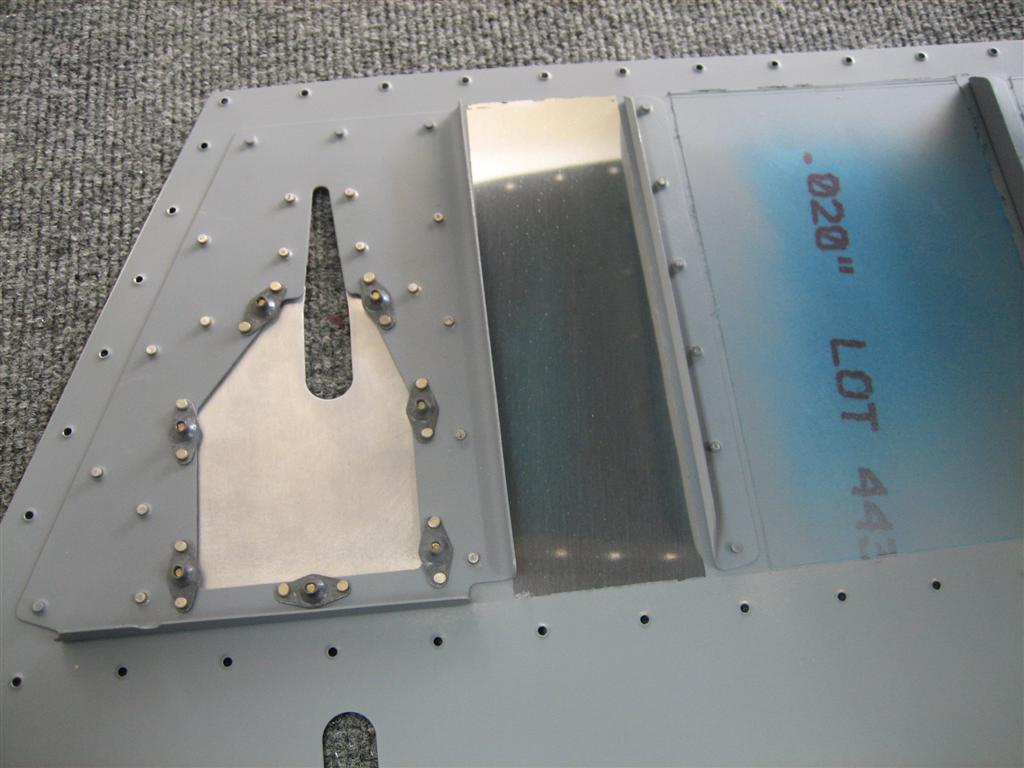
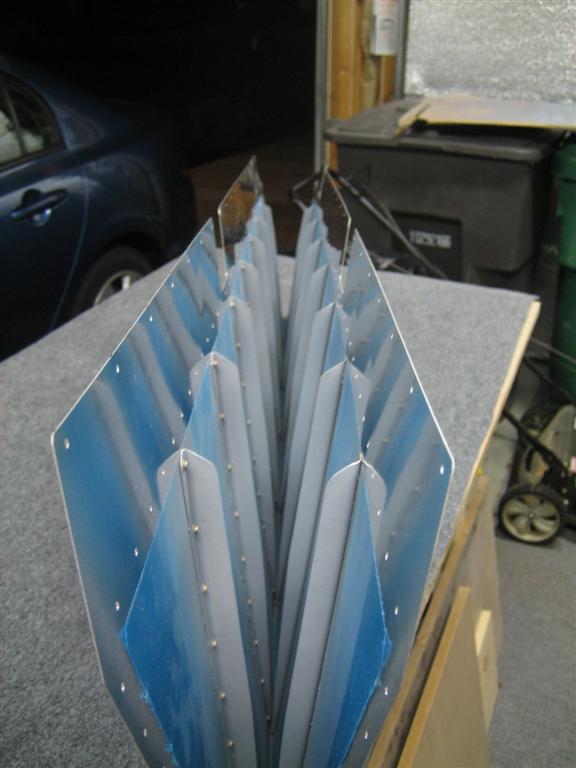
I probably add some time to the project by masking all of this stuff off and priming just the contacting surfaces, but I think it looks great (no one will ever see it) and I think I'm saving weight. Maybe not, but I sleep better because I do this.
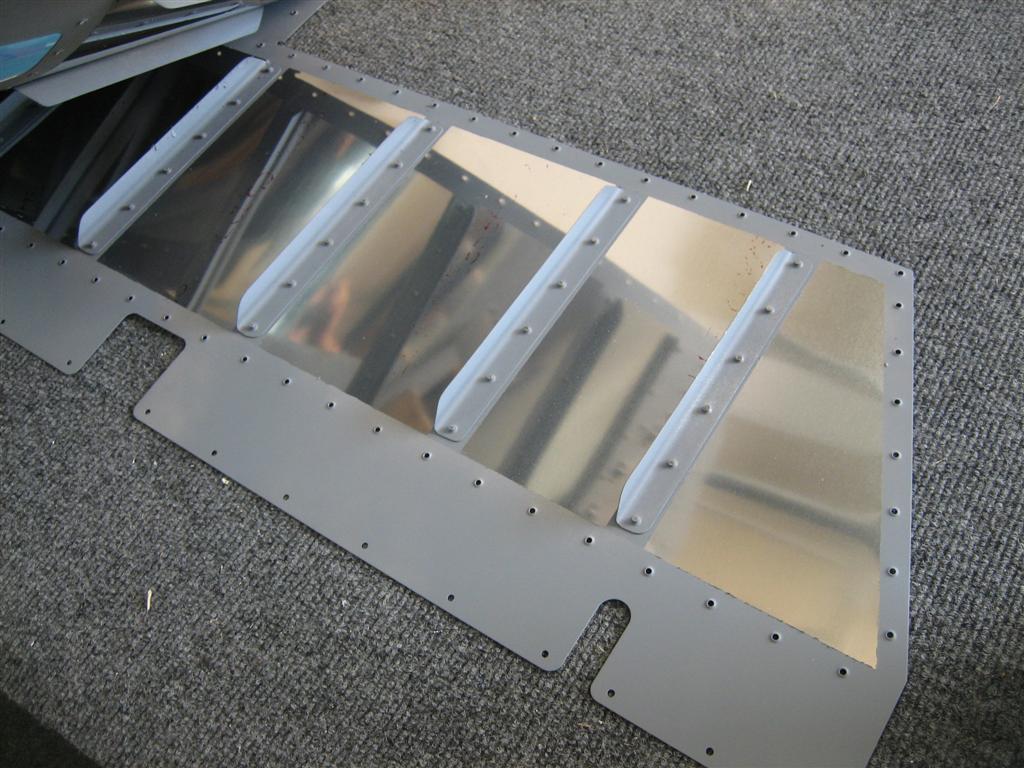
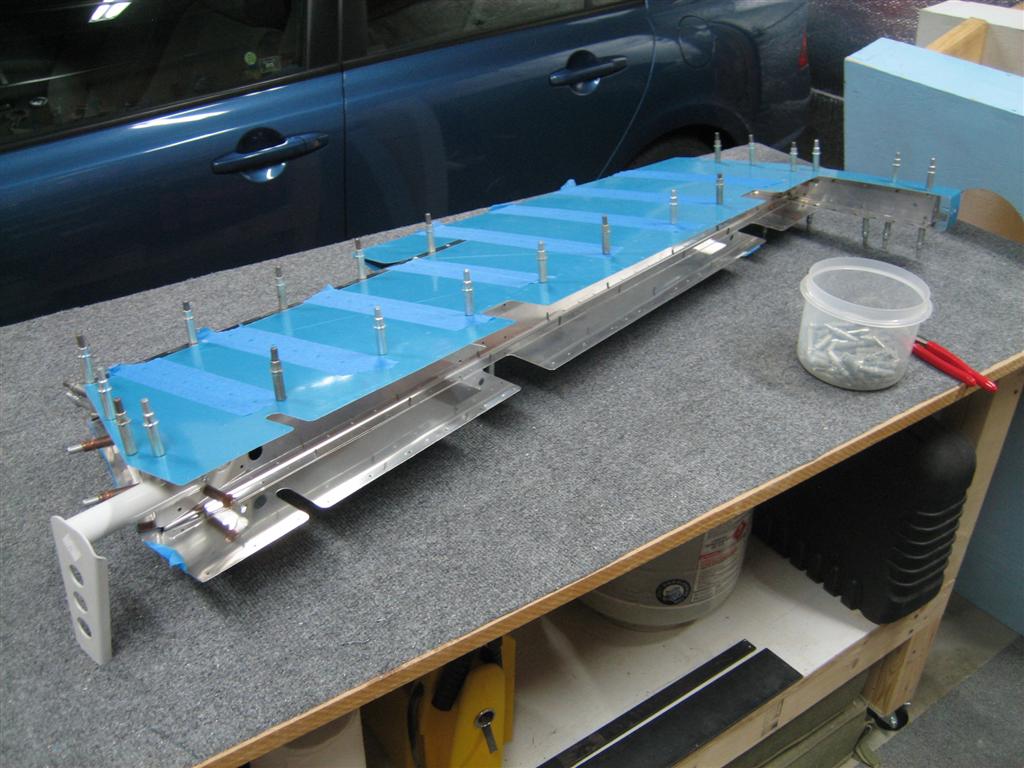
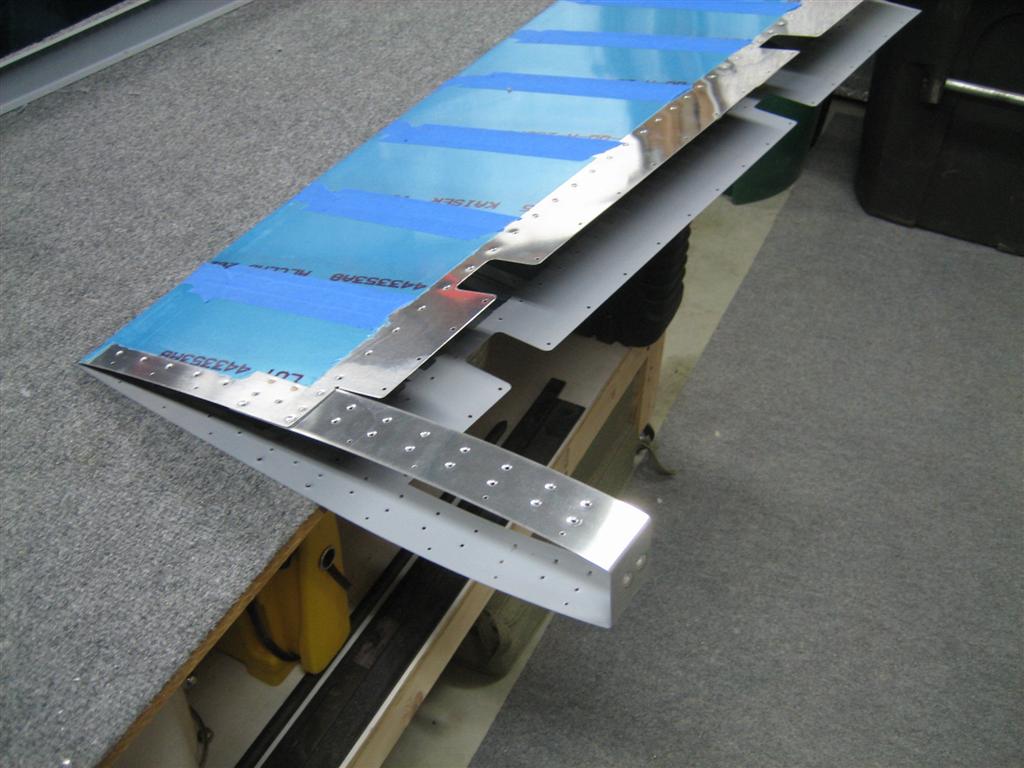
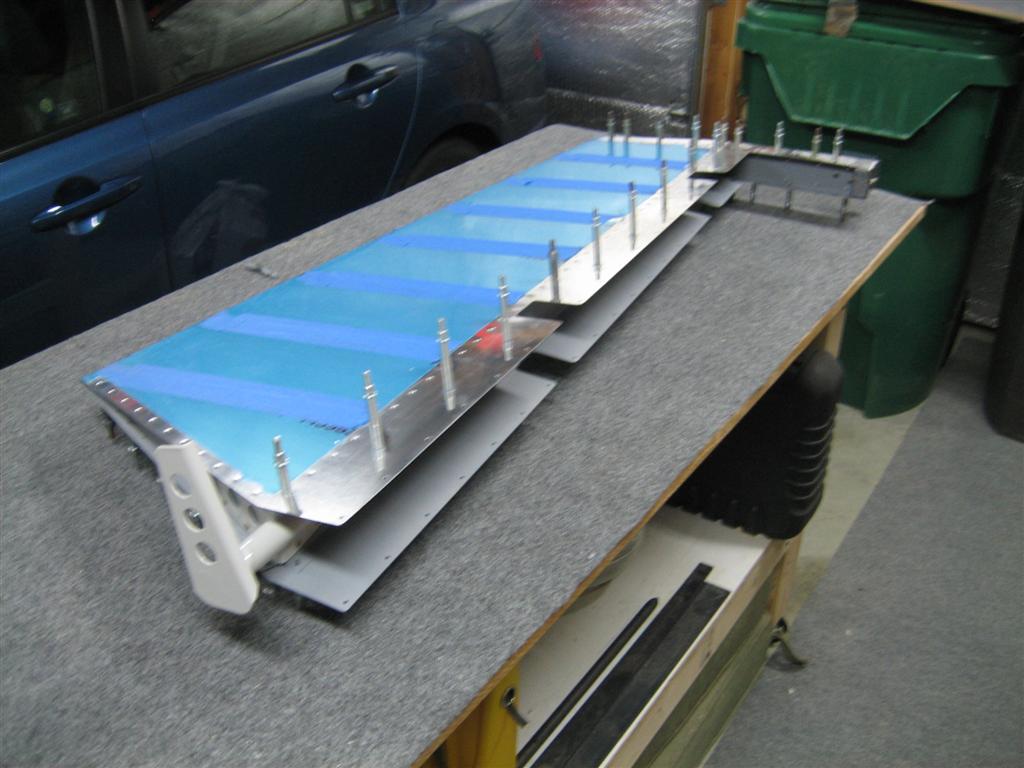
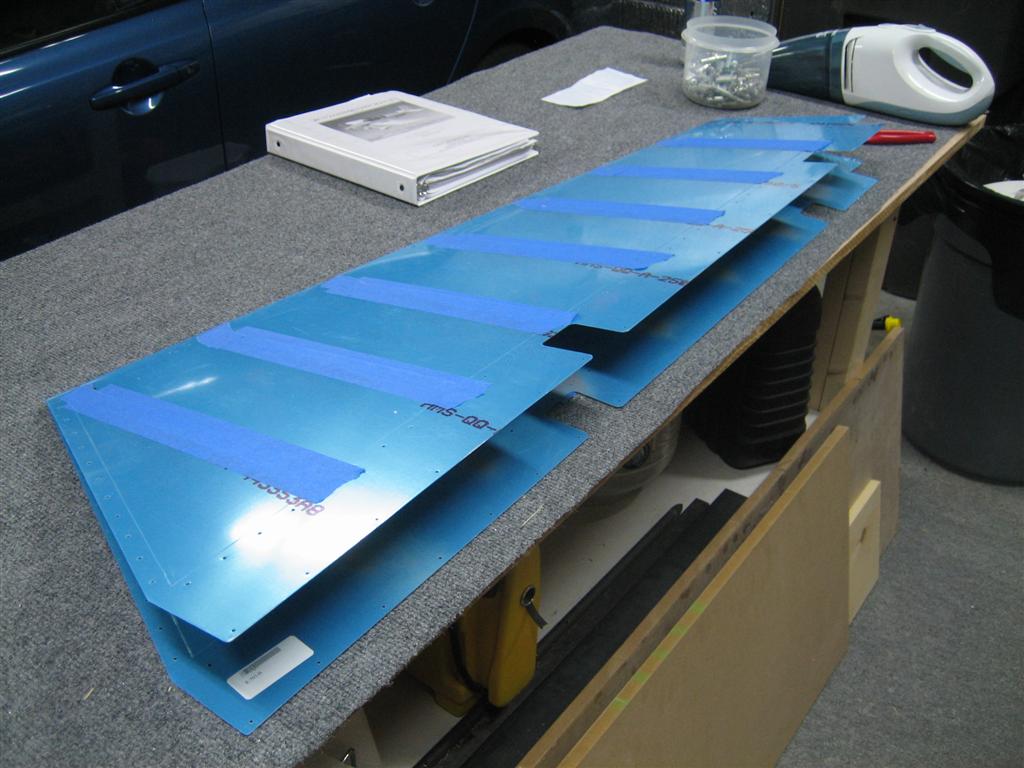
It looks so good. I love this part of a subassembly, I'm getting close to riveting!

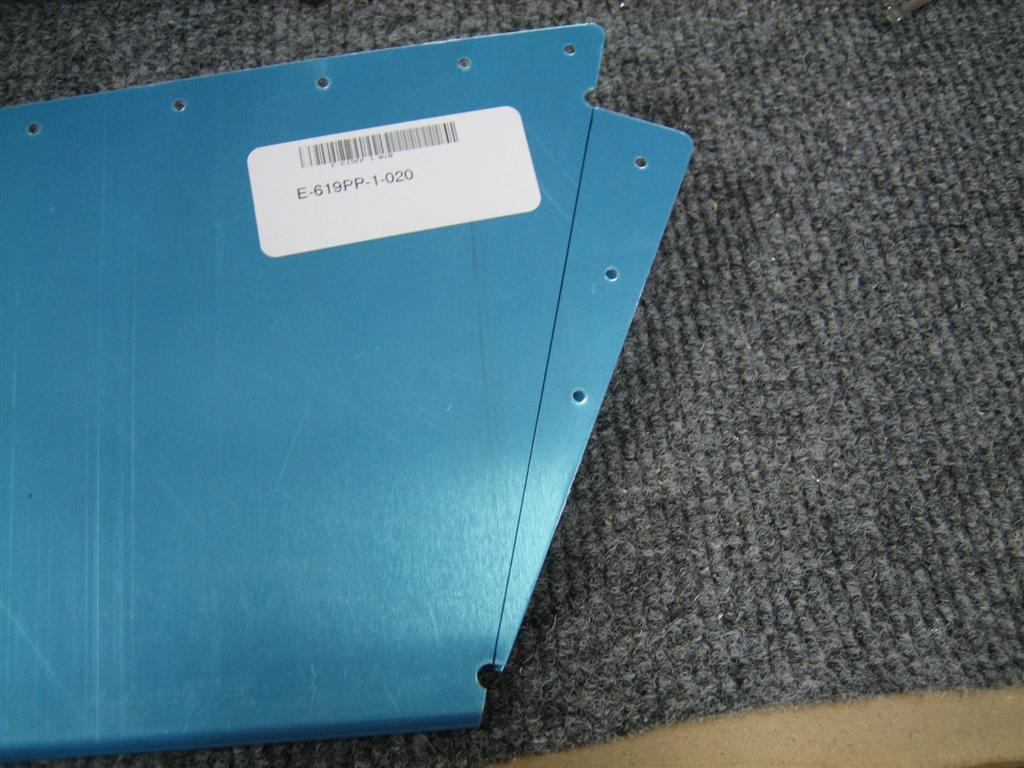
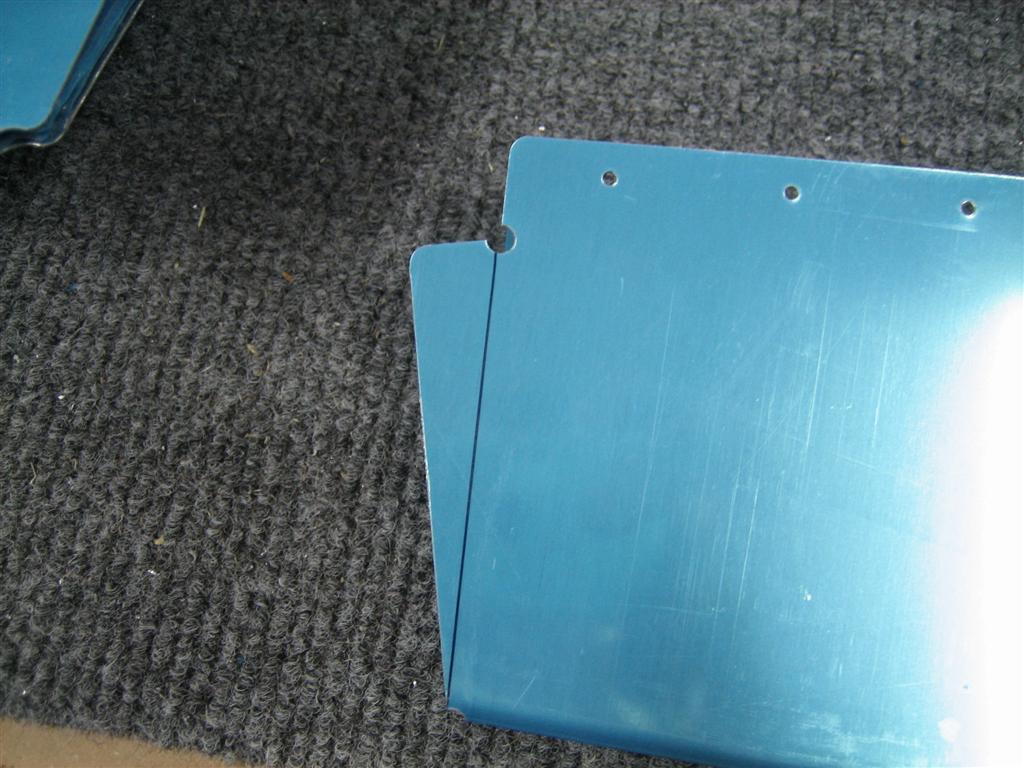
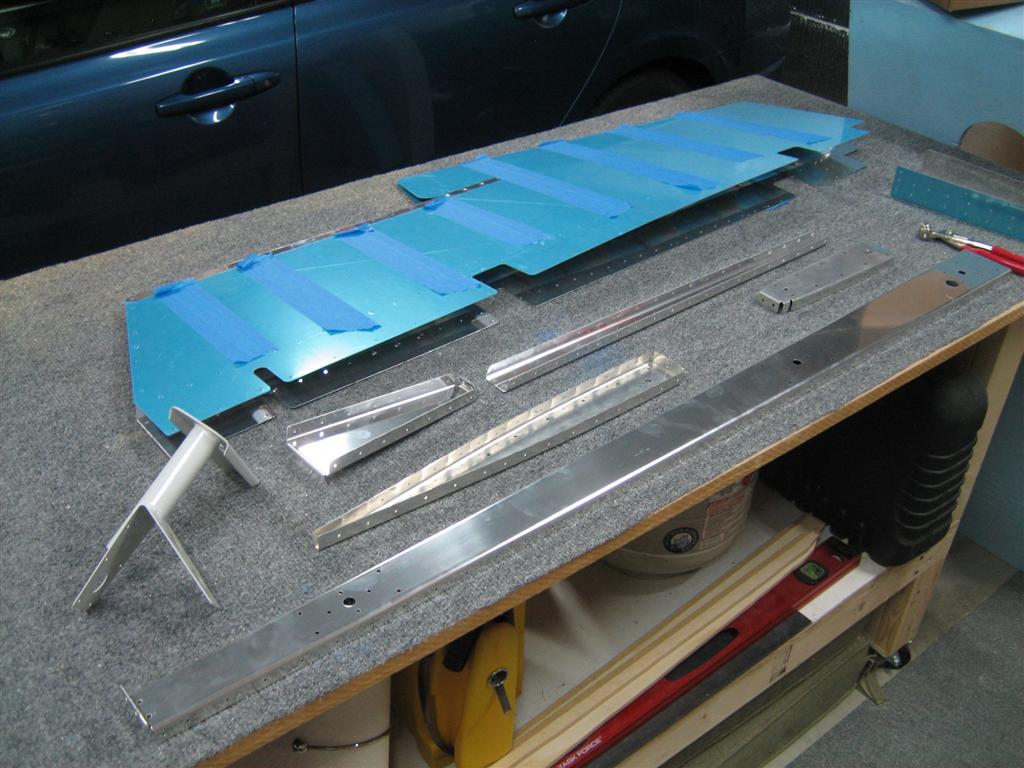
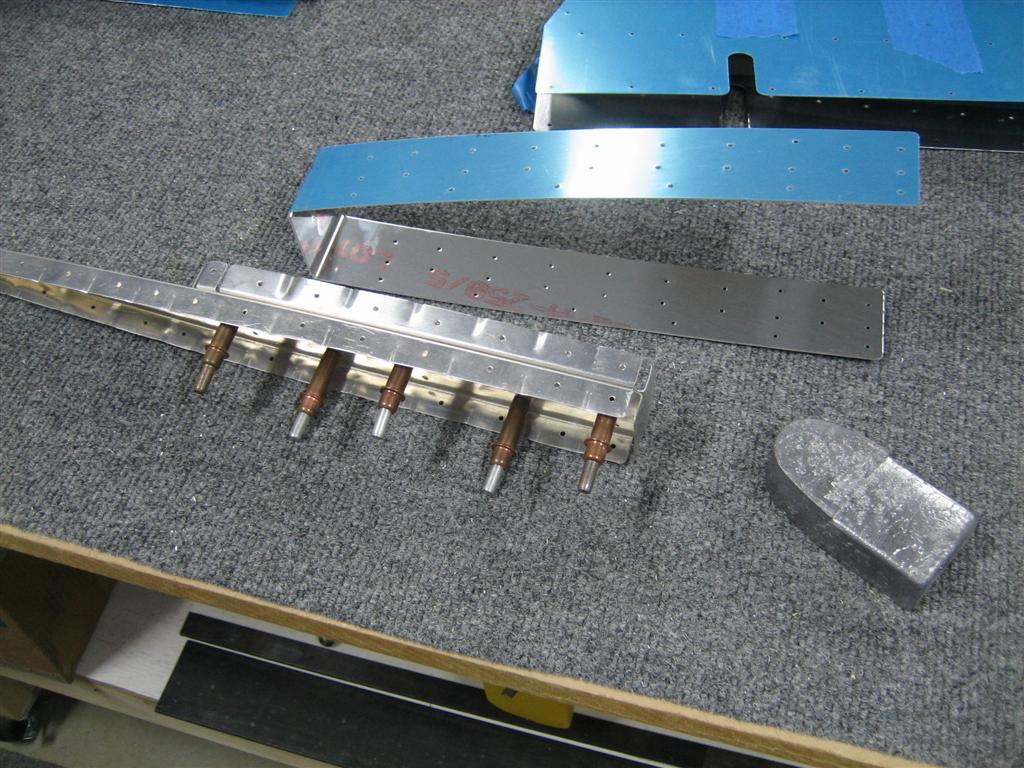
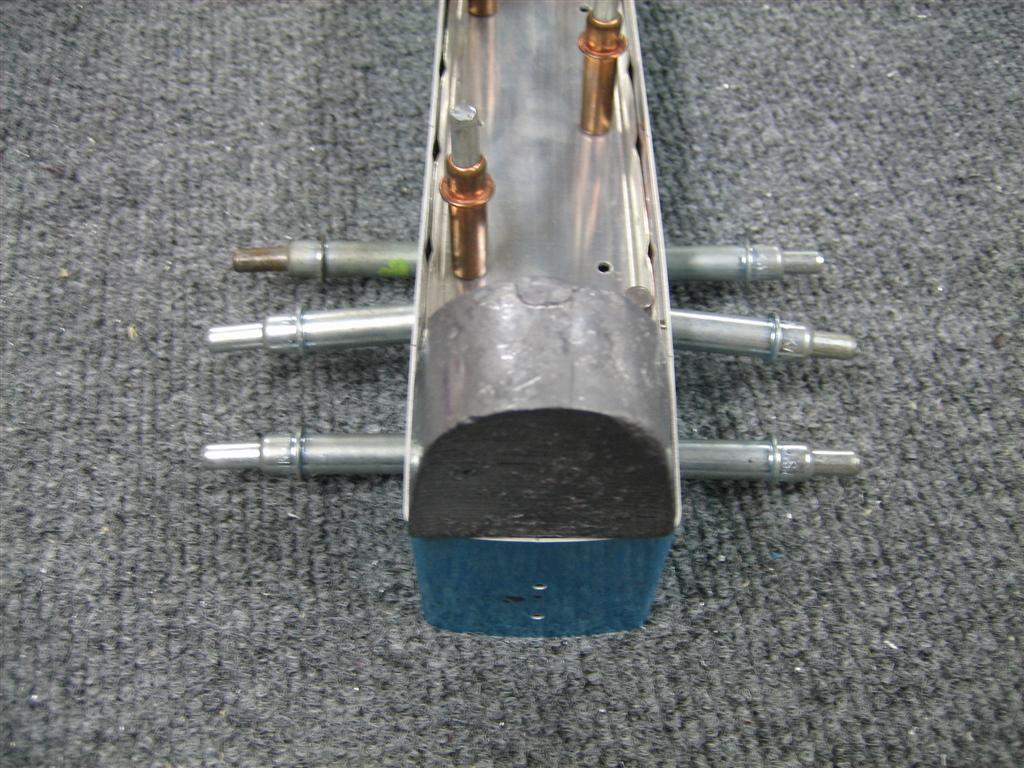
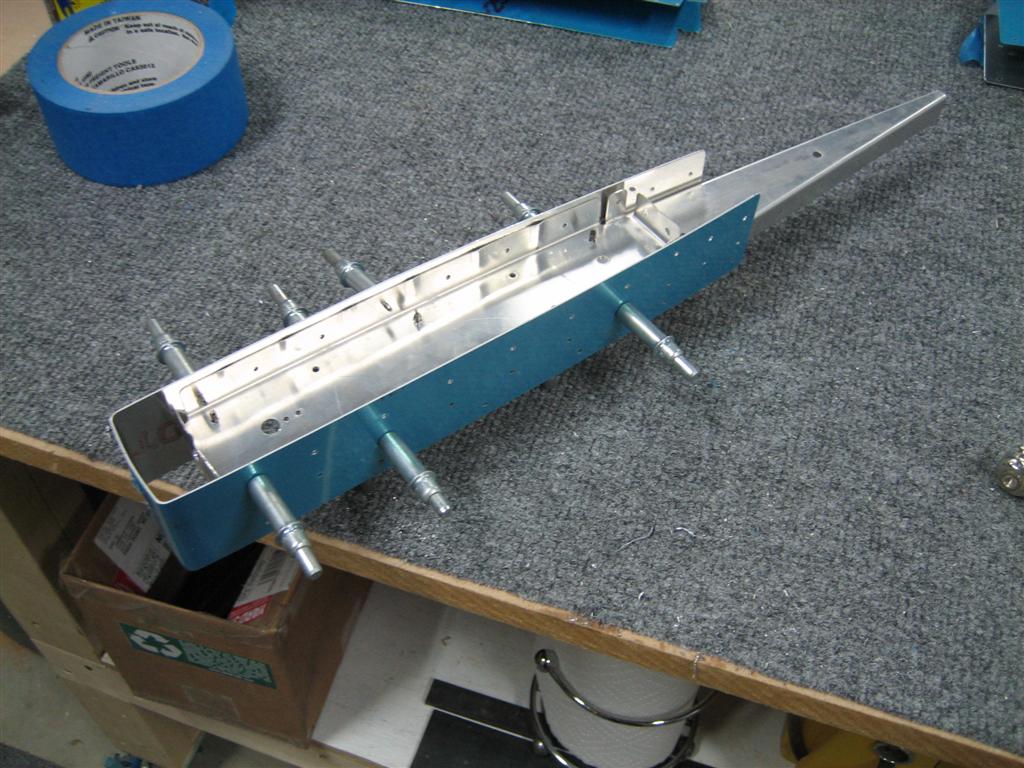
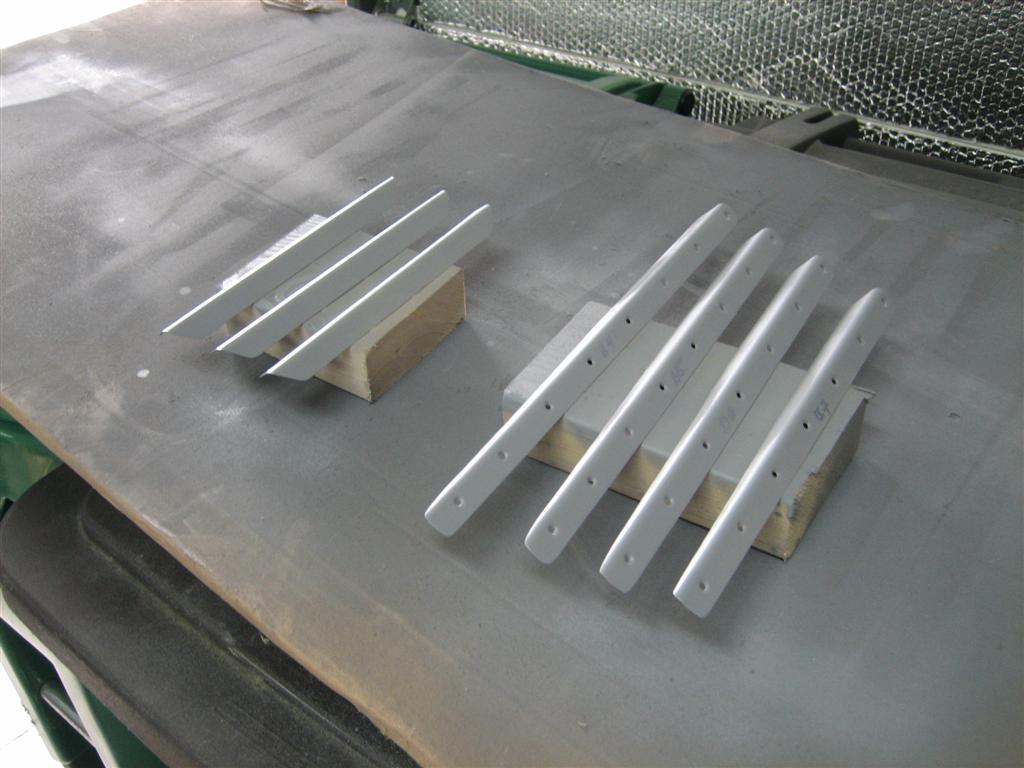
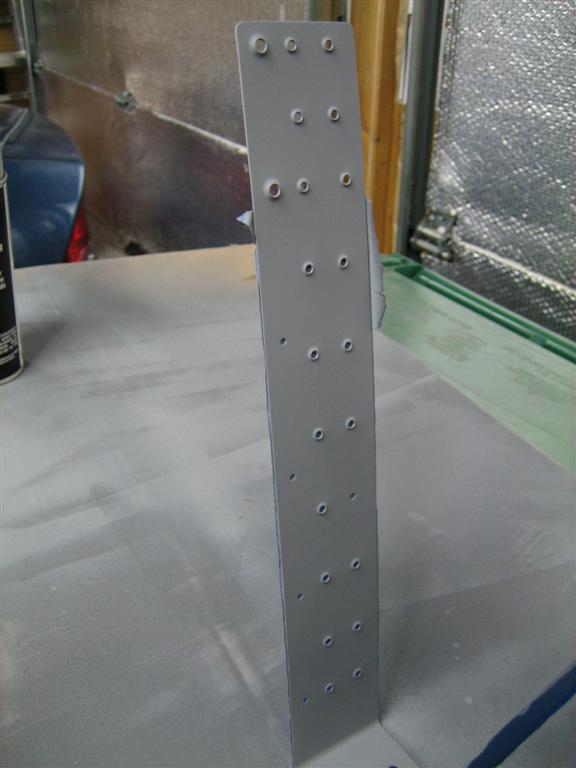
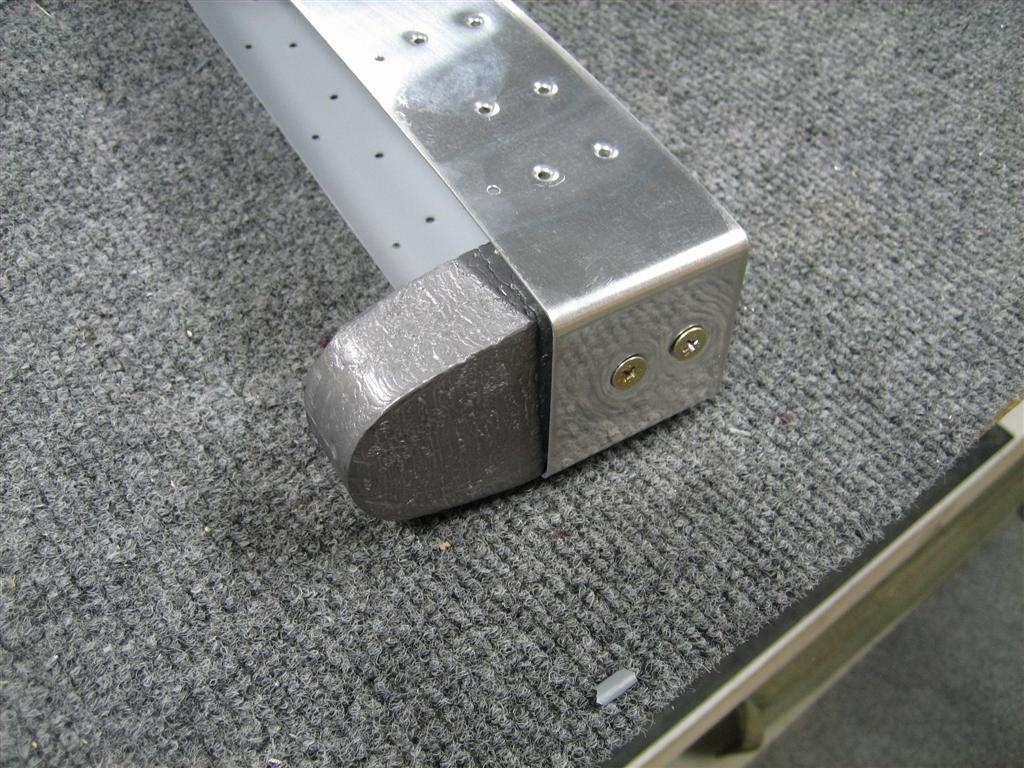
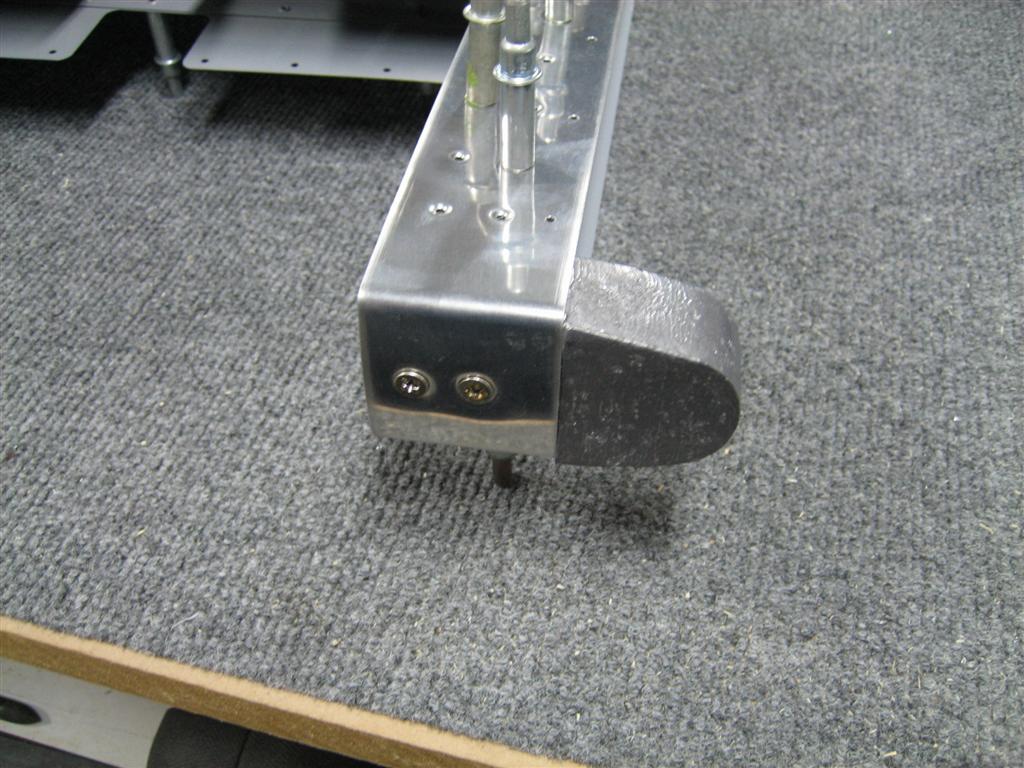
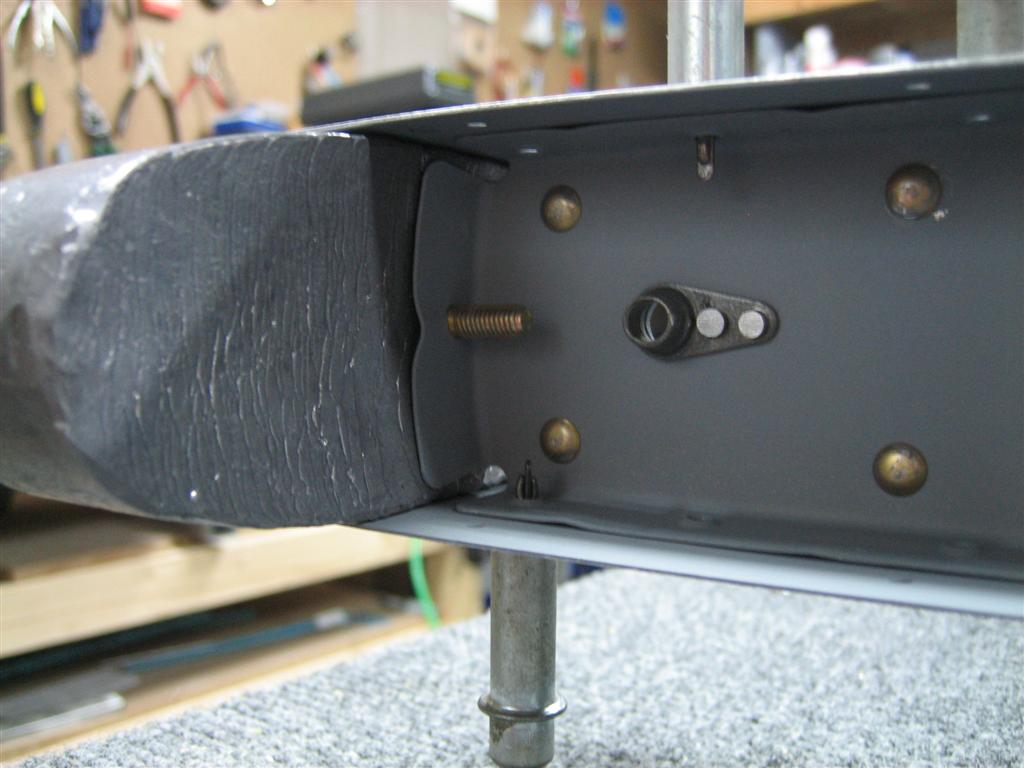
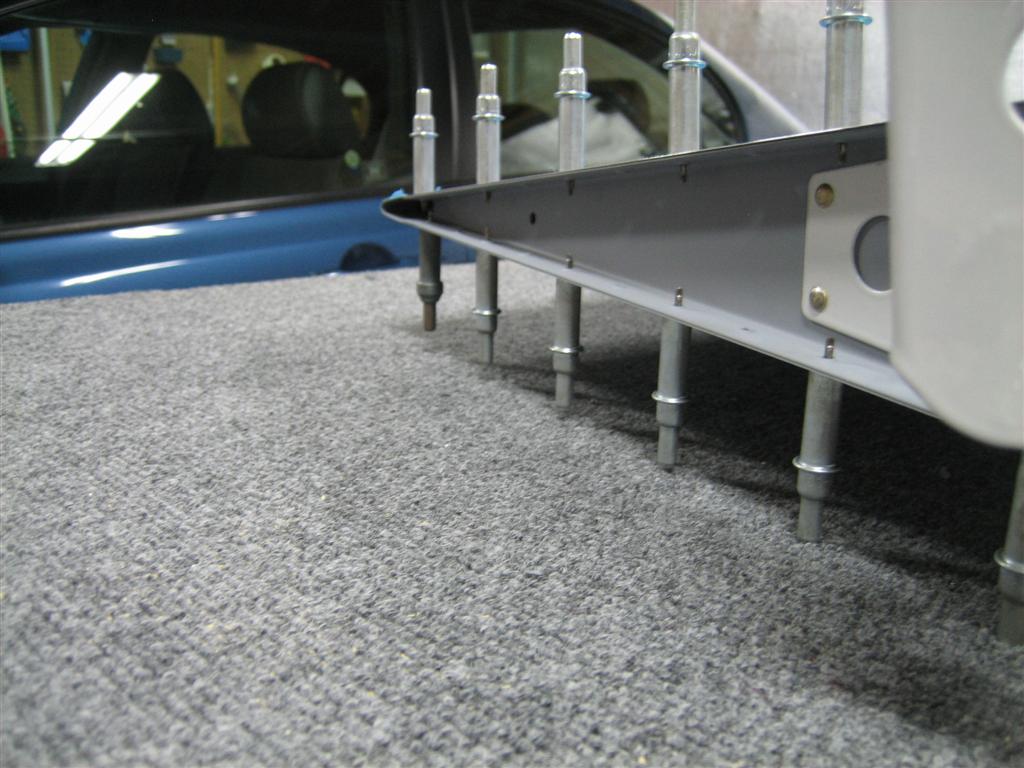
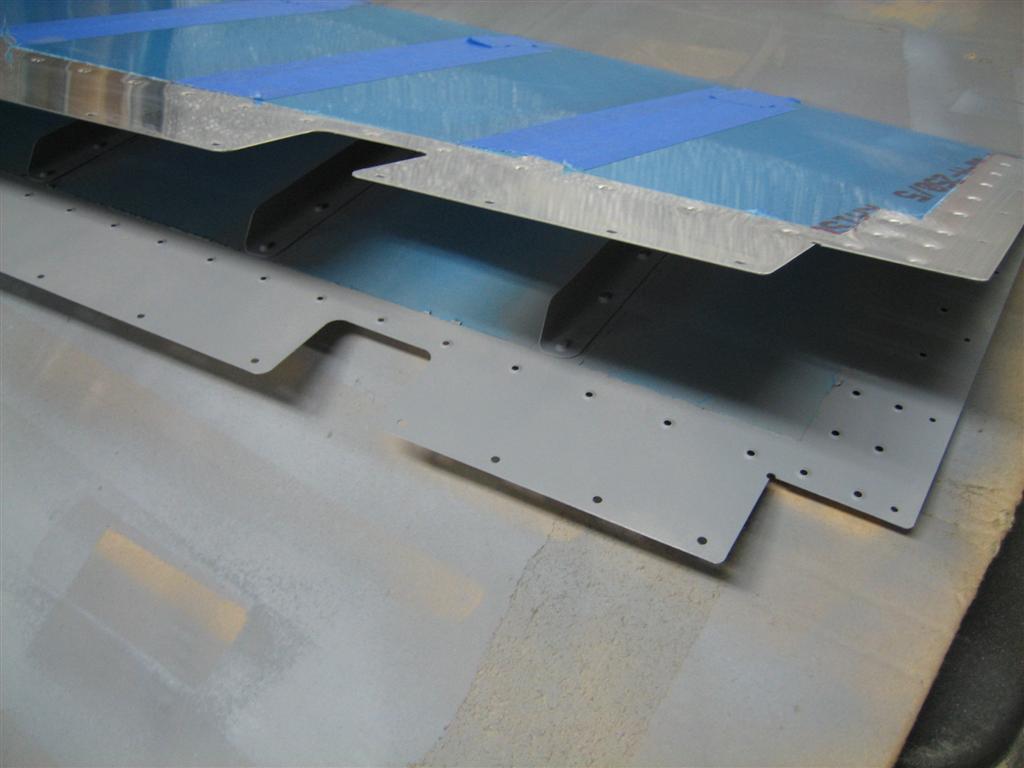
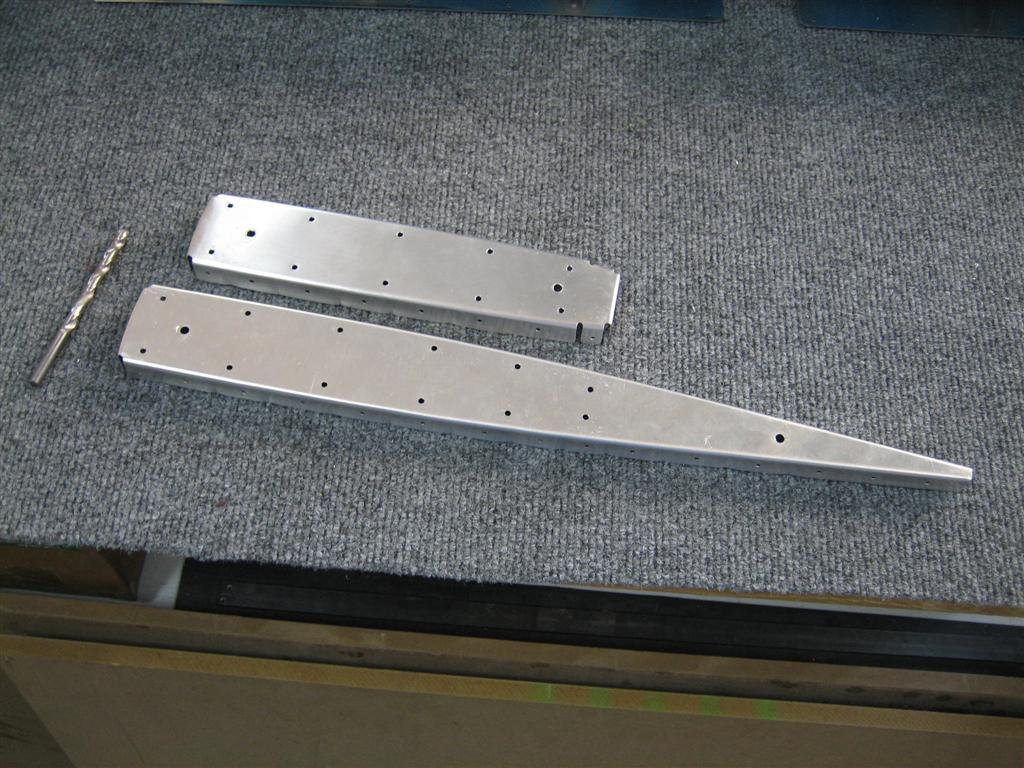
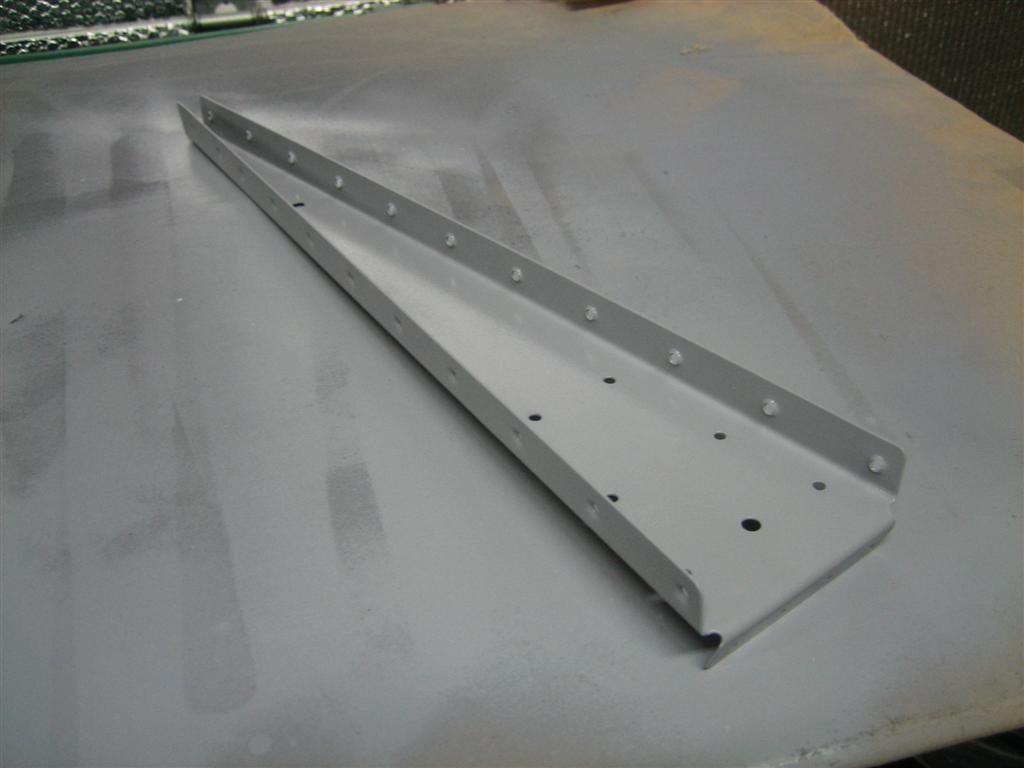
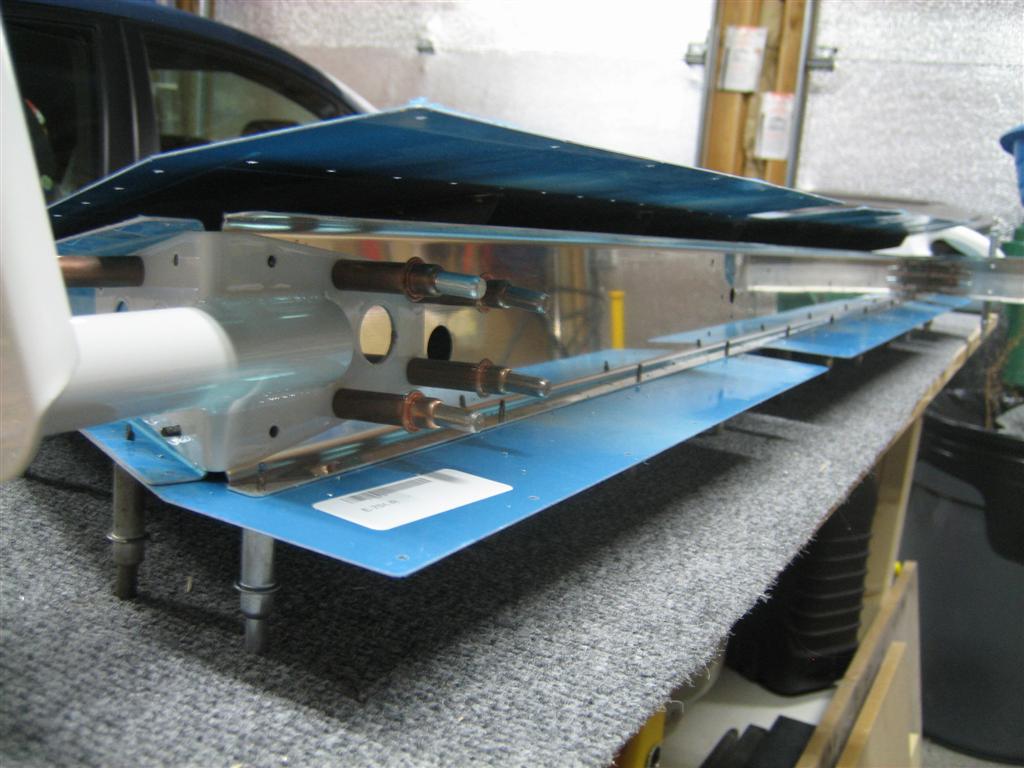
Last, but not least for the day was to prep and prime the two outboard ribs. These fit back to back and support the counterbalance and counterbalance skin.

On the priming table after getting a light coat of self-etching primer.

3.5 hours today on the project, but I’m only logging 3.0 here. See here for the other 30 minutes.

Prev | Next


Started working on the Elevator Tab

June 20, 2010

Prev | Next

After some more days of not doing anything, I managed to make it out to the Pilots N Paws fly-in today. It was good motivation for working on the airplane.

Anyway, I’ve drilled the left elevator skin to the skeleton, and the next step is really to take everything apart, deburr, dimple, countersink, prep, prime and assemble…

BUT…

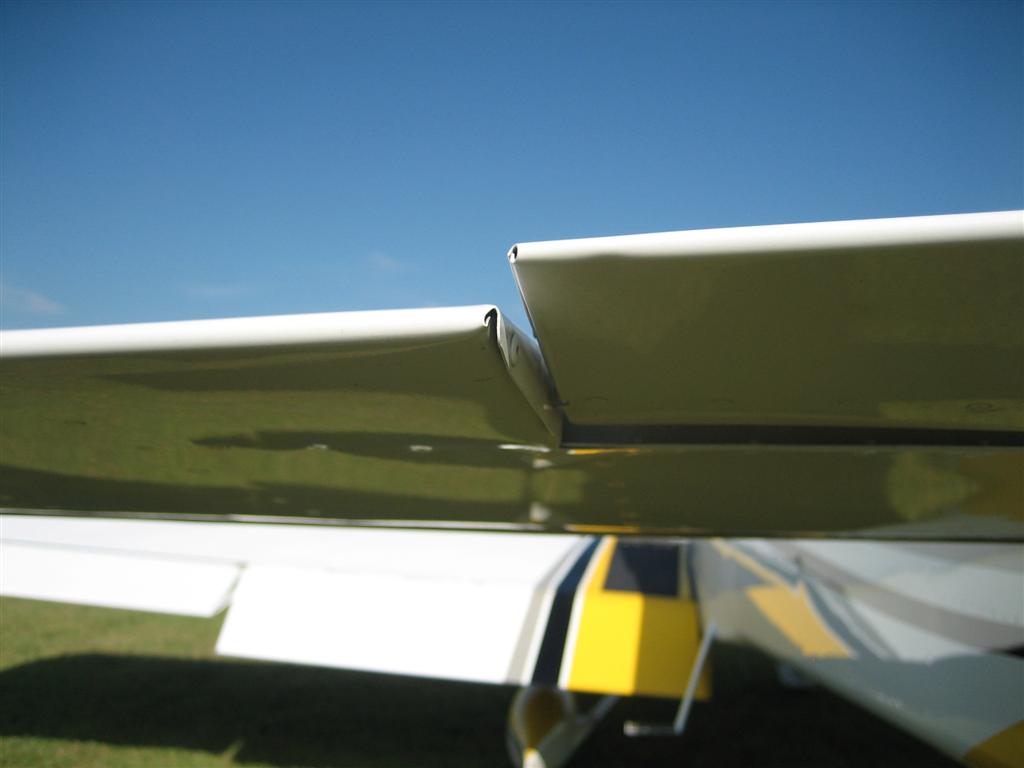
I have some things that need to be done first. Mostly, the directions want you to bend the elevator tab “ears.” Well, I don’t think I want to go the bent route. Here’s what I am worried about. I don’t think anyone would really notice, but I don’t love the way this looks.

Bent trim tab ears. I think I'm going to cut mine off and make little ribs.

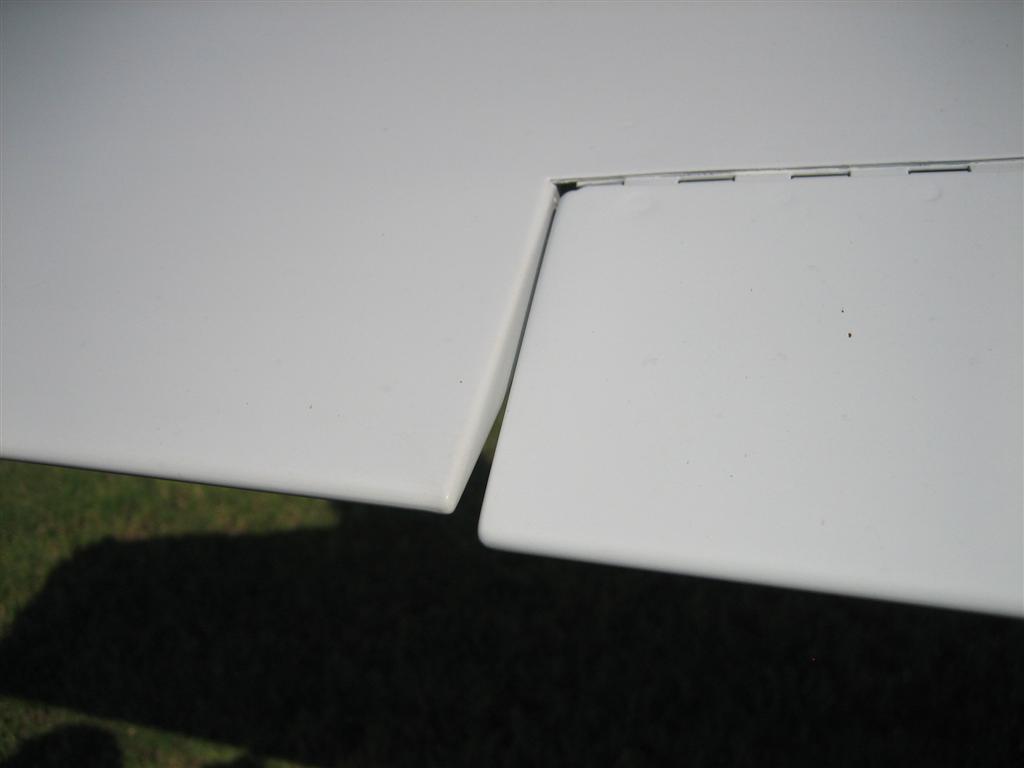
I think with some work, I could make them look like this, but given how finished these surfaces are, I don’t know if they started as bent ears or riblets.

WHOA! This is awesome. This guy really finished this joint up nicely. Everybody be jealous.

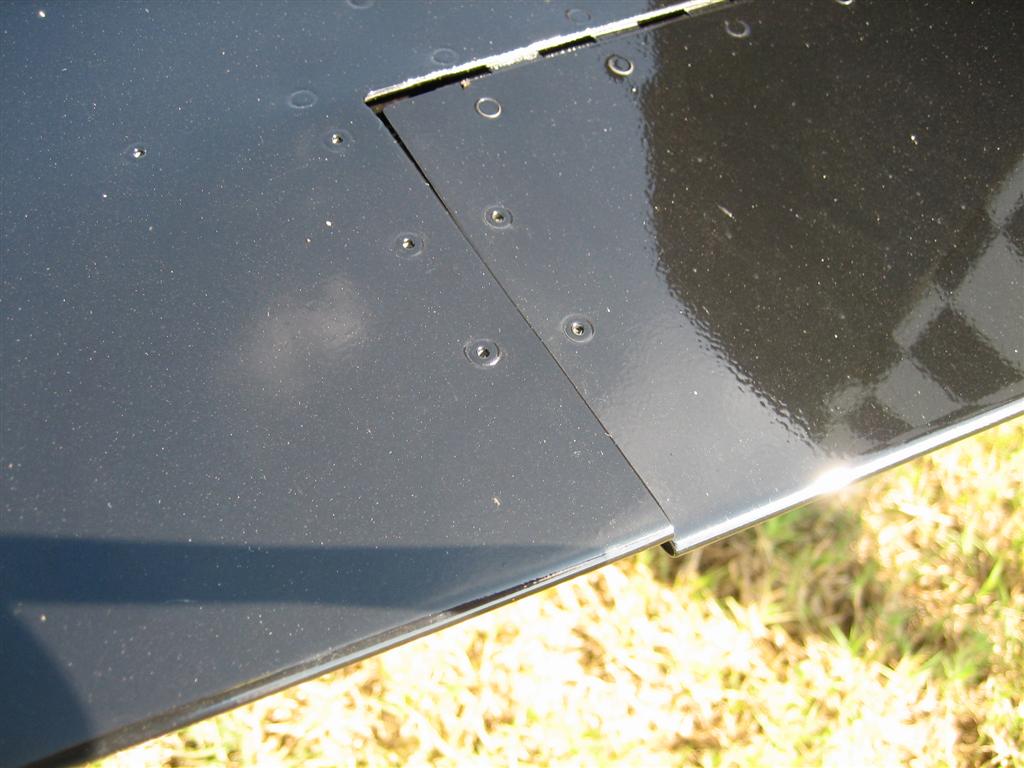
Finally, I found a really nice riblets version. I like this, and this is what I am going to be aiming for (although I am going to try to use solid rivets.

Great finish on the cut-instead-of-bend tab ears. I'm going to strive to make mine like this.

Anyway, I also think cutting the ears off (not bent down in the way) will allow me to use solid rivets in the blind-rivet locations on the top and bottom of the elevator (outboard trim spar rivets). We’ll see.

First step is to get the skeleton re-clecoed in the skin.

The trim spar and the inboard rib.

Van’s wants you to countersink either piece for flush rivets (not for any real flush reason…I think they need to be #40 size holes, and they don’t give you any universal head AN470AD3 rivets). Anyway, per standard practice, I dimpled both.

Dimpled instead of countersunk.

After clecoing together the skin, I am ready to start the headscratching with the tab. Let’s find the tab spar.

There it is.

Let’s go ahead and cut off these tabs. After careful measuring and marking, I’m ready to put blade to metal.

Inboard side. I'm nervous about chopping these off.

Outboard. (see how I lined up the line parallel to the flat portion near the top and to the left of the relief hole near the bottom? This doesn't work. Read on to find out why.

After a quick snip (not too close to my final line) I removed the vinyl from the interior of the skin in preparation for using a file and scotchbrite pad to clean everything up.

Devinling before finishing those cuts.

After working carefully with a file and edge finisher…

Looks good.

Before I really finalize things, I’d like to get my tab placement set up. First, I tried using this extra piece of rudder stiffener.

It worked okay, but I later switched to something a little longer.

After some moving around and fiddling, I re-read the directions, which tell you to bend the elevator ears down along a bend line that is perpendicular to the hinge line. Well, that means that the cut lines should be perpendicular, too. Of course, like I mentioned before, my original outboard line wasn’t perpendicular. All that file work for nothing.

I drew new lines (one on top of the other, ignoring the needed clearance).
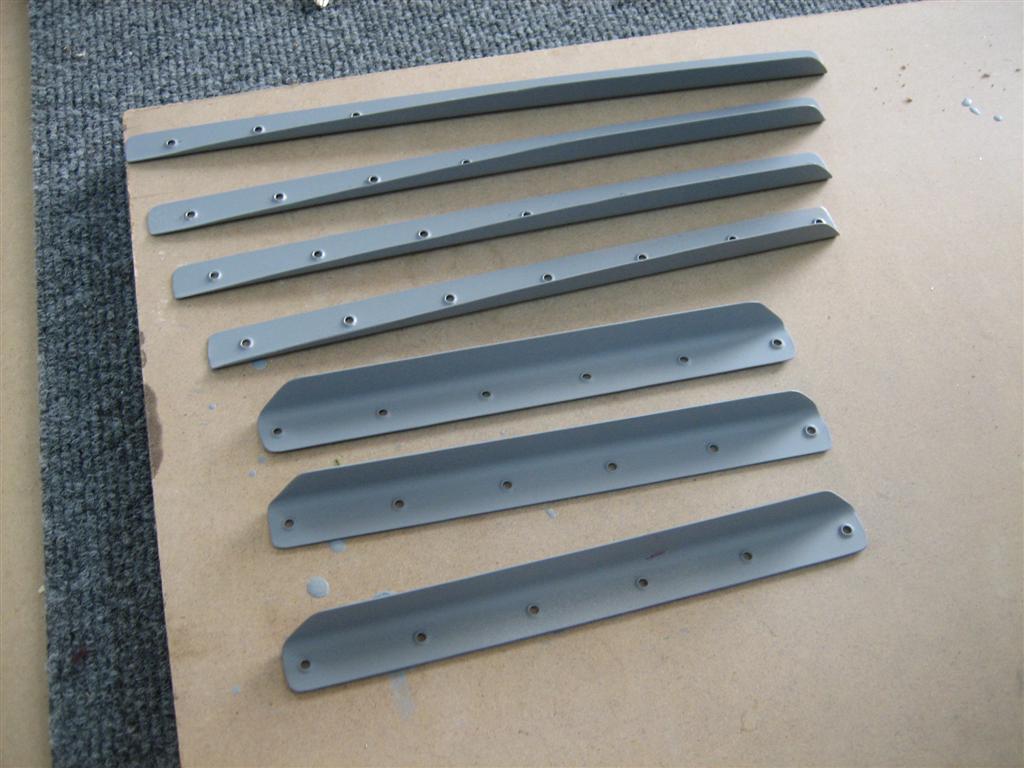
Drawing new, perpendicular lines.

Then, I made a “pretty close” cut with the snips. I’ll need to really clean this up, as well as move the line to the left for clearance purposes (I’ll wait until the hinges are drilled to really see what I need. (The instructions call for 3/32″, but that is for the blind rivet head clearance that I won’t have to worry about.)

Pretty close, but still needs trimming and finishing.

Next, I moved back to the tab. Here’s my new line.

I'm bummed because the upper part of the tab, factory provided, is not perpendicular to the hinge line. That means there will be a slight angle there. Bummer.

After getting those refinished, I got the tab mocked up. I kind of worked backward. I want to use the inboard edge and the trailing edge to get placement, then verify I have adequate clearance on the outboard edge and between the tab and elevator for the hinge (there are some hinge dimensions on the plans). I think I’ll have plenty of room.

This looks good, but I'll have to keep trimming that outboard edge.

Here's a closeup. You can see the edge near the top of the tab is angled a little left. This is how it comes from the factory. The marker line and aft portion of the tab are both perfectly perpendicular to the hinge line (line through the center of the rivet holes).

Later this week, I’ll work on getting this perfect, then tackling the riblets that need to be constructed before doing any more work with finishing the skin.

Prev | Next


Drilled E-701 (Left Elevator Skin) to Skeleton

June 17, 2010

Prev | Next

Wow, it’s been a week since I’ve worked on the airplane.

I have an excuse, though. I’ve been installing wood floors. Here’s the living room, almost done.

Anyway, if you remember from the last post, I had the left elevator skin clecoed to the skeleton. I went ahead and match-drilled the skin to the skeleton. Instead of using my cordless drill (because it’s quieter), I broke out the air drill and went to town. I love the way that thing sounds.

Forgot to charge the camera battery, so it charged while I drilled.

After matchdrilling both sides, this picture is me in the middle of removing all of the clecos.

Then, because I felt like I would be short-changing you if I didn’t have two pictures for you, here’s another one.

After disassembly.

Here’s the catch, though. I have a lot of thinking and pondering to do about some things.

First of all, I am planning on cutting off the elevator tab (and elevator) bent ears and just making a rib out of them. Jason Beaver did it pretty successfully here and here, so I’m basically going to copy him.

The question is whether to prep and rivet the left elevator now, the cut off the “ears” after riveting, then try to fabricate a rib, matchdrill, dimple, prep again, etc., or should I re-cleco everything together and do all of that fabrication now.

Many people use blind rivets for the extra tab fabrication, but I think I am going to try to use solid rivets. I have had some success in the past with solid rivets in tight spaces using a special bucking bar (namely, the end of a BFS (“big-freakin-screwdriver”). The question will be about dimpling.

Also, I can probably cut the ears off, but leave a little extra material. I need to make sure I line up the cuts on the elevator and tab to minimize the gab between the two, and I don’t want to cut to much off of either side. Maybe I’ll mock them up, cut one side to where I think it should be, and make sure the other side can be cut more precisely to match the first cut.

Also, many people use blind rivets for the four trim spar rivets on both sides (per the plans), but I think I can assemble in an order that allows me to use solid rivets, especially since I’m going to cut the elevator bent tab ears off; I should be able to reach in there with a bucking bar.

See how much thinking I have to do?

Prev | Next


Drilled E-714, Clecoed Left Elevator Skin

June 10, 2010

Prev | Next

Hey Look! Andrew’s not dead! Yeah, I’ve been working on some house projects. Back to the left elevator tonight, though.

I managed to catch myself up with where I was and push on today. I need to get that counterweight drilled.

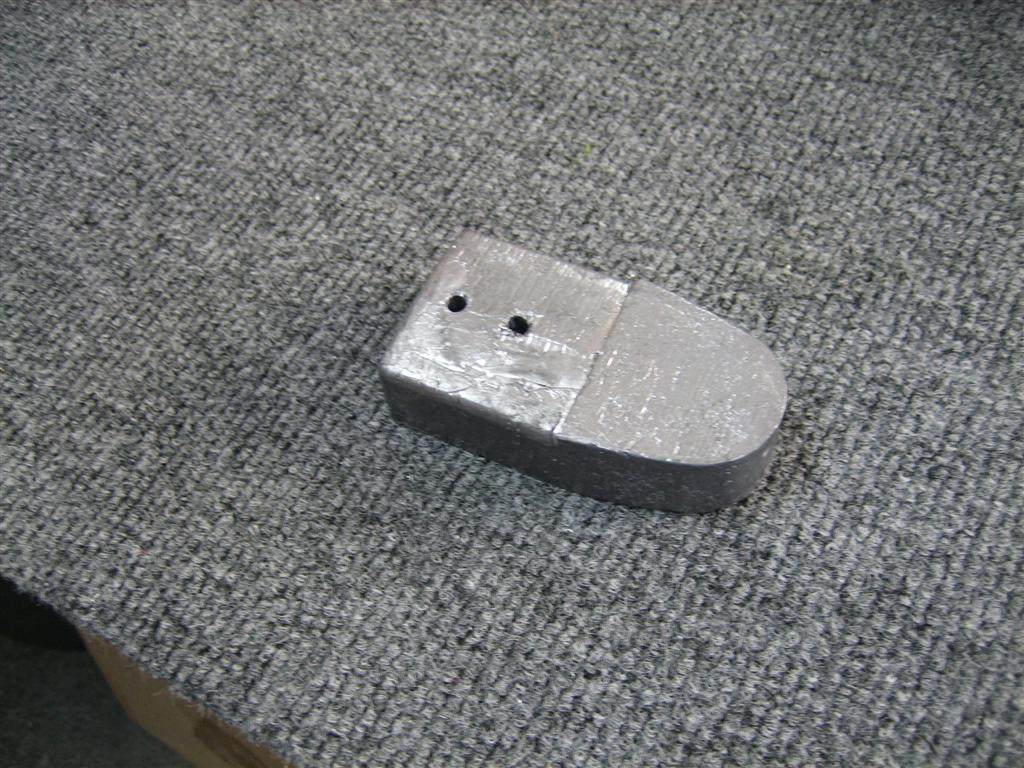
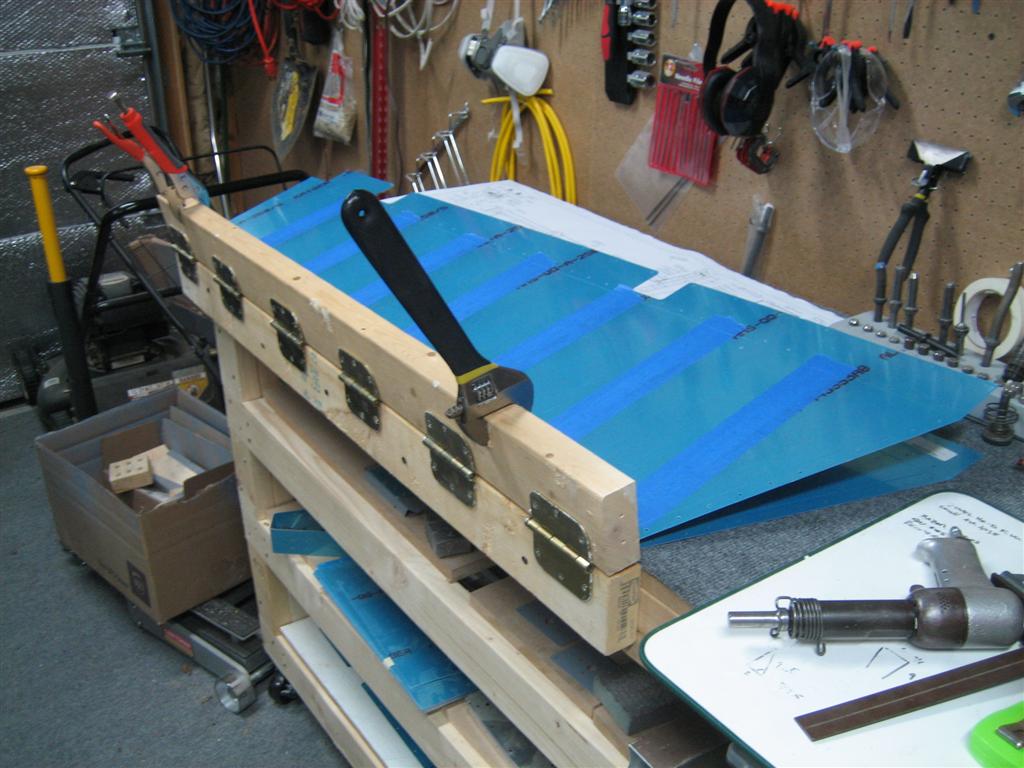
Here you can see the counterweight, counterbalance skin, and the two end ribs around which the other parts reside.

After placing the weight in position, you cleco on the skin (difficultly) and get ready to match-drill. Of course, I met the same challenges I did on the right elevator…namely, I broke a drill bit (#40 size). After getting a pilot hole drilled, I took everything apart and separately enlarged them all to #21. Air tool oil was used with great success after the pilot hole was drilled.

Ready to start drilling.

I didn’t take any pictures, though, because I was getting frustrated. (At first, I was dipping the drill bit into the oil, which meant I had to take the lid off. Then, after stepping away a few minutes later, I placed the screw lid (with the flip-up spout) back on the oil bottle and immediately flipped it over to aim oil into the pilot hole. Guess what! I forgot to tighten down the lid. There goes the lid, and about a 1/2 cup of oil…all over the counterweight, table, and floor.)
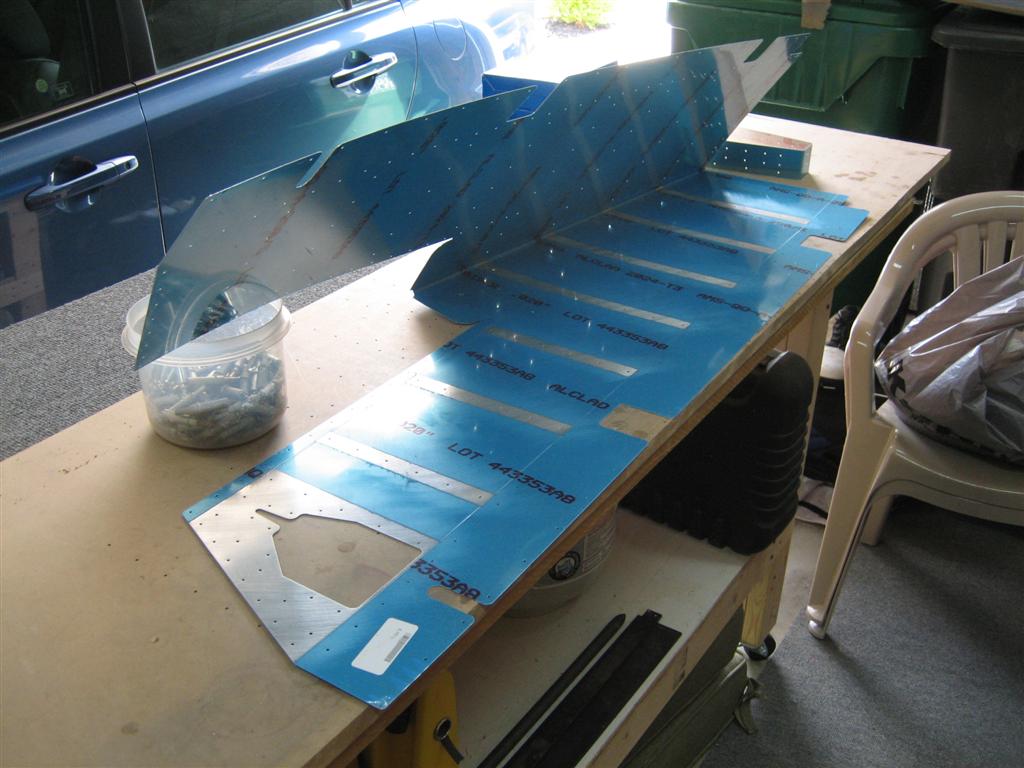
Now do you see why I forgot to keep taking pictures?

Anyway, after that debacle (which of course gets counted in the build time…it’s time spent building, right?)

Anyway, here is that same assembly (sans weight) before clecoing on the skin.

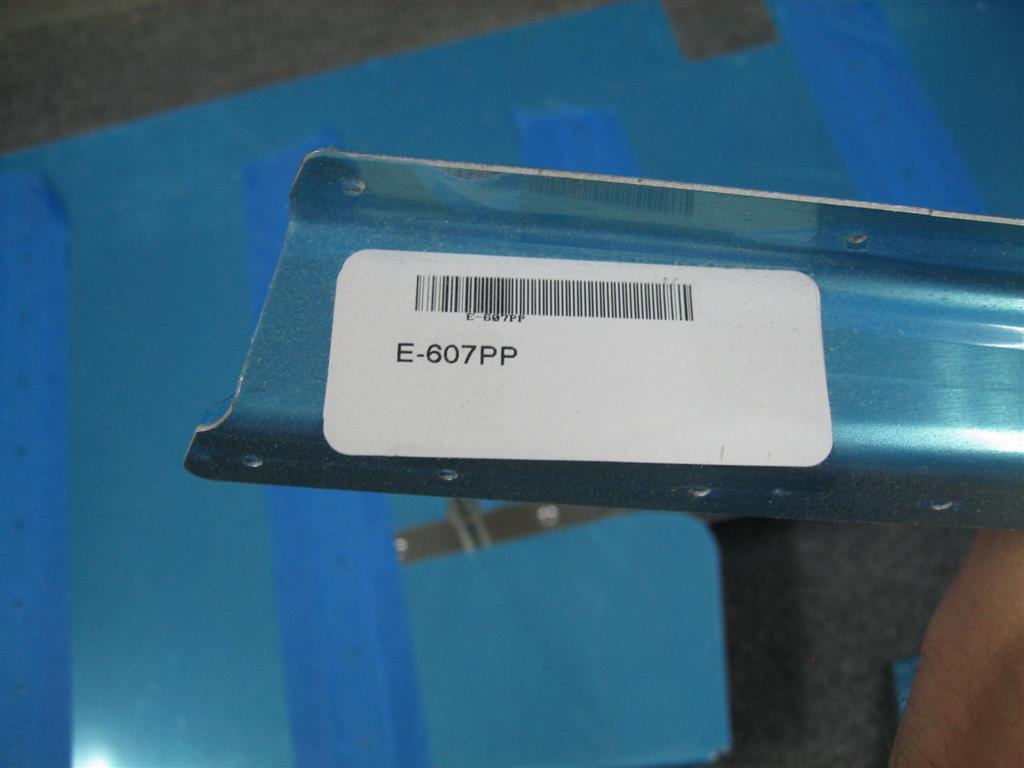
In preparation for clecoing on the skin, I needed to handle E-606PP, which is the trim tab hinge spar. Since I was looking ahead earlier and dimpled the hard-to-reach holes (you can see in the skin below), I need to do something with the spar to accept those dimples. If you read ahead in the directions, the spar is countersunk on the top flange (because the hinge is riveted beneath the spar flange, it can’t be dimpled), and dimpled on the bottom flange.

June 10 Update: After countersinking these four holes, I later did some more research and realized that the countersinks called for (due to the hinge) don’t really apply here, because the hinge stops short of these four holes. I could have (and wished I’d ) dimpled. Boo.

Here are the two parts that need to fit together nicely.

Finally, I got the skeleton and skin clecoed together.

Wuhoo. It looks like an airplane.

A solid hour. Maybe more this weekend.

Prev | Next


Primed Some Left Elevator Stiffeners

May 29, 2010

Prev | Next

Not too much today. I got the lower left elevator stiffeners deburred, dimpled and primed.

Here are some of the stiffeners on the priming table.

Then, I turned my attention back to the skin to start devinyling.

Left elevator, ready to be devinyled.

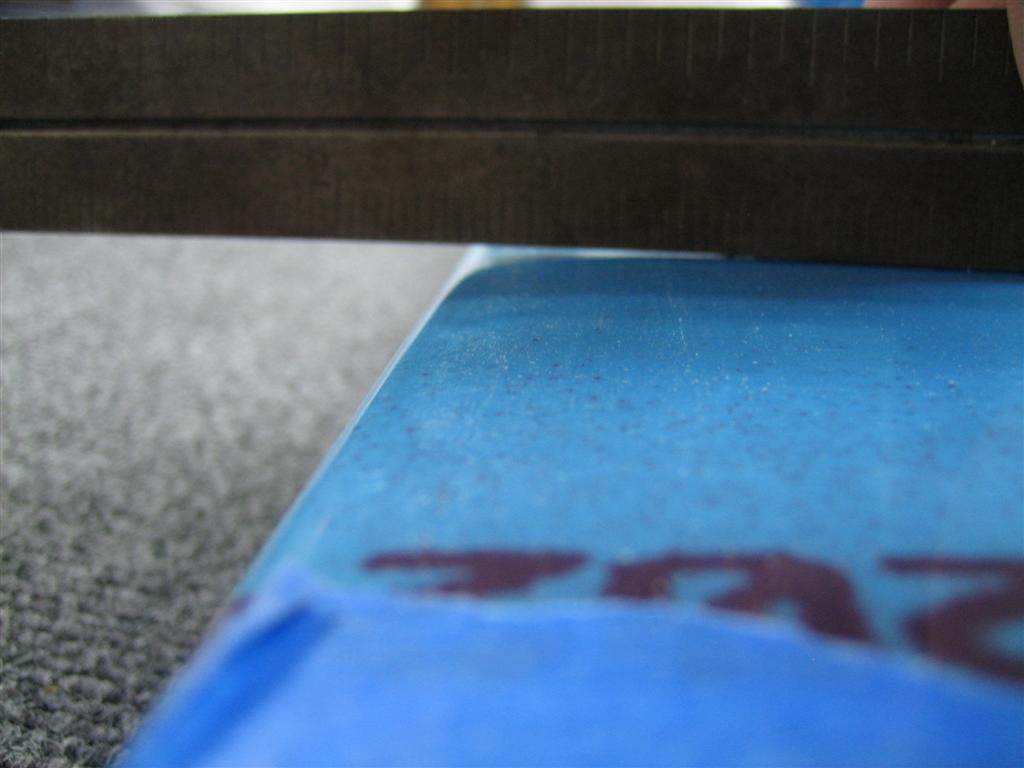
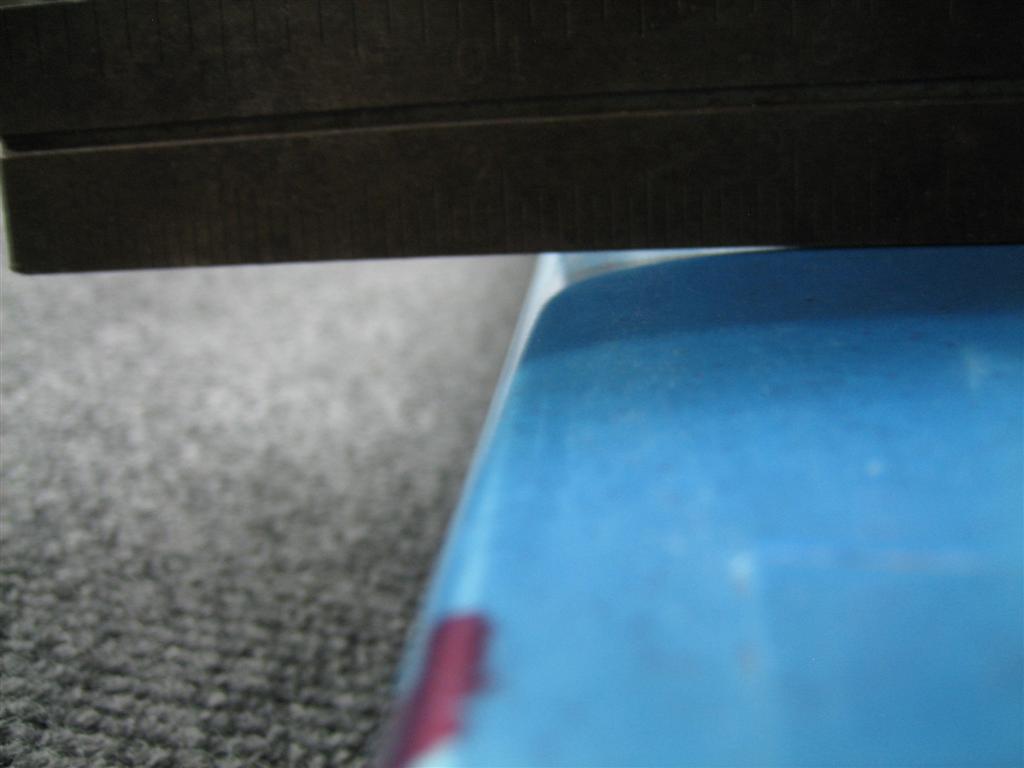
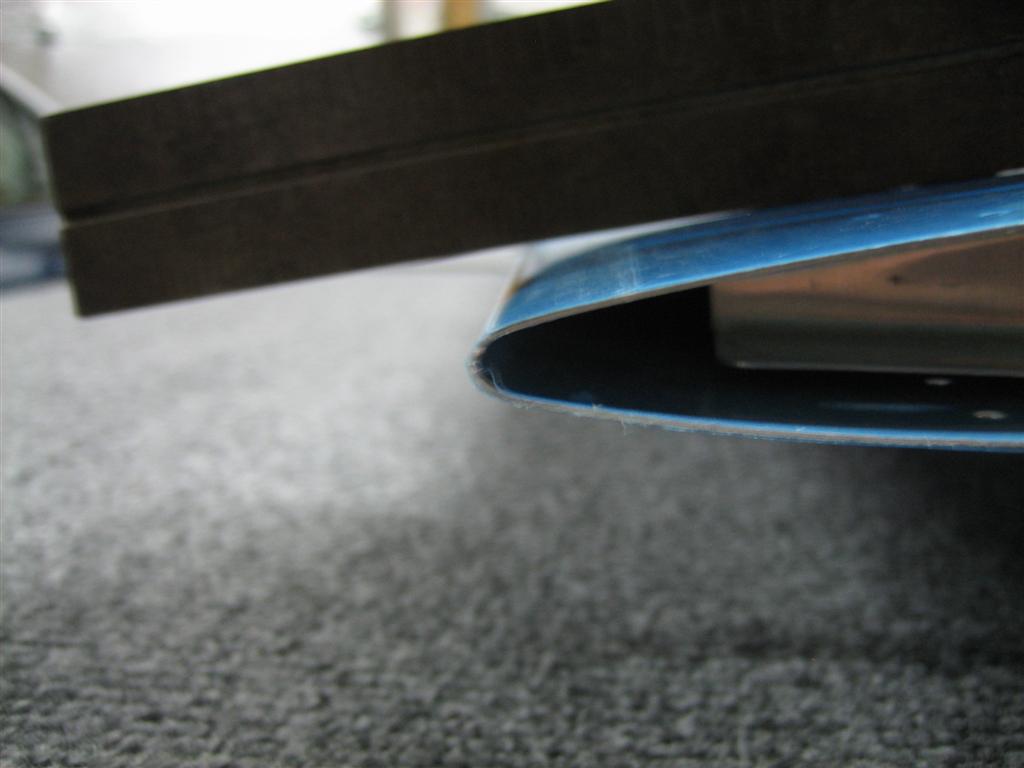
Here are a couple lines showing my devinlying process. These are made with a soldering gun held against a wooden straight-edge.

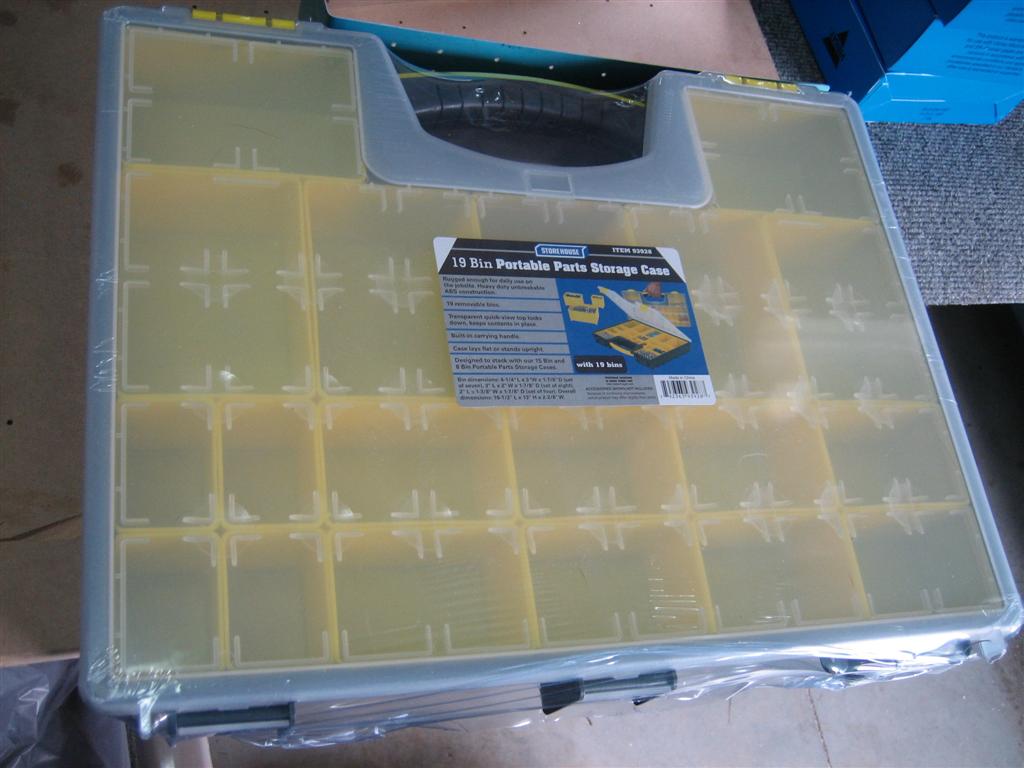
Oh yeah, almost forgot. I stumbled across another Harbor Freight coupon. I bought this ~$10 storage container for wing hardware.

I have two already, one for rivets, and one for Empennage hardware. I assume I'll need a third for wing hardware (I'll combine the rivets from wing and emp if need be).

Okay, back to the project. I’ve pulled off some of the vinly strips.

Pulled off some of the vinyl strips.

Here, my devinyl line overlaps the tracing a little.

Another angle here.

So I put the trim spar in position, and realized I could move the line back a little, so that's what I did.

Next, I deburred and scuffed the skin in preparation for dimpling. (It’s easier to scuff before dimpling.)

The lines to the right have been scuffed, the trim spar reinforcement area has not.

A closeup of scuffed versus not-scuffed.

To scuff an area (in preparation for priming), I scuff in one 45° direction…

45° to the right.

Then, 90° from that.

All done. You can sort of see the two directions.

Finally, some dry stiffeners, ready to be backriveted to the skins.

Pretty stiffeners.

I always like to take a big picture shot at the end of the day.

Left skin, ready for dimpling.

Tomorrow, maybe a little skin dimpling, priming, and backriveting stiffeners.

One hour.

Prev | Next


Final Prep for Right Elevator

May 20, 2010

Prev | Next

Well, after deciding not to work out tonight (in favor of wine), I made it out to the garage pretty late for some final prep work before riveting the right elevator.

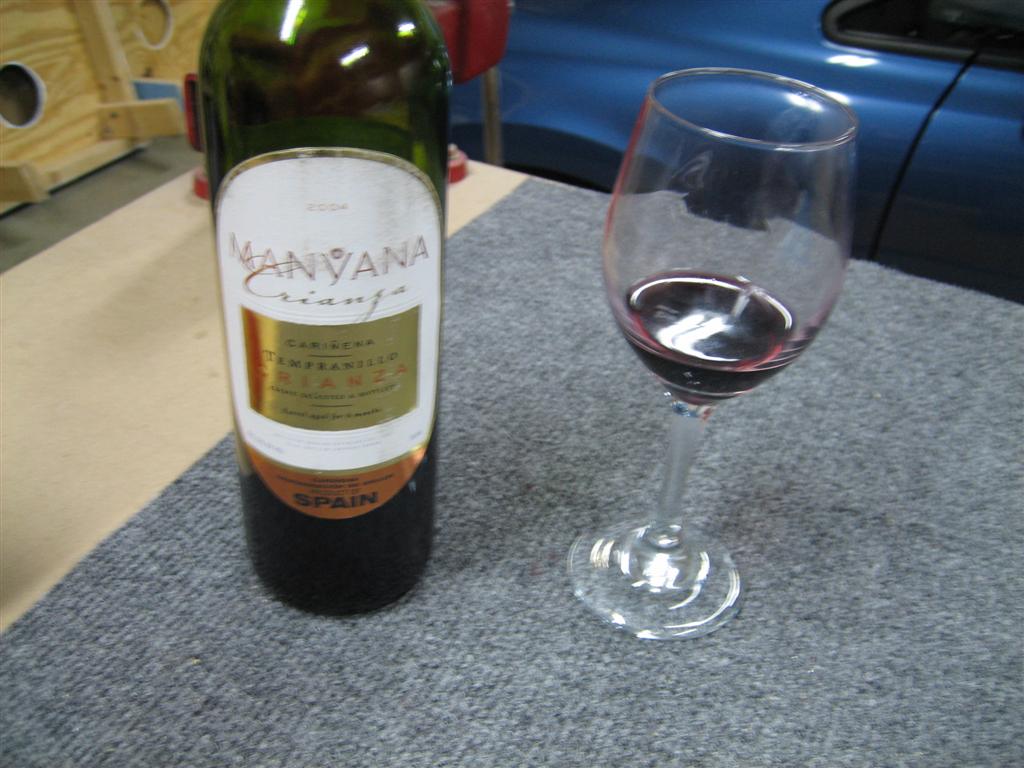
Tonight's build partner, 2004 Manyana (play on words) Crianza. A delicious tempranillo from Spain.

On with the building, you say? Fine.

One of the last real fabrication items I have left on the right elevator was enlarging the counterbalance skin dimples. To make a long story short, I don’t have #10 dimple dies, so I dimpled with #8, and then planned on using the AN507 screw head and a nut tightened down to enlarge the dimple enough for the screw to sit flush.
This did not work.

Okay, instead of waiting for a week for a $40 dimple die to arrive, let’s be creative.

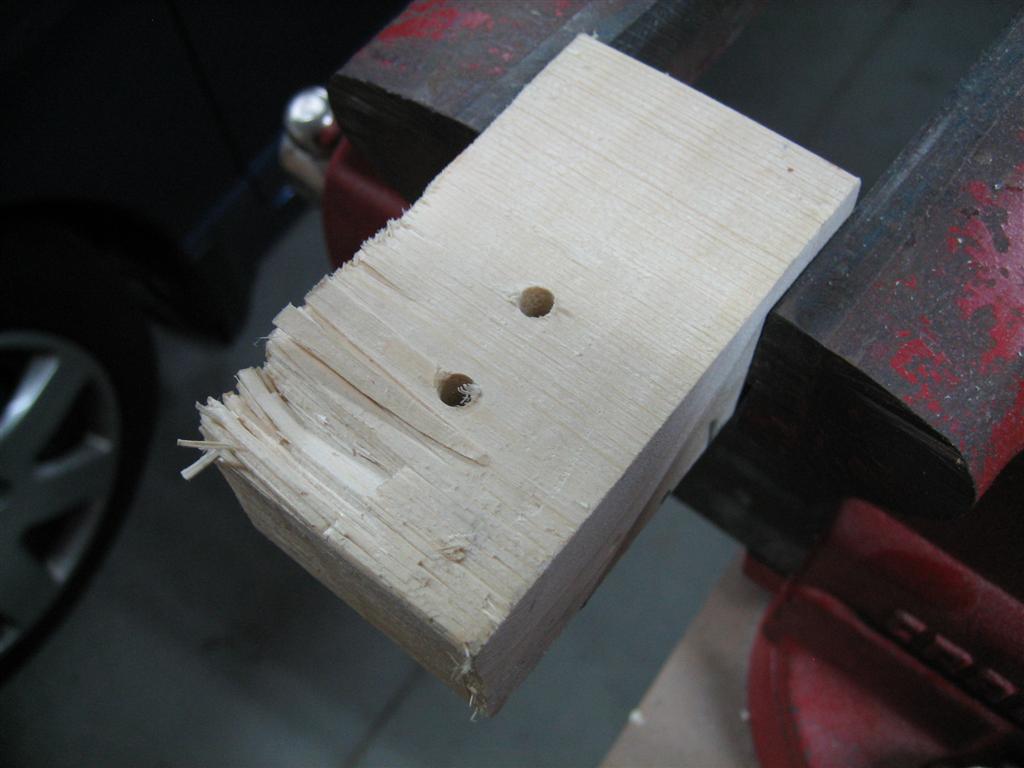
Plan: matchdrill two holes in a block of wood, countersink the holes, then use a flush set to enlarge the dimples.

Here's my block of wood, later to be countersunk.

Well, I don’t really have any good pictures of my attempt, because that didn’t work either, and I was getting frustrated.

Finally, I told the girlfriend to come out and listen to me explain the problem. (I knew this would help me come up with a solution.)

Without even flinching. “Why don’t you use a bigger screw to make your dimple?”
my face = <deer in the headlights>

Of course! (Except I didn’t have a bigger countersunk crew, but it set me down the right path.)

This should work. (It's my punch set that came with my rivet gun.)

Setup recreated (I had a piece of tape on the skin to prevent marring.)

The hole on the left has been "enlarged." This worked great!

Okay, let’s move on. Next up, I needed to locally bevel the edges where the spar and tip rib are underneath the counterbalance rib (so the top skin doesn’t show the transition bulges. So I marked those, and also started thinking about how to attach these empennage tips. See the two undimpled holes to the right? Those are two (well, 4, two on top and two on bottom) tip attach points that will eventually be drilled, deburred, and dimpled. Might as well do it now so I don’t have to worry about deburring between riveted sheets.

Lining things up to wrap my head around this interface.

I flipped the pieces over and drilled them to #30.

The top two holes have been drilled and deburred, ready for dimpling.

After dimpling…this #6 screw fits pretty well. (Editorial note: I’m pretty locked in to attaching the elevator tips with screws. I know there is really no reason to take the tips off, but right now, I don’t want to commit to blind rivets.)
That #6 screw looks like it will fit pretty well.

Once the other side was done, I primed the interior (and taped off exterior) side of the counterbalance skin.

Priming. You can see the two #6 dimples at the top of the left side of the skin. (I'll do the rest later...the rest are all accessible in the future.)

While that dries…let’s devinyl!

Hooray for devinyling!

All done. (After using compressed air to blow the flaked primer off.)

Back to emp tip attachment, here are the #6 holes in the skin, dimpled the same way as the counterbalance skin.

Nice big dimples. (Whoa, I forgot to deburr that relief hole on the left there. Fixed after picture taken.)

Let’s get this thing clecoed together.

Those big dimples sit nicely in each other. Here you can see those two holes are the only holes that overlap.

Next, the manual has you rivet the following two holes (not accessible once the spar and tip ribs are in place).

Protected with tape, this rivets were set beautifully.

Without clecos, it's starting to look like an elevator.

Next, “loosely place” the counterbalance in the counterbalance skin and “partially” insert the screws.

The untrimmed (on purpose) counterweight in the counterbalance skin.

last, but not least, they have you insert the skeleton in the skin and cleco together.

Wuhoo! It really does look like an elevator!

Those screw heads are pretty flush. (They are not tight yet, so they'll sit a little better once I get them tightened down.)

A couple pictures of some of the interfaces.

Just behind the counterweight.

Trailing edge of the tip.

Inside corner of the counterbalance rib. (What's that stuff hanging from the top edge? I'll have to investigate later.)

Finally, the trailing edge of the inboard rib.

Ready to rivet!

One more shot.

1.5 hours, 4 flush rivets set.

Prev | Next


Primed Right Elevator Skin

May 19, 2010

Prev | Next

Well, it was a short night in the shop tonight, but after almost a week without building, it was a productive hour.

All that’s remaining before riveting the right elevator together is to finish up deburring, dimpling, and priming the right elevator skin, and doing the same (as well as getting a big enough dimple for the counterbalance attach screws) in the counterbalance skin.

First thing, I grabbed an oversize drill bit and started deburring.

I still can't bring myself to buy a deburring tool. Maybe I'm being stupid. (Who got sawdust all over my right elevator skin?!)

Then, I realized that the holes on the very front edge of the skin (for the pop rivets after you bend the leading edges together) will be very difficult to deburr if I wait until after bending to matchdrill them. I decided, like on the rudder, to drill and deburr them now.

Just making sure the #30 bit is the right bit.

After drilling, this looks like it will fit the bill when I am ready to start riveting the leading edges together.

After getting all of the holes deburred, I grabbed my scotchbrite pad and got to work scuffing. I grabbed an intermediate shot so you can see what I am doing.

Scuffity-scuff scuff.

After scuffing, I cleaned everything up with MEK (because it’s harder to clean well with the dimples) and started dimpling. Here is the inboard edge of the right elevator (which is upside-down on the table) after dimpling with #40 dimple dies.

I love dimpling. Don't know why... (Whose palm prints are all over my elevator skin!?)

A before and after shot of dimpling.

Please no comments on the lack of edge finishing here. I did all the edge finishing after this step.

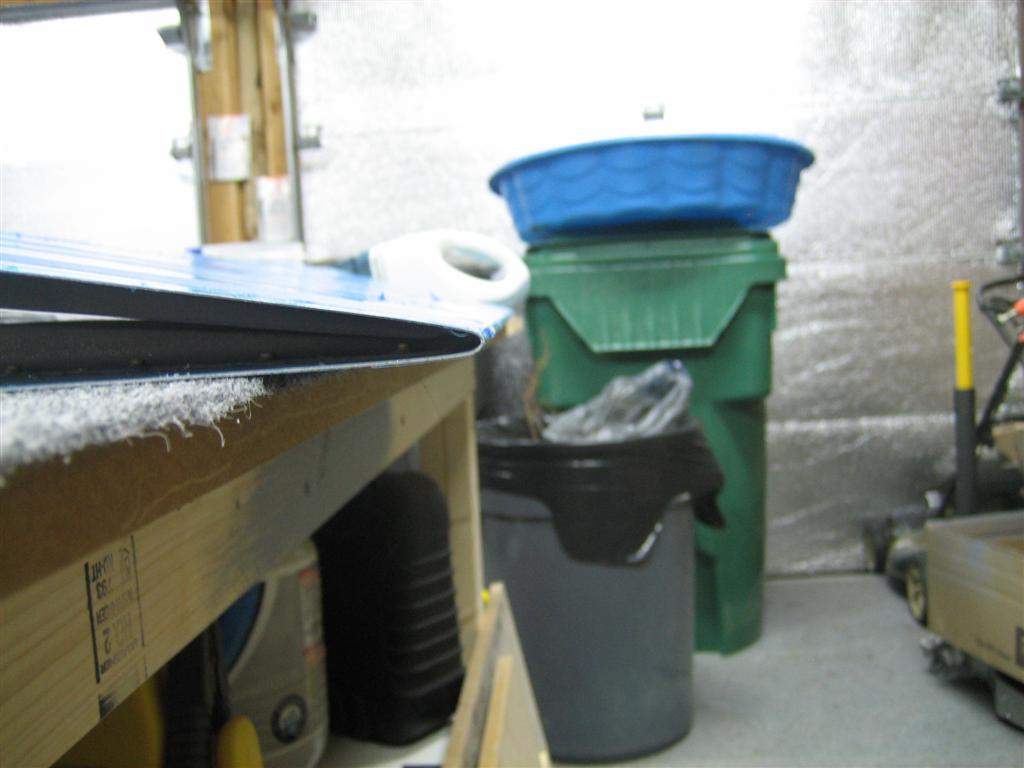
Like I said, after edge finishing and another wipe-down with MEK (and the requisite drying time), I put the skin up on my garbage bins and shot some primer on the interior surfaces. If you look closely, you can see where I have left the blue vinyl on the inside of the skins. That is where I don’t want any primer (weight savings) after I am done. When the skin is dry and ready for riveting, I’ll pull the vinyl out and be left with nice shiny, untouched aluminum.

I cant wait to rivet this stuff together. I am proud of this elevator.

One little hour, but good prep work for riveting soon!

Prev | Next


More Drilling, Deburring, Scuffing and Dimpling

May 9, 2010

Prev | Next

After we got back from my first Pilots N Paws rescue, I was excited to keep working on the airplane.

I needed to start on the tip rib and counterbalance rib, so I needed to get the holes in the counterbalance to final size (#12, for a An509 screw).

I had some trouble awhile back with drilling the counterbalance holes to final size, and I don’t have any boelube, but i figured any lubrication would work better than none, so I poured some air tool oil into the holes and tried again.

This time, it worked much better. (I still got stuck a few times, but I didn’t come to a grinding halt like I did last time.)

Here's the counterbalance after drilling to #12.

I clecoed the counterbalance skin back onto these two ribs, inserted the counterbalance, and matchdrilled through those to make these holes in the ribs.

Nice job with the blurry picture, right?

Next up, deburring.

There's my trusty deburring bit.

Then scuffing.

Bottom rib (counterbalance rib) is scuffed.

After deburring and scuffing the tip rib, I dimpled all but the last 2 holes on the top and bottom of the rib.

The two non-dimpled holes are not shown here. I'll have to get the countersunk steel plate out to get those.

Next, I clecoed the counterbalance skin on the right elevator skin and marked with a permanent marker where I wanted to scuff and prime. Some of the edges here have to be broken to make the skins seam from spar to coutnerbalance skin a little smoother. More in a later post.

Above this line, the right elevator skin overlaps, and will need a coat of primer.

Then, out with the trusty blue tape.

Taped and ready for scuffing.

Then, I pulled out my #8 dimple dies (don’t have #10 dies, which are the correct dies for a #12 hole and AN509 screw) and dimpled the counterbalance skin. The countersinks on the right are the correct size. I need to figure out how to dimple the skin on the left a little more.

After this shot was taken, I screwed the correct screws into the assembly and tried to tighten them down to dimple more, but I didn't want to strip anything, and it wasn't really going to work.

I’m going to research how people did this without #10 dies later.

No rivets set, but a good hour on the plane.

Prev | Next


Primed E-709 Root Rib Right

May 3, 2010

Prev | Next

Well, after a few days of no work, then a few more of yardwork, and a few more of more no work, I made it into the garage tonight for an hour of work. Now that summer is approaching, the garage is getting a little humid. I’m going to start thinking about buying a portable air conditioner.

Tonight’s main task was to get any piece of the right elevator ready for assembly. E-709 (Root rib right) seemed to be a good candidate.

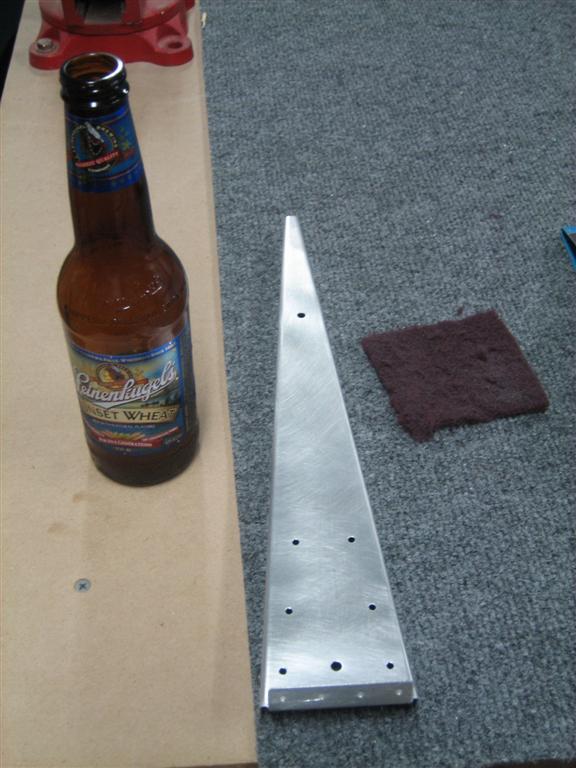
On the right, my trusty scotchbrite pad. In the middle, E-709 (Root Rib right). On the left. Well. You may call that beer. I call it "delicious."

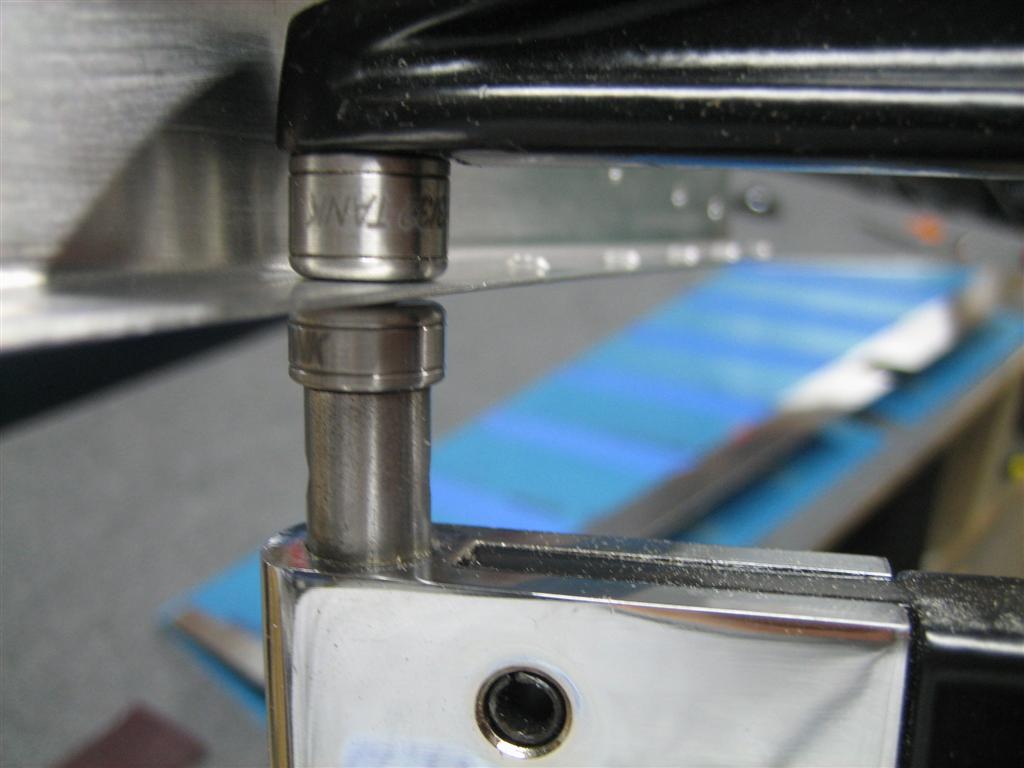
Anyway, after deburring and scuffing, I broke out the #40 tank dies (understructure, so I want the dimples slightly deeper) and did all but the aft two holes on top and bottom.

Dimpling.

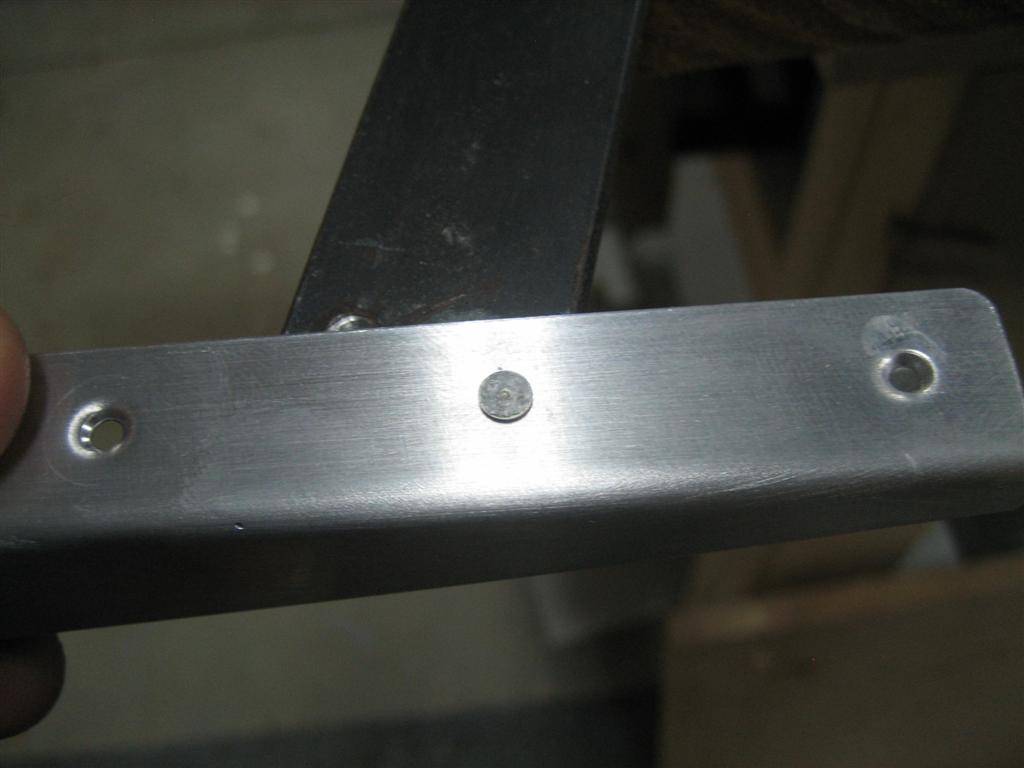
For my hard to reach places, I use a steel bar with a countersunk hole in it, put the hole of interest on top, and put in a sacrificial rivet to use as a male dimple die. Then, I grab a flush set, and push the rivet into the hole in the steel.

Getting ready to ghetto-dimple.

Here’s a closeup of my steel bar for you to admire. The hole on the right is what I use for these tasks.

The hole on the left is useless, since I drilled it too far away from the edge of the bar. Dumb me.

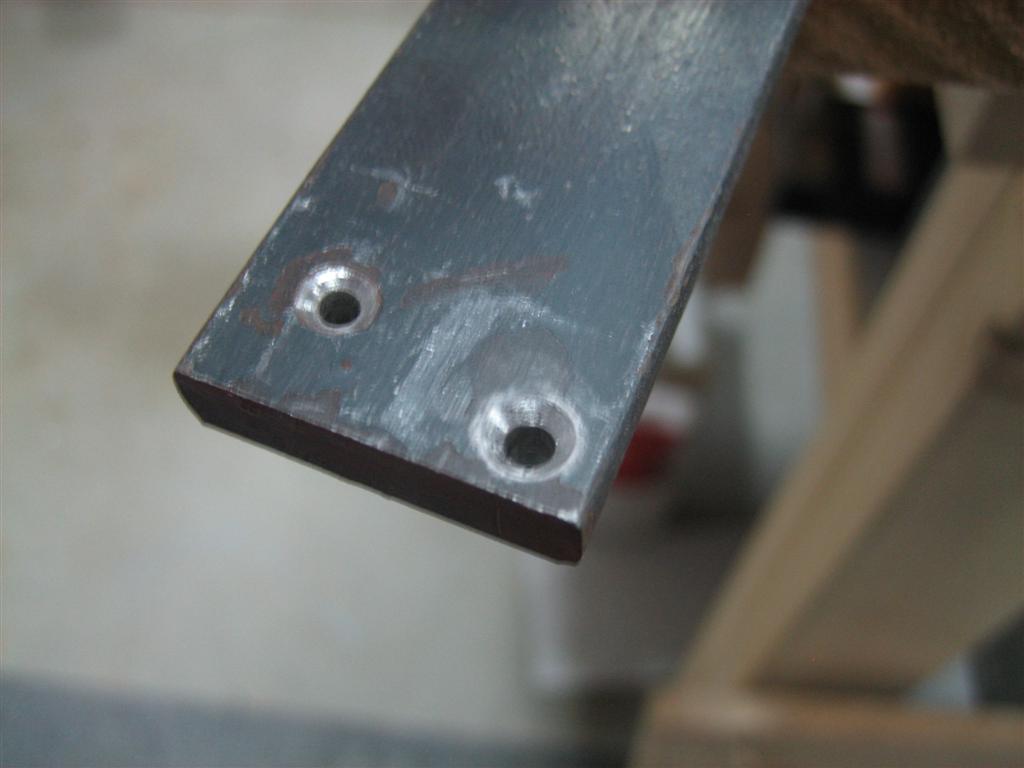
Anyway, here’s a shot of one side of the E-709 after using this technique.

The bottom dimple is from the tank dies, the top two are with the rivet trick. Not perfect, but not bad for the hard-to-reach area. Based on my experiences on the rudder, the skin will sit just fine in these dimples.

Off to the paint-shop. And by paint-shop, I mean “a piece of cardboard on my trash and recycling bins.”

Up with the garage door for ventilation and on with the respirator before shooting the first coat.

While that dried, I snapped an action shot of me devinyling the inside of the skins. I also deburred all of the exterior sides of the recently drilled holes, but didn’t get to the insides, I’ll do that as soon as I get back into the shop.

Oh man, those stiffeners and rivets look nice.

Here are both interior sides done. (And by “done” I mean “done devinyling with just the parts I’m going to deburr, scuff, dimple, and prime.”) The rest of the vinyl will come off just before riveting, and will reveal nice untouched (and unprimed) alclad.

Pretty pretty.

Crap, I forgot to take a picture of me shooting primer on the other side of E-709, which is the entire basis for the title of today’s post. If you feel shortchanged, feel free to complain.

One hour.

Prev | Next


Bent Right Elevator Trailing Edge

April 28, 2010

Prev | Next

What a great night in the shop tonight. And, the airplane actually forced me to get something done on the house!

After work today, I needed to stop by the Aviation Depot to buy some hinges, wood, and an 1/8″ dowel rod for elevator trailing edge bending.

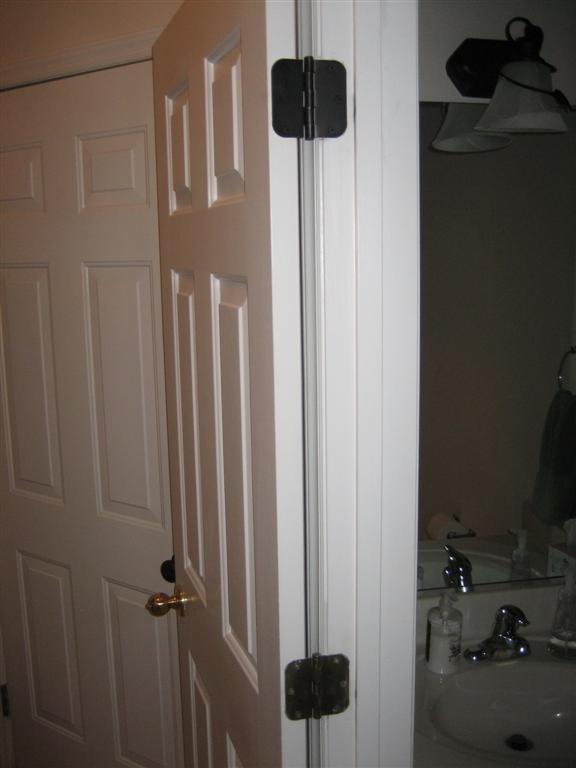
Since we’ve been wanting to upgrade the hardware in our house for awhile, I decided to buy the nice hinges, and used the replaced hinges for my bending brake.  Here’s a shot of our powder room door, mid-installation.

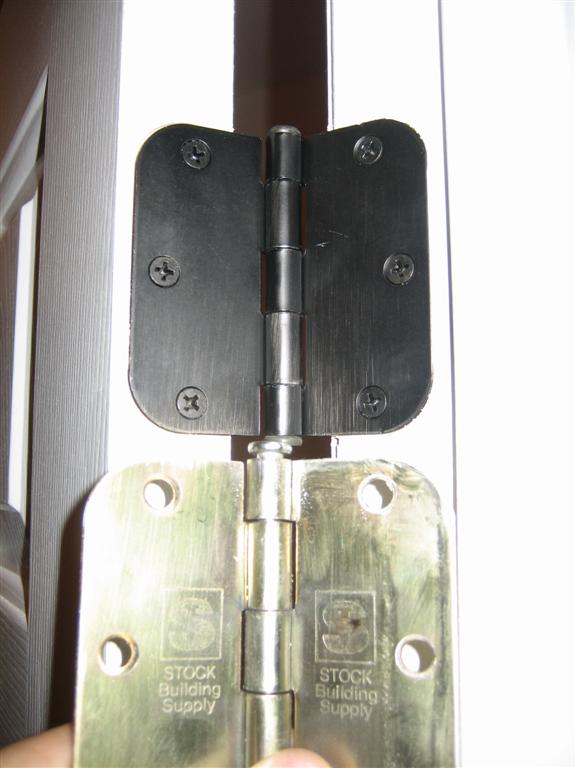
Top hinge is the new “oil-rubbed bronze” hinge. Bottom hinge is the old (builder standard) hinge. Looks a lot better.

Up close. I like the new one a lot better. (Later, I went around and made sure all of the crosses in the screw heads were straight up and down. It’s an anal retentive thing I do, especially with light switch plates.)

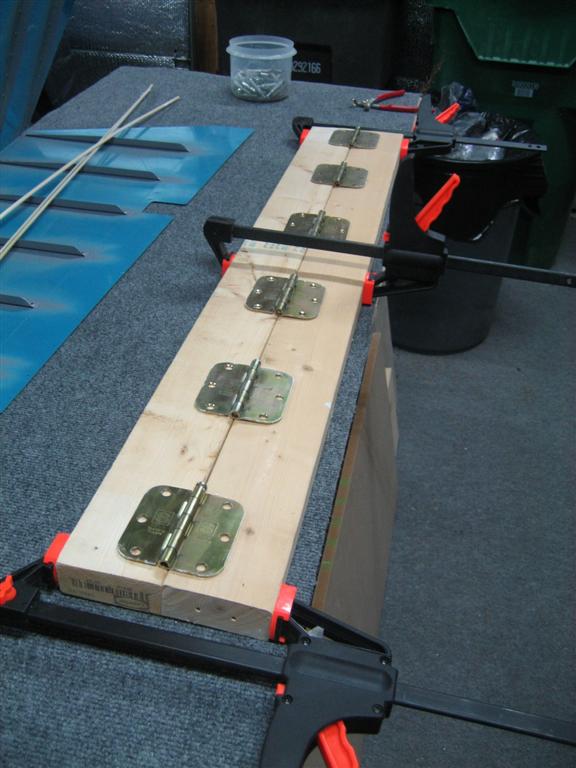
Anyway, after a ton of VAF research, Orndorff video watching, and builder website reading, I settled on the “other” method, which puts the hinges on the long face, and really only bends with the short side of the 2×4 (or 2×8 cut in half). You really only want that much bending the skin anyway, because the bend needs to occur locally at the radius, not away from the trailing edge. If the wood is imparting force in the middle of the skin, you will end up with the dreaded “bulge.”

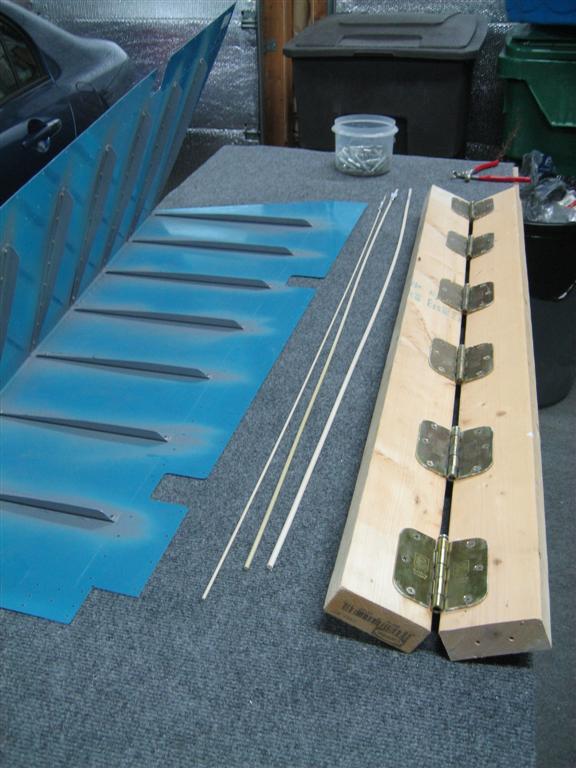
Here’s my bending brake being assembled. I had six hinges, so why use them. I grabbed these 2×4, which were nice and straight, and just long enough for the trailing edge. I’ll need to replace these for the flaps and ailerons. I read somewhere they need to be more like 5 feet long for those.

Here it is after assembly. On the left, you can see my skin, that needs to be bent. In the middle, the three dowel rods I purchased. While I was standing in the store, 1/8″ seemed too small, so I bought a few different sizes at $0.50 each. Of course, everyone was right on, 1/8″ is perfect.

I’m going to put the trailing edge of the skin in the little opening at the bottom of the brake (as it is oriented in the picture).

First thing,  I screwed my bending brake to my 2nd workbench with one of the bending surfaces flush with the bench top.

Bending brake, installed.

Then, I put the 1/8″ dowel into the trailing edge of the skin and taped it in place. (Not shown in the following picture, because I was recreating the process for the camera. Look 2 pictures down for the dowel rod.) Then, you put the skin in the brake all the way against the hinges, and start bending.

This is not a fast process. It takes a surprising amount of force. I thought it was going to be a one shot deal, but it takes a lot of bending. You start with the skin against the hinges, then bend around the dowel. That took a whole bunch of times (I was stopping a lot to inspect). Then, you move the skin a little away from the hinge, and bend again. This allows you to really form the edge around the dowel.

If you pretend there is a dowel rod in there, this would be the first bend.

Here’s where I could get to with the dowel rod in place.

About halfway there.

Then, you remove the dowel rod and keep going, same deal, but a lot more gently, because I didn’t want to squeeze the trailing edge too much (now there is no dowel rod to prevent squash-age.

I thought this was good enough, but this is about 3/4 the way there.

Of course, because I thought that was good enough, I clecoed the skeleton into the skin.

It’s starting to look like something that could be considered an elevator.

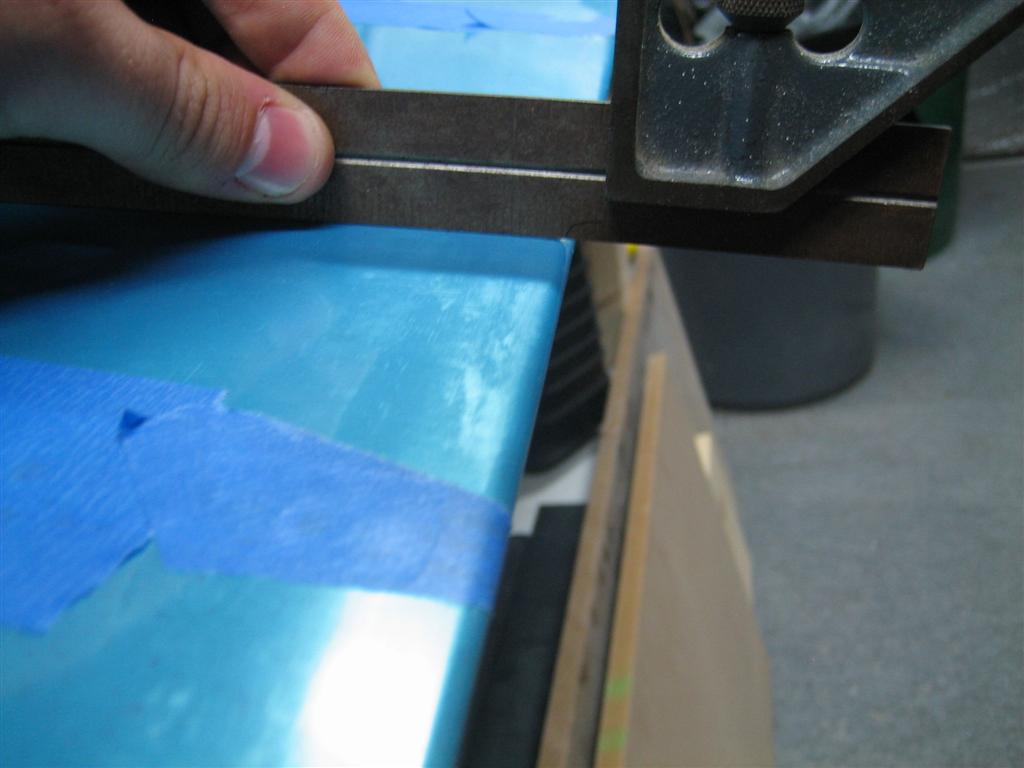
But, after grabbing my straightedge, I’m getting some “fall-off” before the radius. This happens because the radius hasn’t been formed well, and then you pull the skin down to the skeleton, and it bends close to the trailing edge. It’s not terrible, but I know I can do better.

It’s not the dreaded bulge, but it is some pretty good “fall-off.”

Another shot.

No good here either.

Near the inboard edge.

Hmm. I unclecoed, and grabbed this shot. I’m about an inch from where I need to be, and the tension I am putting on the skin to pull it to the skeleton is causing that slight bend near the trailing edge.

About an inch.

I put that bad boy back in the brake and kept going. This time, I used two BFPs (the “p” stands for pliers. I’ll let you figure out the “b” and “f”) on either side of the brake and finished it up nicely.

More bending.

There we go. I made up that last inch, and now it rests right where the skeleton would go.

Much better. Perfect, in fact.

Here’s an end-on shot.

How great is this? A perfect bend.

Let’s get out the straightedge.

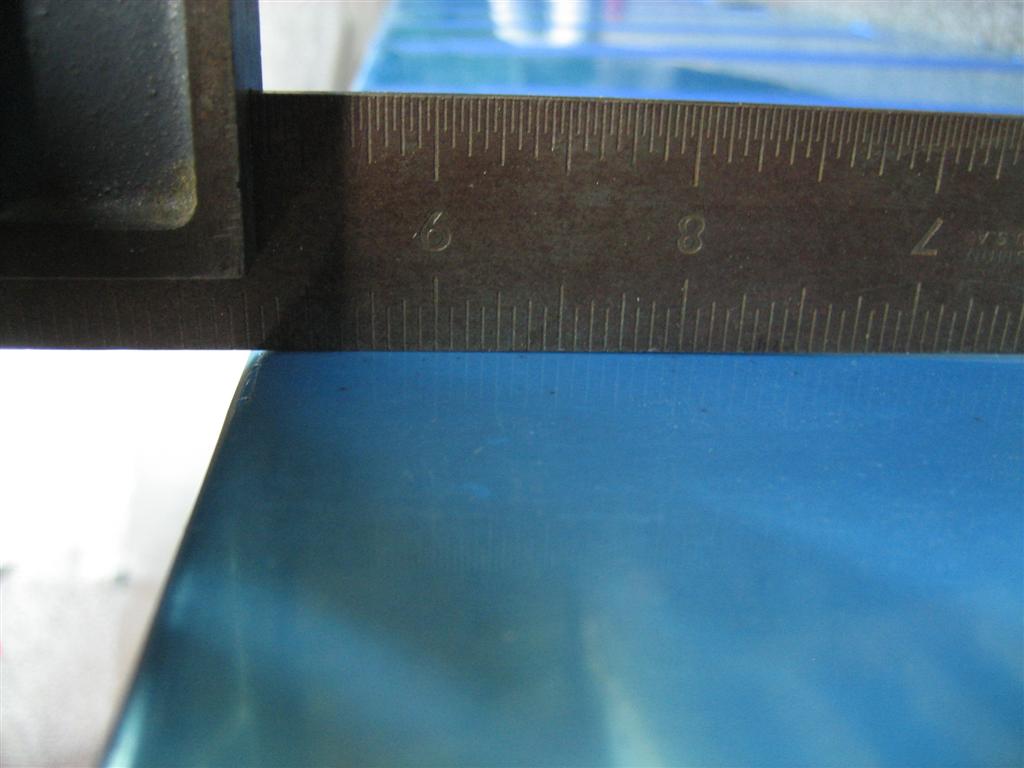
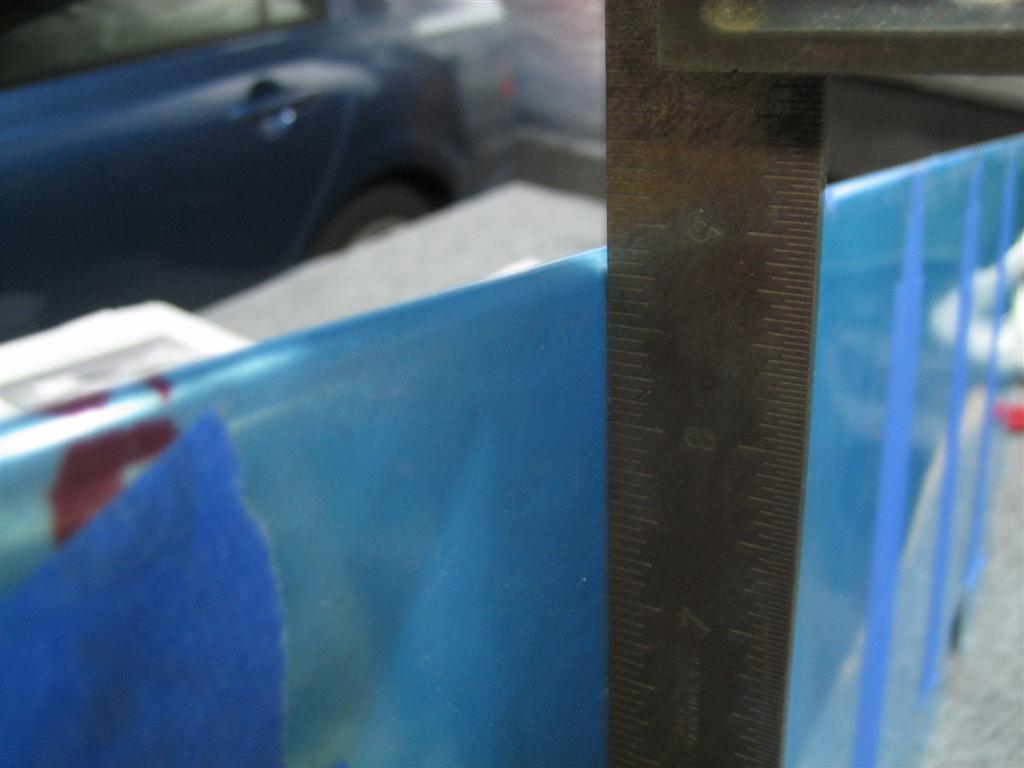
No fall-off before the radius.

Another place on the elevator.

And again, no fall-off. So happy!

After all that, I pulled the vinyl off of the outside of the elevator skins in preparation for deburring.

Hey! There’s shiny aluminum under there. Let’s start putting this bad boy together.

Total, it was two hours tonight, including bending brake construction. It was a great 2 hours though. I am extremely happy with the results. I have a perfectly bent trailing edge.

Boo-yeah.

Prev | Next