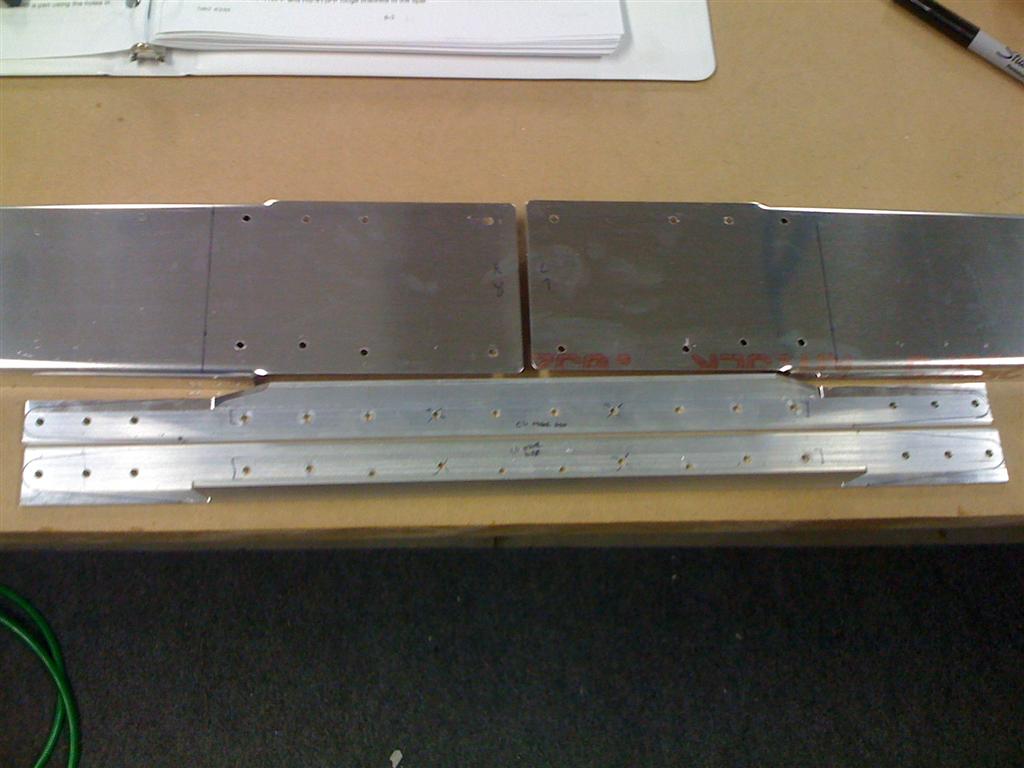
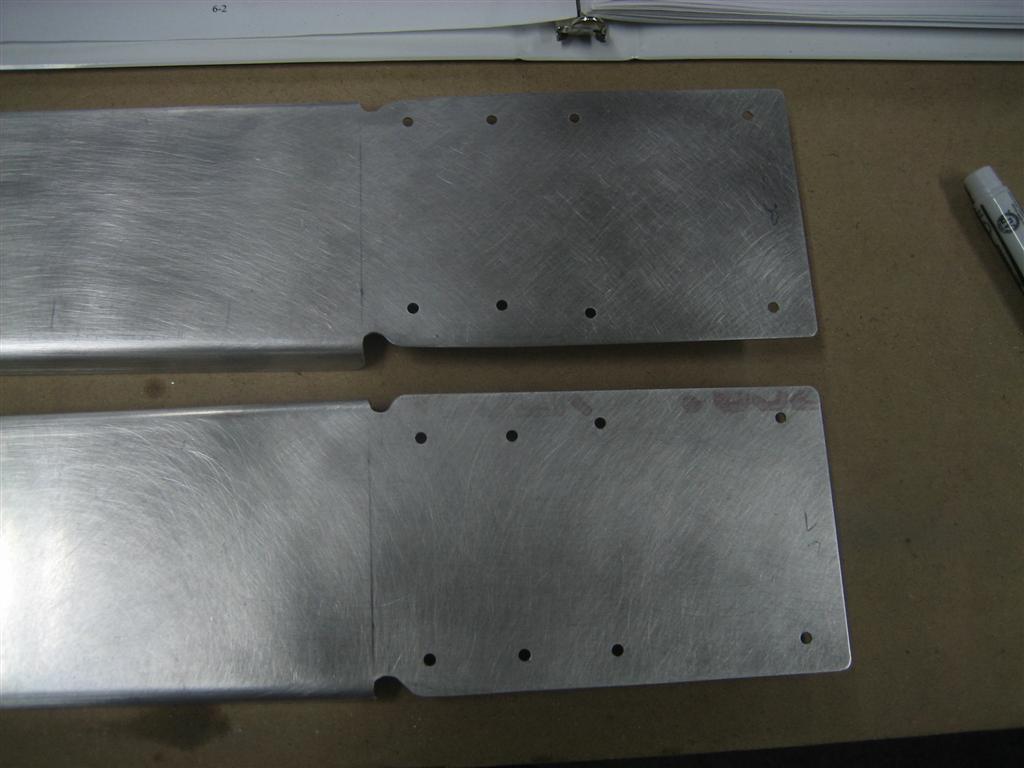
More VS work

January 26, 2010

Prev | Next

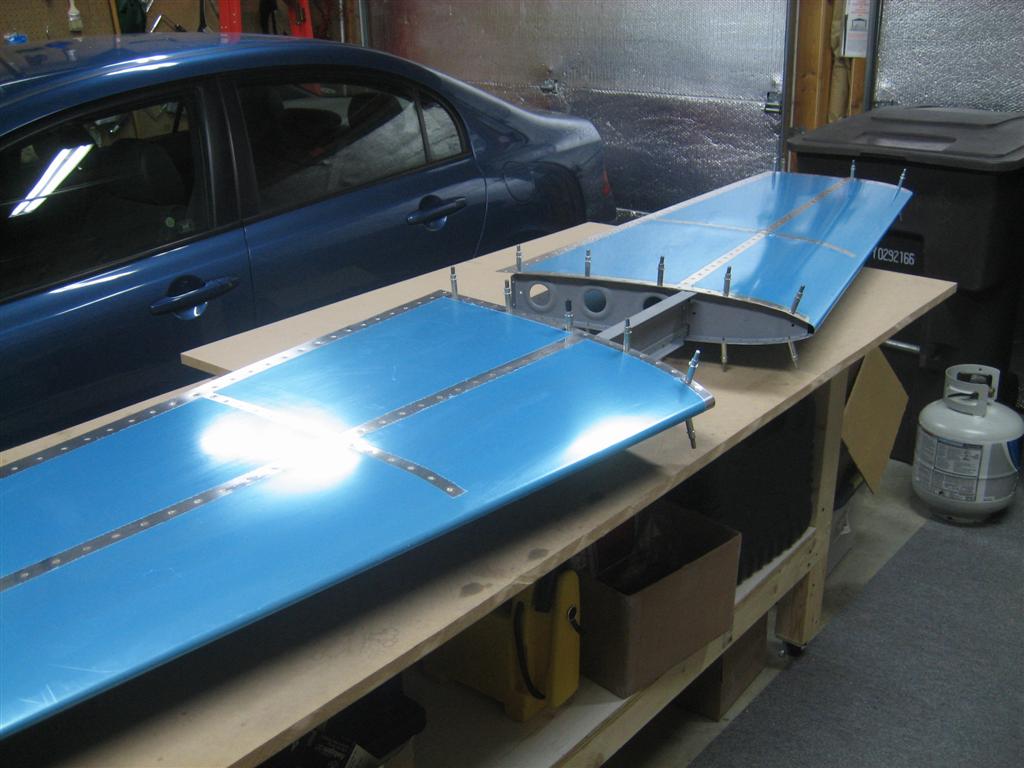
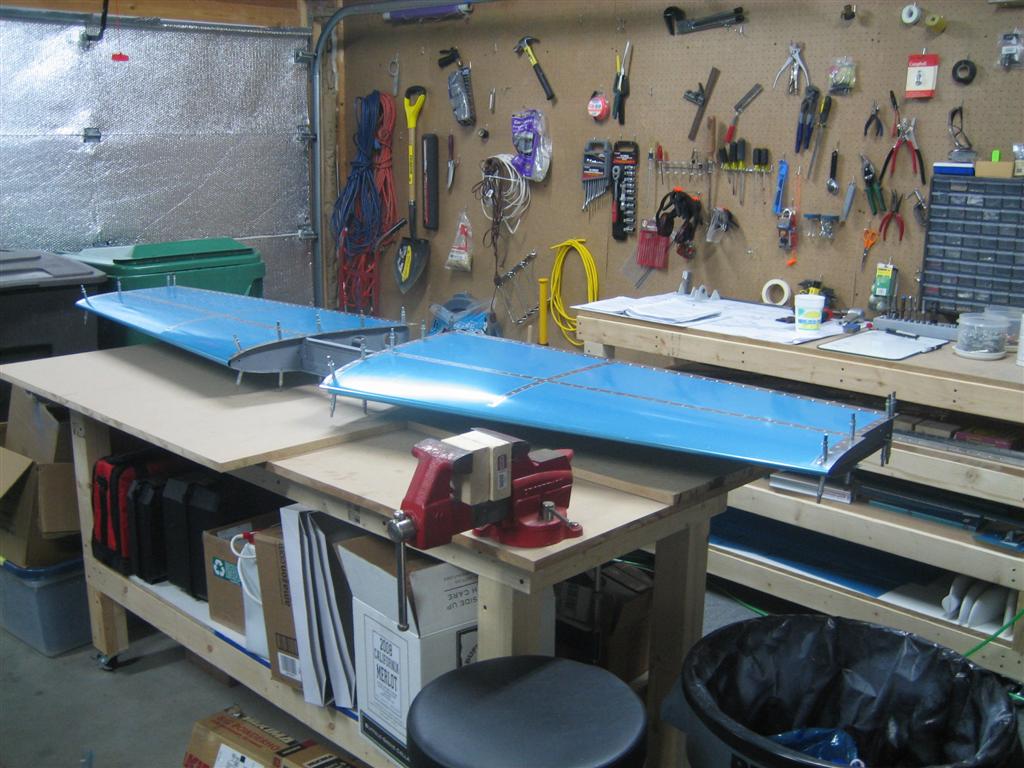
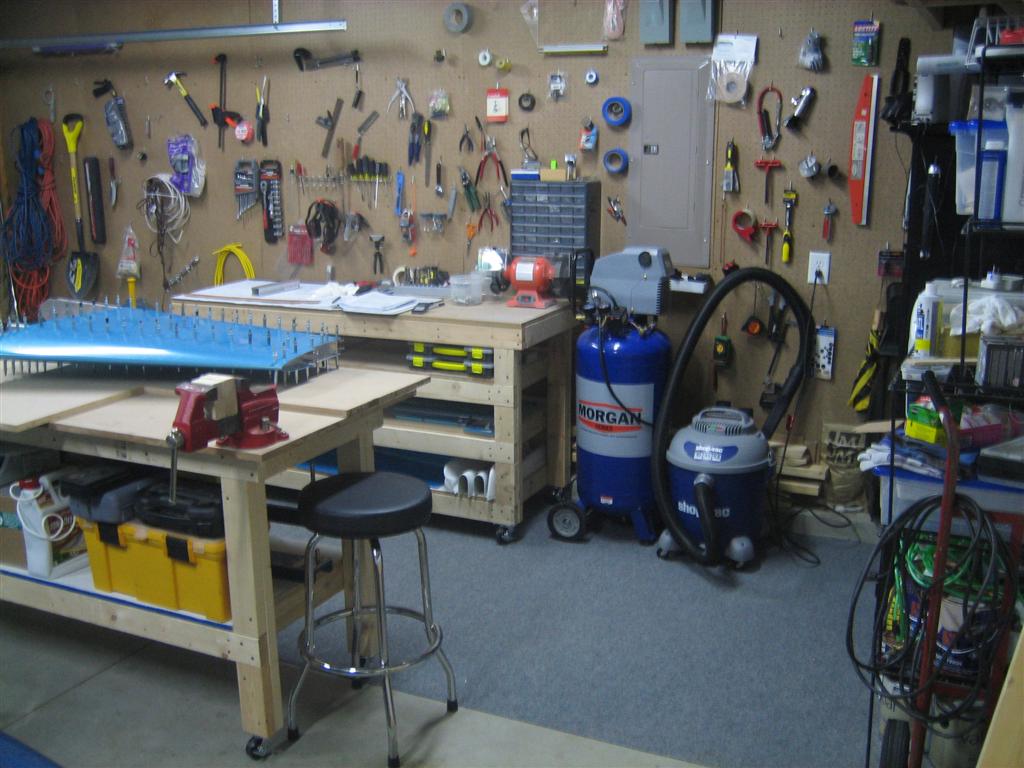
Last night I spent a little bit of time rearrange (cleaning) out the workshop. Now, I’ve got a little more room to maneuver. (Mostly, I just moved my second workbench a little left, and moved the shop vac over by the compressor, now the walkway to get into my workshop area is a little more open.)


Slightly different layout for the workshop. I like this.

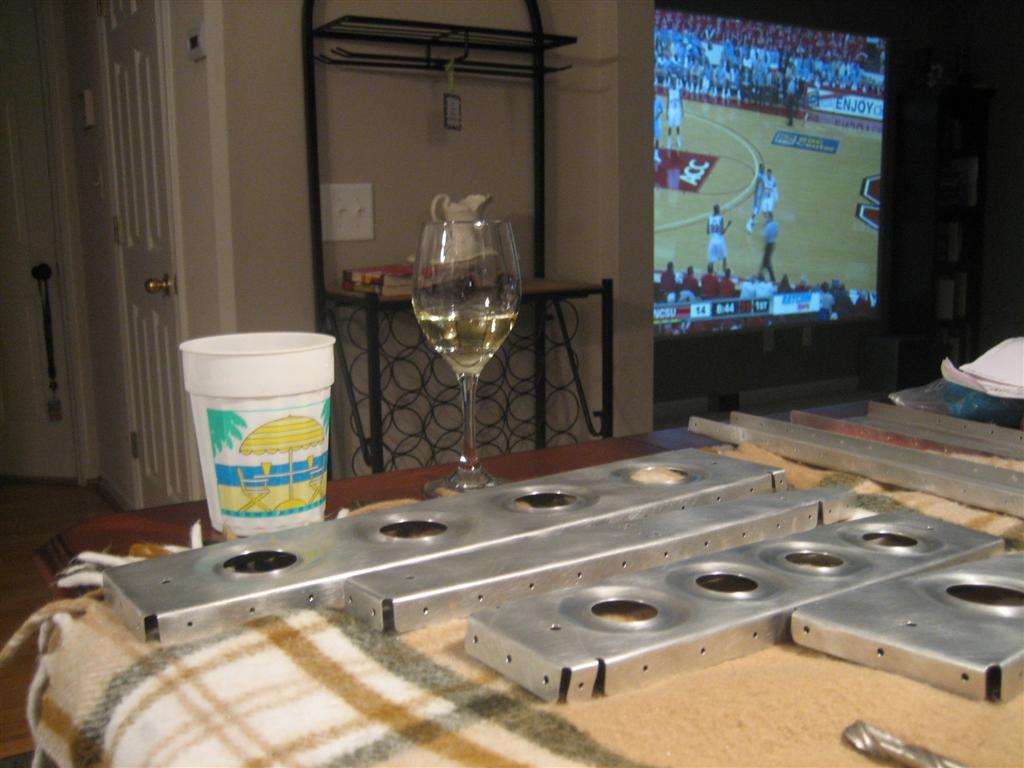
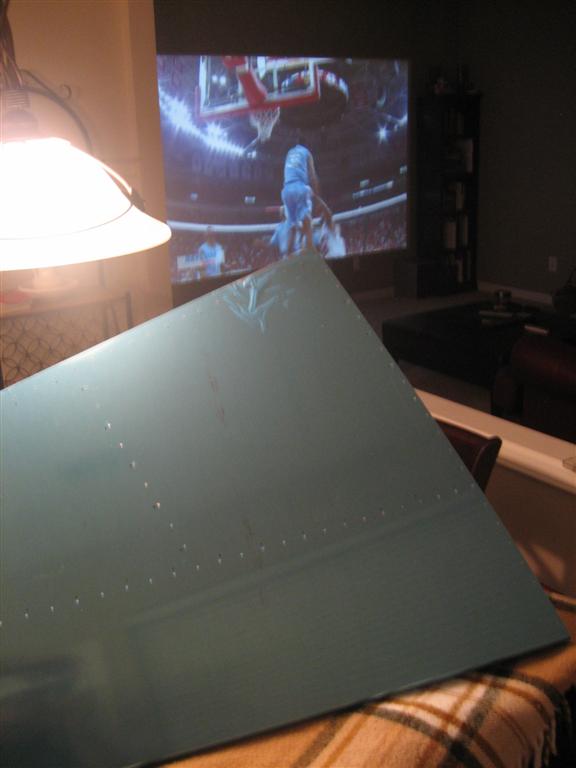
Tonight, I started by disassembling the vertical to start the deburring, dimpling, countersinking, cleaning, priming, and then reassembly dance. Here I am set up in front of the UNC game for some deburring.

Ready to deburr some holes. Don't judge me for drinking white. We had red snapper for dinner.

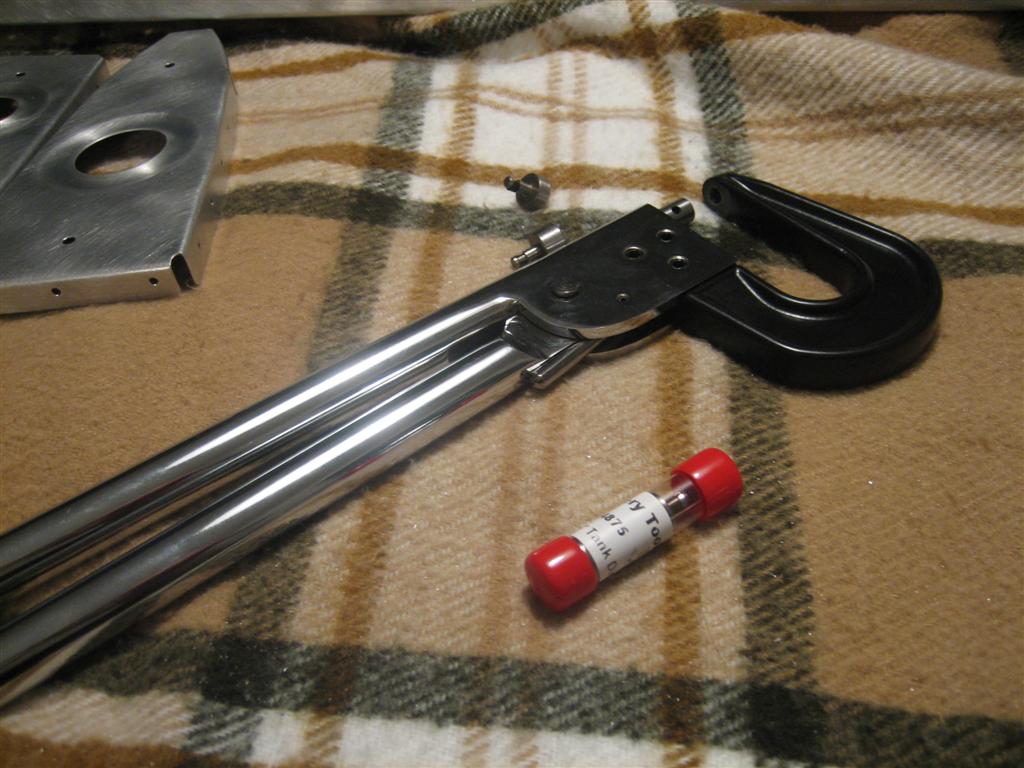
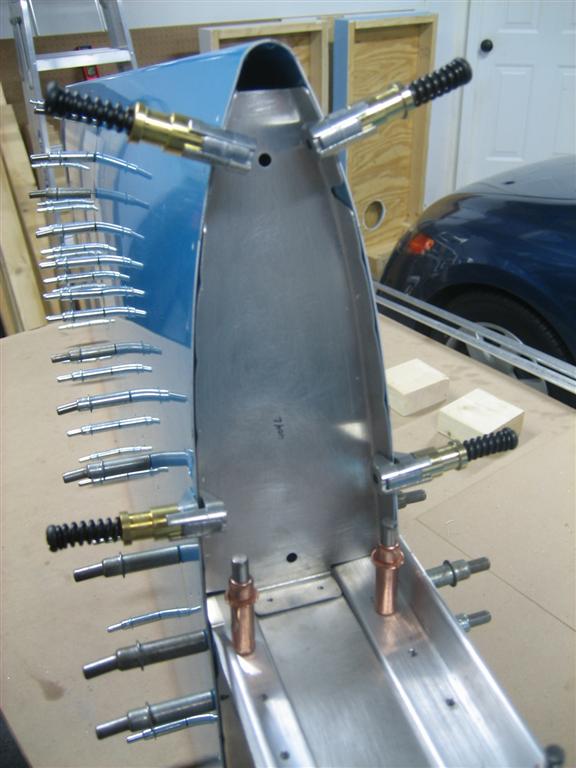
After what seemed like a thousand holes to deburr, I broke out the 3/32″ tank dimple dies and the 1/8″ regular dimple dies (for the rear spar) and got ready to dimple. Dimpling is much easier than deburring, and fun, too. I know deburring is important, but I feel like I’ve made progress after dimpling.

Ready to dimple.

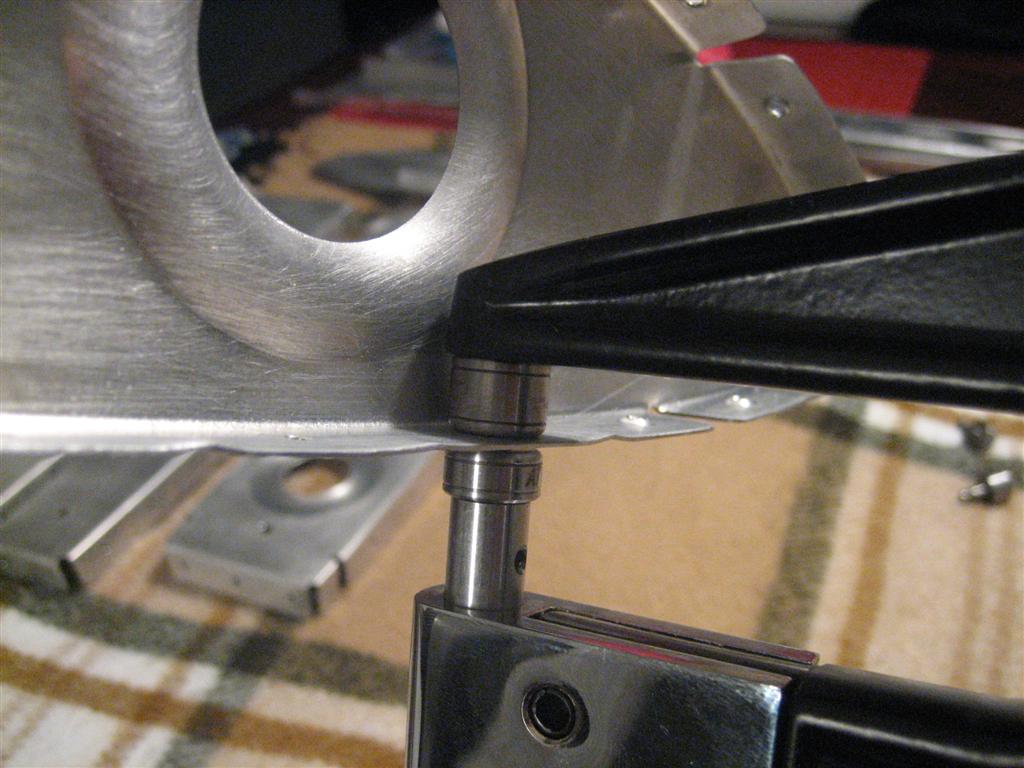
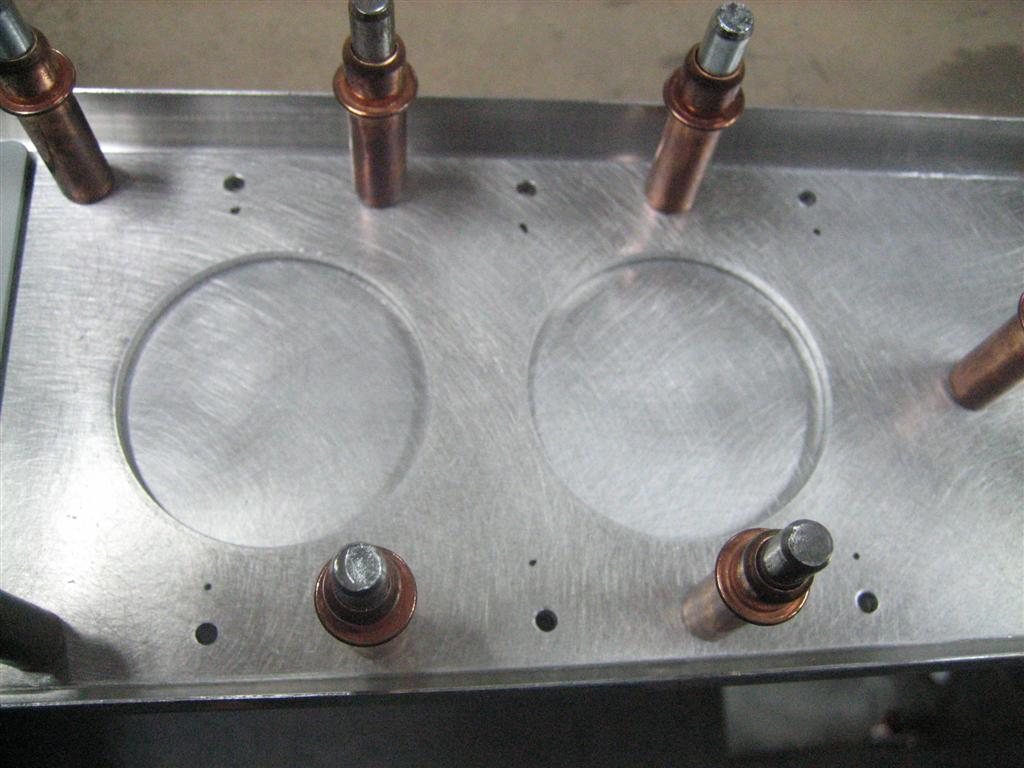
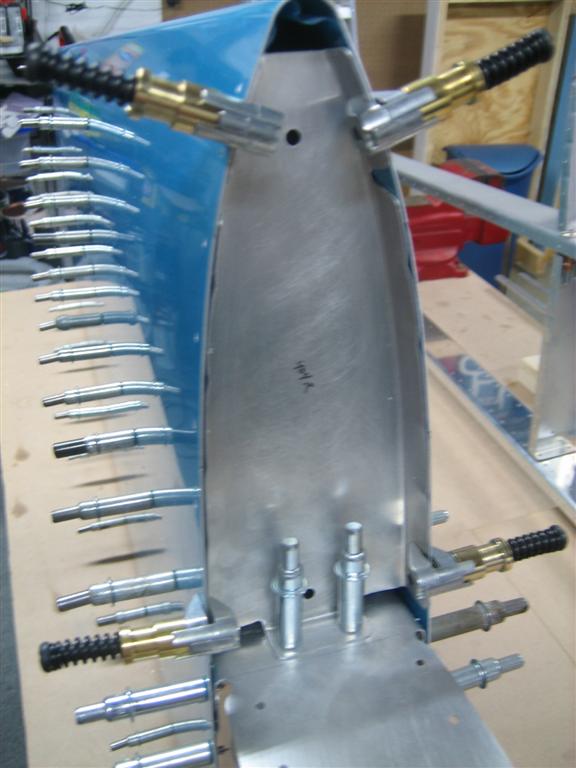
Then, I started dimpling the ribs and spars. Here are the 3/32″ tank dies in action.

3/32" tank dies in action.

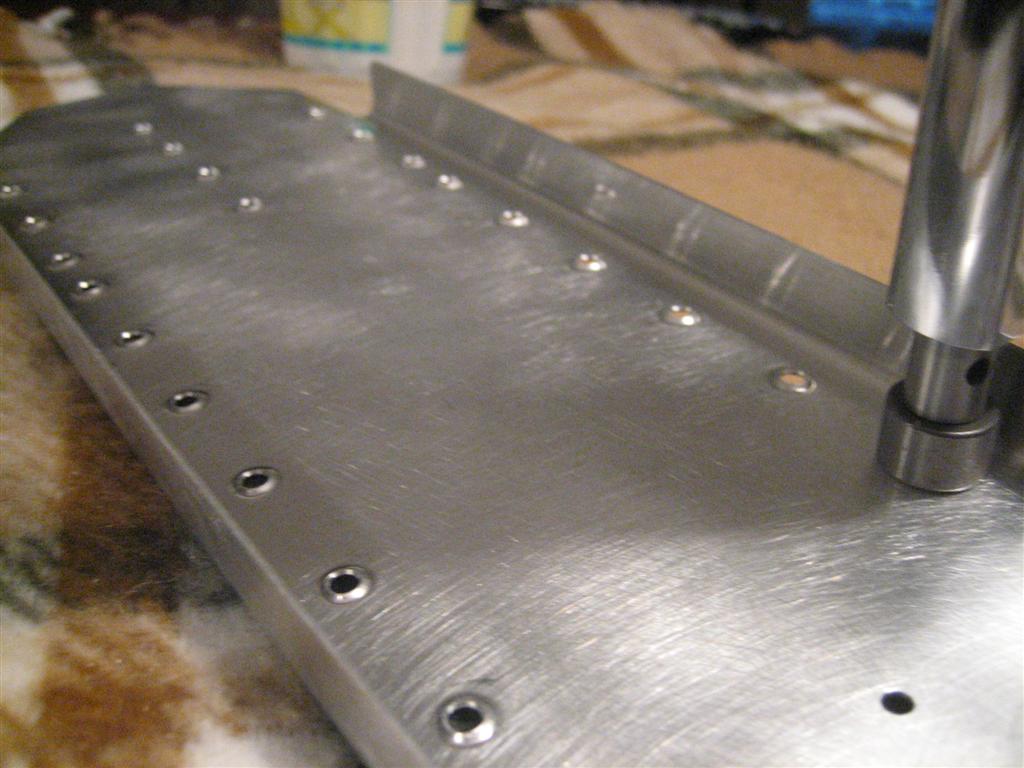
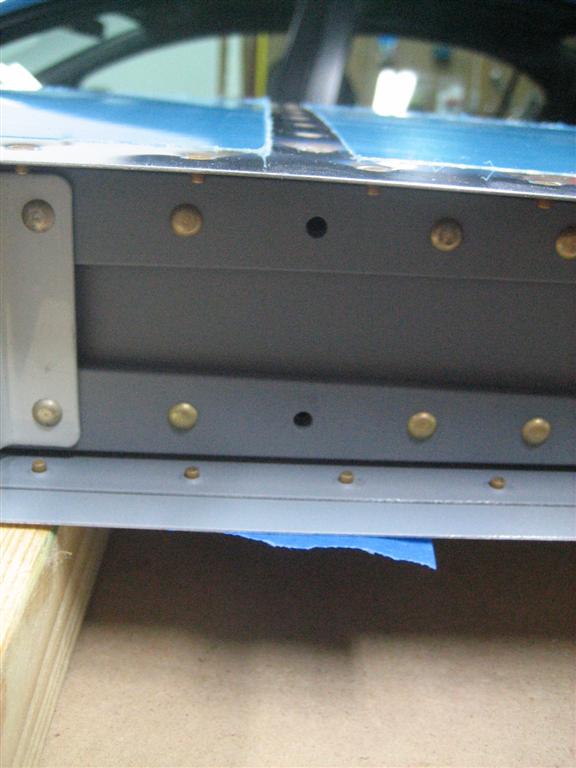
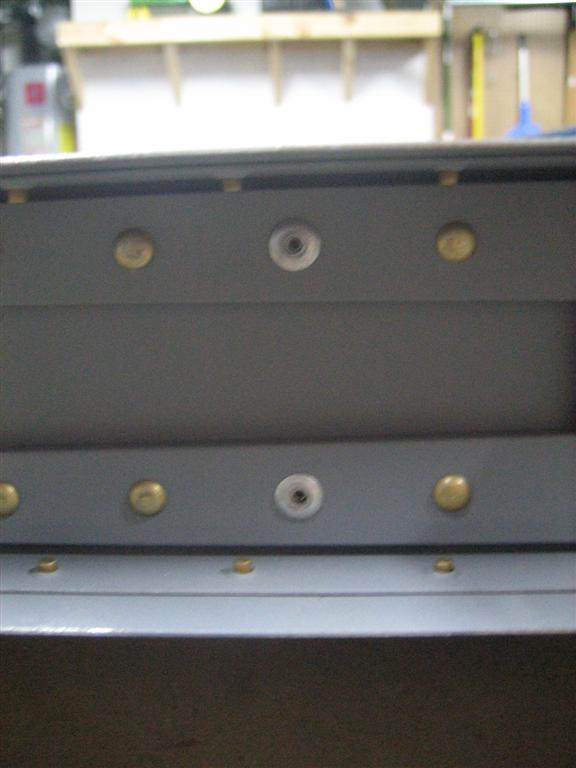
Here I am using the 1/8″ regular (shallower) dimple dies on the rear spar. I had to triple check both the holes and the direction before proceeding. This is correct, I think. (Flush rivets on the forward side of the spar.)

1/8" dimples on the rear spar. These are my first 1/8" dimples.

After finishing dimpling, I grabbed the skin and brought it inside to devinyl. Devinyling is a lot easier indoors, where the vinyl is room temperature. I tried pulling off the horizontal stabilizer vinyl in the garage when it was near freezing, and it kept tearing and was very stiff.

Waiting for the soldering iron to heat up.

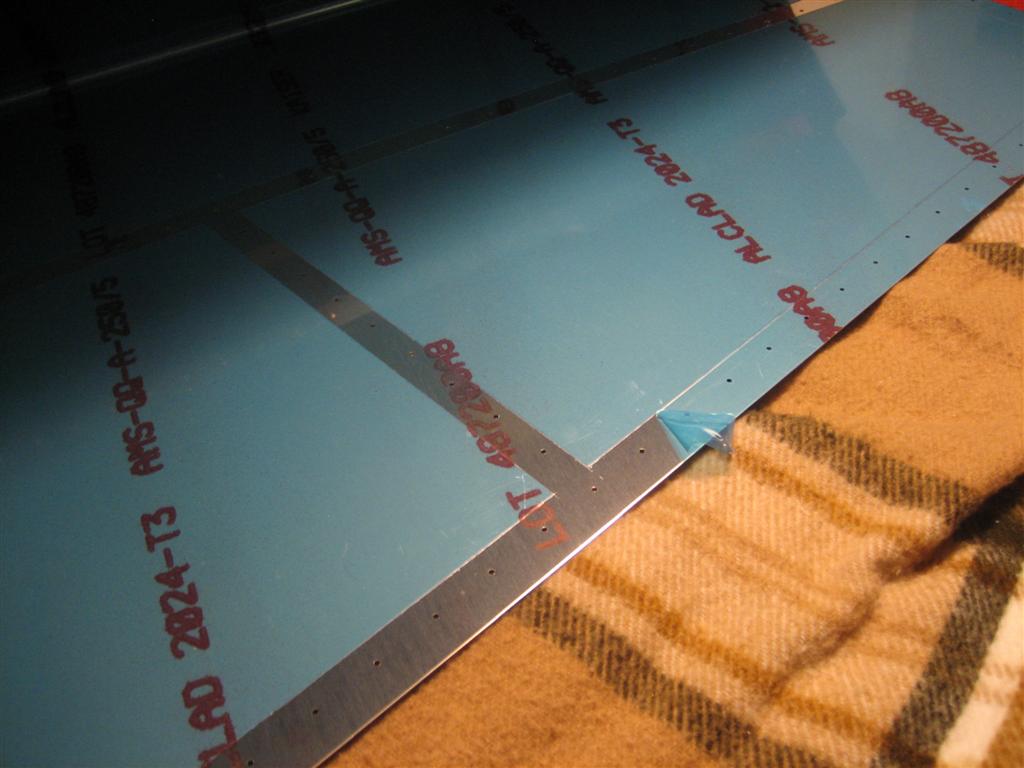
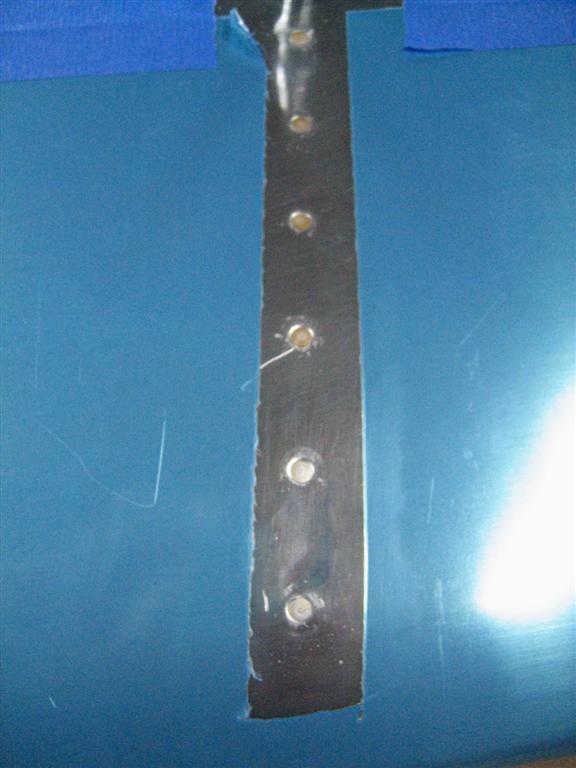
After using the soldering iron and a wooden straight edge (the metal straight edge carries heat away too quickly, and you don’t get a melt line), I got to pull off the vinyl. For some odd reason, I find devinyling very cathartic. I love pulling off the blue to see the shiny aluminum underneath.

Pulling off the vinyl on the inside of the skin.

Ready to pull off the blue vinyl on the exterior of the skin.

Ready to devinyl the outside of the skin.

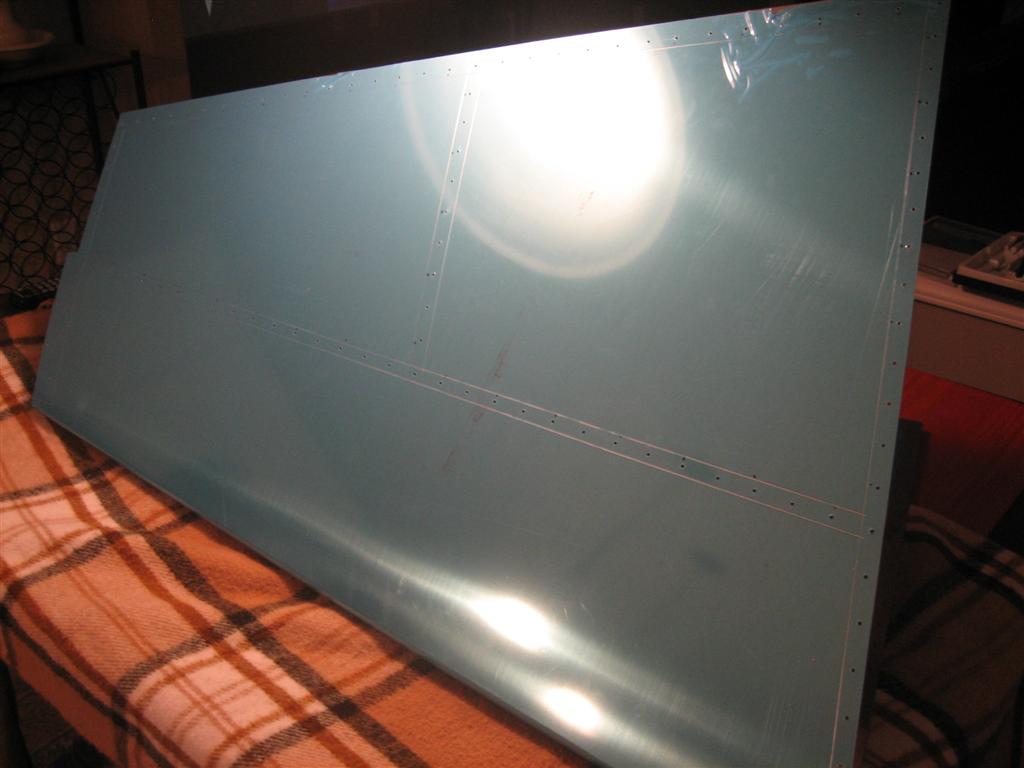
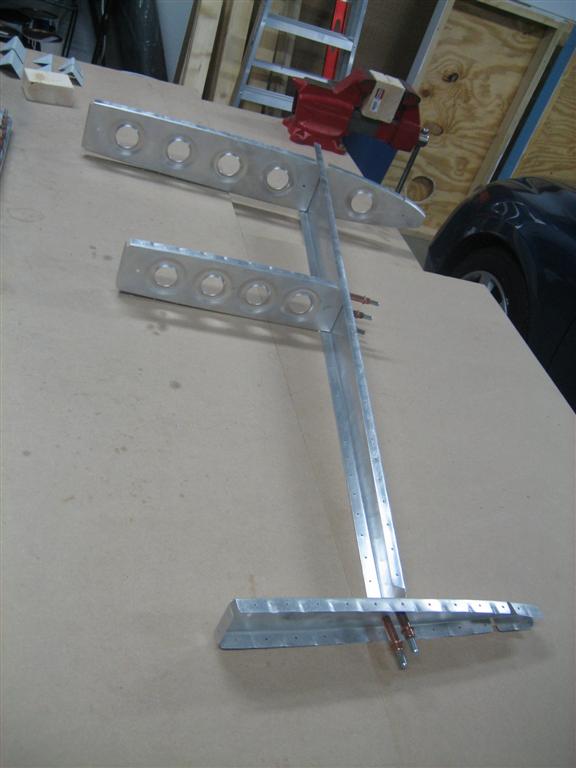
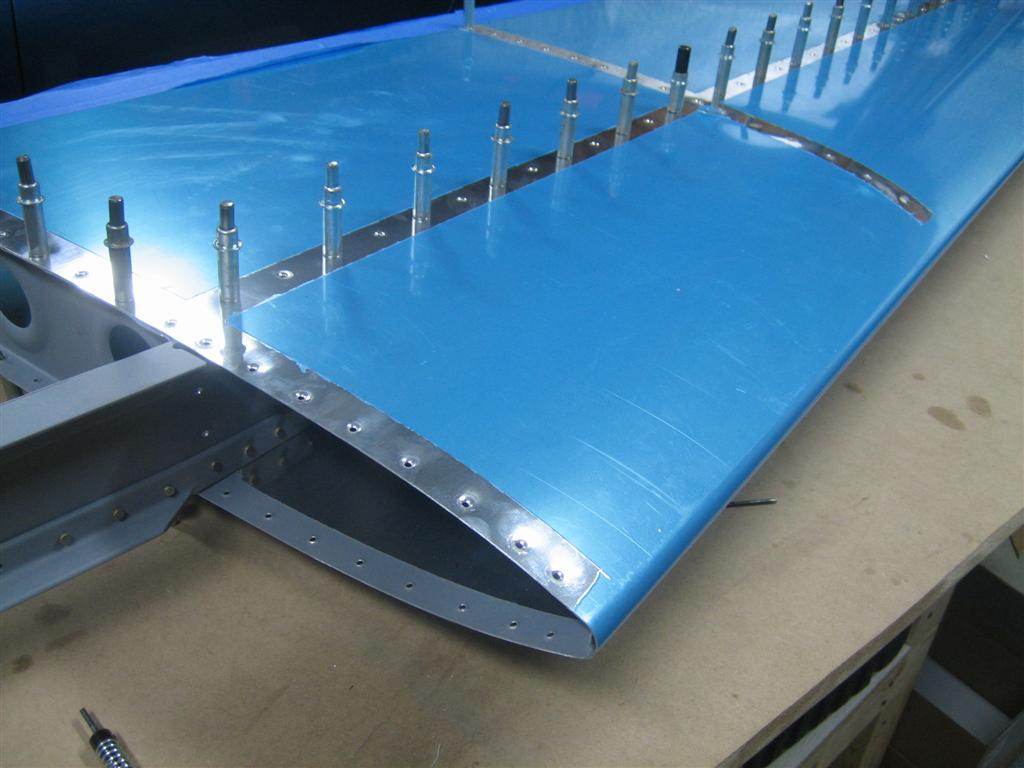
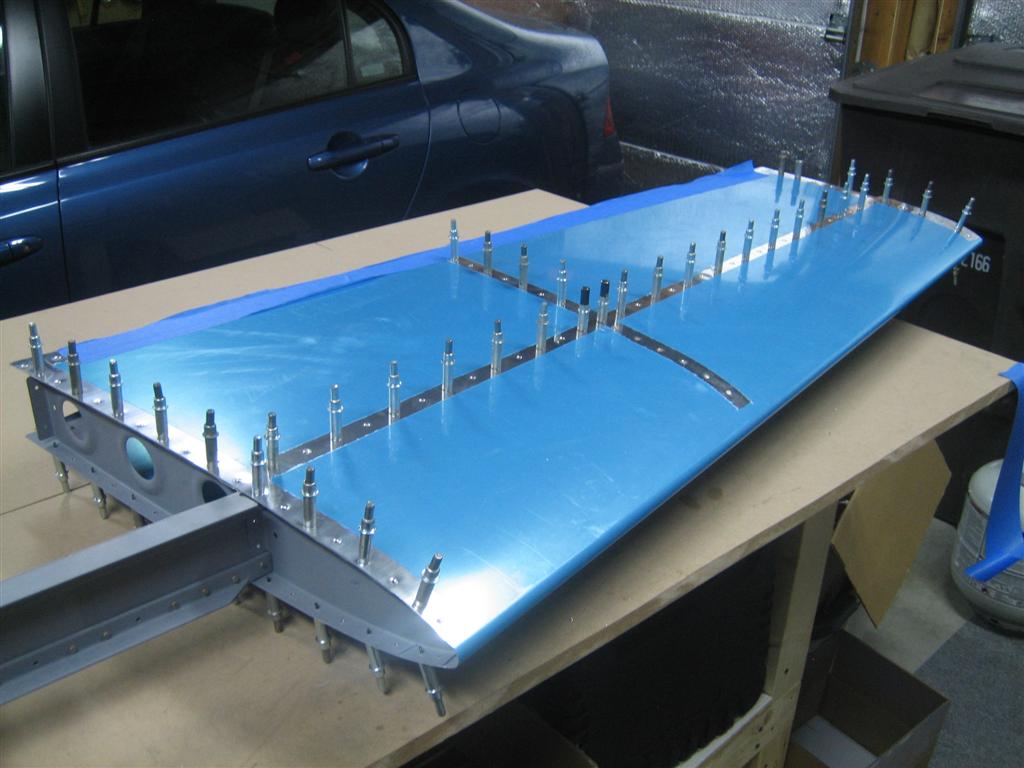
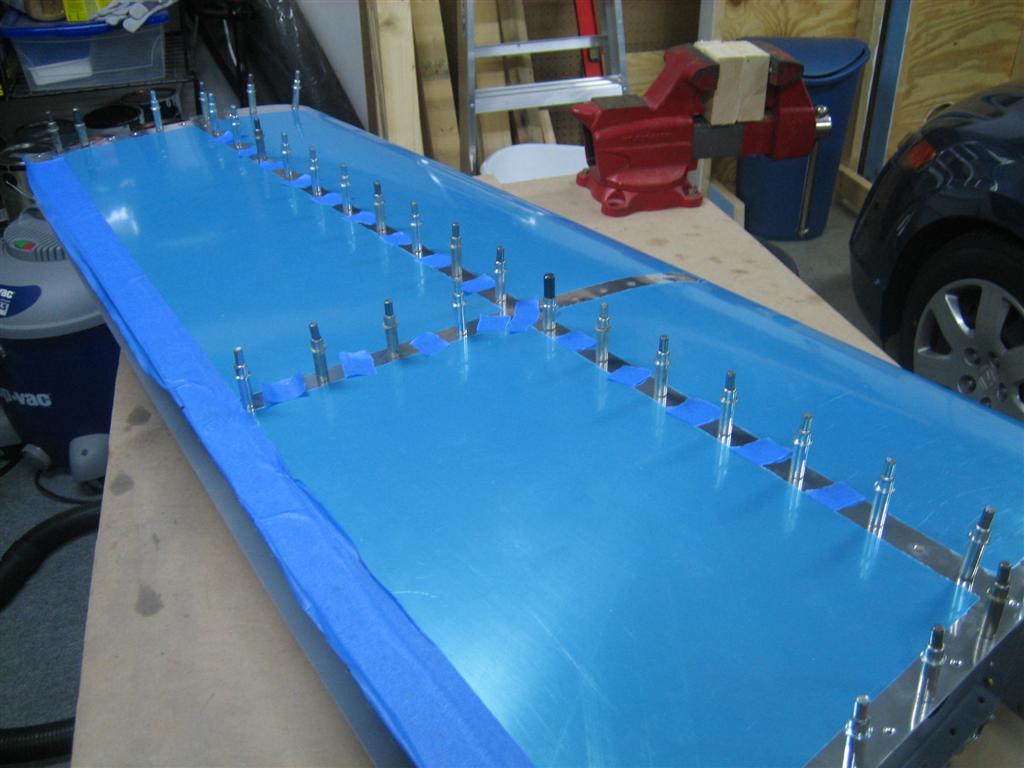
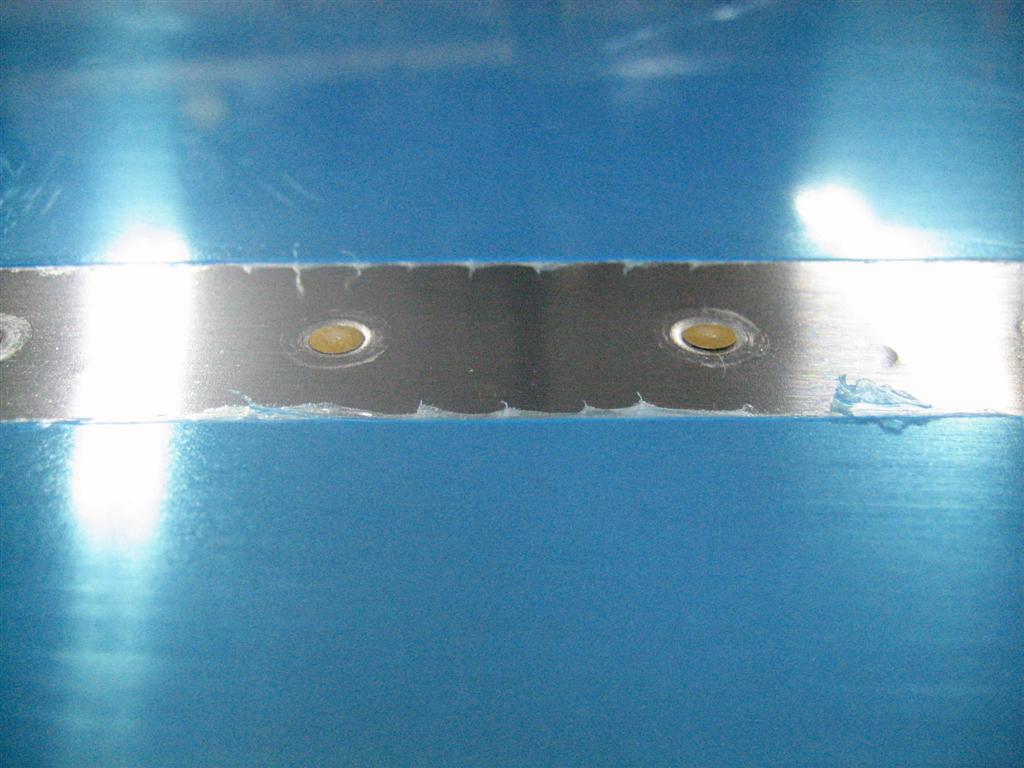
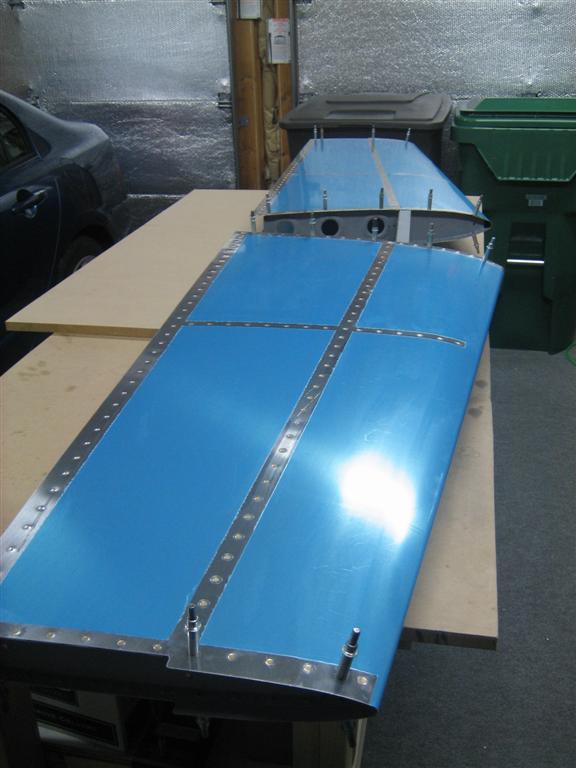
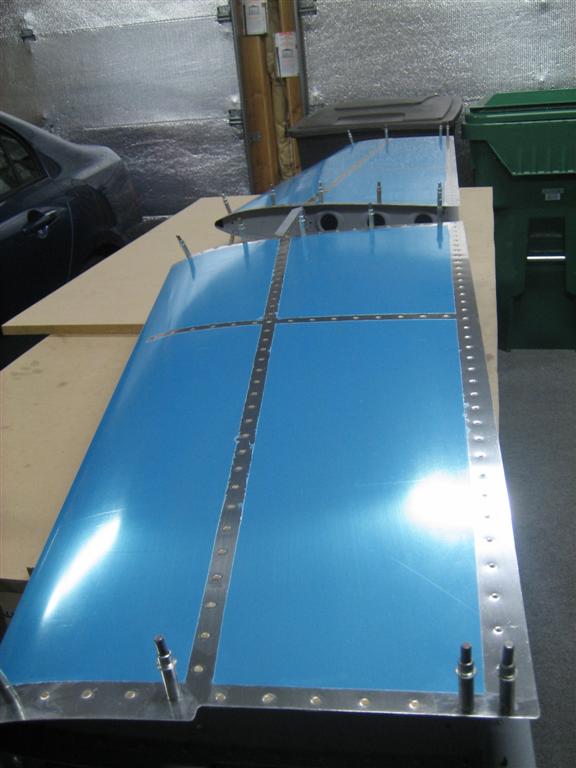
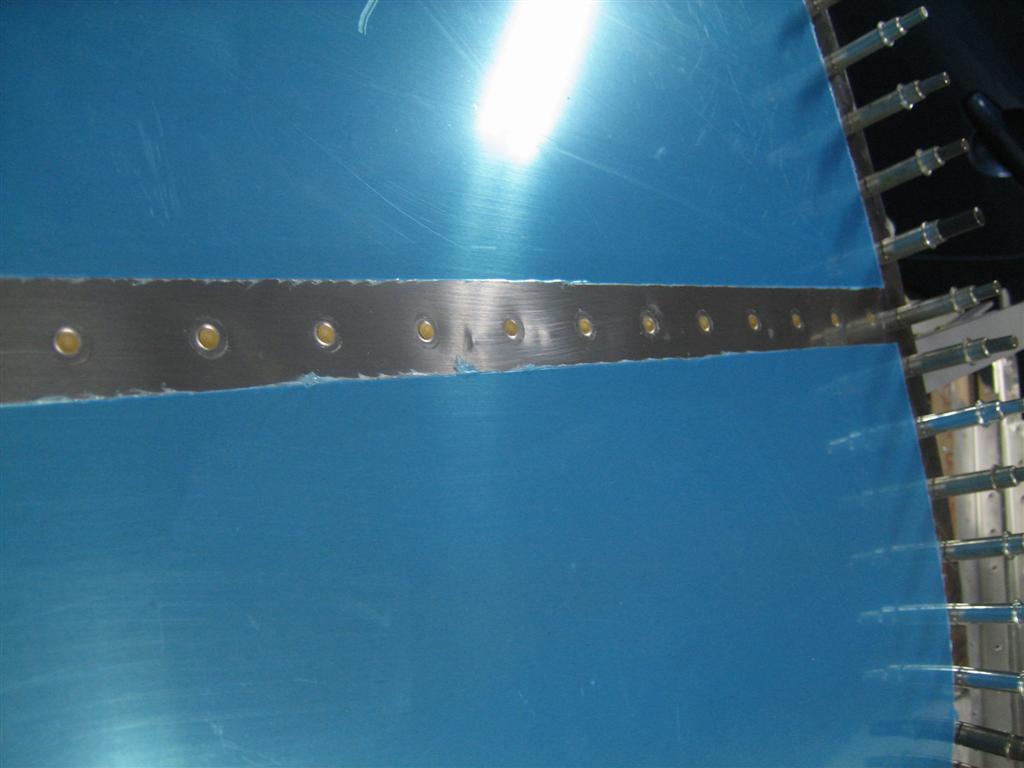
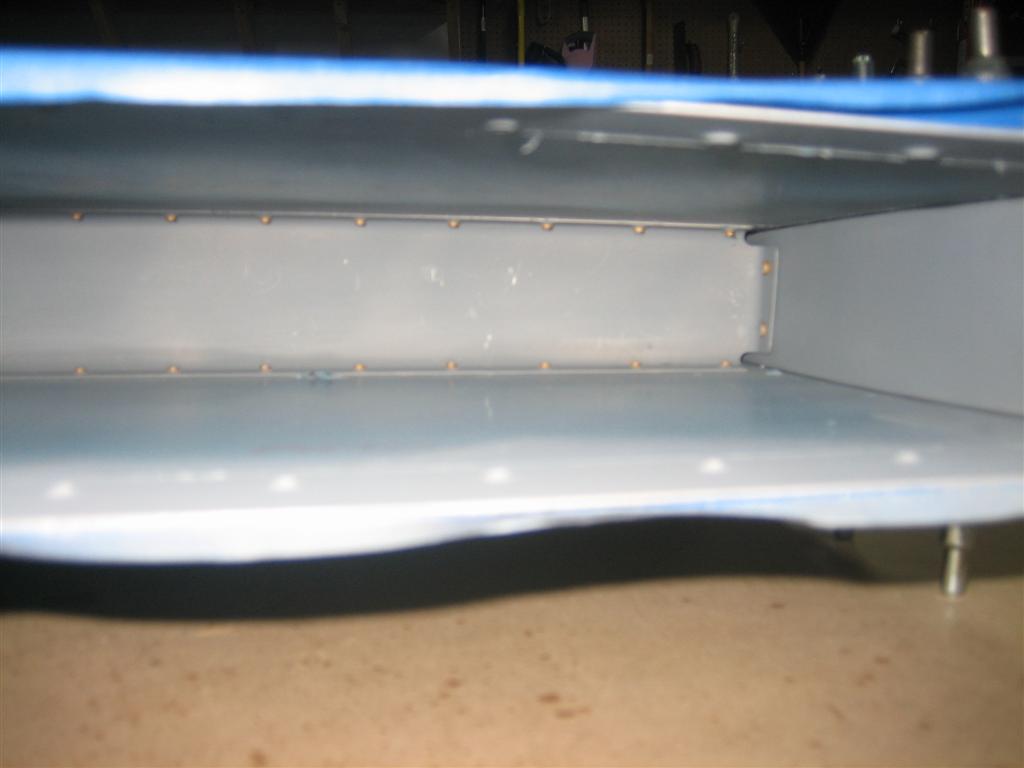
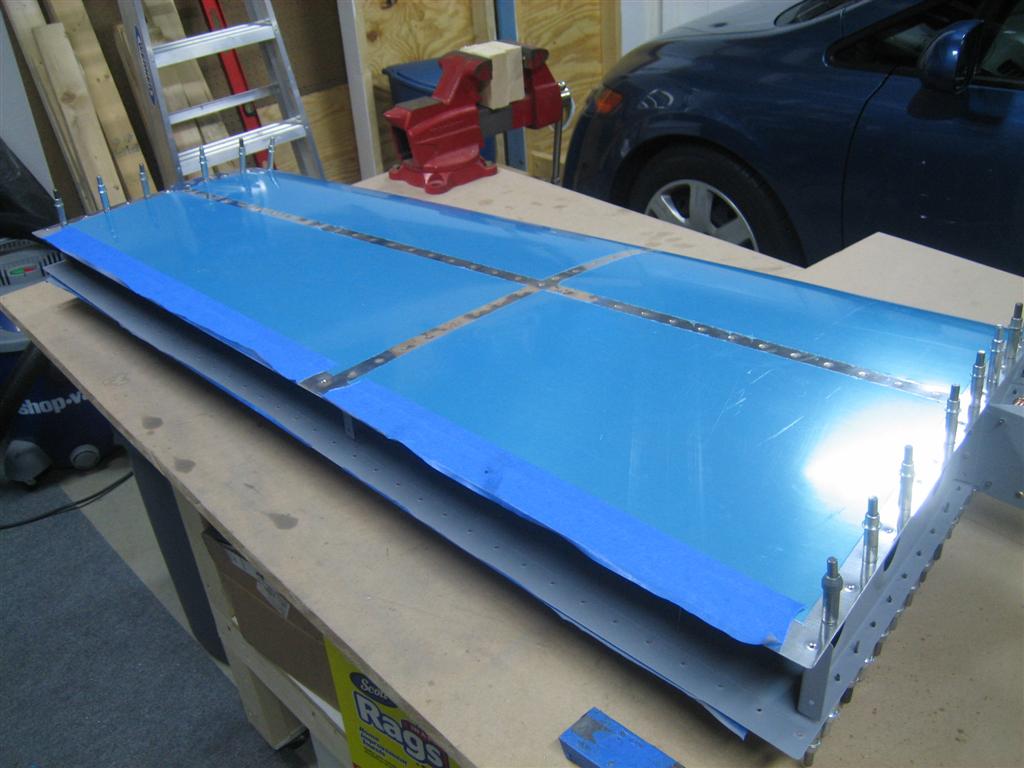
And finally, the vertical stabilizer skin devinyled (and everything carried back out into the garage).

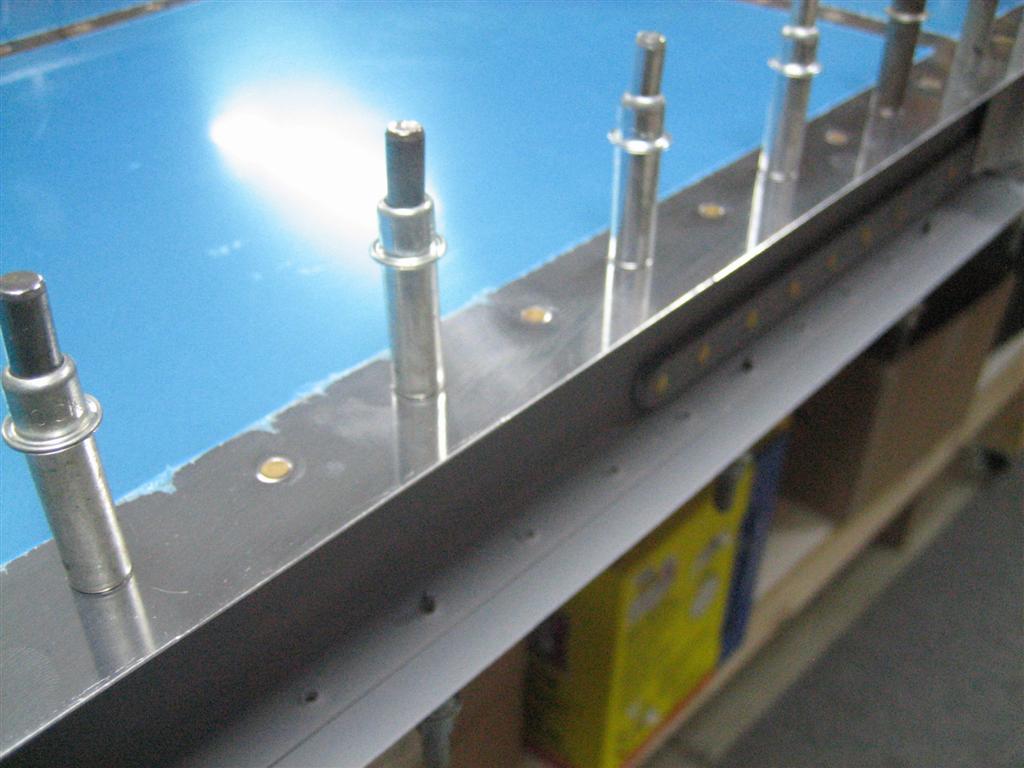
Pretty skin. Also, that's me in the reflection.

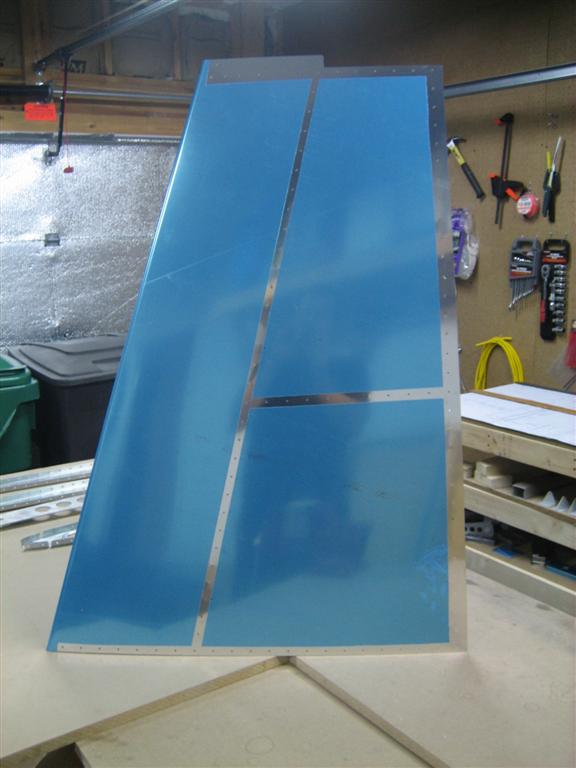
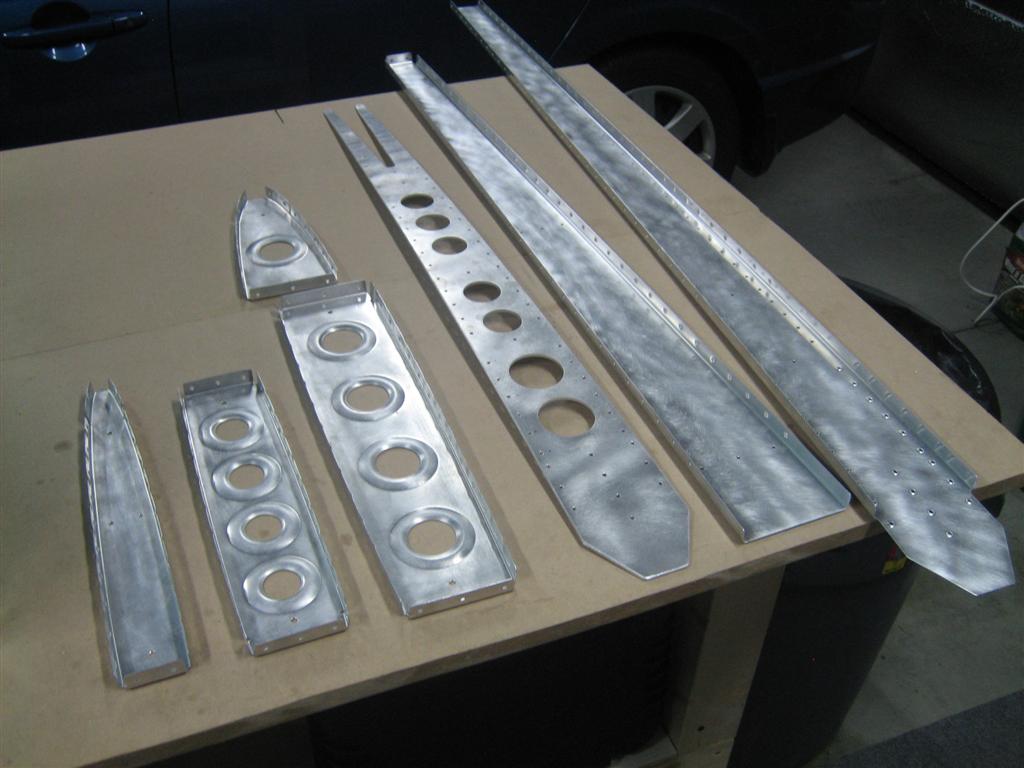
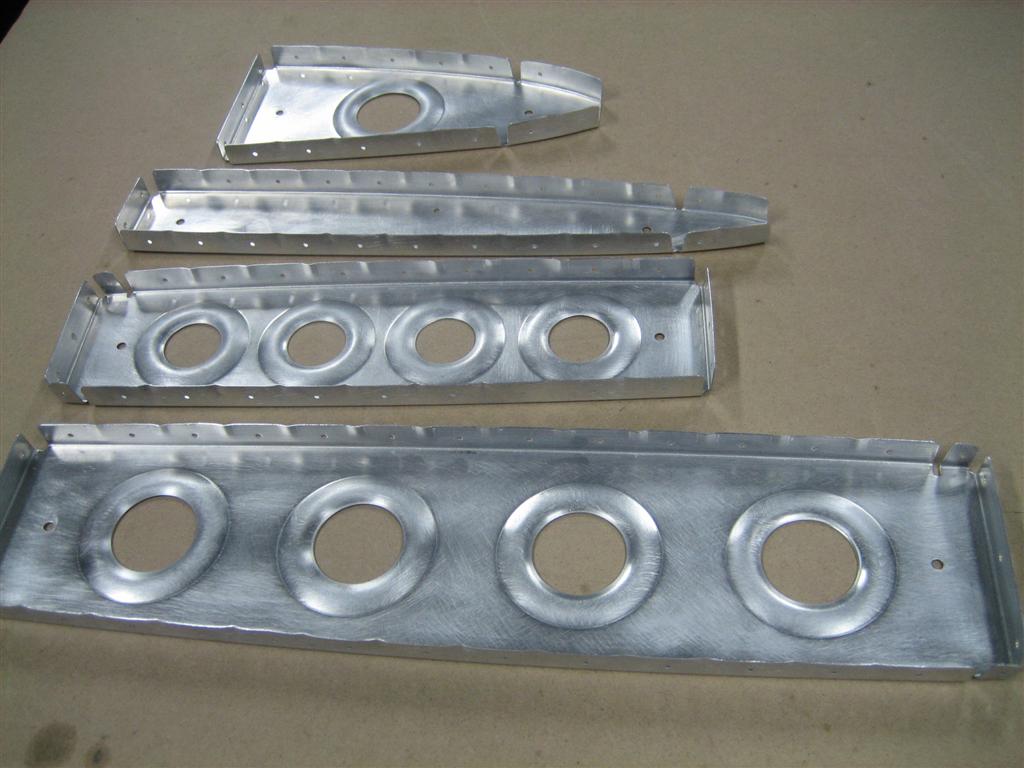
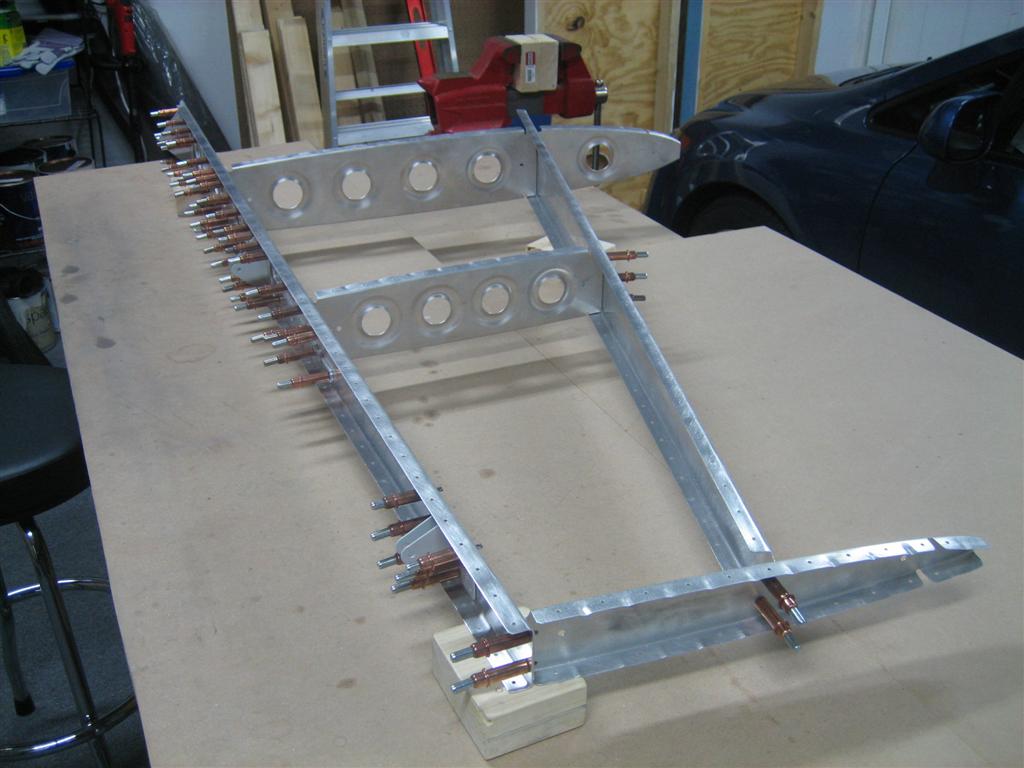
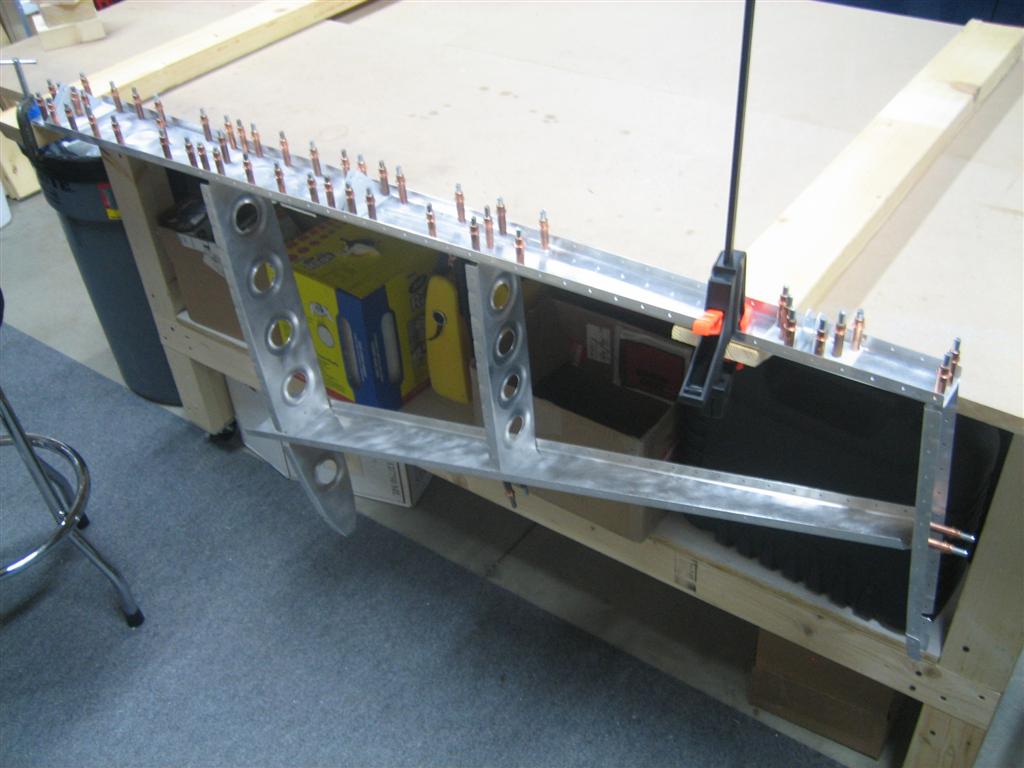
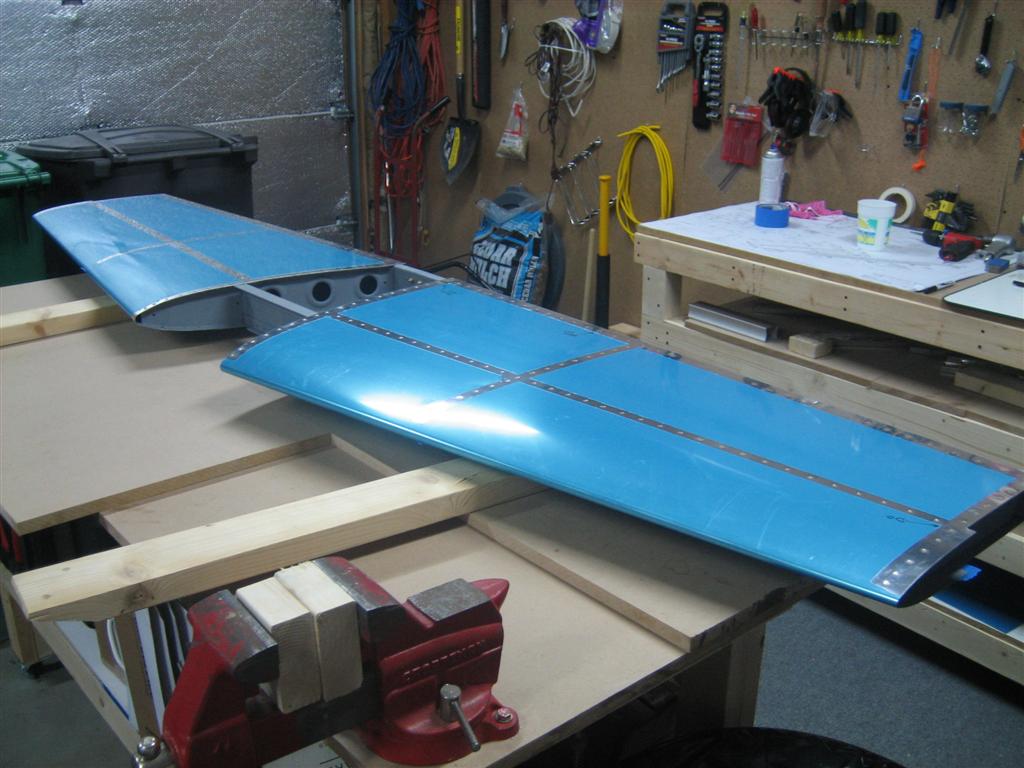
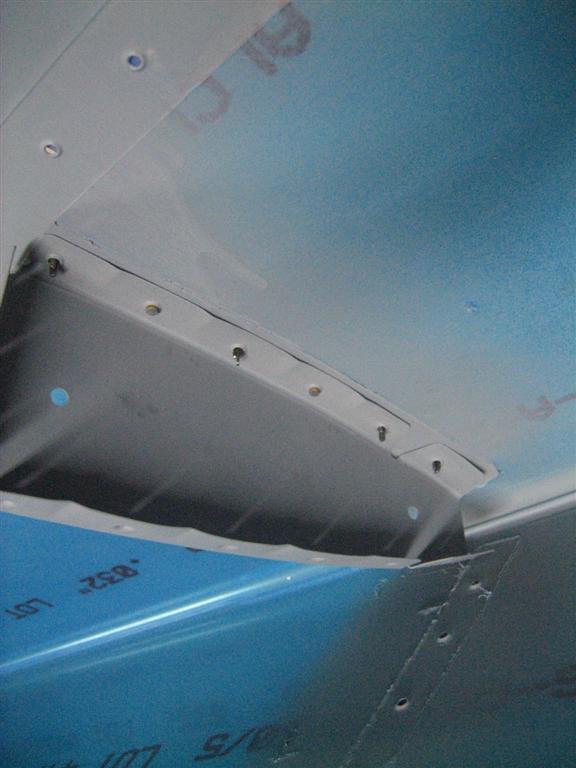
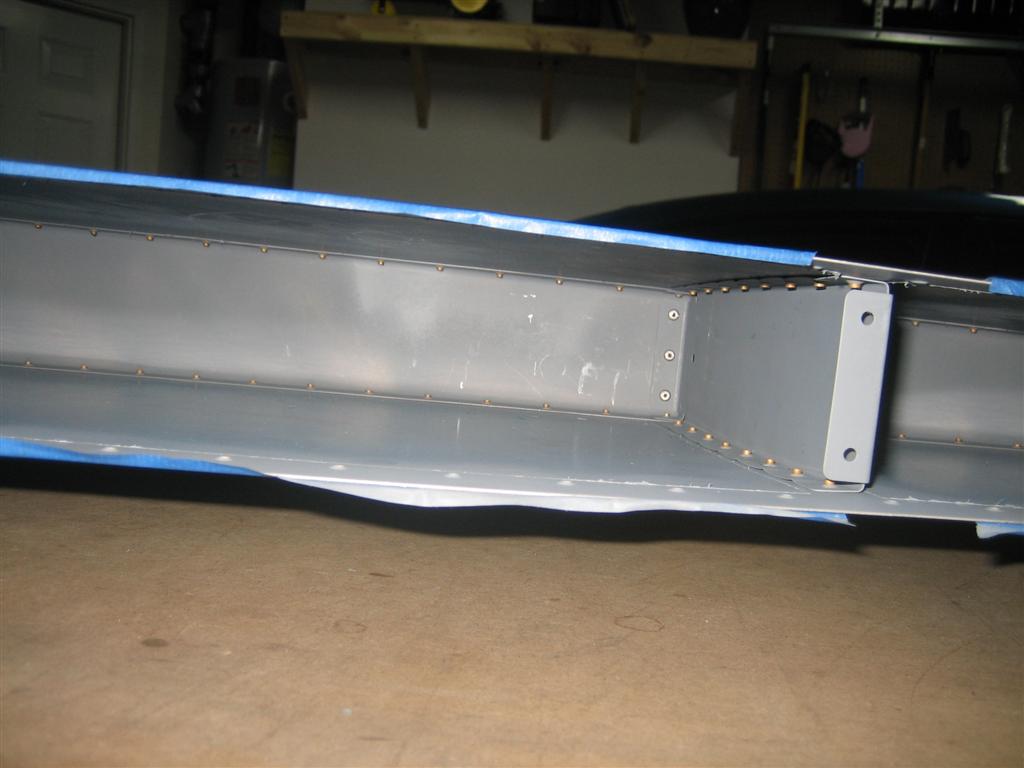
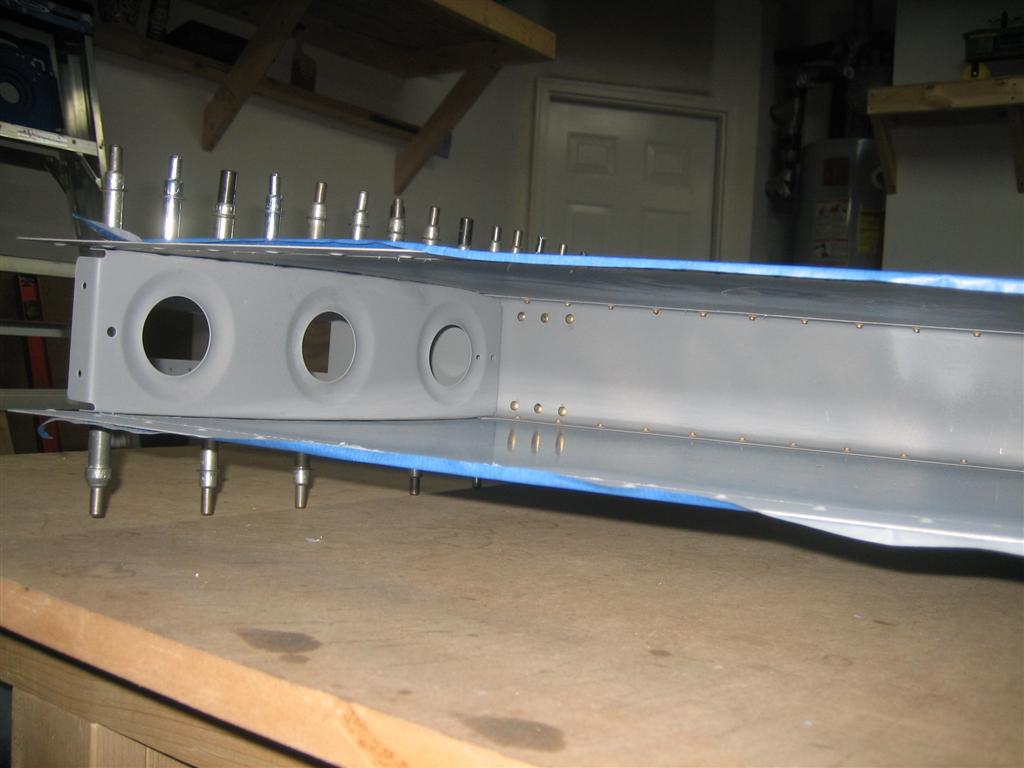
Here are the ribs and spars all deburred and dimpled. (I still have to countersink the front side of the VS-803PP.)

Ribs and spars deburred and dimpled.

Next up, countersinking the rear spar reinforcement then deburring, dimpling, and scuffing the skin. Then priming, then I get to put this sucker together.

I can’t believe how much faster the vertical is than the horizontal. Part of it is the learning curve, but I think they should have you start with the vertical. Much easier, in my opinion.

Prev | Next


VS Assembly and Matchdrilling

January 24, 2010

Prev | Next

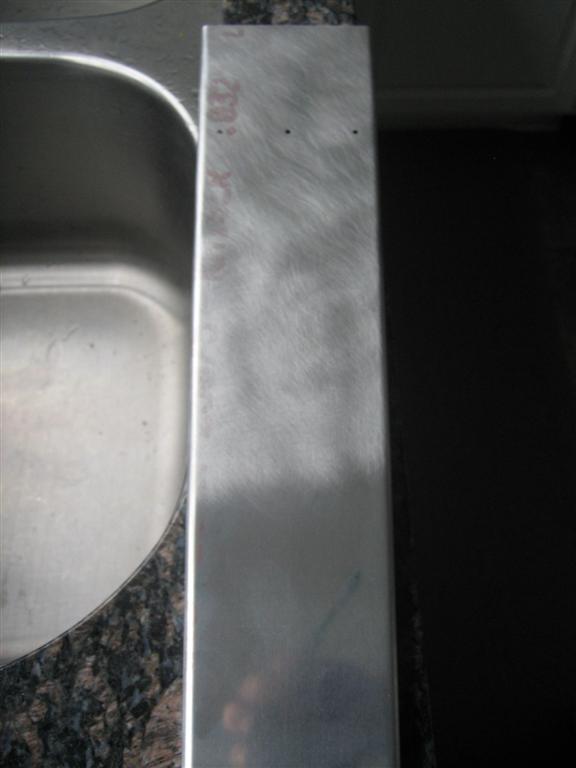
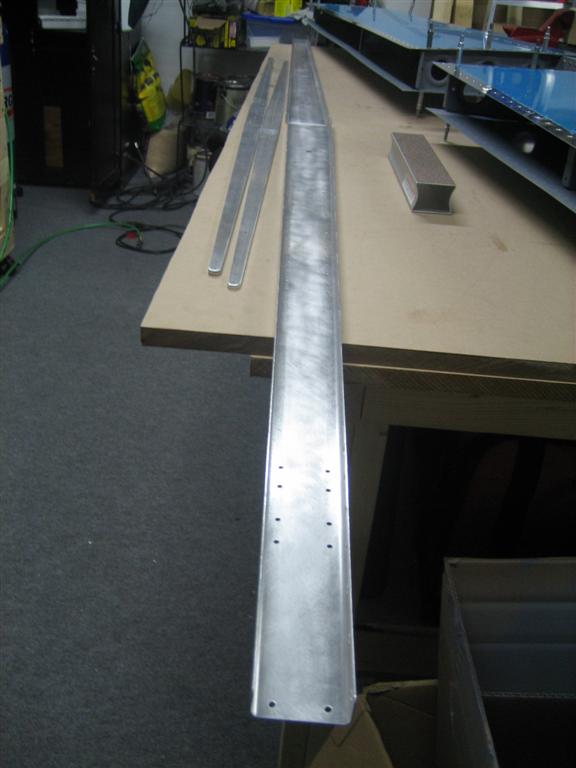
First thing after breakfast, I snagged the two VS spars and the spar reinforcement and headed into the kitchen to finish some surface prep. After about an hour, I had all three pieces scuffed up, cleaned, and back outside. Here is a shot during scuffing. You can see the top half has been scotchbrited and the bottom half is the raw part after removing the blue vinyl.

You can even see my hand and the camera in the bottom half.

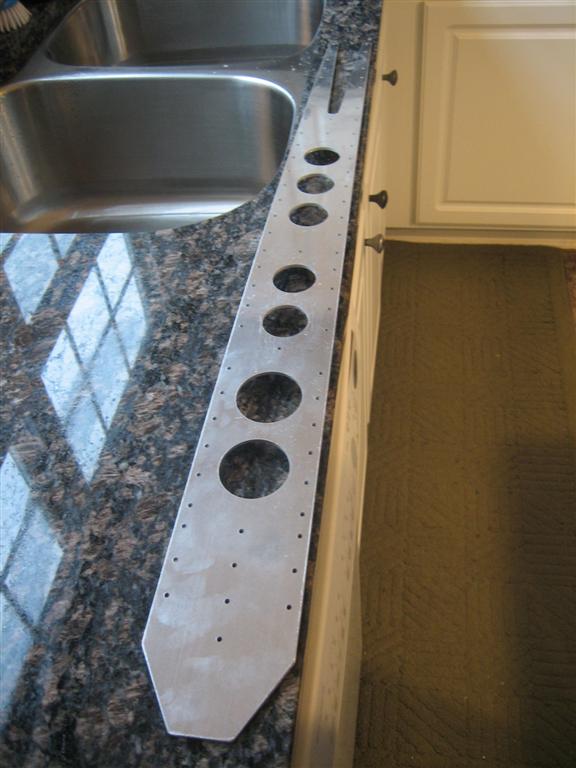
Here’s the spar reinforcement before finishing.

Rear spar reinforcement.

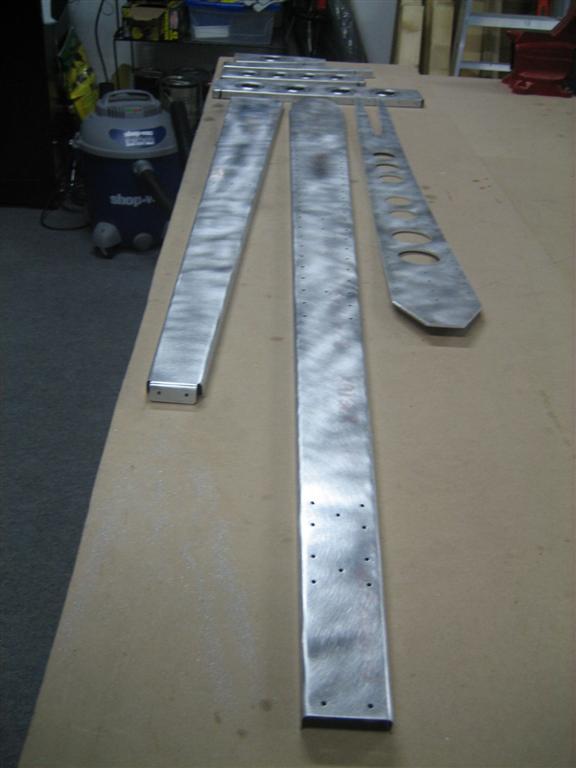
All three after scuffing. (Along with the ribs from last night.)

Looking good.

Then, I bent the rib flanges to exactly 90 degrees using my new hand seamers, and fluted the ribs.

Fluted, ready for assembly.

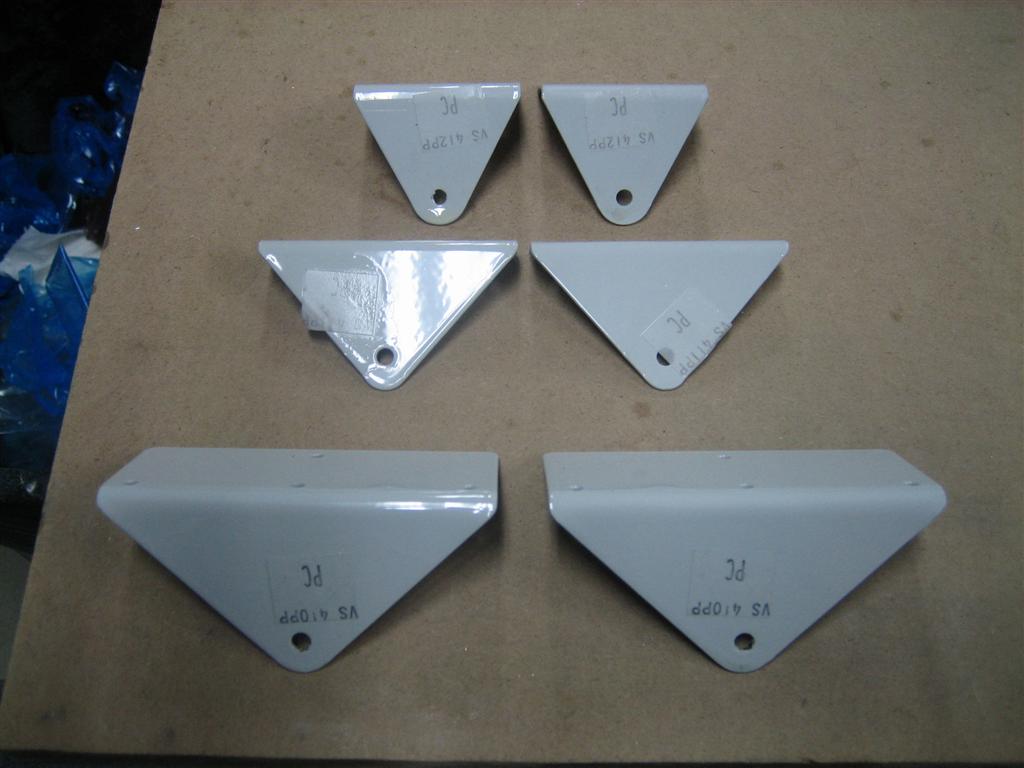
I started clecoing the rear spar doubler to the rear spar, and then realized they want you to put the hinge brackets in now. I quickly located VS-410PP, VS-411PP, and VS-412PP, and got the Goo Gone out to help pull these stickers off.

These part number stickers are a pain in the butt to get off cleanly.

While I waited for the Goo Gone to do its magic, I decided to start clecoing the front spar and ribs together. You can also see the rear spar and rear spar reinforcement in the upper left corner of this picture.

Tip rib attached.

Then, I clecoed in the rear spar. Here, you can also see the hinge brackets waiting for the Goo Gone.

Middle rib attached.

Finally, I clecoed in the root ribs (fore and aft).

Root ribs attached.

Then, I cleaned off the hinge brackets, got them clecoed to the rear spar, and clecoed the rear spar to the front spar and ribs.

Looks like an airplane again.

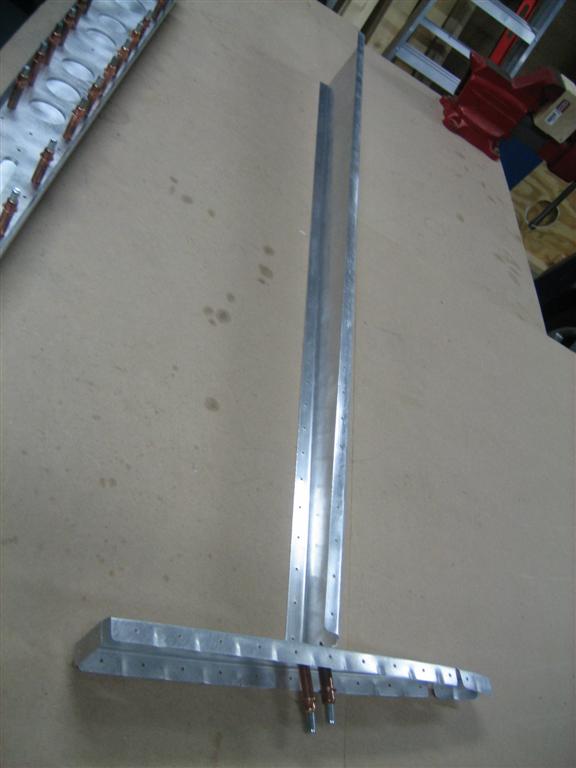
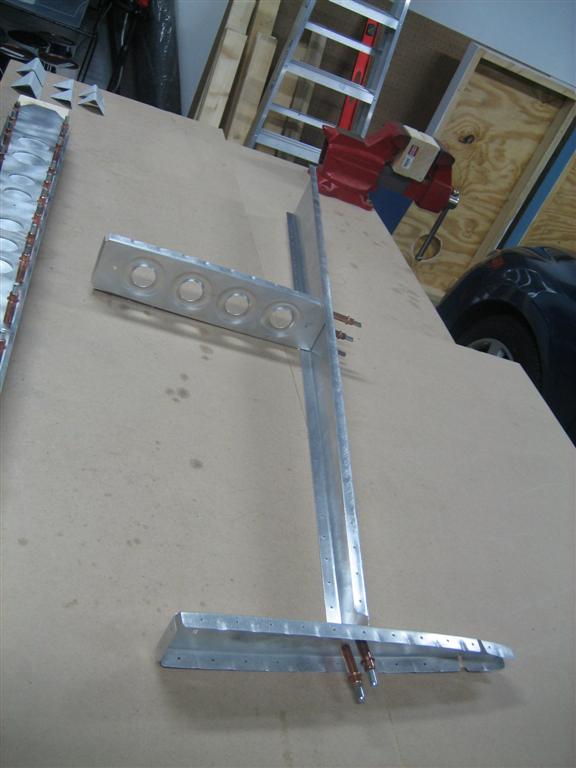
I followed Mike Bullock’s advice and clamped the rear spar to a couple of 2x4s. This let me matchdrill the rear spar vertically, which helps a lot with getting a perfectly straight hole.

Rudimentary VS jig for matcdrilling the rear spar.

Here’s my process. Cleco every other hole, match drill, mark the drilled hole with a dry-erase dot, move the clecos, repeat. Here, you can see my dots.

Dry-erase dots help me know which holes I've drilled.

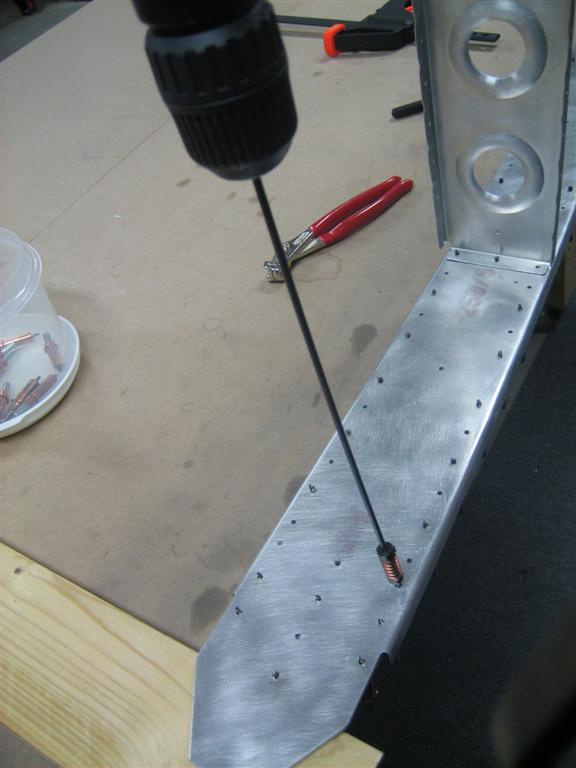
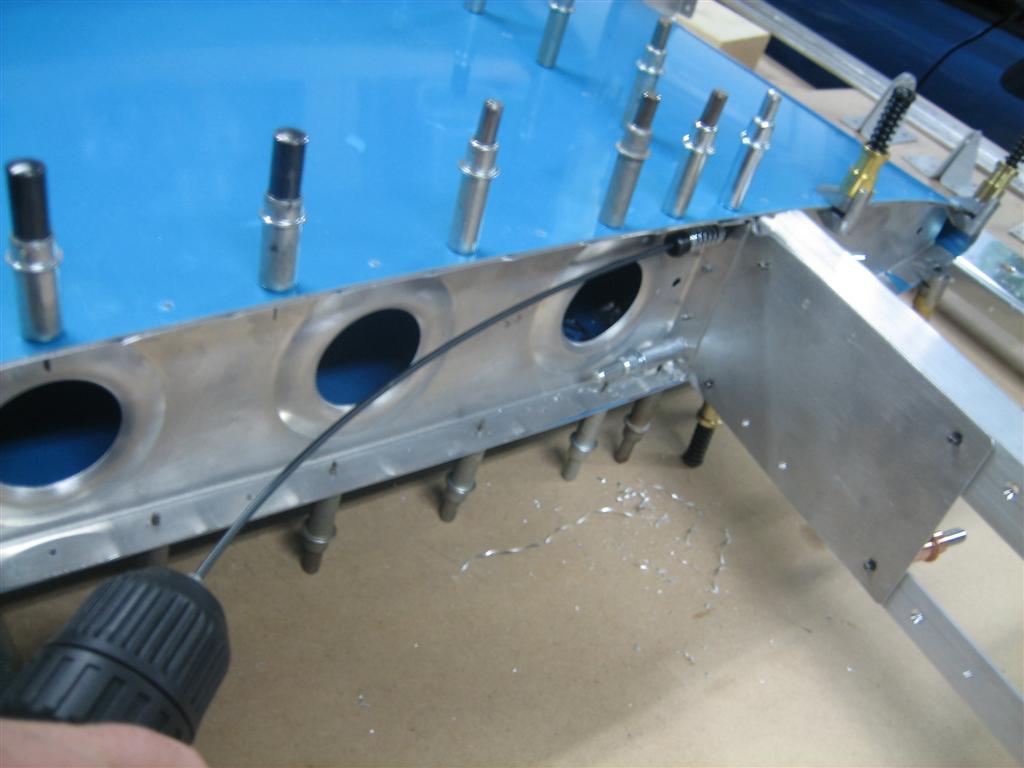
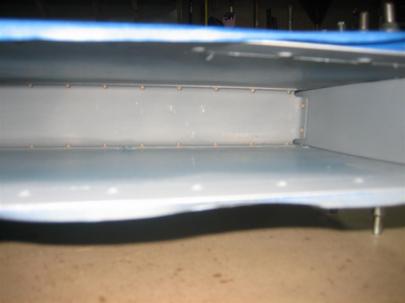
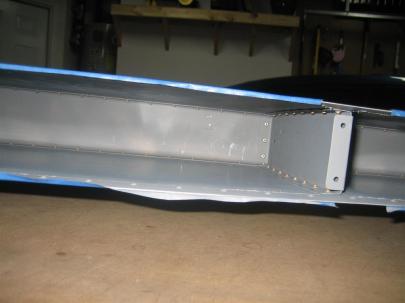
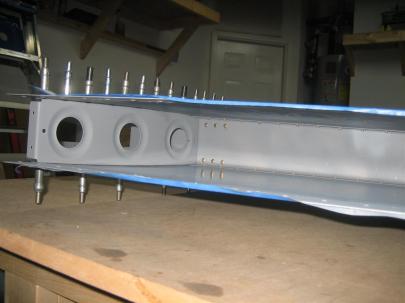
After finishing up the ones you can reach from the aft side of the rear spar, I flipped the whole assembly over and match-drilled the two remaining holes (that aren’t drilled in the upper half of the lower set of hinge brackets).

12" bit doing its thing...

Next, we get to cleco on the skin, wuhoo!

It looks like another airplane part.

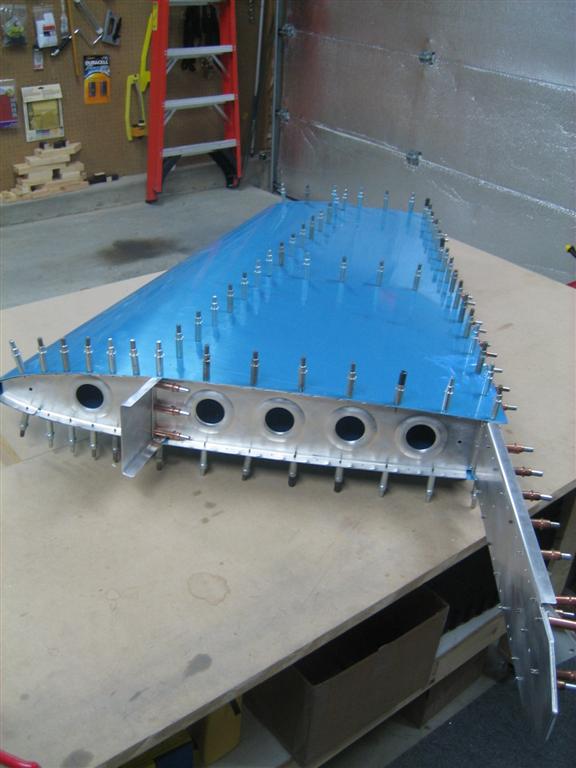
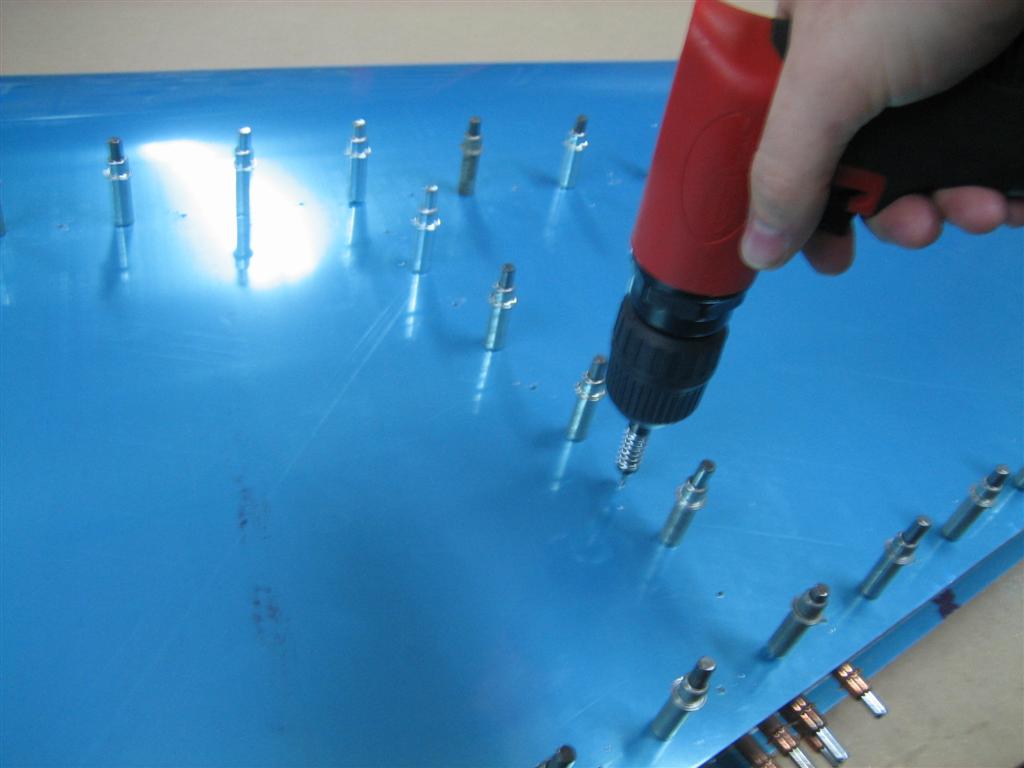
Then, time to matchdrill the skin to the spars and ribs. Same process here. Cleco every other hole, drill, mark dots, move clecos, repeat.

Match-drilling the skin.

Here, you can see that I am in the middle of moving clecos. The one in the center of the picture gets moved one left (into the marked, already drilled hole), then the one to the left of that gets moved one left, and so on.

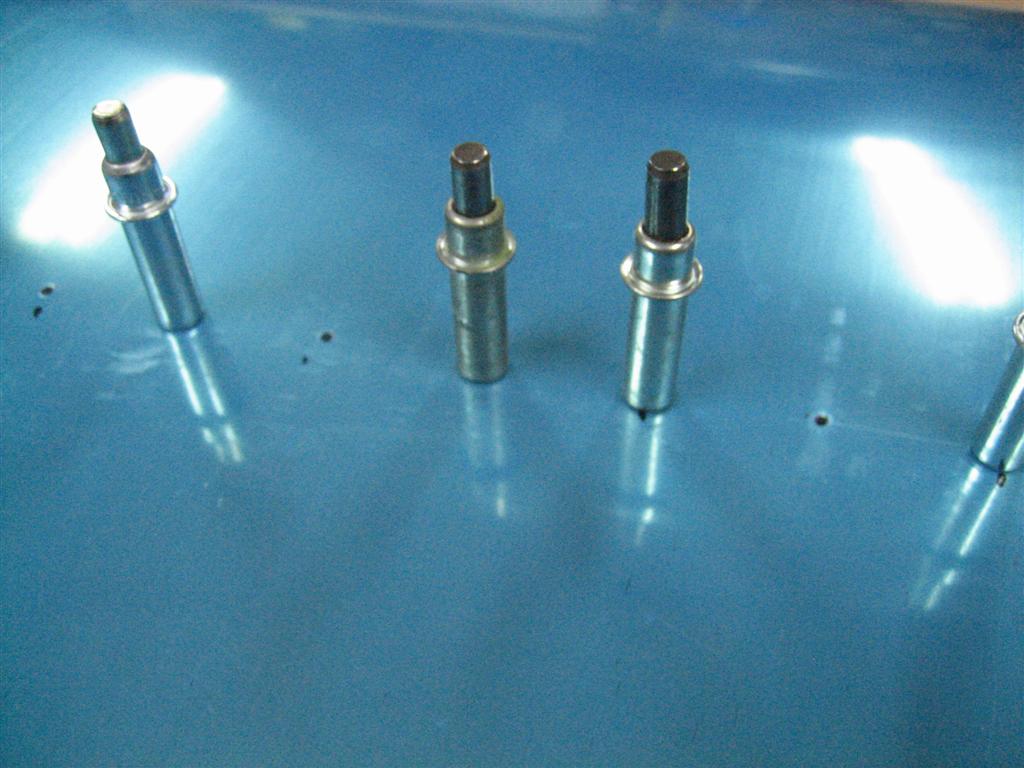
Example of brand new cleco on the left, and two used clecos in the middle. Eh, they work just fine, they're just not as pretty.

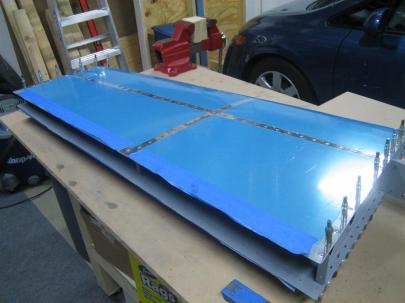
I got the left side of the vertical match-drilled, then flipped it over, took this picture, and then headed inside.

Ready for the second side of match-drilling. Maybe later tonight or tomorrow.

3.0 solid hours today. Good work all around.

Prev | Next


Started closing up HS

January 20, 2010

Prev | Next

I snuck out to the garage tonight for a couple minutes of getting the rear spar riveted into the HS. Before clecoing the rear spar in, I had a few rivets I needed to drill out from yesterday. First, this one, which was sitting a little high.

Down in front!

Easily drilled out and replaced. Then I moved on to two cases of split shop heads. Here’s the first one.

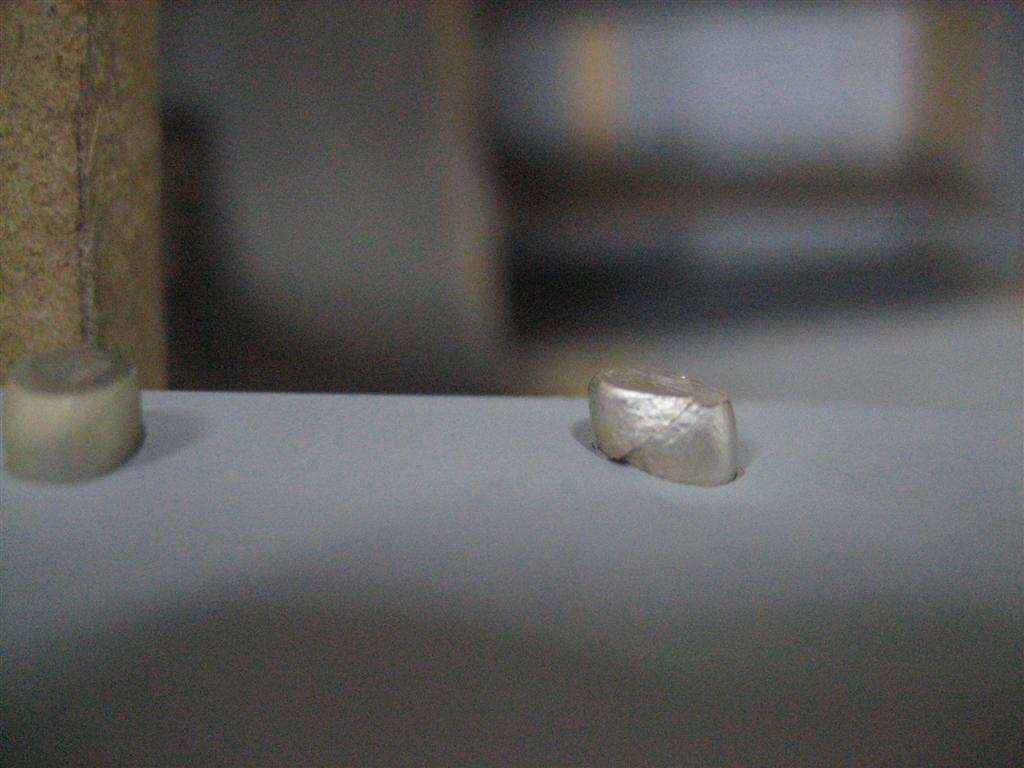
Split shop head #1.

And the second one. I think this happens when I start to set the rivet a little crooked and then try to straighten out.

Split shop head #2. Uglier.

Anyway, I fixed both of those, and took this picture of the new shop head as representative of all three.

It's art to me.

Then, I clecoed the rear spar into the HS and started dropping rivets in. These haven’t been squeezed yet, but I thought it looked cool.

Ready to start squeezing the skin to spar rivets.

Then Ginger came out to ask why I wasn’t inside rubbing her belly.

"What are you doing out here, dad?"

She wouldn’t come on this side of the workbench, but was definitely curious. She was staring at me from under the workbench for about 20 seconds before I realized she was down there.

"Dad, come inside and let me lay on you."

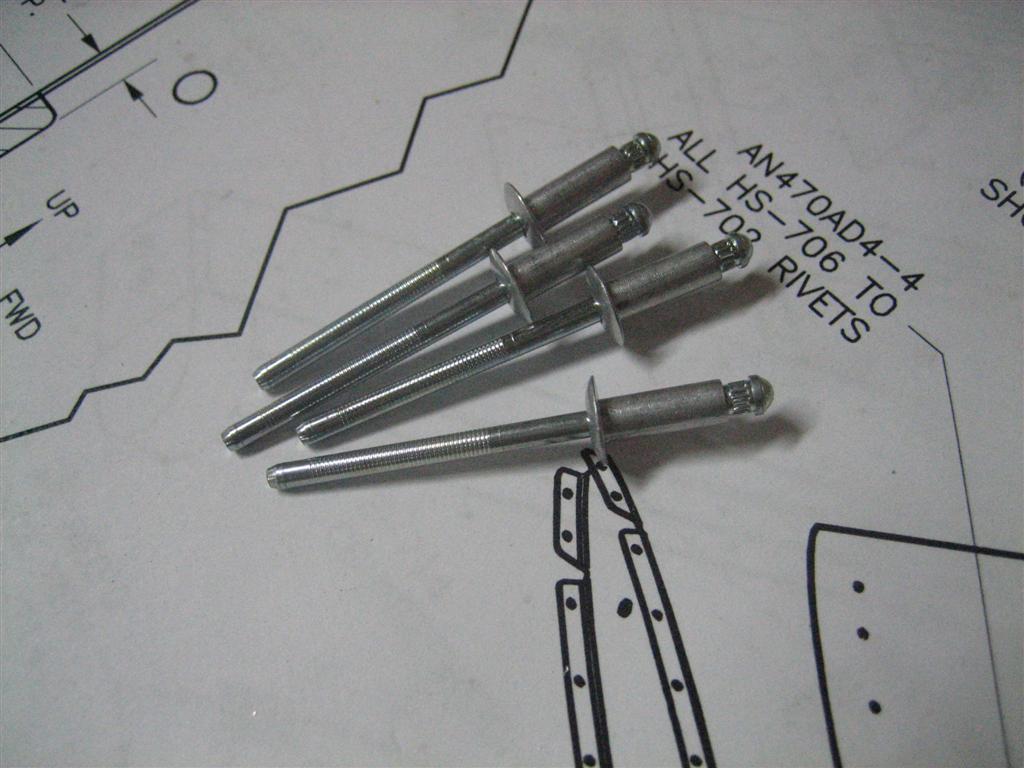
After squeezing all of the skin-to-spar rivets, I needed to find the BSPQ-5-4 blind rivets. Here they are.

BSPQ-5-4.

Here are the HS-708 (rib) to rear spar holes they fill.

Last 2 (4, 2 on each side) holes in the horizontal stabilizer.

Done.

I don't love having these blind rivets showing, but no one will see them when the elevator is installed.

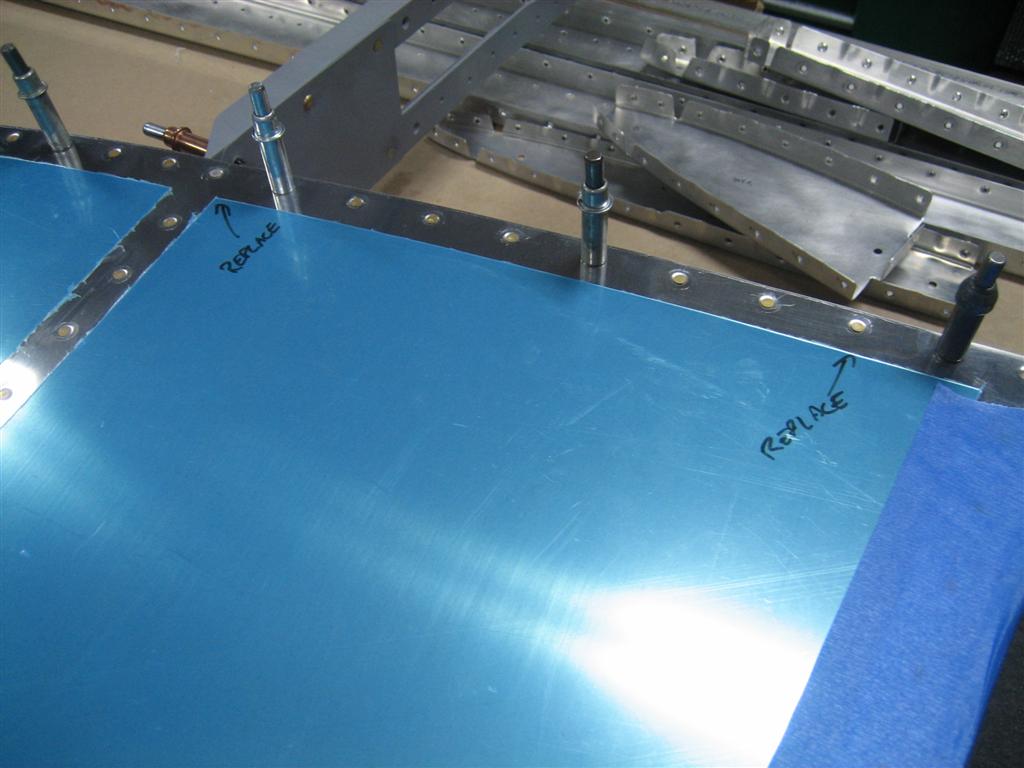
Here’s a picture of the almost final project. I circled about 7 rivets on the bottom side (the HS is upside down here) that I want to replace.  I’ll fix those this weekend, and inspect the top side before calling the HS complete.

Almost done. Looking good.

I ended up spending almost 2 hours outside. Drilled 3 rivets out, set 178.

Prev | Next


Rear Spar work

January 19, 2010

Prev | Next

I didn’t mean to spend a lot of time in the garage tonight, but I ended up spending about 2.5 hours.

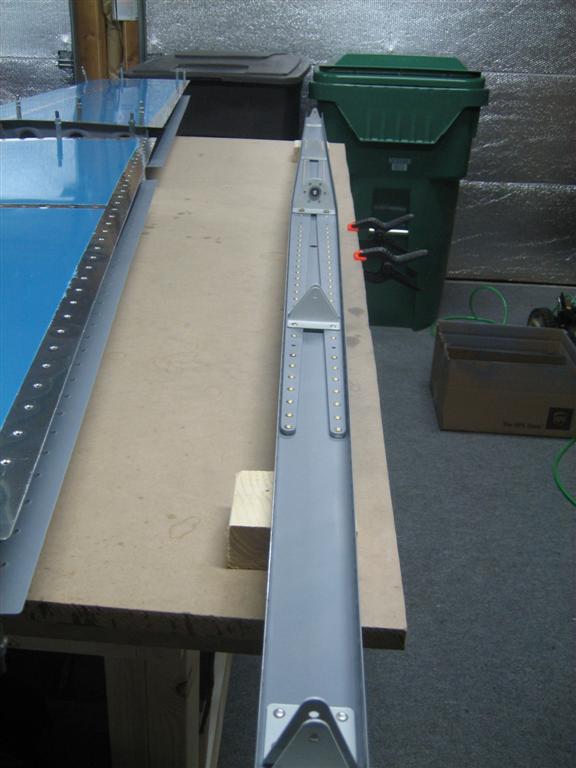
The only thing left I have to do on the HS before getting the rear spar on is…finishing the rear spar. First thing, finish edge prep, then some more scotchbriting and finally cleaning in the kitchen (“get that airplane part out of the kitchen!”). Here are the parts ready to go inside for some cleaning. You can see the PermaGrit block I’ve been using to edge-finish.

Nice and scotchbrited.

While I was waiting for those to dry before priming, I pulled off the vinyl off one of the right HS interior bays where I had forgotten it from the other day.

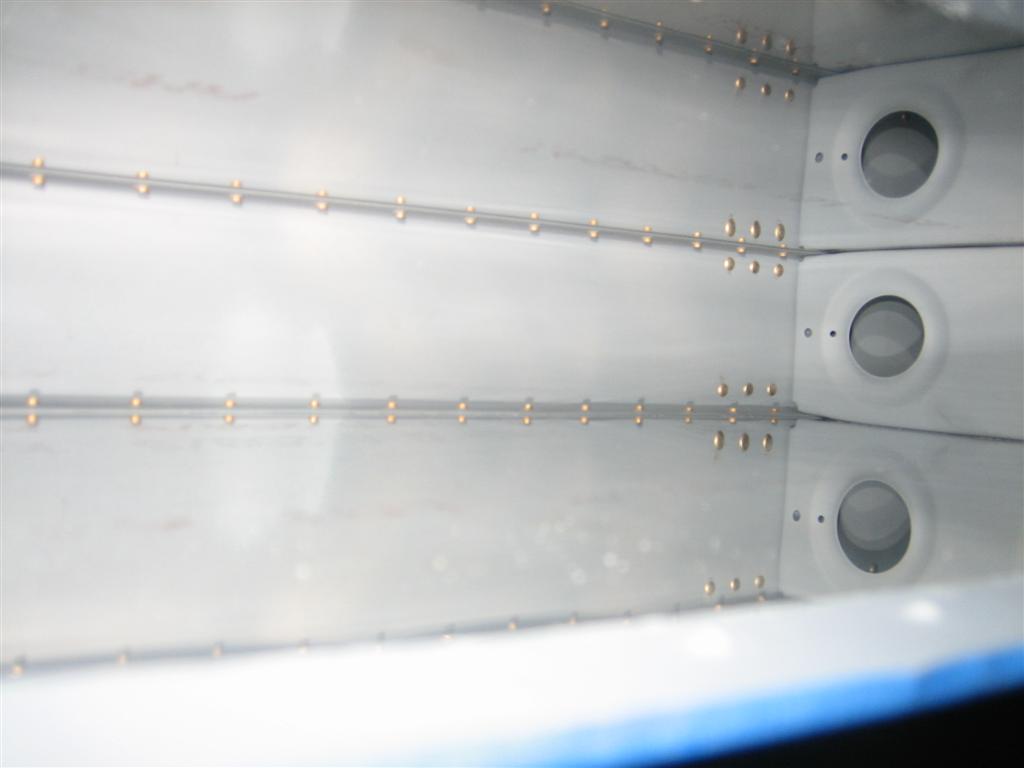
Clean interior!

Then, I scurried outside in the cold to prime the rear spar components (HS-603PPs and HS-609PPs), and came back inside to finish devinyling the other interior bay.

More clean interior!

Then, after quick two-hour break for dinner and a couple TV shows, I went back outside after normal bedtime once I knew the rear spar parts had dried. Here they are clecoed together with the elevator center bearing (VA-146) and the hinge brackets.

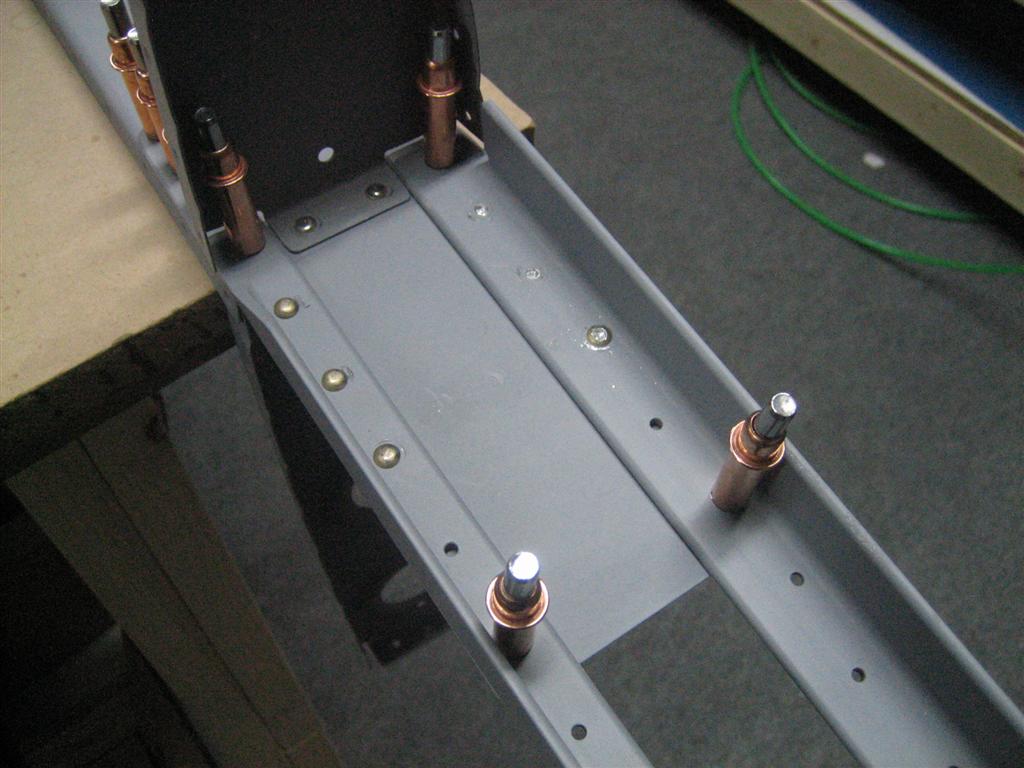
Rear spar clecoed together, ready for riveting.

Then I broke out the squeezer to squeeze some rivets. Why not?

My first action shot!

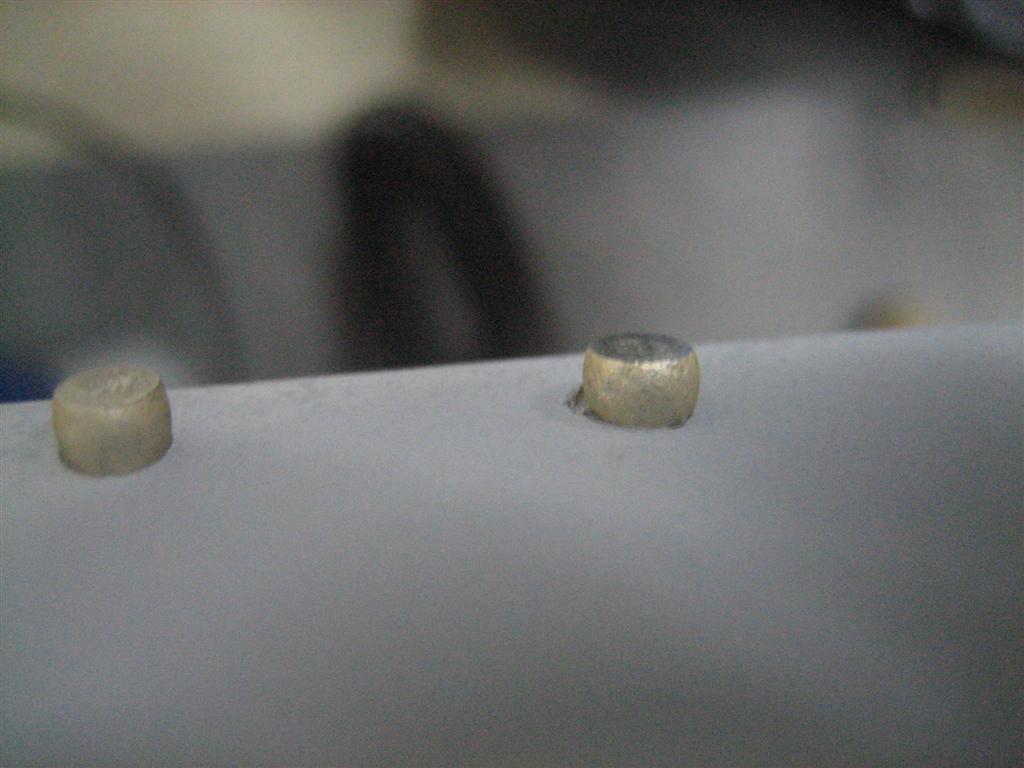
This took most of the build time tonight. Here are some shop heads for your enjoyment. Not perfect, but they all pass the rivet gage test.

Shop heads.

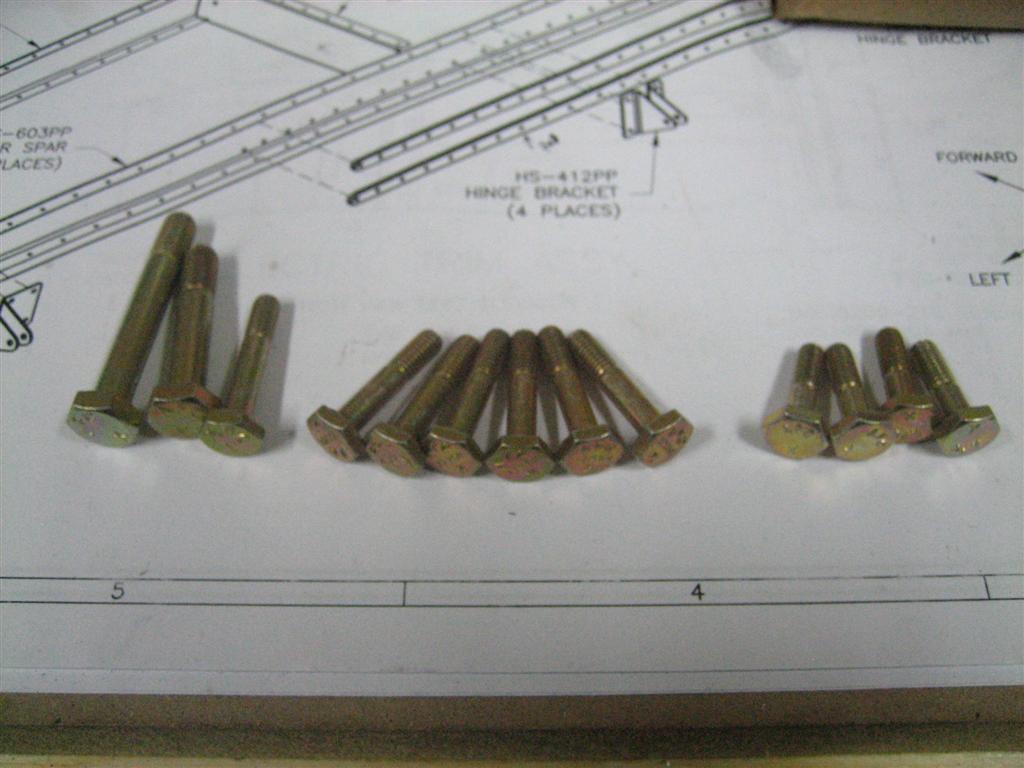
Then, I needed to bolt on the VA-146 center bearing. Time to go find some hardware. After a short search, I found the bolts (the correct ones are the short ones on the right).

4 bolts for the elevator center bearing bracket on the right.

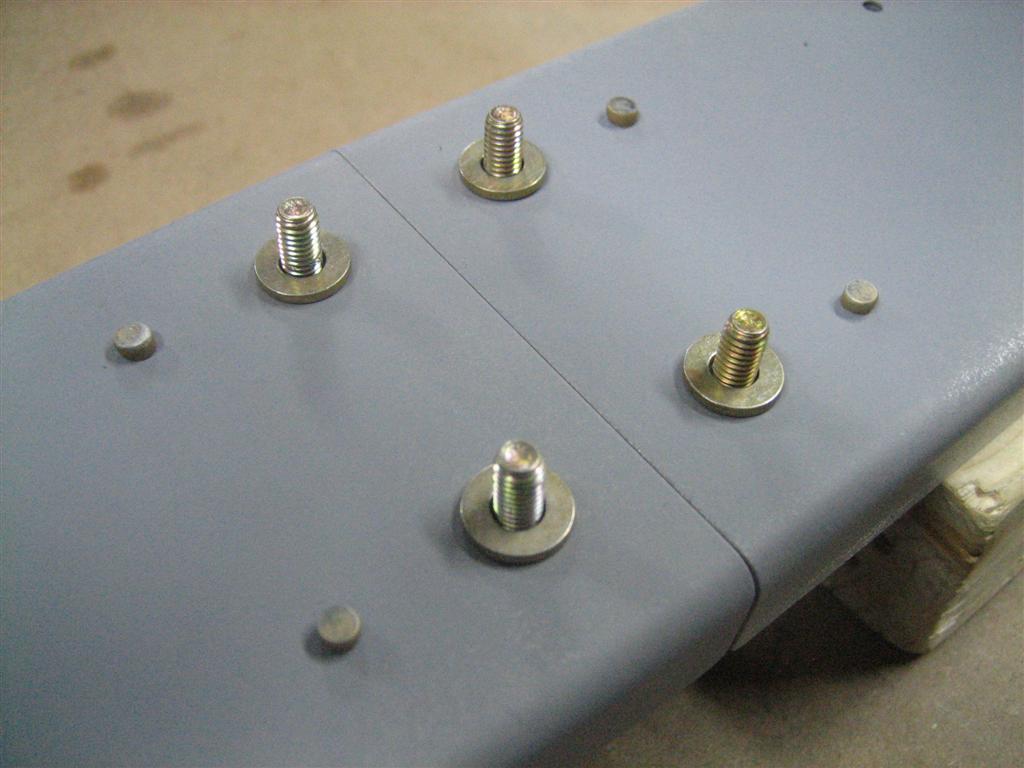
Then I found the washers (the ones you are looking for are the thick ones). There were 24 of them in the bag. (Stop judging me for not putting all of my hardware in separate trays. Using the inventory sheet and the bags has worked well for me so far.)

Washers installed.

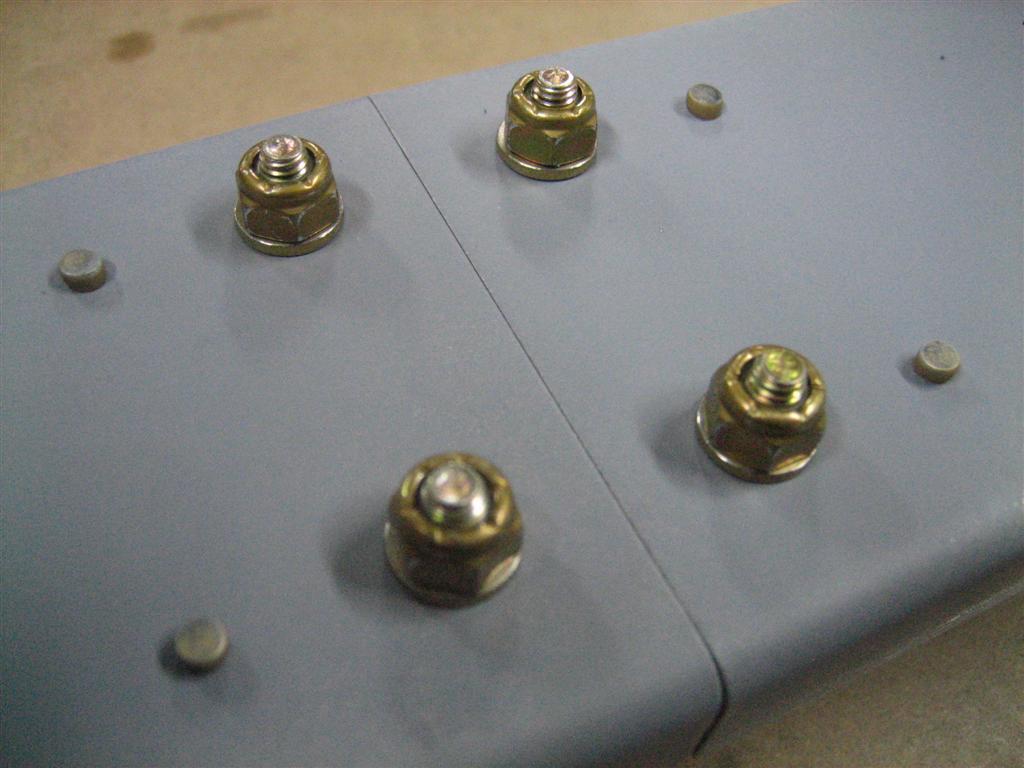
Then I found the nuts. I didn’t torque anything down yet, just finger tight. Need to get some torque seal soon.

Nuts!

Alright, time to go inside, it’s getting late. Here are a few pictures of the final product tonight.

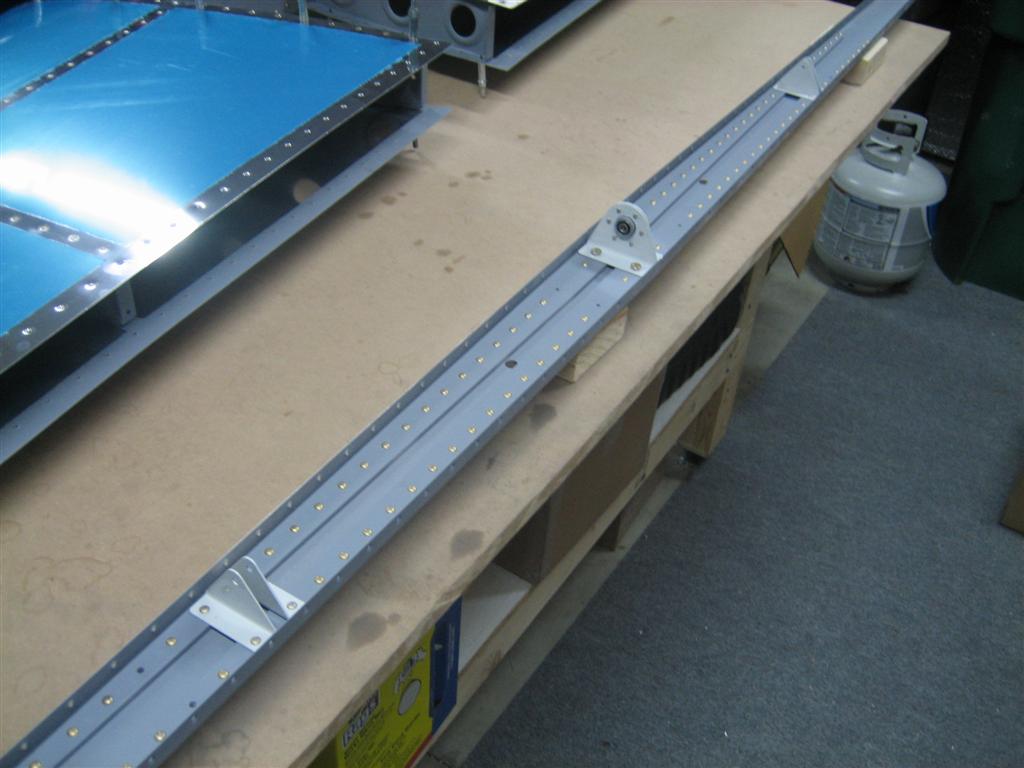
Nice and riveted rear spar. For those of who who don't have the plans in front of you, there are a couple sets of empty holes. They get riveted to the HS skeleton. I didn't forget anything, I promise.

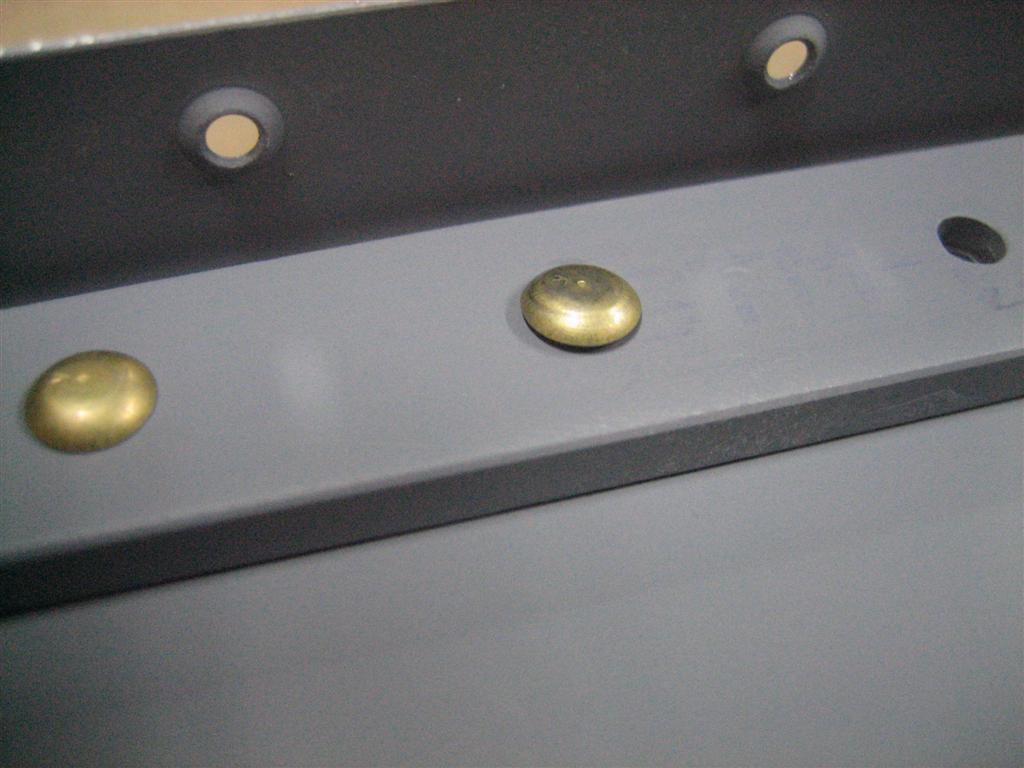
A more artsy shot showing beautiful machined heads. I love the look of the rivets on the grey primer.

So pretty.

And one more shot, just because I can.

Rear spar, ready to be installed into the HS.

120 rivets set today. I’ll have to drill out a couple of the AN470AD4-5 rivets they have you set in the outboard hinge brackets. The instructions insist the rivet callouts on the plans is correct, but they seemed a little long. In a few cases, the shop heads cracked on a diagonal (I’ll try to get a picture of this tomorrow) so I’ll have to drill them out and replace them. Not bad, though. My riveting drill-out batting average decreased from 10% to 7.3% today. Good day!

For future reference, I finished up my second can of self-etching primer. I did prime the whole practice kit, but still, that is a lot of self-etching primer. I think on the next can, i am going to weigh the full can, then weigh the empty can. Then maybe I can make a rudimentary guess at the weight of primer I’ve used. (Ignoring the weight of the compressed gas in the container.)

Prev | Next


More Right HS Riveting

January 17, 2010

Prev | Next

After a nice day off (had to work), I got back in the garage this morning for some good progress.

I started off by assessing the damage from the other day’s skin denting fiasco. I contemplated removing HS-707 entirely (from the top skin, too) so I could really get in there and smooth this sucker out. I even got everything mocked up in the c-frame again to look at the feasibility of getting rid of this dent. Then I decided I would have probably caused more harm than good, and that it looked a lot better today than it did the other day. After re-clecoing HS-708 into the skin with HS-707 and re-riveting the bottom skin to HS-707, I took this picture. The dented area is between the bottom two rivets in the picture. It’s really not that bad.

The denting between the bottom two rivets is really not that bad. And, it's on the bottom of the right HS. No one will look there. Unless you are reading this, and come to see my airplane, and want to see the dent on the bottom of the right HS. Damn you.

Anyway, with that done and behind me, I clecoed in the front spar assembly from Friday.

Upside-down HS assembly after starting to cleco the front spar (already riveted to the left HS skin) into the right HS skin.

CRAP! I forgot to remove the blue vinyl from the inboard bay before clecoing everything together. Okay, let’s un-cleco, remove, the vinyl, and recleco. Great. After inspecting (admiring, really) the assembly, I noticed a loose rivet (as opposed to a prude rivet. Hehe.). It was one of the two forward HS-707 rivets (by the denting). Grrr. Okay, should I un-cleco everything, and risk scratching everything in the process, or drill out two small rivets in the HS-404 to get my arm in there. I decided to go with drilling, since apparently I am really good at drilling rivets out. Without any issue, I got HS-404 removed and reached in to replace the offending rivet (second from the right in the picture).

HS-404 removed so I could reach in to replace the loose rivet.

Then, I reinstalled HS-404. (But took this picture before I actually riveted it to HS-702 (front spar) and HS-405 (aft root rib) behind the spar. Just pretend there are perfectly driven rivets there.

HS-404 reinstalled and the rest of the skin clecoed together.

Time to skin rivet. I like this part. Here is my technique. I stick the appropriate sized rivet in the hole, cover with blue tape, then reach in with the bucking bar, and shoot with my flush set, which is also covered in blue tape. Then, I remove the rest of the clecos, put rivets in again, and move all this little pieces of blue tape over one. (Then I figured out that on the second round, I could remove all the blue pieces of tape and run a whole line of tape along the line. I just had to make sure verify which rivets I had the bucking bar behind by pushing up on it a little. you can then see the rivet pushing up behind the tape. Bucking bar in place, I can set the gun down on the rivet and shoot.)

If you were counting, you noticed there are now two pieces of blue tape between the flush set and the rivet (and my fragile HS skin). This worked well for me, prevented further damage, and gave me some friction to help keep the set in place.

Rivets ready to set, covered with blue tape.

So, I knocked out all of the rivets needing to be bucked (I think it was 42 per side) before inspecting all my work for any issues. I think I found 5 skin rivets I wanted to replace. Here is a good example. The shop heads of all of these look great, but I want those rivets perfectly flush. I didn’t take an after picture (sorry), but I assure you, the one on the right now looks like the one on the left.

Bad rivet on the right. Replace.

After bucking all of those, I moved the now very big HS assembly to the floor while I cleaned off my workbench. Nice and clean again.

Clean workbench!

Then, I brought the HS back up on the table to squeeze the rivets that could be squeezed on the HS-601PP (skin) to HS-404 (inboard tip rib), HS-405 (inboard aft rib), and HS-706 (tip rib). The instructions have you leave 5 holes open on the inboard lines for the empennage fairing attach holes on the top only, but I decided to leave the same holes empty on the bottom for now, just to have clecos there on both sides to hold the HS off the table.  I also left some clecos in both sides of the tip ribs (although I left less on the right than I had on the left the other day, so I squeezed a few more on the left. ) Anyway, the HS is upside-down here. Left side is in the foreground.

Oooh, pretty.

Another shot. Still need to get that rear spar done. Look in upper right side of the picture. The dented area (I really shouldn’t call it dented anymore) is in the middle of the leading edge there. (I know the picture is from a distance, but the point is it’s not that noticeable.)

More pretty!

And after I flipped the HS right side up.

Shiny and clean.

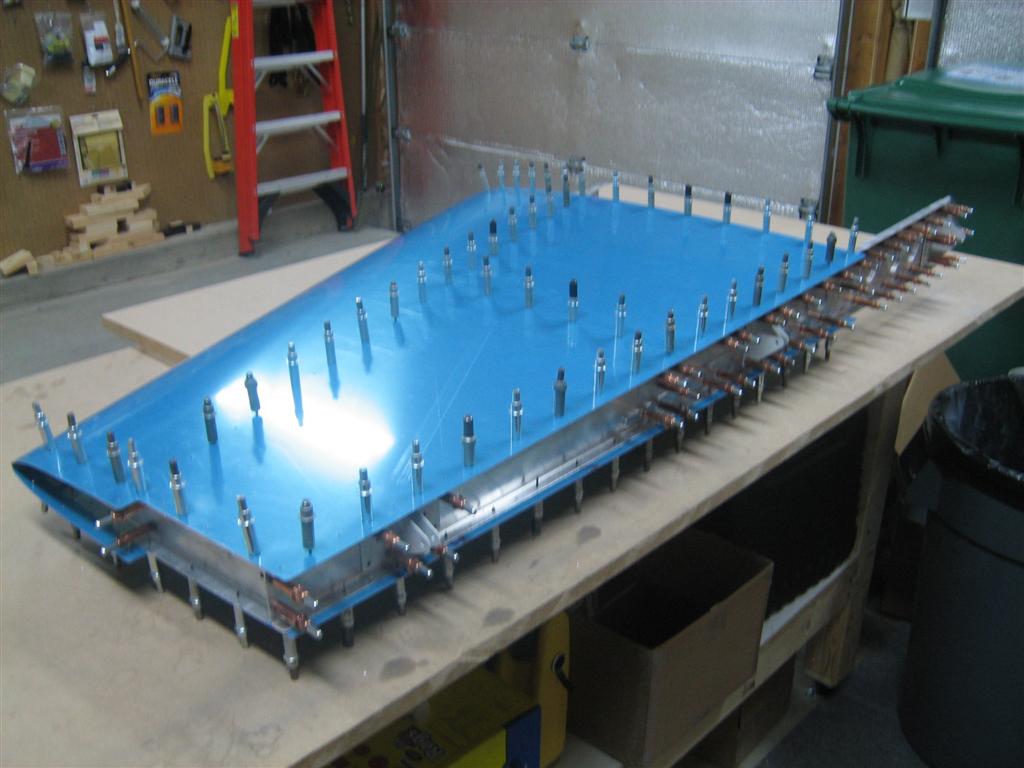
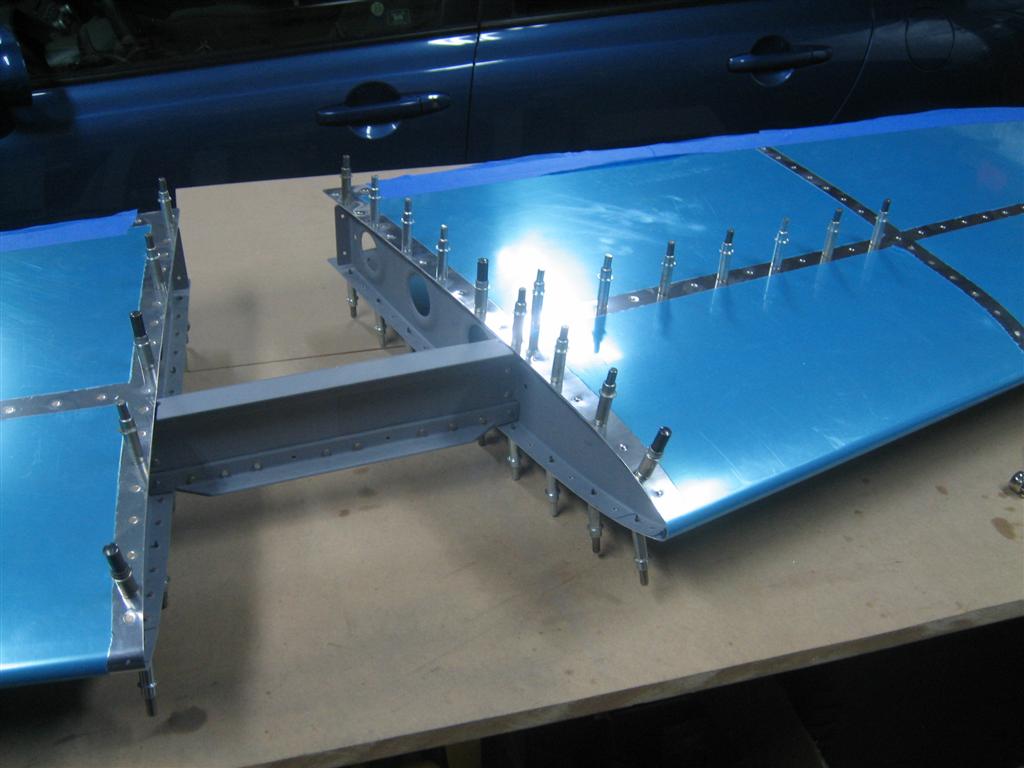
After a hard day’s work, I stood back and admired the almost finished product.

I need a bigger workbench.

Good 3.5 hour day today. 146 rivets set, 14 drilled out.

Next up:

1) Remove rest of blue vinyl from inside of HS.
2) Rear spar work.
3) Finish riveting holes in HS.
4) Figure out what is going to “fly” when I finish the HS.
5) Hang HS for storage

I also decided that I am going to keep a separate page for tips. I keep learning these little tricks along the way. I should write them down.

Prev | Next


Squeezed more left HS Rivets

January 11, 2010

Prev | Next

I got some rivets squeezed tonight, which means it was a good day. All of the rivets tonight were either HS-601PP (skin) to HS-706 (tip rib) or HS-601PP (skin) to HS-404/405 (inboard ribs). All squeezable.

The plans have you skip 5 rivets on the top only, but the clecos were doing such a good job of holding the skin off of the table, I decided to skip those rivets on the bottom, too. Also, I only squeezed every other rivet on the tip until I can get the rear spar riveted in. Then, I’ll finish the whole thing off.

On the top of the skin, Van's has you leave the rearmost HS-405 hole open, then every fourth rivet forward of that. Here are my first three squeezed AN426AD3- rivets on the project.

Then I got up to the HS-601PP (skin) to HS-702 (front spar) to HS-405 (aft inboard rib) hole. You can see that the longer rivet they call out (AN426AD3-4, instead of -3.5) isn’t long enough.

Bad picture, but the rivet at the top of the picture is not going to be long enough to form a good shop head.

So, I replaced it with an AN426AD3-4.5.

An unsqueezed AN426AD3-4.5. That looks like it will be long enough. It was.

Then, I spent a few minutes looking over my work from yesterday. It generally looks pretty good, but I must have been distracted during these three or four rivets (at least they are on the bottom of the skin). Not a big deal, but when you look at it in the right light, you can see some small dings.

A couple small smilies and dings. These make me want a swivel flush set. Hmm. It looks like I didn't keep the rivet gun straight. Bummer.

From today, two of the rivets I squeezed didn’t sit correctly in the dimple. They are probably just fine, but I’m going to replace them. (I know, I know, they will be under the empennage fairing, but still, I want them better than they are.)

Only two rivets to replace tomorrow. Better than yesterday's average.

30 quiet minutes today, after the girlfriend and puppies went to bed. I’m so sneaky.

38 rivets tonight, 2 I’ll have to drill out tomorrow, but don’t count against my batting average tonight.

Prev | Next


Left HS Riveting

January 10, 2010

Prev | Next

Today I started left HS skin riveting.

The big takeaway is that I hate squeezing AN470AD4- rivets. For some reason (it’s gotta be user error), I keep bending them over. Finally, I broke out the gun and got some rivets set. I think I may need a better bucking bar. The fact I set some really nice rivets with the crappy bar means that a tungsten bucking bar will probably be my favorite tool.  Anyway, first picture is me riveting HS-710 and HS-714 to the left HS-702 front spar. You can see the two rivets in the upper right side of the picture needed to be drilled out. Oh wait. They all needed to be drilled out. See how I put the manufactured side on the thicker material here? Wrong, drill them out. That’s one of the reasons I drilled out 11 rivets today. I didn’t get all of these reset, but I did get the ones that would be inaccessible once I started riveting on the skin. In the picture below, I set the six behind the HS-404 rib, and six of the ten in front (lower right) of the HS-404 rib. A few of those bent over again, so I called it quits on this part and moved on. I’ll have to drill out more rivets tomorrow. Ugh.
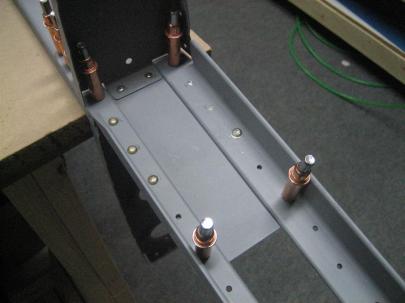
Squeezed, and then drilled out HS-710 and HS-714.

Next, I started some skin riveting, with the HS-707. You can see my first two skin riveting shop heads.
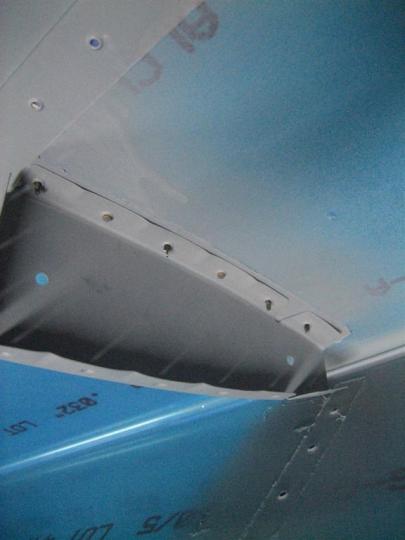
My first two flush rivets (well, first two on the skin).

Then I shot two more and took this picture. Sorry about the fingerprint smudges. Rest assured, the skin is nice and smooth.
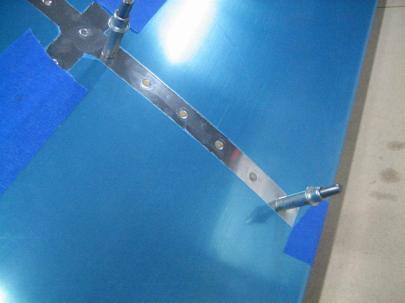
First 4 flush rivets on the left HS. They look so good.

Finished up the top, and then riveted the bottom (except for the last bottom skin rivet, the bottom 1/8″ cleco prevented the bucking bar from getting in there, so I’ll set this after I remove HS-708). The second and third rivets on the bottom need to be replaced. They are probably okay for such a non-structural area, but I am a perfectionist.
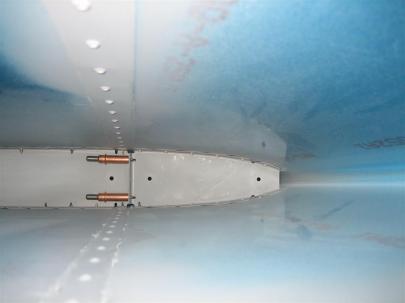
After riveting the top and bottom skins (to HS-707). Except the most aft skin rivet on HS-707. (See the lower 2nd and 3rd rivet from the right? Those shop heads are too small. I'll need to replace those.)

Drilled them out, and replaced them. They look much better now.
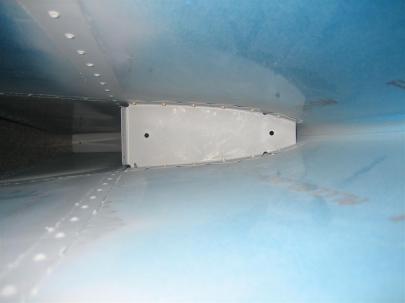
Replaced with AD3-4 instead of AD3-3.5. I don't know why these needed longer rivets when every other rivet looked okay.

Next, I finished riveting HS-710 and HS-714 (front spar reinforcement angles) to HS-702 (front spar). Shop heads on the thicker material.
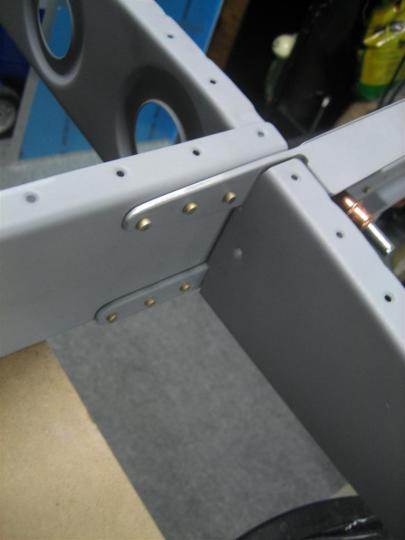
HS-710 and HS-714 successfully riveted to the front spar.

Here’s a closeup of the two replaced rivets.
Another closeup of the HS-707 rivets.

Next, they have you cleco in the front spar and cleco HS-708 (what I am calling the middle aft rib) into place. (Ha, the Yard gave me a long reach 3/32″ cleco in my bag of used clecos. You can see it on the upper left.)
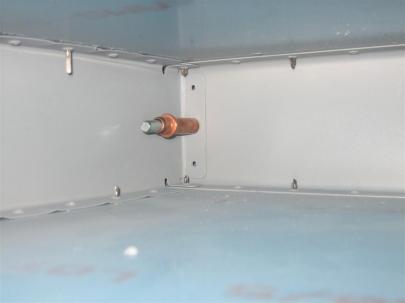
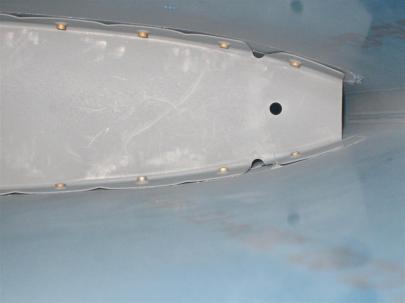
Clecoed the front spar and HS-708 in place, ready to blind rivet.

One of the LP4-3 blind rivets set. I had to grind down my cheapo National Tool and Equipment blind rivet puller. Not hard, took about 5 minutes, and ended up working really nicely in here.
First blind rivet on the project. (I think it's an LP4-3.)

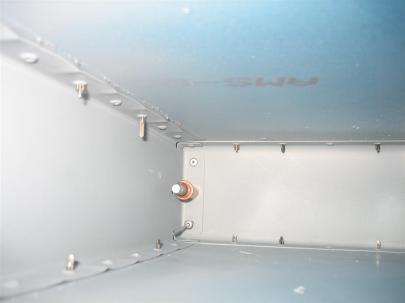
And all three complete.
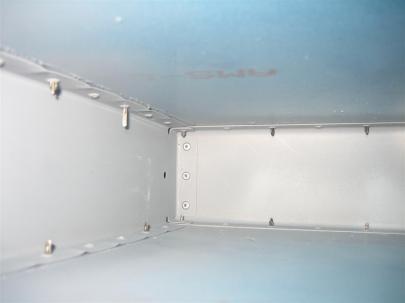
All three blind riveted. Time to move on.

Here, I got a shot of my painter’s tape covered bucking bar just after bucking the lower tip rib rivet.
Riveting HS-706 (tip rib) to HS-702 (front spar). I think I could have squeezed these if I had unclecoed the skin a little, but I was feeling good about shooting them, and I'm not a fan of squeezing AD4- rivets since the "let's have fun squeezing and drilling out 9 rivets" fiasco this morning.

I like these rivets. They gave me no problems.
Done!

Next, I started setting the skin to front spar rivets. I shoudl elaborate on my technique a little here. I would remove a cleco, put in the AN426AD3-3.5 rivet, put some blue painters tape over the rivet, then shoot and buck it. The tape did wonders to protect the skin from any blemishes caused by the flush rivet set. I taught myself this trick after scratching the hell out of the practice kit. (note: I wish the practice kit had more AD4- rivets in it.) Anyway, these all look sufficient…
The first skin to spar rivets on the top.

I managed the rest of the HS702 (front spar) and HS-708 (aft middle rib) to skin rivets. There were 42 of them. On each side. I wrapped my bucking bar in blue painters tape to protect the skeleton from dings and scratches. Worked like a charm. I’ll replace all of the tape then next time I have a big rivet day.
I wrapped my bucking bar in tape. Here is the result after 113 rivets today. (Well, 124, I had to drill out 11 rivets.)

Here are some after shots. The HS is upside down, so even though this is the left HS, we are looking at the tip rib here.
All done. I may go back and see if there are any underdriven rivets in here. I was being rushed back into the house for dinner after I finished riveting.

Looking at HS-708 and the blind rivets holding it to HS-702 (front spar) and HS-707 (middle tip rib). It looks like the spar is scratched here, but it is really just a couple scuffs from my knuckles and the handle from the blind rivet puller.
More after pictures.

This is looking toward the center of the airplane (toward HS-405, aft inboard rib)
And again.

No closeups, because I didn’t clean off the skin yet, but still, it looks so nice. Also, I need to remember to stop dripping air tool oil all over my workbench.
Hooray for a riveted skin. It looks like it might fly one day.

After I got all the riveting done, I started peeling off the blue vinyl from the interior. The primer on the vinyl flaked off as I peeled, and it got everywhere. I don’t know how to prevent this, though, and after a quick sweep with the vacuum, it looked wonderful again. Before I close up, I’ll probably wipe off the unprimed aluminum with acetone or similar to make sure I have all the fingerprints (oils) off.
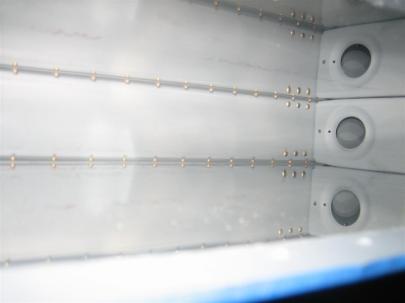
Removed the blue vinyl on the interior. Me likey.

I also got a half hour of right HS skin deburring tonight. We’ll see.

Noon to 1pm, 1:30pm to 4:30pm, then 9-9:3pm while watching the UNC/VT game. Go heels. 4.5 very productive hours.

Prev | Next

Finished drilling the HS

January 1, 2010

Prev | Next

Short, but productive day.

It was Jack’s birthday today (he turned 3), so I ran out to Chik-Fil-A to get him is once a year human food treat. A chicken biscuit. Of course, Ginger needed one too (“so she doesn’t feel left out”) and so on, which meant my girlfriend and I also got biscuits. Here are Jack and Ginger.

Jack and Ginger (Jack's on the right) on the beach last summer. Happy Birthday Jack. You're 3 now. Start acting like it.

Anyway, after the birthday festivities (a.k.a. Jack and Ginger inhaling their biscuits), I managed a couple hours on the project. Here, I clamped HS-404 in place after having first marked holes and drilled #40 pilot holes in the aft flange. The instructions have you mark and drill pilot holes in the HS-405, but why drill from aft to forward, hoping you don’t run into edge distance problems when you could drill from forward to aft? For the outboard holes, I did use the HS-405 for pilot holes. You’ll see.

HS-404, with two pilot holes marked and drilled prior to mock-up.

Here are the silver clecos after drilling from forward to aft with my 12″ bit.

Used the #40 pilot holes I previously drilled in HS-404 to drill through HS-702 and HS-405.

Then, I used the previously marked and pilot drilled holes in HS-405 to drill forward through the HS-702 (front spar) and HS-710/714 (reinforcement angles). The 12″ bit really came in handy here.

Then used the #40 pilot holes I made in HS-405 to drill through HS-702 and HS-710 (or HS 714 for the other side). Here, you can see the 12" bit really showing its stuff.

Then, I matchdrilled the rest of the HS-404, which had been clamped in place in the above pictures. After that, I finished match-drilling the rest of the skin for the right side. After you finish and pull the skin off, you can drill the remaining HS-702 holes using the HS-710 and HS-714 angles as guides. Here are the last six holes drilled after pulling off the skin.

Finished drilling HS-710 and HS-714 after removing the skin.

After the skins are pulled off, I’m ready to start prep for final assembly.

After match rilling both skins and finishing the HS-710/HS-714 to HS-702 holes, The skeletons lay ready to disassemble, deburr, dimple, edge finish, surface prep, and prime.

2.0 hours today. Not bad.
Prev | Next


Rear Spar, Front Spar

December 30, 2009

Prev | Next

Well, I finally started today. First thing I did was break the corners of the HS-609PP. I used my grinder, which did a good job, but got clogged with aluminum pretty quickly. I think my next big investment will be a bandsaw.

The requisite shot of before and after rounding edges.

Then I removed the blue vinyl from the rear spars (HS-603PP) and clecoed the 609s to the 603s. To do this, I needed to increase the radius of the 609s that rests against the web/flange intersection of the 603s. No big deal. Once I did this, they fit great. I didn’t finish the edge prep on the 609s, I’ll do this prior to priming everything. Then, I match-drilled all the holes, including enlarging the HS-708/HS-603PP (inboard rib attachment) holes to #21.

Rear spar reinforcements clecoed to Rear spar channels. It's starting to look like an airplane? Ha.

Next, the directions have you attach the elevator hinge brackets. After match-drilling all of the outboard brackets, they have you sandwich the VA-146 bearing in between HS-411APP to HS-411BPP.

Clecoing the center bearing supports in.

One one side is pre-punced, so you clamp, drill 4 holes, cleco, remove from the spar, and drill the rest of the holes.

Getting ready to drill.

Then I masked off special parts of the VA-146 to prep for priming.

Taped off the important stuff.

And then shoot some primer. (I’m using the rattle can self-etching primer.)

Scotchbrited, cleaned, and primed the center bearing.

Then reassemble and rivet. I found (contrary to some other builders) that the rivets called out in the plans made a great shop head. I think other builders went up a size.  I’m definitely happy with my first six rivets.

The first six rivets.

Here’s everything on the rear spar clecoed back together.

All the hinge brackets clecoed in place.

Then, per the plans, I marked the taper and radius locations for the HS-710 and HS-714 reinforcement angles.

Marked the tapers on HS-710 and HS-714 per the plans.

It was a little late to be running the power tools, so instead, I marked the bend lines on the HS-702 front spar channels. This takes some careful measurement and marking, so take your time.

I also marked the bend lines on the front spar channels. (HS-702)

Then, I strayed from the plans a little. They have you use a 1/8″ bit to create a notch relief hole, then enlarge to 1/4″ using a unibit. I used snips and then a file. The second one turned out better than the first (which I hear is pretty common on everything in the project), and I had some trouble making them look perfect. (I know, things don’t have to be perfect, but it bugs me, anyway.) Biggest lesson learned: cut the flange in the correct place first, then unbend the flange to give you more material to work with. You can see in the top one in the picture below that I didn’t do this, and had to taper into the bend relief notch. (The bottom one below is better, nice straight line back to the relief notch.)

Finished HS-702 shaping with bend relief notches.

Then I bent HS-710, HS-714, and both HS-702s. I created a cardboard template using trigonometry. I took the tangent of 6 degrees. Which is a little over 0.1. (This means fromthe bend line, for every inch you go laterally, the angle will be just over 0.1 inches up.) That’s a little hard to measure, so I took the inverse (to figure out how many inches laterally I need to go for 1 inch up), and got just over 9.5 inches. I have a calibrated 6 inch ruler, so I divided by two, and ended up with mike’s numbers; 4.75″ over, and 0.5″ up.

Now that I have my template for six degrees, let’s get bending.

After trying a few methods in the vise, I ended up just lining up my bend line with the edge if the table, holding a wooden block over the piece, and putting a little pressure on it. If you go slowly, you can get 6 degrees pretty dead nuts on. I laid everything on top of eachother, and it all lined up very nicely.
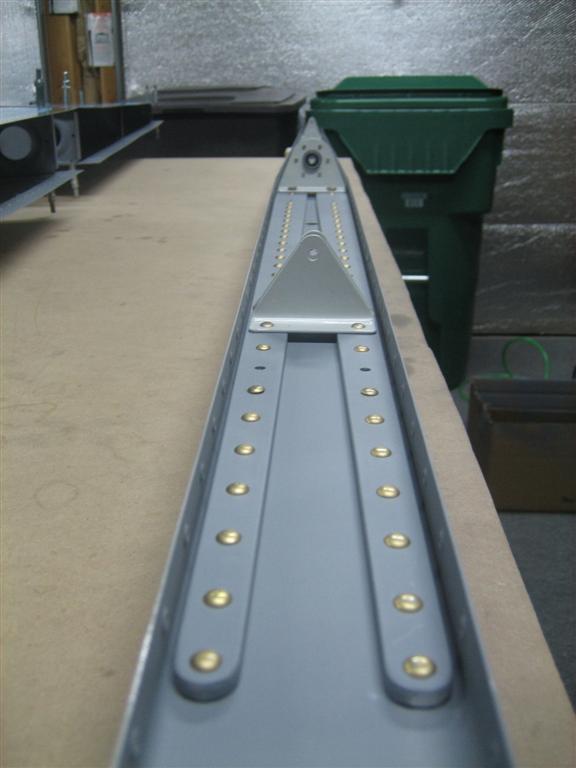
Lastly, I finished the front spar section by dimpling the HS-702s, and countersinking (first ever countersink!) the HS-710 and HS-714 for the center two holes only. Remember, flush rivets go on the aft side here, so the countersink and the male dimple die go from back to front.

Countersunk HS-710 and HS-714, dimpled HS-702.

A solid 5.5 hours today.

Prev | Next