VS skin Deburring and Dimpling

January 29, 2010

Prev | Next

Today, I didn’t make it outside until late, so I didn’t get a lot of work done. Here’s me starting on deburring the skin. Yes, I am using the Van’s recommended “spin a drill bit in your fingers” method. It works for me.

Action shot of me deburring.

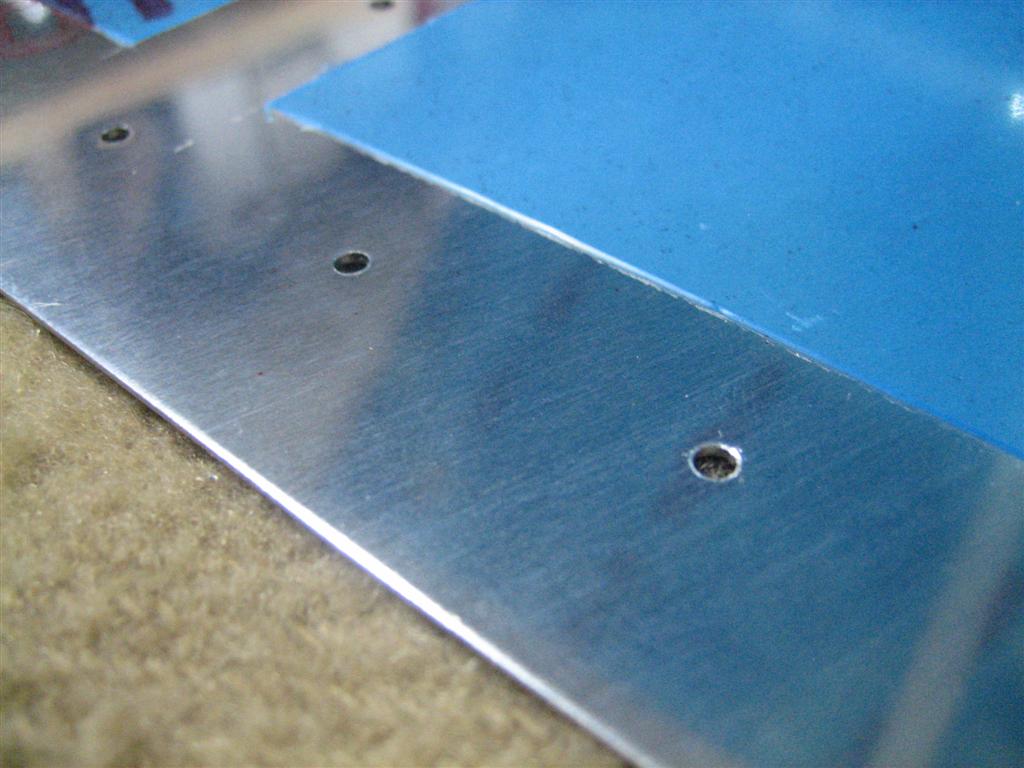
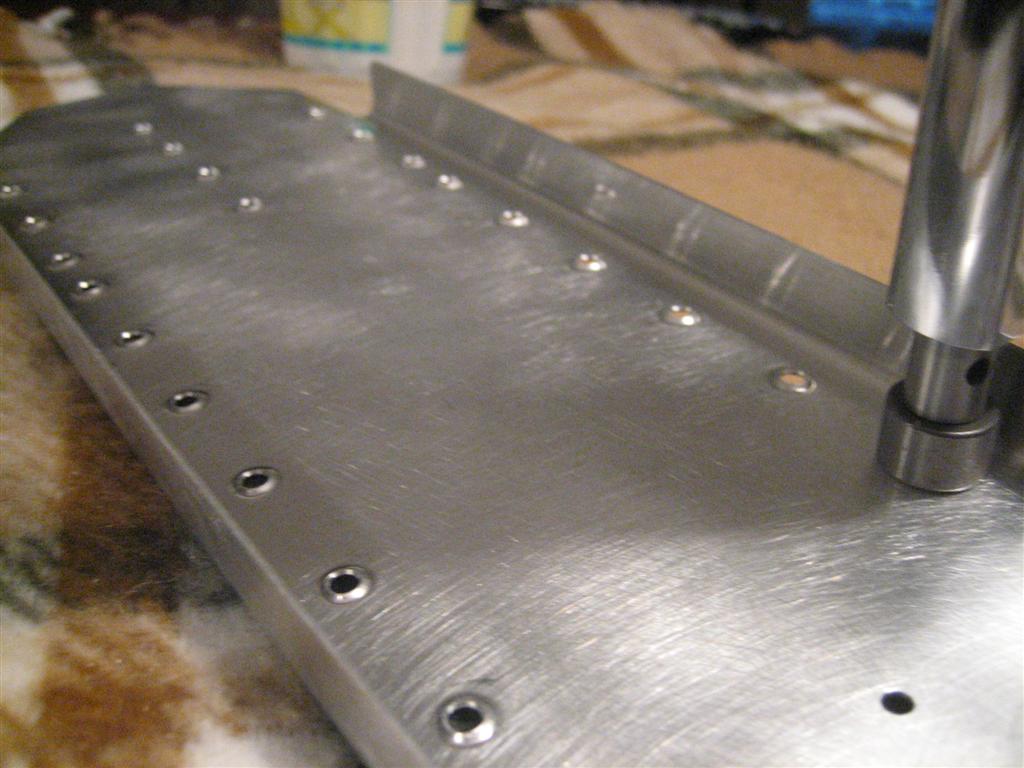
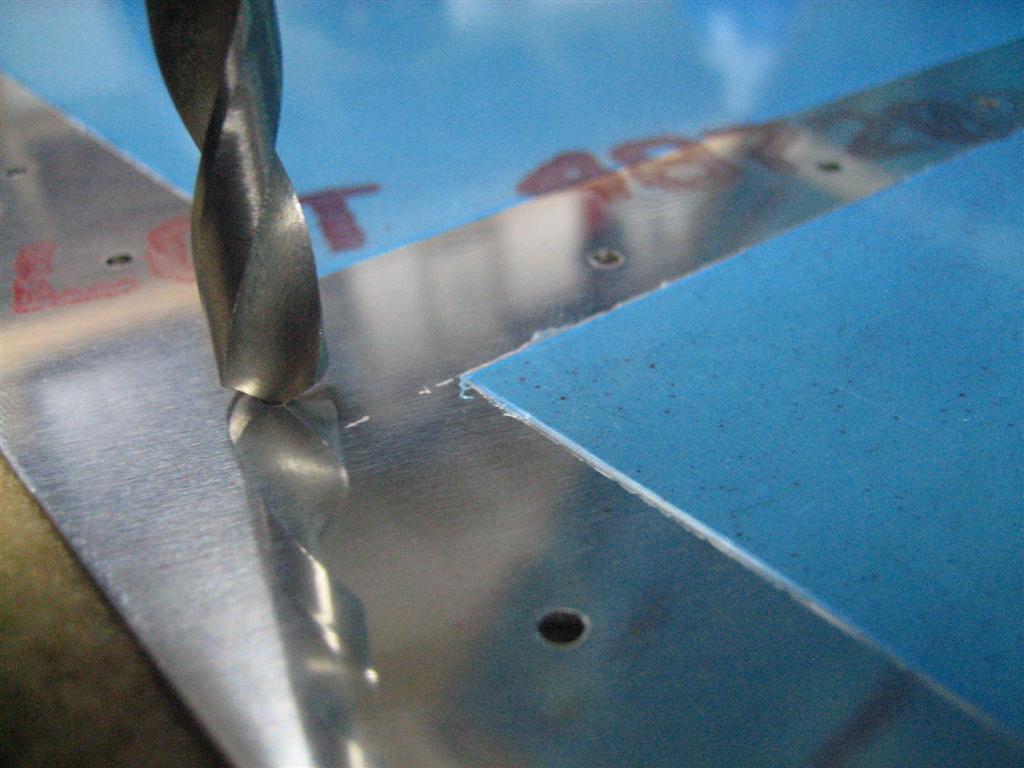
An example of a deburred hole. The hole on the right is deburred. There is a very small chamfer on it from the oversized drill bit. It’s easier to see because it’s catching the light from above.

Deburred hole there on the right.

After deburring, I scuffed up the interior of the skin with a maroon scotchbrite pad.

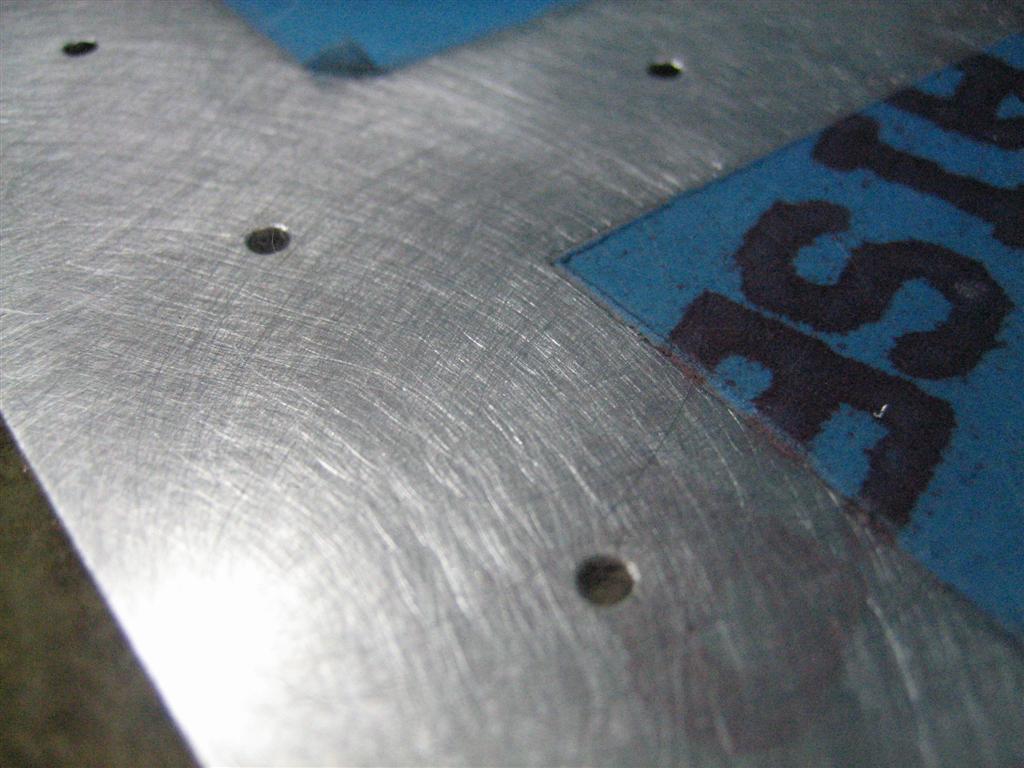
Scuffed, ready to dimple.

Because it was so late, I didn’t want to break out the c-frame. I grabbed the hand squeezer and finished what I could reach.

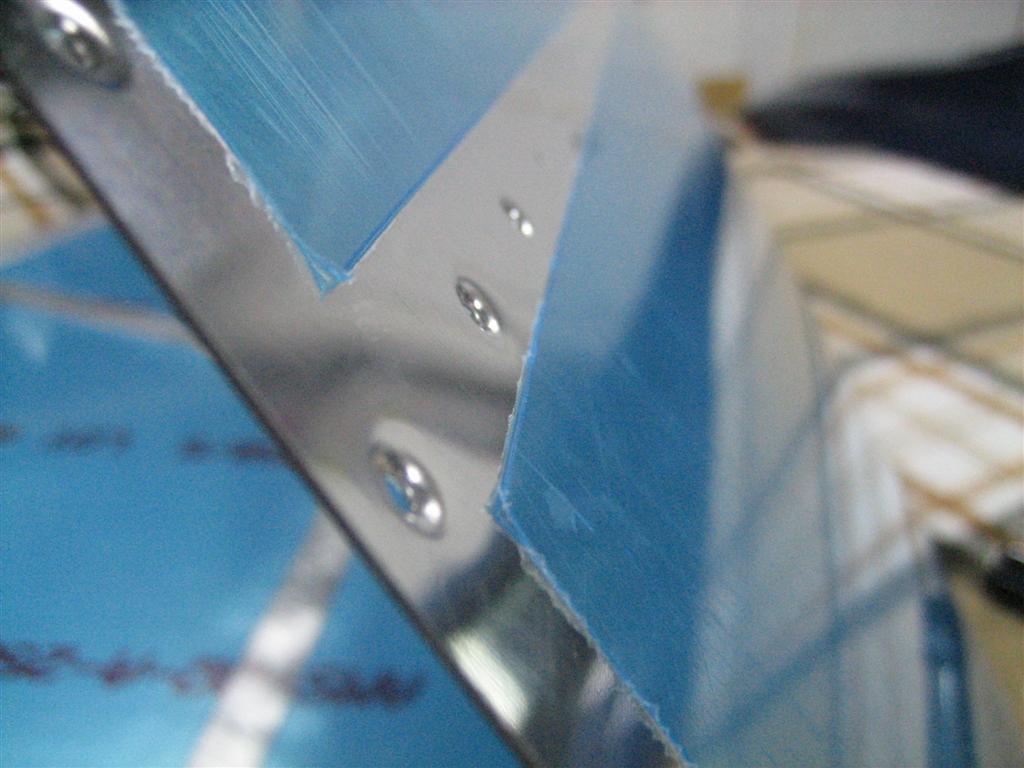
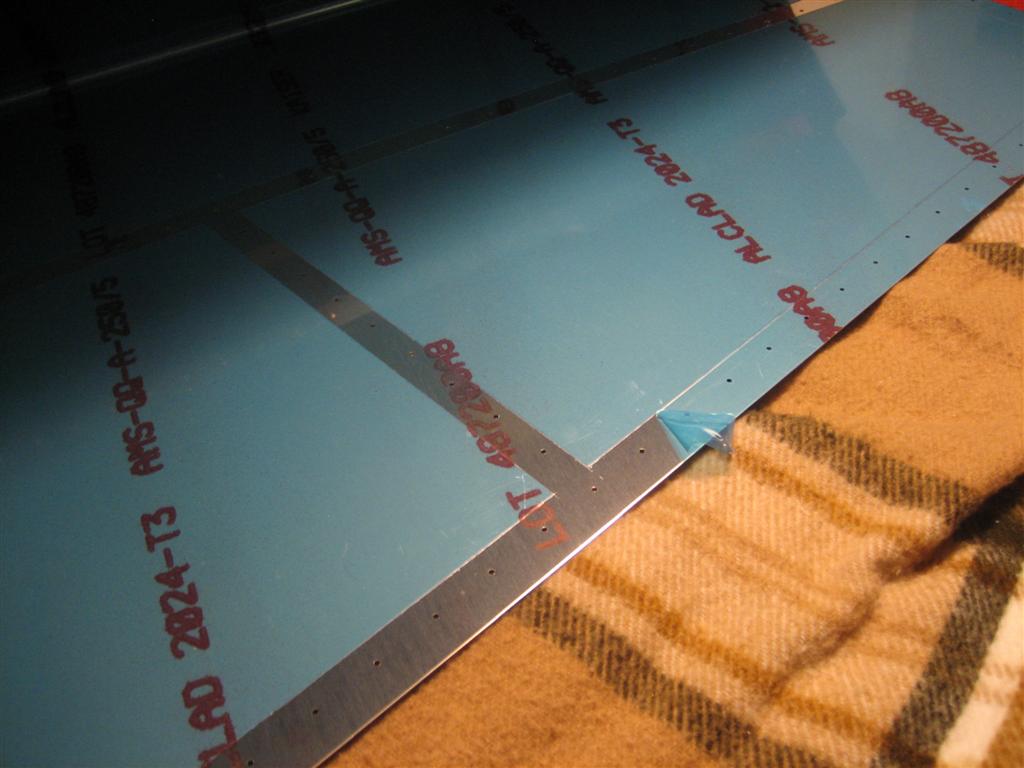
These are regular (not "tank") dimples. No circles when you use the blue tape trick.

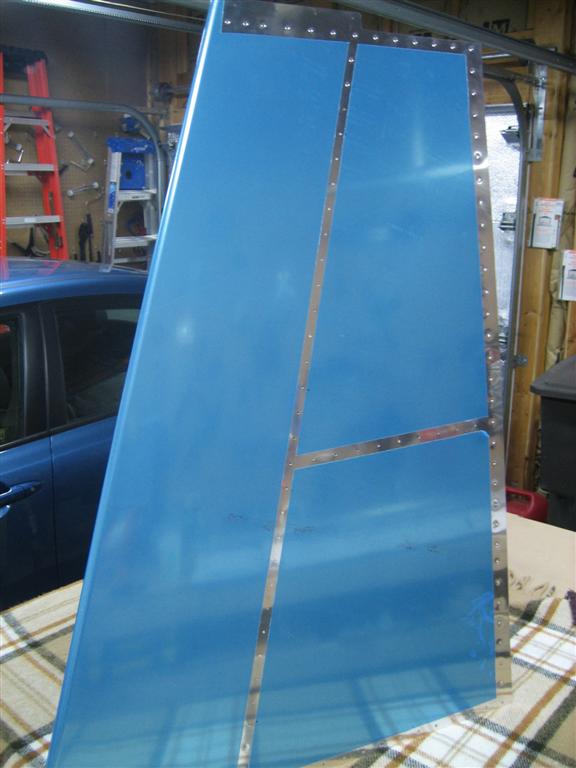
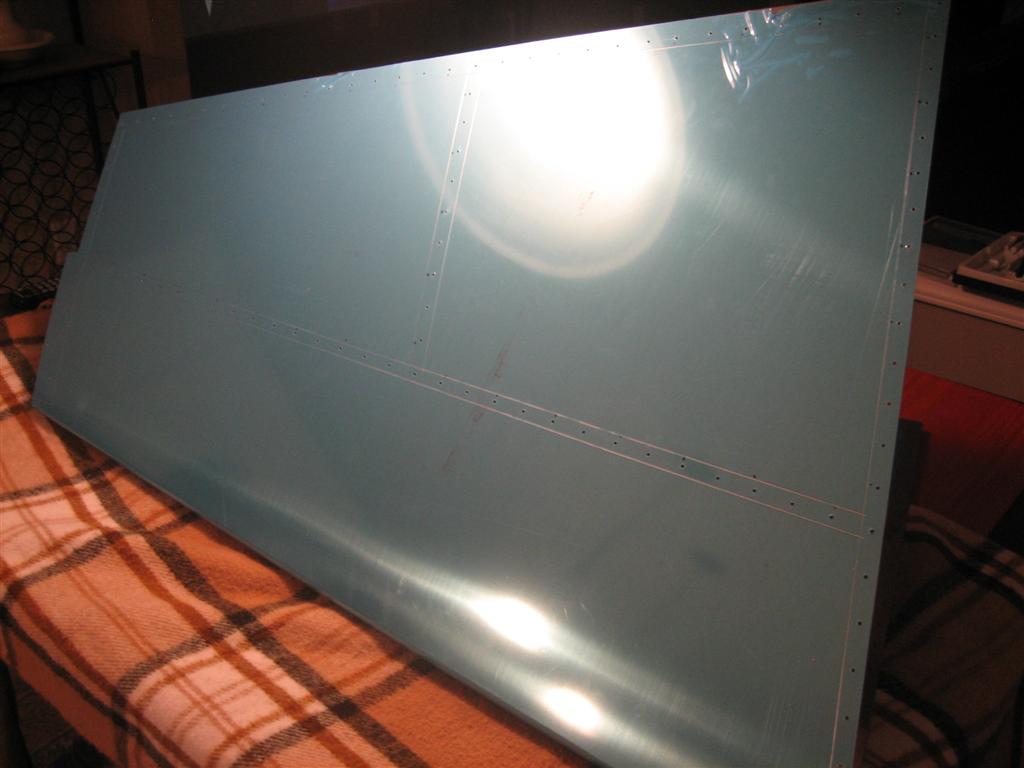
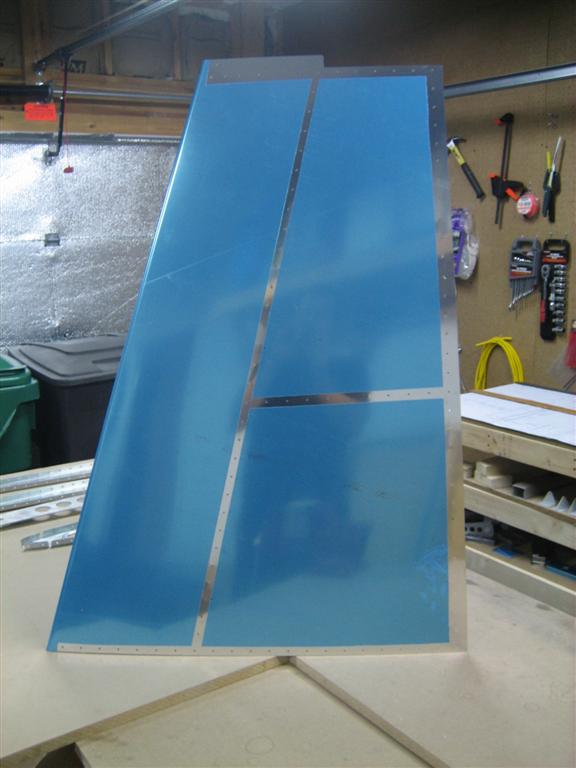
And here’s the vertical stabilizer skin, deburred and dimpled around the perimeter. When sound level permits, I’ll get the c-frame out and dimple the remaining holes.

Almost done with the skin.

I counted 104 holes per side for deburring. That’s 208 holes, 416 deburring operations needed. I usually spin the bit 4 times, which makes 1664 spins of the drill bit. Oww…

1.0 hour closer to being done.

Prev | Next


More VS work

January 26, 2010

Prev | Next

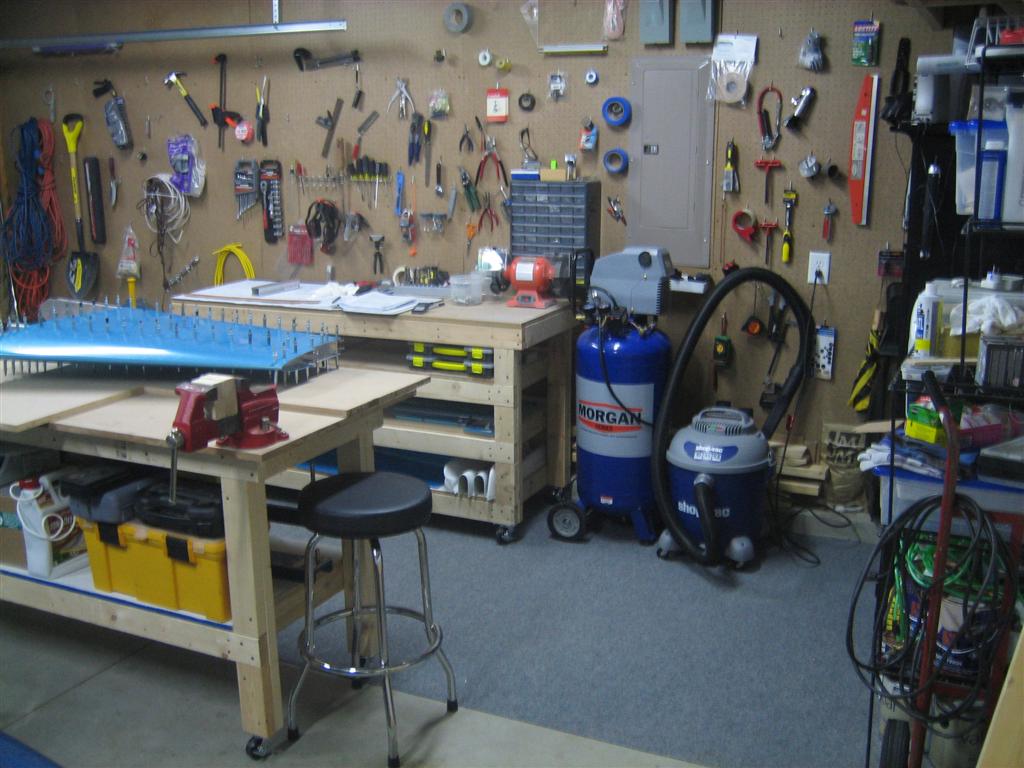
Last night I spent a little bit of time rearrange (cleaning) out the workshop. Now, I’ve got a little more room to maneuver. (Mostly, I just moved my second workbench a little left, and moved the shop vac over by the compressor, now the walkway to get into my workshop area is a little more open.)
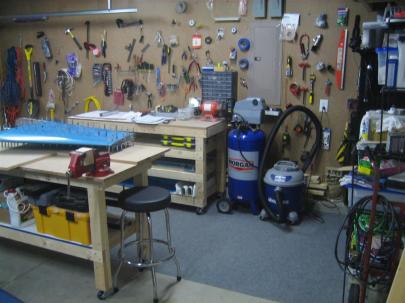

Slightly different layout for the workshop. I like this.

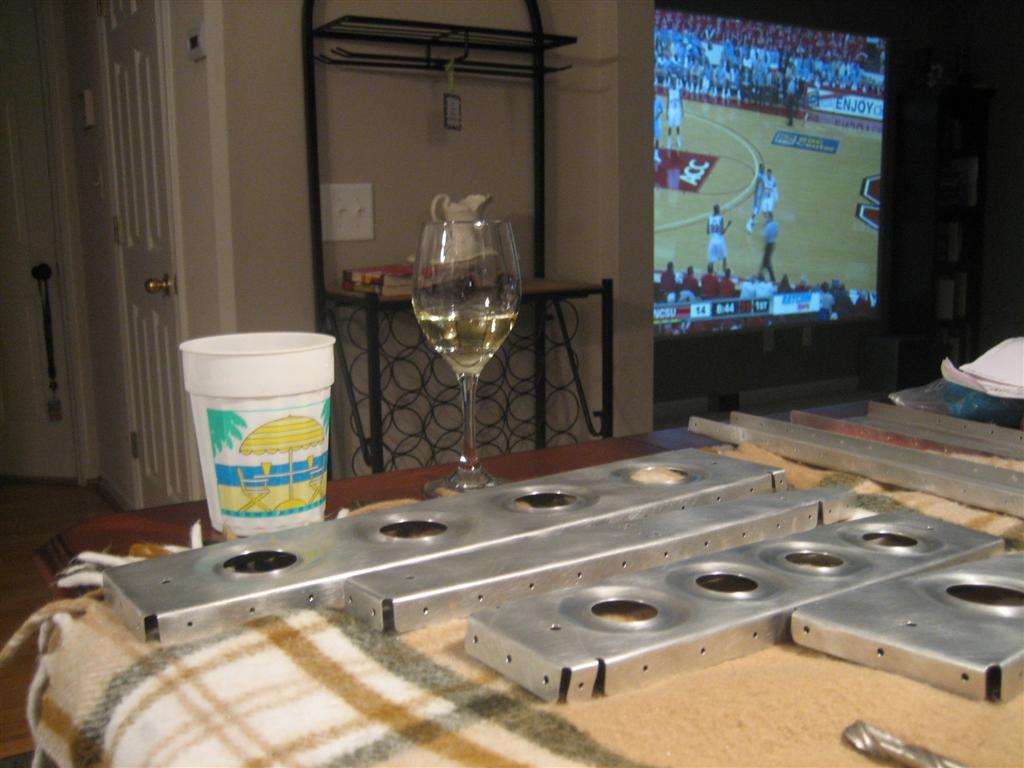
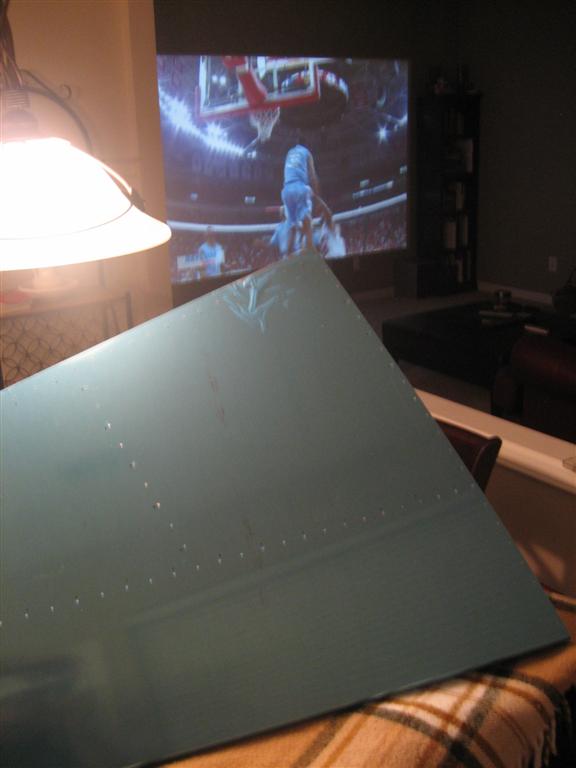
Tonight, I started by disassembling the vertical to start the deburring, dimpling, countersinking, cleaning, priming, and then reassembly dance. Here I am set up in front of the UNC game for some deburring.
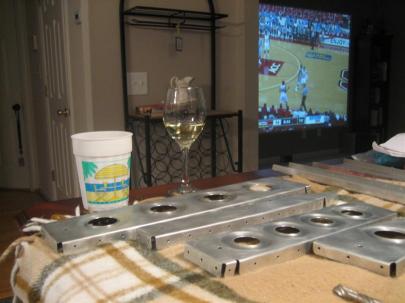
Ready to deburr some holes. Don't judge me for drinking white. We had red snapper for dinner.

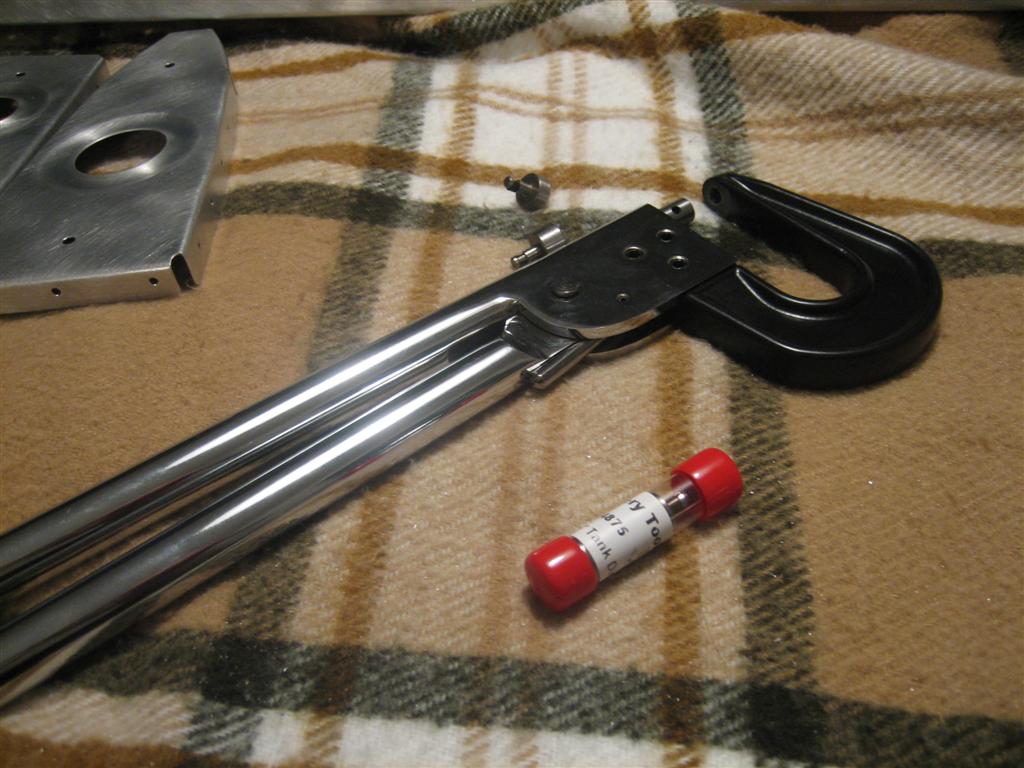
After what seemed like a thousand holes to deburr, I broke out the 3/32″ tank dimple dies and the 1/8″ regular dimple dies (for the rear spar) and got ready to dimple. Dimpling is much easier than deburring, and fun, too. I know deburring is important, but I feel like I’ve made progress after dimpling.
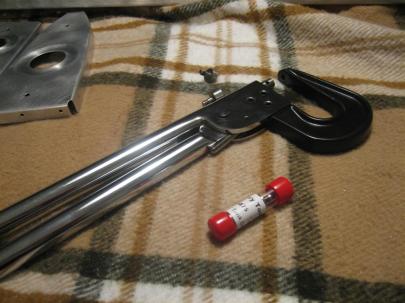
Ready to dimple.

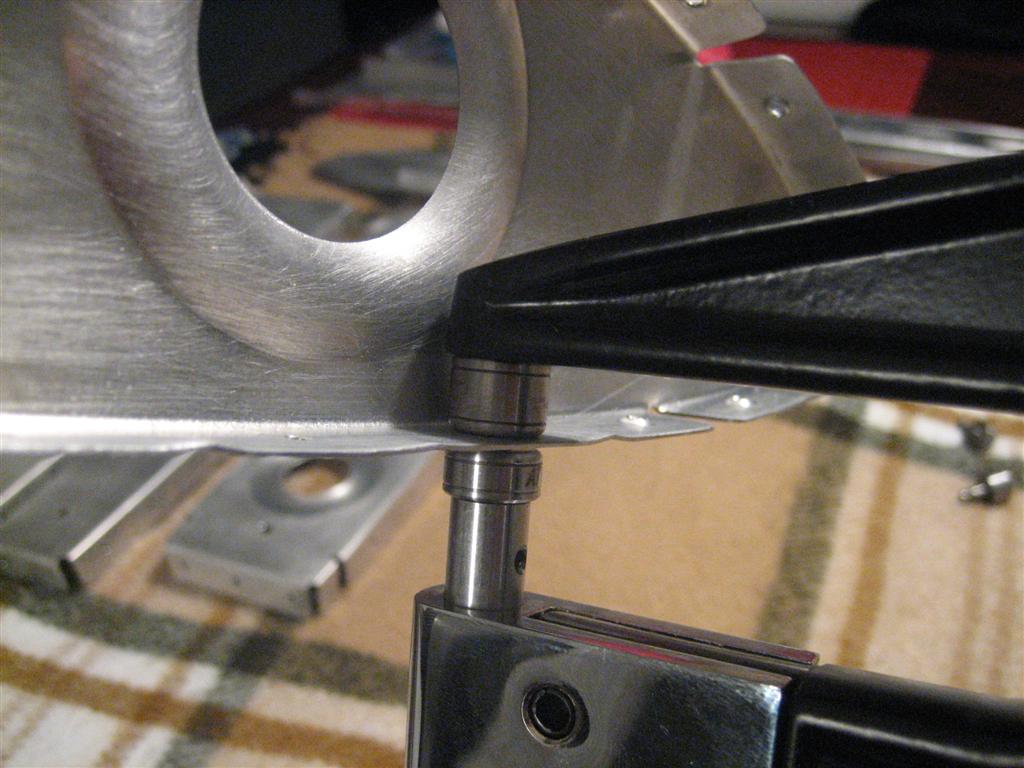
Then, I started dimpling the ribs and spars. Here are the 3/32″ tank dies in action.
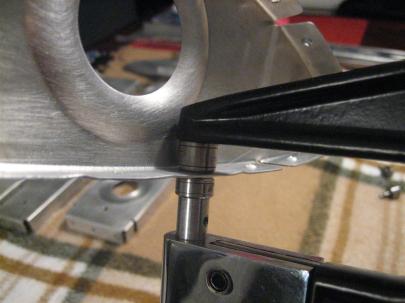
3/32" tank dies in action.

Here I am using the 1/8″ regular (shallower) dimple dies on the rear spar. I had to triple check both the holes and the direction before proceeding. This is correct, I think. (Flush rivets on the forward side of the spar.)
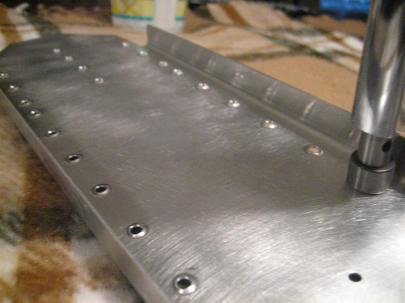
1/8" dimples on the rear spar. These are my first 1/8" dimples.

After finishing dimpling, I grabbed the skin and brought it inside to devinyl. Devinyling is a lot easier indoors, where the vinyl is room temperature. I tried pulling off the horizontal stabilizer vinyl in the garage when it was near freezing, and it kept tearing and was very stiff.
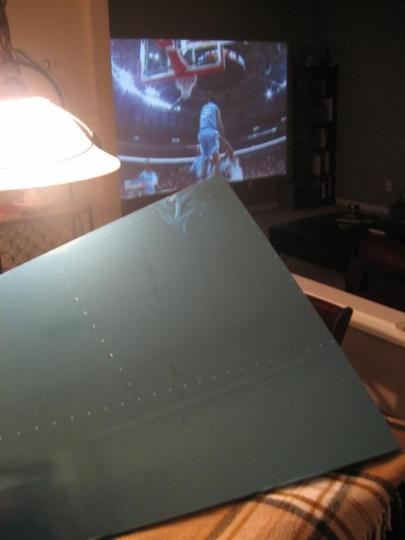
Waiting for the soldering iron to heat up.

After using the soldering iron and a wooden straight edge (the metal straight edge carries heat away too quickly, and you don’t get a melt line), I got to pull off the vinyl. For some odd reason, I find devinyling very cathartic. I love pulling off the blue to see the shiny aluminum underneath.
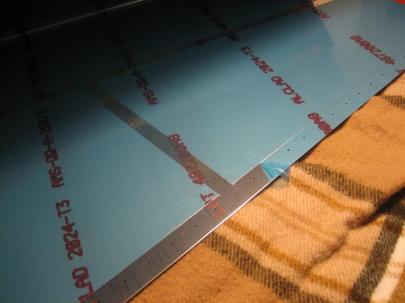
Pulling off the vinyl on the inside of the skin.

Ready to pull off the blue vinyl on the exterior of the skin.
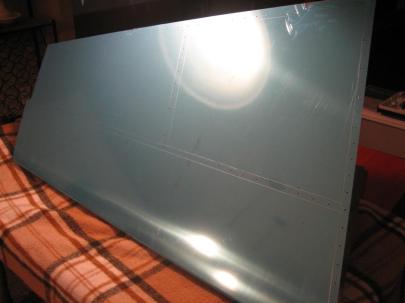
Ready to devinyl the outside of the skin.

And finally, the vertical stabilizer skin devinyled (and everything carried back out into the garage).
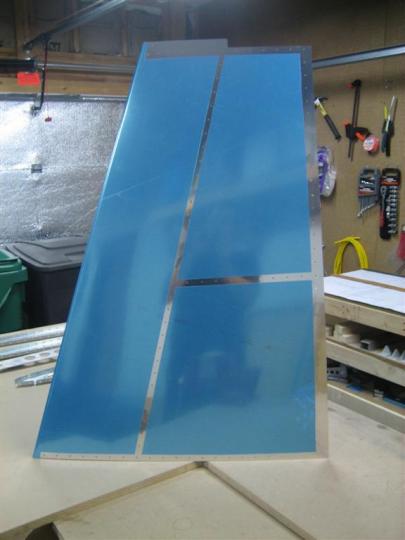
Pretty skin. Also, that's me in the reflection.

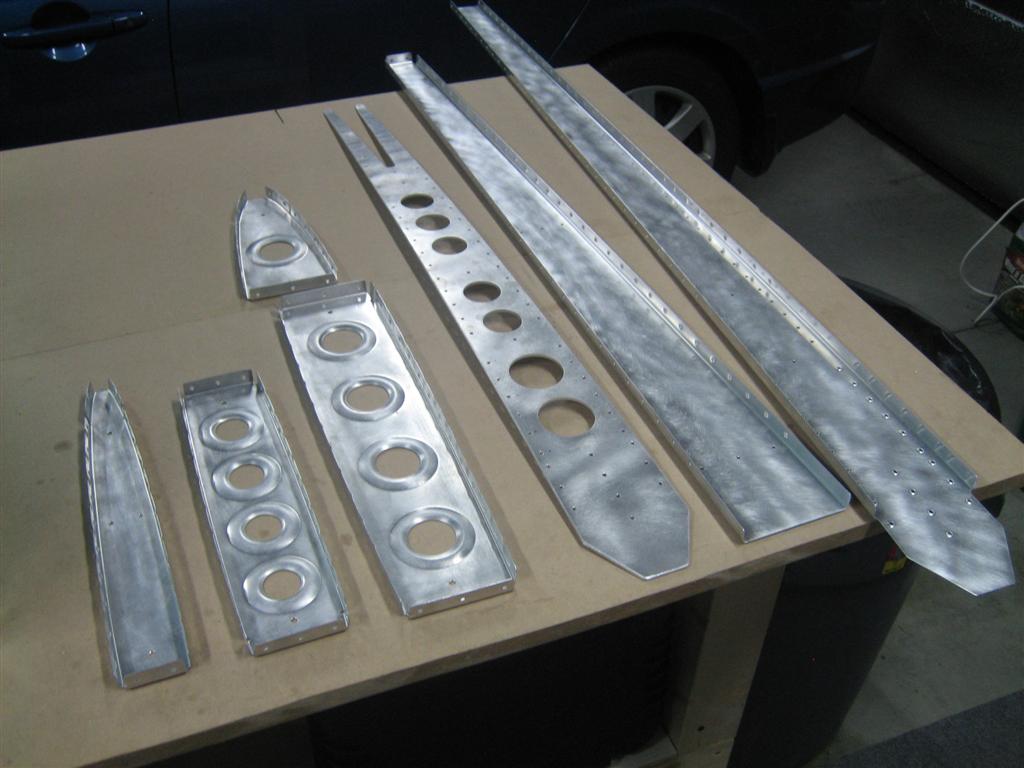
Here are the ribs and spars all deburred and dimpled. (I still have to countersink the front side of the VS-803PP.)
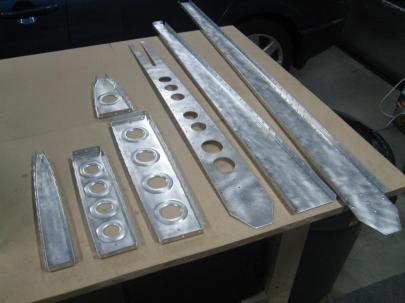
Ribs and spars deburred and dimpled.

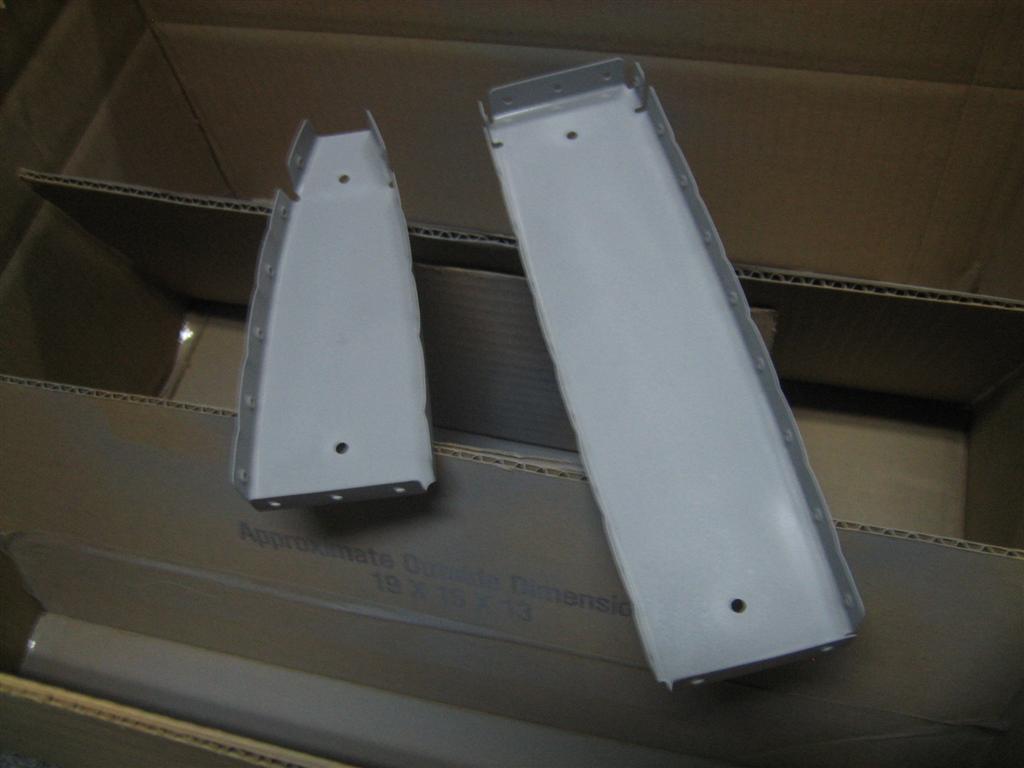
Next up, countersinking the rear spar reinforcement then deburring, dimpling, and scuffing the skin. Then priming, then I get to put this sucker together.

I can’t believe how much faster the vertical is than the horizontal. Part of it is the learning curve, but I think they should have you start with the vertical. Much easier, in my opinion.

Prev | Next

Preliminary Edge Prep on VS Ribs

January 5, 2010

Prev | Next

No pictures tonight, but I spent 30 minutes getting some preliminary edge prep completed on the VS ribs. Basically, I took a file to the edges, then used my edge deburring tool to knock down the edges. I didn’t do this before clecoing the HS ribs together, and it scratched the skins a little.

Prev | Next


Left skin work, primed two ribs

January 4, 2010

Prev | Next

“I need to get something other than deburring and dimpling tonight, so I think I will finish prepping the rear spars and rear spar reinforcement bars, prime, and maybe start riveting. We’ll see how it goes.”

That’s what I said to myself yesterday at about 2pm. Guess what I spent all night doing? Deburring and dimpling!

Here's my new skin deburring and dimpling station. Notice the glass of wine and the UNC game on the projector. Essentials for successful deburring/dimpling.

Then, I decided to finish prepping a few of the ribs. I’m going to prime a few components at a time while I am working on other stuff.

I believe this is HS-707 and HS-708.

2 of 10 HS ribs ready to go.

After deburring the left HS skin, I dimpled all the holes I could reach with my 3″ yoke, then broke out the pop-rivet dimple dies and started on the interior holes. I broke the nails used to squeeze the dies together on the first 3 holes consecutively, but then found a good sweet spot on the next two. Then it was time for bed. I don’t know whether I’ll continue with the pop-rivet dimple dies or opt for a c-frame. I think the c-frame is going to be loud, which means I can’t work late with it. Hmm.

All of the edge holes dimpled, and the 5 top interior holes on one side dimpled. More tomorrow, I guess.

I think I put in about 2.5 hours today.

Prev | Next