Some Right Leading Edge Work

March 13, 2011

Prev | Next

Wow, I can’t believe it’s been two weeks since my last work on the airplane.

Taking care of this little puppy (trying to find him a home) has taken its toll on our schedules and ability to sleep at night. Also, I’ve been busy at work logging time in something a little bigger than an RV.

Anyway, back to building.

I spent a few minutes taking some time to get reoriented. I couldn’t decide whether to work on the leading edge light or start working on ribs. The plan is to get the right leading edge assembled, then get back to prep on the left wing to catch it up.

I spent some time deburring, dimpling, and scuffing the joint plate, then focused on the inboard leading edge rib.
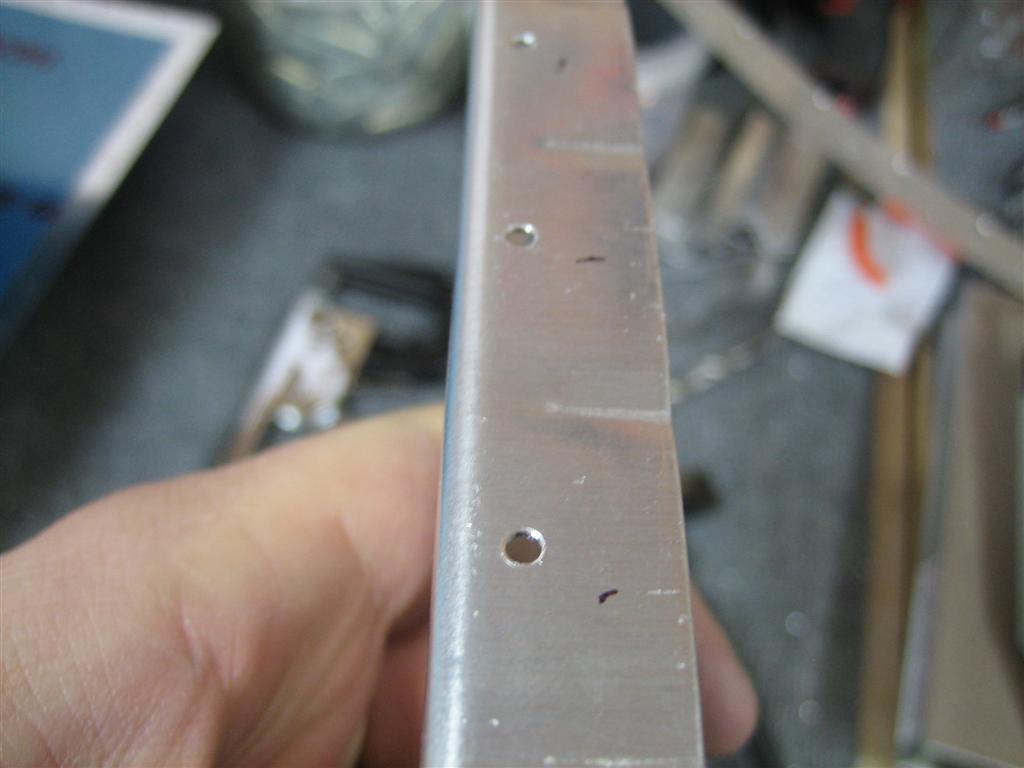
Crap. These holes are too close to the web.

Crap, I didn’t have it positioned properly when drilling.

There's no way I'm going to be able to dimple these holes.
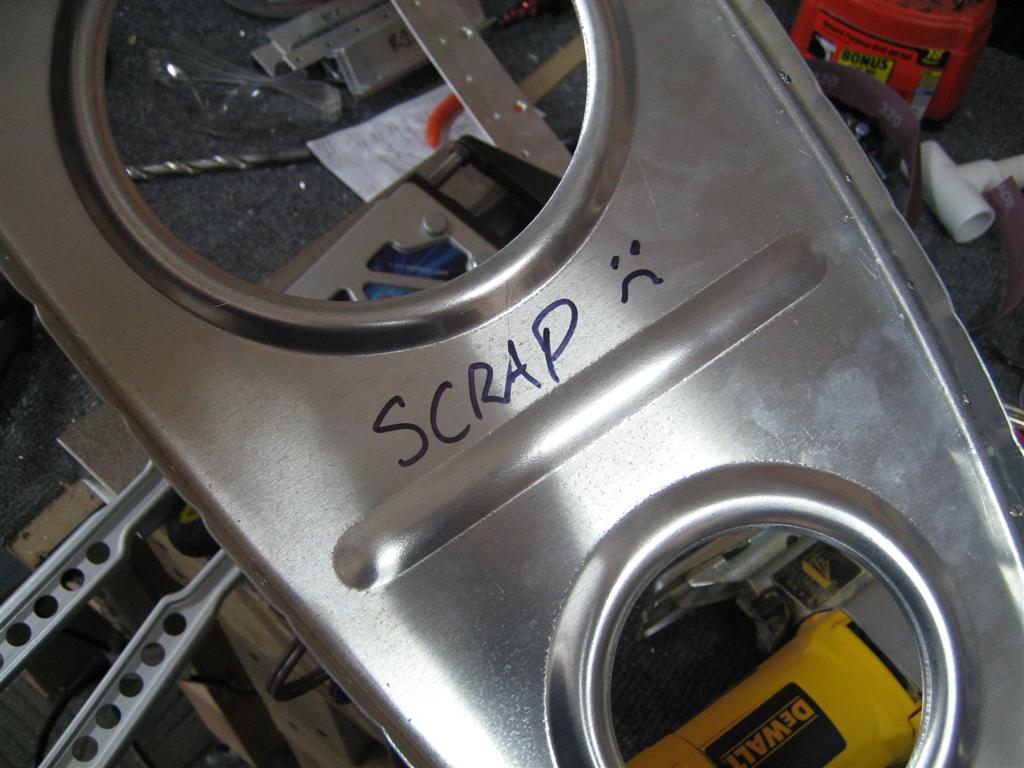
The most important part of this picture is the sad face.

Time to order another part (along with rudder skins, maybe.)

After wiping the tears off of my cheeks, I moved on to the leading edge light hole. I knew over the last few weeks I needed to figure out a way to clean up the leading edge landing light holes, so I went to Northern Tool and bought a $25 angle die-grinder and a few accoutrements to go with it.

Tools!
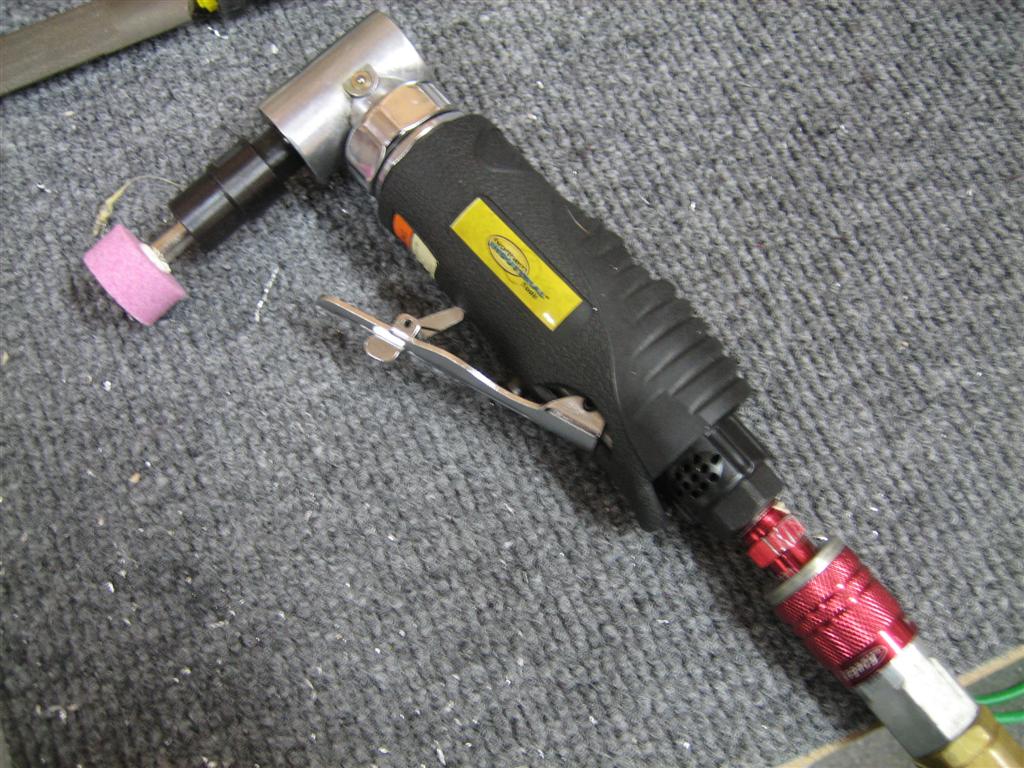
Looks fancy.

I plugged it in and gave it a go, and was very happy with the die grinder, but it wasn’t what I was looking for for the leading edge holes.

I broke out the jigsaw (gasp!) and put a fine tooth metal cutting blade in.

Carefully, I enlarged the leading edge hole right on the line, and spent a few minutes cleaning up the cut. It needs some more work, but it’s okay for now. This was a lot faster than trying to do it with a file.

Right leading edge after cleaning up my jigsaw enlargement.

Finally, I pulled out one of the other leading edge ribs and prepped it (deburr holes and edges, dimple, scuff, etc.)

For the dimpling step, the nose of my economy squeezer sticks out a little further than the female die, so I used the regular grinder side of my bench grinder and ground it down a little.
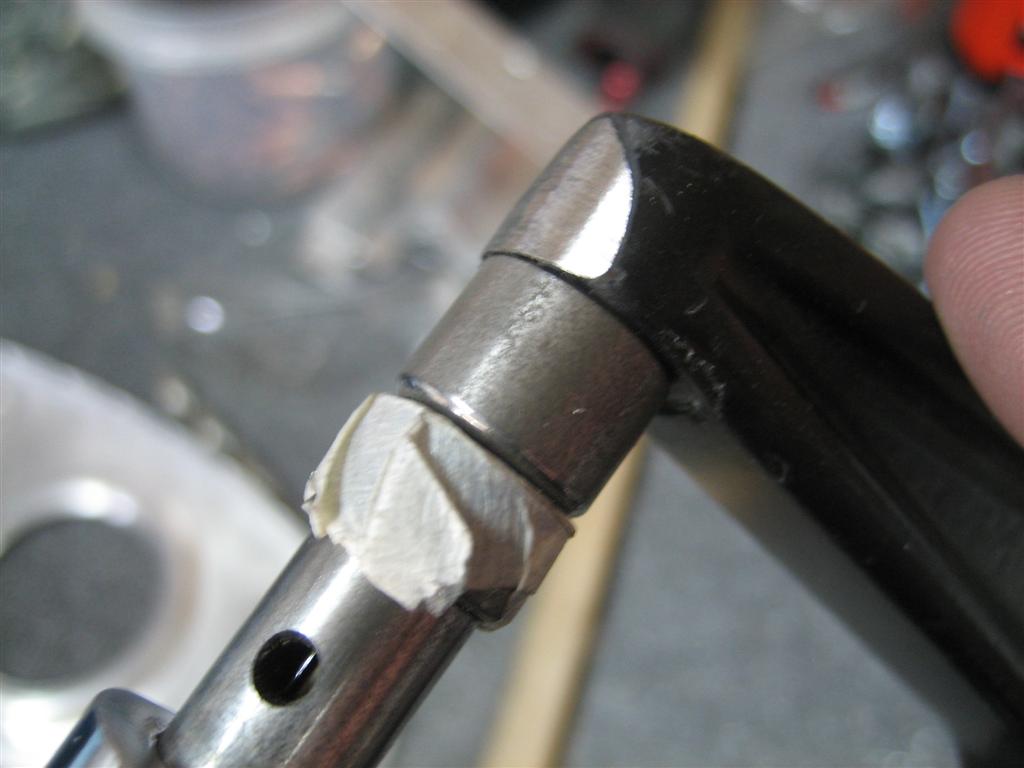
Now it won't scratch the web of the ribs as I dimple.

Here's one leading edge rib prepped.

I still have a few (a lot!) more to do (including some nutplate attachments for the outboard two ribs for the light bracket), but then I’ll get the leading edge prepped and maybe get one of the big pieces put together. That will make me happy.

I’m going to work over the next few weeks to put in some more regular airplane hours. I need to keep moving if I’m ever going to get it done.

Prev | Next


Wig Wag FAIL

October 17, 2010


Prev
| Next

Okay, so maybe FAIL is a little strong.

Let me back up a few days and explain how I got to FAIL.

Last week sometime (can’t remember when, it was a rough week at work), I ordered some things from B&C to make the wig-wag circuit I’ve been dreaming up.

Anyway, a small box with all my goodies appeared on Thursday, so of course I stayed up late trying to put my circuit together.

All I have as far as electrical tools is one of those $5 combination crimper/stripper tools that really sucks. After an hour of wiring, my hands were killing me, frustration levels were really high, and I made the decision that I needed both an automatic stripper (I hope that doesn’t set off the google search alarms) and a professional crimper. More on those later.

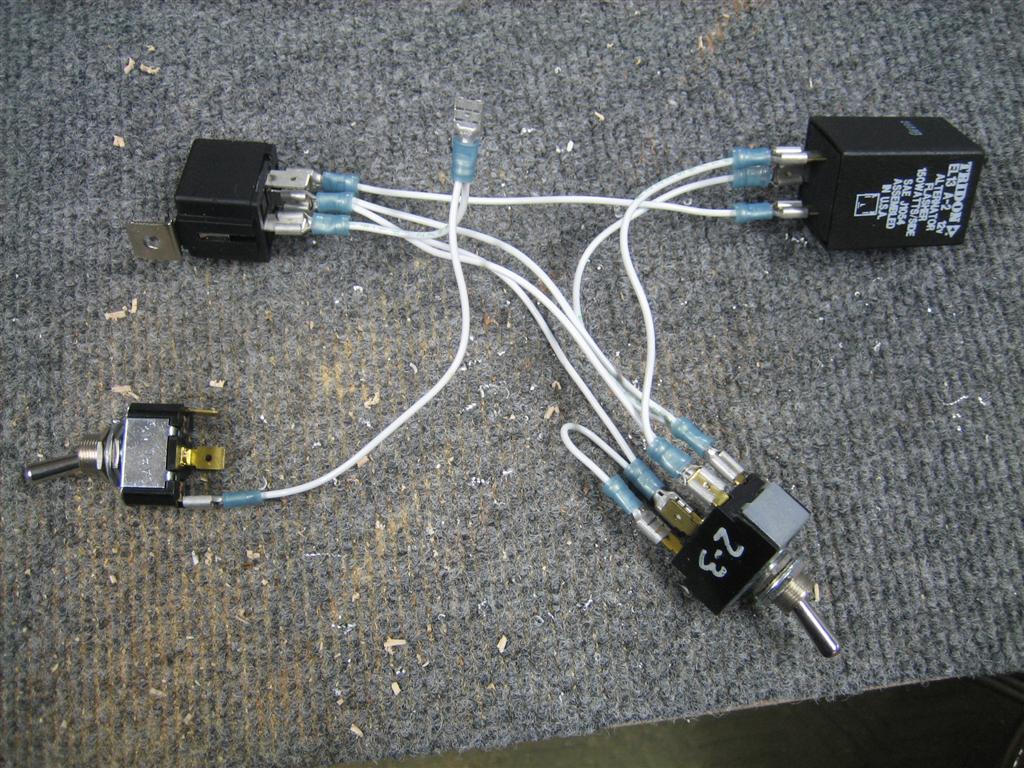
Anyway, that night, I ended up with this:


Look ma! I'm wiring!


+14V will come in to the left, and the lights will be connected to the center terminals of the 2-3 switch in the picture. the fast-on connector at the top of the picture will eventually be connected to a timer circuit that will close the relay (top left) after 30 seconds.

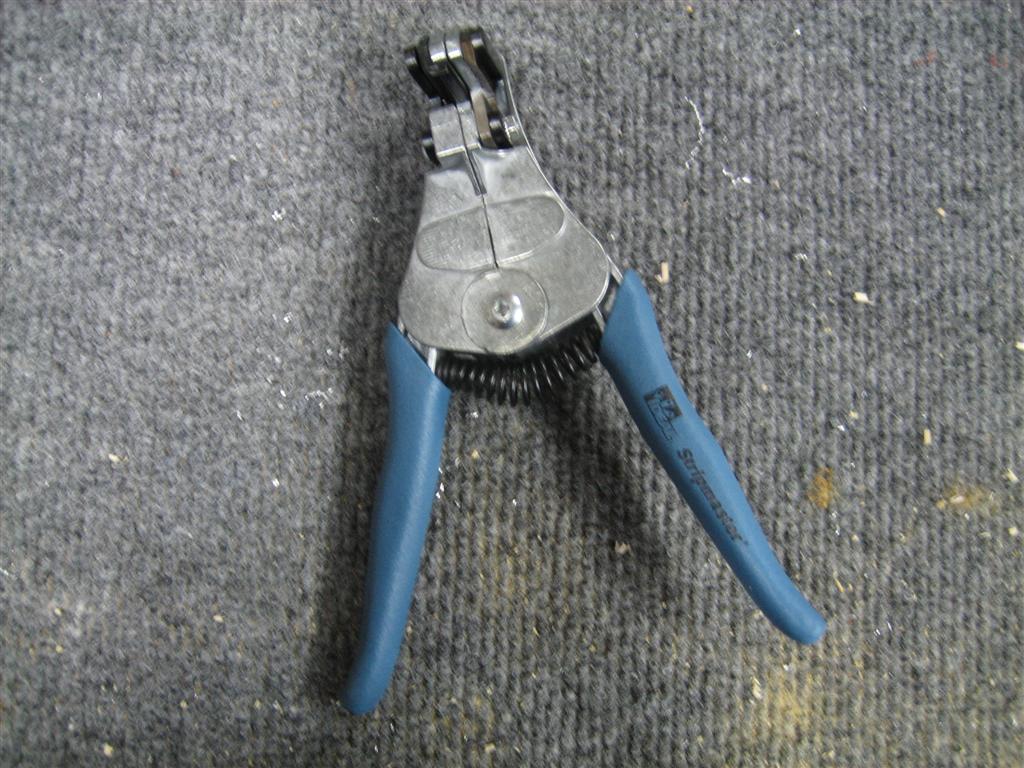
It was too late to start hooking stuff up. Now. Back to the tools. I ran off to Lowe’s (after considering buying these things on eBay…no, they need to be sharp, and Lowe’s has the name brand one I want), and bought the STRIPMASTER.


Seriously. That's the name you come up with?


A closeup of the important bits.


And since I had never seen one work before, I grabbed this short video.

Pretty slick, huh? This is instead of about 60 seconds worth of stupid tool-knife-stupid tool-hurt hand-knife again-stupid tool just to strip one end of one wire.

Okay, let’s find some lights and start pushing electrons around!


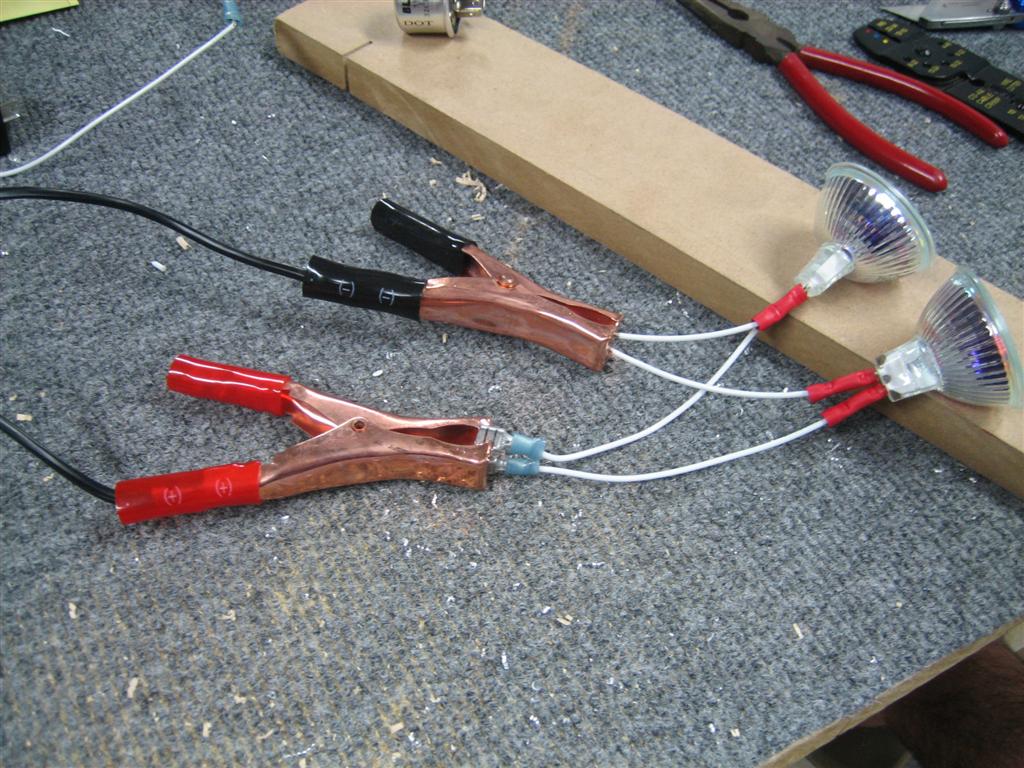
These will do. 12V, 50W. (Enough for a spare for this little experiment.)


I fabricated 4 little tube crimps to connect 16AWG tefzel wire to the lights.


Oh, and the wood is so you don’t start melting the nice carpet you’ve purchased for the workbench top. Ask me how I knew to do this.


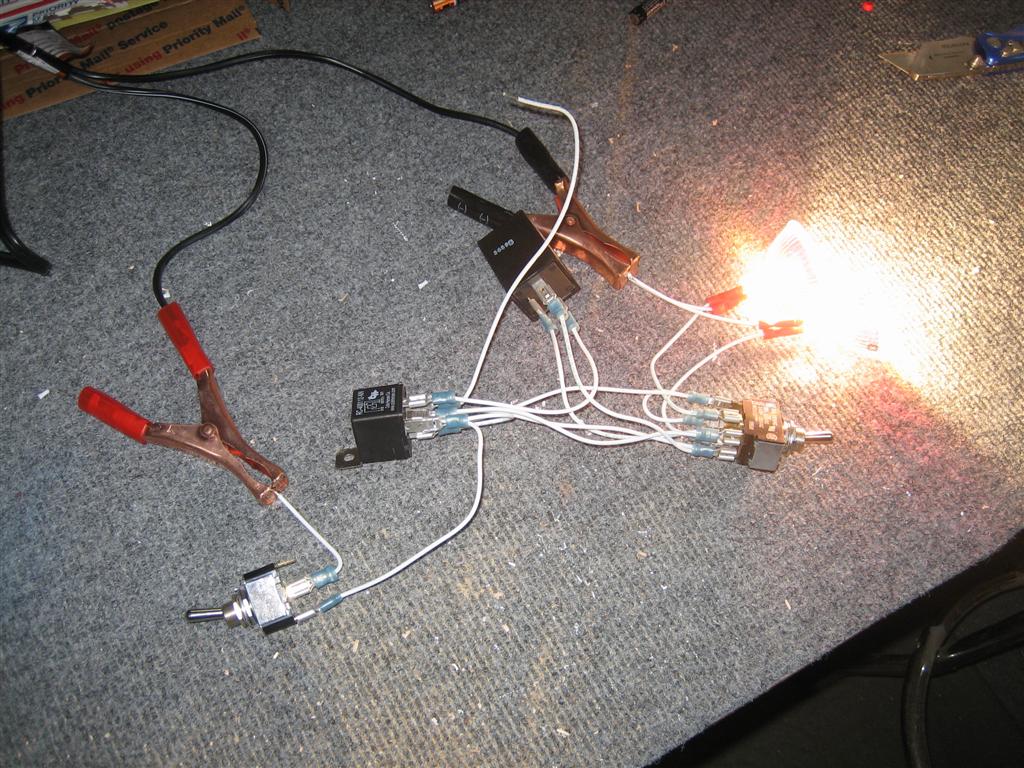
Wuhoo! It's alive!


Okay, let’s hook up my circuit.

This is LDG ON and WIGWAG OFF.


Sweet. Electrons are still flowing.


But. This is where bad stuff starting happening.

I threw the WIGWAG switch to ON and then used the simulated timer circuit to close the relay. Nothing happened (lights stayed on).

After a little more investigation, I figured out that both the normally open (NO) and normally closed (NC) contacts were getting +14V all the time. Tha’ts not good. (I knew I needed some diodes or something. I’ll investigate further seperately.)

During the investigation, I wanted to make sure that everything works as advertised.

I wired up the flasher from B&C. I don’t think it’s working correctly. What do you think?

It’s making a weird buzzing noise, and the first light comes on, then the second one starts to come on, but it doesn’t really finish a singe cycle. I’ll have to email the aeroelectric list about it and see what they say.

Since I didn’t get that huge satisfaction of a completely working circuit, I grabbed an automotive flasher I had on the shelf.

It’s the wrong flash pattern, and it won’t work with alternating lights, but it’s still cool.

Finally, I bypassed the B&C flasher and checked the relay operation.

First, I turn on the lights. Then, I turn on the wigwag, and the lights stay constant. Third, I’ll close the relay so current flows through the flasher (although since it’s not hooked up, the lights should turn on.) Let’s see what happens.

Wuhoo, my one electrical engineering class in college has paid off!

This was about an hour’s worth of work, and since it’s ultimately for the build, I’m going to count it as R&D time.

1.0 hours.

Oh, and the next day, I hooked just the wig wag portion up to my car battery, and it worked (I wonder what’s going on with my power supply…).

It’s a little fast for me. I wonder if there is a way to slow it down.


Prev
| Next