No pictures tonight, but I spent 30 minutes getting some preliminary edge prep completed on the VS ribs. Basically, I took a file to the edges, then used my edge deburring tool to knock down the edges. I didn’t do this before clecoing the HS ribs together, and it scratched the skins a little.
Preliminary Edge Prep on VS Ribs
January 5, 2010
 2 Comments |
  Empennage | Tagged: cleco, Deburring, edges, Ribs, VS |
  Permalink
 Posted by Andrew
Finished drilling the HS
January 1, 2010Short, but productive day.
It was Jack’s birthday today (he turned 3), so I ran out to Chik-Fil-A to get him is once a year human food treat. A chicken biscuit. Of course, Ginger needed one too (“so she doesn’t feel left out”) and so on, which meant my girlfriend and I also got biscuits. Here are Jack and Ginger.

Jack and Ginger (Jack's on the right) on the beach last summer. Happy Birthday Jack. You're 3 now. Start acting like it.
Anyway, after the birthday festivities (a.k.a. Jack and Ginger inhaling their biscuits), I managed a couple hours on the project. Here, I clamped HS-404 in place after having first marked holes and drilled #40 pilot holes in the aft flange. The instructions have you mark and drill pilot holes in the HS-405, but why drill from aft to forward, hoping you don’t run into edge distance problems when you could drill from forward to aft? For the outboard holes, I did use the HS-405 for pilot holes. You’ll see.
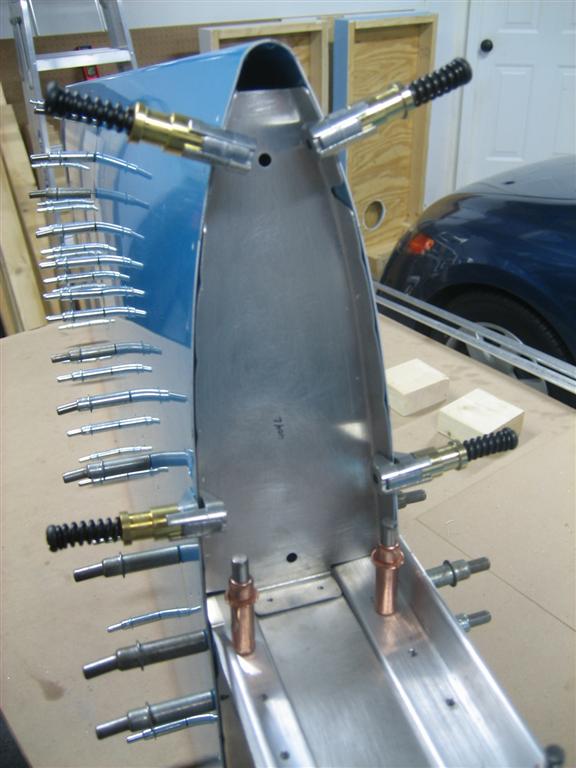
HS-404, with two pilot holes marked and drilled prior to mock-up.
Here are the silver clecos after drilling from forward to aft with my 12″ bit.
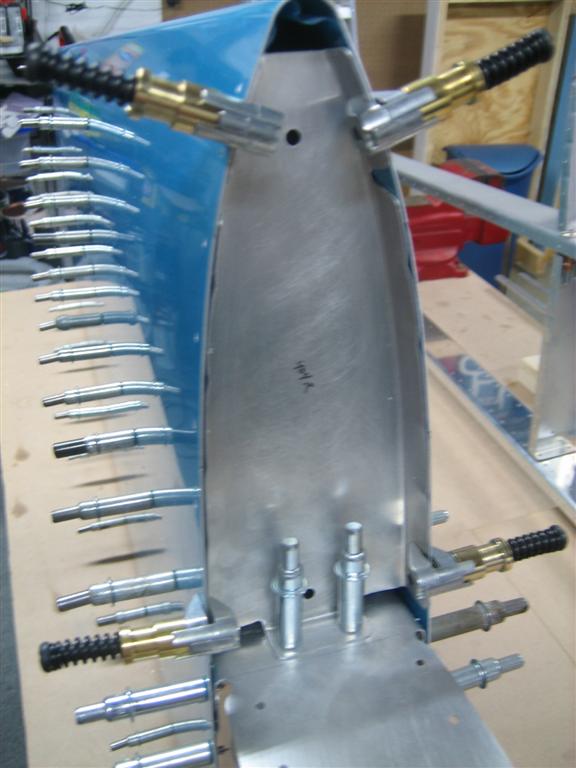
Used the #40 pilot holes I previously drilled in HS-404 to drill through HS-702 and HS-405.
Then, I used the previously marked and pilot drilled holes in HS-405 to drill forward through the HS-702 (front spar) and HS-710/714 (reinforcement angles). The 12″ bit really came in handy here.
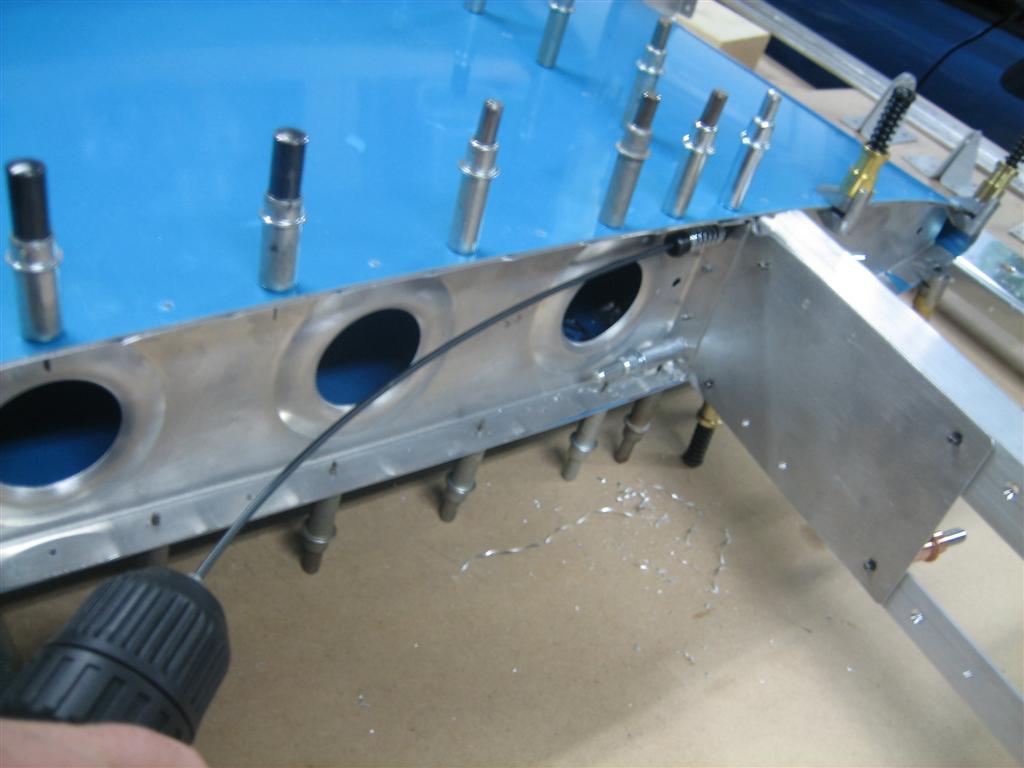
Then used the #40 pilot holes I made in HS-405 to drill through HS-702 and HS-710 (or HS 714 for the other side). Here, you can see the 12" bit really showing its stuff.
Then, I matchdrilled the rest of the HS-404, which had been clamped in place in the above pictures. After that, I finished match-drilling the rest of the skin for the right side. After you finish and pull the skin off, you can drill the remaining HS-702 holes using the HS-710 and HS-714 angles as guides. Here are the last six holes drilled after pulling off the skin.
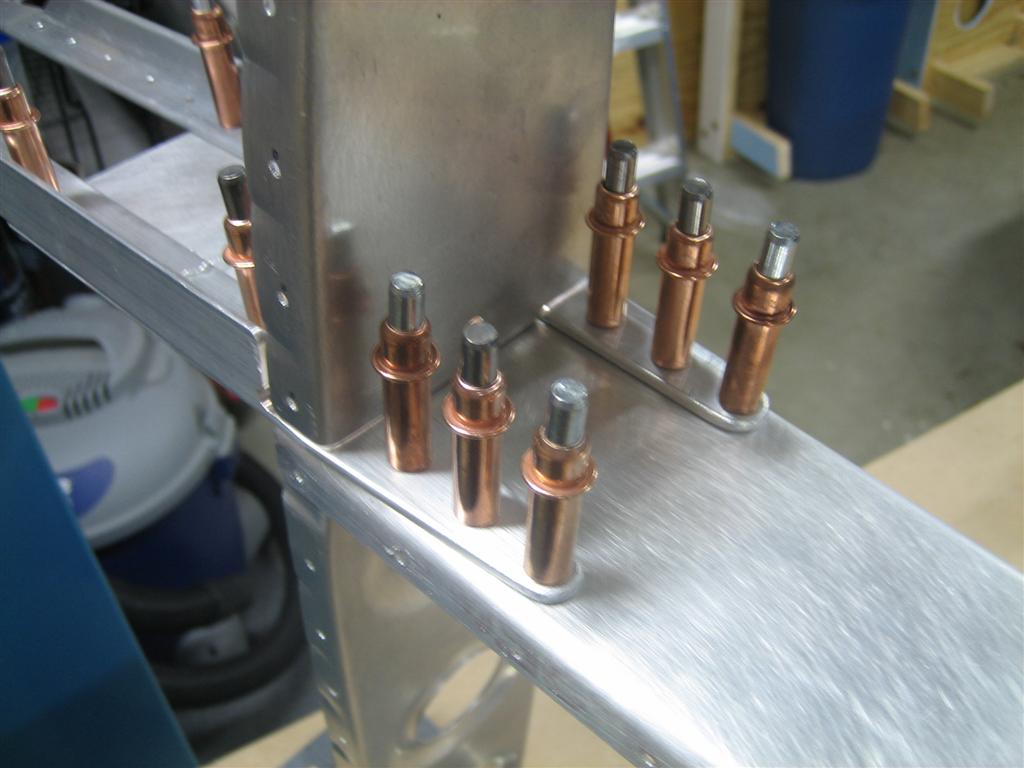
Finished drilling HS-710 and HS-714 after removing the skin.
After the skins are pulled off, I’m ready to start prep for final assembly.

After match rilling both skins and finishing the HS-710/HS-714 to HS-702 holes, The skeletons lay ready to disassemble, deburr, dimple, edge finish, surface prep, and prime.
Leave a Comment » | Empennage | Tagged: cleco, Construction Manual, Drilling, Front spar, Ginger, Jack, Match-drilling, Rear spar, skin, spar | Permalink
Posted by Andrew
More HS work
December 31, 2009First thing in the morning, I had to run some errands, one of which included a stop by Harbor Freight to exchange my Automatic Compressor Drain Kit that had a crack in it. While I was there, I used two coupons. One, for a free tape measure, the other for almost half off a 6″ digital caliper. Walked out the door with a new caliper, tape measure, and an exchanged drain kit for $10. Can’t beat that.
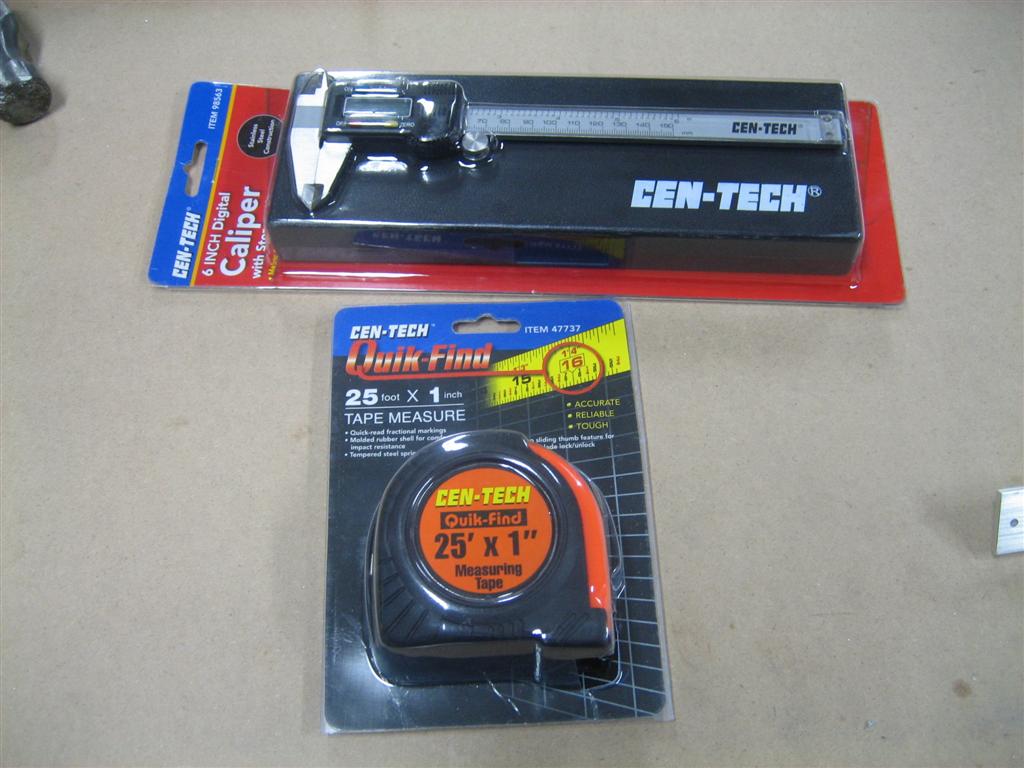
Free tape measure at Harbor Freight. Also a coupon for 1/2 off a $20 digital caliper.
I went ahead and scotchbrited all the HS ribs. I was sick of the aluminum dust on my hands during scotchbriting, so I took these inside and did them with warm water (only reason for warm was so my hands didn’t get cold) in the kitchen sink. Worked well with a lot less dust. (Also, I think showing pictures of my work with finished pieces looks a lot better than the original parts, which are all shiny and finger-printy after my grubby hands work with them.)

Surface prepped HS ribs.
Then, the directions have you cleco the left skeleton together.

It looks like an airplane! Kind of.
I did the right side too (mostly so I could take the next picture), then match-drilled all of the rib/spar attach points to #30, (except for 708/603), which they have you do later to a #21.

Both skeletons after match-drilling all of the rib to spar attach points.
Then you get to cleco on the skin (wuhoo!). I had trouble with HS-707 here. the very tip of the rib kind of caught on the skin (vinyl); I had to really work to get it back into position and clecoed. you can see here I clecoed every hole on the HS-707.

Clecoed on the left HS-601 skin.
Then I inserted the HS-404 (front inboard) and HS-405 (rear inboard) ribs and clamp. Here, you can see the HS-405 clamped.
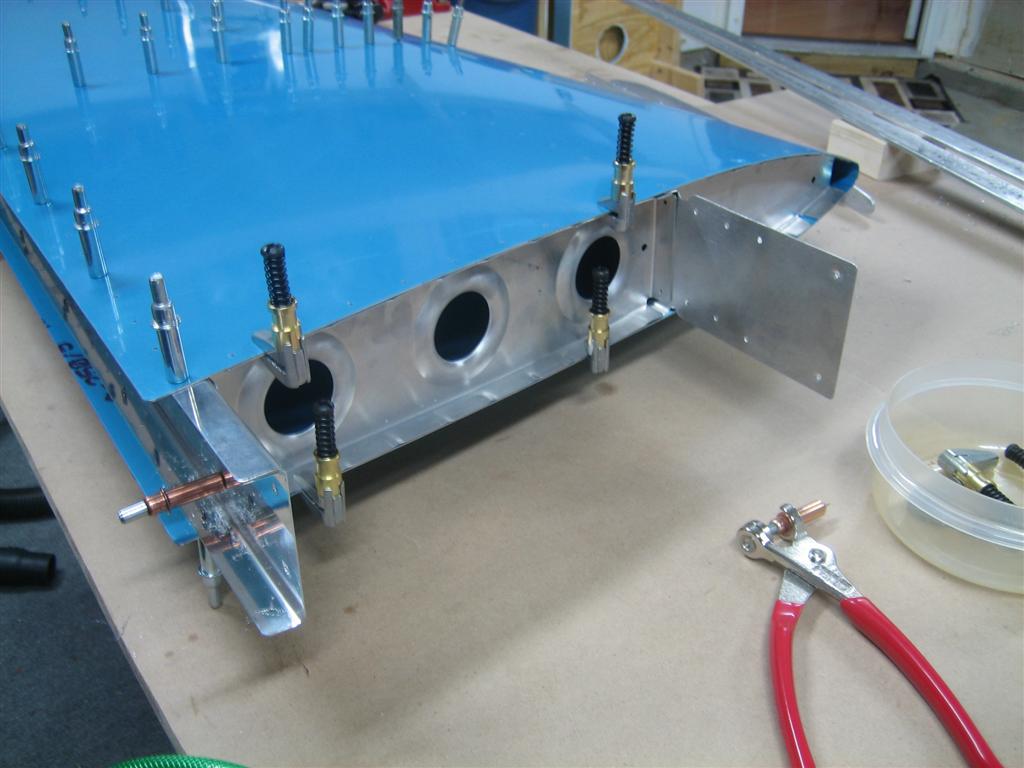
Inserted HS-404 and HS-405 for match drilling.
Then I match-drilled the HS-405 to the HS-601PP (skin). I didn’t do the top or bottom forward most hole, because I seem to be having edge distance troubles on the HS-405 and HS-702 spar. I checked everything and it seems to be right. I checked some other build sites to see if other people have run into this, no one mentioned it. Right as I was going to post a question on the VAF forums about this, a new thread popped up. Apparently this is a common problem, and the edge distance on HS-405 is not to be worried about. It’s a little confusing, though, given the prepunched nature of the parts.
I went ahead and match-drilled it. I’ll examine the edge distance a little more closely when I take apart the HS for prep. I repeated all the steps for the right side, then started in on match-drilling the skin to forward spar holes inboard of the 707. (Below, you are looking at the bottom of the stab, so the right HS is on the left in the picture. you can see the extra clecos from what I will call the “middle ribs” (708 and 707) inboard along the front spar. Those are not pre-punched on the spar, so you have to use the holes in the skin to match-drill.)
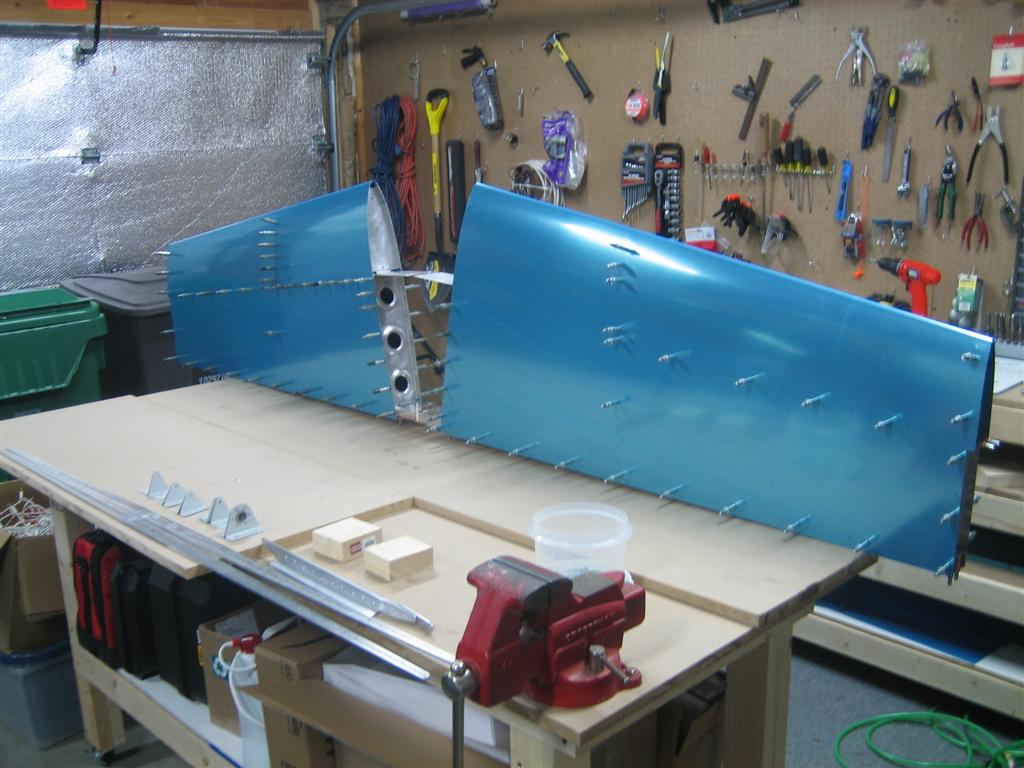
Then repeated for the right HS. Looks like an airplane!
11am to 6pm, with an hour for lunch. 6 hours today.
Leave a Comment » | Empennage | Tagged: cleco, HS, Match-drilling, Ribs, skeleton, skin, spar | Permalink
Posted by Andrew
Rear Spar, Front Spar
December 30, 2009Well, I finally started today. First thing I did was break the corners of the HS-609PP. I used my grinder, which did a good job, but got clogged with aluminum pretty quickly. I think my next big investment will be a bandsaw.

The requisite shot of before and after rounding edges.
Then I removed the blue vinyl from the rear spars (HS-603PP) and clecoed the 609s to the 603s. To do this, I needed to increase the radius of the 609s that rests against the web/flange intersection of the 603s. No big deal. Once I did this, they fit great. I didn’t finish the edge prep on the 609s, I’ll do this prior to priming everything. Then, I match-drilled all the holes, including enlarging the HS-708/HS-603PP (inboard rib attachment) holes to #21.
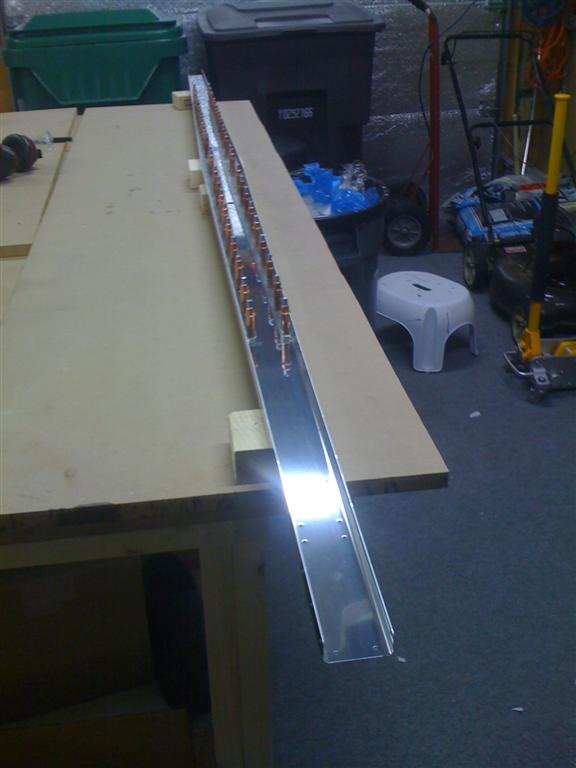
Rear spar reinforcements clecoed to Rear spar channels. It's starting to look like an airplane? Ha.
Next, the directions have you attach the elevator hinge brackets. After match-drilling all of the outboard brackets, they have you sandwich the VA-146 bearing in between HS-411APP to HS-411BPP.

Clecoing the center bearing supports in.
One one side is pre-punced, so you clamp, drill 4 holes, cleco, remove from the spar, and drill the rest of the holes.

Getting ready to drill.
Then I masked off special parts of the VA-146 to prep for priming.

Taped off the important stuff.
And then shoot some primer. (I’m using the rattle can self-etching primer.)
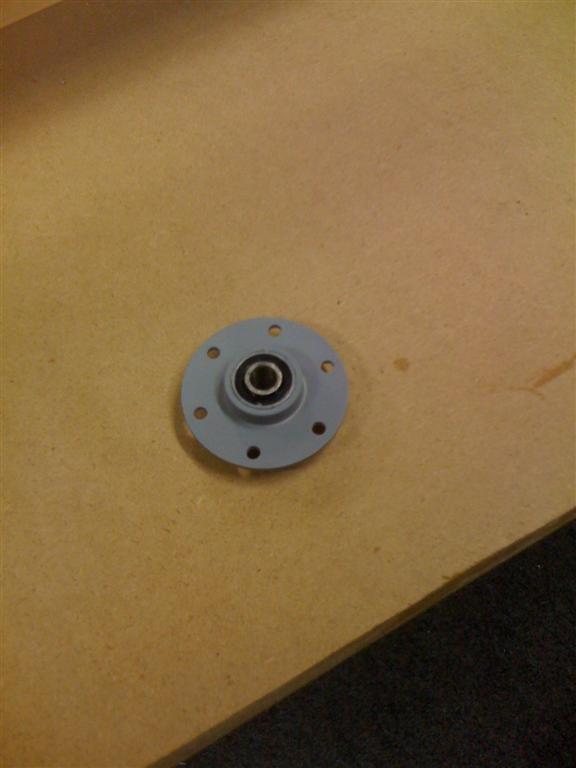
Scotchbrited, cleaned, and primed the center bearing.
Then reassemble and rivet. I found (contrary to some other builders) that the rivets called out in the plans made a great shop head. I think other builders went up a size. I’m definitely happy with my first six rivets.
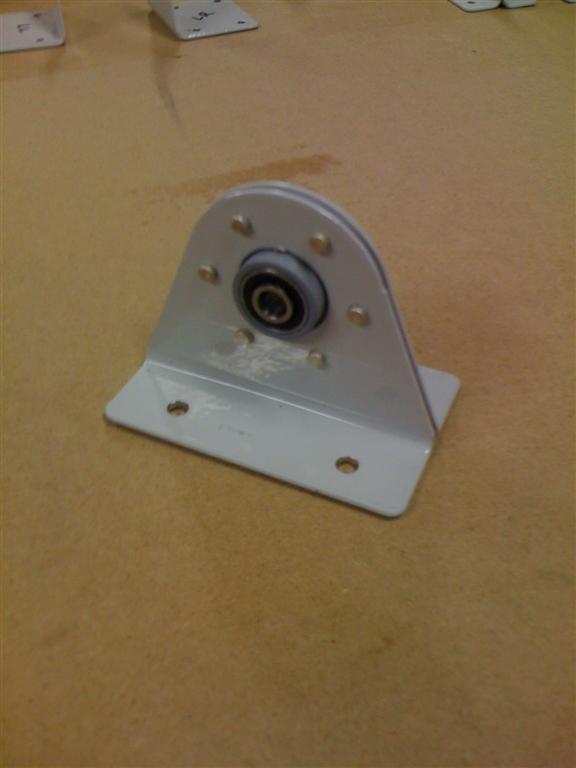
The first six rivets.
Here’s everything on the rear spar clecoed back together.

All the hinge brackets clecoed in place.
Then, per the plans, I marked the taper and radius locations for the HS-710 and HS-714 reinforcement angles.

Marked the tapers on HS-710 and HS-714 per the plans.
It was a little late to be running the power tools, so instead, I marked the bend lines on the HS-702 front spar channels. This takes some careful measurement and marking, so take your time.
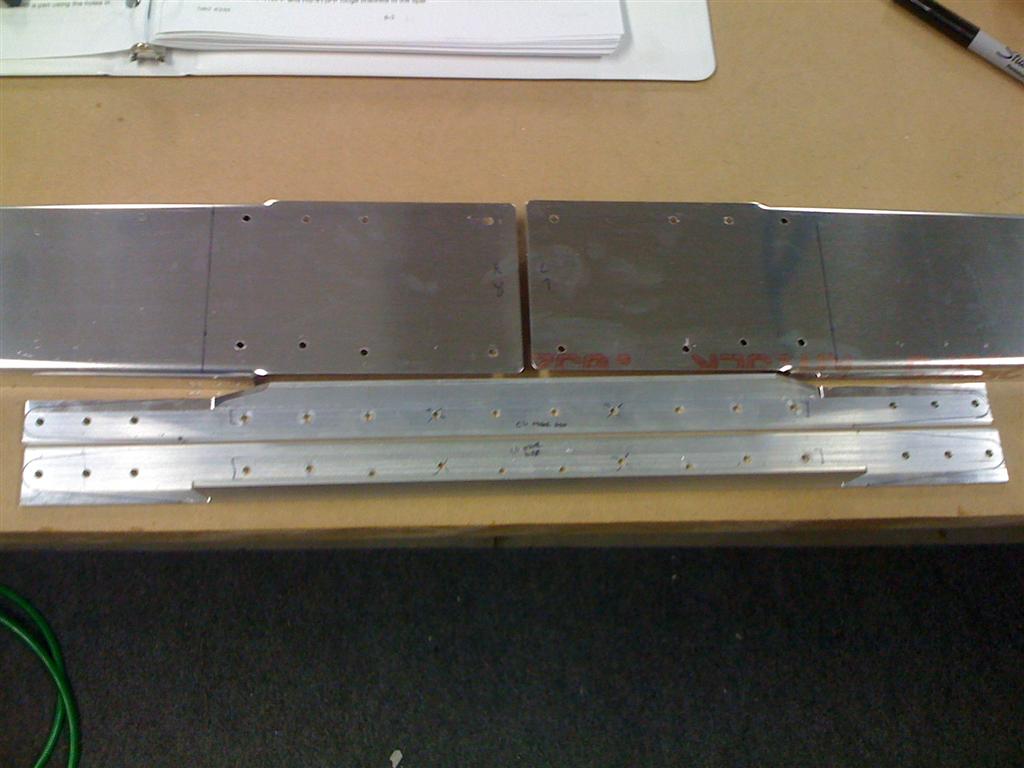
I also marked the bend lines on the front spar channels. (HS-702)
Then, I strayed from the plans a little. They have you use a 1/8″ bit to create a notch relief hole, then enlarge to 1/4″ using a unibit. I used snips and then a file. The second one turned out better than the first (which I hear is pretty common on everything in the project), and I had some trouble making them look perfect. (I know, things don’t have to be perfect, but it bugs me, anyway.) Biggest lesson learned: cut the flange in the correct place first, then unbend the flange to give you more material to work with. You can see in the top one in the picture below that I didn’t do this, and had to taper into the bend relief notch. (The bottom one below is better, nice straight line back to the relief notch.)
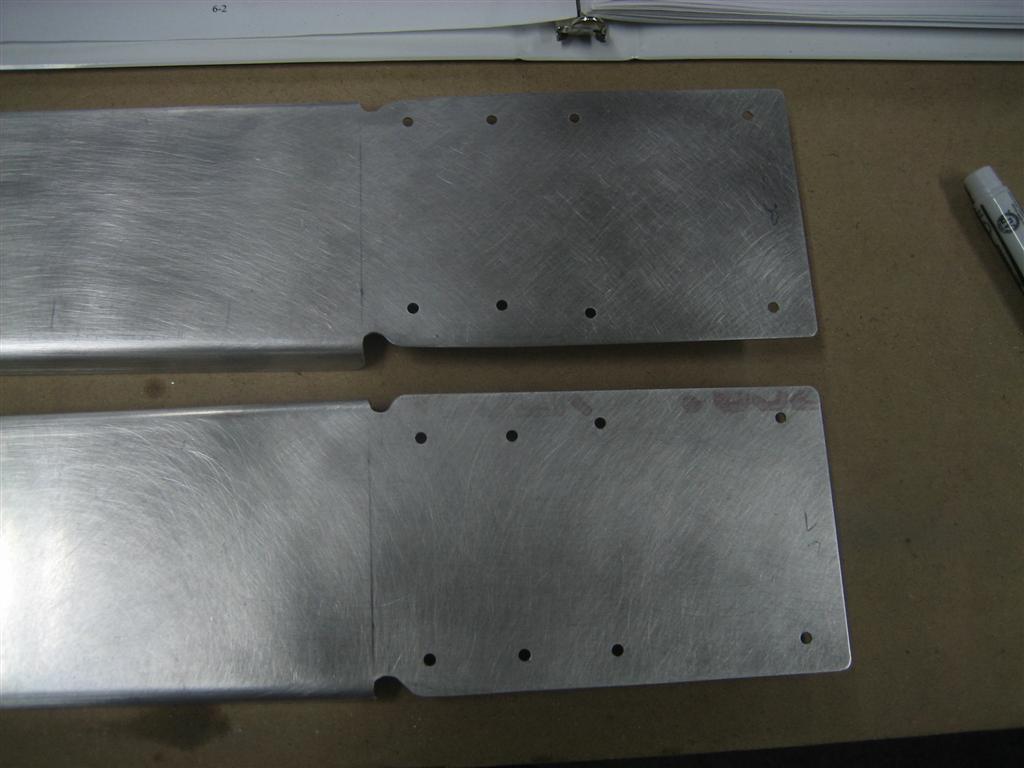
Finished HS-702 shaping with bend relief notches.
Then I bent HS-710, HS-714, and both HS-702s. I created a cardboard template using trigonometry. I took the tangent of 6 degrees. Which is a little over 0.1. (This means fromthe bend line, for every inch you go laterally, the angle will be just over 0.1 inches up.) That’s a little hard to measure, so I took the inverse (to figure out how many inches laterally I need to go for 1 inch up), and got just over 9.5 inches. I have a calibrated 6 inch ruler, so I divided by two, and ended up with mike’s numbers; 4.75″ over, and 0.5″ up.
Now that I have my template for six degrees, let’s get bending.
After trying a few methods in the vise, I ended up just lining up my bend line with the edge if the table, holding a wooden block over the piece, and putting a little pressure on it. If you go slowly, you can get 6 degrees pretty dead nuts on. I laid everything on top of eachother, and it all lined up very nicely.
Lastly, I finished the front spar section by dimpling the HS-702s, and countersinking (first ever countersink!) the HS-710 and HS-714 for the center two holes only. Remember, flush rivets go on the aft side here, so the countersink and the male dimple die go from back to front.

Countersunk HS-710 and HS-714, dimpled HS-702.
A solid 5.5 hours today.
Leave a Comment » | Builder's Log | Tagged: bearing, cleco, edges, Front spar, Priming, Rear spar, Riveting | Permalink
Posted by Andrew
First Avery tool order
December 25, 2009Dec 25, 2009
I made another tool order last night. This time from Avery. I’ve heard really good things about them, but they tend to be more expensive for some things. Merry Christmas to me (and all of you…).
POP RIVET DIMPLERS – 3/32″ – These dimple dies are for hard to reach places in the aft end of ribs. You can also use them on the skins, if you don’t really want to buy a c-frame, (or are planning on borrowing one, and haven’t gotten around to it.) I know a few people on the forums who have done all of their skins with pop-rivet dies. I definitely need them for the ribs, so if they work out, I’ll try them on the skins. Otherwise, I’ll get the c-frame.
3/32″ TANK DIES – This is for dimpling the understructure (ribs, etc.) with a slightly larger dimple (dies were made for dimpling the fuel tanks, where the pro-seal required to seal the tanks prevents the rivet head from sitting flush). I’ve decided, after reading Brad Oliver’s post on the tank dies here, and then confirming that many builders have gone this route, that this will be a good idea.
EXTRA LONG DOUBLE OFFSET BACK RIVET SET – I need a backrivet set anyway, so instead of ordering the cheap (pronounced “great value”) one from the Yard, I decided to just get one…one that will work when I need to backrivet something (in the wings?) with a double offset. People rave about backriveting the wing skins, and while I am a long way from those steps, at least now I’ll only need one backrivet set instead of two.
DRILL STOPS – #40 Drill Stop – I tried to make my own drill stops out of tubing, but it didn’t work. I hope these are nice.
DRILL STOPS – #30 Drill Stop – Needed the #30 size, too.
MONOGRAM AIRCRAFT SHEET METAL FASTENERS (CLECOS) – 1/8″ CLECO – Ha. I bought 18 of these to bring my subtotal to $100.02. Free shipping over $100! I’m so clever.
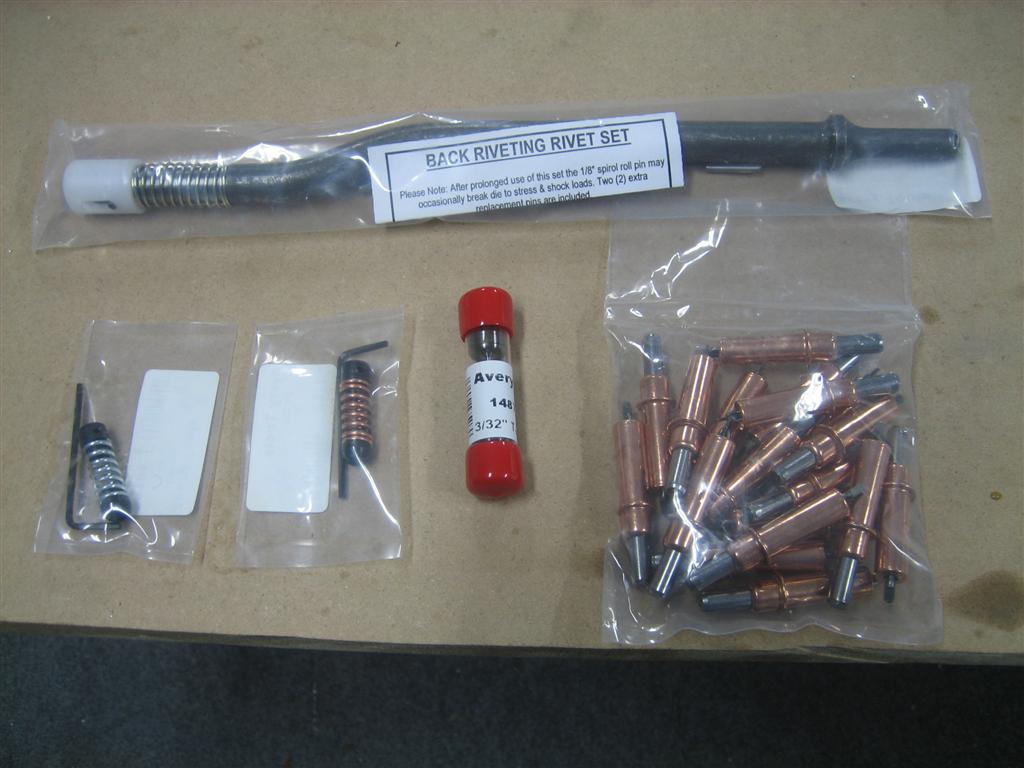
Avery tool order that came in. Wuhoo! Apparently I had already put away the pop rivet dimplers. Sorry. They come in a little plastic baggy about the size of the drill stop bags with about 6 extra nails in it.
Leave a Comment » | Builder's Log, Tools | Tagged: Avery, Backriveting, cleco, Dimpling, order, Tools, yard | Permalink
Posted by Andrew
More tools before starting
December 11, 2009Ordered some more tools today. The Yard has graciously offered to send me the following after taking some of my money:
- Fluting Pliers
- Microstop New
- 5-Piece Set 100 degree Countersinks
- 4 Side-Grip Clecos Clamps 1/2″
- 4 Side-Grip Clecos Clamps 1″
- 25 K Series Spring Cleco 1/8″
- 50 K Series Spring Cleco 3/16″
- 2 #21 Cobalt Jobber Bit – 135 degree
- 2 #12 Cobalt Jobber Bit – 135 degree
They should arrive sometime next week. I’ll update the post when the come in with some pictures.
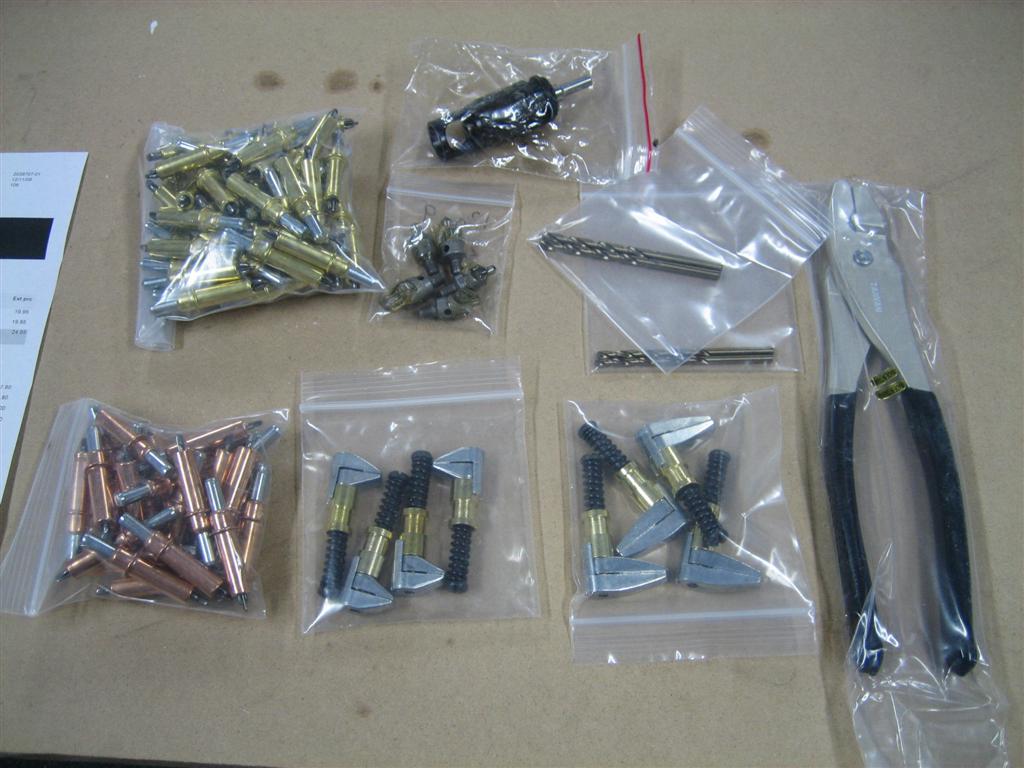
Tools arrived!
Dec 25th update:
I bet some of you noticed I ordered 3/16″ clecos instead of 3/32″ When the box arrived, I was sure that the Yard had made a mistake, but I quickly realized the mistake was mine. After some research, I figured out I won’t need that many 3/16″ clecos, so it owuld be best if I could exchange them. Luckily, I was headed to Wichita the very next day for a wedding, and the Yard is conveniently located in Wichita.
Note: It is possible to bring a bag of 50 3/16″ clecos in a carry-on through airport security. Be prepared: the TSA will ask you why you are trying to bring bullets on the airplane. Ask me how I know.
When I was able to sneak away from the wedding festivities and make it to the Yard, the guy behind the counter didn’t have any problem with me exchanging for the right size. He even pointed out that I might want to go with used. Skeptically, I inspected a bag of 100 used 3/32″ clecos, and was satisfied with their quality. (Only saw a few with pro-seal on them.) at $0.25 a piece, I saved a bunch of money. Ha.
January update: Later, I saw that some of the clecos are stubby clecos, and some are unusable. I’ve gone through every one and thrown out about 10% of them. I will probably stick with new clecos from now on. If nothing else, they look better in the pictures for you guys.
Anyway, let me get back to my Christmas. Oh, and Merry Christmas.
Leave a Comment » | Builder's Log, Tools | Tagged: cleco, drill bit, fluting, microstop, Tools, Wichita, yard | Permalink
Posted by Andrew
Ordered some more tools. Again.
September 15, 2009Ordered some more tools today. I’ll update the post when they come in. I’ve been ordering from The Yard, given the price advantage. Until I run into bad quality, I’ll probably just continue along that route. I’m sure some of you may have some comments about that.
Here’s the list. So far, project costs is $596 dollars. I have a spreadsheet I keep with estimated cost for each tool, then my actual costs, including shipping (free if order is over $100 with the yard). Then I calculate how much I save for each tool or item. I’m estimating I’ve saved about $678 by shopping around vigorously.
K Series Spring Cleco 3/32″ (0-1/4″)
K Series Spring Cleco 1/8″ (0-1/4″)
Cleco Pliers with Grip
#30 High-Speed Jobber Bit – 135 degee Split Point
#40 High-Speed Jobber Bit – 135 degee Split Point
Auto Center Punch Large
Safety Glasses Clear
Plastic Spring Clamp Small
Plastic Spring Clamp Medium
12″ Drill Bit High Speed #30 AED
12″ Drill Bit High Speed #40 AED
Dimple Die Set 3/32″ Male/Female
Dimple Die Set 1/8″ Male/Female
9/18/09 Update: The above ordered tools arrived, and I am again happy with their quality. I added some more spaces to the right of my rivet/squeezer/dimple set tool holder of sorts. Here are a few pics of the tools and their new home.
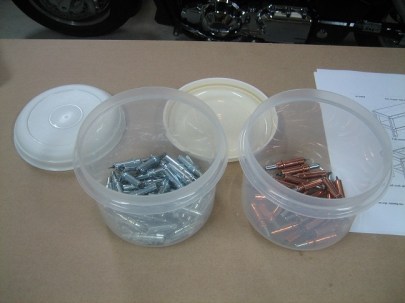
A closeup of the first of many clecos.
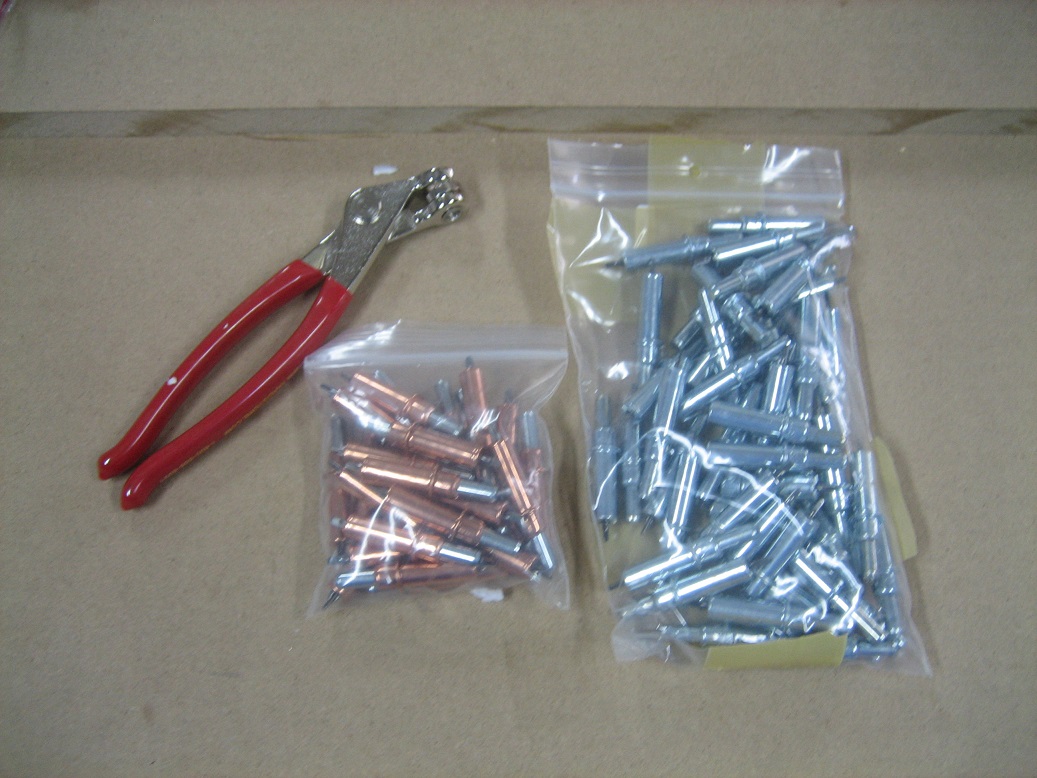
Clecos and Pliers. I sprung for the pliers with handles. High class, huh?
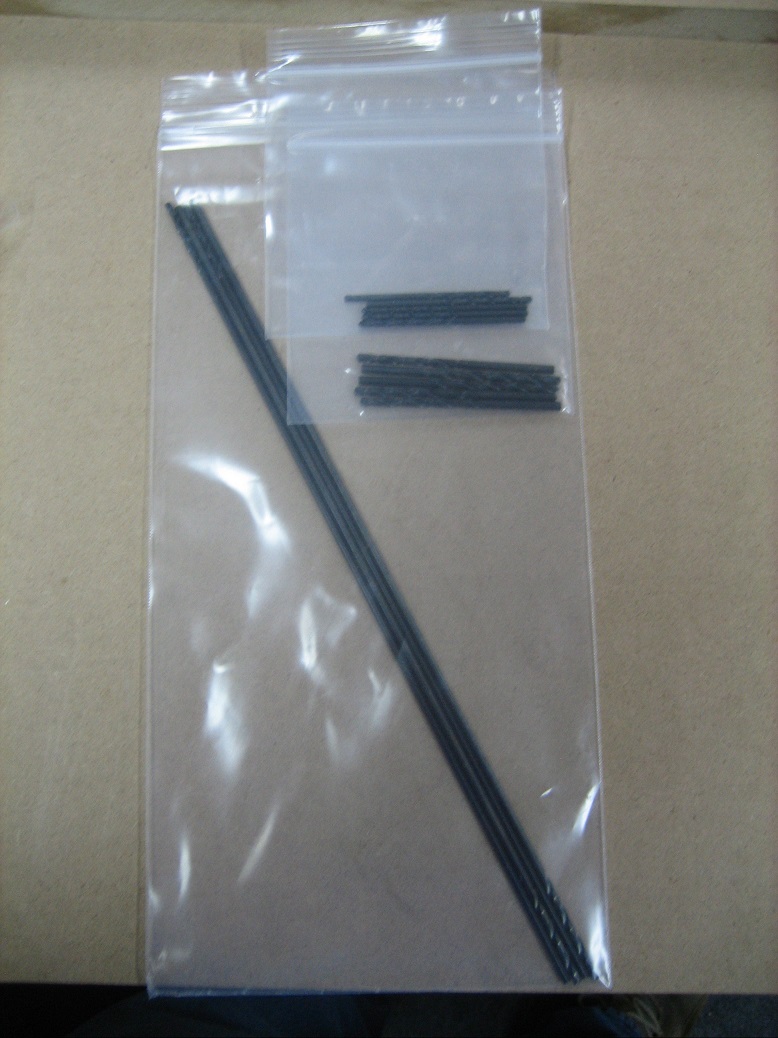
DRILL BITS!
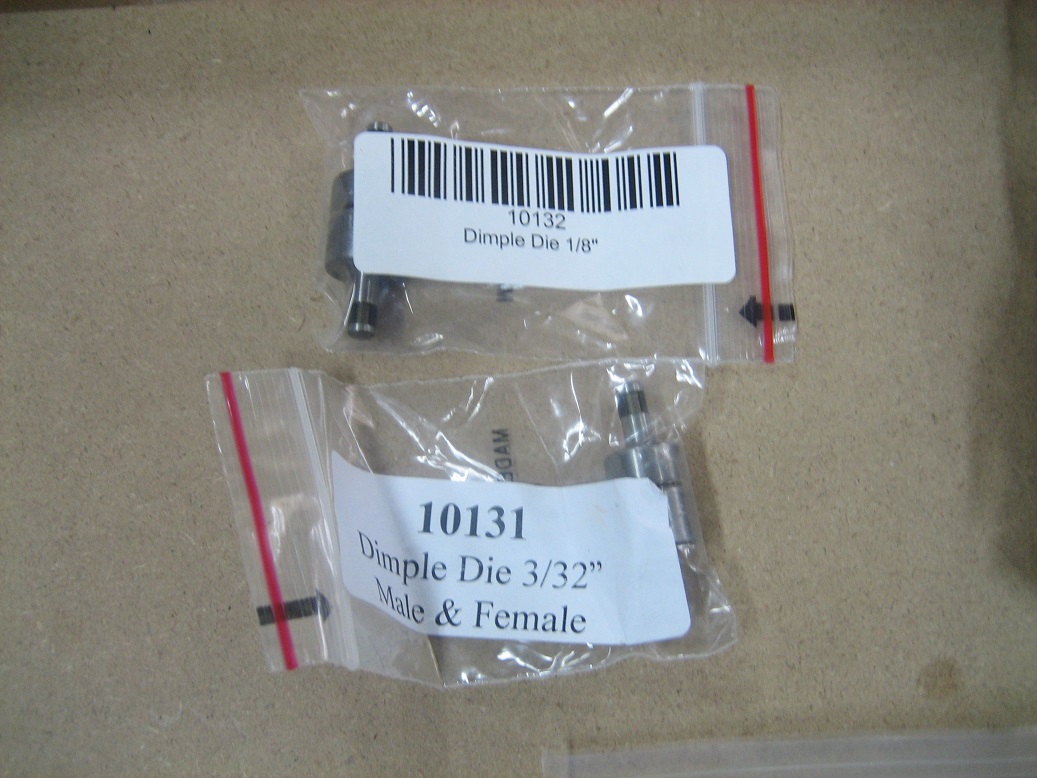
Dimple Dies.

Everything in the order.
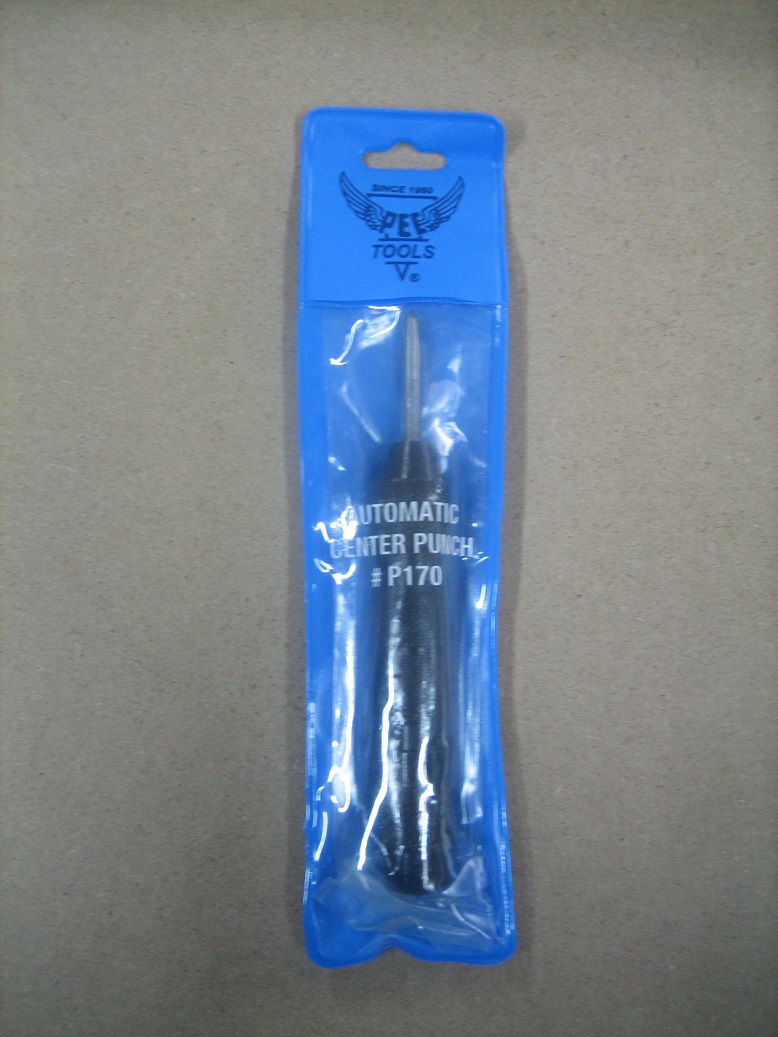
And a punch.
Leave a Comment » | Tools | Tagged: cleco, Dimpling, drill bit, order, Tools, yard | Permalink
Posted by Andrew








 Andrew's RV-7 Build Log